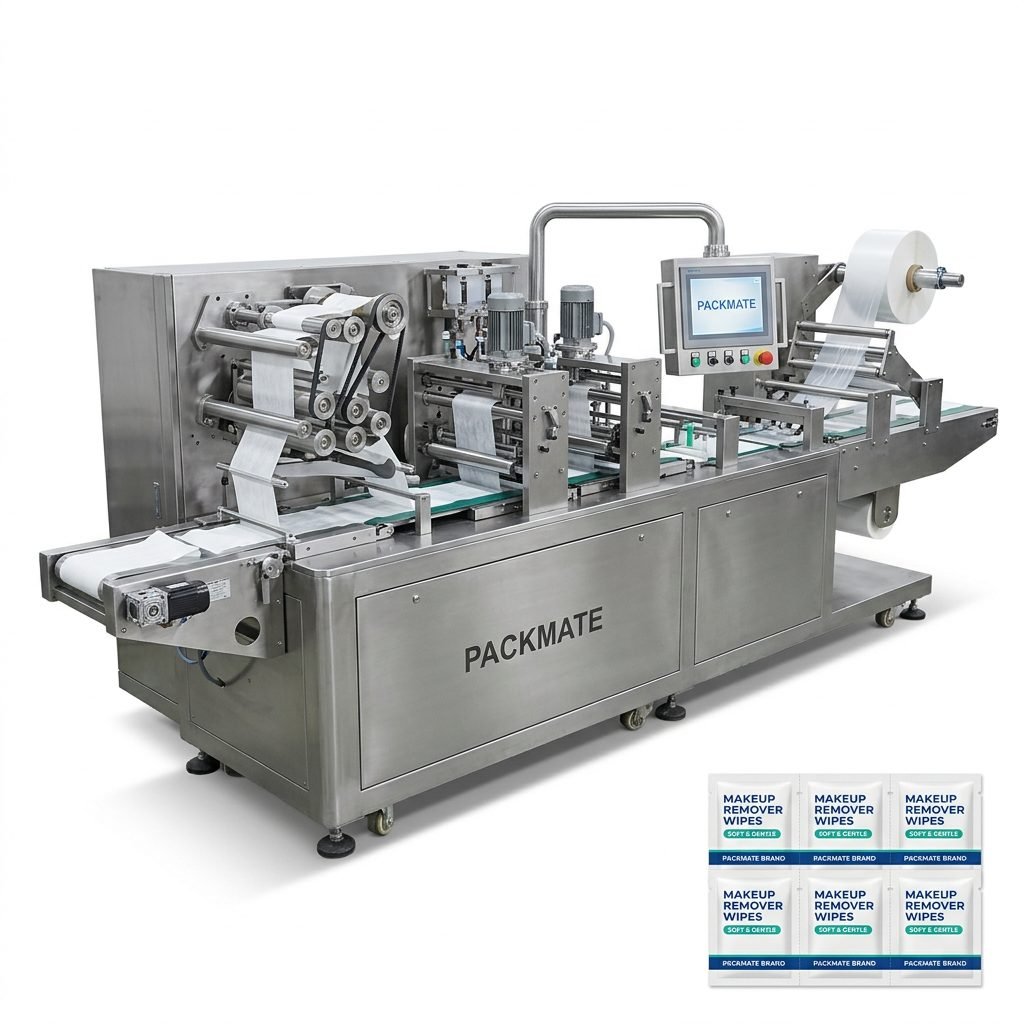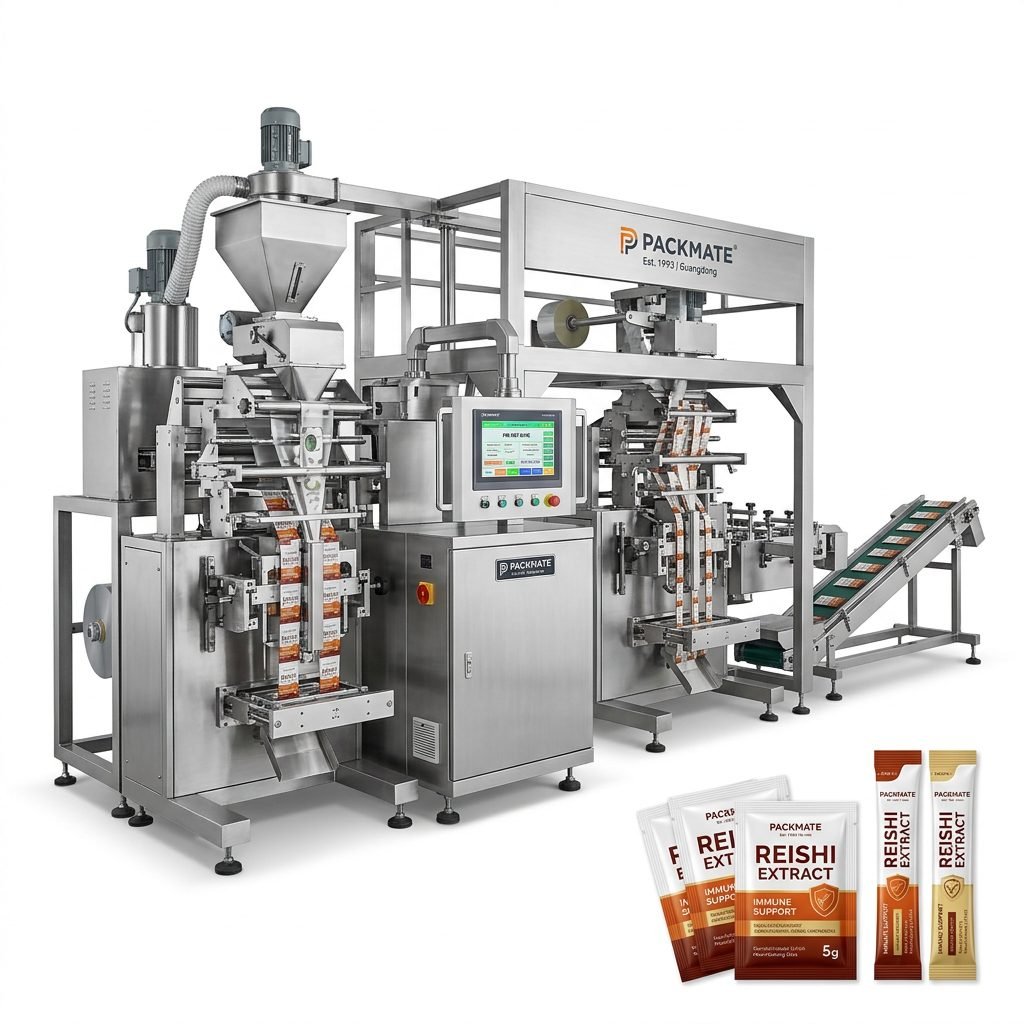
The global beverage industry is a dynamic and fast-paced sector where efficiency, hygiene, and brand presentation are paramount. At the heart of every successful beverage production facility lies a robust and reliable drink processing and packaging line. For beverage factories seeking to optimize their operations or brands looking for expert OEM solutions, partnering with the right manufacturer is not just a procurement decision—it’s a strategic investment in quality, scalability, and market competitiveness.
The Core of Modern Beverage Production: Integrated Processing & Packaging
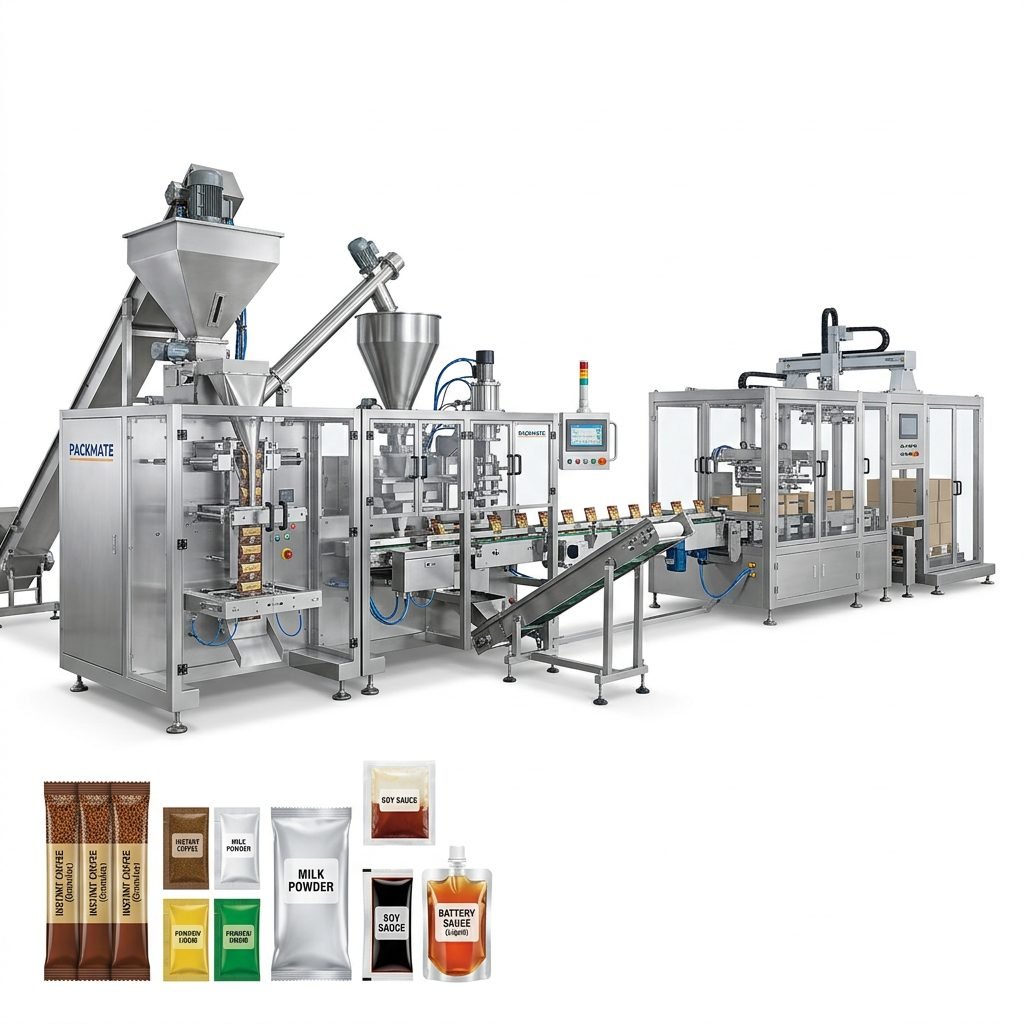
Gone are the days of disparate, manually linked systems. Today’s leading manufacturers, like Packmate (GuangDong) Co., Ltd., specialize in delivering intelligent, turnkey lines. This integrated approach ensures seamless transition from liquid processing—including mixing, blending, pasteurization, and carbonation—directly into precise and high-speed packaging. Such synergy minimizes contamination risk, reduces product loss, and maximizes overall equipment effectiveness (OEE), which is critical for meeting the high-volume demands of the market.
Key Advantages of an Integrated Line:
- Consistent Product Quality: Controlled, closed-loop systems from processing to filling preserve taste, fizz, and nutritional integrity.
- Operational Efficiency: Automated material handling and synchronized speeds eliminate bottlenecks.
- Hygiene & Safety: Designed with sanitary standards (like CIP/SIP systems) in mind, crucial for beverage safety.
- Data & Traceability: Modern lines offer centralized monitoring for real-time data on production metrics and batch tracking.
Tailoring Solutions: From Large-Scale Factories to Flexible OEM
The needs of a multinational beverage factory differ significantly from a startup brand utilizing contract packaging. A proficient manufacturer must cater to both. For established factories, the focus is on high-capacity, ultra-reliable lines for water, soft drinks, or juices, often requiring customization for unique bottle shapes or closure types. For brands exploring OEM solutions, the manufacturer acts as a development partner, providing flexible lines capable of handling smaller, diverse batches for niche products like functional drinks, craft sodas, or ready-to-drink teas, all while maintaining brand-specific packaging aesthetics.
Essential Components of a Beverage Packaging Line
A complete line is an orchestra of specialized machinery. Understanding each component helps in specifying the right system.
1. Washing & Rinsing Machines
Whether for glass bottles, PET, or cans, ensuring containers are impeccably clean is the non-negotiable first step. Advanced rotary or inline washers use precise jets of water, air, and sometimes detergents to remove contaminants.
2. Filling Technology
The heart of the line. Options include:
Gravity Fillers for still beverages,
Isobaric Fillers for carbonated drinks (maintaining pressure to preserve CO₂), and
Aseptic Fillers for shelf-stable products without preservatives. Accuracy is measured in fractions of a milliliter.
3. Capping & Sealing
Immediately following filling, this station applies screw caps, press-on lids, or foil seals. Torque control is vital to ensure a perfect seal that prevents leakage and contamination while being consumer-friendly.
4. Labeling & Coding
This is where brand identity and compliance information are applied. Modern lines feature high-speed labelers (wrap-around, front & back) and integrated inkjet or laser coders for batch dates, barcodes, and expiry information.
5. Secondary Packaging
The final step groups individual units for distribution. This includes multi-packers (creating 6-packs, 12-packs), case packers, cartoners, and palletizers. Robotics are increasingly used here for flexibility in handling different pack patterns.
Why Choose a Specialist Manufacturer Like Packmate?
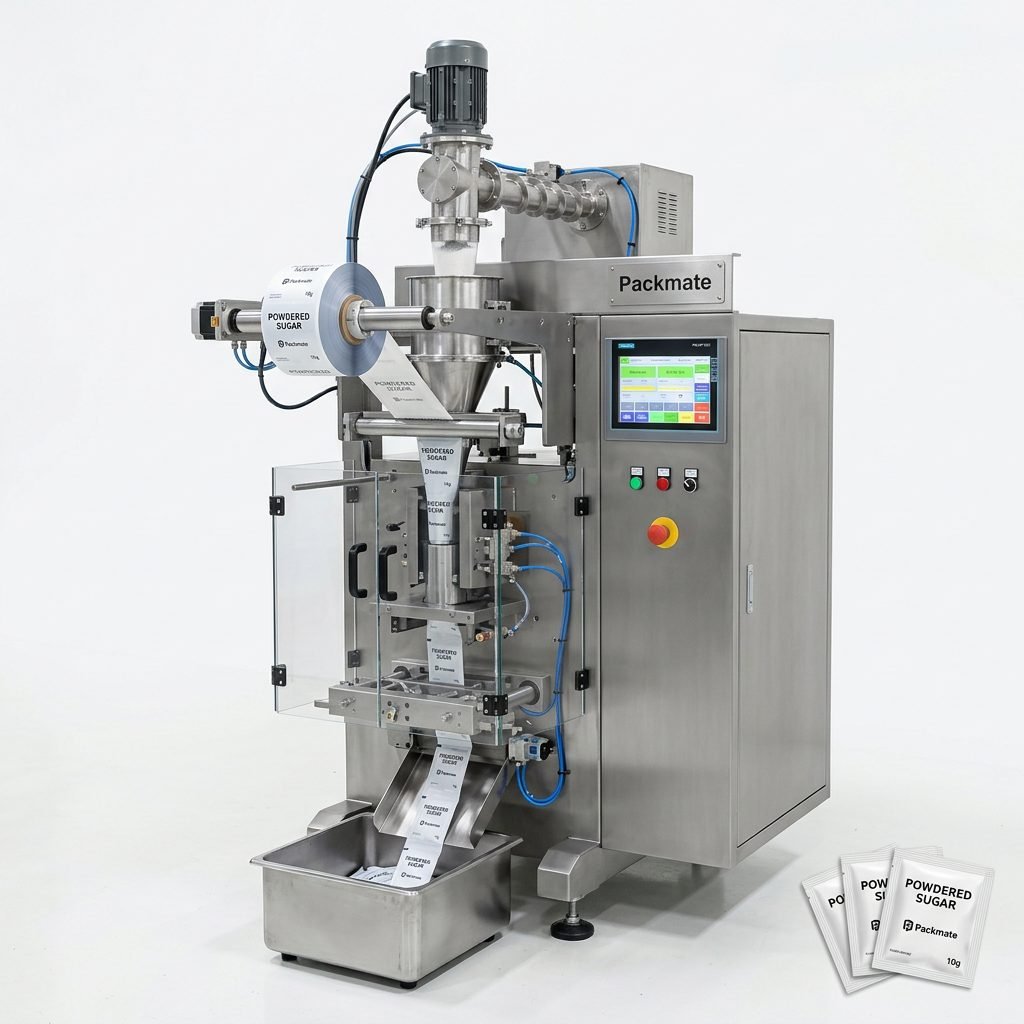
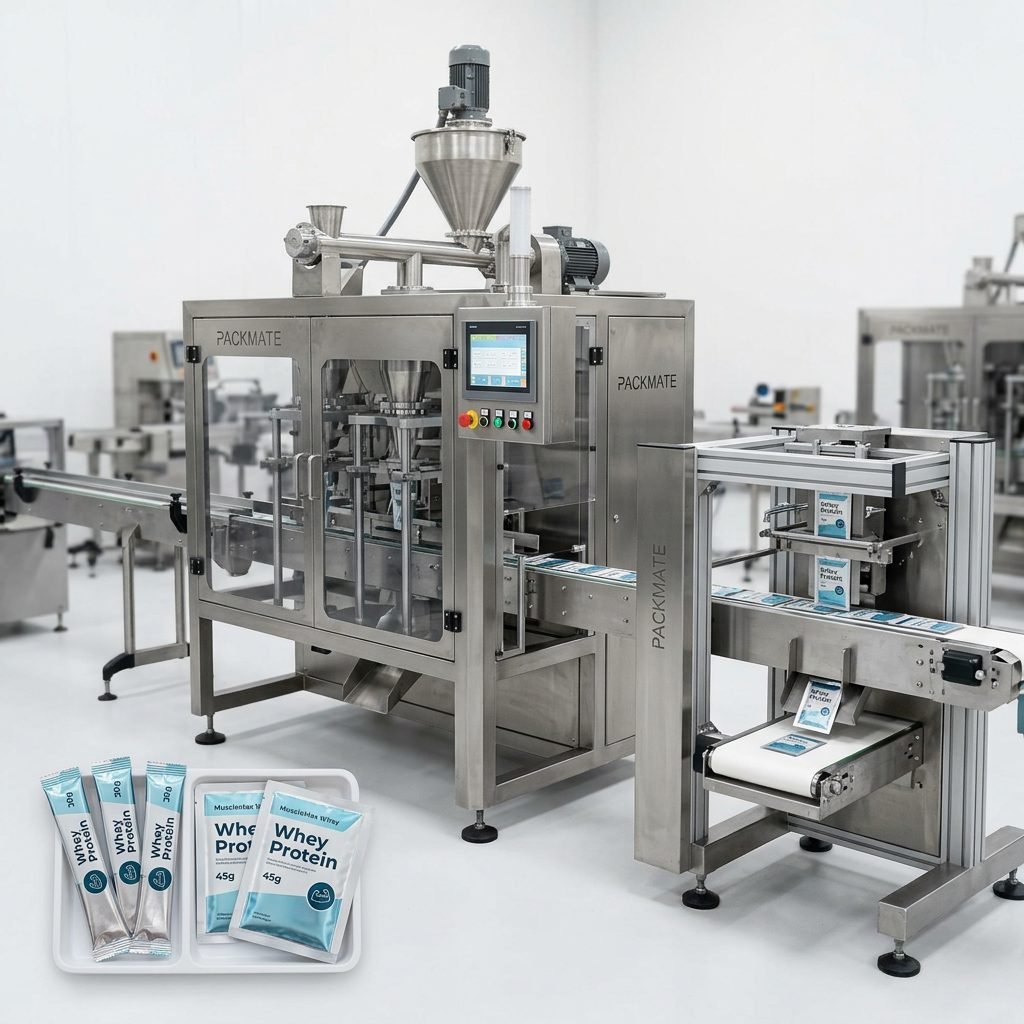
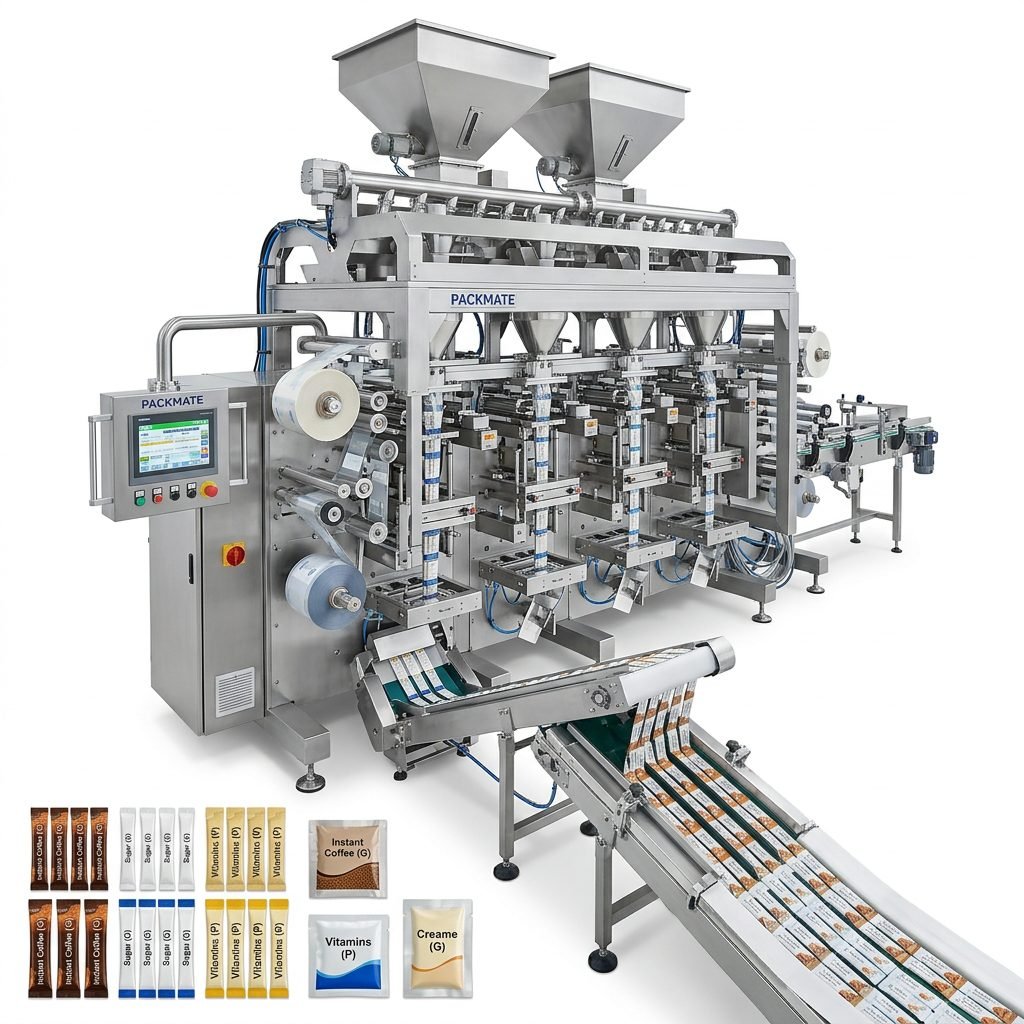
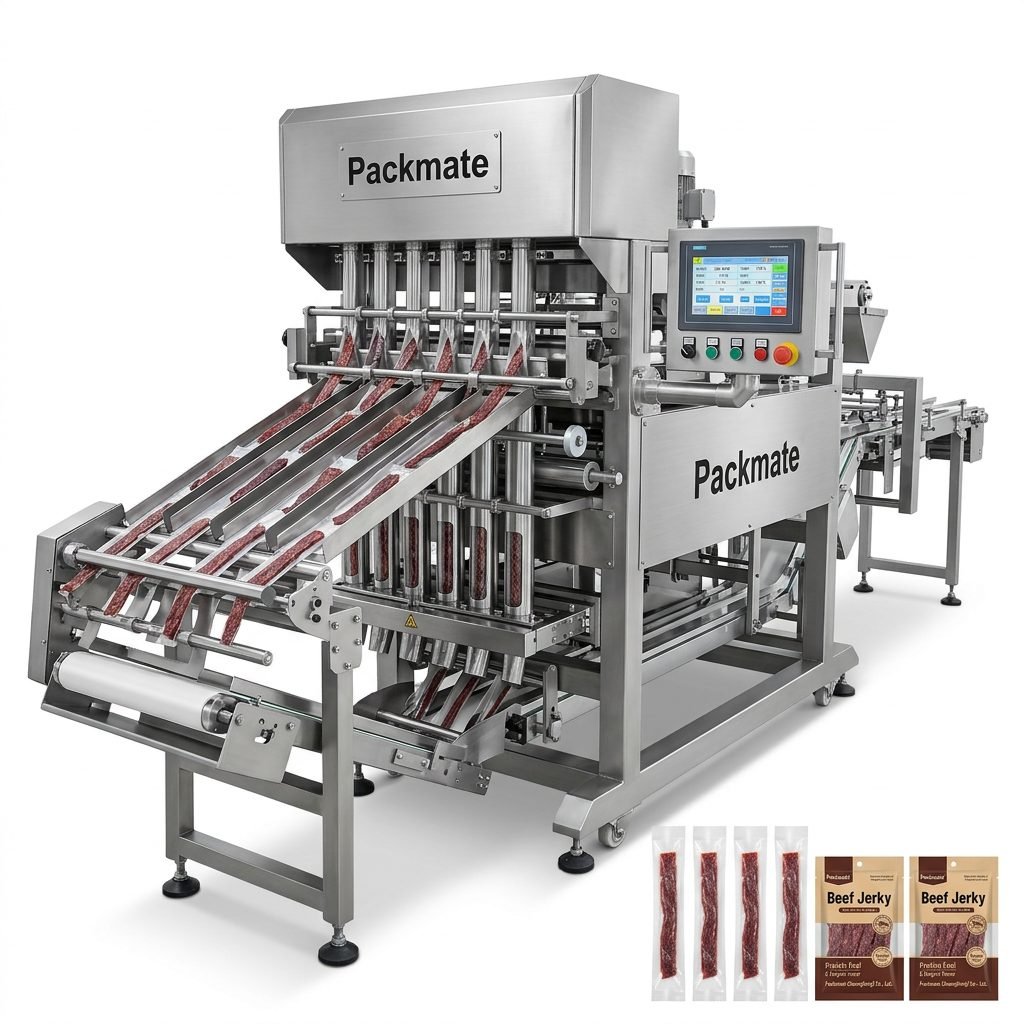
With over 22 years of development in automation, Packmate brings a depth of experience that transcends simple equipment supply. Their evolution from a specialist in sachet machines to a provider of complete turnkey lines for various industries, including beverages, demonstrates a capacity for innovation and adaptation. Operating from a 20,000㎡ modern facility with over 100 pieces of advanced equipment, they embody the manufacturing excellence required for this field. Their approach is consultative—beginning with a thorough analysis of the client’s product, target output, and site constraints to engineer a solution that fits perfectly, as evidenced in their diverse project portfolio.
Critical Factors in Selecting Your Manufacturing Partner
Choosing the right partner is a multi-faceted decision. Beyond technical specs, consider these aspects:
- Proven Expertise & References: Look for a track record with similar products (juice, carbonated water, dairy-based drinks). Request case studies or client references.
- Technology & Innovation: Does the manufacturer invest in R&D? Are their machines compatible with Industry 4.0 concepts for data collection and remote diagnostics?
- Compliance & Certification: Equipment should meet international safety and hygiene standards (CE, ISO, etc.). This is crucial for export-oriented beverage plants.
- After-Sales & Support: Comprehensive service including installation supervision, operator training, readily available spare parts, and technical support is invaluable for minimizing downtime.
- Scalability & Future-Proofing: Can the line be easily upgraded or modified for new products or higher speeds in the future?
Investing in a state-of-the-art drink processing and packaging line is a significant step toward securing a competitive edge. It streamlines production, ensures unwavering product quality, and provides the agility to respond to market trends. For beverage factories and brands alike, aligning with an experienced, full-service manufacturer who offers both robust production line solutions and flexible OEM collaboration is the foundation for sustainable growth and success in the bustling global beverage marketplace. To explore specific capabilities and initiate a conversation about your project requirements, visiting the manufacturer’s contact page is the recommended next step.
Frequently Asked Questions (FAQs)
1. What is the typical lead time for a complete turnkey beverage packaging line?
Lead times vary significantly based on line complexity, customization level, and current manufacturer backlog. A standard configured line may take 4-6 months from order to delivery, while a highly customized system can require 8-12 months or more. It’s essential to discuss timelines in detail during the project planning phase.
2. Can one line handle different types of beverages and packaging formats?
Yes, with careful design. Many modern lines are built for flexibility (or “changeover”). This might involve quick-change parts for different bottle sizes, interchangeable filling valves for varying viscosities, and programmable settings. However, extensive changeovers can require downtime, so the line’s flexibility should be matched to your specific product portfolio needs.
3. How important is energy and water efficiency in these lines?
Extremely important. Beverage production is resource-intensive. Leading manufacturers now prioritize eco-design, incorporating energy-efficient motors, heat recovery systems in pasteurizers, and water recycling loops in bottle washers. This not only reduces operational costs but also aligns with corporate sustainability goals.
4. What kind of training and support can we expect after installation?
A reputable manufacturer provides comprehensive training for your maintenance and operations teams on-site during commissioning. This covers routine operation, cleaning procedures, basic troubleshooting, and preventive maintenance. Ongoing support typically includes remote technical assistance, a detailed manual, and access to a reliable supply of genuine spare parts.
5. Are your machines compliant with international food safety standards?
Professional manufacturers design and build equipment to comply with major international standards. Key certifications to look for include CE (for the European market), which covers machinery safety, and design adherence to hygiene norms such as EHEDG or 3-A Sanitary Standards. Always verify the specific certifications relevant to your target markets.