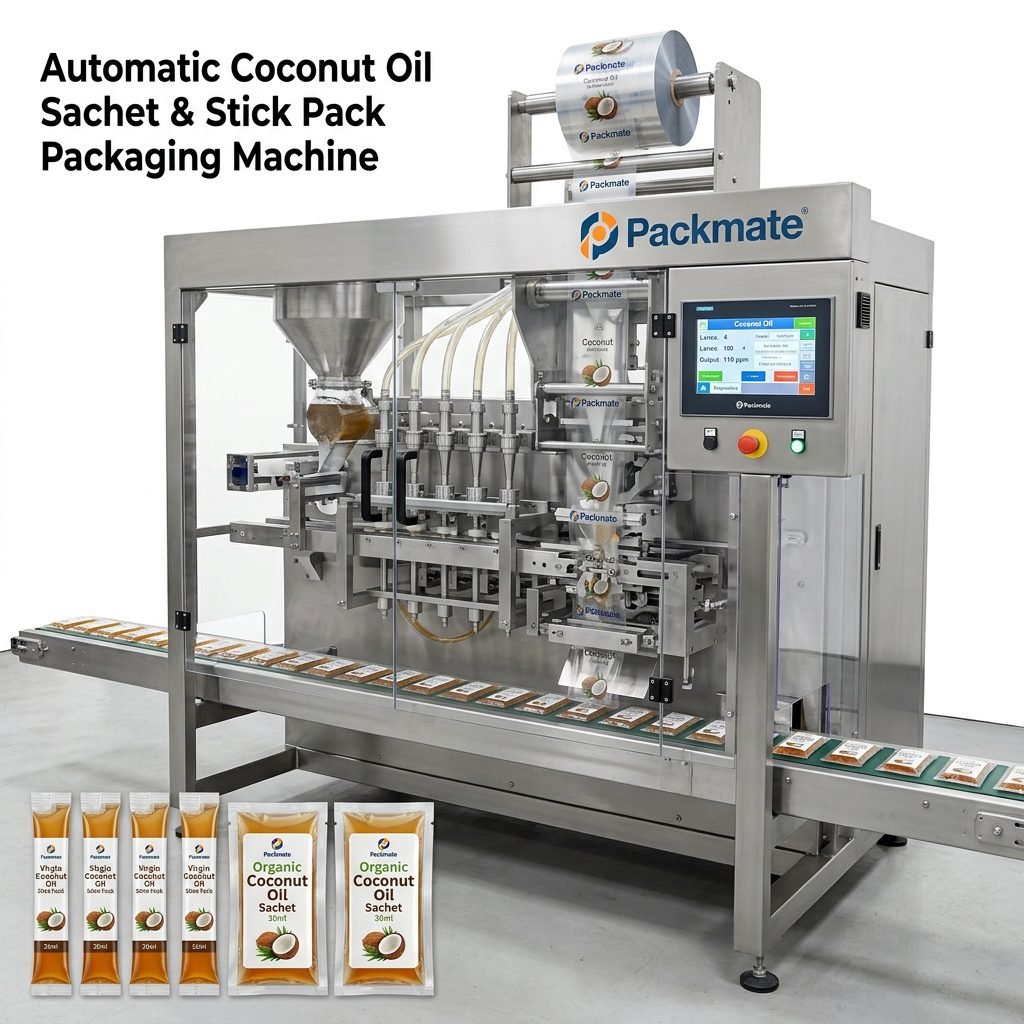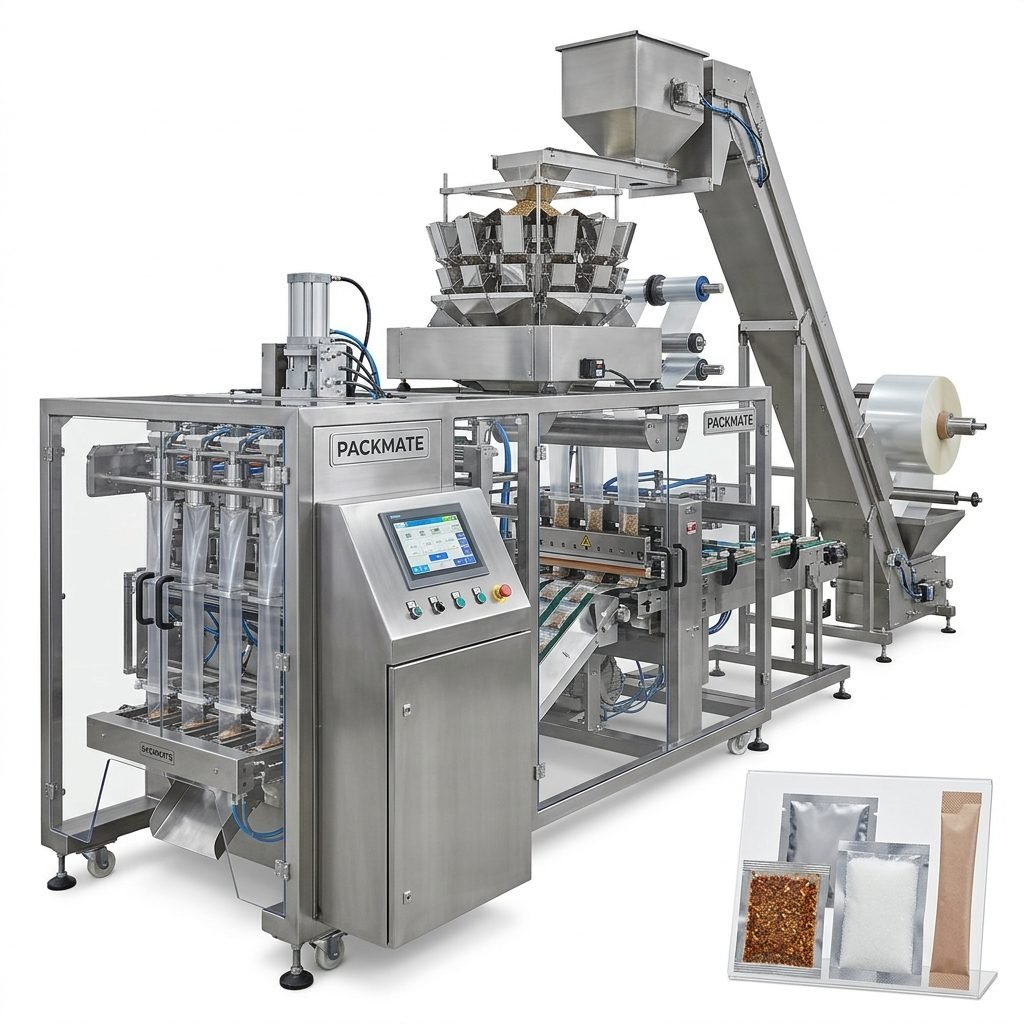
In the highly regulated and quality-sensitive sectors of food, pharmaceutical, and health product manufacturing, the packaging process is far more than a final step—it is a critical component of product integrity, safety, and market success. Achieving excellence here requires more than individual machines; it demands a cohesive, intelligent, and reliable system. This is where the concept of complete packaging machinery solutions becomes indispensable, integrating every stage from dosing and filling to sealing, cartoning, and palletizing into a seamless, high-performance production line.
The Imperative for Integrated Solutions in Modern Production
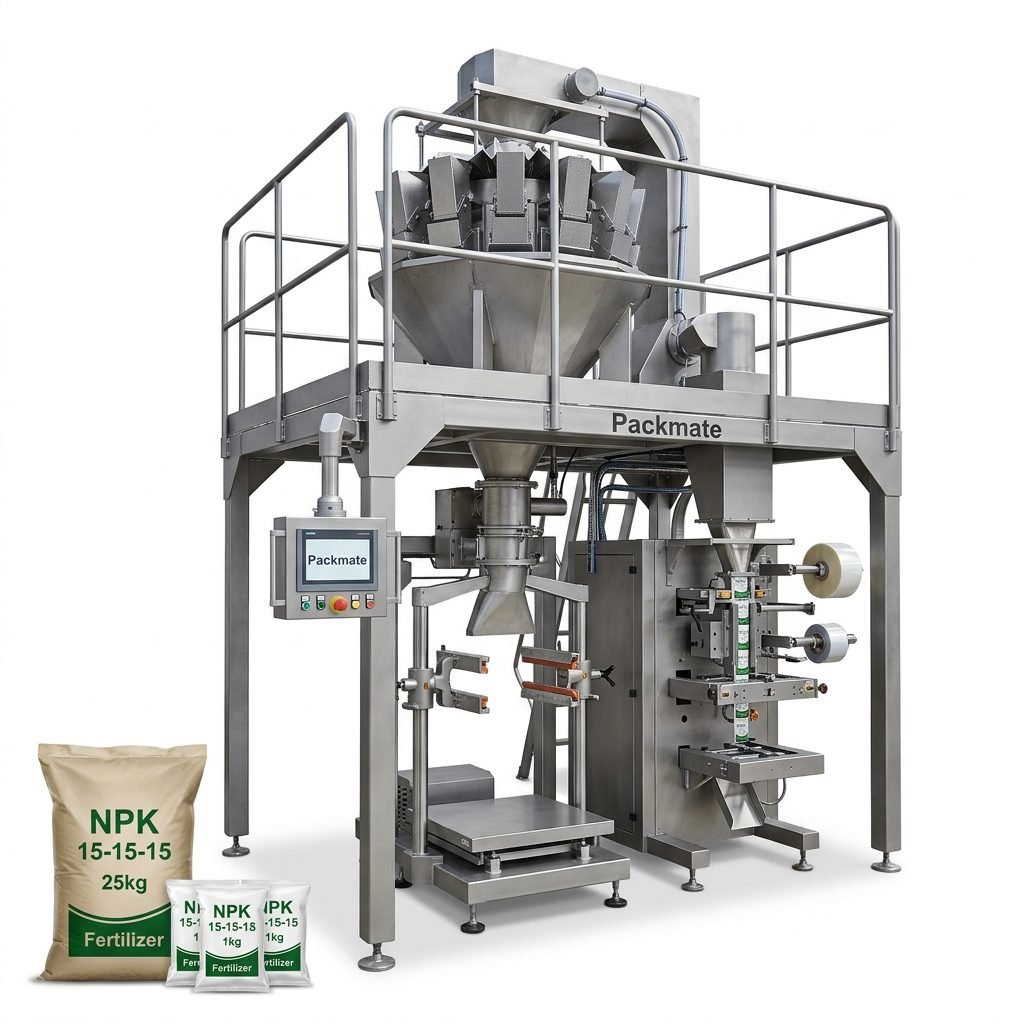
Modern consumers and regulatory bodies demand unprecedented levels of safety, precision, and information. A disjointed packaging line with equipment from multiple vendors often creates bottlenecks, compatibility issues, and gaps in quality control. A complete, turnkey solution from a single provider like Packmate eliminates these risks. It ensures harmonized operation, streamlined maintenance, and a single point of accountability for the entire line’s performance, from the initial infeed of raw materials to the final packaged pallet.
Core Advantages of a Unified Packaging Line
- Enhanced Efficiency & Uptime: Synchronized machinery minimizes transfer delays and jams, maximizing Overall Equipment Effectiveness (OEE).
- Superior Product Protection: Consistent, controlled processes from start to finish safeguard product hygiene, potency, and shelf life.
- Scalability & Flexibility: Solutions are designed to easily adapt to changing production volumes, new product formats, or packaging materials.
- Reduced Total Cost of Ownership: Lower integration costs, simplified training, and coordinated spare parts inventory lead to significant long-term savings.
Tailored Solutions for the Food Industry
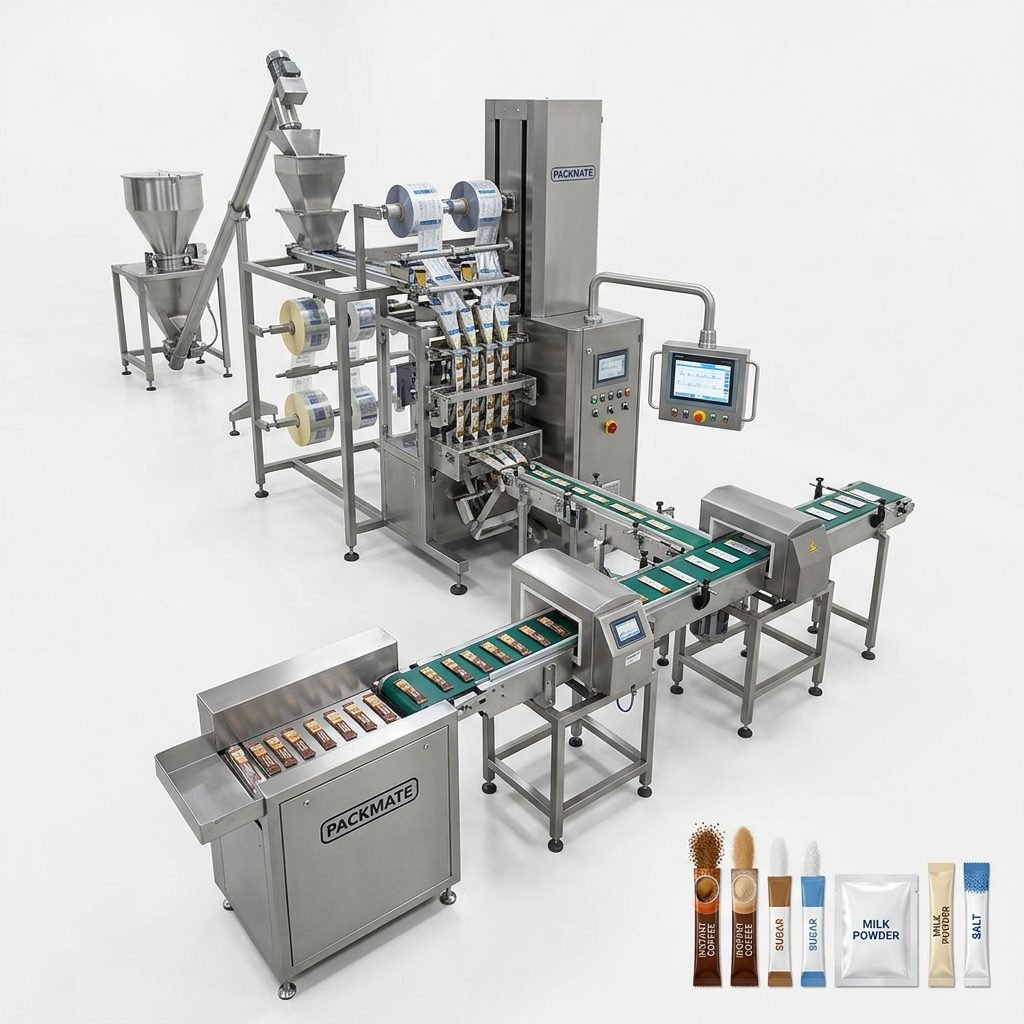
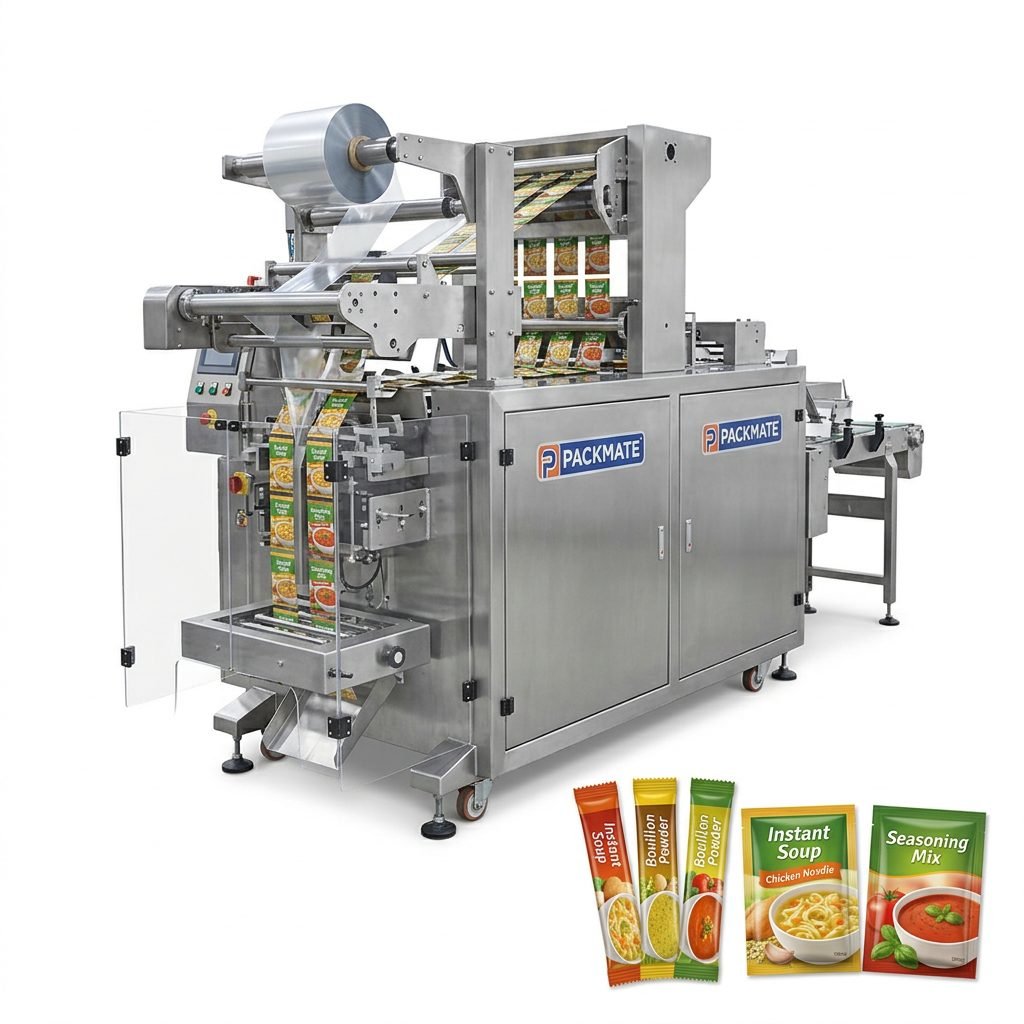
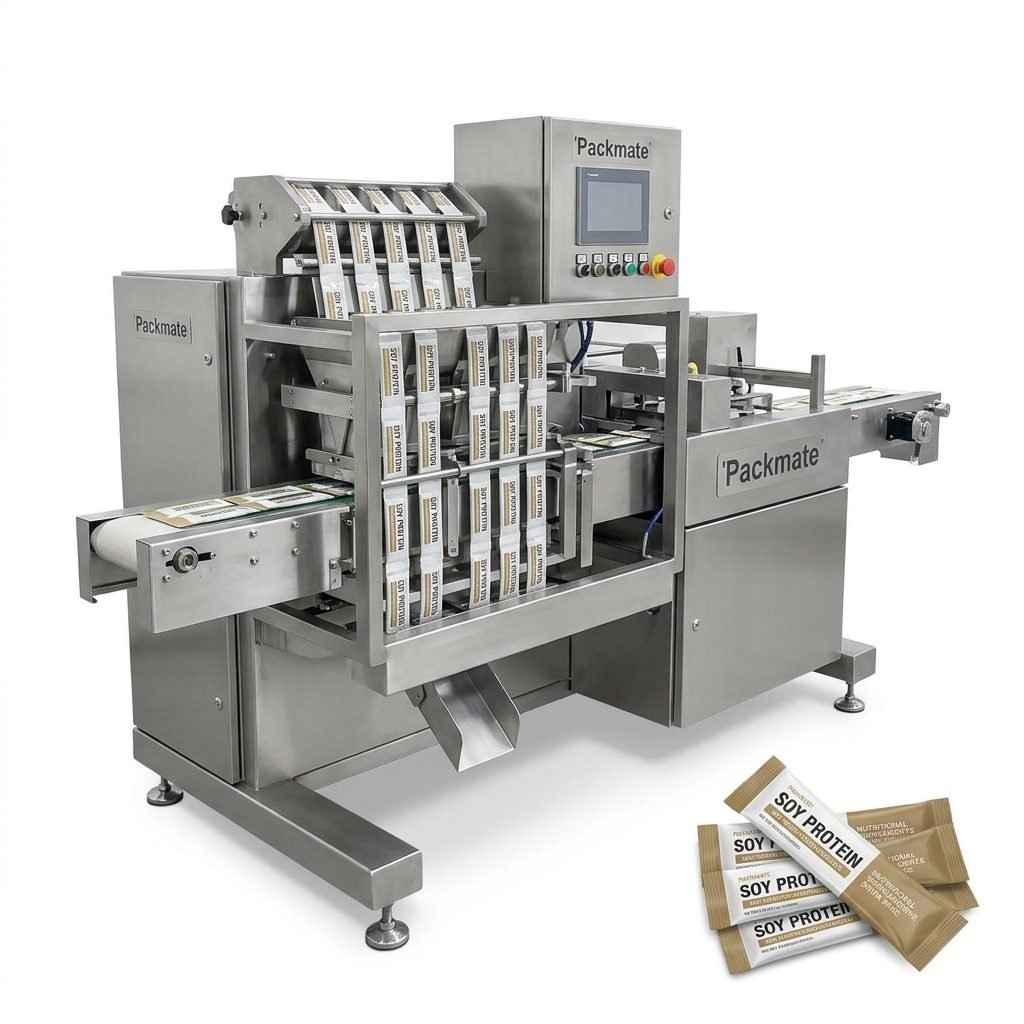
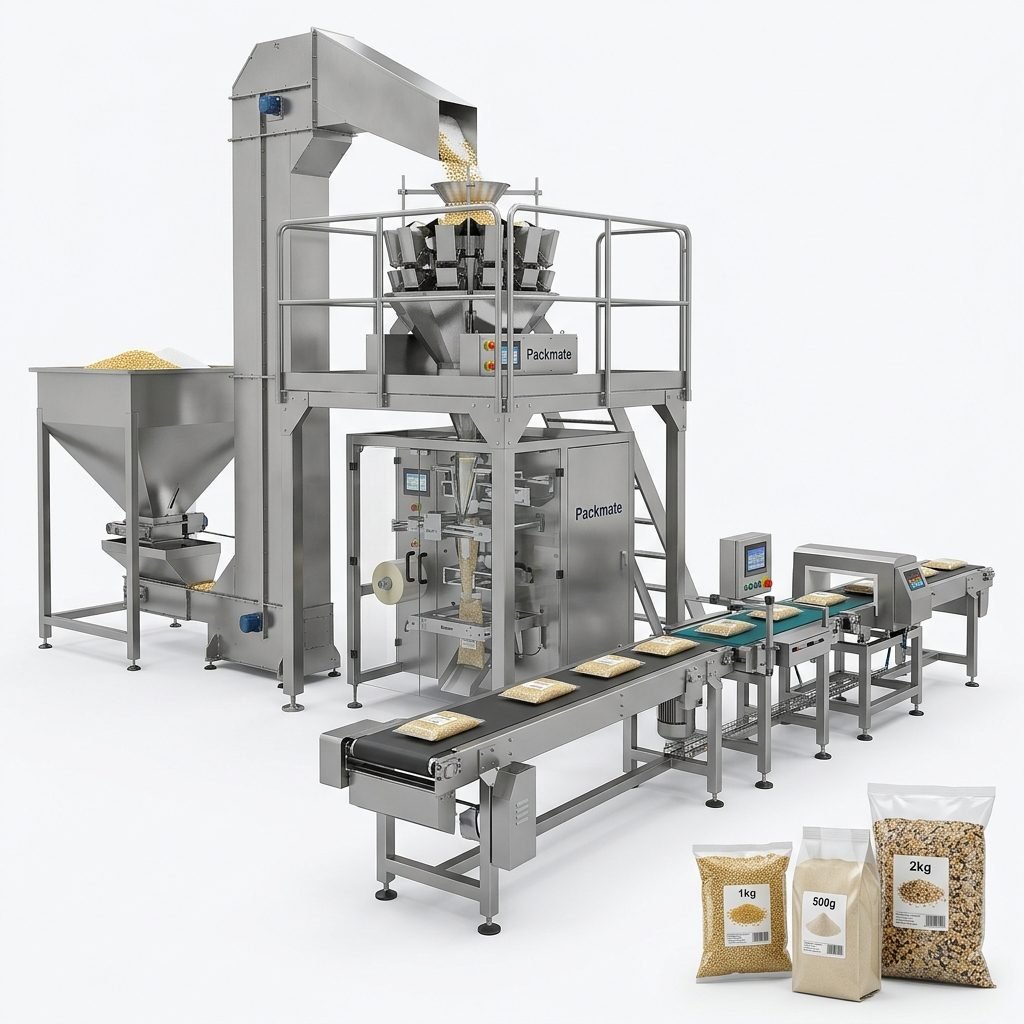
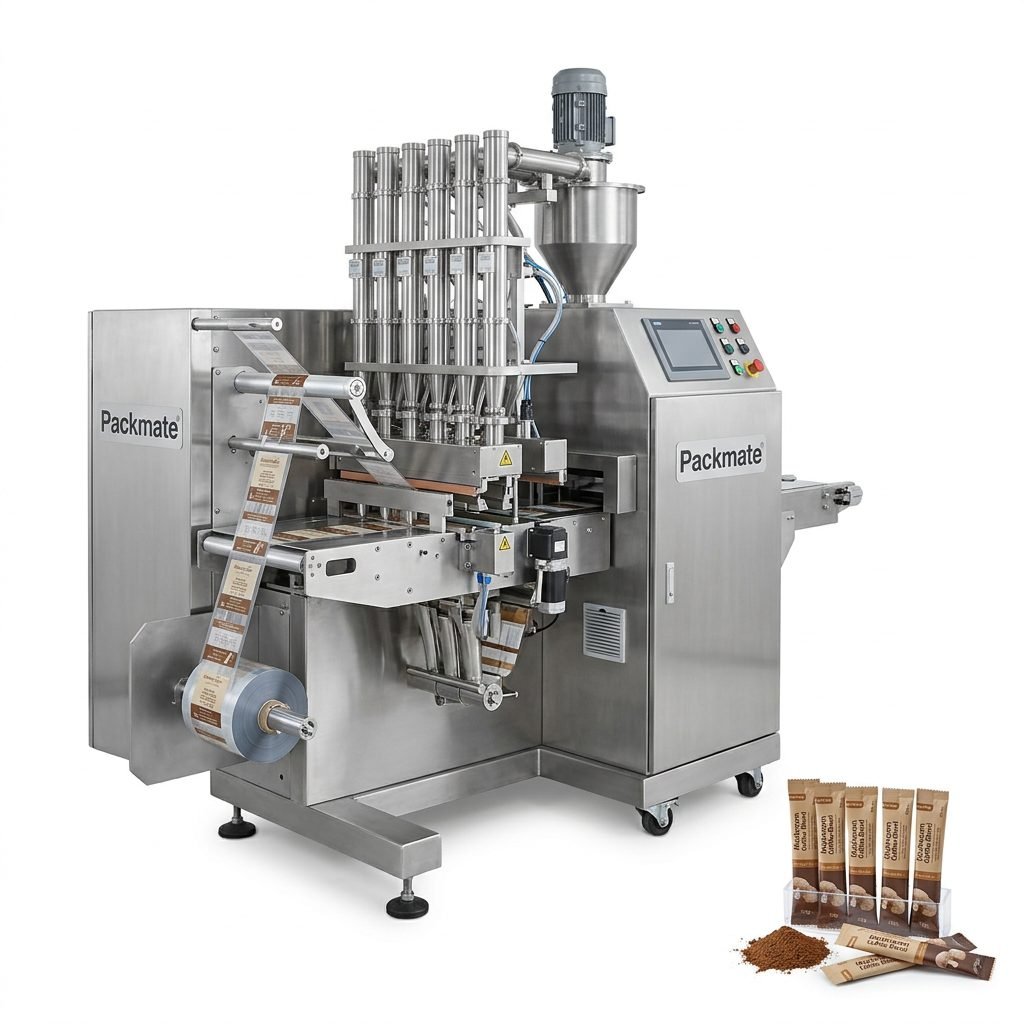
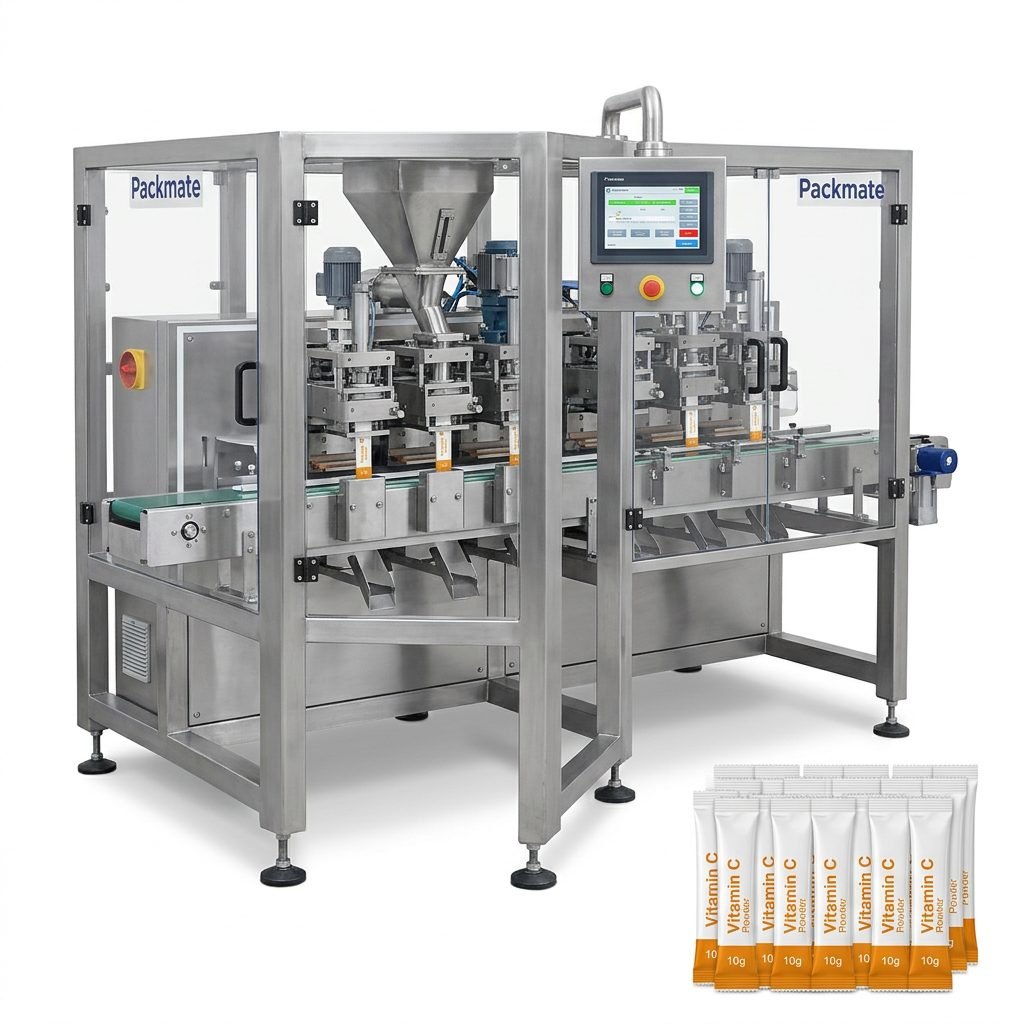
Food packaging must balance robust barrier properties for freshness with high-speed operation and compelling shelf appeal. Complete lines for granules (like coffee, sugar), powders (spices, protein blends), and liquids (sauces, oils) require specific technologies. For instance, multi-lane stick pack machines are ideal for single-serve portions, while advanced form-fill-seal (FFS) systems handle larger volumes. These integrated systems ensure weight accuracy, hermetic sealing, and compliance with food safety standards (HACCP, GMP) across millions of units. Discover specific applications in our detailed Solution portfolio.
Precision Engineering for Pharmaceutical & Health Products
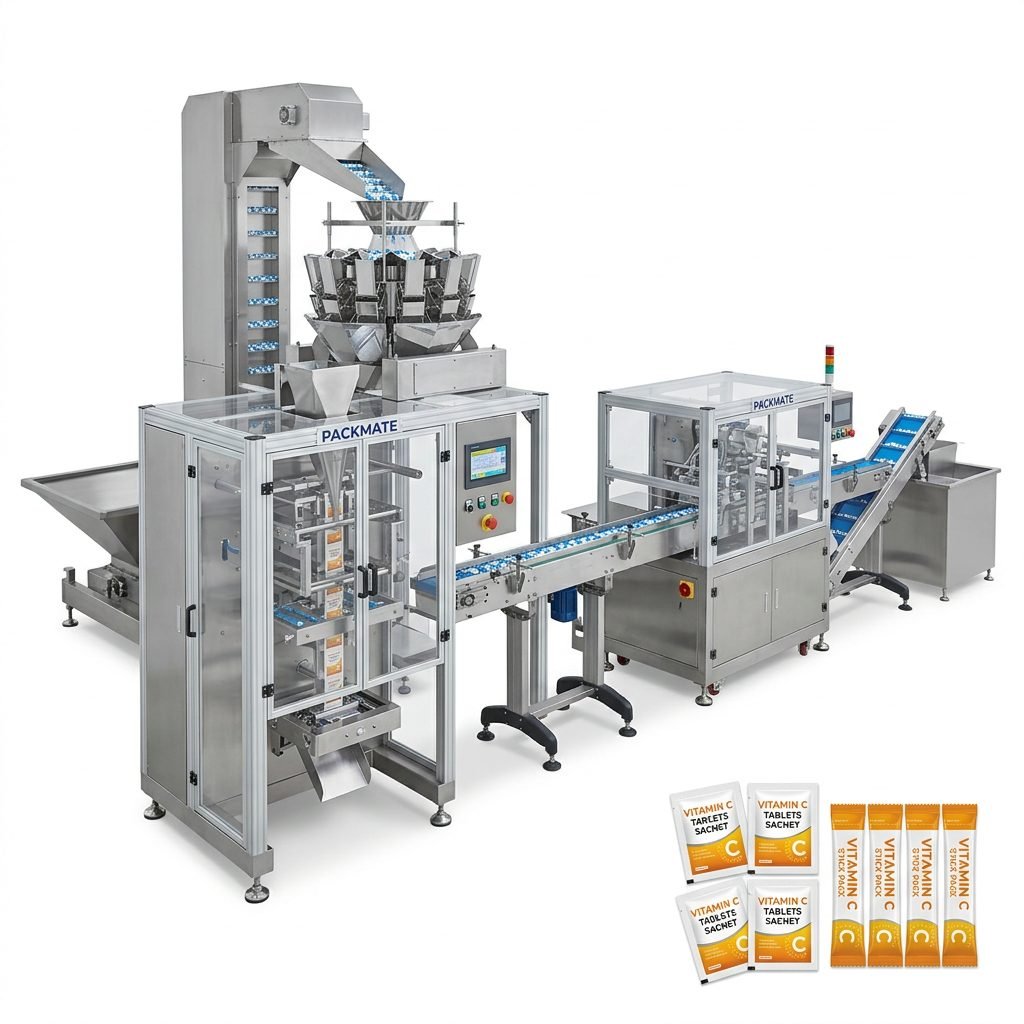
This sector imposes the most stringent requirements. Packaging lines must guarantee absolute accuracy in dosing (critical for APIs), maintain sterile or cleanroom conditions, and provide tamper-evidence and precise lot tracking. Complete solutions incorporate specialized equipment like auger fillers for powders, peristaltic pumps for liquids, and blister packaging machines for tablets. Every component is designed for easy cleaning, validation, and adherence to cGMP guidelines. The integration of vision inspection systems and track-and-trace software within the line is no longer optional but a fundamental part of the Case for patient safety and regulatory compliance.
Key Technology Pillars in a Complete Line
Behind every successful line are core technological pillars:
1. Intelligent Control Systems
Centralized PLC and HMI interfaces allow for real-time monitoring, recipe management, and predictive maintenance alerts, turning data into actionable insights.
2. Advanced Material Handling
From gentle product conveyors to precise film web tension control, these subsystems ensure smooth, consistent flow without product degradation or waste.
3. Rigorous Quality Assurance Integration
Checkweighers, metal detectors, vision systems, and leak testers are not standalone units but fully integrated checkpoints that automatically reject non-conforming packages.
The Packmate Advantage: From Vision to Validation
Choosing the right partner is as crucial as the technology itself. With over 30 years of dedicated experience, Packmate (GuangDong) Co., Ltd. embodies the philosophy of complete solutions. Our process begins with a deep analysis of your product, output goals, and facility constraints. Our team of 125+ professionals then designs, manufactures, and assembles the line in our 20,000㎡ facility before conducting exhaustive factory acceptance testing (FAT). We oversee installation, provide comprehensive training, and offer lifelong Service support. This end-to-end approach, detailed in our Company Profile, transforms our clients’ packaging operations into reliable, future-ready assets.
Investing in a complete packaging machinery solution is a strategic decision that pays dividends in quality, efficiency, and brand reputation. It transforms packaging from a cost center into a competitive advantage, ensuring that products reach consumers exactly as intended—safe, secure, and perfectly presented.
Frequently Asked Questions (FAQs)
1. What is the main benefit of a “turnkey” packaging line versus buying machines separately?
A turnkey solution provides a fully integrated, tested, and ready-to-operate system from a single supplier. This eliminates compatibility issues, reduces project timeline and risk, and ensures you have one point of contact for service and support, leading to higher overall line efficiency and lower long-term costs.
2. How does Packmate ensure its lines meet strict pharmaceutical GMP standards?
We design with cleanability, validation, and traceability in mind. Machines feature stainless-steel contact surfaces, sanitary designs with minimal dead zones, and documentation packs for IQ/OQ/PQ. We can integrate washdown-rated components and data logging systems to meet stringent audit requirements.
3. Can an existing packaging line be upgraded or integrated into a new complete solution?
Absolutely. We often conduct line audits and recommend retrofits or partial upgrades. We can integrate new core machines (like a new FFS unit) with your existing conveyors or cartoners, or add modern quality control modules to enhance an older line’s performance.
4. What is the typical timeline from project initiation to full production?
The timeline varies based on line complexity and customization. A standard line typically takes 3-6 months from order to factory testing, followed by installation and commissioning at your site. We provide detailed project plans to keep every phase on track.
5. What kind of training and after-sales support do you provide?
We provide comprehensive operational and maintenance training during commissioning. Our support includes a warranty period, readily available spare parts, remote diagnostic assistance, and optional service contracts. Our global network ensures prompt response to keep your line running optimally.