When expanding or upgrading a packaging operation in Egypt, choosing the right machinery manufacturer is a decision that directly impacts production efficiency, product quality, and long‑term operational costs. Egyptian food processors, pharmaceutical companies, and consumer goods manufacturers are increasingly looking for reliable partners who understand local market conditions and can deliver equipment that meets both international standards and local regulatory requirements. This guide walks through the key criteria to evaluate when selecting a packaging machine manufacturer for your business in Egypt, with practical insights drawn from the country’s industrial landscape.
Understanding Egypt’s Packaging Industry Landscape
Egypt has one of the largest and most diversified economies in the Middle East and North Africa, with strong growth in the food & beverage, pharmaceutical, and health supplement sectors. Cairo, Alexandria, and the Suez Canal Zone are major hubs for manufacturing. Local companies often require packaging solutions for products such as instant coffee, tea, spices, powdered milk, detergents, pharmaceuticals, and agricultural inputs.
Many Egyptian businesses are upgrading from manual or semi‑automatic lines to fully automated systems to reduce labor costs and improve consistency. At the same time, the country’s growing export markets (to Africa, Europe, and the Middle East) demand packaging that meets international hygiene and quality standards. This makes the choice of a packaging machine manufacturer critical – you need a partner who can provide reliable machinery, tailored configurations, and responsive after‑sales support in the Egyptian time zone.
Key Criteria for Selecting a Packaging Machine Manufacturer
1. Industry Experience and Manufacturing Background
The number of years a manufacturer has been in the business often correlates with engineering maturity, production stability, and the ability to handle complex projects. Egyptian buyers should look for companies with more than 20 years of experience, as they have likely encountered a wide range of product types and packaging formats.
For example, Ludyway, founded in 1993, brings over three decades of expertise in automatic packaging for granules, powders, liquids, and pastes. Such long‑standing manufacturers tend to have robust quality control systems and a proven track record in export markets, including the Middle East and Africa.
2. Product Range and Customization Flexibility
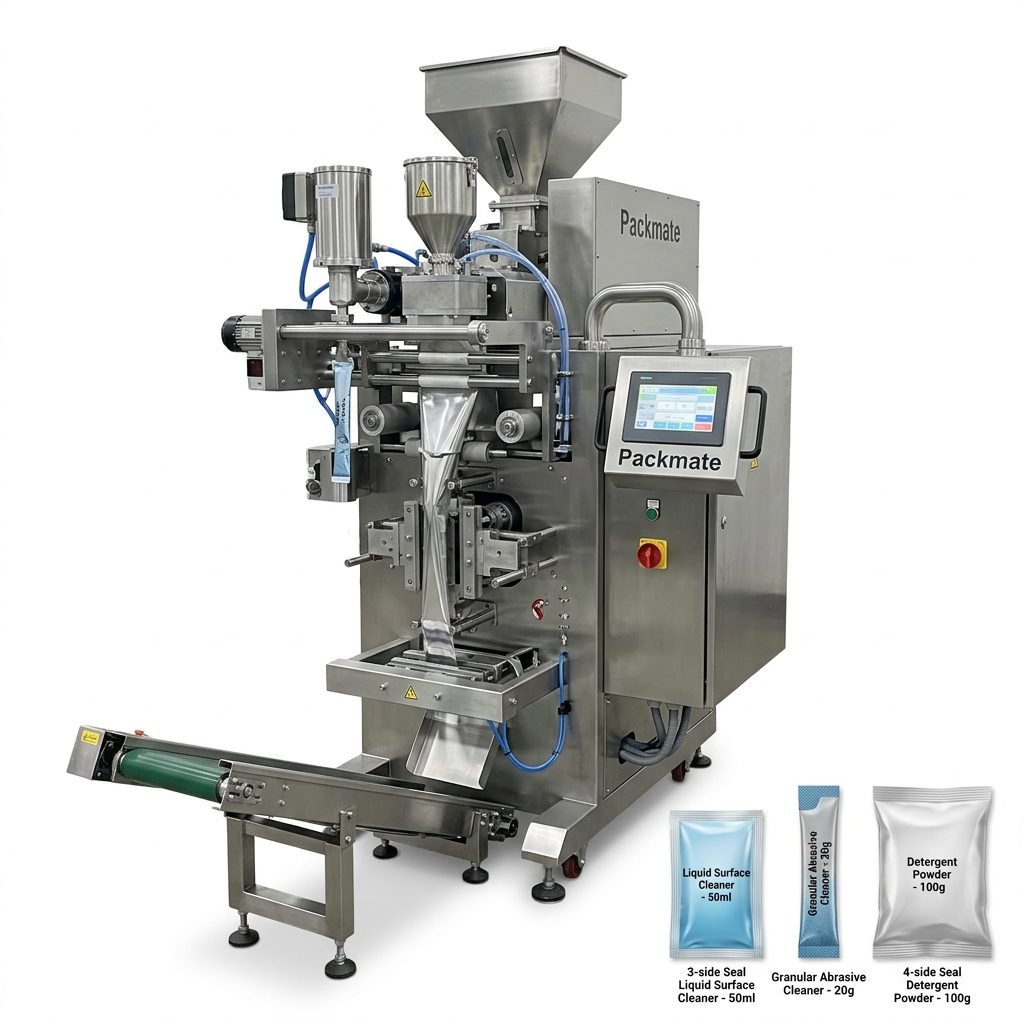
Not all packaging machines are created equal. A manufacturer that offers a broad portfolio – from stick pack machines and sachet systems to complete turnkey lines – can better match your specific product requirements. In Egypt, where products range from sticky liquids (e.g., date syrup) to dusty powders (e.g., cement additives), customization is often essential.
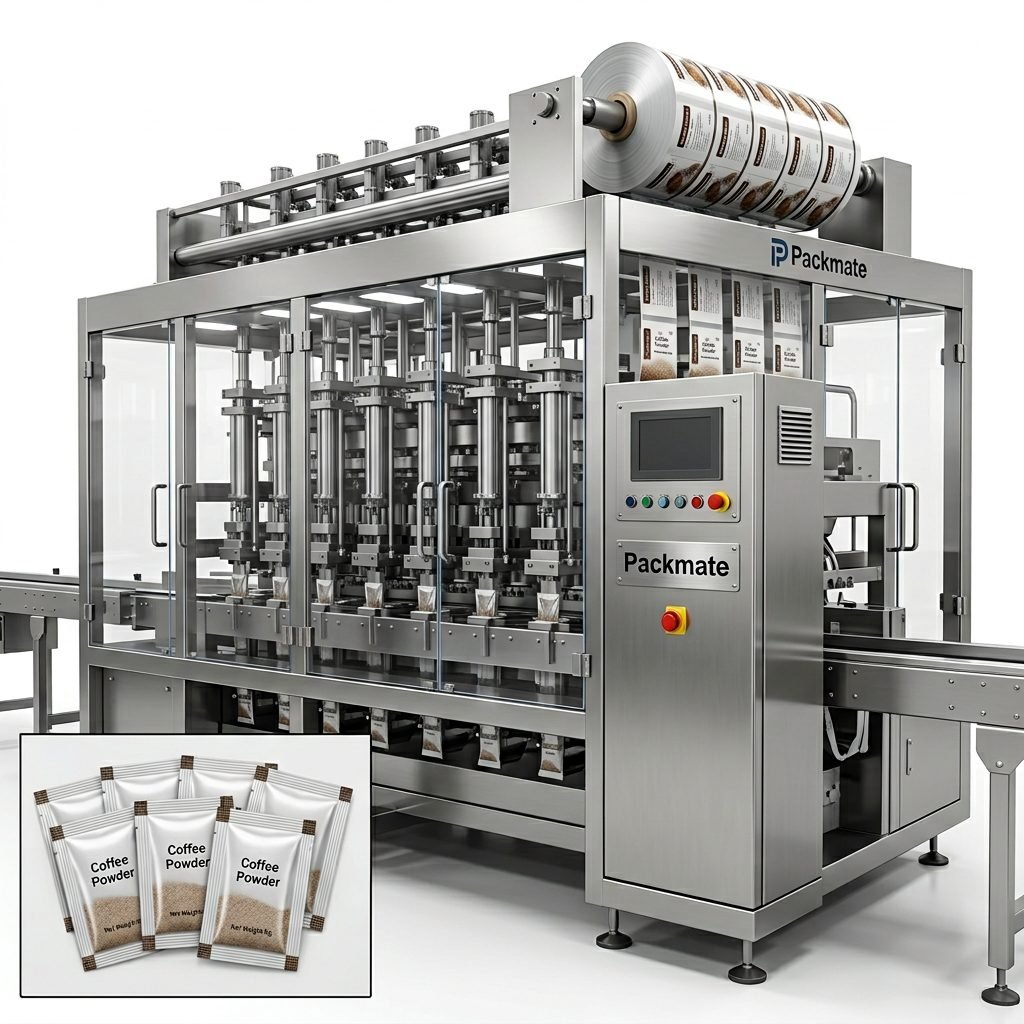
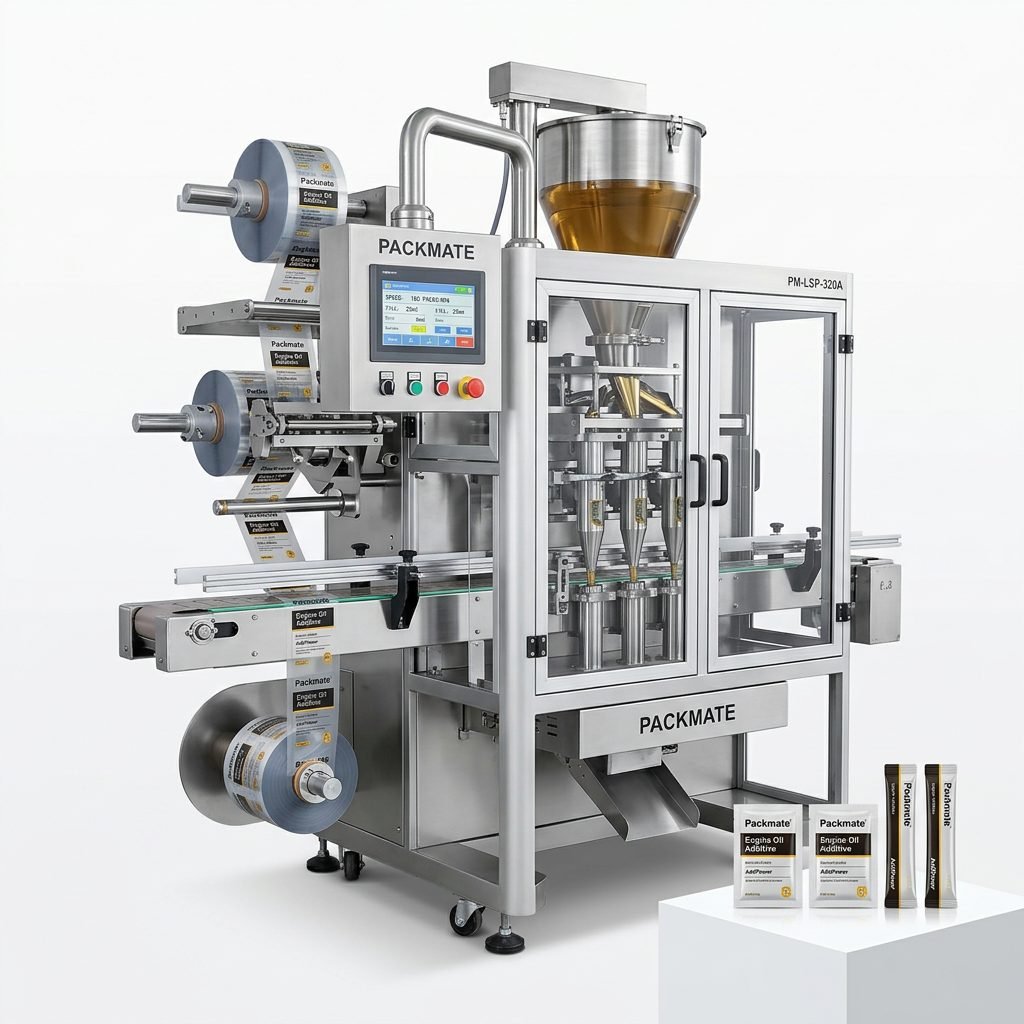
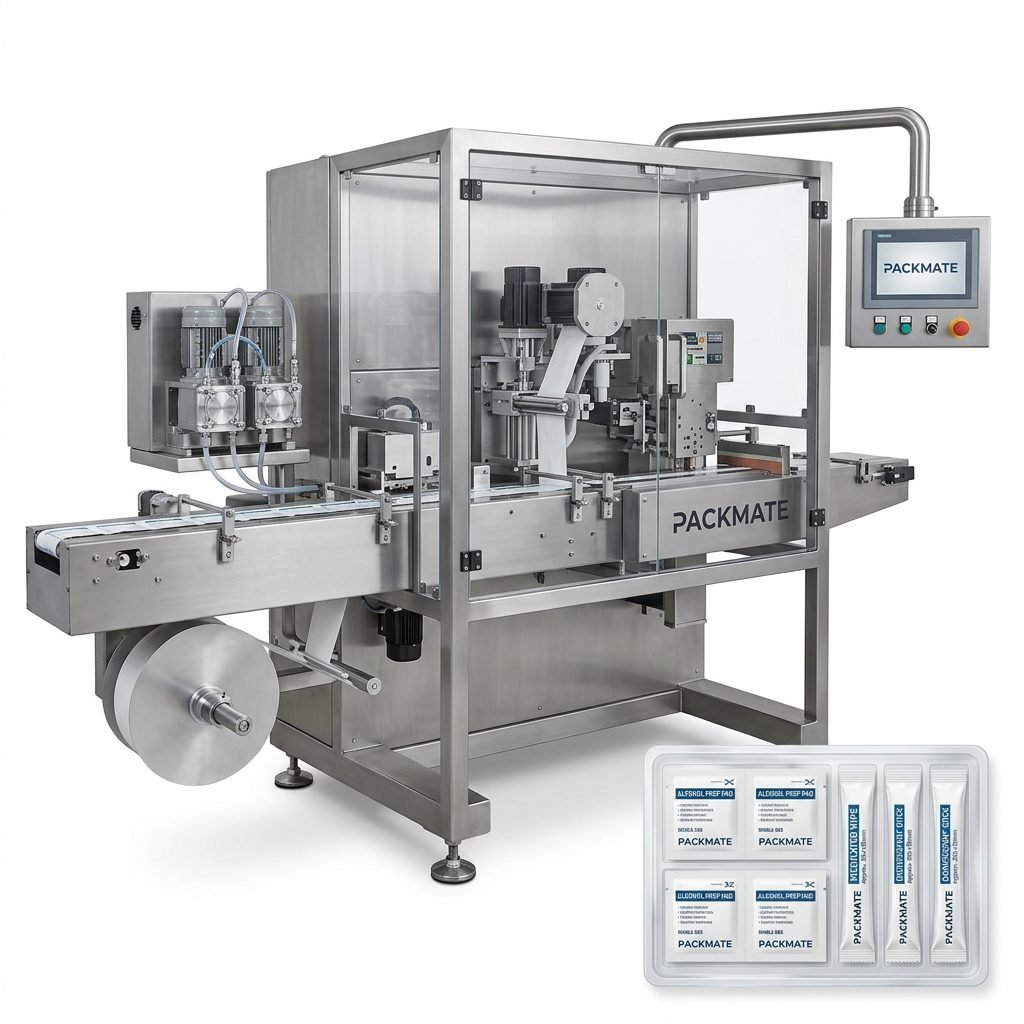
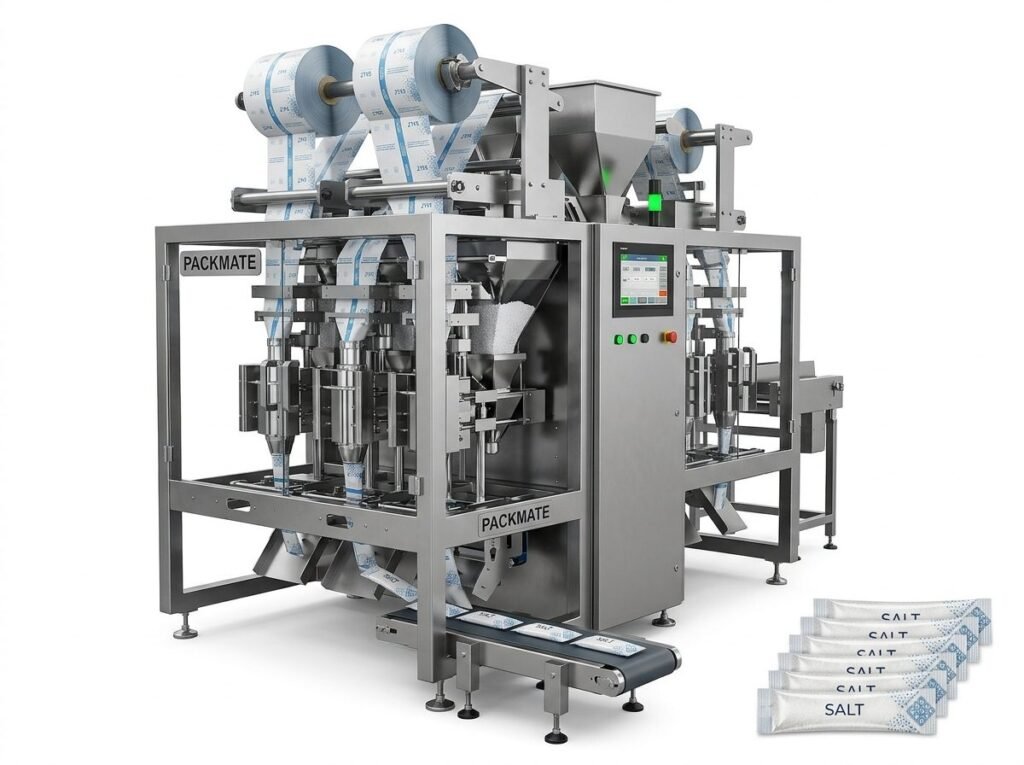
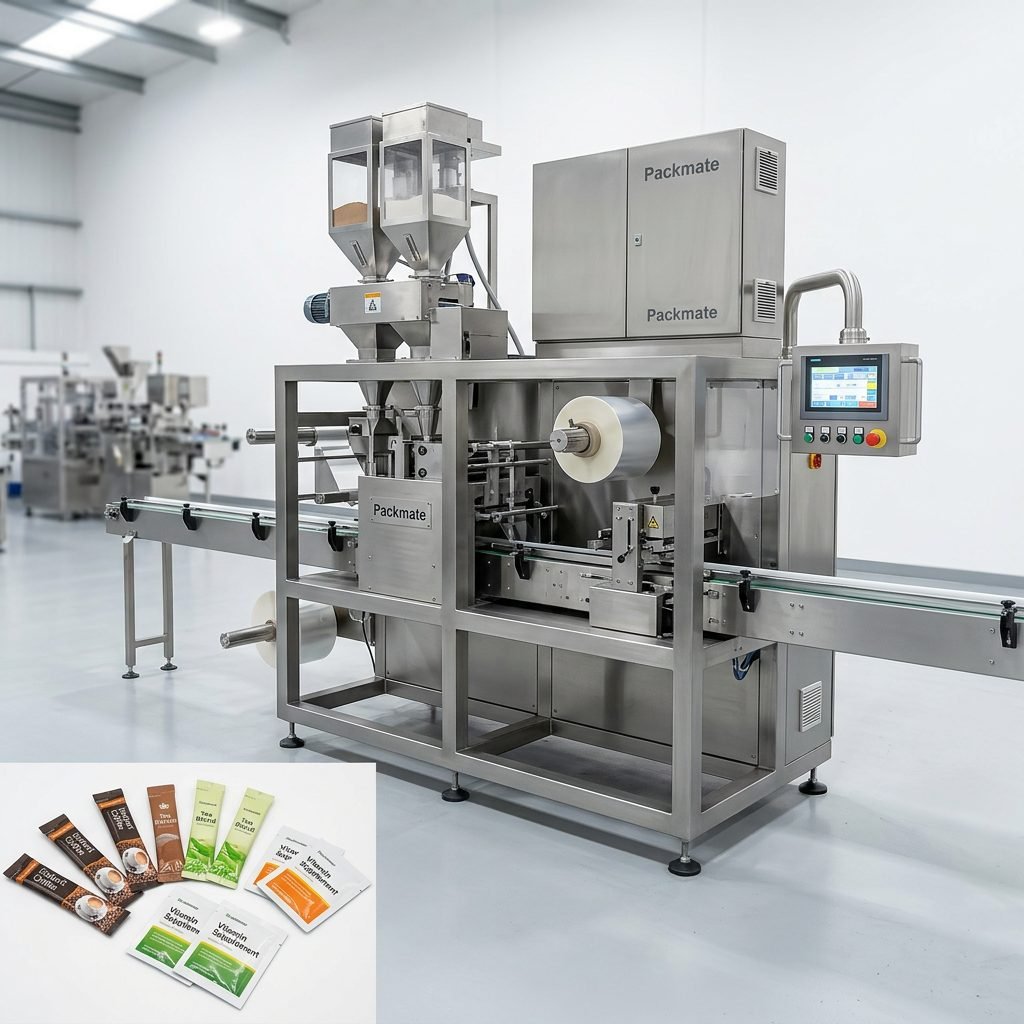
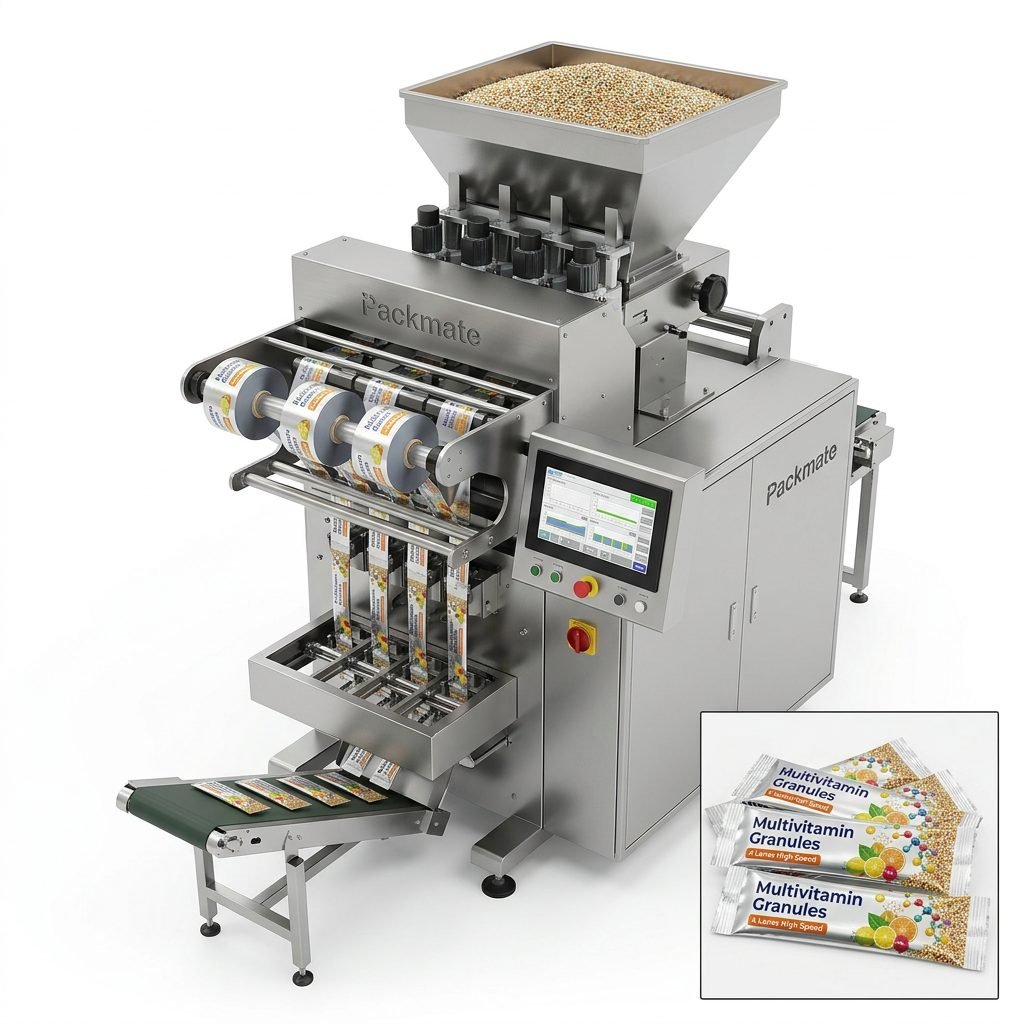
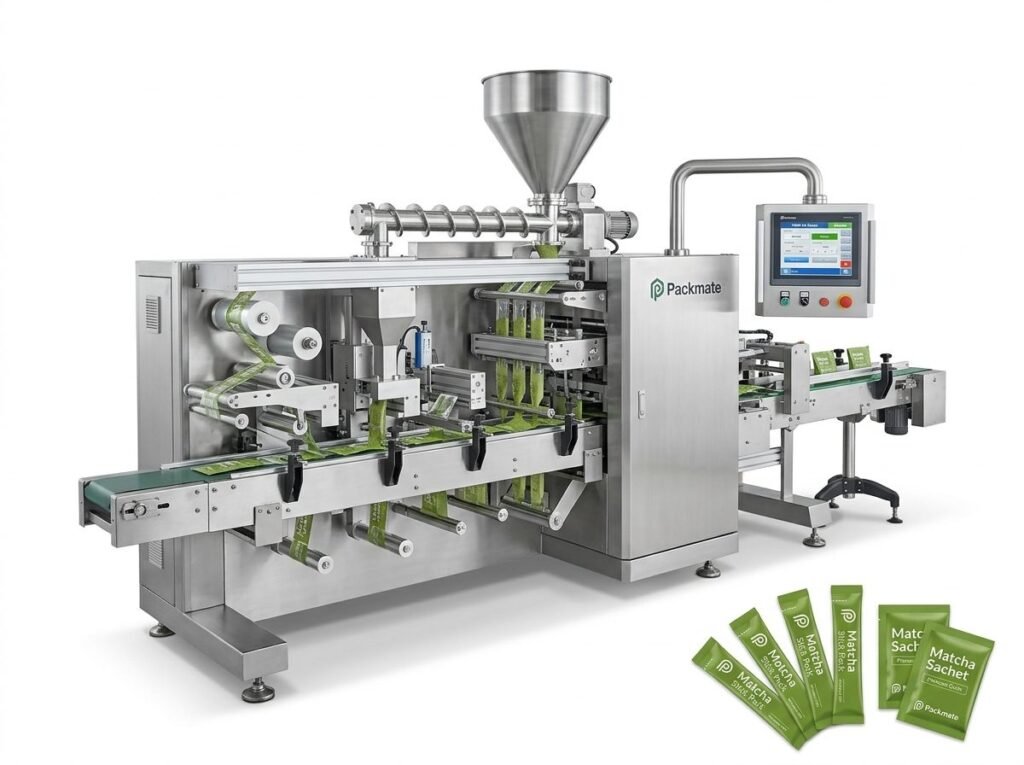
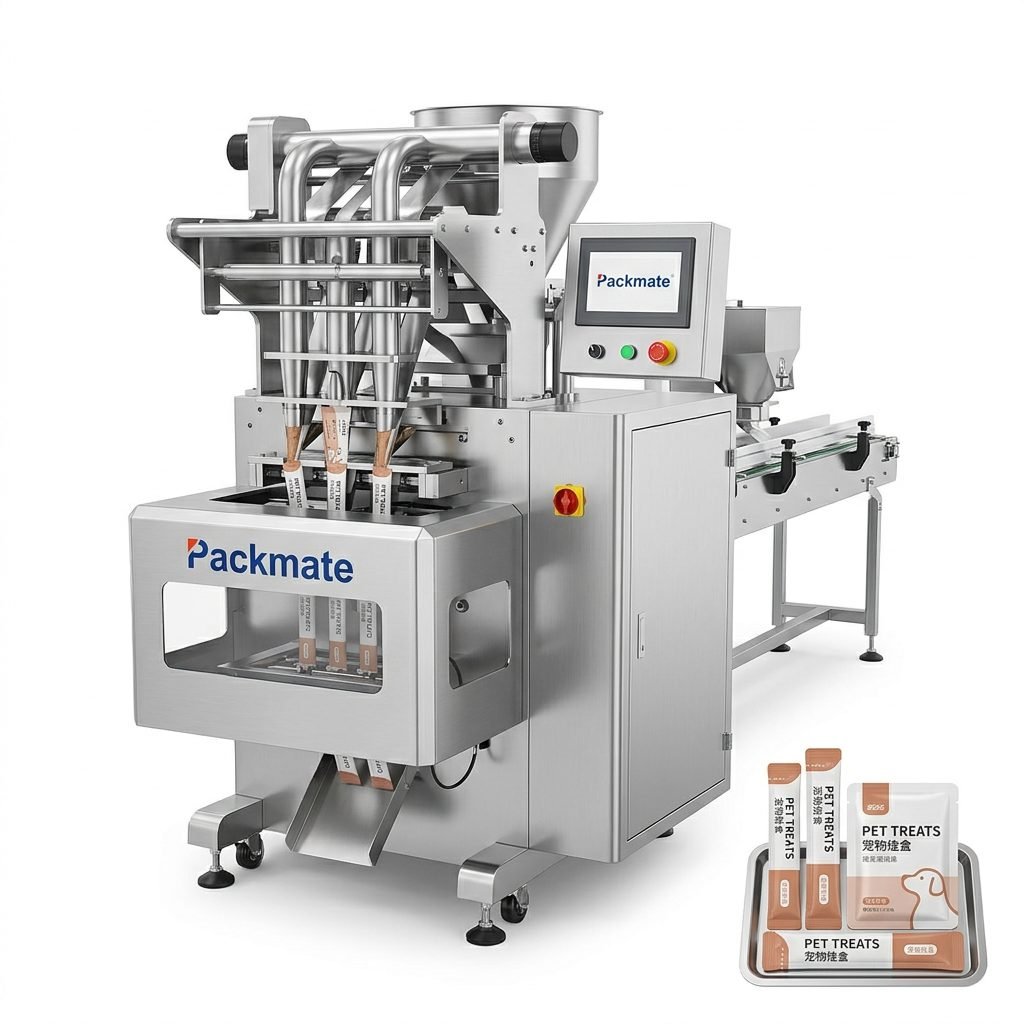
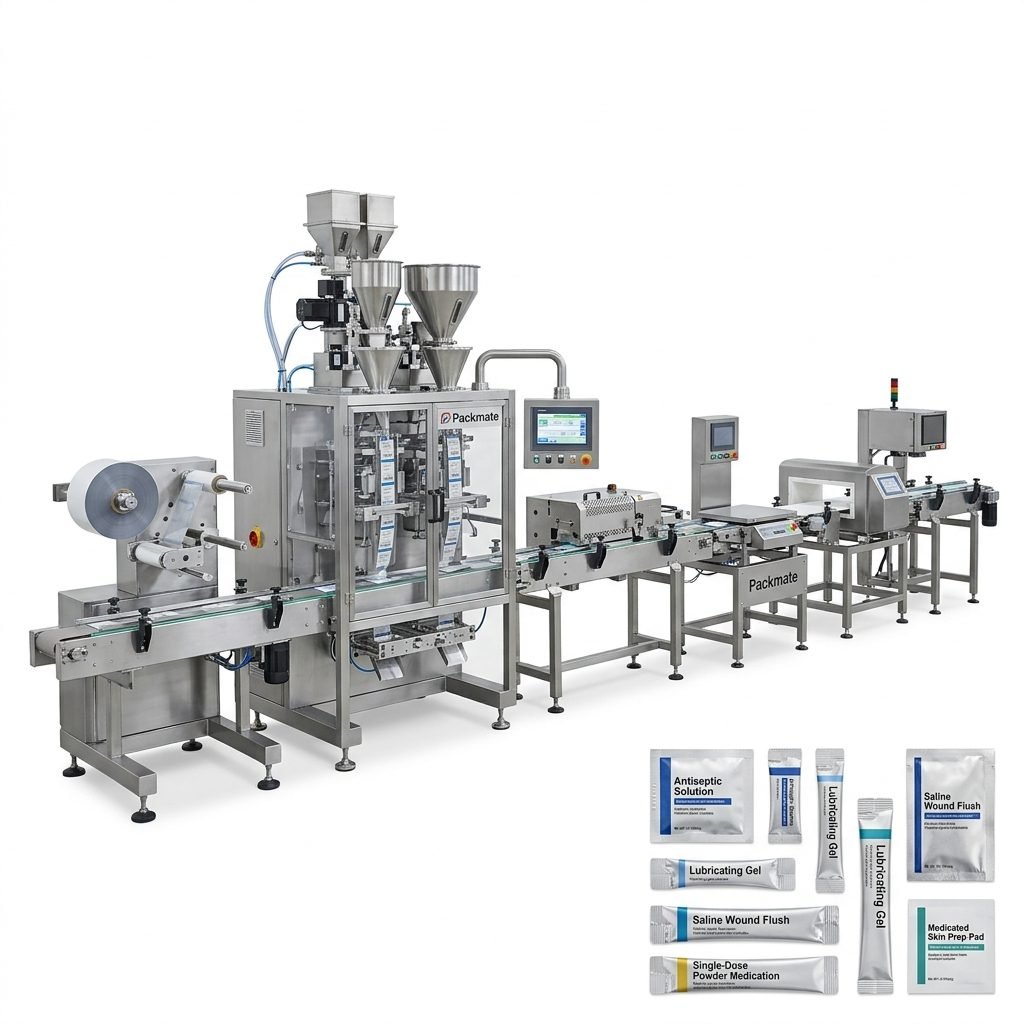
Companies like Packmate Machinery offer over 80 machine models and support tailored configurations based on bag type, output speed, and factory layout. This flexibility helps Egyptian manufacturers avoid over‑spending on features they don’t need or settling for machines that only partially fit their production.
3. Turnkey Line Capability vs. Standalone Machines
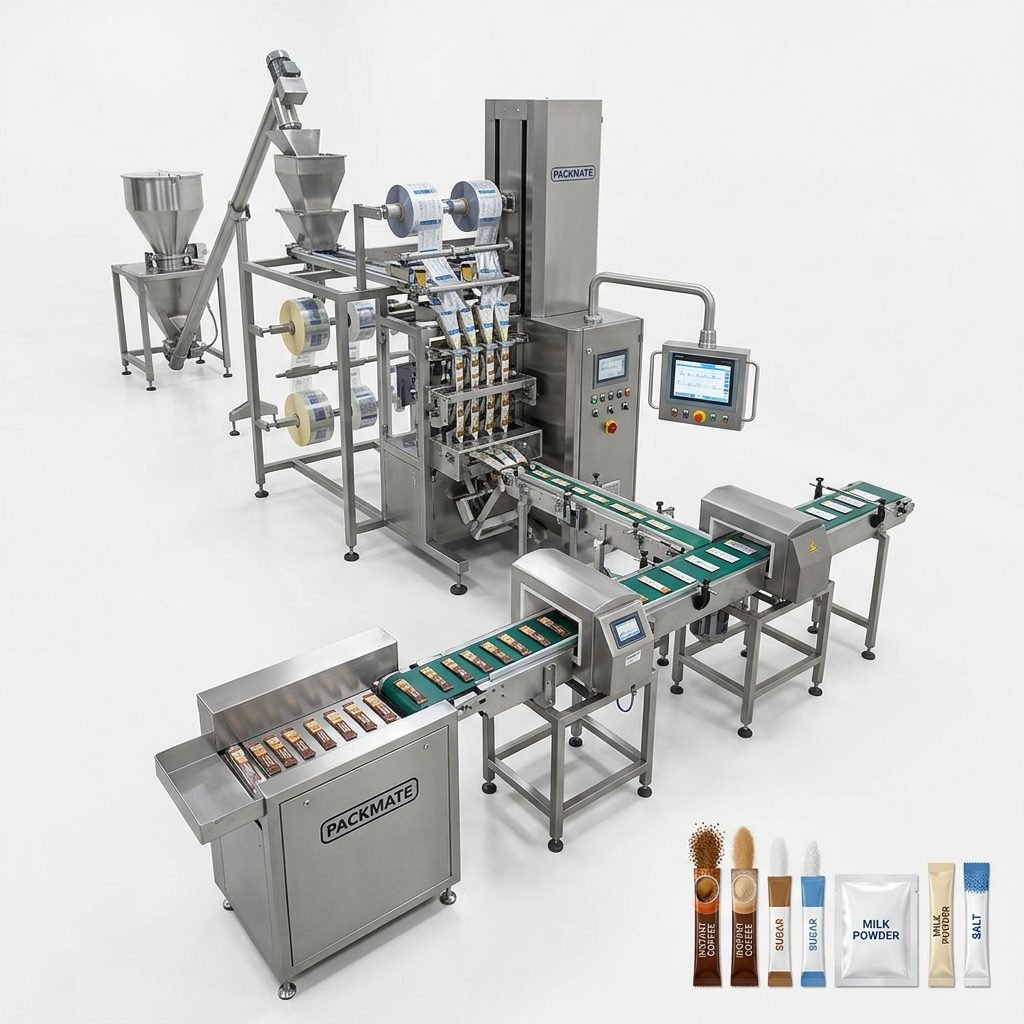
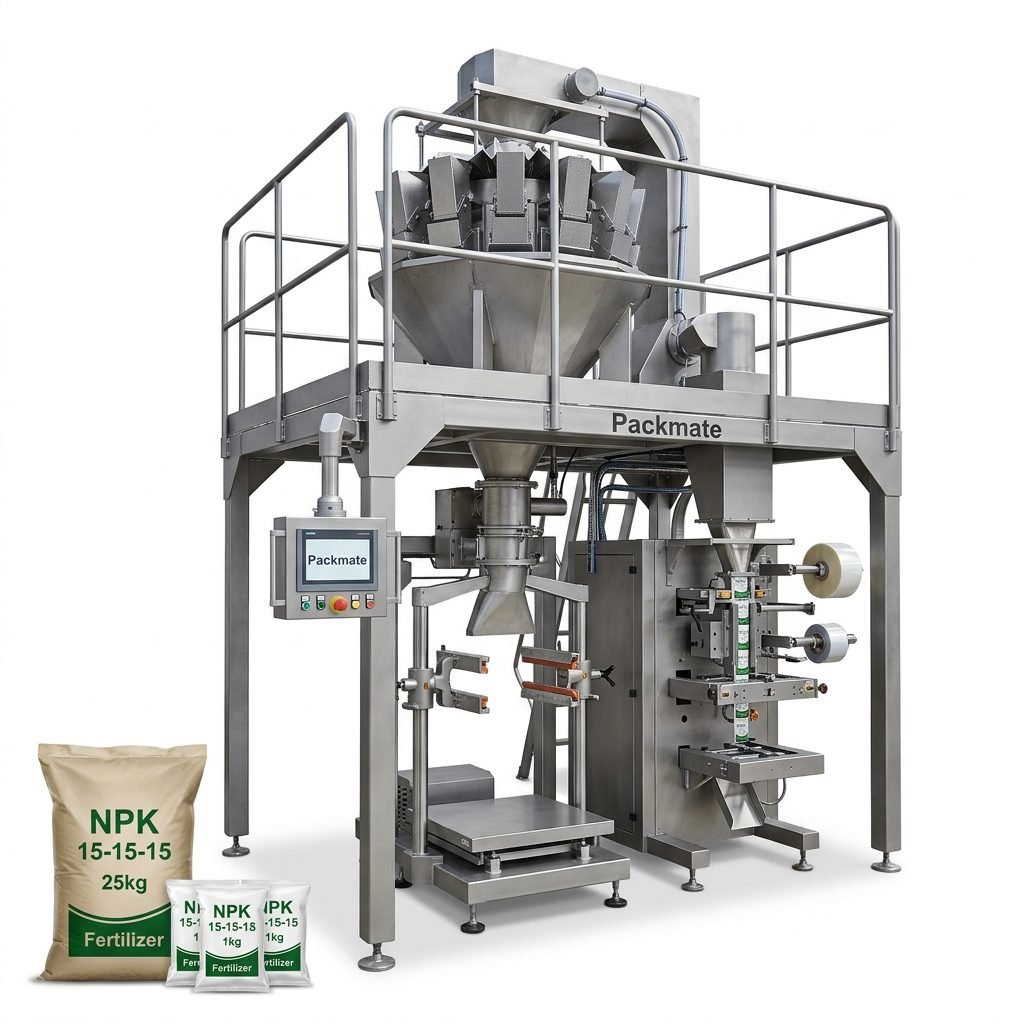
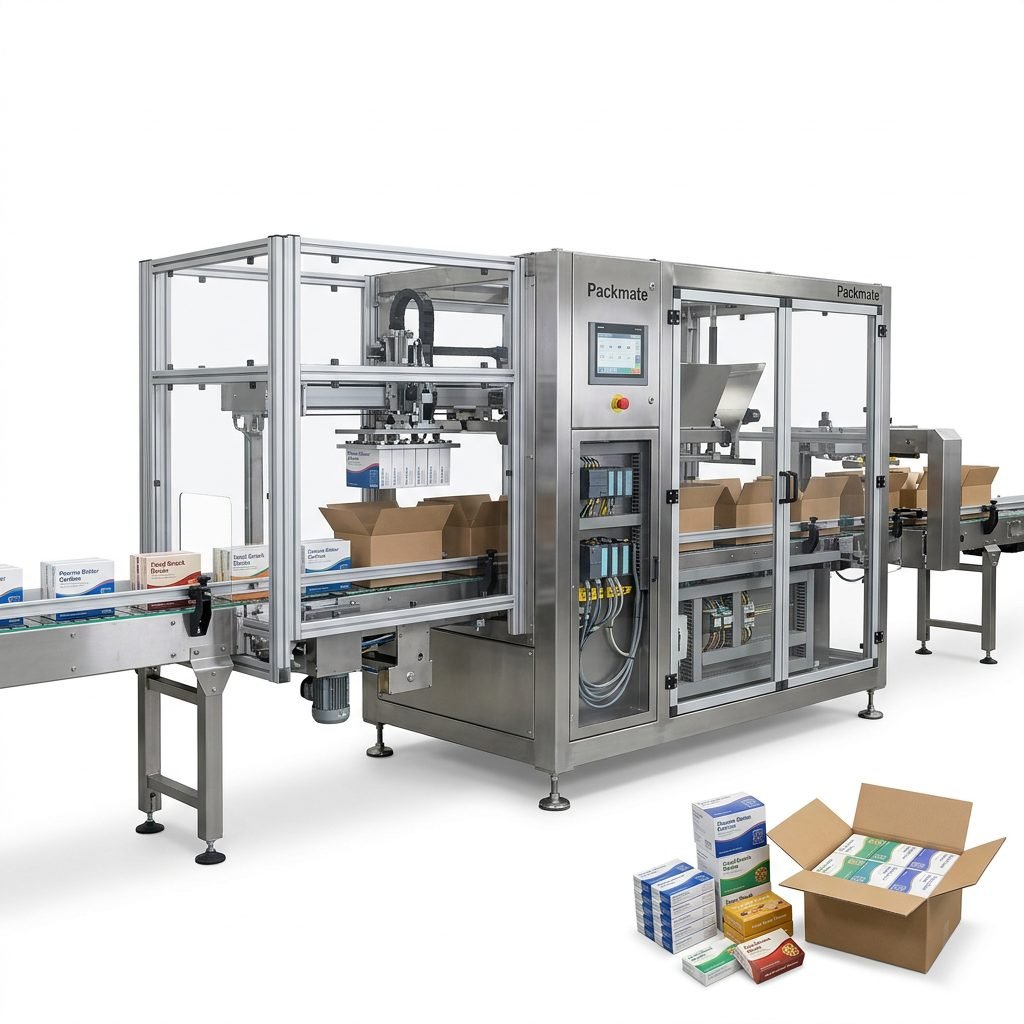
Many Egyptian companies are moving toward fully integrated production lines that feed, weigh, fill, seal, code, and pack in one continuous flow. Choosing a manufacturer that can deliver a complete turnkey solution simplifies project management and reduces compatibility issues.
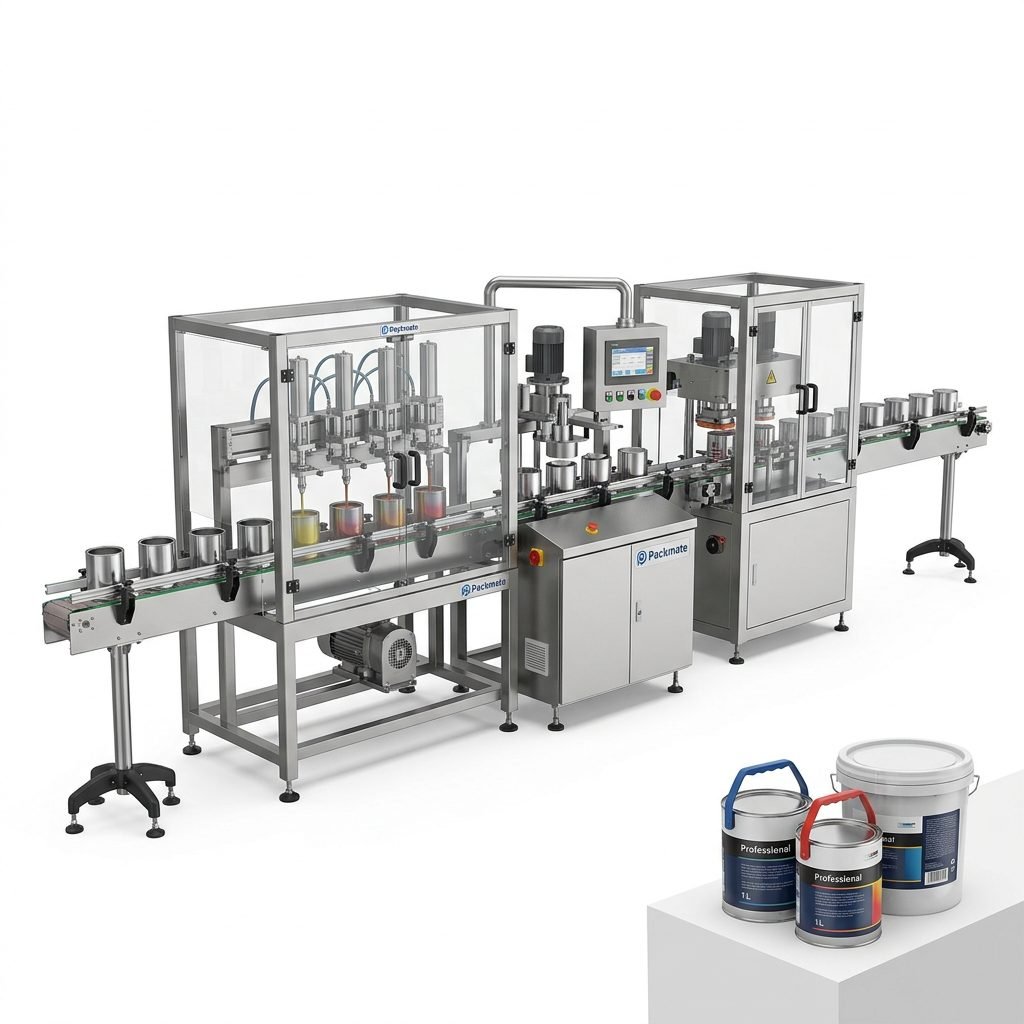
PacklineOEM specializes in turnkey packaging production lines for powders, granules, and liquids – a strong fit for factories that want a single point of accountability. Their engineering team adapts lines to different factory conditions, which is particularly valuable when upgrading an existing facility in a tight space common in older industrial zones in Cairo.
4. Export Experience and Local Support
Since most high‑quality packaging machinery is manufactured in China and other industrial nations, Egyptian buyers rely on suppliers with solid export logistics and local service networks. Manufacturers that have shipped equipment to the Middle East and Africa often understand the specific needs of the Egyptian market: voltage variations, ambient temperatures, and the availability of spare parts.
For instance, PackingMachineOEM has a strong export presence in Europe, the Middle East, and Australia, and offers non‑standard customized solutions that can be adapted for local materials. This level of flexibility is appreciated by Egyptian manufacturers who sometimes work with unconventional packaging films or need machines that can handle high‑humidity environments.
| Evaluation Factor | Why It Matters in Egypt |
|---|---|
| Industry Experience | Established manufacturers handle complex projects, reduce commissioning risks. |
| Product Range & Customization | Diverse product needs (spices, pharmaceuticals, etc.) require flexible equipment. |
| Turnkey Line Capability | Full integration saves time, ensures smooth operation from raw material to finished bag. |
| Export & Local Support | Middle East‑experienced suppliers provide faster technical assistance and spare parts. |
5. Specialized Knowledge for Niche Markets
For Egyptian businesses entering or expanding in the nicotine pouch, herbal pouch, or specialized supplement segment, working with a manufacturer that has focused application expertise can be a game‑changer. These products often require precise dosing, consistent sealing, and compliance with international health regulations.
SnusMachinery is a specialized manufacturer of nicotine pouch and snus packaging equipment, with over 30 years of engineering experience. Their targeted knowledge helps avoid costly trial‑and‑error when setting up a new product line – a benefit for Egyptian companies looking to capture the growing regional market for smokeless tobacco alternatives.
Practical Steps for Egyptian Buyers
Step 1 – Define Your Packaging Needs Clearly
Determine the product type (powder, granule, liquid, paste), bag format (sachet, stick pack, pillow bag, stand‑up pouch), output speed (bags per minute), and any regulatory certifications required (e.g., CE, FDA‑compatible materials).
Step 2 – Research Shortlisted Manufacturers
Look for companies with a proven export record to the Middle East. Check their website for case studies, machine videos, and client testimonials. Reach out to their sales team with your specific requirements to gauge response time and technical knowledge.
Step 3 – Request a Detailed Proposal
A reliable manufacturer will provide a proposal that includes machine specifications, layout drawings, power requirements, consumables list, and recommended spare parts. Ask about installation support – some Chinese manufacturers offer on‑site commissioning in Egypt or remote video guidance.
Step 4 – Compare After‑Sales Service
In Egypt, downtime can be costly. Prioritize manufacturers that offer a local agent or regional service center. Check warranty terms, availability of replacement parts, and response time for technical queries. Some leading Chinese exporters now have representation in Dubai or Cairo.
Step 5 – Plan for Training and Maintenance
Request training materials in Arabic or English, and ensure the machine design allows easy access for cleaning and maintenance. Manufacturers with more than 100 machine models often provide comprehensive manuals and video tutorials, which are helpful for local operators.
Why Chinese Manufacturers Are Popular in Egypt
Chinese packaging machine manufacturers – like the five companies referenced above – have become preferred partners for many Egyptian businesses because of their ability to offer competitive pricing, wide product selection, and customization without long lead times. Combined with decades of manufacturing experience, they provide a reliable bridge between advanced automation technology and the practical needs of emerging markets.
Frequently Asked Questions (FAQ)
Q1: What is the best packaging machine for a small‑scale spice business in Egypt?
A1: For small to medium volumes, a multi‑lane stick pack machine or a sachet packing machine with modular design is ideal. Look for a manufacturer like Ludyway or Packmate that offers models with 2 to 6 lanes and easy changeover between powder and granule products.
Q2: How important is after‑sales service when buying from a Chinese manufacturer?
A2: Very important. Choose a manufacturer with a documented service plan, remote troubleshooting, and a stock of commonly needed spare parts. Companies like PacklineOEM and PackingMachineOEM often provide video‑assisted installation and a one‑year warranty on major components.
Q3: Can I get a machine that handles both liquid and powder products?
A3: Some manufacturers offer multi‑purpose filling systems that can be adapted for liquids and powders, but it’s usually more efficient to have separate dedicated machines. If you need flexibility, discuss a turnkey line with customized modules – SnusMachinery, for example, can design a line that handles multiple product forms with quick‑change parts.
Q4: What certifications should I look for in packaging machinery for pharmaceutical use?
A4: For pharmaceutical applications, machines must comply with GMP standards and be constructed from stainless steel (304 or 316). Look for CE certification and documentation on material contact surfaces. Most reputable Chinese manufacturers can provide these certifications upon request.
Q5: How long does it typically take to get a custom machine delivered to Egypt?
A5: Lead times vary from 30 to 90 days depending on complexity and factory schedule. Manufacturers with larger facilities (e.g., 20,000 sqm) and high production capacity, like the companies mentioned, can often deliver standard machines within 45 days and custom lines within 60–75 days. Shipping by sea to Alexandria or Port Said adds another 25–35 days.