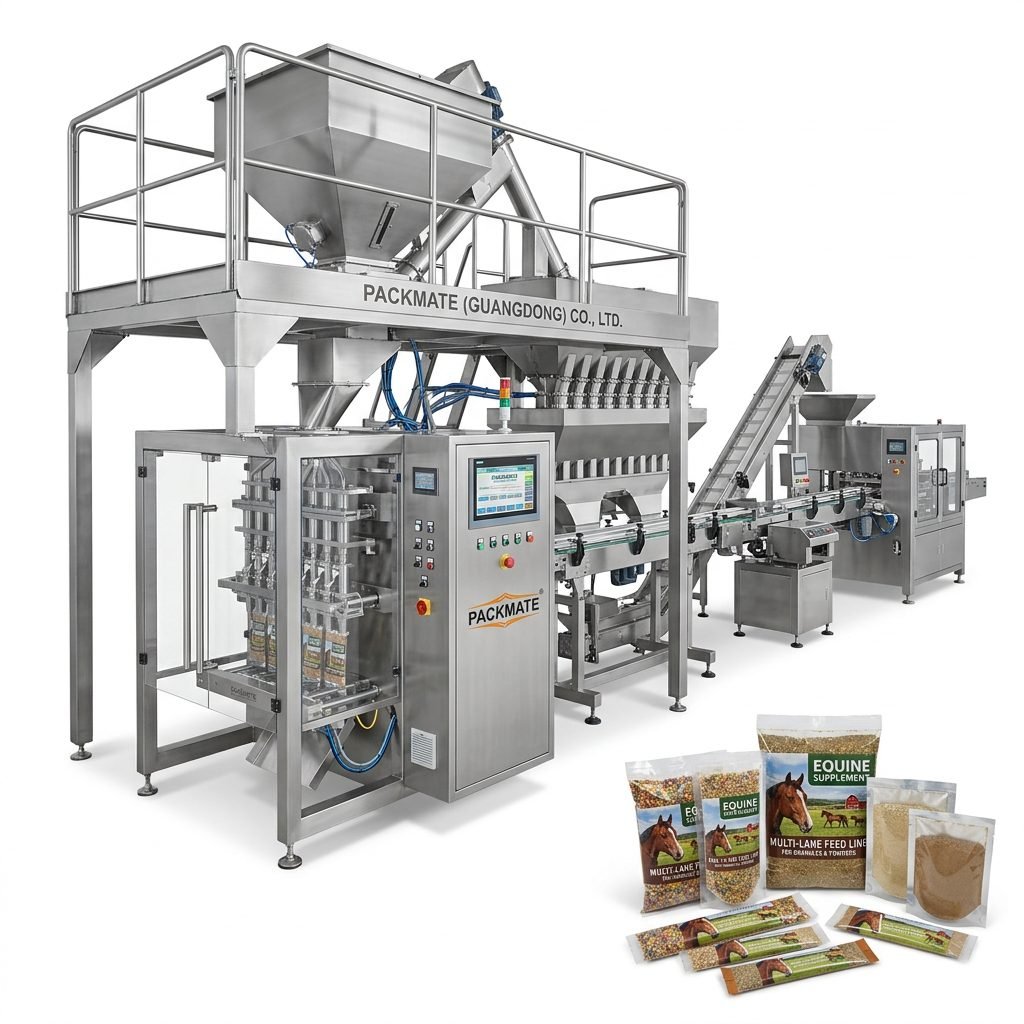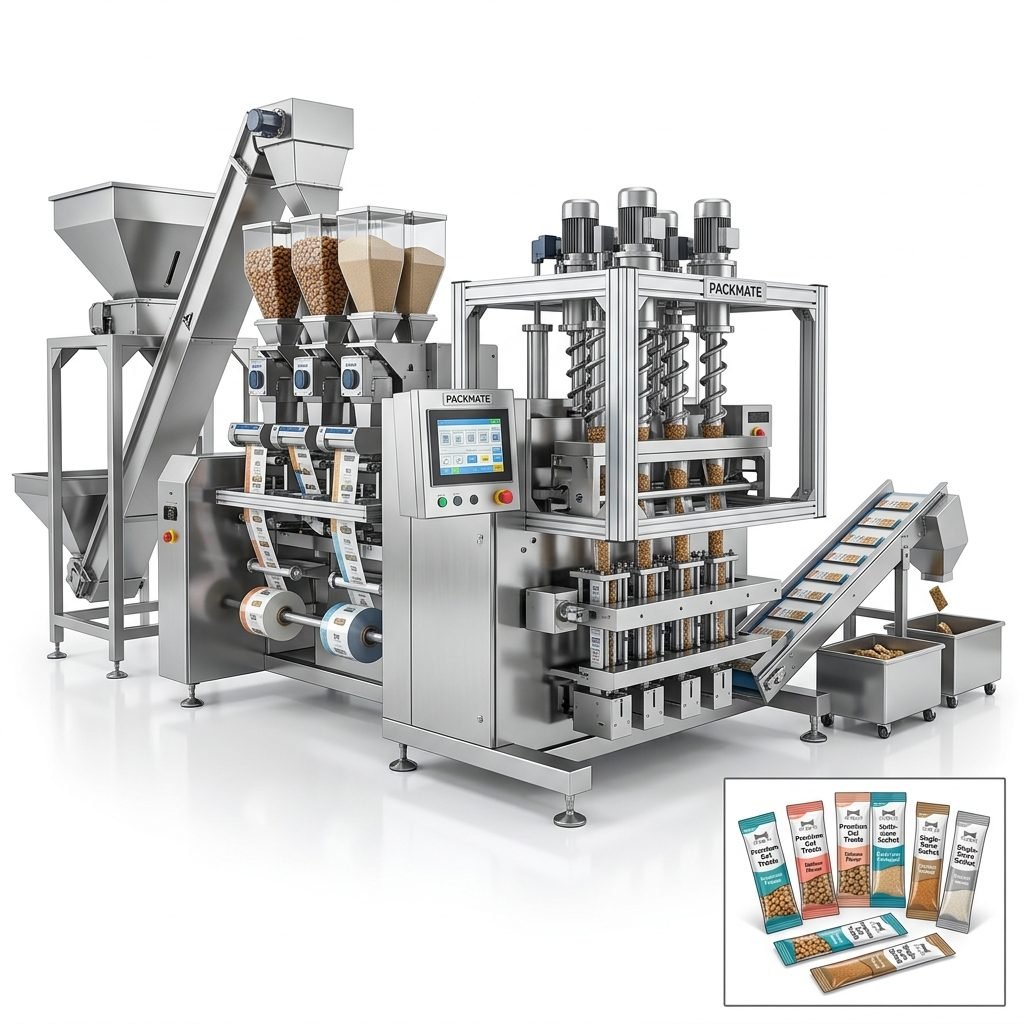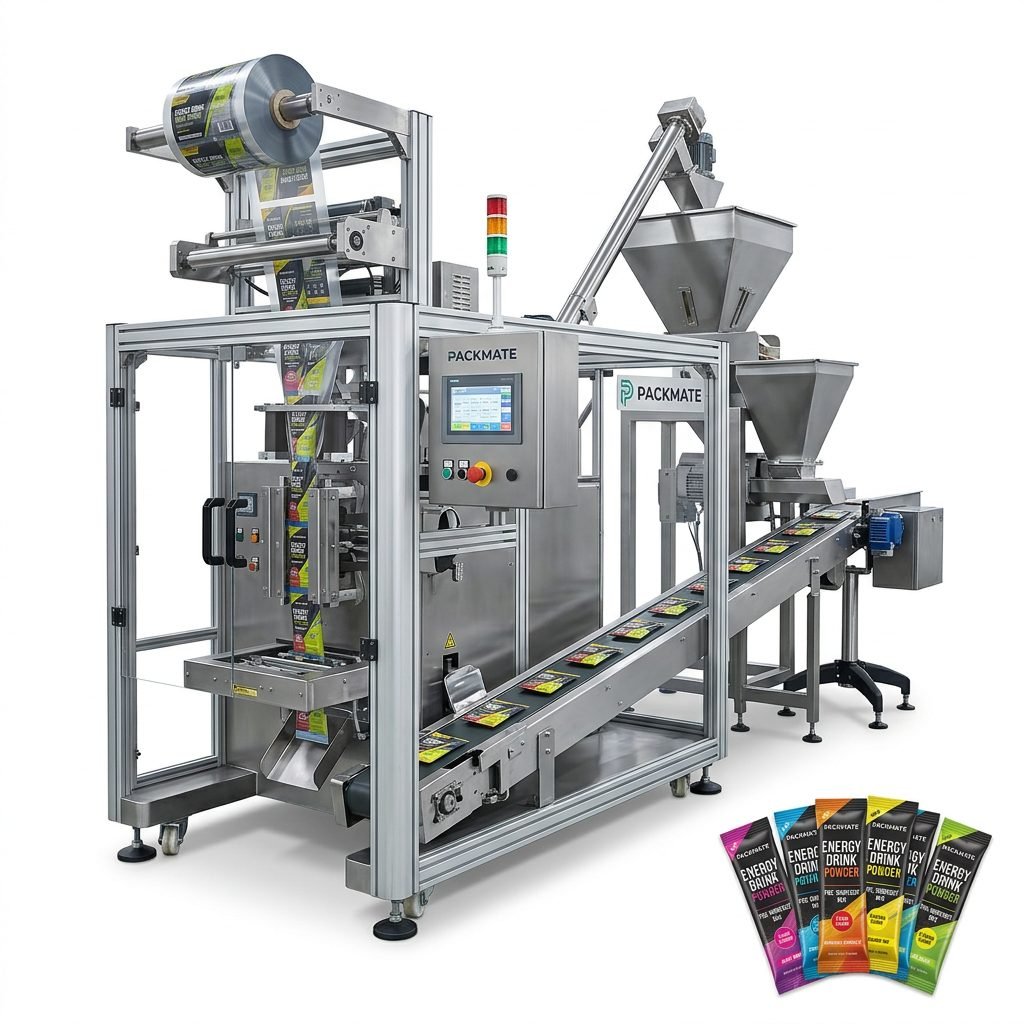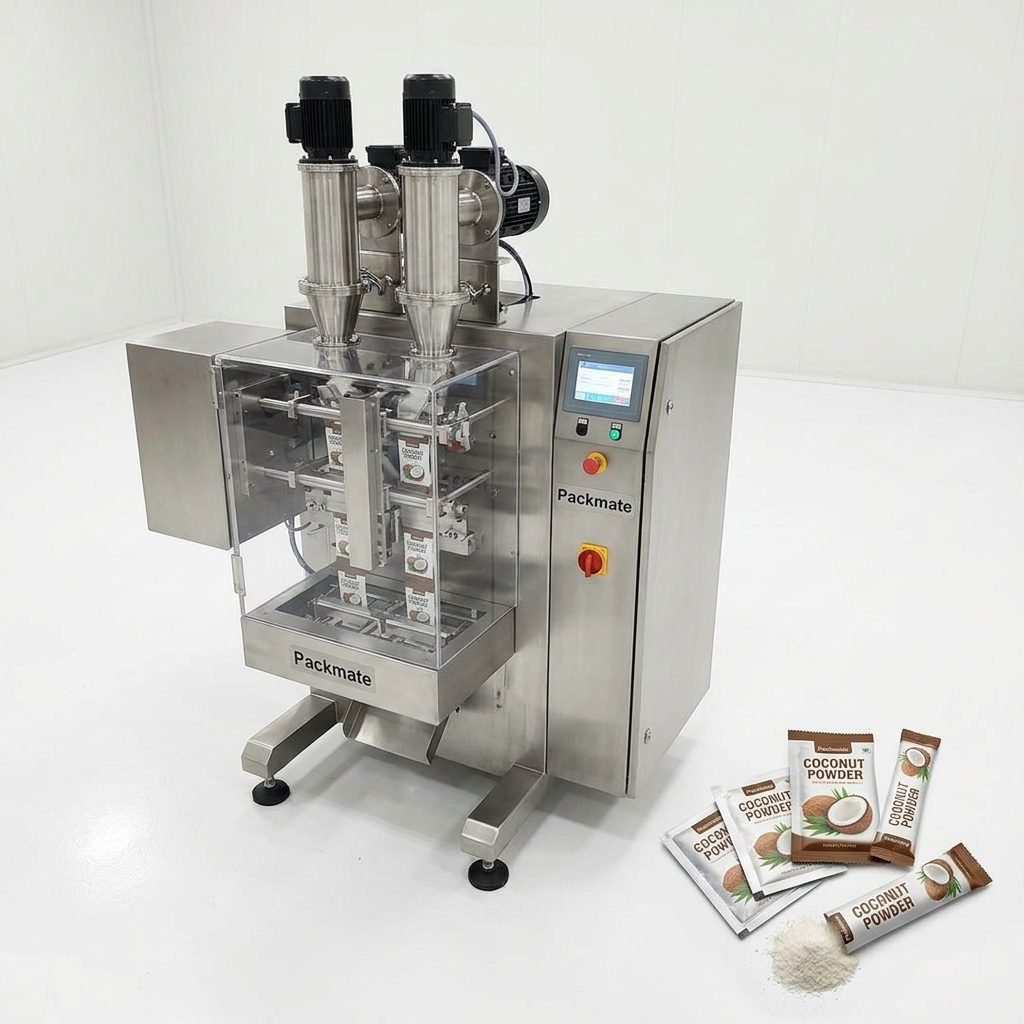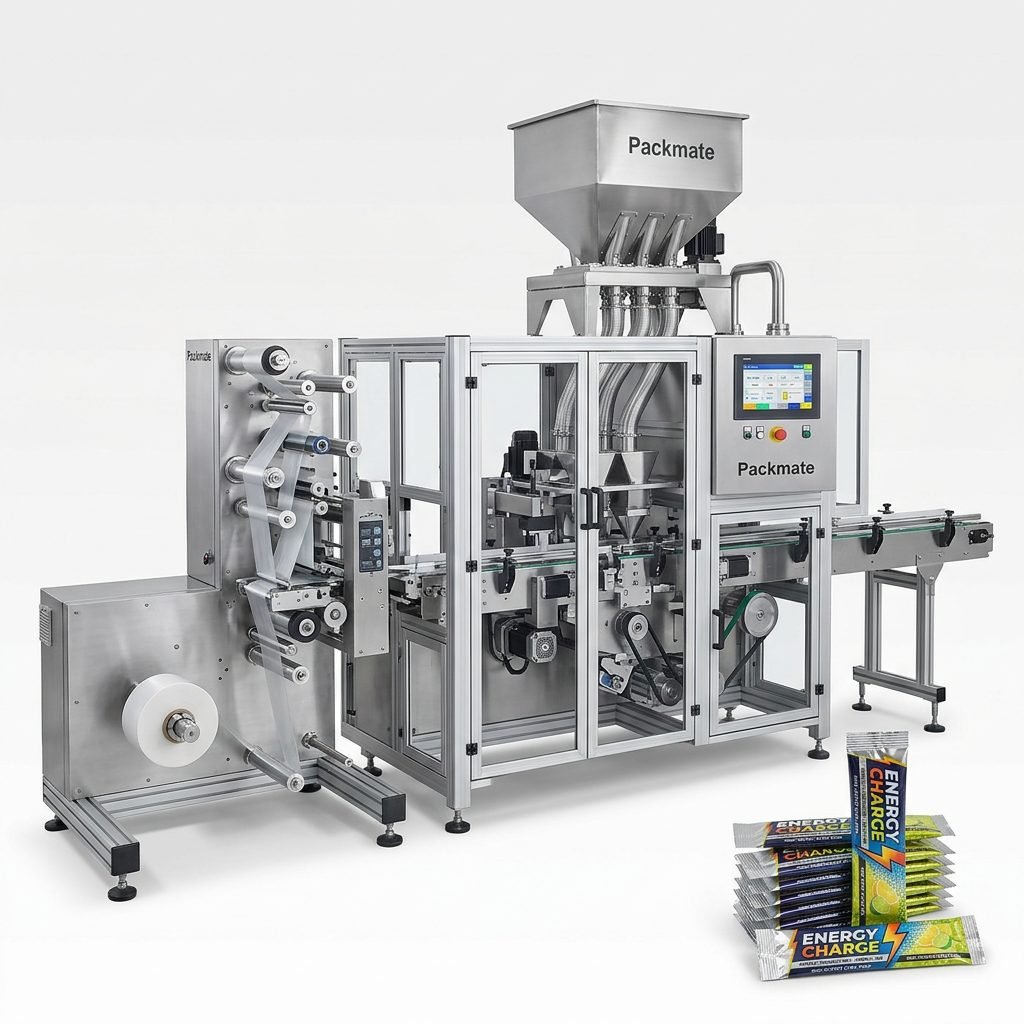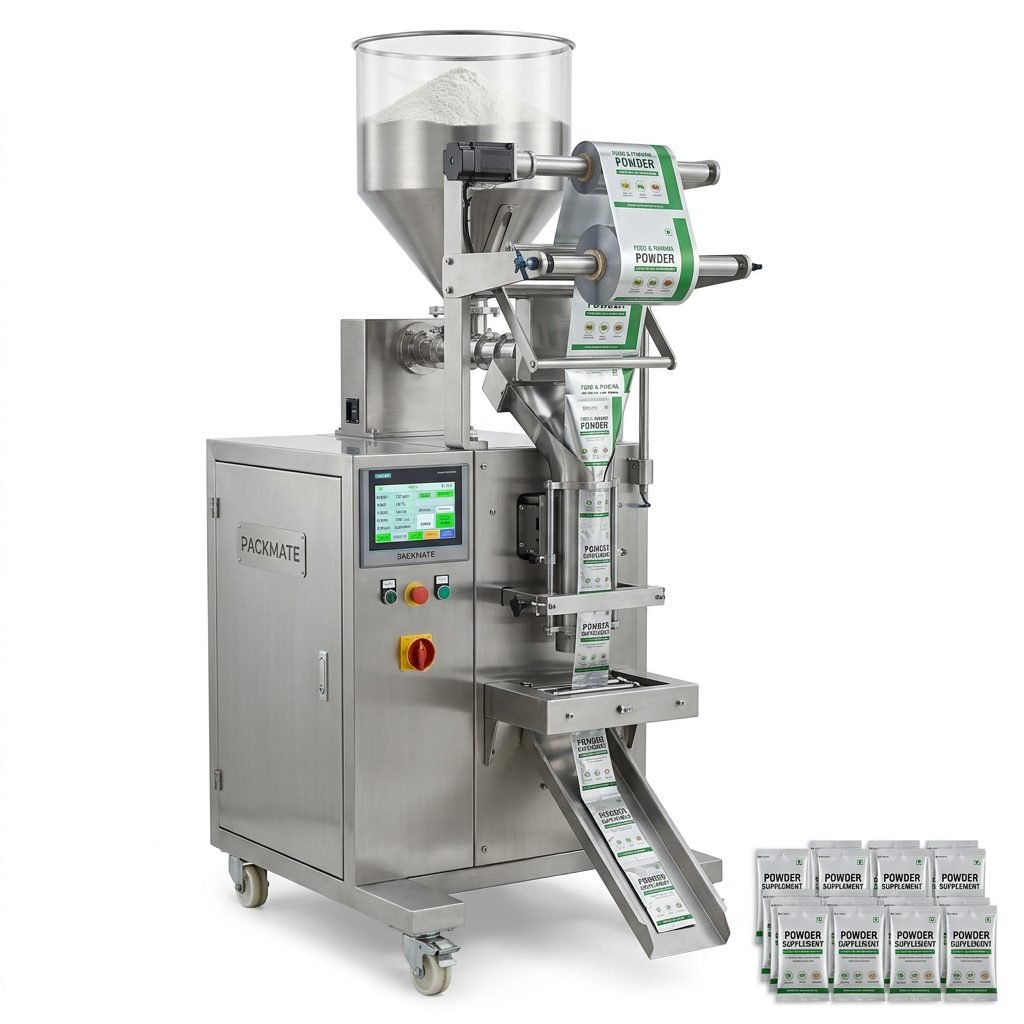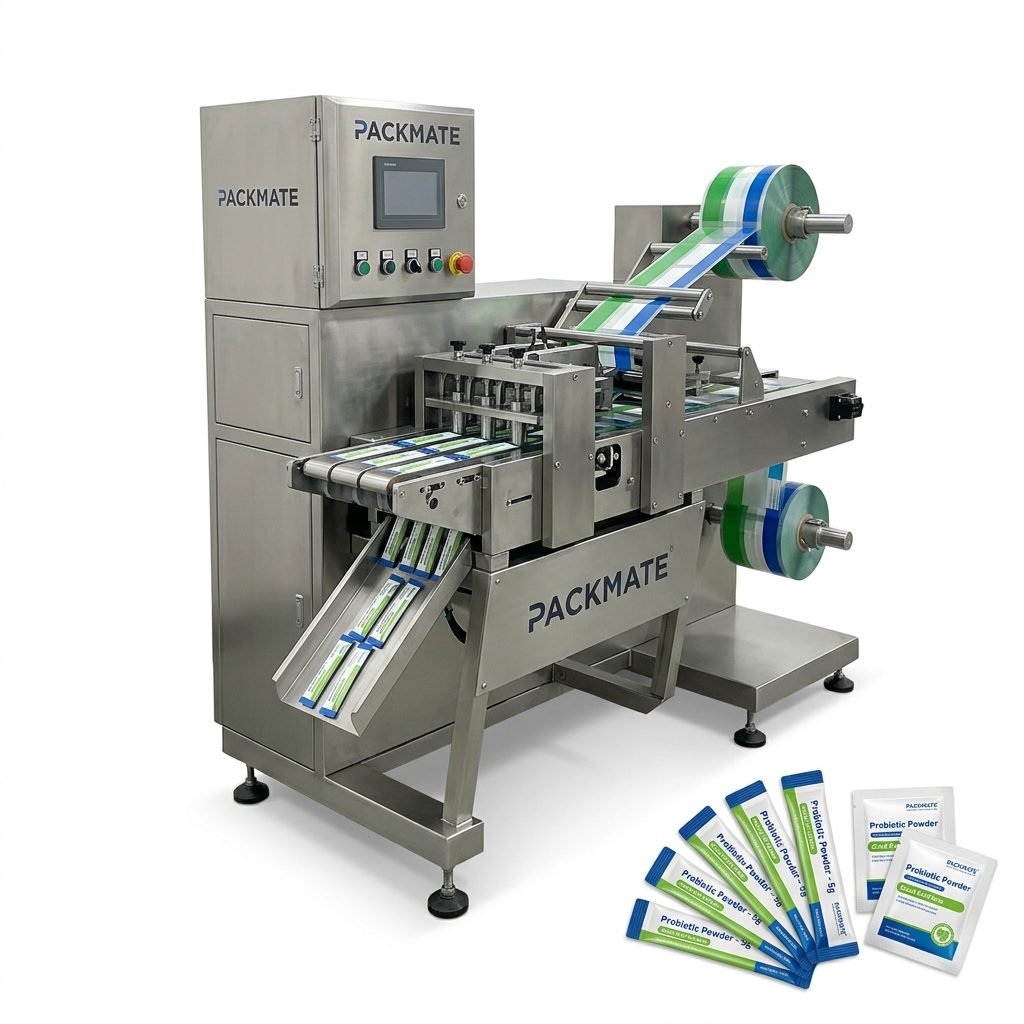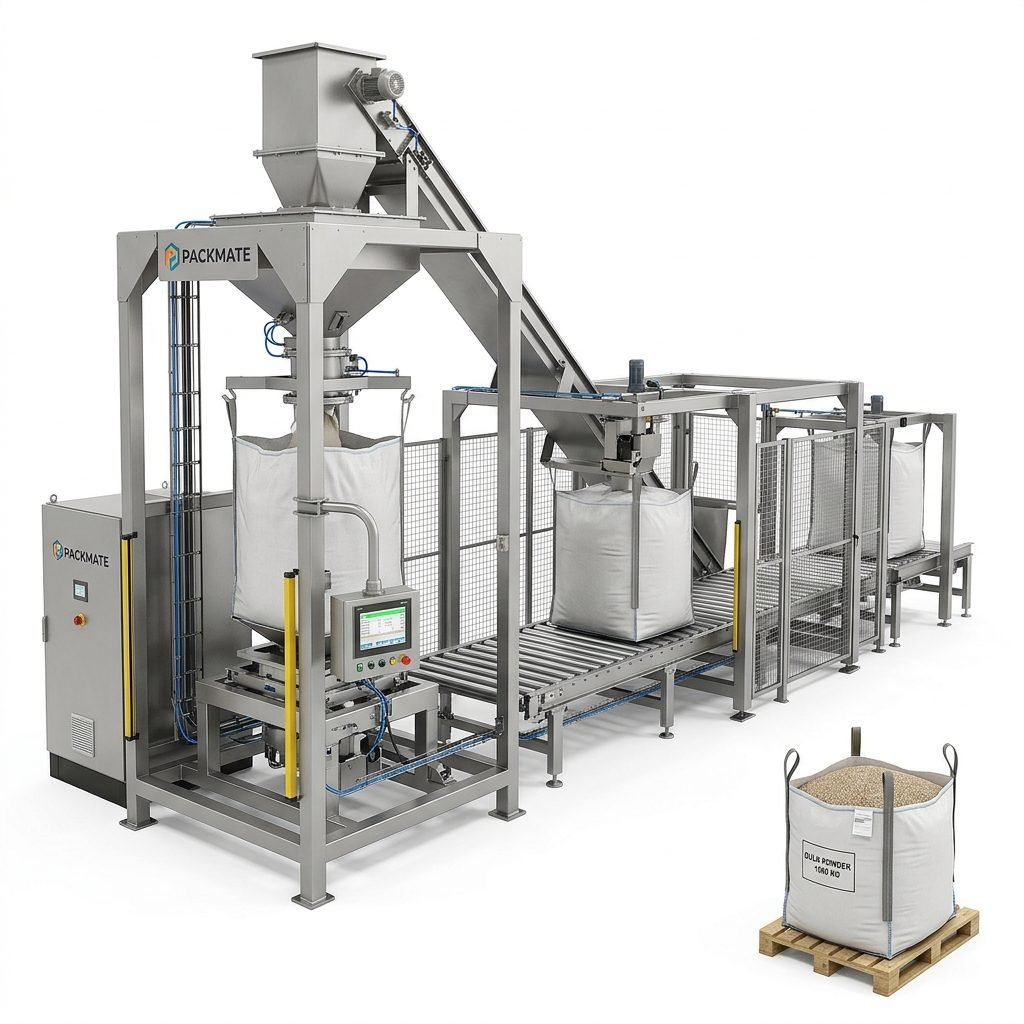
In the high-stakes worlds of pharmaceuticals and cosmetics, the integrity of liquid products—from life-saving injectables to luxury serums—is paramount. This integrity is not just about the formulation but is fundamentally secured at the final, critical stage: packaging. An automated ampoule packaging line is the technological backbone of this process, ensuring precision, sterility, and efficiency from filling to final sealing. For manufacturers seeking reliability, a partner like Packmate provides the turnkey solutions that transform complex challenges into seamless production.
The Critical Role of Ampoule Packaging Lines
Ampoules, those small hermetically sealed vials, are the preferred container for sensitive liquids that must be protected from air, contaminants, and degradation. The packaging line that handles them performs a symphony of precise operations: washing, sterilizing, liquid filling, sealing, and inspection. Any inconsistency in fill volume, seal integrity, or sterility can lead to product recalls, regulatory non-compliance, and a loss of consumer trust. Therefore, investing in a robust, automated line is not an operational cost but a strategic safeguard for brand reputation and patient safety.
Key Components of a Modern Ampoule Line
➤ Ampoule Washing Machine: Removes particulate matter and pyrogens using ultrasonic or jet-spray techniques with WFI (Water for Injection).
➤ Sterilization Tunnel (Dry Heat Tunnel): Uses high-efficiency particulate air (HEPA) filters and precise heating zones to achieve a sterile environment.
➤ Liquid Filling and Sealing Machine: The heart of the line. It accurately doses product via peristaltic or piston pumps and hermetically seals ampoules by melting the glass neck.
➤ Visual Inspection System: Automated cameras check for fill level accuracy, seal quality, and the presence of cracks or particles.
➤ Labeling & Packaging: Applies labels and packs finished ampoules into trays or cartons.
Tailored Solutions for Pharmaceutical & Cosmetic Needs
While both industries demand precision, their requirements diverge. Pharmaceutical lines prioritize absolute sterility (meeting cGMP standards), traceability, and validation for regulatory bodies like the FDA. Cosmetic lines, especially for high-value serums and ampoule-based treatments, focus on aesthetic presentation, gentle handling of viscous formulations, and high-speed output for volume. A versatile provider understands these nuances and engineers solutions accordingly. Exploring a provider’s portfolio of solutions reveals this adaptability.
Pharmaceutical-Grade Precision
For injectables, vaccines, or ophthalmic solutions, the line must be a closed system. It often integrates isolator technology to protect the product from operator and environmental exposure. Every component is designed for clean-in-place (CIP) and sterilize-in-place (SIP) procedures. Data integrity is crucial, with systems logging every parameter for audit trails.
Cosmetic Elegance and Efficiency
Cosmetic ampoules often feature colored glass or specialized coatings. The line must handle these delicately to prevent scuffing. Filling equipment needs to manage a wider range of viscosities—from watery toners to thick creams—without splashing or introducing air bubbles. Speed is often a higher priority to meet fast-moving market demands.
The Packmate Advantage: Experience Engineered into Every Line
With over 22 years of deep industry immersion, Packmate (GuangDong) Co., Ltd. brings a wealth of knowledge to ampoule packaging. Operating from a 20,000㎡ modern facility in the heart of China’s Greater Bay Area manufacturing hub, the company embodies the regional ethos of precision engineering and scalable innovation. This location provides access to a vast supply chain and a skilled workforce, benefits directly passed on to clients through reliable and cost-effective machinery.
The company’s philosophy is rooted in providing complete, turnkey solutions. This means they look beyond selling individual machines to designing an integrated line where every component—from the unscrambler to the cartoner—works in perfect harmony. Their team of 125+ professionals oversees the entire project lifecycle: initial consultation, custom engineering, factory acceptance testing, installation, and after-sales support. Reviewing their project case studies offers tangible proof of this holistic approach in action across global markets.
Why Choose an Integrated Solution Partner?
1 Single Point of Accountability: One vendor for the entire line simplifies communication, troubleshooting, and service contracts.
2 Optimized Compatibility: Machines are designed to work together from the start, reducing bottlenecks and integration headaches.
3 Future-Proof Scalability: A trusted partner can help plan for future capacity increases or new product formats.
Innovation and Compliance: Non-Negotiable Pillars
Staying ahead requires continuous innovation. Modern ampoule lines now incorporate Industry 4.0 principles, featuring IoT sensors for predictive maintenance, touch-screen HMIs for intuitive operation, and connectivity for centralized production monitoring. Simultaneously, compliance with international standards like ISO 15378 (for primary packaging materials) and adherence to GAMP 5 guidelines for validation are built into the design. Packmate’s commitment to this dual focus is evidenced by their investment in 100+ sets of advanced production equipment and their portfolio of industry certifications.
Sustainable and Efficient Design
Contemporary lines also address sustainability. Energy-efficient motors, reduced compressed air consumption, and designs that minimize product waste during changeovers are becoming standard. This not only lowers the operational carbon footprint but also directly improves the bottom line through utility savings and higher yield.
Making the Investment: A Strategic Decision
Selecting an ampoule packaging line is a major capital decision. Key considerations include required output speed (ampoules per minute), the range of ampoule sizes and liquid types, the necessary level of automation, and the total footprint of the equipment. Engaging with an experienced supplier early in the planning process is critical. They can conduct feasibility studies, provide detailed layout drawings, and offer insights based on 30+ years of collective industry experience, much like the heritage behind the Packmate company profile.
Ultimately, the right ampoule packaging line solution is a blend of cutting-edge technology, proven engineering, and a partnership that extends far beyond the sale. It becomes a reliable, silent partner in your production facility, upholding the quality of every single dose and protecting the trust your brand has earned.
Frequently Asked Questions (FAQs)
1. What is the typical output speed of an automated ampoule filling line?
Speeds vary greatly based on ampoule size and machine configuration. Standard rotary machines can range from 60 to 400+ ampoules per minute. High-speed, multi-lane systems can achieve even higher outputs. The exact speed for your needs is determined during the project specification phase.
2. Can one line handle both pharmaceutical and cosmetic ampoules?
While core principles are similar, dedicated lines are recommended for strict regulatory separation. However, a well-designed line can often be validated for multiple products within the same regulatory category (e.g., different cosmetic serums). Cross-contamination risk between drug and cosmetic production makes a shared line impractical for pharmaceuticals.
3. How is sterility assured in a pharmaceutical ampoule line?
Sterility is achieved through a combination of validated processes: washing with pyrogen-free water, dry-heat sterilization at over 250°C in the tunnel, laminar airflow protection (ISO 5/Class 100) in the filling zone, and hermetic sealing by fusion. The entire environment is controlled and monitored.
4. What kind of after-sales support should I expect?
Comprehensive support includes installation supervision, operator training, on-site or remote technical assistance, a supply of genuine spare parts, and preventive maintenance plans. Providers like Packmate structure their service programs to ensure long-term machine uptime and performance.
5. How long does it take to commission a new ampoule packaging line?
The timeline depends on complexity. For a standard, pre-configured line, delivery and commissioning might take 3-6 months. For a fully custom, turnkey solution with extensive factory acceptance testing, it can take 6-12 months or more. Clear project planning with your supplier establishes a realistic timeline from the outset.