In the dynamic world of food production, spices hold a place of unique importance. From the fiery kick of chili powder to the aromatic warmth of cinnamon granules, these ingredients are fundamental to global cuisines. For manufacturers, ensuring these delicate products are packaged efficiently, hygienically, and attractively is a critical challenge. An efficient packaging line for spices is no longer a luxury but a necessity for maintaining product integrity, meeting high-volume demands, and staying competitive. This article explores the complete automatic solutions available for powder and granule production, detailing how modern technology streamlines the entire process from filling to final cartoning.
The Critical Need for Specialized Spice Packaging
Spices, whether in powder or granule form, present specific packaging hurdles. Powders are prone to dusting, caking, and require precise measurement to avoid giveaway. Granules can vary in size and flow characteristics, demanding gentle handling to prevent breakage. Both forms are highly sensitive to moisture, oxygen, and light, which can degrade flavor, color, and shelf life. Manual or semi-automatic packaging often leads to inconsistencies, product waste, and potential contamination. Therefore, investing in a dedicated, automated packaging solution is the definitive answer to achieving speed, accuracy, and superior product protection.
Key Challenges Addressed by Automation:
- Precision Dosing: Ensuring every packet contains the exact weight, crucial for cost control and regulatory compliance.
- Airtight Sealing: Creating a robust barrier against moisture and air to preserve potency and prevent clumping.
- Dust Control: Containing fine particles during the filling process to maintain a clean production environment.
- High-Speed Output: Meeting large-scale production targets without compromising on package quality.
Core Components of a Complete Automatic Spice Packaging Line
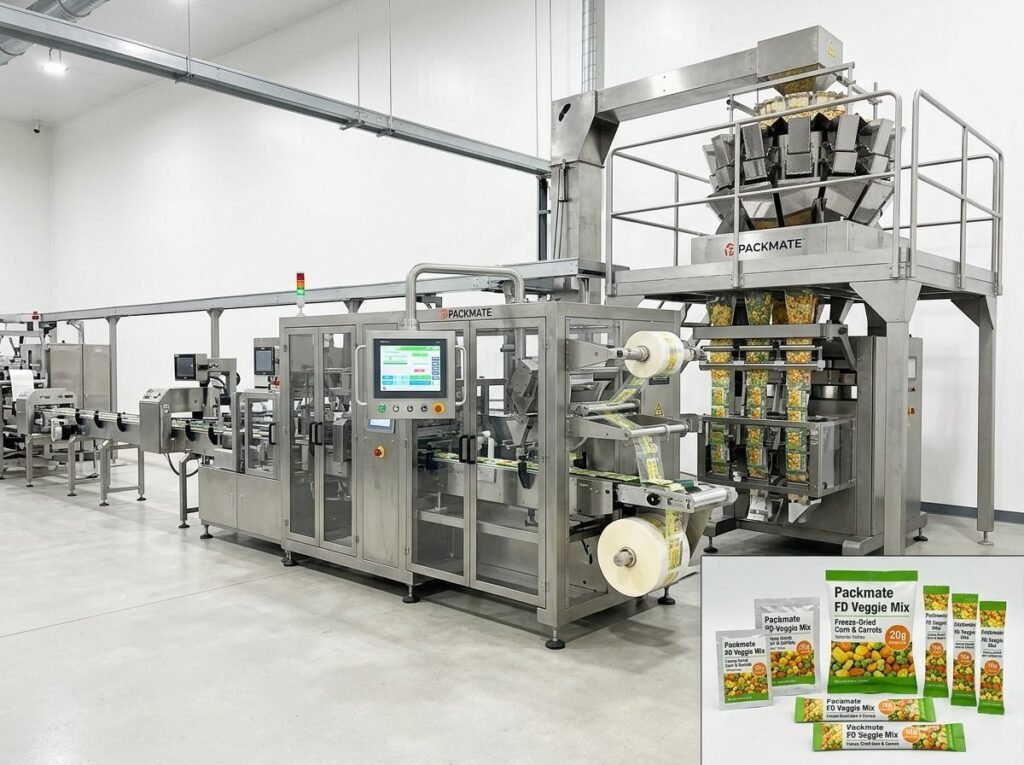
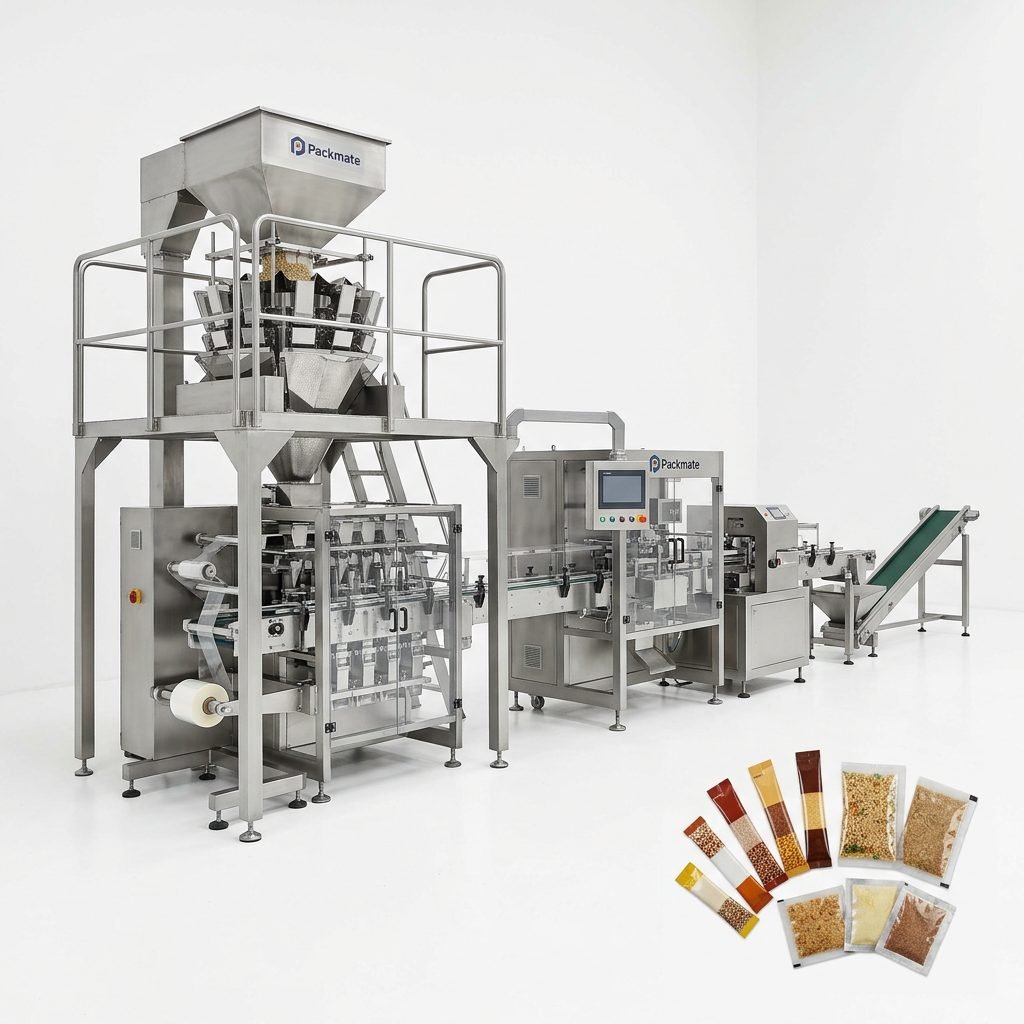
A turnkey automatic line is a synchronized symphony of specialized machines. For spice producers, this typically involves a seamless integration of several key stages.
1. Automated Feeding and Dosing Systems
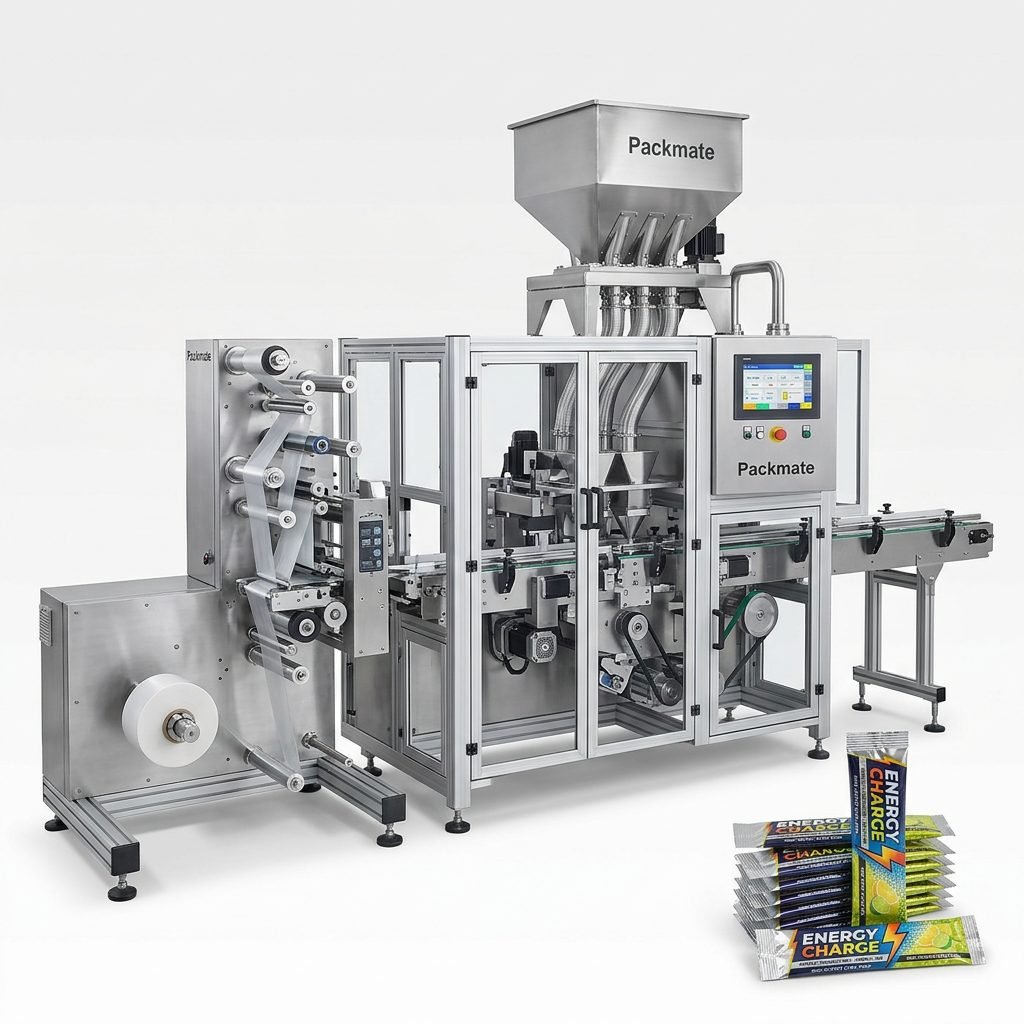
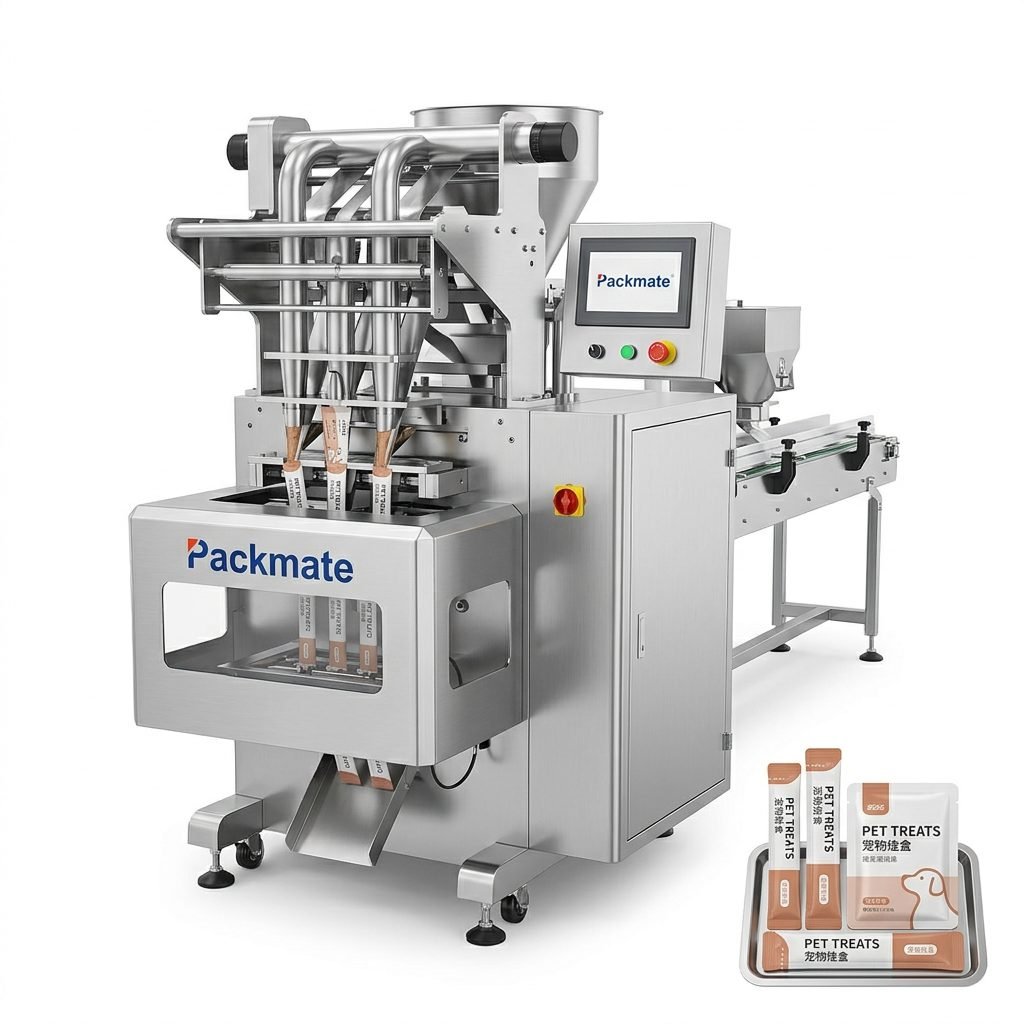
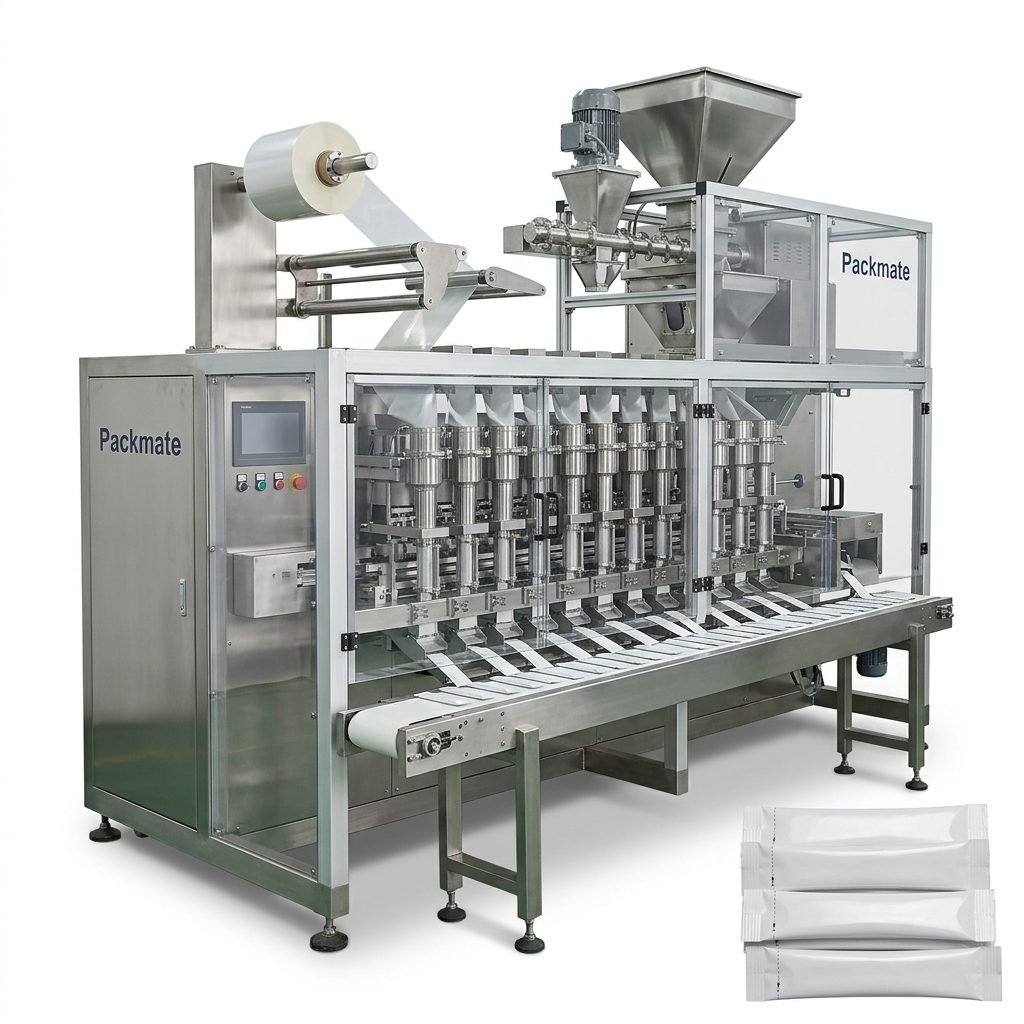
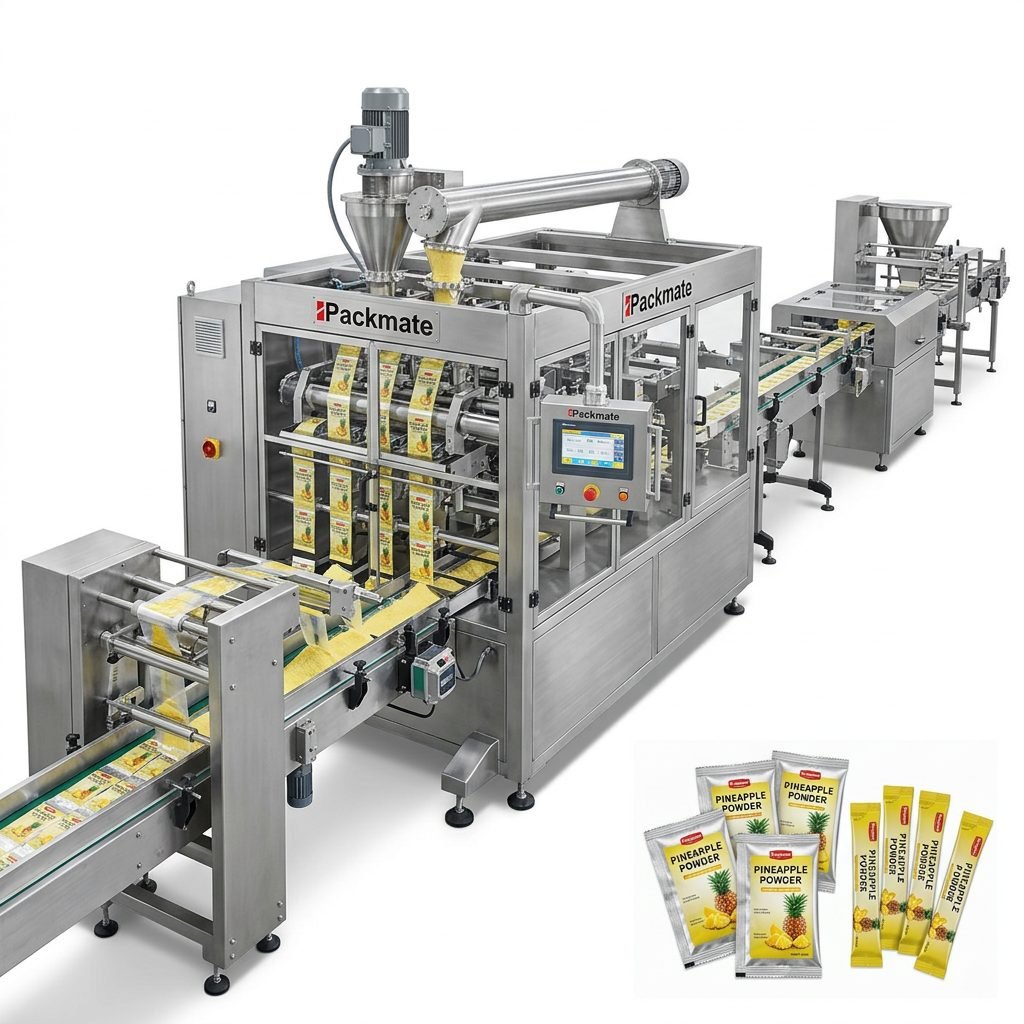
The process begins with consistent and accurate product feeding. For free-flowing granules, vibratory feeders or auger systems work efficiently. For finer, more cohesive powders, advanced auger fillers with anti-caking technology are essential. These systems use precisely engineered screws to deliver measured volumes of product into the packaging machine’s forming tube. Modern multi-lane systems can handle several packaging lanes simultaneously, dramatically boosting throughput.
2. Form-Fill-Seal (FFS) Machine: The Heart of the Line
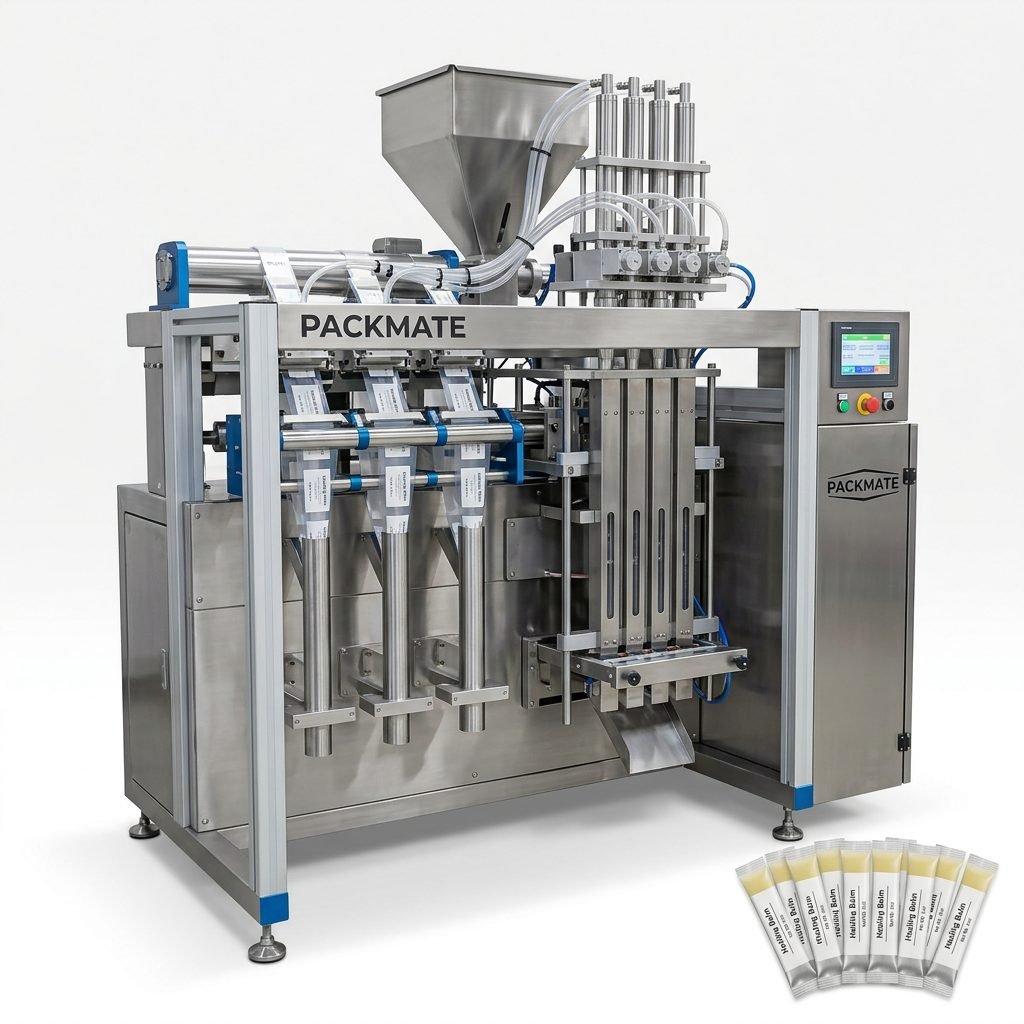
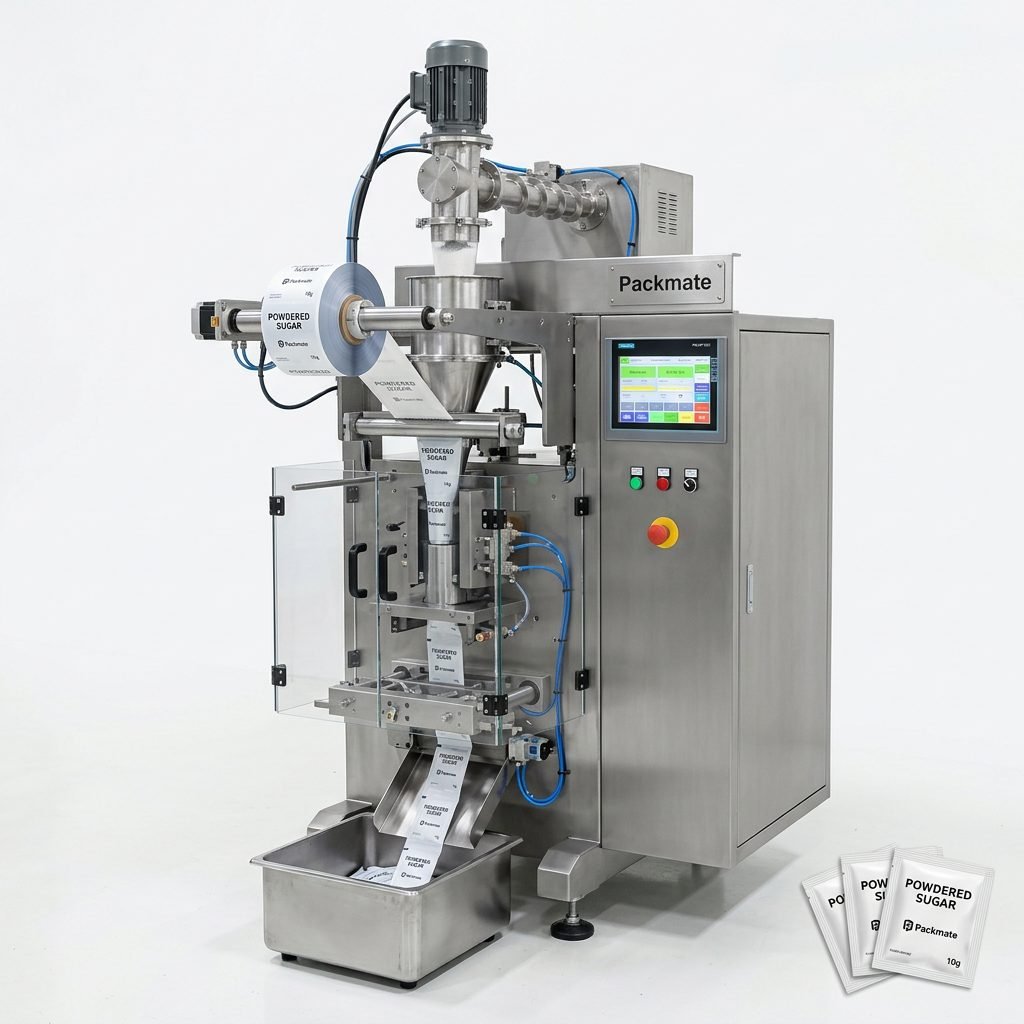
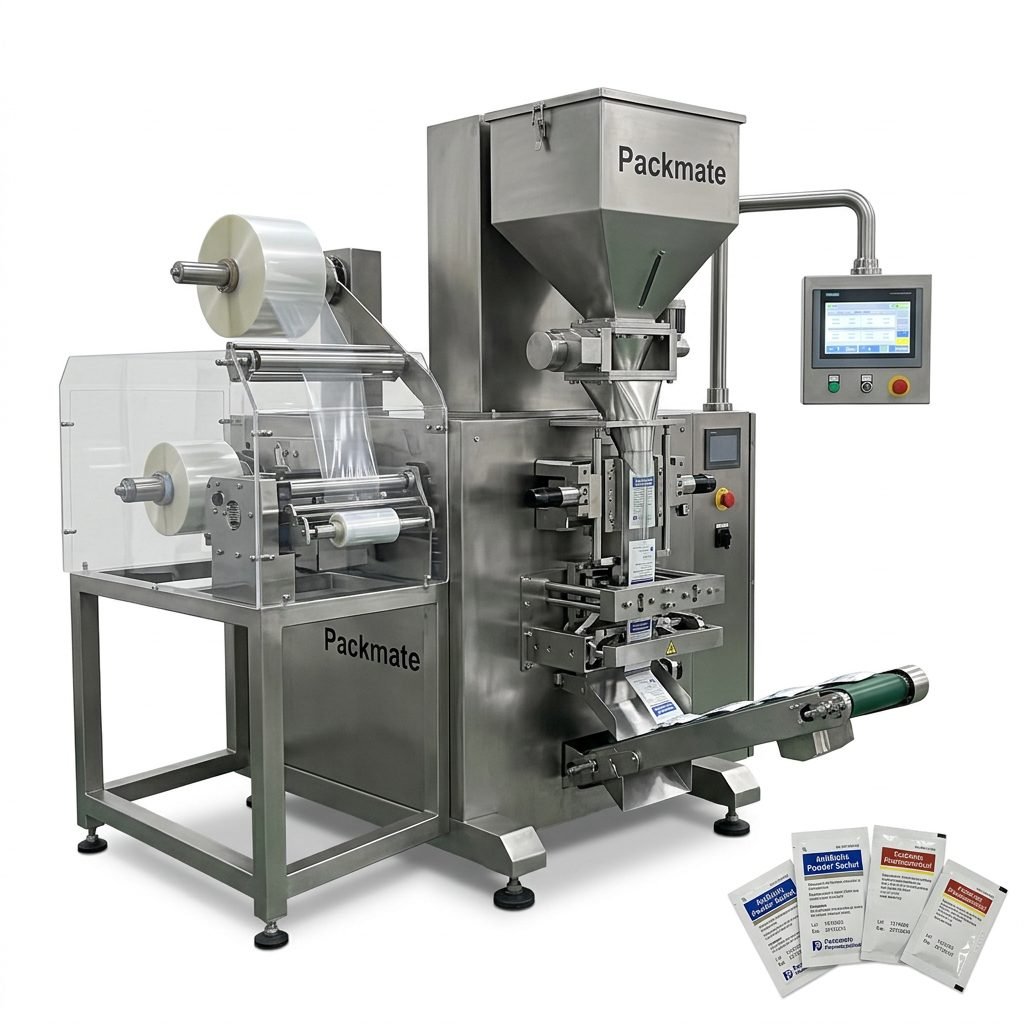
This is the core component where the package is created, filled, and sealed in one continuous operation. For spices, vertical form-fill-seal (VFFS) machines are predominantly used. A roll of packaging film (often multi-layered for barrier properties) is shaped into a tube, vertically sealed, filled with the pre-measured spice, and then horizontally sealed and cut into individual packets—whether sachets or stick packs. The flexibility of FFS technology allows for a wide range of package sizes and styles, which you can explore in our detailed equipment catalog.
Benefits of VFFS for Spices:
✓ Reduced Material Waste: Uses film rolls efficiently compared to pre-made bags.
✓ Superior Hygiene: The enclosed process minimizes human contact and environmental exposure.
✓ Flexibility: Quick changeovers for different package weights and designs.
3. Secondary Packaging: Cartoning and Case Packing
Once primary packets are produced, they are automatically collated, counted, and inserted into cartons or boxes. Automatic cartoners erect pre-glued cartons, load the precise number of spice packets, and seal them ready for retail. For larger shipments, case packers then place multiple finished cartons into shipping cases. This end-to-end automation eliminates manual handling bottlenecks and ensures a professional, shelf-ready final product.
Choosing the Right Solution: Powders vs. Granules
While the line layout is similar, the specific machine configurations differ based on the product’s physical properties.
For Powdered Spices (e.g., Turmeric, Garlic Powder):
The focus is on anti-bridging and precise volumetric filling. Equipment may include:
• Auger fillers with specialized paddles or agitators to break up clumps.
• Dedicated dust extraction ports on the filling head.
• Nitrogen gas flushing systems integrated before sealing to displace oxygen and extend shelf life.
For Granular Spices (e.g., Peppercorns, Cumin Seeds):
The emphasis shifts to gentle handling and consistent flow. Key features include:
• Weighing scales (linear or multi-head weighers) for high-speed gravimetric filling.
• Smooth, polished surfaces on product contact parts to prevent damage.
• Adjustable vibration settings on feeders to control product flow without crushing.
Companies like Packmate (GuangDong) Co., Ltd., with decades of experience, excel at designing lines tailored to these specific nuances, ensuring optimal performance for each product type. You can see real-world applications in our project case studies.
Maximizing Efficiency and ROI
Investing in a complete line yields significant returns beyond just speed.
Tangible Business Benefits:
1. Dramatically Reduced Labor Costs: Automation consolidates multiple manual steps into one controlled process, requiring fewer operators for supervision rather than manual work.
2. Minimized Product Giveaway: High-precision filling systems ensure weight accuracy, saving substantial raw material costs over time.
3. Enhanced Quality Control: Integrated checkweighers and vision systems can automatically reject under/over-filled or poorly sealed packets, guaranteeing only perfect products proceed.
4. Scalability for Growth: Automated lines are designed to scale with your business, allowing for increased output to meet market demand without a proportional increase in overhead.
Furthermore, a reliable automated line from a trusted supplier ensures minimal downtime and consistent output. This reliability is backed by comprehensive after-sales service and support, ensuring your production continues smoothly.
Future-Proofing Your Spice Production
The trend in spice packaging is moving towards even greater smart integration and sustainability. Future-ready lines may incorporate Industrial Internet of Things (IIoT) sensors for predictive maintenance, real-time production data analytics, and even more advanced vision inspection systems. Furthermore, the ability to run recyclable or compostable mono-material films is becoming increasingly important. Choosing a partner committed to innovation ensures your packaging line remains at the forefront of technology and market expectations.
In conclusion, an efficient, complete automatic packaging line is the cornerstone of modern spice manufacturing. It transforms the challenges of packaging powders and granules into a streamlined, reliable, and profitable process. By ensuring precision, hygiene, and speed, it protects your product’s quality and your brand’s reputation while driving operational excellence.
Frequently Asked Questions (FAQs)
1. What is the typical output speed of an automatic spice packaging line?
Speed varies based on the package type and size. For small sachets or stick packs, multi-lane systems can achieve speeds from 200 to over 1,000 packets per minute. A detailed consultation is needed to determine the optimal speed for your specific product and output goals.
2. Can one packaging line handle both powder and granular spices?
While a base line structure can be similar, critical components like the filling system often need to be specific to the product’s characteristics (e.g., auger for powder, weigher for granules). Many lines are designed with flexibility in mind, allowing for changeovers, but the optimal configuration is usually tailored to the primary product type.
3. How do you prevent spice powders from caking inside the machine?
Specialized auger designs with anti-bridging features, integrated agitation systems, and controlled environmental conditions (low humidity) in the production area are key. Some systems may also use food-grade anti-static treatments on contact surfaces.
4. What packaging materials are best for preserving spice freshness?
Multi-layered laminates are common, often incorporating metalized polyester or aluminum foil layers for an excellent barrier against moisture, oxygen, and light. The choice depends on the spice’s sensitivity and the desired shelf life. Nitrogen flushing before sealing is also a highly effective technique for oxygen-sensitive products.
5. What kind of support can we expect after purchasing the line?
Reputable suppliers offer comprehensive support including installation supervision, operator training, on-site maintenance, and readily available spare parts. Remote diagnostic support is also becoming standard. It’s crucial to discuss the scope of after-sales service before purchase. For more questions, visit our dedicated FAQ page.