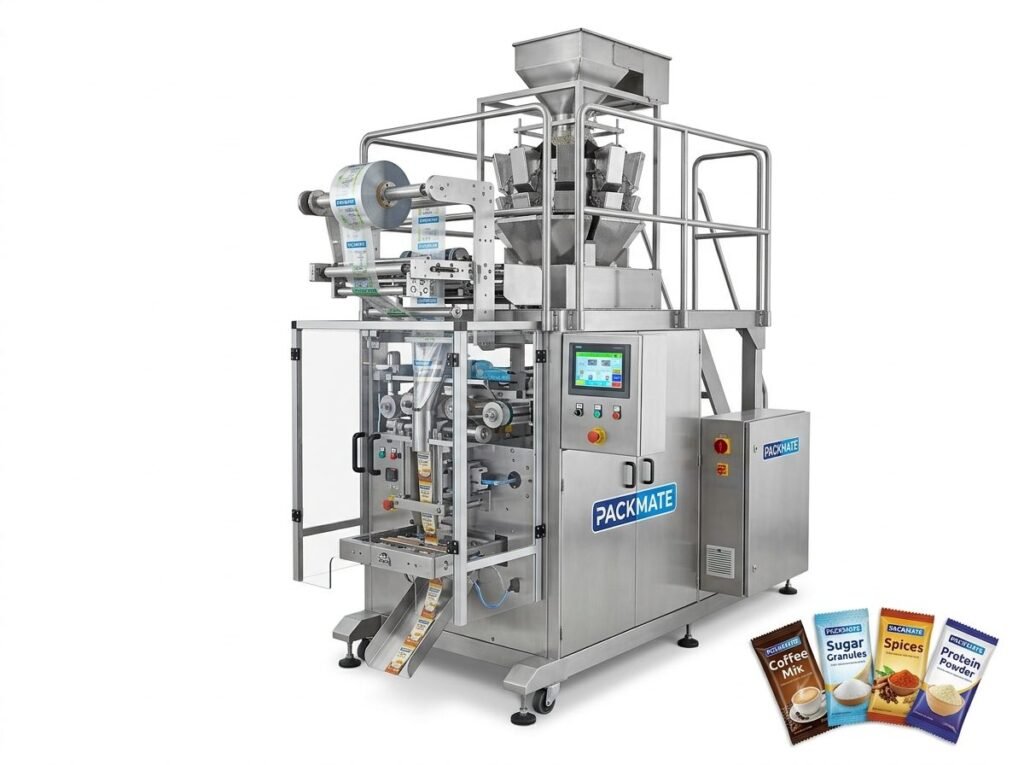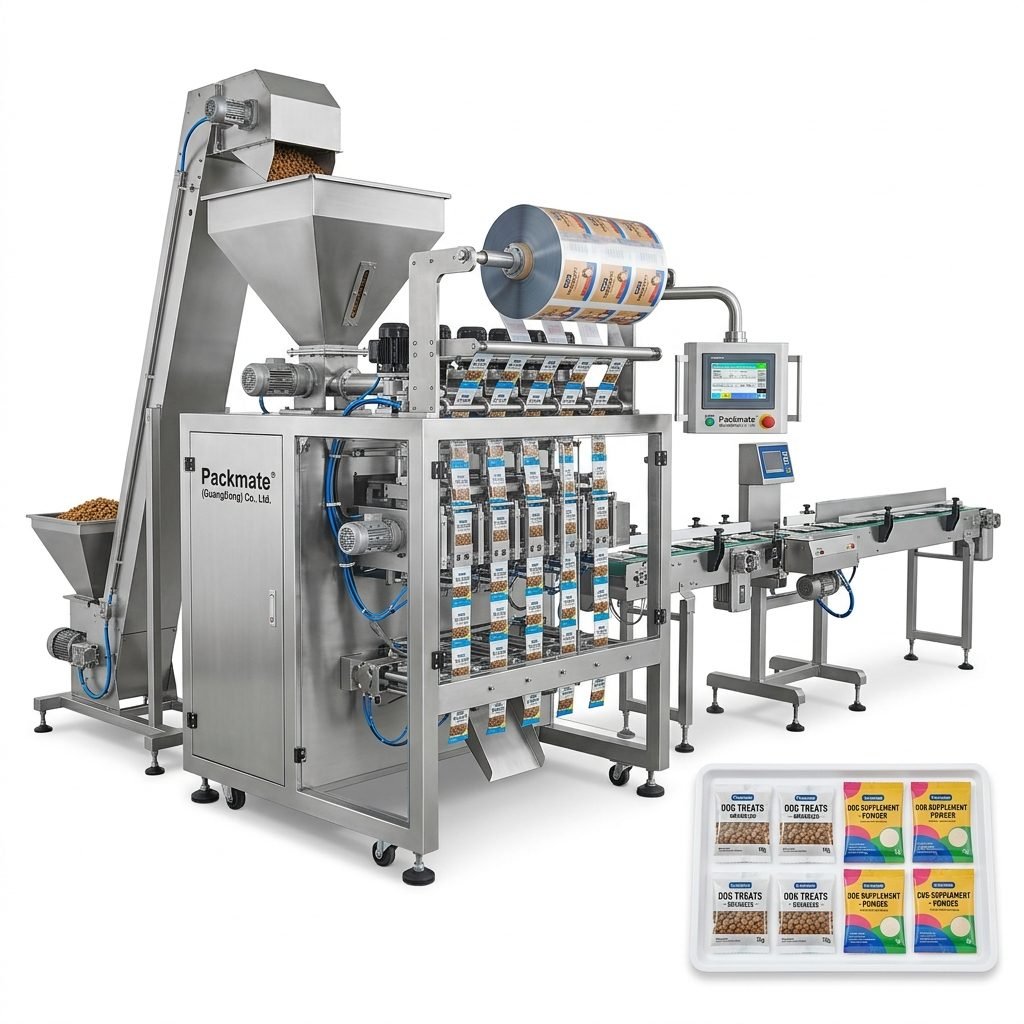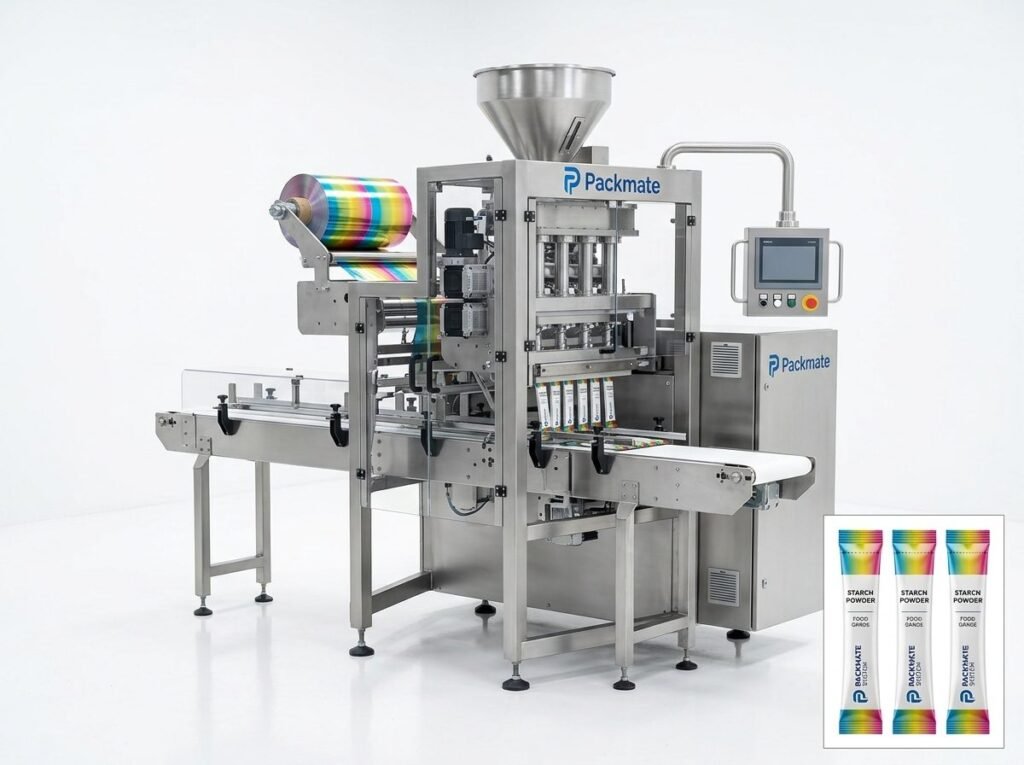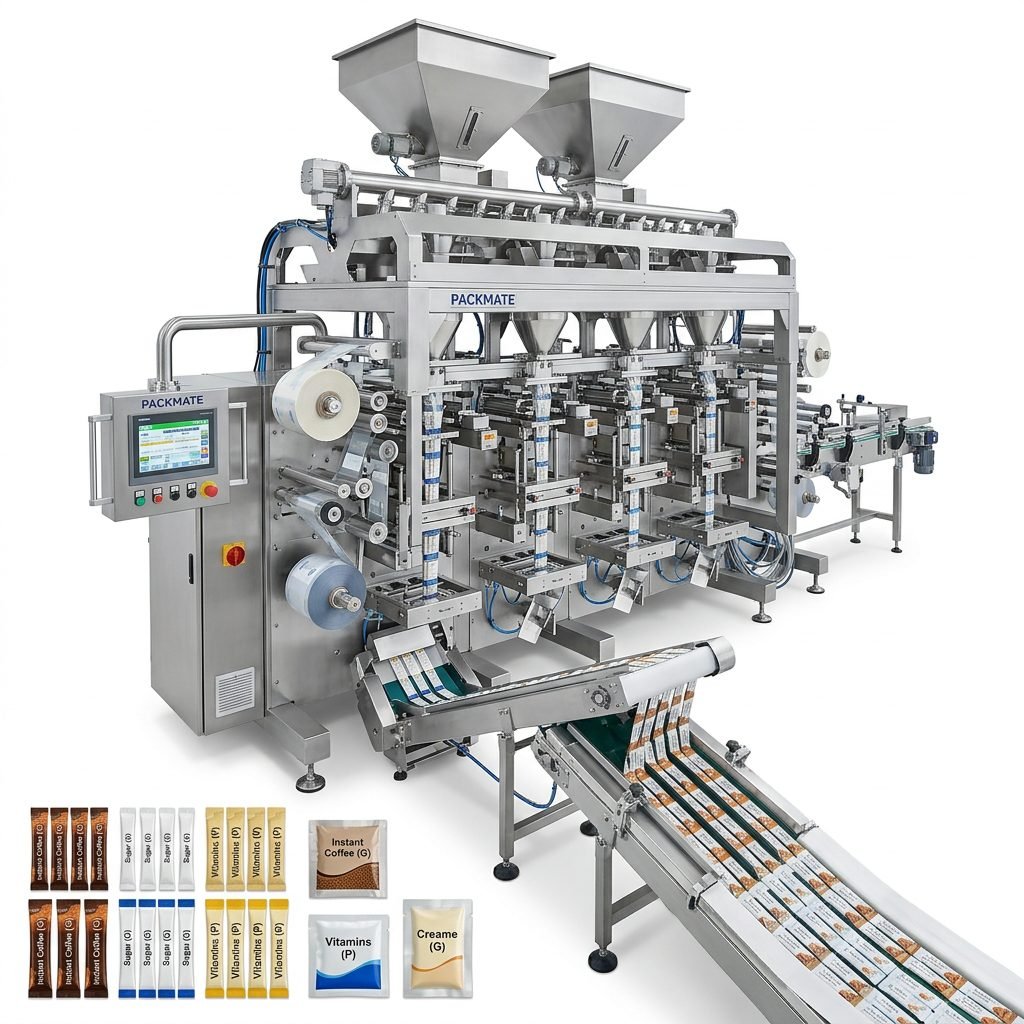
In the competitive world of commercial baking, efficiency and cost control are paramount. Every step of the production process, from mixing to packaging, must be optimized to ensure profitability while maintaining the highest standards of product quality and hygiene. For bakeries producing sliced bread, the final packaging stage presents a unique challenge: how to securely bundle twin loaves together in a way that is fast, reliable, and visually appealing for the retail shelf. This is where a specialized Fair Price Bread Dual Splice Packaging Line becomes not just an asset, but a strategic necessity. It represents the pinnacle of cost-effective automated bread packing solutions, designed to streamline operations and enhance your bottom line.
The Core Challenge: Packaging Twin Loaves Efficiently
Dual splice packaging, the process of bundling two individual loaves of sliced bread together, is a common retail practice. It offers convenience for consumers and can boost sales volume. However, manually or semi-automatically performing this task is labor-intensive, inconsistent, and can lead to product damage or unhygienic handling. A dedicated automated line solves these issues by performing the splice, wrapping, and sealing processes in one seamless, continuous motion. The key for bakery managers is finding a solution that delivers this high-level automation without a prohibitive capital investment—a true “fair price” machine that offers rapid return on investment (ROI).
Key Advantages of an Automated Dual Splice Line
Transitioning to an automated packaging system unlocks multiple benefits that directly impact operational efficiency and cost savings:
➤ Dramatically Increased Output: Automated lines can package hundreds of twin-loaf bundles per hour, far surpassing manual capabilities and easily keeping pace with modern oven production rates.
➤ Consistent Packaging Quality: Every bundle is wrapped with uniform tightness and seal integrity, presenting a professional, shelf-ready appearance that enhances brand image.
➤ Significant Labor Savings: Automating this repetitive task frees up valuable staff for other quality control or production roles, reducing long-term labor costs and dependency.
➤ Reduced Material Waste: Precise film feeding and cutting mechanisms minimize overuse of packaging film, contributing to material cost savings.
➤ Enhanced Hygiene & Safety: Minimized human contact with the final product meets stringent food safety standards (like HACCP, BRC) and creates a safer work environment.
What Makes a Packaging Line “Cost-Effective”?
The term “cost-effective” goes beyond the initial purchase price. A truly economical solution considers the total cost of ownership over the machine’s lifespan. A Fair Price Bread Dual Splice Packaging Line from a reputable manufacturer like Packmate (GuangDong) Co., Ltd. is engineered for value through:
1. Robust and Reliable Design
Machines built with high-quality components and rigid frames experience less downtime. Reliability is the cornerstone of cost-effectiveness, as unplanned stops disrupt entire production schedules. Look for lines constructed from food-grade stainless steel in critical areas, with industrial-grade drives and sensors.
2. Energy and Material Efficiency
Modern servo-driven systems are precise and energy-saving compared to older mechanical models. Efficient thermal sealing systems use optimal heat and pressure to create strong seals without wasting energy. This reduces daily operating costs.
3. Ease of Maintenance and Operation
A user-friendly HMI (Human-Machine Interface) allows for quick changeovers between different loaf sizes or packaging films. Easy access to mechanical parts simplifies routine cleaning and maintenance, reducing service time and costs. Comprehensive training and access to a reliable service network are invaluable.
4. Flexibility and Scalability
A cost-effective line should accommodate a range of standard loaf sizes with quick adjustments. This future-proofs your investment, allowing you to adapt to new products without needing entirely new equipment. Some advanced lines can even integrate with upstream slicers and downstream cartoning systems.
Integrating the Line into Your Bakery Workflow
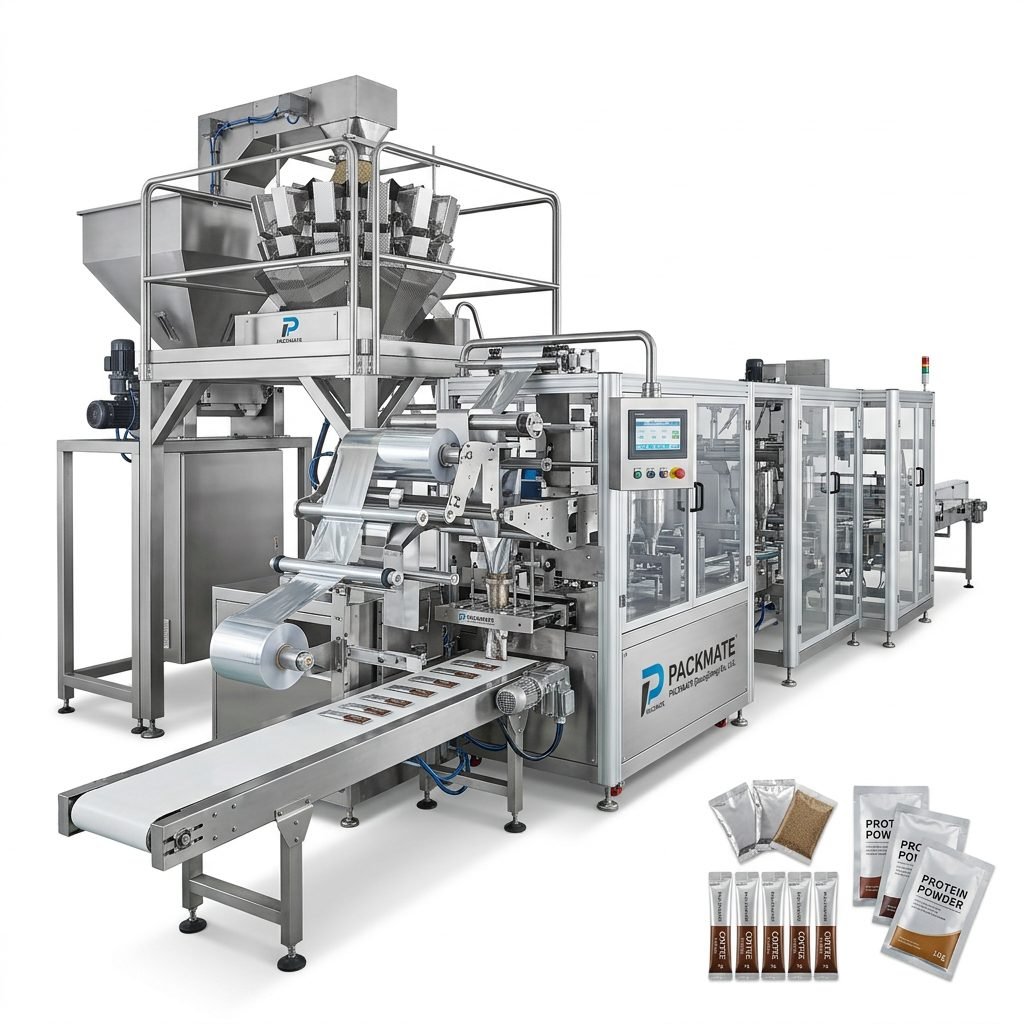
Successful implementation requires more than just installing a machine. It’s about integrating a new system into your existing workflow. A typical automated dual splice line involves several key stations:
- Infeed Conveyor: Gently receives the two individual loaves from the slicer and aligns them for splicing.
- Splicing Mechanism: The core of the line, which brings the two loaves together side-by-side in perfect alignment.
- Film Wrapping & Sealing: A roll of pre-printed polypropylene or polyethylene film is drawn around the spliced loaves, with a longitudinal seal created along the bottom and end seals at both ends.
- Cutting & Discharge: The finished bundle is cut from the film web and discharged onto a take-away conveyor for boxing or palletizing.
Partnering with a supplier that offers complete turnkey solutions ensures this integration is smooth, from factory layout advice to installation, commissioning, and staff training.
Choosing the Right Partner: Beyond the Machine
Selecting your equipment provider is as critical as selecting the machine itself. With over 30 years of expertise, Packmate exemplifies the qualities to look for:
Proven Experience: A history of successful installations in the food industry, particularly in baking, provides confidence. Review their project case studies to see real-world applications.
Engineering Support: The ability to customize aspects of the line to fit your specific loaf dimensions, film type, or desired output speed is crucial.
Global Support Network: For bakeries operating in multiple regions or exporting, a manufacturer with an international presence can provide timely spare parts and technical support.
Commitment to Innovation: The best partners continuously improve their designs, incorporating new technologies for better speed, efficiency, and user experience.
Driving Your Bakery’s Future Growth
Investing in a Fair Price Bread Dual Splice Packaging Line is an investment in your bakery’s operational excellence and market competitiveness. The initial cost is quickly offset by the tangible savings in labor, materials, and waste reduction, while the intangible benefits of consistent quality and enhanced brand presentation drive customer loyalty. In an industry where margins are carefully watched, this automation step is a clear differentiator.
By choosing a cost-effective, reliable, and well-supported solution from an industry leader, you are not just buying a machine; you are securing a partnership that contributes to the sustainable growth and efficiency of your business for years to come. Explore the possibilities and see how automation can transform your packaging floor.
Frequently Asked Questions (FAQs)
1. What is the typical output speed of a dual splice bread packaging line?
Output speeds vary by model and configuration. Standard lines from reputable manufacturers like Packmate can typically handle between 30 to 60 bundles per minute (e.g., 60-120 individual loaves per minute), depending on loaf size and film type. Higher-speed models are available for large-scale industrial bakeries.
2. Can the same machine handle different sizes of bread loaves?
Yes, a key feature of a well-designed line is its flexibility. Most machines allow for quick mechanical adjustments to the infeed guides, splicing mechanism, and film former to accommodate a range of standard loaf lengths, widths, and heights. Changeover times can often be reduced to under 15-20 minutes with proper tooling.
3. What type of packaging film is used, and can it use pre-printed film?
These lines are primarily designed for flexible polypropylene (OPP) or polyethylene (PE) films, which are ideal for bread as they provide a good moisture barrier and clarity. Yes, they are perfectly suited for pre-printed film rolls. The equipment includes precise registration systems (often photoelectric eyes) to ensure the print pattern is correctly aligned on every bundle for a professional look.
4. How does the machine ensure hygiene and meet food safety standards?
The machines are constructed with food-contact surfaces made of stainless steel, which is easy to clean and corrosion-resistant. They are designed with smooth surfaces and minimal crevices to prevent product or debris accumulation. This design philosophy supports compliance with global food safety standards like HACCP, BRC, and IFS. Regular cleaning protocols are part of the standard operating procedure.
5. What kind of after-sales support and warranty should we expect?
A reliable supplier offers a comprehensive warranty (typically 12-18 months for critical parts) and robust after-sales support. This includes detailed installation supervision, operator and maintenance technician training, ready availability of spare parts, and access to remote or on-site technical support. It’s advisable to discuss these terms in detail before purchase. For more common queries, you can visit the dedicated FAQs page.