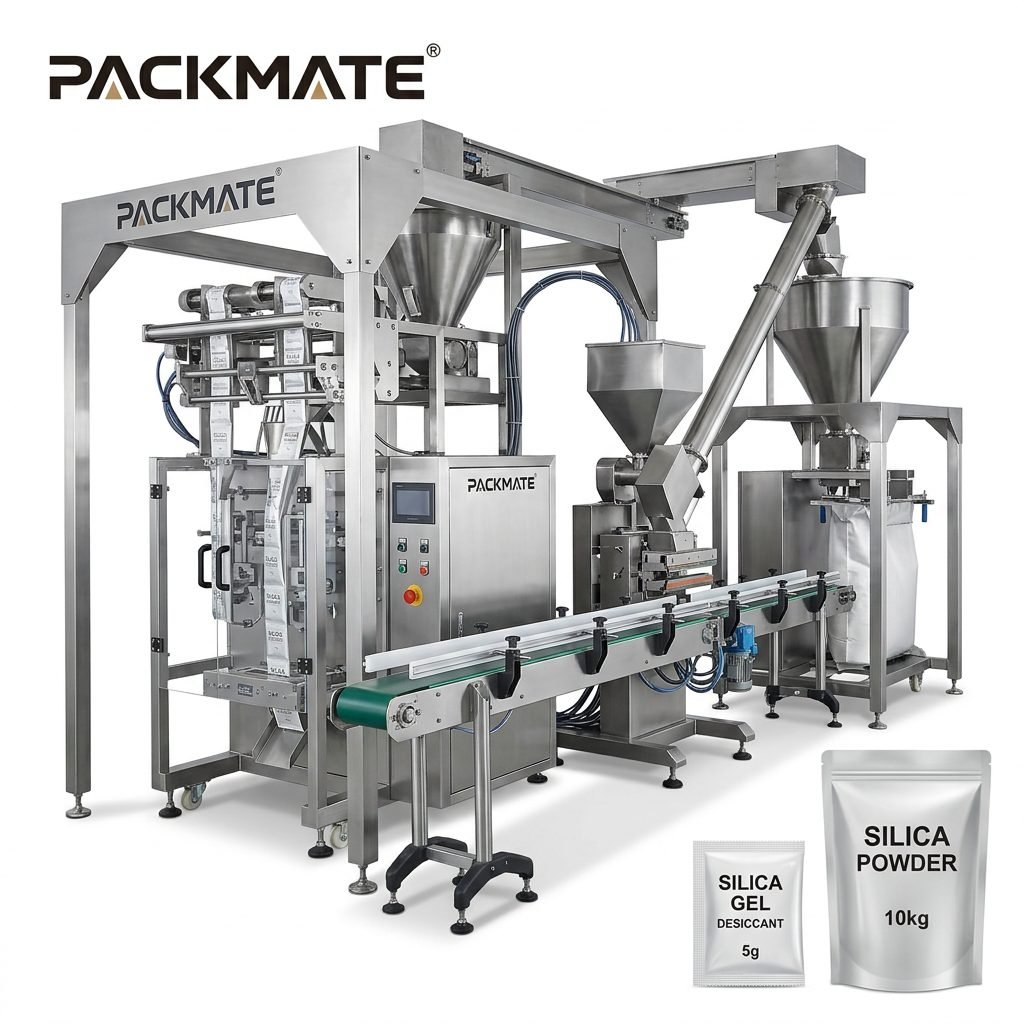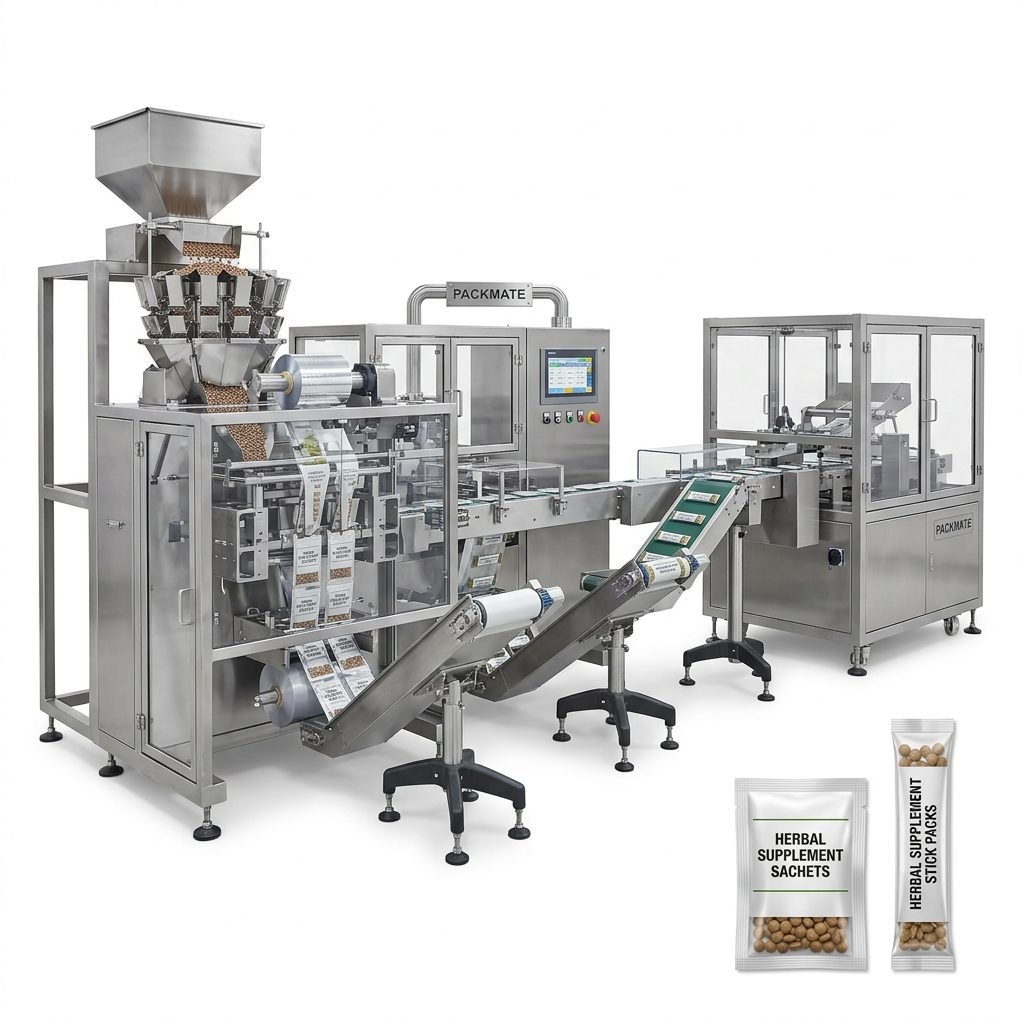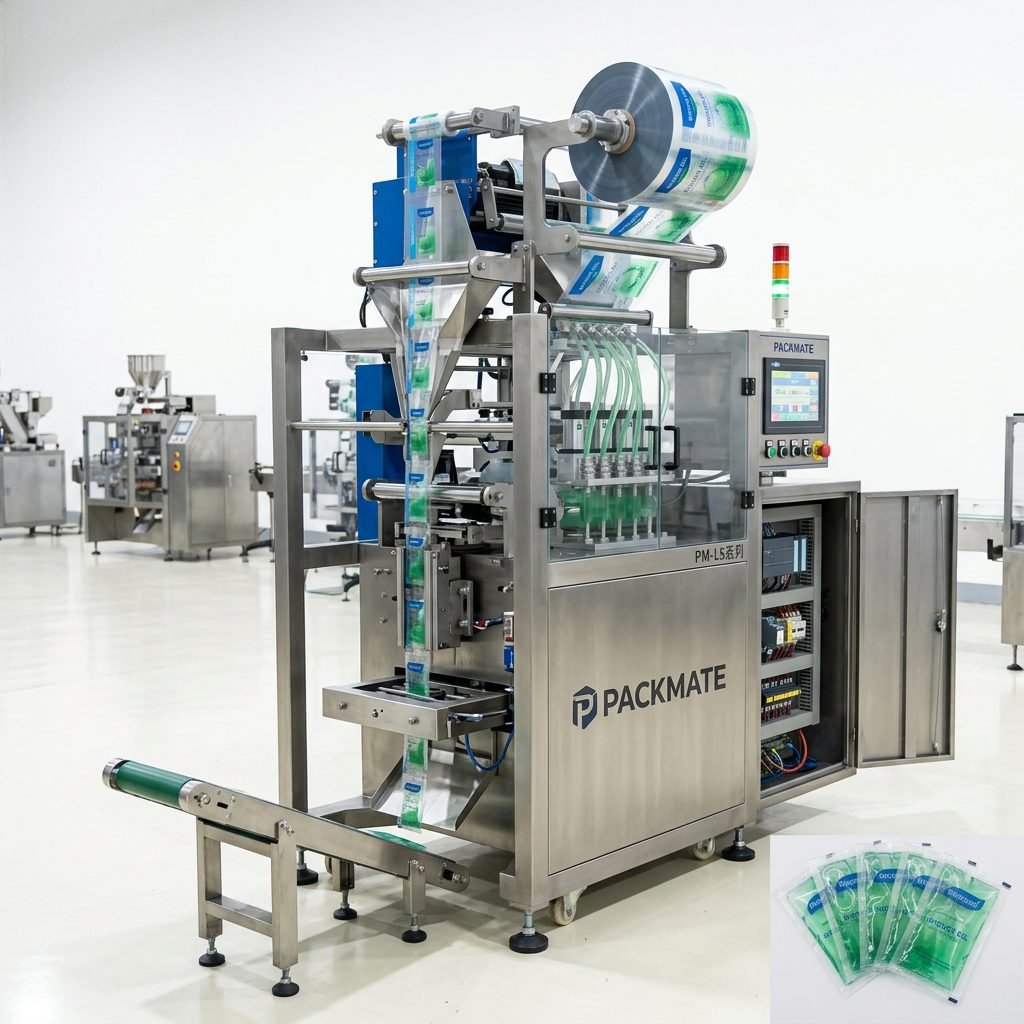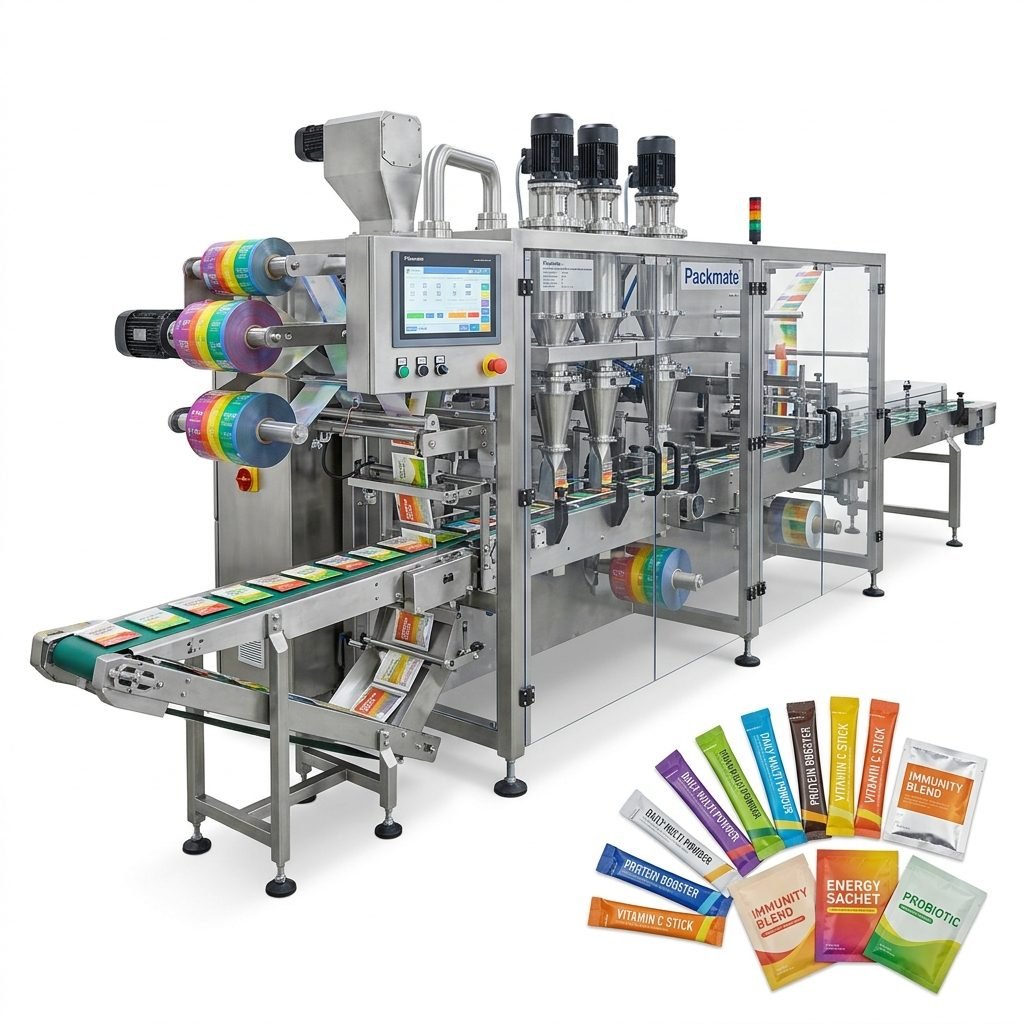
In today’s fast-paced global market, the demand for safe, efficient, and reliable packaging has never been higher, especially for sensitive products in the food, pharmaceutical, and health sectors. A robust carton packaging line is no longer a luxury but a critical component of the production process, ensuring product integrity, compliance with stringent regulations, and brand consistency. Choosing the right packaging solution can significantly impact operational efficiency, cost control, and market competitiveness.
The Critical Role of Specialized Packaging Lines
Packaging serves as the final guardian of product quality. For food items, it protects against contamination, preserves freshness, and extends shelf life. In the pharmaceutical industry, packaging must guarantee sterility, provide precise dosing information, and often incorporate tamper-evident features. Health and nutraceutical products require packaging that maintains potency, prevents moisture ingress, and appeals to health-conscious consumers. A dedicated carton packaging line is engineered to meet these diverse and demanding requirements seamlessly.
Key Advantages of an Integrated Line:
- Enhanced Product Protection: Creates a consistent, secure barrier against environmental factors.
- Streamlined Operations: Automates forming, filling, and sealing to minimize manual handling and errors.
- Regulatory Compliance: Designed to meet GMP, FDA, and other international standards effortlessly.
- Brand Enhancement: Delivers professional, uniform packaging that strengthens brand identity on the shelf.
Core Components of a Modern Carton Packaging Line
A complete, turnkey solution integrates several key machines into a synchronized system. Understanding each component’s function is essential for selecting the right packaging line solution for your specific products.
1. Carton Erecting and Forming Machine
This is the starting point, where flat carton blanks are automatically picked, erected, and folded into their final three-dimensional shape, ready for product insertion. Precision here is crucial for downstream efficiency.
2. Product Loading System
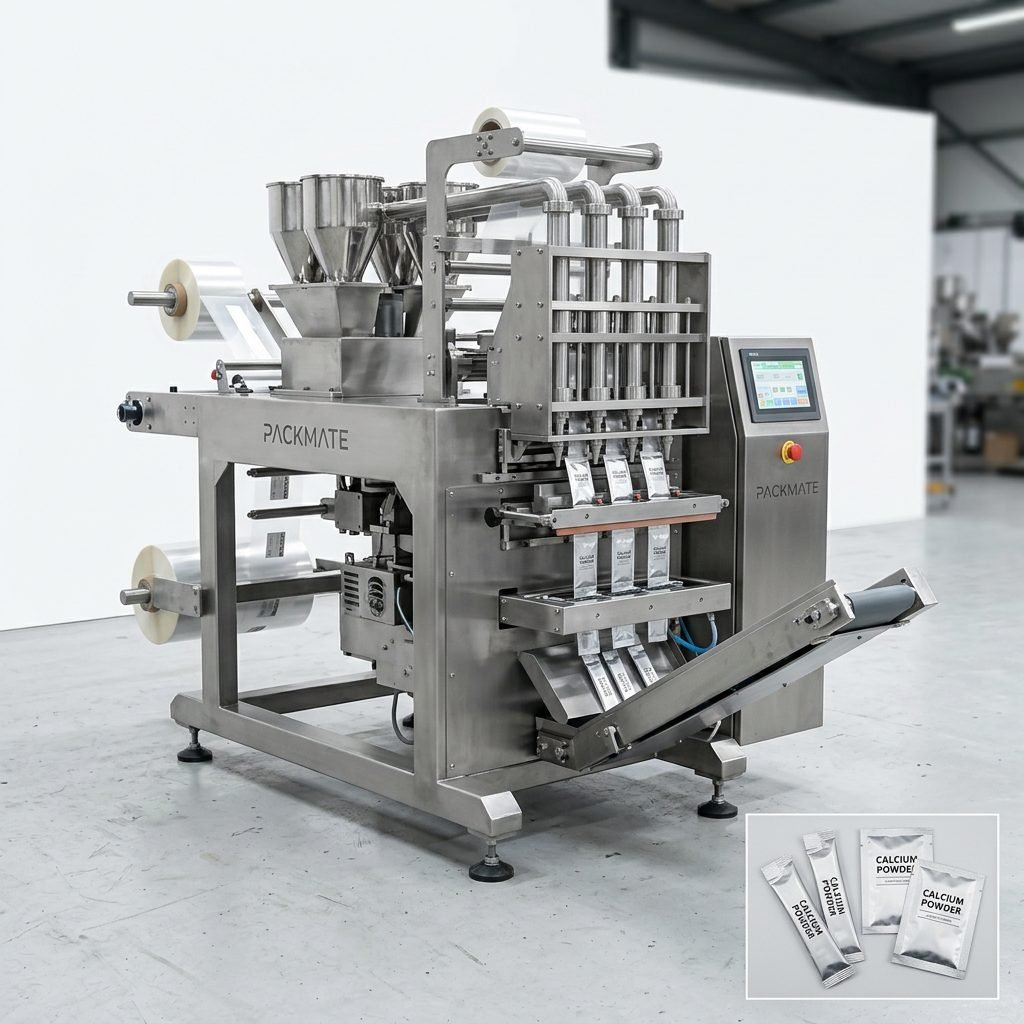
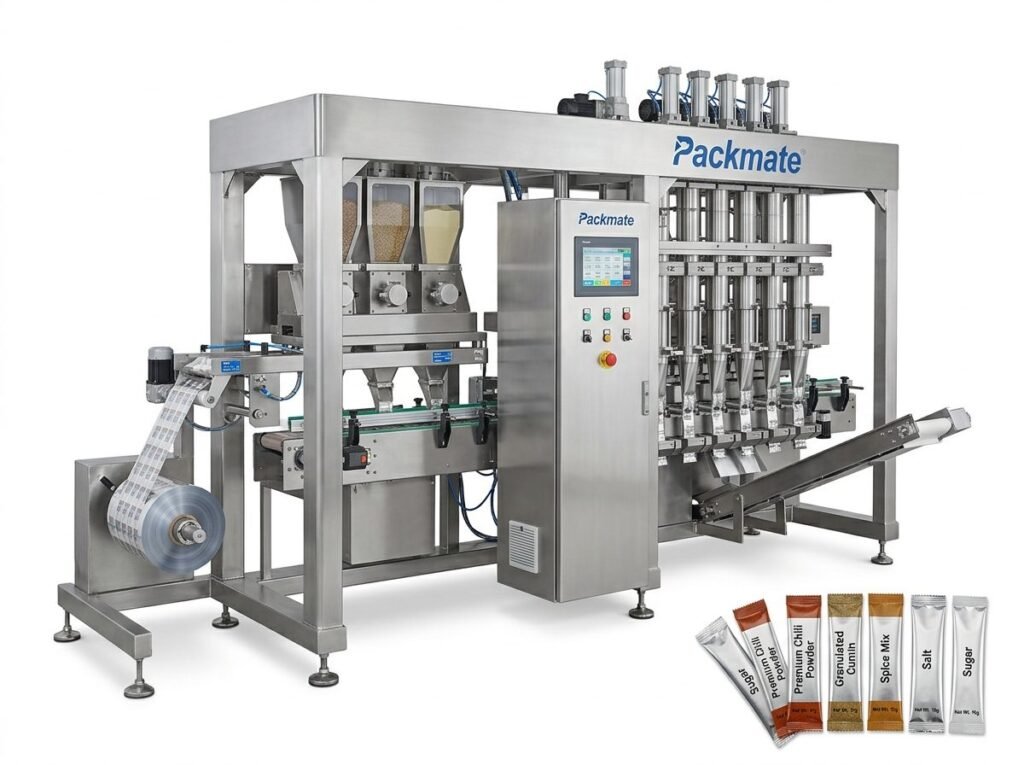
This subsystem is highly customizable. It can involve robotic arms for placing bottles or vials, volumetric cups for powders, or conveyor systems for pre-packaged sachets and stick packs. It interfaces directly with your primary filling equipment.
3. Carton Closing and Sealing Unit
Once loaded, the carton flaps are neatly closed. Sealing can be achieved through hot melt glue, adhesive tapes, or locking tabs, depending on the carton style and required security level.
4. Inspection and Verification Systems
Integrated checkweighers, vision systems, and metal detectors ensure every carton contains the correct product count, has proper labeling, and is free from contaminants. This is non-negotiable for quality assurance.
5. Batch Coding and Date Printing
Automated printers apply batch numbers, expiry dates, barcodes, and QR codes directly onto the carton, ensuring traceability and compliance with labeling regulations.
Industry-Specific Considerations and Solutions
For the Food Industry:
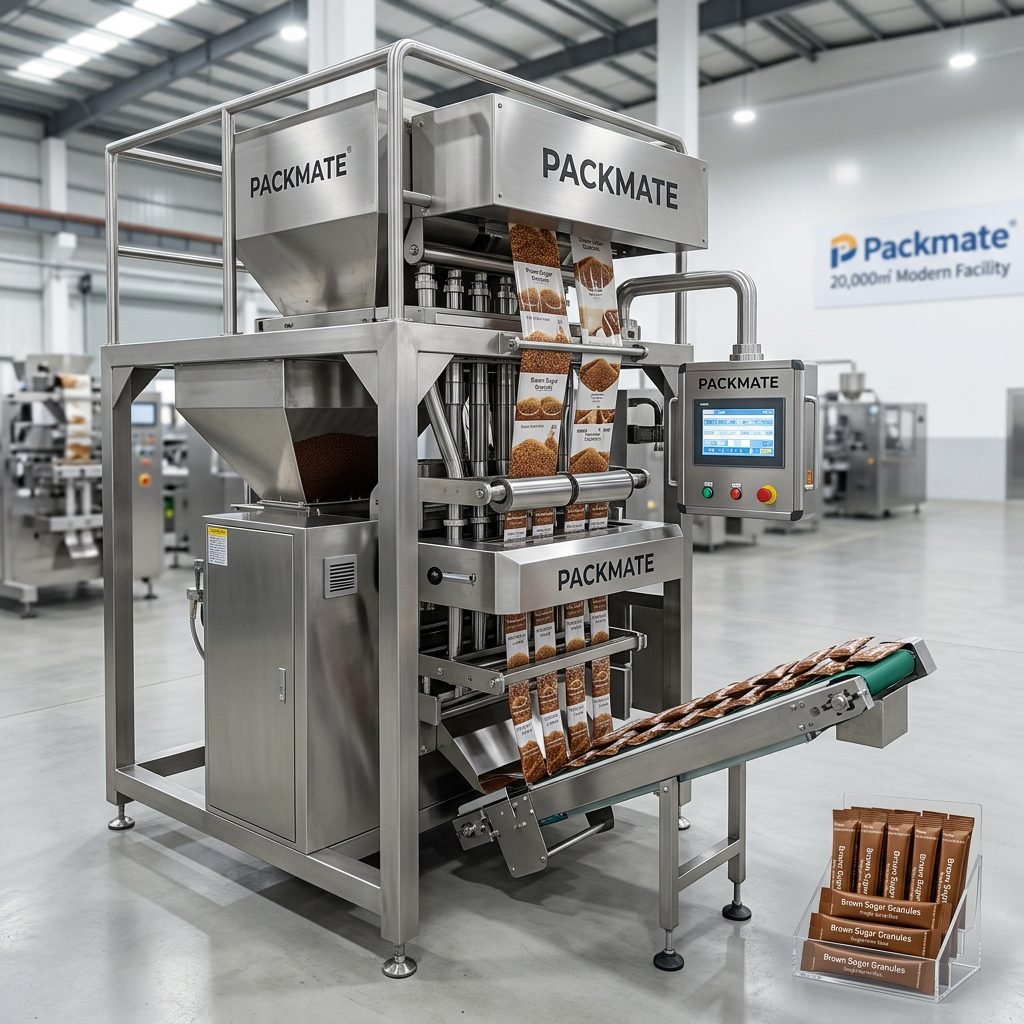
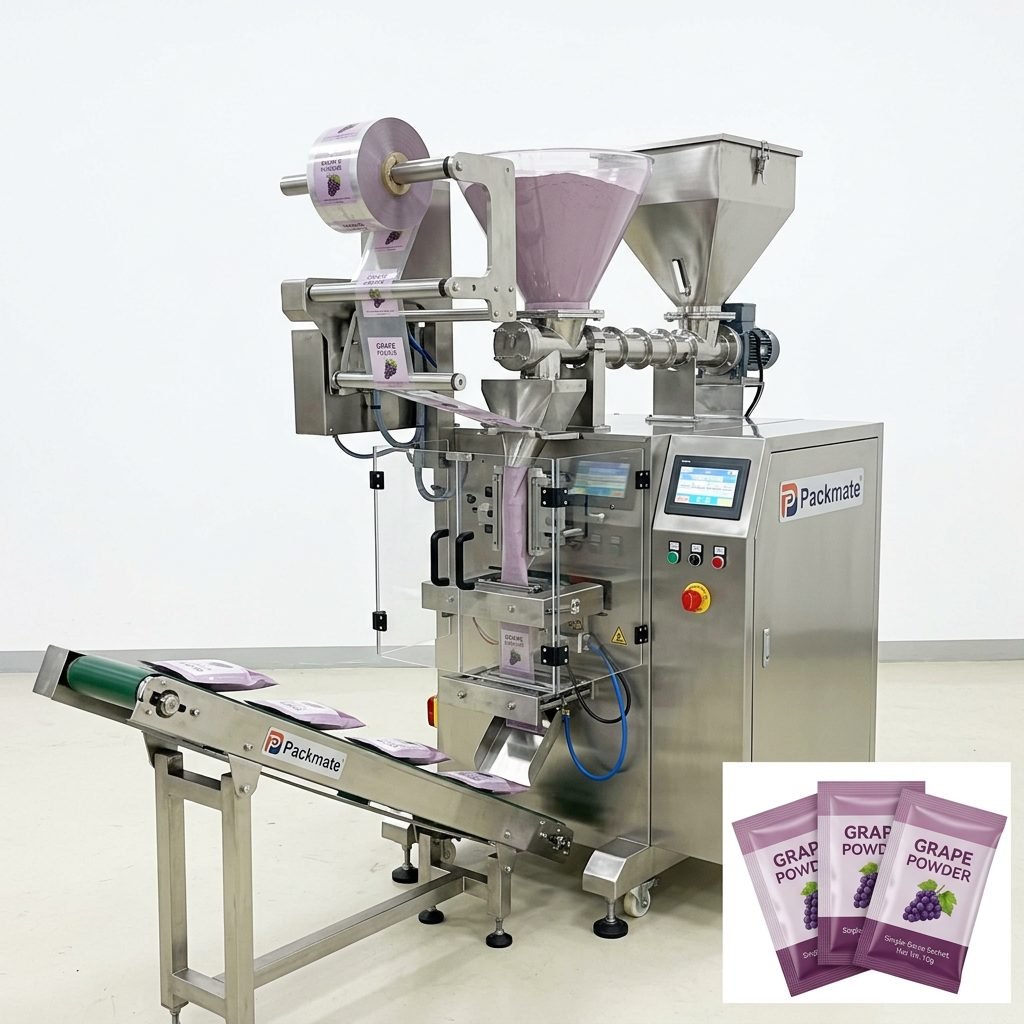
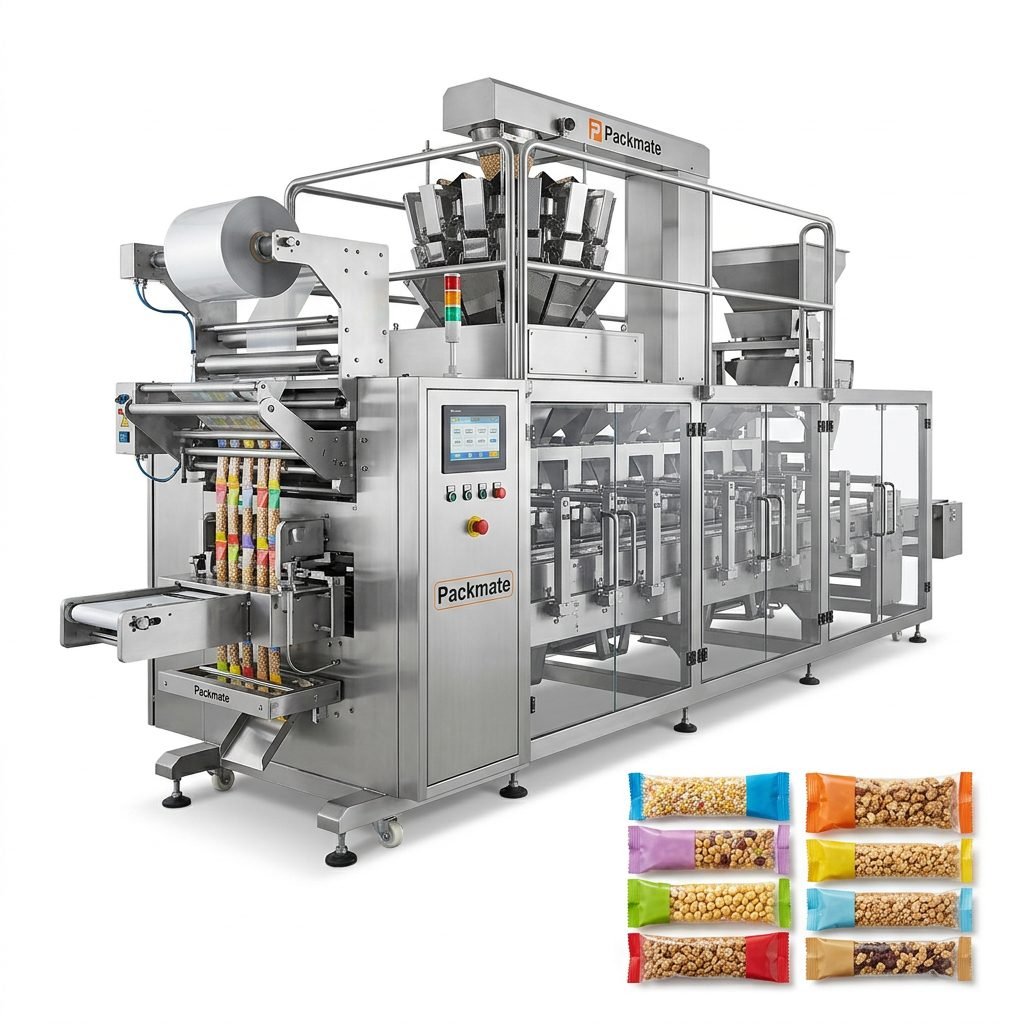
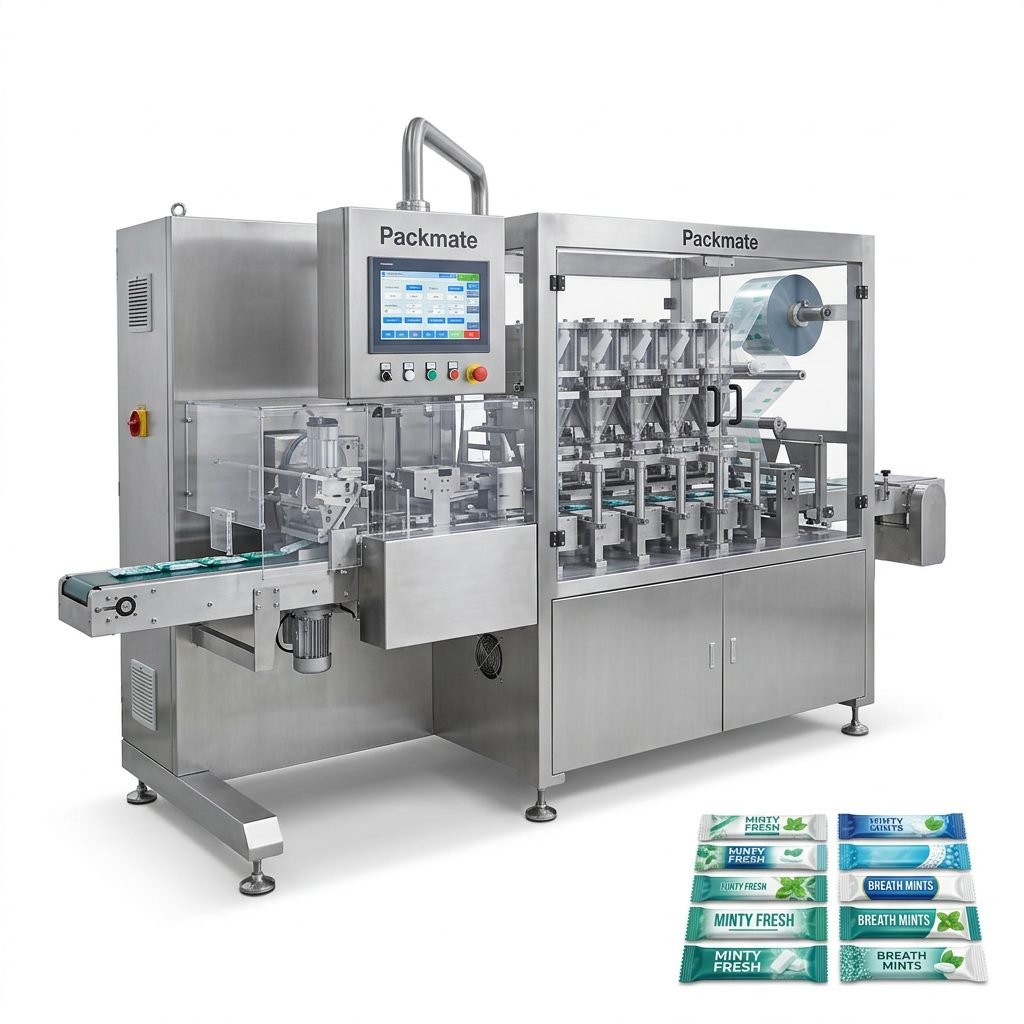
Lines must handle a variety of shapes and sizes, from cereal boxes to tea cartons. Hygiene is paramount, often requiring stainless-steel contact parts and easy-clean designs. Speed and cost-efficiency are also major drivers. Solutions often integrate with stick pack or sachet packaging machines for primary packaging before cartoning.
For the Pharmaceutical Industry:
The focus shifts overwhelmingly to compliance and safety. Packaging lines must operate in controlled environments, often with cleanroom compatibility. Serialization for track-and-trace is increasingly mandatory. Cartons must securely hold blister packs, vials, or bottles, often with tamper-evident features. Reliability and validation support are critical.
For Health & Nutraceutical Products:
This sector blends requirements from both food and pharma. Packaging must project purity, quality, and wellness. Lines need flexibility to run various product formats like bottles of supplements, boxes of protein bars, or cartons containing multiple sachets of powder. Attractive, high-quality carton printing is vital for shelf appeal.
Why Partner with an Experienced Solution Provider?
Implementing a new packaging line is a significant investment. Partnering with a specialist like Packmate (GuangDong) Co., Ltd. offers distinct advantages. With over 22 years of development, their expertise spans the entire process from initial concept to final installation. They provide turnkey solutions, meaning they handle the integration of all components, ensuring compatibility and optimal performance. Their deep understanding of real-world applications across different industries allows them to tailor solutions that address specific challenges in food, pharma, and health product packaging.
Furthermore, a provider with a modern 20,000㎡ facility and extensive in-house manufacturing capabilities can guarantee quality control, offer faster lead times, and provide reliable after-sales service and support. Their professional team of over 125 members ensures that every project, from a standard line to a highly customized one, receives the engineering focus it deserves.
Future Trends in Carton Packaging Automation
The future points towards greater intelligence and flexibility. Industry 4.0 integration will see packaging lines equipped with IoT sensors for predictive maintenance and real-time production data analytics. Robotic automation will become more sophisticated, handling complex loading tasks with vision guidance. There is also a growing demand for sustainable packaging solutions, driving the need for lines that can efficiently run recyclable or biodegradable carton materials without compromising speed or reliability.
Investing in a modern, adaptable carton packaging line positions your business to capitalize on these trends, future-proofing your operations and maintaining a competitive edge. For a closer look at the technology and innovations available today, exploring a provider’s portfolio is an excellent first step.
Frequently Asked Questions (FAQs)
1. What is the typical lead time for a complete carton packaging line?
Lead times vary based on complexity and customization. A standard line may take 3-4 months from order to delivery, while a fully customized solution for unique pharmaceutical applications could require 6-8 months. An experienced provider will give a detailed project timeline upfront.
2. Can one packaging line handle different carton sizes?
Yes, many modern lines are designed with quick-changeover capabilities. By swapping out forming mandrels and adjusting guides electronically, operators can switch between different carton sizes in minutes, maximizing line flexibility for multi-product facilities.
3. How important is after-sales service and training?
It is critically important. Comprehensive training for your operators and maintenance staff ensures smooth ramp-up and optimal operation. Reliable after-sales service, including access to spare parts and technical support, minimizes downtime and protects your investment over the long term.
4. What are the key factors in choosing between glue sealing vs. tape sealing?
The choice depends on carton design, line speed, and cost. Hot melt glue provides a strong, clean, and tamper-evident seal ideal for high-speed lines and premium products. Tape sealing can be faster for certain carton styles and is often perceived as easier to open for the end-user.
5. How can we ensure the line meets regulatory standards for our industry?
Work with a provider who has a proven track record in your specific sector. They should design the line with compliant materials (e.g., food-grade or pharmaceutical-grade), incorporate necessary documentation for validation (IQ/OQ/PQ), and understand the relevant standards (FDA, GMP, ISO) inside and out.