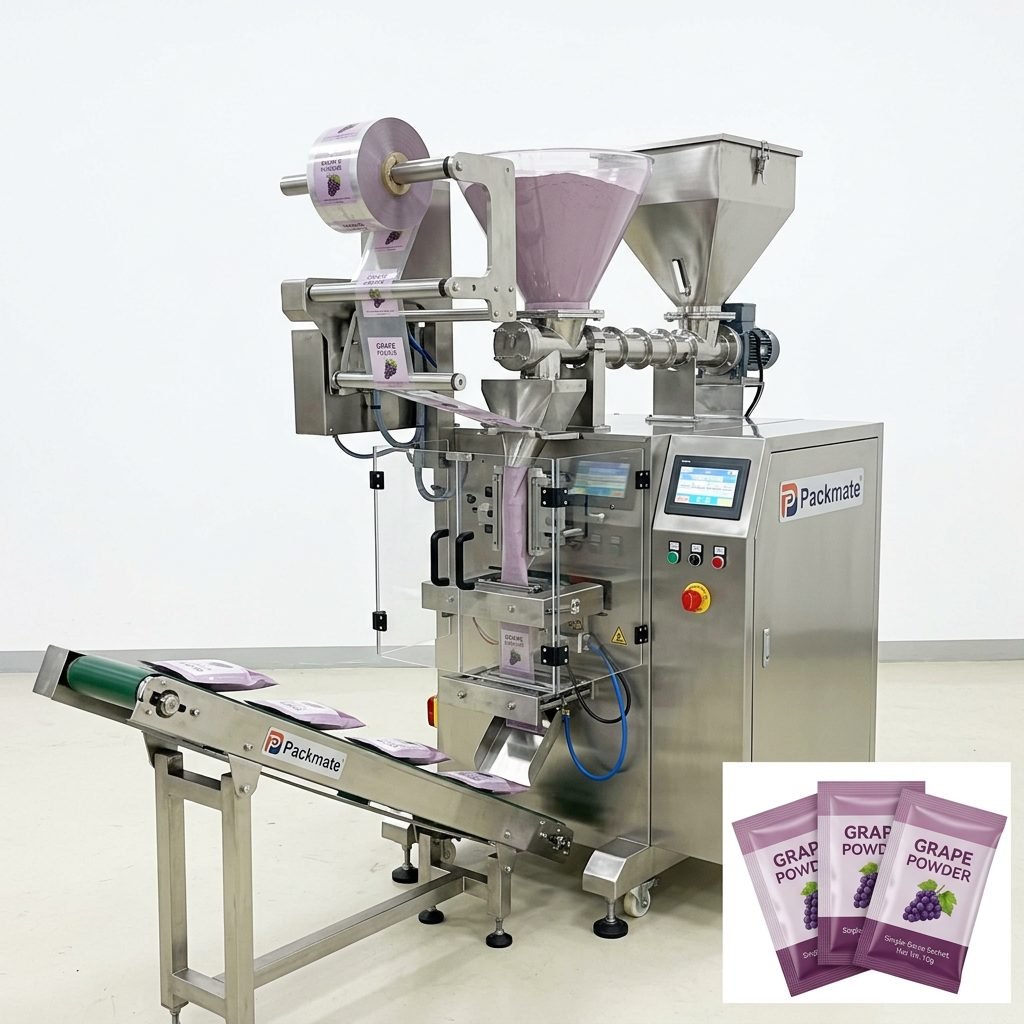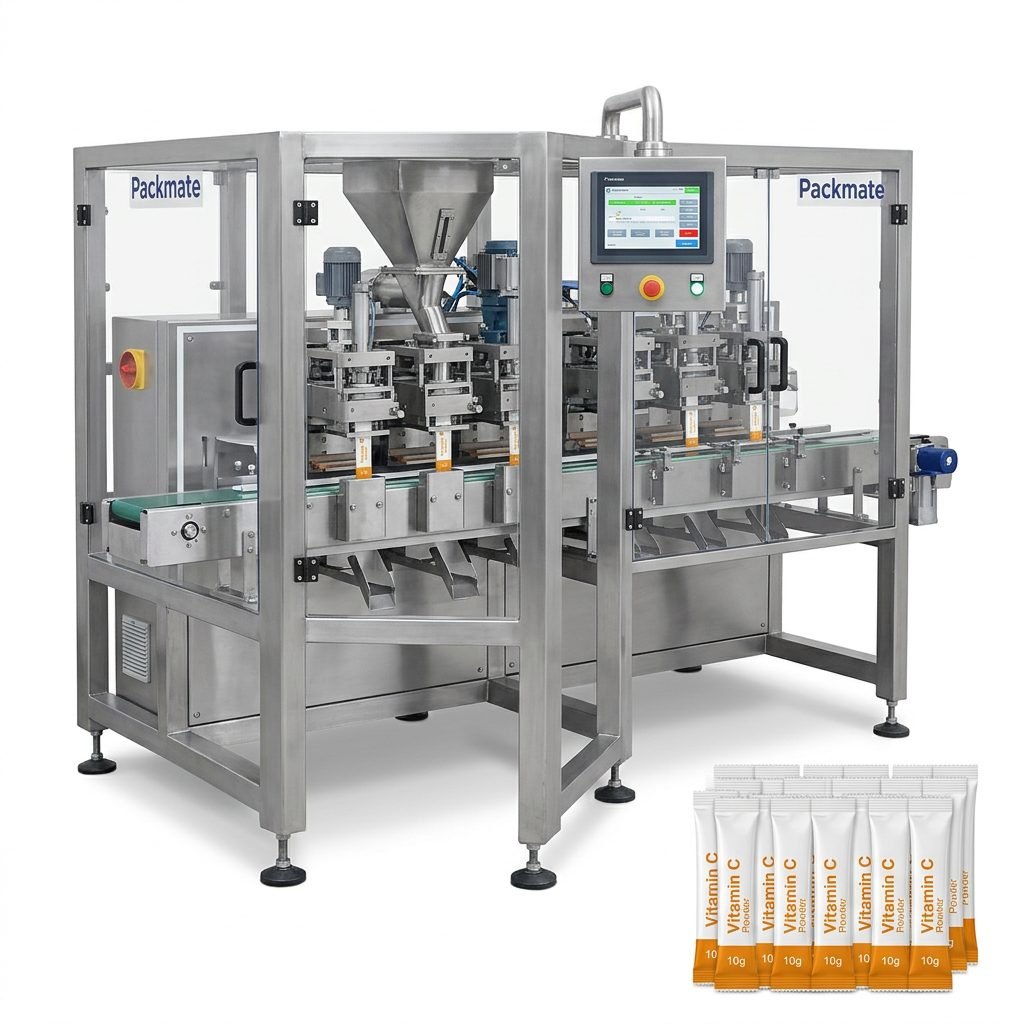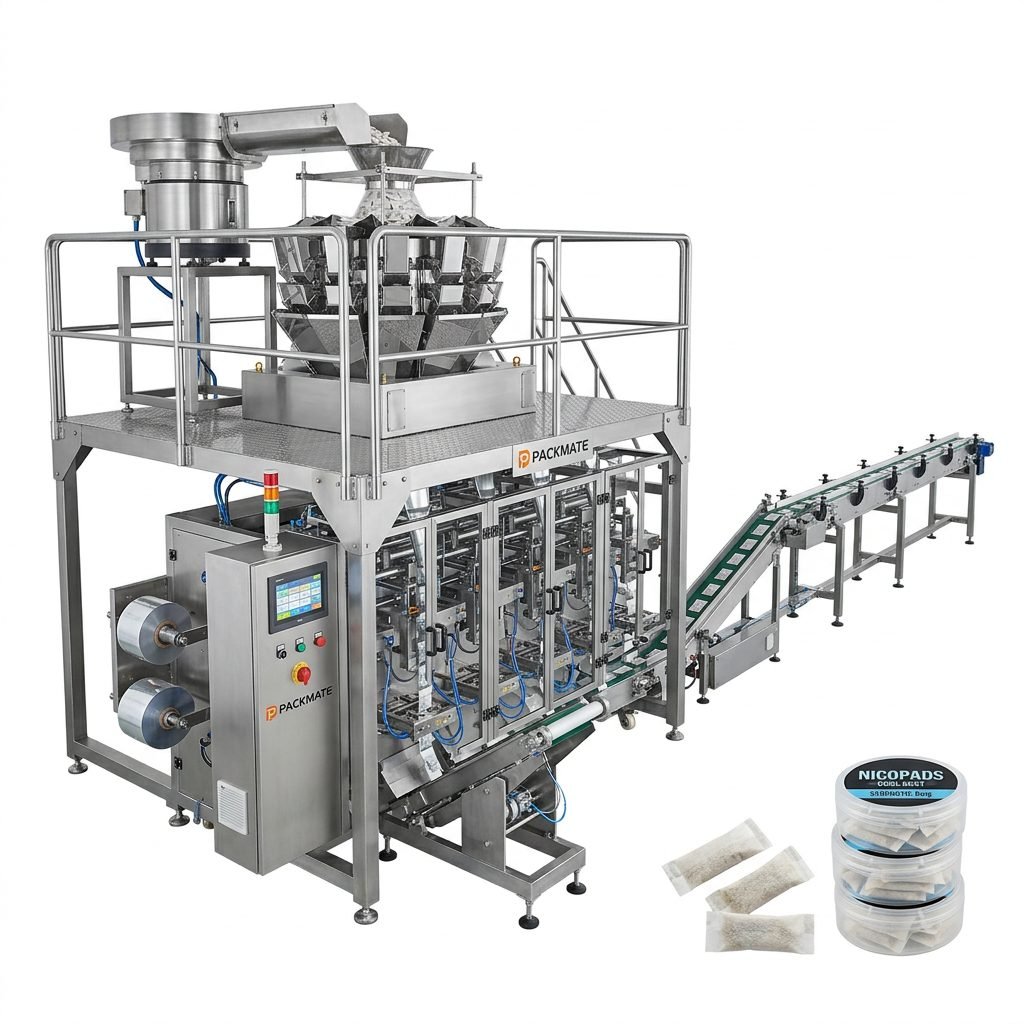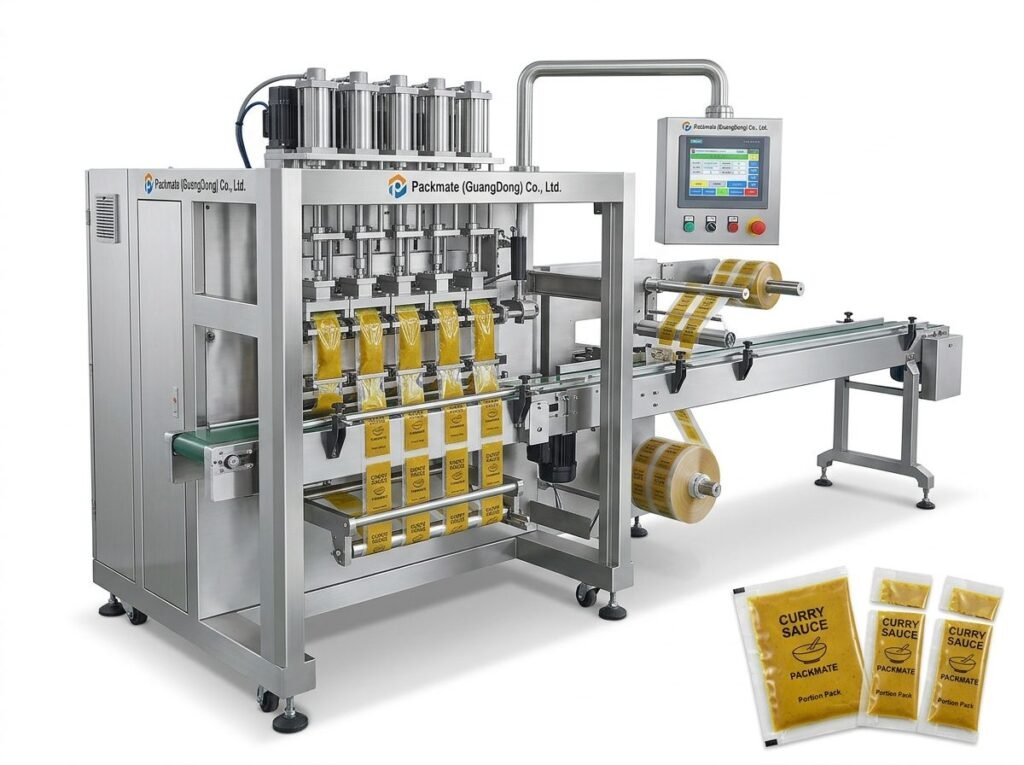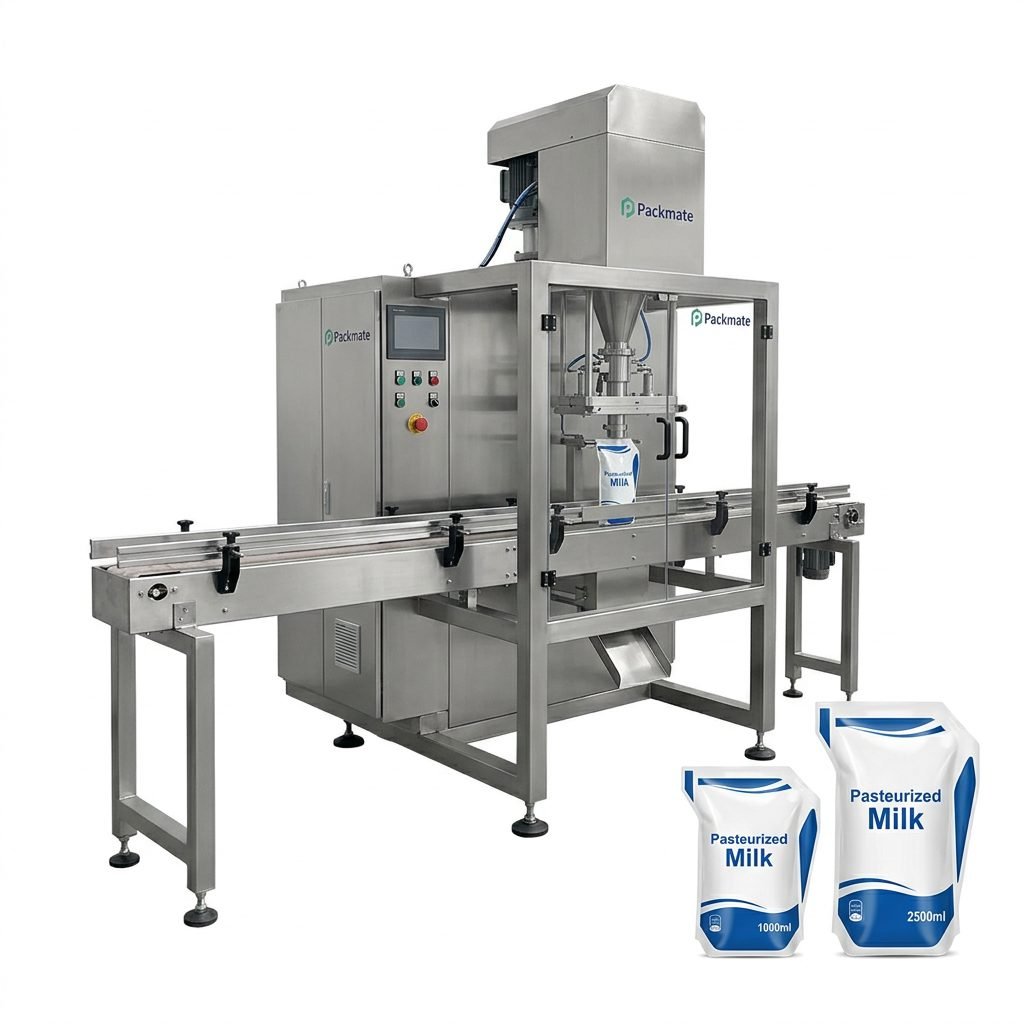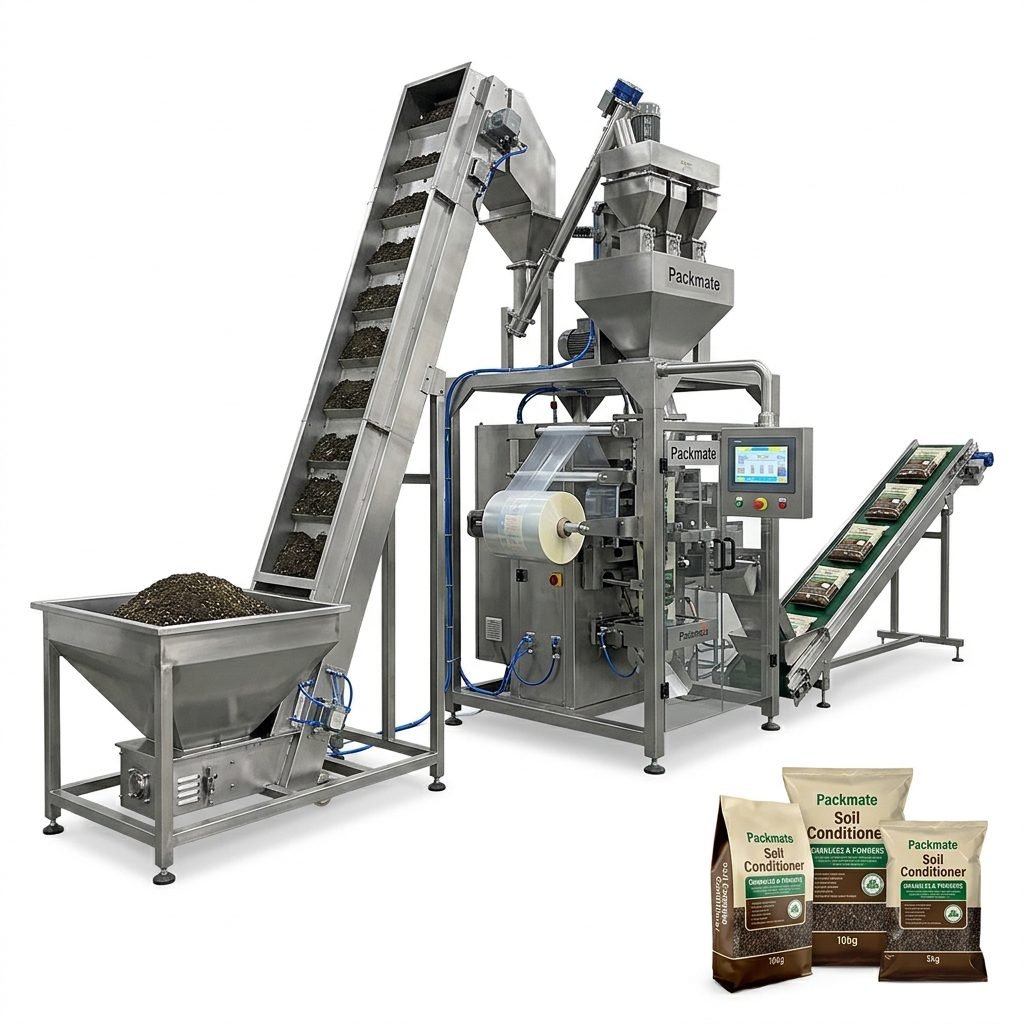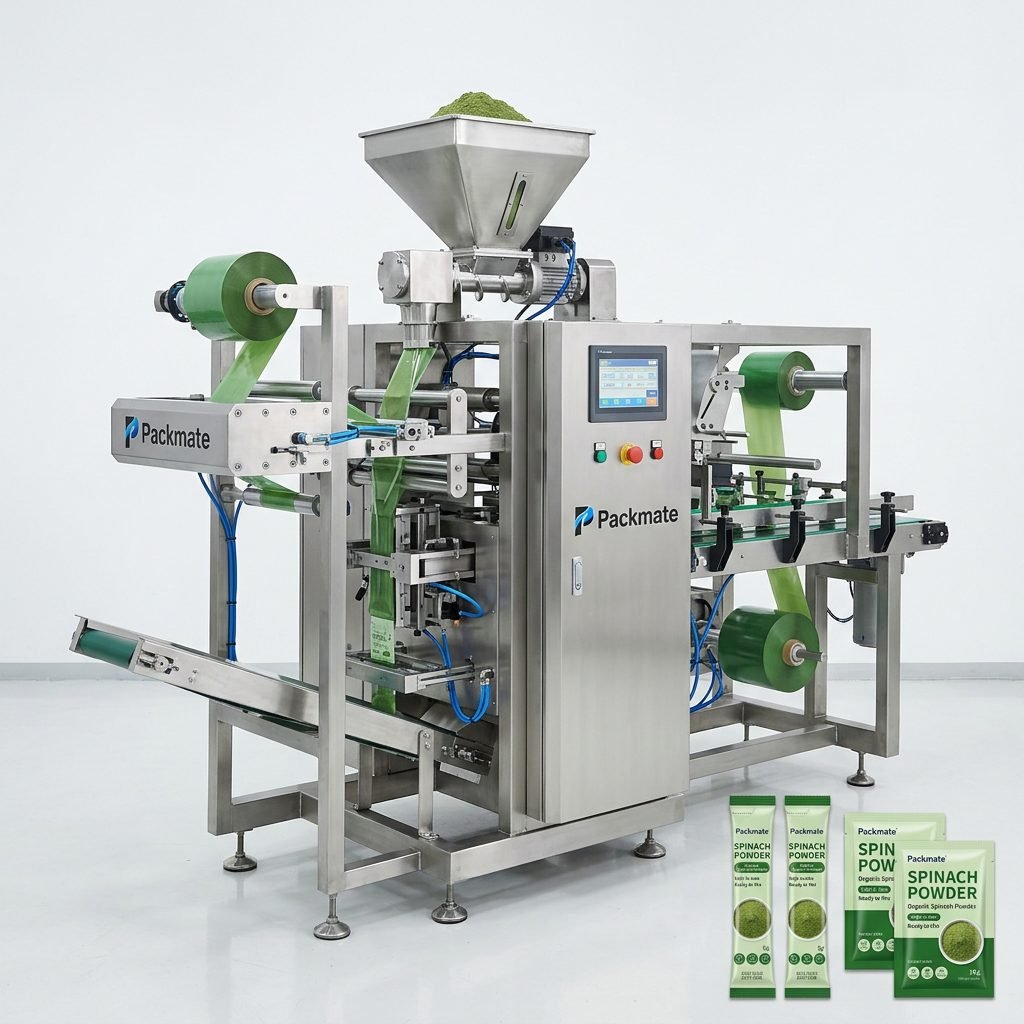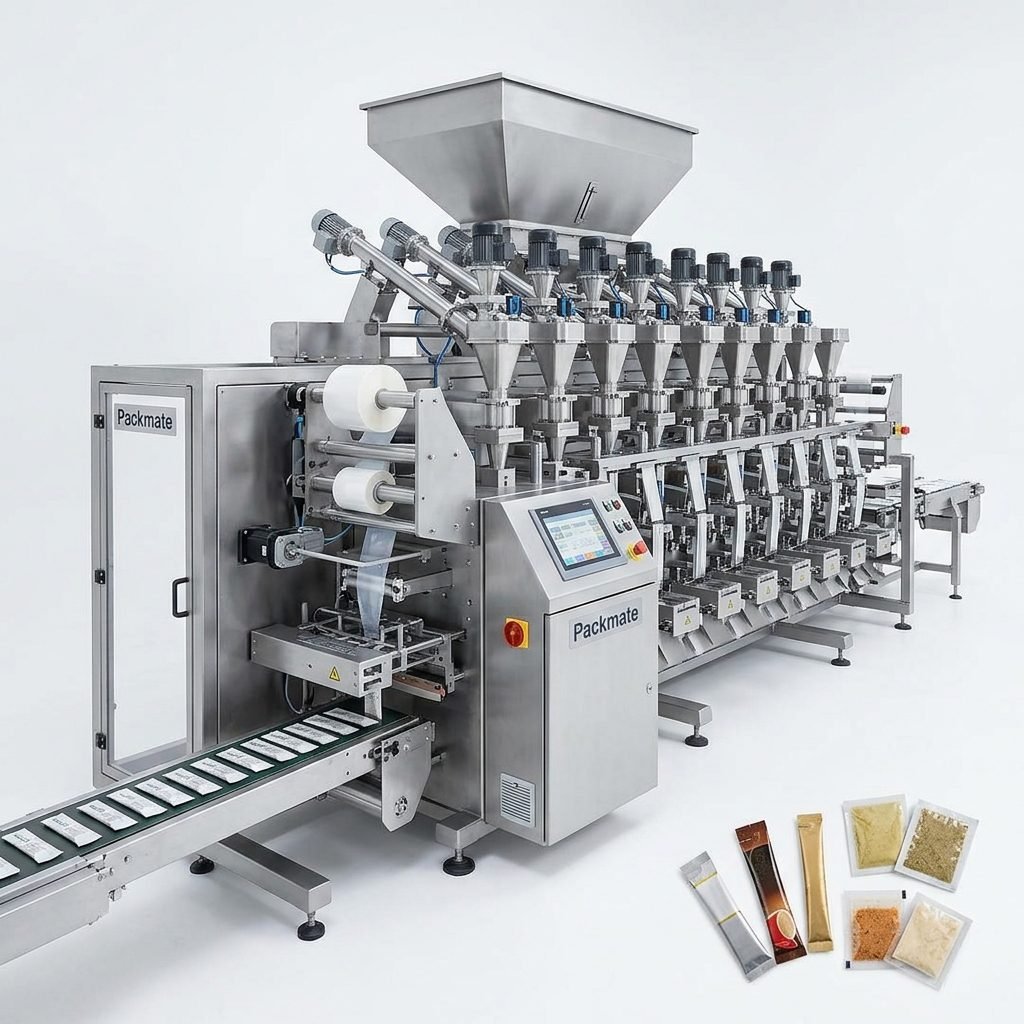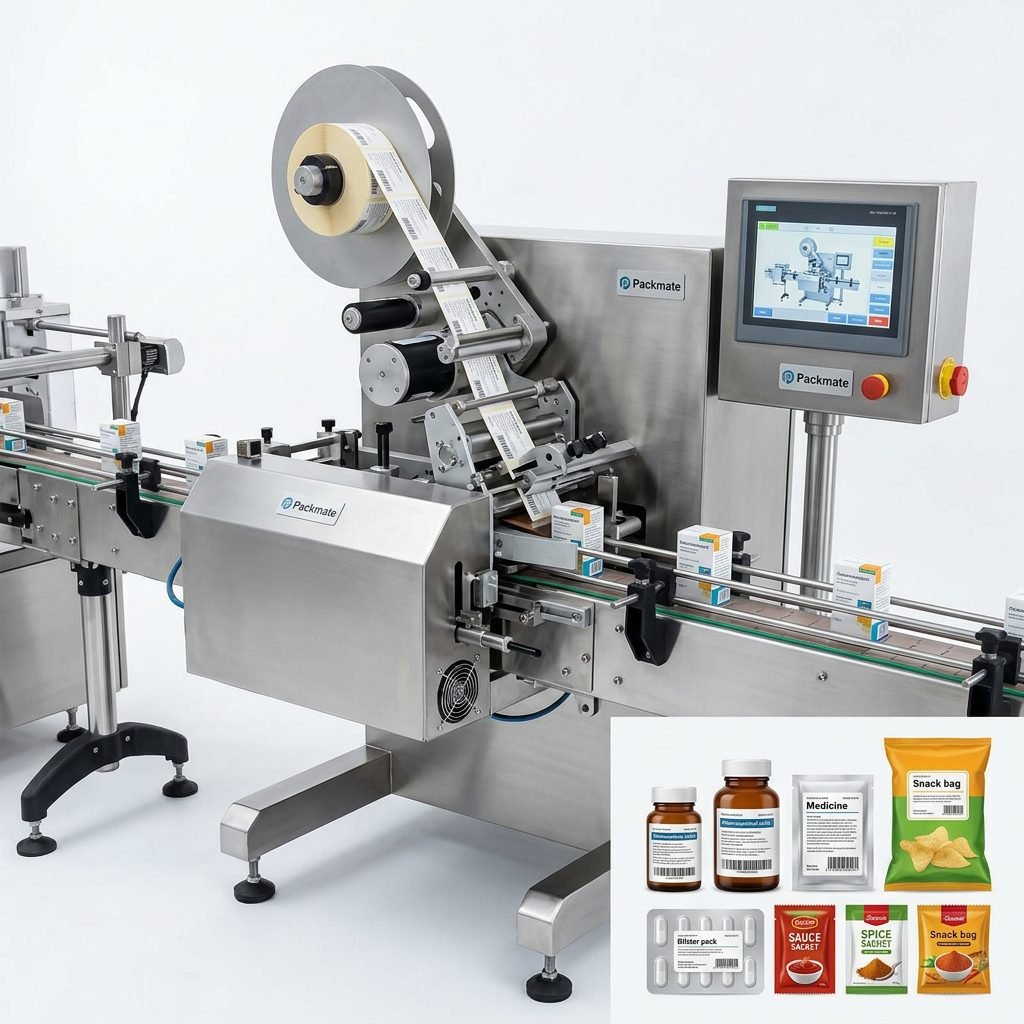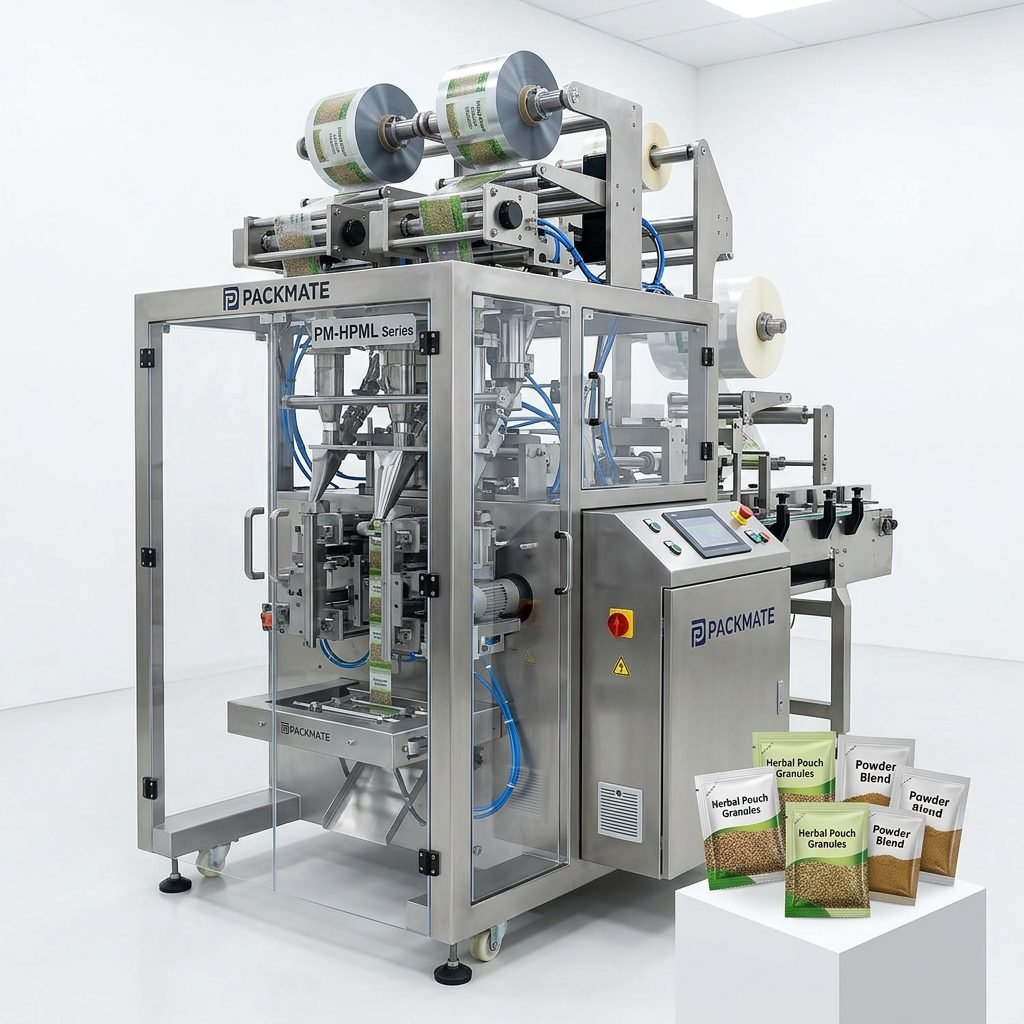
The landscape of manufacturing is undergoing a profound transformation, driven by digitalization, automation, and data intelligence. For sectors with stringent requirements like food, pharmaceuticals, and health products, this evolution is not merely about efficiency—it’s a critical imperative for safety, compliance, and market competitiveness. Smart manufacturing packaging solutions represent the nexus of this change, integrating advanced technologies to create packaging lines that are not only faster but also smarter, more adaptable, and inherently reliable.
The Core Pillars of Smart Packaging Manufacturing
At its heart, smart manufacturing in packaging moves beyond simple mechanization. It involves interconnected systems that communicate, analyze data, and make autonomous decisions. For producers of consumables and health-critical items, this intelligence is built upon several foundational pillars.
1. Integrated Automation & Robotics
From primary filling to secondary cartoning, smart lines utilize synchronized robots and automated conveyors. This eliminates manual handling, drastically reducing contamination risks—a non-negotiable factor in pharma and health product packaging. For food items, it ensures consistent portioning and sealing, maintaining product freshness and integrity from production to pallet.
2. IoT & Real-Time Monitoring
Every machine on the line becomes a data node. Sensors monitor critical parameters: fill weight accuracy, seal temperature and integrity, line speed, and machine health. This real-time data is visualized on dashboards, allowing for instantaneous intervention. For instance, a deviation in powder fill weight for a nutritional supplement can be corrected automatically before an entire batch is compromised.
3. AI-Powered Quality Control
Advanced vision systems, powered by artificial intelligence, perform inspection tasks with superhuman precision. They can detect microscopic seal defects, misprinted labels, or even foreign particles in transparent packages. This level of inspection is crucial for regulatory compliance in pharmaceutical packaging and for maintaining brand trust in consumer health products.
Sector-Specific Applications and Benefits
The implementation of smart packaging solutions yields transformative benefits tailored to the unique demands of each industry.
For the Food Industry: Agility and Safety
Consumer trends shift rapidly, demanding shorter runs and more product variants. Smart manufacturing enables quick changeovers through digital recipes stored in the system. A line can switch from packaging stick packs of instant coffee to sachets of sauce with minimal downtime. Furthermore, full traceability—from raw material lot to finished package—enhances food safety protocols and simplifies recall processes if ever needed.
For the Pharmaceutical Industry: Compliance and Integrity
This sector operates under the strictest regulations (e.g., FDA, cGMP). Smart solutions provide an immutable audit trail, documenting every parameter of the packaging process. Serialization and aggregation, often mandatory, are seamlessly integrated, allowing each product unit to be tracked through the supply chain. This ensures patient safety and combats counterfeiting, a critical concern for global pharmaceutical packaging solutions.
For Health & Nutraceutical Products: Brand Trust and Efficiency
The market for vitamins, supplements, and wellness products is highly competitive. Smart packaging ensures flawless presentation—perfect seals, accurate fill levels, and pristine labeling—which directly influences consumer perception. Operational efficiency gained from predictive maintenance and reduced waste also improves margins, allowing companies to invest more in innovation and product development.
Implementing a Smart Packaging Line: A Strategic Partnership
Transitioning to a smart manufacturing environment is a significant investment. Success hinges on choosing the right technology partner—one that understands both the technology and the nuanced needs of your industry. A true partner provides a turnkey solution, encompassing design, integration, commissioning, and ongoing support.
Companies like Packmate (GuangDong) Co., Ltd. exemplify this approach. With decades of experience, they don’t just supply machines; they deliver integrated systems. Their expertise in handling diverse products—from hygroscopic pharmaceutical powders to viscous food pastes—ensures the solution is tailored. Their comprehensive support ensures the line remains a valuable asset for years, adapting to new products and technologies.
Key Considerations for Implementation:
- Scalability: Can the system grow with your business?
- Interoperability: Will new equipment communicate with your existing ERP/MES systems?
- Total Cost of Ownership (TCO): Look beyond purchase price to energy efficiency, maintenance costs, and operational flexibility.
- Supplier Expertise: Do they have proven case studies in your specific sector?
The Future: Sustainable and Hyper-Personalized Smart Packaging
The trajectory of smart manufacturing points toward even greater sustainability and customization. Smart lines will optimize material usage in real-time, minimizing waste. They will also enable mass customization, allowing for small batches of personalized nutrition packs or patient-specific medication doses without sacrificing efficiency. The integration of blockchain for enhanced supply chain transparency is another imminent development.
Ultimately, smart manufacturing packaging solutions are the backbone of the future-ready factory. For industries where quality, safety, and trust are paramount, investing in intelligence is no longer optional—it is the definitive path to resilience, growth, and market leadership.
Frequently Asked Questions (FAQs)
1. What is the primary advantage of a smart packaging line over a traditional automated line?
While traditional automation performs set tasks, a smart packaging line adds layers of connectivity, data analysis, and self-optimization. It predicts maintenance needs, self-corrects minor deviations in real-time, and provides deep insights into Overall Equipment Effectiveness (OEE), leading to higher uptime, less waste, and better decision-making.
2. Are smart manufacturing solutions suitable for small and medium-sized enterprises (SMEs) in the food and pharma sectors?
Absolutely. Modular smart solutions allow SMEs to start with core intelligent functions, such as IoT-enabled monitoring on a critical filler, and scale up. The return on investment comes from reduced waste, improved compliance, and the ability to take on higher-value contracts that demand full traceability and quality assurance.
3. How does smart packaging ensure compliance with strict pharmaceutical regulations?
It enforces compliance by design. Electronic batch records are generated automatically, every action is logged, and parameters cannot be altered outside validated ranges. Integrated vision and inspection systems provide 100% quality check documentation, which is essential for audits. Systems can also be validated according to GAMP 5 guidelines.
4. Can existing packaging machinery be upgraded to become “smart”?
In many cases, yes. Retrofitting with sensor kits, IoT gateways, and new control software can bring legacy equipment into a smart ecosystem. However, a full assessment by an expert is necessary to determine the feasibility and cost-effectiveness compared to investing in new, natively intelligent machinery.
5. What is the typical implementation timeline for a turnkey smart packaging line?
The timeline varies based on complexity, from 6 months for a standard sachet line to over 18 months for a fully integrated, high-speed pharmaceutical blister and cartoning line. It involves stages like detailed design, manufacturing, Factory Acceptance Testing (FAT), installation, Site Acceptance Testing (SAT), and validation. Partnering with an experienced provider like Packmate is key to a smooth and timely project execution.