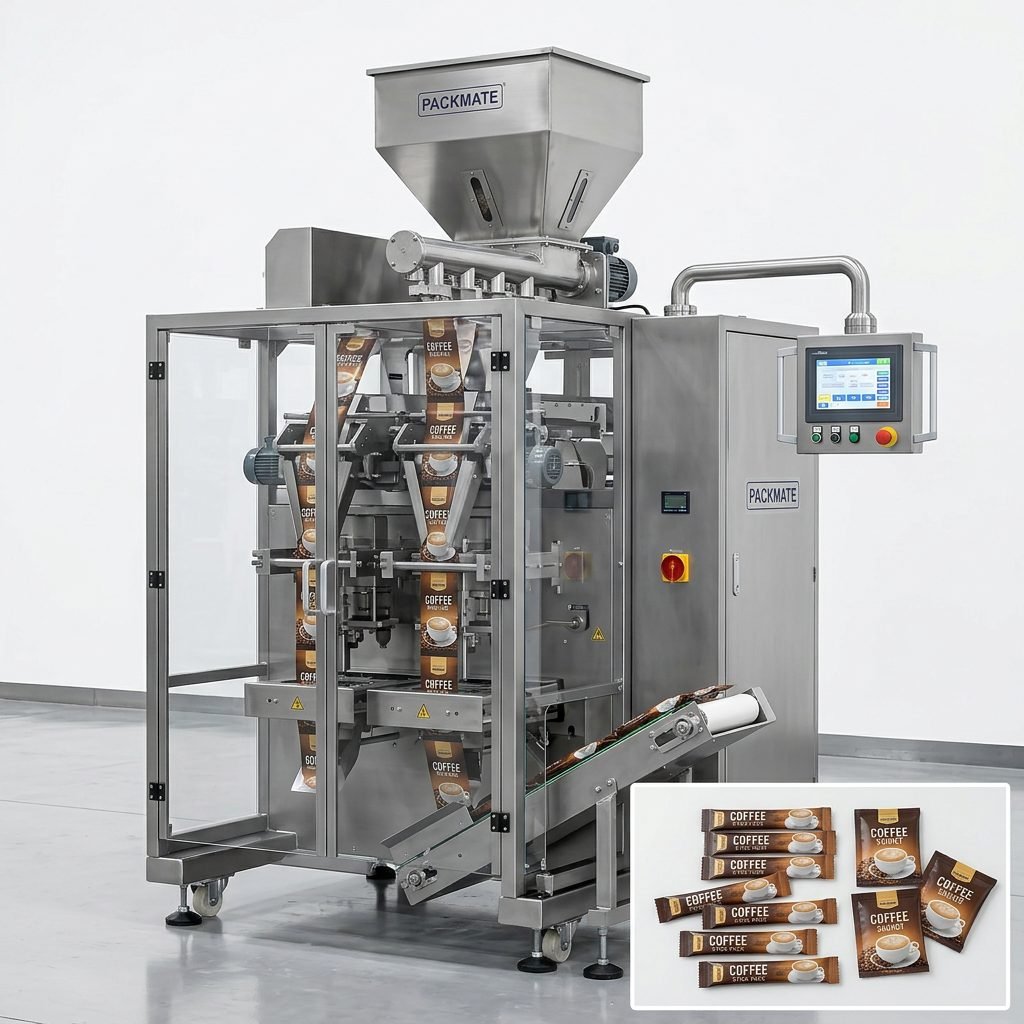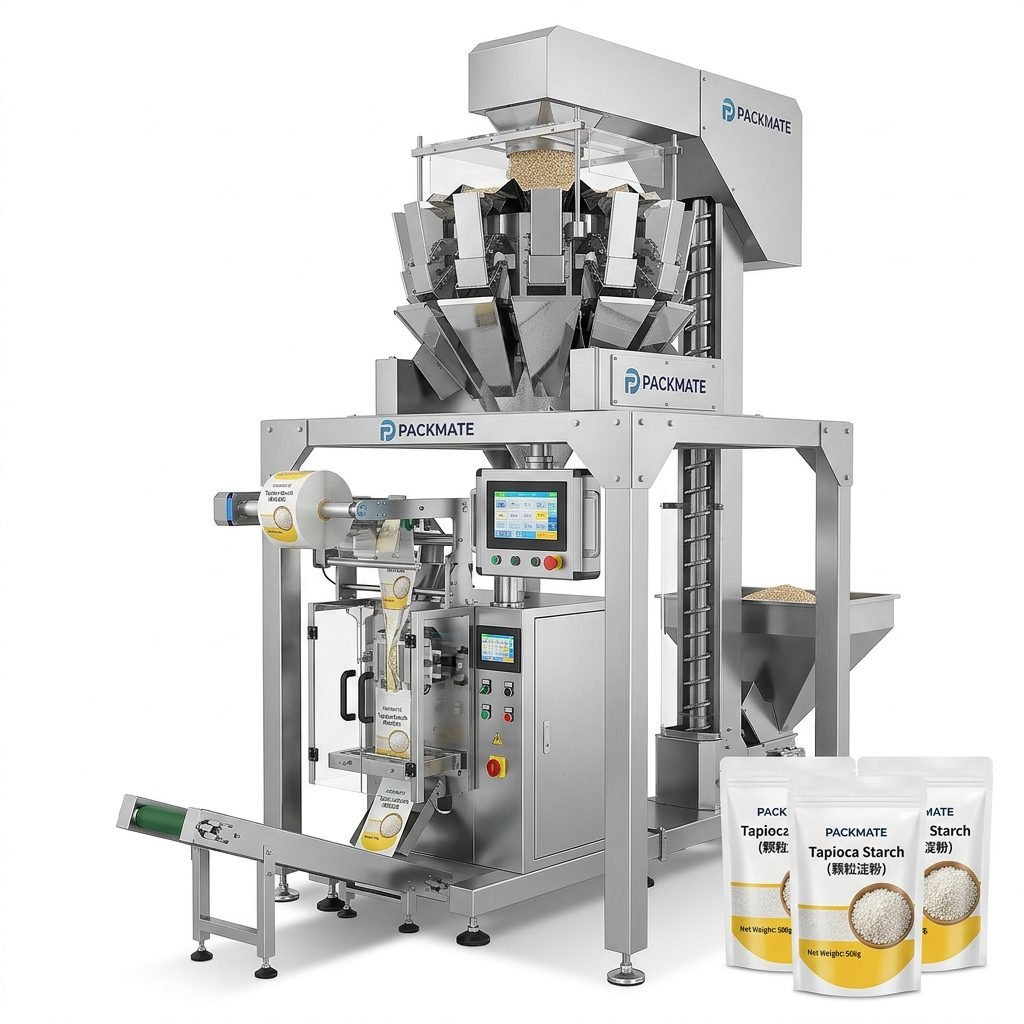
In today’s competitive manufacturing landscape, efficiency, hygiene, and adaptability are paramount. For industries where product integrity is non-negotiable—such as food, pharmaceuticals, and health products—the packaging process is a critical final step. While automated lines dominate discussions, a well-designed manual packaging line offers a compelling blend of flexibility, control, and cost-effectiveness that is often the perfect solution for small to medium batch production, new product launches, or handling delicate items.
Why Consider a Manual Packaging Line?
Manual lines are not a step back; they are a strategic choice. They provide unparalleled oversight, allowing operators to visually inspect every product before sealing. This human touch is invaluable for detecting imperfections in tablets, ensuring precise fill levels for powders, or carefully placing fragile health supplements. The initial investment is significantly lower, and the line can be easily reconfigured for different package sizes or shapes, making it ideal for businesses with diverse product ranges or those in a growth phase.
Tailored Solutions for Critical Industries
The core strength of a manual packaging line lies in its ability to be precisely tailored to the unique demands of each sector.
For the Food Industry: Ensuring Freshness & Compliance
Food packaging must protect against contamination, preserve freshness, and provide clear consumer information. A manual line for food products can incorporate specific stations for:
- Nitrogen Flushing: Manual stations can be set up for flushing air from bags of snacks or coffee to extend shelf life, with operators ensuring a complete seal.
- Checkweighing: Each package can be manually placed on a scale to guarantee it meets the declared net weight, a crucial step for compliance and consumer trust.
- Labeling & Date Coding: Operators can apply labels and batch codes with high accuracy, ensuring traceability from production to pantry.
This hands-on approach is perfect for artisanal foods, specialty teas, or ready-to-mix powders where presentation and quality assurance are key selling points.
For the Pharmaceutical Sector: Precision & Traceability
In pharmaceuticals, the margin for error is zero. Manual packaging lines excel in environments requiring strict control and documentation.
Key Advantages for Pharma:
- ✓ 100% Visual Inspection: Every blister strip, vial, or sachet can be inspected for defects, cracks, or misprints before final packaging.
- ✓ Flexible Serialization: Manual application of serialized labels or 2D data matrix codes allows for seamless integration into track-and-trace systems without massive capital outlay.
- ✓ Small-Batch Agility: Ideal for clinical trial materials, low-volume specialty drugs, or repackaging operations where changeover speed is critical.
For Health & Nutraceutical Products: Quality & Brand Appeal
Health products, from vitamin capsules to herbal powders, compete on purity and premium perception. A manual line allows for careful handling to prevent capsule damage and meticulous filling to ensure accurate dosages. It also facilitates the inclusion of desiccants, spoons, or measuring cups into the package. The ability to quickly switch between different bottle shapes, sachet designs, or gift box formats enables brands to respond rapidly to market trends and create a high-quality unboxing experience for the end consumer. For insights into how tailored solutions are implemented, explore our dedicated packaging solutions.
Core Components of an Effective Manual Line
A successful manual packaging line is more than a series of tables. It is an ergonomically designed workflow comprising integrated stations:
- Feeding & Orienting Station: Products are neatly presented to operators for easy pickup.
- Primary Packaging Station: Operators place products into pouches, bottles, or blister cards.
- Sealing/Closing Station: Features heat sealers, cappers, or induction sealers for a secure closure.
- Secondary Packaging Station: For placing primary packages into cartons or display boxes.
- Labeling & Coding Station: Equipped with manual or semi-auto labelers and coders.
- Final Inspection & Boxing Station: A final check before shipping cases are sealed.
The Packmate Advantage: From Concept to Line
Designing an efficient manual line requires deep industry knowledge. This is where partnering with an expert like Packmate (GuangDong) Co., Ltd. makes a decisive difference. With over 22+ years of experience, we don’t just sell machines; we engineer workflows. Our team analyzes your product characteristics, output goals, and facility layout to design a line that maximizes operator efficiency and minimizes fatigue.
We provide compatible, high-quality equipment from our range of over 50 machine models—such as precise fillers, reliable sealers, and accurate coders—ensuring seamless integration. Our support extends to operator training and layout planning, turning a collection of stations into a cohesive, productive system. Learn more about our journey and expertise on our About Us page.
Optimizing Your Manual Packaging Operation
To maximize the return on your manual line investment, focus on these key areas:
- Ergonomics is Everything: Adjustable workstations, anti-fatigue mats, and proper lighting drastically improve speed, accuracy, and worker well-being.
- Implement Lean Principles: Organize tools and materials within easy reach (5S methodology) to eliminate wasteful movement.
- Quality Checkpoints: Build in specific inspection points at critical stages to catch errors early, reducing waste.
- Staff Training & Ownership: Well-trained operators who understand the “why” behind each step become your best quality control asset.
Seeing these principles in action can provide valuable context. Review our real-world project cases to see how we’ve helped other businesses succeed.
Conclusion
In the food, pharmaceutical, and health product industries, the choice of packaging line is a strategic business decision. A thoughtfully designed manual packaging line offers an optimal balance of flexibility, quality control, and cost management for many producers. It empowers businesses to maintain supreme product integrity, adapt quickly to market changes, and scale sustainably. By partnering with a seasoned provider like Packmate, you gain more than equipment; you gain a tailored system and the engineering expertise to make it thrive. For a comprehensive overview of our capabilities, you can always request our latest equipment catalog or reach out directly via our contact page.
Frequently Asked Questions (FAQs)
1. When is a manual packaging line preferable to a fully automatic one?
A manual line is ideal for lower production volumes (e.g., under 5,000 units per shift), products with high variability in shape or size, delicate items requiring careful handling, or businesses needing a low-capital solution to validate a market before scaling up with automation.
2. Can a manual line be upgraded to semi-automatic or automatic later?
Absolutely. A well-planned manual line is designed with future growth in mind. Stations can often be progressively replaced with semi-automatic or automatic units (like auto-fillers or labelers) as your output increases, protecting your initial investment. Our team specializes in creating scalable solutions.
3. How do you ensure consistency and hygiene on a manual line?
Consistency is achieved through precise workstation design, clear SOPs (Standard Operating Procedures), and thorough operator training. Hygiene is maintained by using food/pharma-grade materials for contact surfaces, implementing strict GMP (Good Manufacturing Practice) protocols, and designing stations for easy cleaning and sanitization.
4. What kind of support do you offer after the line is installed?
Our support includes comprehensive on-site operator training, detailed documentation, and readily available spare parts. We also offer remote troubleshooting and maintenance guidance. Our commitment is to ensure your line operates smoothly; learn about our full service and support offerings.
5. Can you design a line for a completely new product we are developing?
Yes, this is one of our specialties. We collaborate closely with clients in the R&D phase to understand the product’s characteristics and packaging requirements. We can then propose and prototype a suitable manual line solution, ensuring a smooth transition from development to pilot production and full-scale manufacturing.