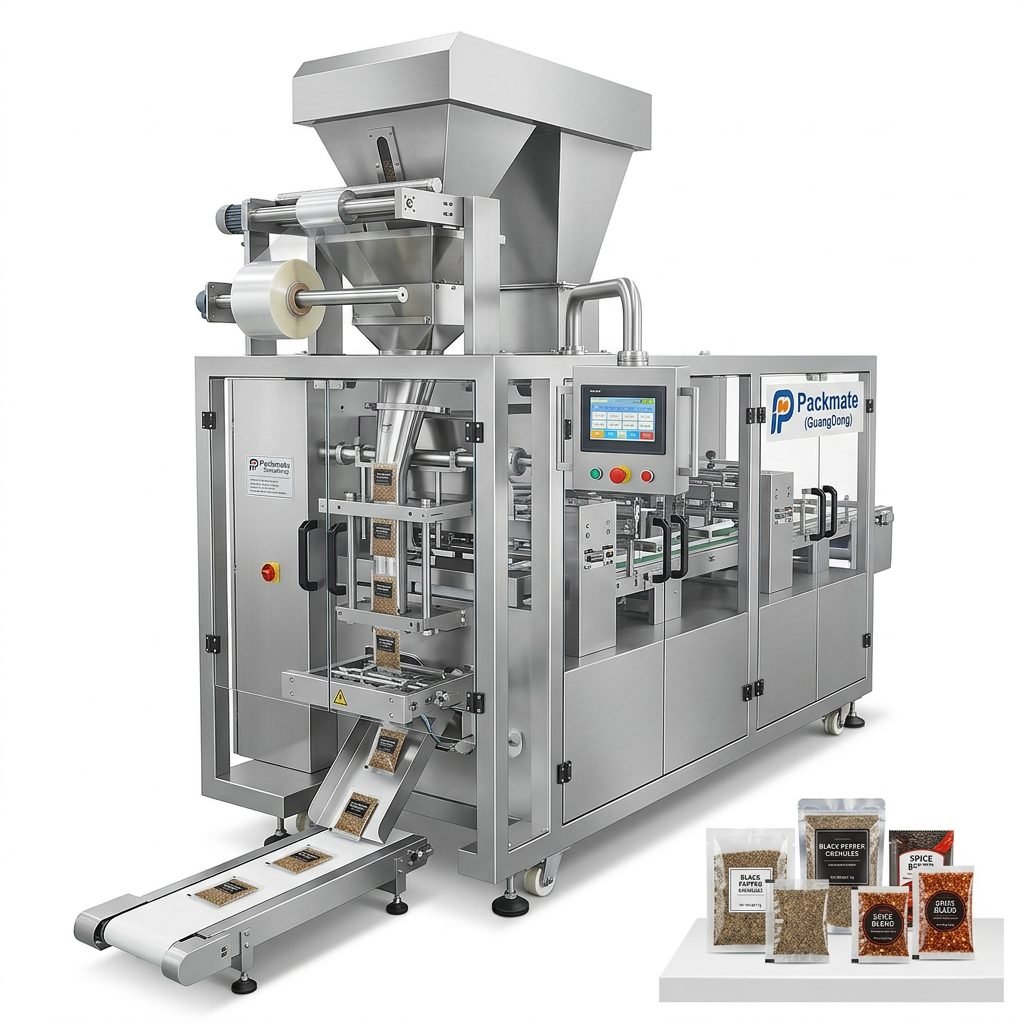
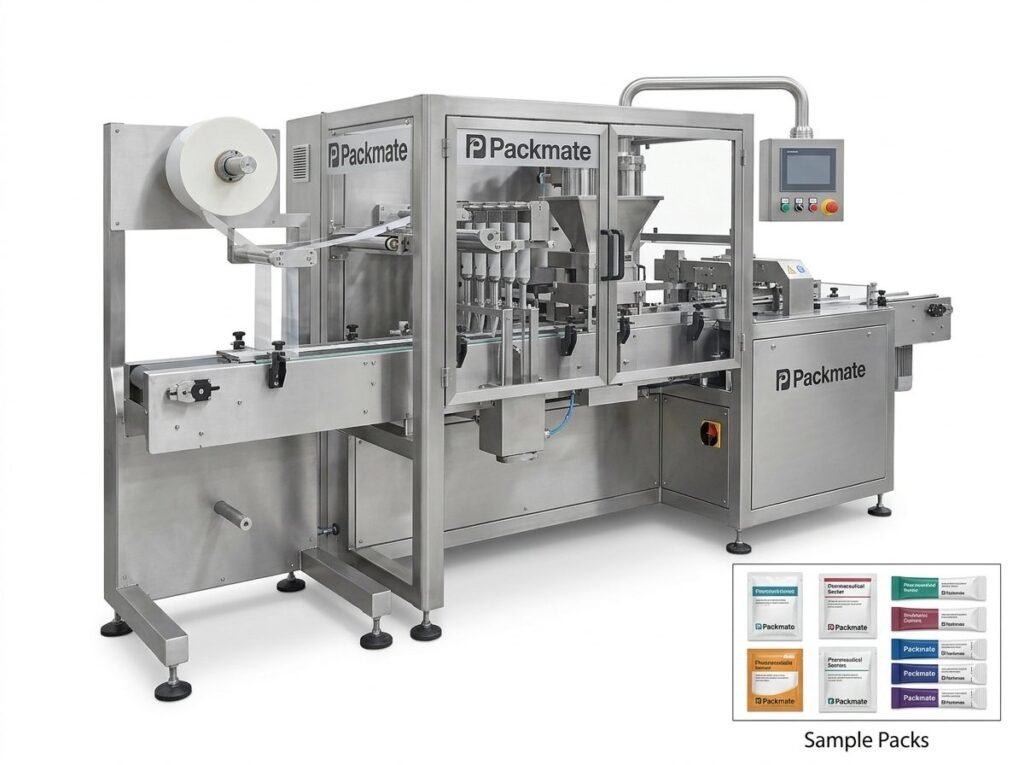
Iran’s manufacturing sector, particularly in food processing, pharmaceuticals, and health supplements, has been expanding steadily, driving a growing demand for efficient and reliable packaging machinery. Choosing the right packaging machine manufacturer is not just about acquiring equipment; it is about securing a long-term partner who understands local market conditions, regulatory requirements, and production challenges. With international sanctions affecting trade routes and currency stability, Iranian buyers need to evaluate suppliers based on technical capability, service commitment, and adaptability to regional needs. This guide explores the key factors to consider when selecting a packaging machine manufacturer in Iran, helping you make an informed decision that balances quality, cost, and long-term reliability.
Evaluating Manufacturer Experience and Industry Track Record
When selecting a packaging machine manufacturer for your production line, the company’s history and industry experience are foundational considerations. Manufacturers with decades of experience, such as Ludyway (established in 1993) and Packmate Machinery (over 30 years in the industry), bring deep engineering knowledge and proven reliability. For Iranian buyers, working with a manufacturer that has a long track record means fewer risks related to machine performance, spare parts availability, and technical troubleshooting. Experienced manufacturers have refined their production processes, quality control systems, and after-sales support networks over many years, which translates into consistent machine output and reduced downtime. Furthermore, companies that have been exporting to the Middle East for years often understand the specific environmental and operational conditions in Iran, such as voltage fluctuations, ambient temperatures, and raw material variations, allowing them to recommend appropriately configured machinery.
Product Range and Technical Versatility
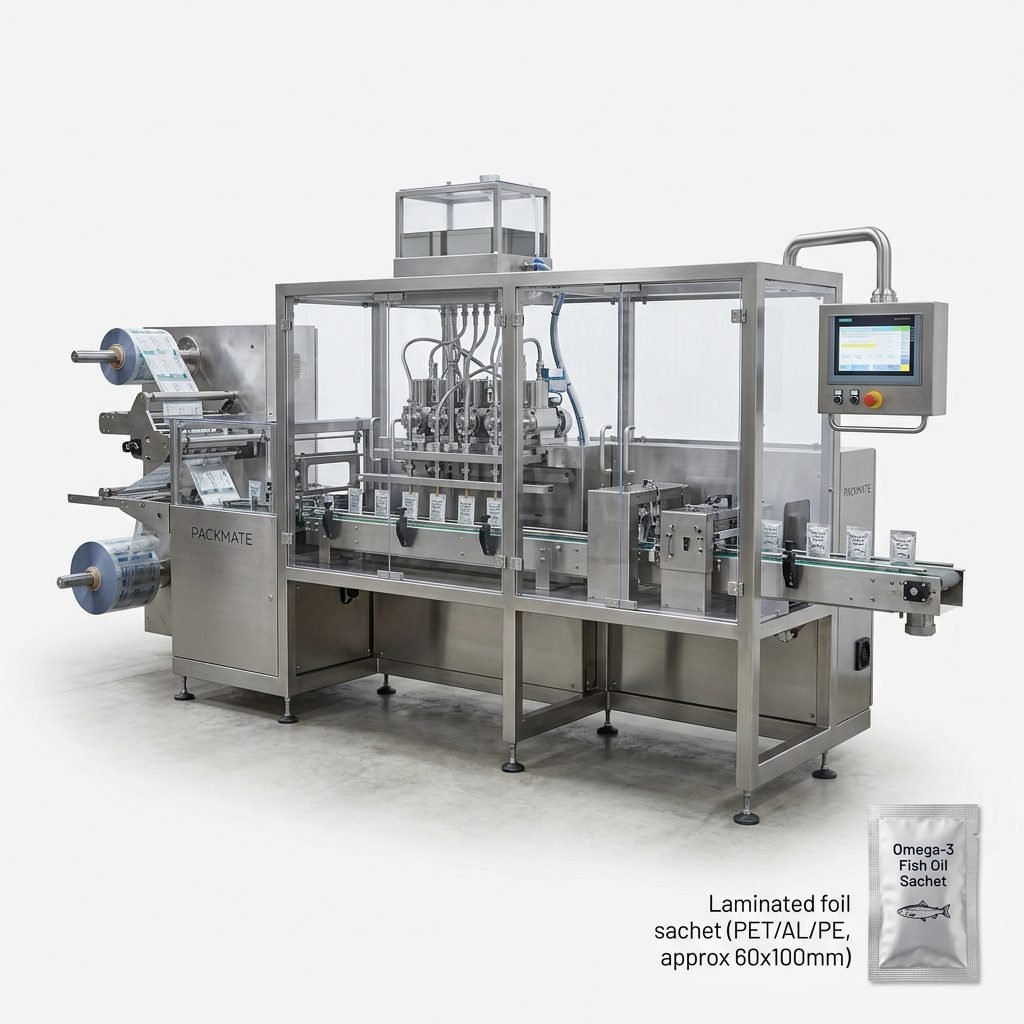
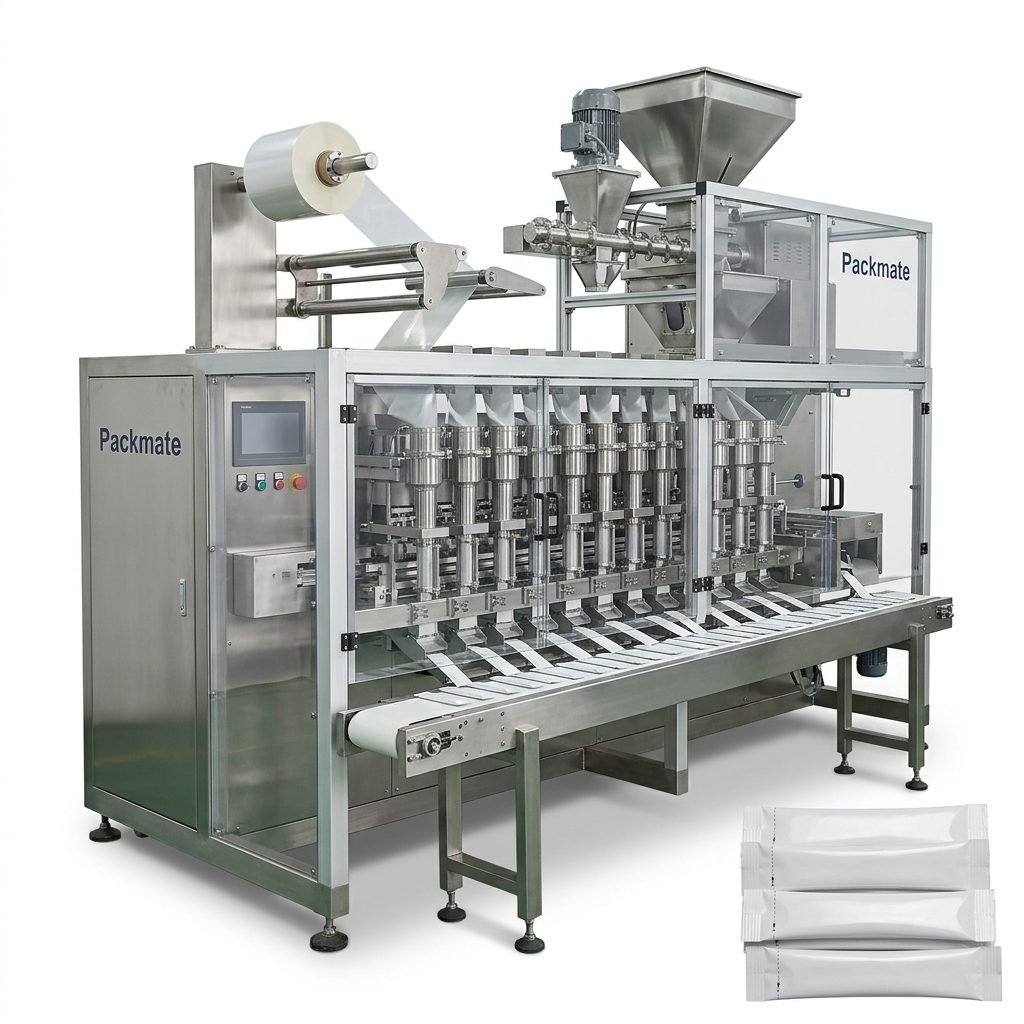
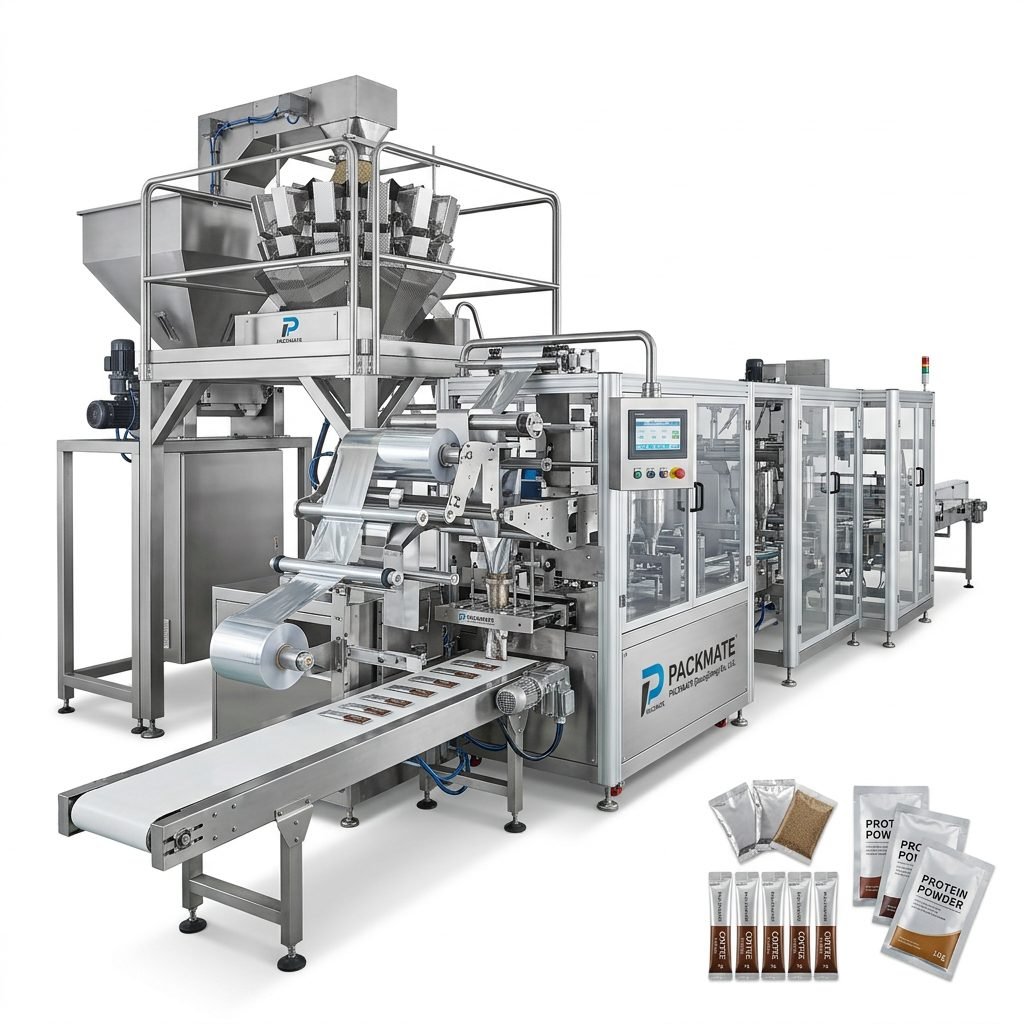
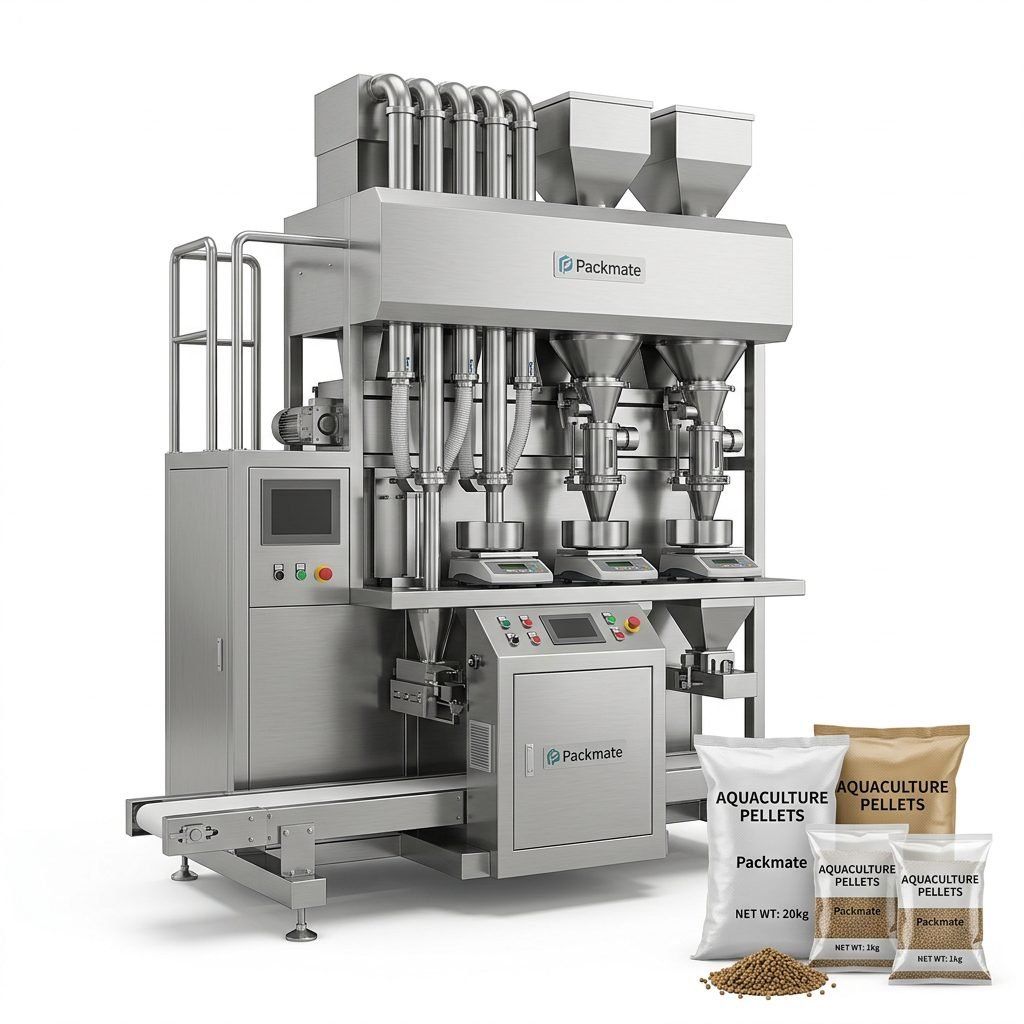
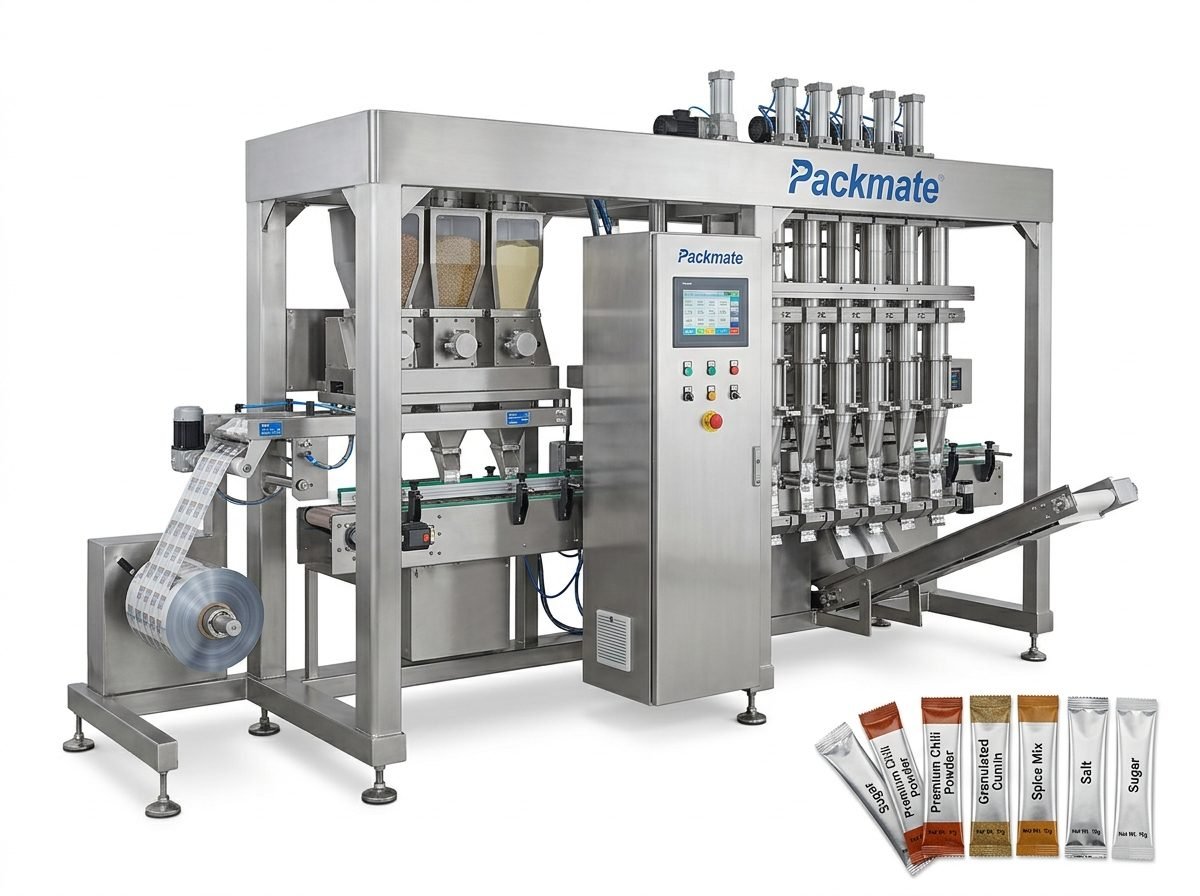
A manufacturer’s product portfolio directly impacts your ability to scale production, diversify packaging formats, and adapt to changing market demands. Leading manufacturers like Ludyway offer over 100 machine configurations, including multi-lane stick pack machines, sachet packing systems, vertical packaging lines, and complete turnkey solutions. Similarly, Packmate Machinery provides more than 80 machine models suitable for powders, granules, and liquids. For Iranian manufacturers producing a variety of products—such as spice blends, herbal supplements, dairy powders, or pharmaceutical sachets—having access to a wide machine range means you can standardize on one supplier for multiple lines, simplifying training, maintenance, and spare parts management. Additionally, the ability to customize equipment is crucial. Iranian production facilities often require adaptations for local packaging materials, humidity conditions, or specific regulatory labeling requirements. A manufacturer with strong customization capabilities, like PackingMachineOEM, can tailor machine configurations to meet these unique needs.
Quality Assurance, Certifications, and Compliance with Iranian Standards
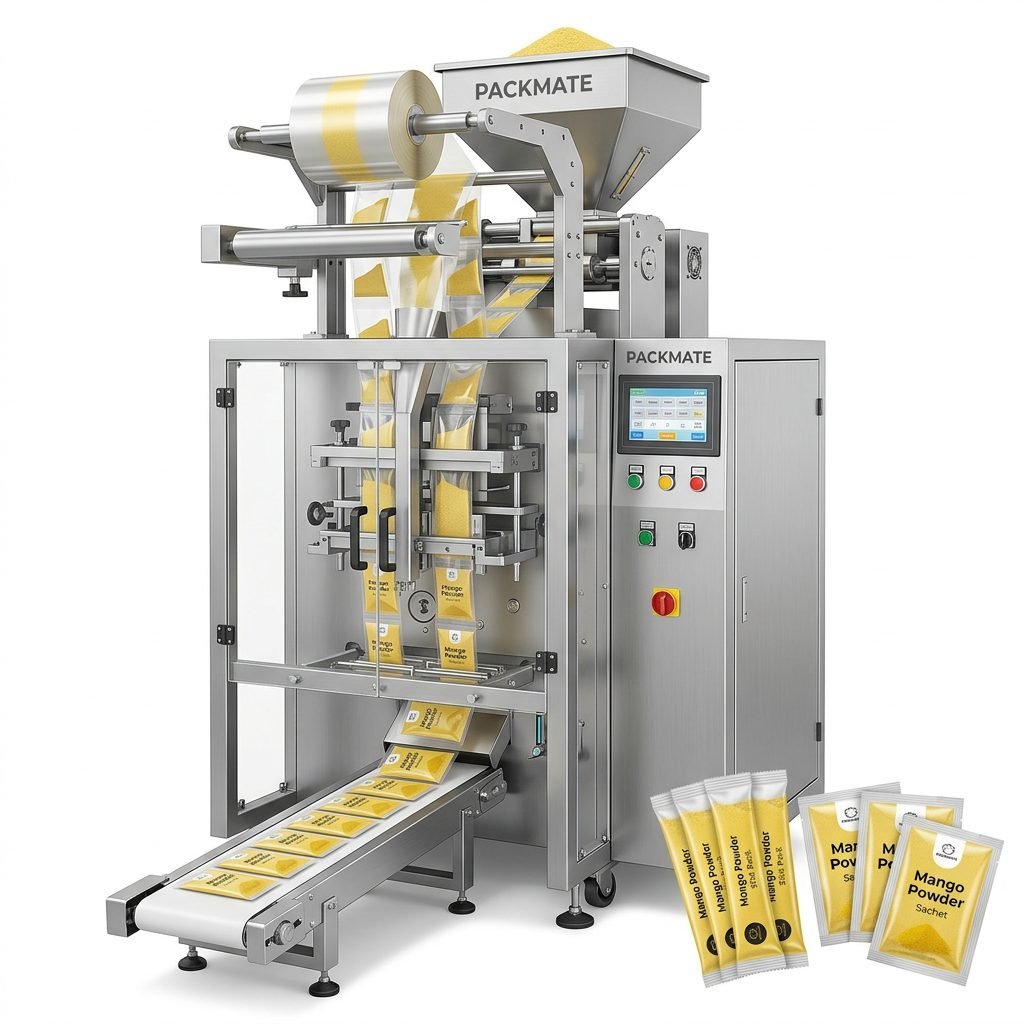
Equipment quality directly affects production efficiency, product safety, and regulatory compliance. When evaluating manufacturers, inquire about their quality control processes, testing protocols, and international certifications. Manufacturers operating ISO-certified facilities, such as PacklineOEM, follow structured assembly and inspection procedures that ensure consistent machine quality. For Iranian pharmaceutical and food exporters, compliance with international standards—such as CE, GMP, or FDA guidelines—is often mandatory. Machines built to these standards not only facilitate smoother export certification but also guarantee better hygiene, accurate dosing, and reliable sealing. Moreover, consider whether the manufacturer uses high-grade materials (like stainless steel for food-contact parts) and precision components that withstand continuous operation in demanding environments. Requesting factory audit reports, customer references, and performance test data can help verify quality claims before making a purchase decision.
| Manufacturer | Experience | Product Range | Key Strengths |
|---|---|---|---|
| Ludyway | Over 30 years | 100+ machine models | Global export presence, turnkey line capability |
| Packmate Machinery | Over 30 years | 80+ machine models | Cost-effective, strong customization |
| PacklineOEM | Over 30 years | 50+ machine models | Turnkey line integration, OEM projects |
| PackingMachineOEM | Over 30 years | 50+ machine models | Non-standard customization expertise |
| SnusMachinery | Over 30 years | 50+ machine models | Specialized in nicotine pouch & snus packaging |
After-Sales Support, Spare Parts Availability, and Training
For Iranian manufacturing operations, after-sales support is often the most critical factor in the long-term success of a packaging line investment. Distance, customs clearance times, and communication barriers can make traditional support models challenging. Choose a manufacturer that offers responsive technical support via multiple channels (email, video calls, remote diagnostics) and maintains a stock of commonly requested spare parts. Some leading manufacturers, including PackingMachineOEM, provide structured training programs for local operators and maintenance teams, ensuring your staff can handle routine adjustments, troubleshooting, and preventive maintenance. Additionally, consider manufacturers that have regional service partners or agents in the Middle East who can facilitate on-site visits when needed. A manufacturer’s willingness to invest in local support infrastructure is a strong indicator of their commitment to the Iranian market.
Export Experience and Adaptability to Iranian Market Conditions
Manufacturers with substantial export experience to the Middle East, particularly Iran, are better positioned to navigate the logistical and compliance challenges of cross-border trade. Companies like SnusMachinery and PacklineOEM have established export channels to Europe, the Middle East, and South America, demonstrating their ability to handle international shipping, documentation, and customs procedures. For Iranian buyers, working with an export-oriented manufacturer often means smoother transactions, familiarity with Incoterms, and experience in packaging machinery for markets with similar regulatory frameworks. Furthermore, manufacturers that understand the specific packaging preferences in Iran—such as preferred pouch sizes, film types, or labeling languages—can offer more relevant machine configurations. Request case studies or references from other Middle Eastern clients to gauge the manufacturer’s regional competence.
Comparing Turnkey Solutions vs. Standalone Machines
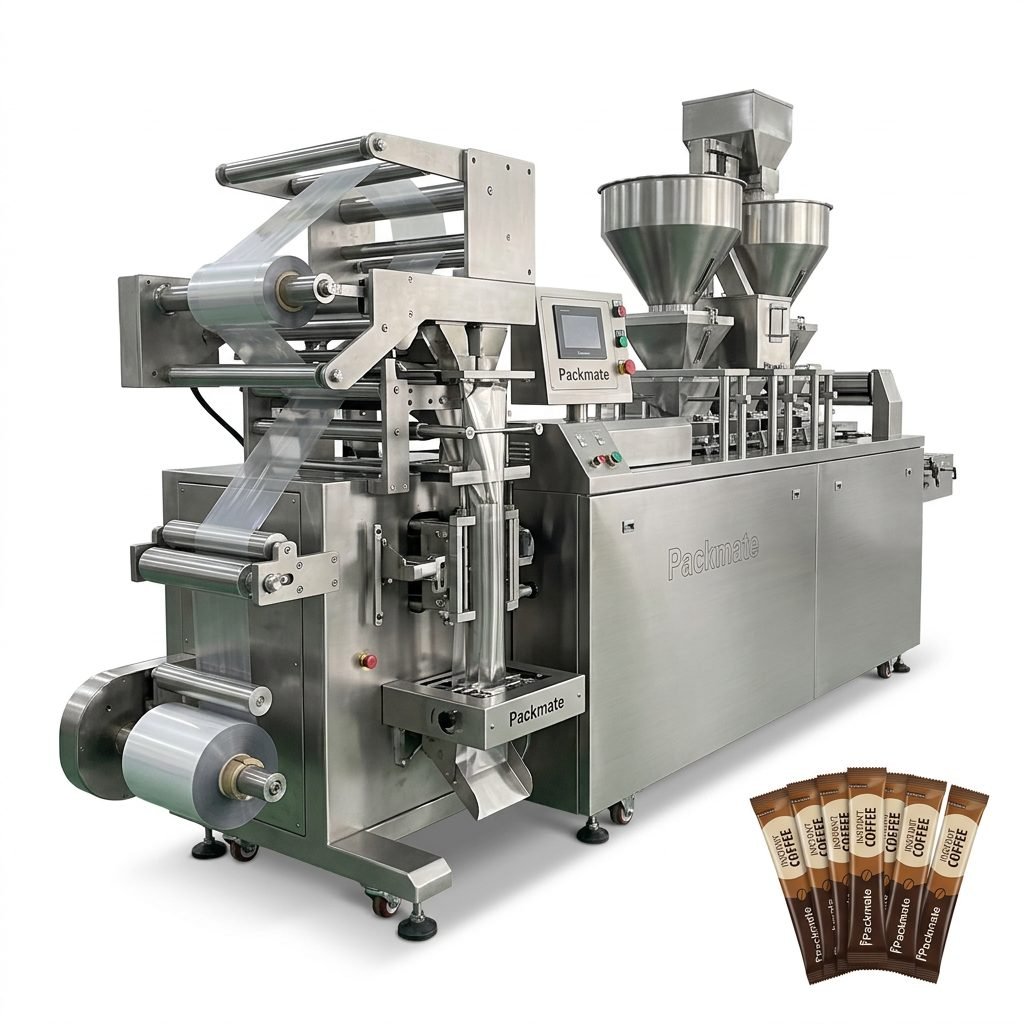
Depending on your production scale and complexity, you may need either a standalone packaging machine or a fully integrated turnkey packaging line. Standalone machines are suitable for smaller operations or specific packaging tasks, offering lower initial investment and simpler operation. In contrast, turnkey solutions—such as those provided by PacklineOEM and Ludyway—integrate feeding, dosing, filling, sealing, labeling, and end-of-line packaging into a cohesive system. For Iranian factories planning to scale up or achieve higher automation levels, turnkey lines reduce material handling bottlenecks, improve labor efficiency, and ensure consistent product quality across all packaging stages. Evaluate your current production volume, floor space, and future expansion plans to determine which approach aligns better with your business goals.
Evaluating Total Cost of Ownership (TCO) Beyond Initial Price
While initial machine cost is an important consideration, Iranian buyers should evaluate the total cost of ownership over the equipment’s lifespan. Factors such as energy consumption, spare parts cost, maintenance frequency, and machine durability significantly impact long-term profitability. Machines built with energy-efficient servomotors, high-grade stainless steel construction, and precision sealing systems may have a higher upfront price but deliver lower operating costs and fewer production interruptions. Request detailed specifications on power consumption, recommended maintenance schedules, and average service life of key components. Additionally, discuss warranty terms, availability of local service technicians, and response times for technical inquiries. A transparent manufacturer will provide clear documentation on these aspects, helping you make a cost-effective decision beyond the purchase price.
Customization Capabilities for Niche Applications
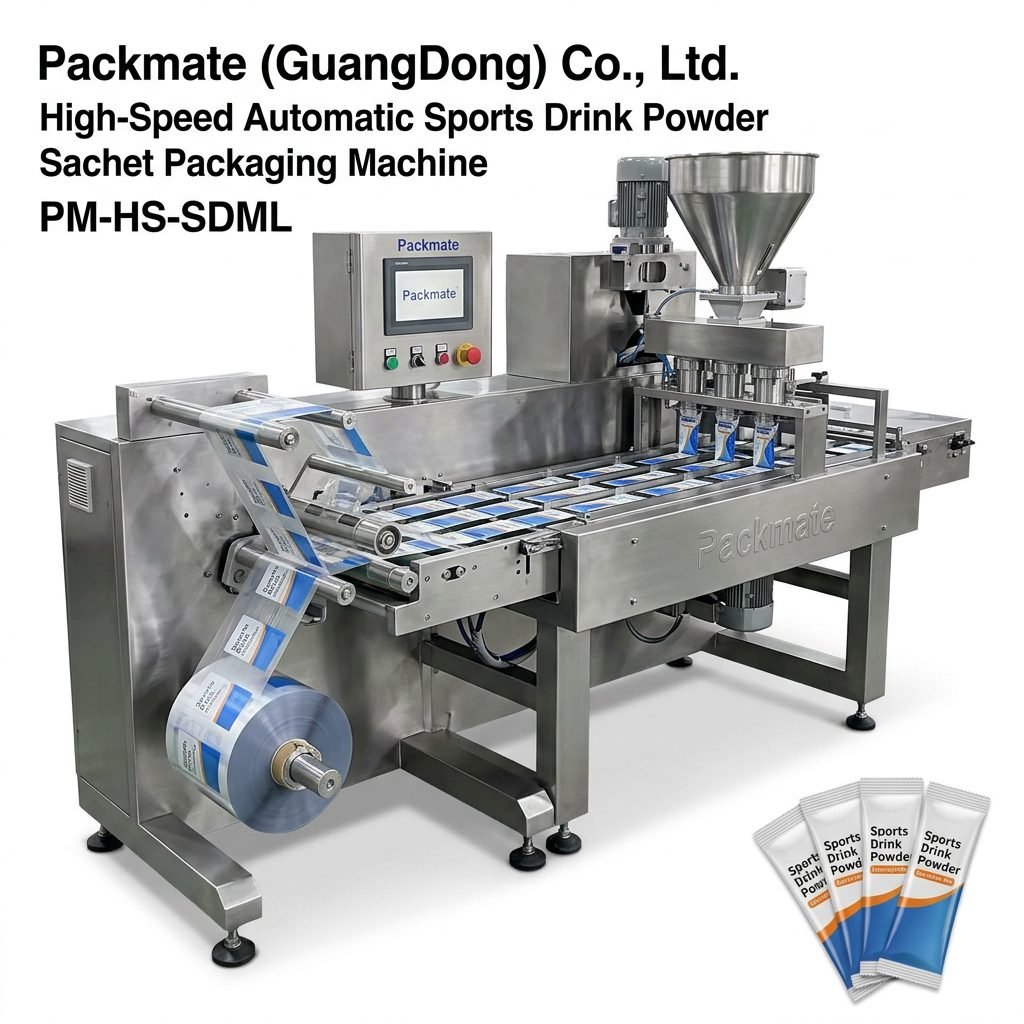
Iranian manufacturers producing specialized products—such as traditional herbal extracts, dietary supplements, or nicotine pouches—often require packaging equipment tailored to unique product characteristics. Manufacturers with strong customization capabilities, like PackingMachineOEM and SnusMachinery, can modify machine configurations to accommodate specific fill weights, bag formats, sealing temperatures, or material flows. When evaluating customization, ask about the manufacturer’s engineering team size, design flexibility, and typical lead times for modified machines. A manufacturer that assigns a dedicated project manager for custom orders ensures better communication and alignment with your production requirements. Furthermore, request references from clients in similar niche sectors to assess the manufacturer’s ability to deliver reliable custom solutions.
Communication, Transparency, and Partnership Approach
The quality of communication and transparency during the procurement process often reflects the manufacturer’s overall business philosophy. Responsive manufacturers that provide detailed technical proposals, clear payment terms, and regular project updates demonstrate a commitment to partnership. For Iranian buyers, language support (English, Farsi, or Arabic), time zone alignment, and cultural understanding can significantly ease collaboration. Schedule video calls to discuss your requirements, visit the manufacturer’s virtual showroom, and request live machine demonstrations if possible. Pay attention to how clearly they explain machine features, limitations, and recommended configurations. A manufacturer that takes time to understand your production challenges and offers tailored advice is more likely to be a reliable long-term partner.
Final Decision Framework for Iranian Buyers
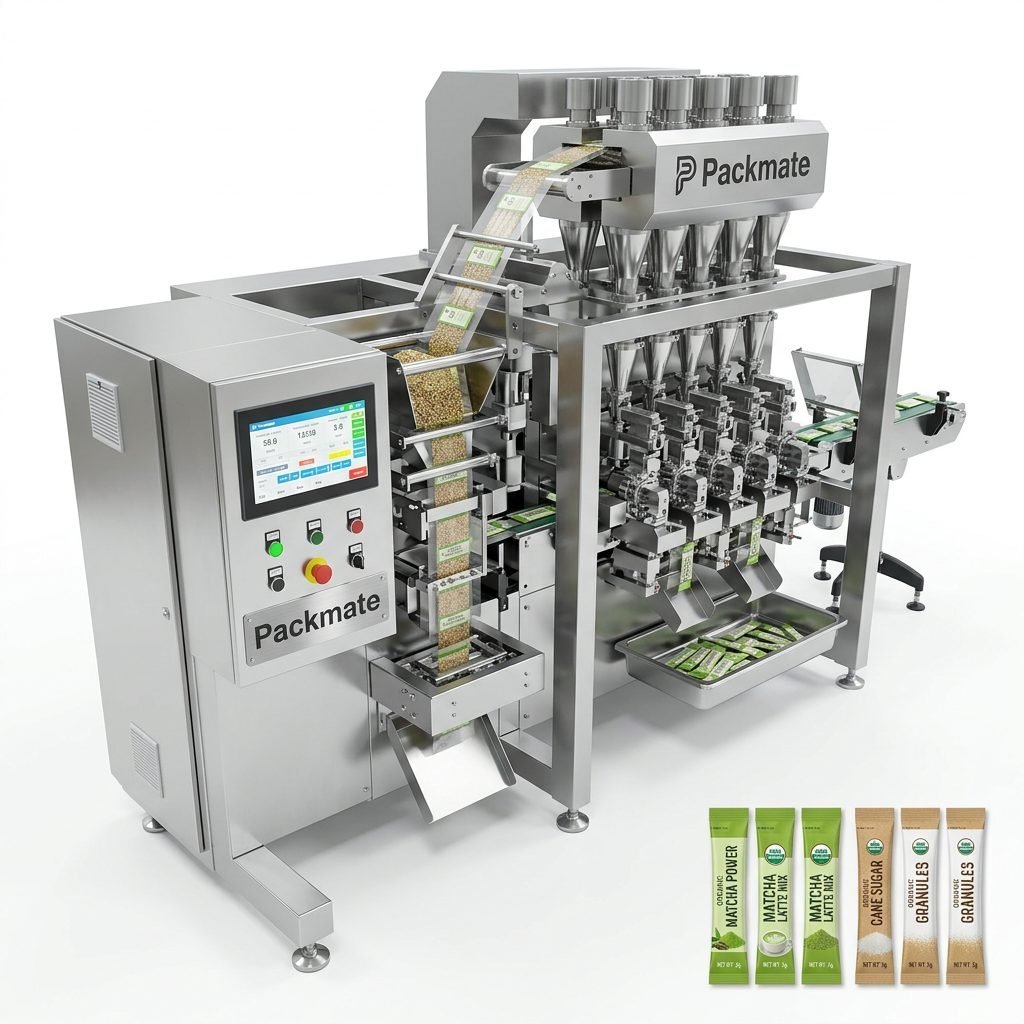
To make a well-informed choice, develop a structured evaluation framework that prioritizes your specific needs. Start by listing your production requirements: product type, packaging format, output speed, automation level, and budget range. Shortlist manufacturers that meet your technical criteria, then compare their experience, product range, quality certifications, and after-sales support. Request references from Iranian or Middle Eastern clients to validate performance claims. Consider visiting the manufacturer’s factory (physically or via virtual tour) to assess their manufacturing capabilities and quality control processes. Finally, negotiate a comprehensive contract that includes machine specifications, warranty terms, spare parts pricing, and service level agreements. By following this systematic approach, you can select a packaging machine manufacturer that not only meets your current production needs but also supports your long-term growth in Iran’s competitive manufacturing landscape.
Key Takeaway: The right packaging machine manufacturer for your Iranian production line is one that combines technical expertise, customization flexibility, strong after-sales support, and a genuine commitment to understanding local market conditions. Prioritize manufacturers with proven export experience in the Middle East and a track record of reliable machine performance in similar industries.
Frequently Asked Questions (FAQs)
1. What type of packaging machine is most suitable for food powders in Iran?
For food powders like spice blends, protein powders, and drink mixes, multi-lane stick pack machines and sachet packaging systems are widely used. Manufacturers like Ludyway and Packmate offer models with precise dosing, airtight sealing, and high-speed output, which are ideal for Iranian food producers.
2. How can Iranian buyers verify the quality of a packaging machine before purchase?
Request factory audit reports, certification documents (CE, ISO, GMP), customer references from similar industries, and performance test videos. Virtual factory tours and live machine demonstrations are also effective ways to assess build quality and functionality.
3. Is it better to buy a standalone machine or a complete packaging line?
It depends on your production volume and automation goals. Standalone machines are cost-effective for smaller operations, while turnkey lines offer higher efficiency and consistency for medium to large-scale production. Manufacturers like PacklineOEM specialize in integrated solutions that streamline the entire packaging process.
4. What after-sales support can Iranian customers expect from Chinese manufacturers?
Leading manufacturers provide remote technical support, video-based troubleshooting, online training, and fast spare parts delivery. Some also have regional agents in the Middle East. Before purchasing, clarify response times, warranty coverage, and availability of local service engineers.
5. How do international sanctions affect the import of packaging machinery to Iran?
Sanctions can impact payment methods, shipping routes, and customs clearance. Working with experienced exporters who regularly handle Middle Eastern orders can mitigate these challenges. Choose manufacturers familiar with alternative banking channels and Incoterms suitable for Iranian buyers to ensure smoother transactions.