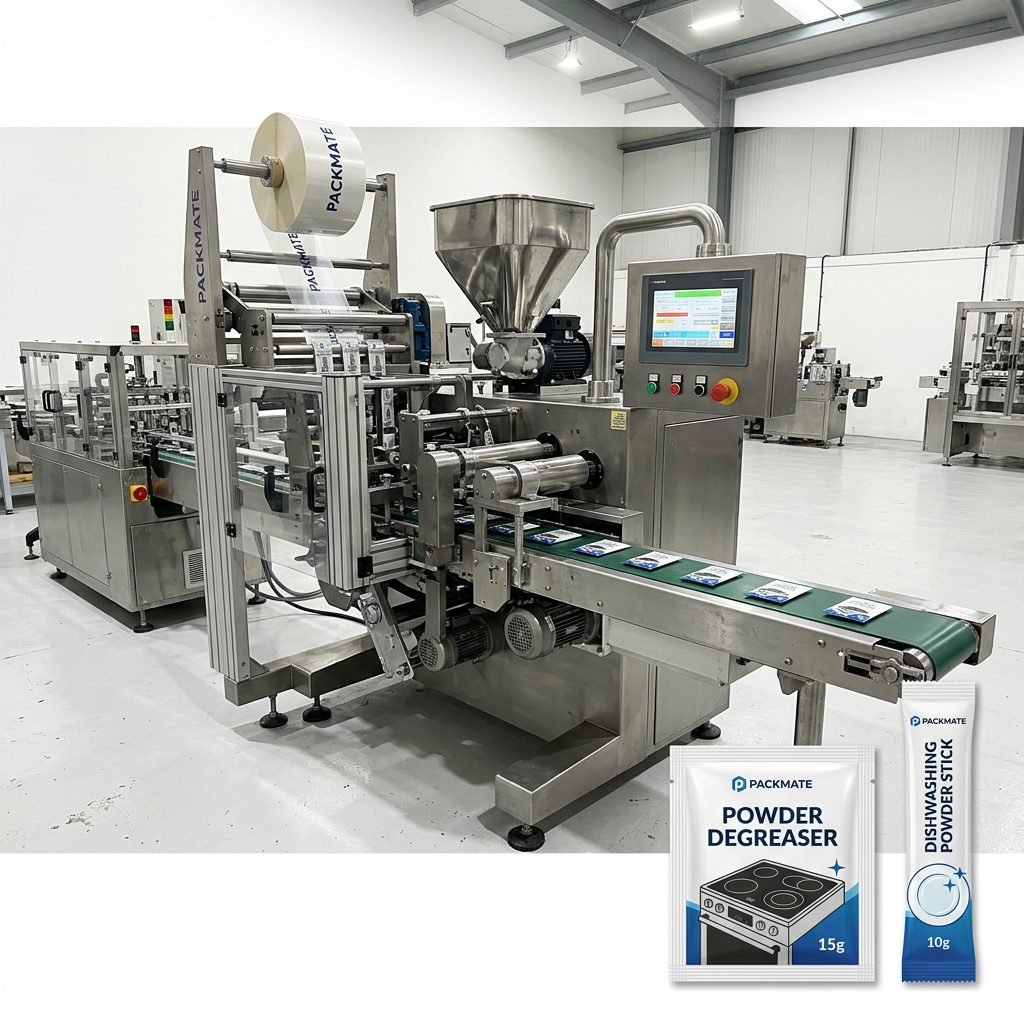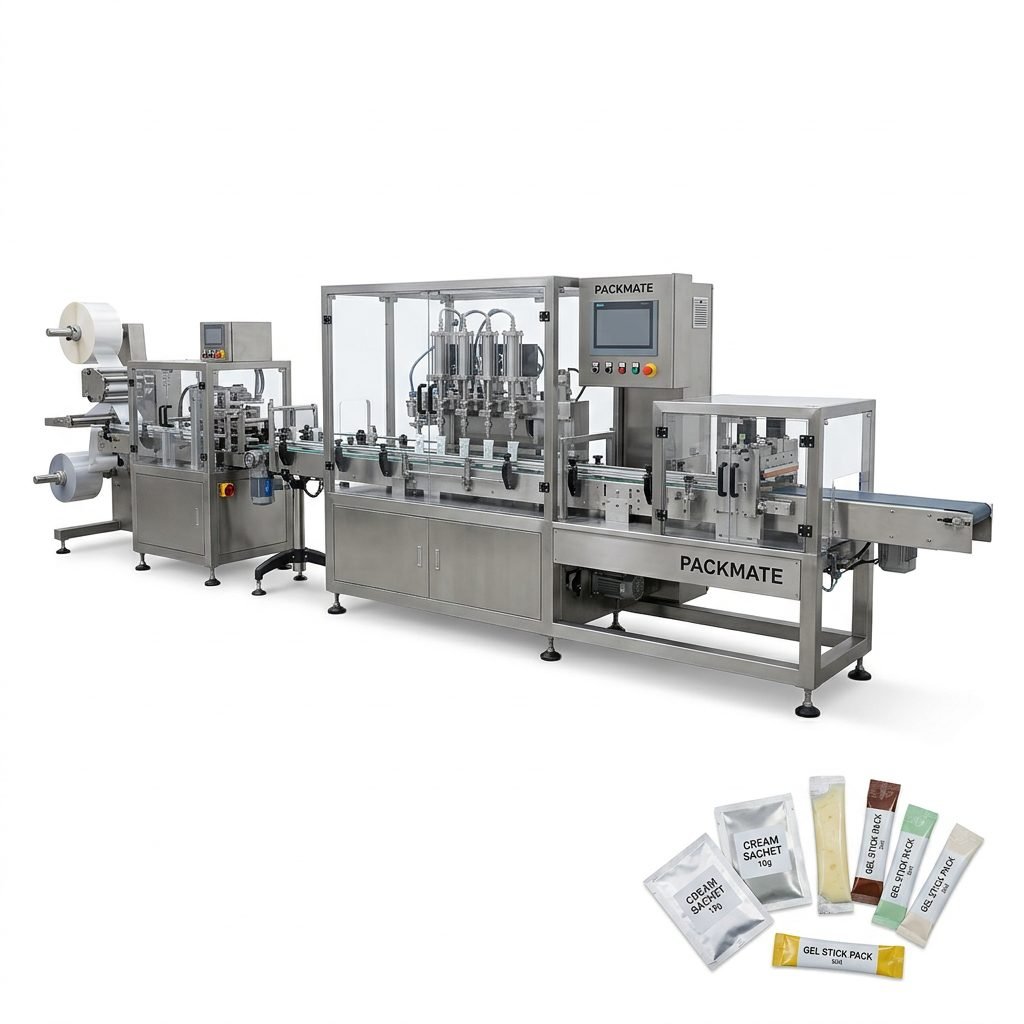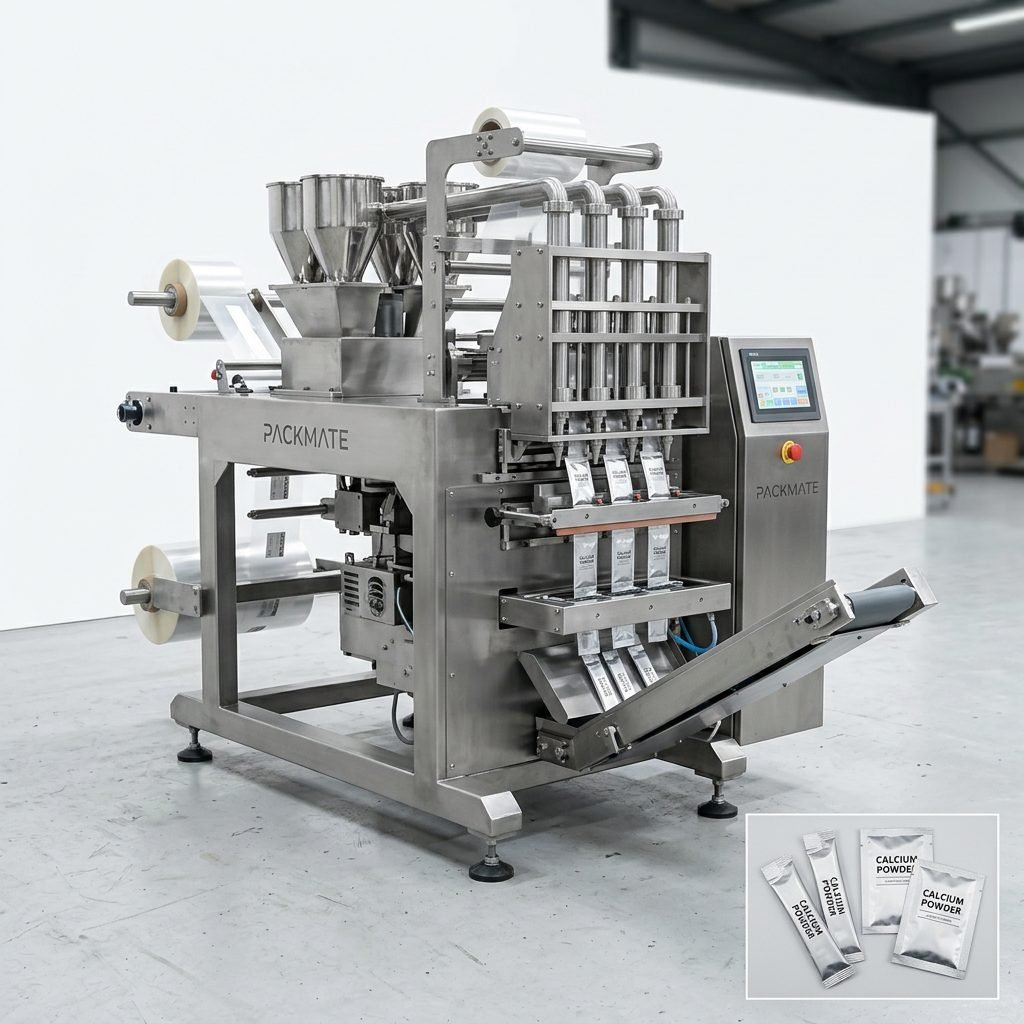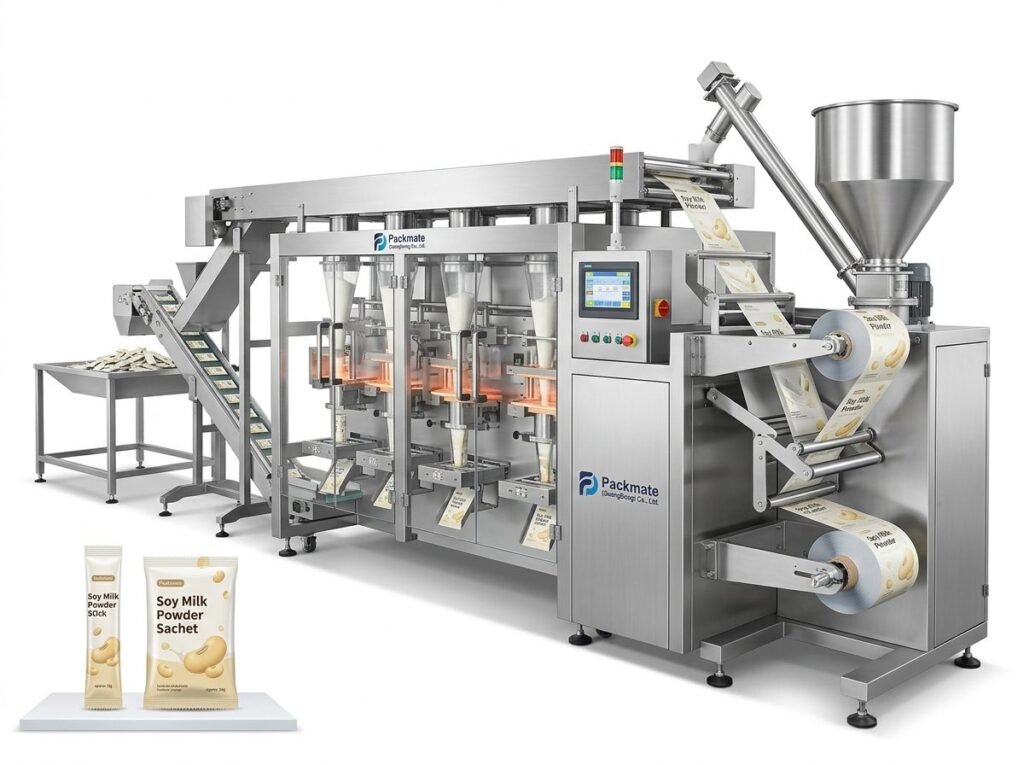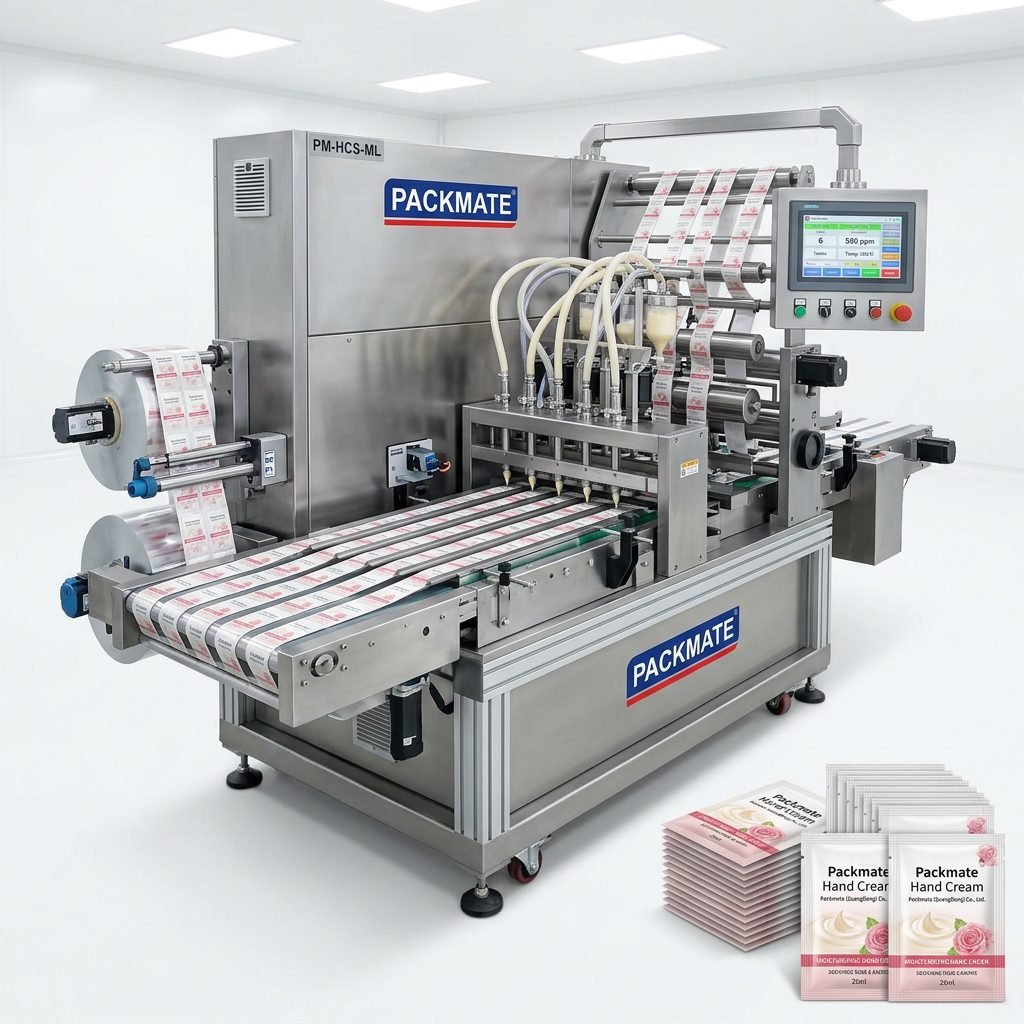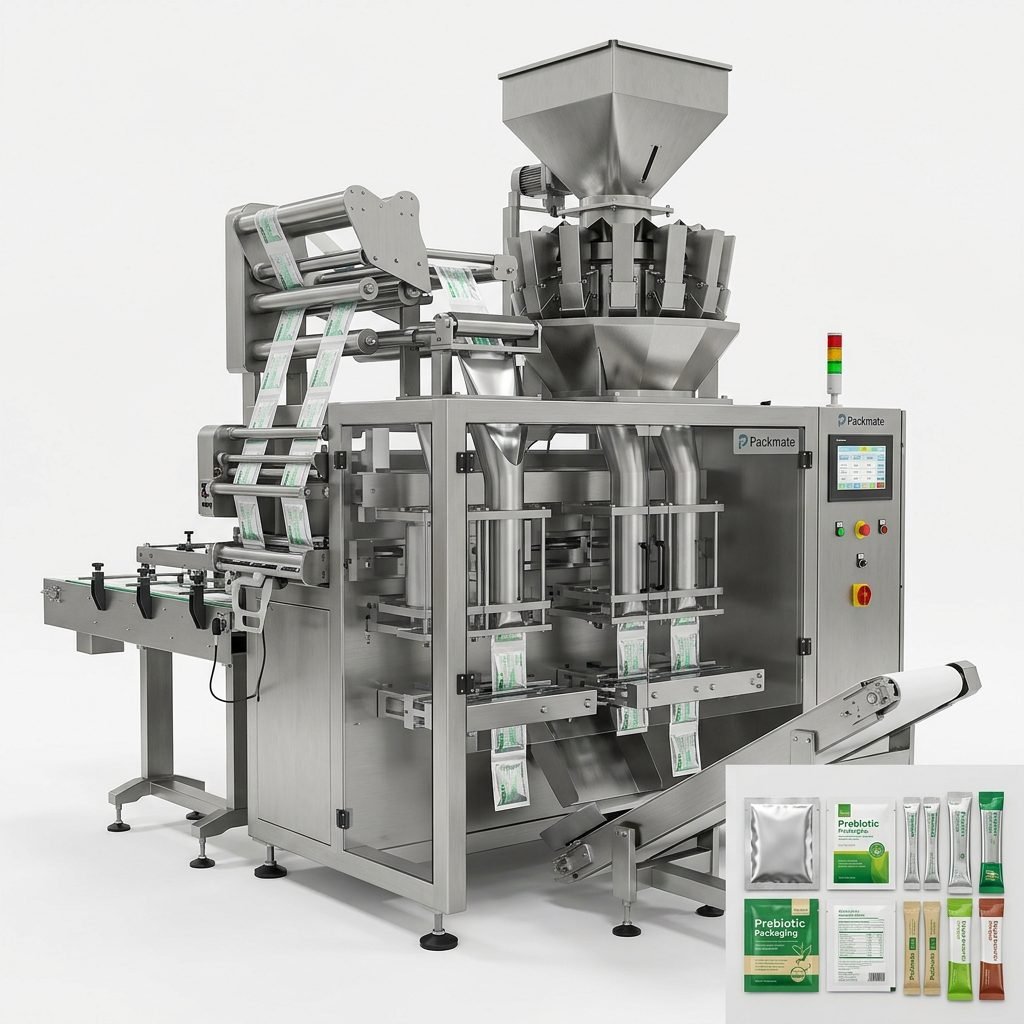
In the competitive landscape of the beverage industry, efficiency, hygiene, and scalability are paramount. A complete automatic juice filling and packaging line represents a significant technological leap, transforming raw ingredients into shelf-ready products with minimal human intervention. These integrated systems are designed to handle the entire process—from initial container handling and precise filling to capping, sealing, labeling, and final packaging—ensuring consistency, reducing contamination risks, and maximizing output. For businesses looking to scale production or enter new markets, investing in a turnkey bottling and production system is not just an upgrade; it’s a strategic necessity for long-term growth and brand integrity.
Core Components of an Automatic Juice Bottling Line
An effective line is a symphony of specialized machines working in unison. Understanding each component’s role is crucial for selecting the right solution for your specific juice product, whether it’s clear, pulpy, NFC (Not From Concentrate), or a delicate health beverage.
1. Unscrambling and Bottle Cleaning
The process begins with preparing the containers. An automatic bottle unscrambler takes bulk PET, glass, or HDPE bottles and orients them correctly onto the conveyor. This is often followed by an air-cleaning or rinsing station. A burst of filtered, high-pressure air or sterile water removes any dust or particulate matter, ensuring a perfectly clean vessel enters the filling zone. This step is critical for maintaining product quality and extending shelf life.
2. The Heart of the Line: Precision Filling Machines
The filling machine is the core of the operation. For juices, especially those with pulp or particulates, volumetric piston fillers are often the preferred choice. They offer exceptional accuracy by measuring a precise volume of product into a cylinder before dispensing it into the bottle. This method is gentle on the product, preserves its texture, and minimizes foaming. For clear juices, gravity or vacuum fillers can also be efficient options. Modern fillers feature programmable logic controllers (PLCs) for easy changeovers between bottle sizes and juice types.
3. Sealing and Capping for Freshness
Immediately after filling, the container moves to the capping station. Depending on the packaging format, this could involve applying screw caps, sports caps, foil seals, or snap-on lids. Automatic cappers use torque-controlled spindles to apply each cap consistently and securely, preventing leaks and ensuring tamper-evidence. For products requiring an extra layer of protection, such as fresh juices, an induction sealing station can be integrated to apply a hermetic foil liner under the cap, locking in freshness and preventing oxidation.
4. Branding and Identification: Labeling & Coding
Labeling applies your brand’s identity and mandatory information. Automatic labelers can handle various label types—wrap-around, front & back, or spot labels—with high precision. Following labeling, a coding machine, such as a laser coder or inkjet printer, imprints crucial details like batch numbers, expiry dates, and barcodes directly onto the bottle or label. This traceability is essential for quality control and supply chain management.
5. Final Packaging and Palletizing
The final stage prepares the finished bottles for shipping. This may involve automatic case packers that arrange bottles into cartons, tray packers, or shrink-wrapping machines that bundle multi-packs. For large-scale operations, robotic palletizers then stack these cases onto pallets in a stable, optimized pattern, ready for warehouse storage or transportation. Exploring real-world case studies can provide valuable insights into how these components integrate in a live production environment.
Key Advantages of Implementing a Complete Automated System
Transitioning to a fully automated line delivers transformative benefits that impact every aspect of the business.
Unmatched Production Efficiency and Speed
Automation eliminates manual handling bottlenecks. A synchronized line can run continuously 24/7 with minimal stops, dramatically increasing output per hour (bottles per hour, or BPH) compared to semi-automatic or manual lines. This allows manufacturers to meet large order volumes and capitalize on market demand swiftly.
Superior Consistency and Product Quality
Every bottle is filled, capped, and sealed with identical precision. This eliminates human error and variation, guaranteeing that every consumer receives the exact same volume and quality of product. Consistent fill levels also reduce giveaway and protect profit margins.
Enhanced Hygiene and Safety Compliance
Closed-system filling and reduced human contact with the product significantly lower the risk of microbial or physical contamination. This is especially vital for juice products with no preservatives. Automated systems are also easier to clean and sanitize (CIP – Clean-in-Place), helping producers adhere to stringent global food safety standards like FDA, ISO, and HACCP.
Significant Reduction in Operational Costs
While the initial investment is substantial, the long-term savings are considerable. Automation reduces labor costs, minimizes product waste from overfilling or spills, and decreases utility consumption through optimized machine cycles. The high reliability of modern equipment also translates to less downtime and lower maintenance expenses.
Scalability and Future-Proofing
A well-designed automated line is modular. As your brand grows, you can add modules—like a higher-speed filler, an additional labeling head, or a second packaging lane—without replacing the entire system. This scalability protects your initial investment and supports business expansion. Partnering with an experienced provider like Packmate ensures your line is designed with future growth in mind.
Choosing the Right Partner for Your Packaging Line
Selecting a machinery supplier is a critical decision. Look beyond the price tag and evaluate the provider’s expertise, support, and commitment to your success.
Industry-Specific Experience: Choose a partner with a proven track record in beverage and liquid food packaging. They should understand the unique challenges of handling different juice viscosities, acidities, and sensitivities.
Turnkey Solution Capability: The best partners offer end-to-end service: from initial consultation and factory layout design to machine manufacturing, installation, commissioning, and operator training. This single-point responsibility, as detailed in our company profile, ensures seamless integration and project success.
Comprehensive After-Sales Support: Reliable technical support, readily available spare parts, and preventive maintenance programs are non-negotiable for minimizing downtime. Ensure your supplier has a robust global service network.
Technology and Innovation: Opt for a supplier that invests in R&D and incorporates modern control systems, energy-efficient drives, and user-friendly HMI (Human-Machine Interface) panels. This ensures your line remains competitive and easy to operate for years to come.
Frequently Asked Questions (FAQs)
1. What is the typical output range for an automatic juice filling line?
Output varies widely based on bottle size, line configuration, and automation level. Standard lines can range from 2,000 to 30,000 bottles per hour (BPH). High-speed lines for small water or juice bottles can exceed 60,000 BPH. A detailed analysis of your production goals is needed to determine the optimal speed.
2. Can one line handle different types of juice and bottle sizes?
Yes, modern lines are designed for flexibility. With quick-change parts (like filling nozzles, cap chucks, and labeler attachments) and programmable settings, a well-designed line can be switched between different products and container sizes in under 30 minutes, making it ideal for contract packers or brands with multiple SKUs.
3. How important is the “Clean-in-Place” (CIP) system for a juice line?
Extremely important. A CIP system automates the cleaning and sanitization of tanks, pipes, and fillers without disassembly. This is crucial for juice production to prevent cross-contamination between batches, eliminate biofilm buildup, and ensure the highest hygiene standards with less labor and downtime.
4. What are the main maintenance requirements for an automated bottling system?
Regular preventive maintenance is key. This includes daily cleaning, lubrication of moving parts as per the manual, inspection of seals and gaskets, and calibration of sensors and fill volumes. Most reputable suppliers provide detailed maintenance schedules and training for your in-house team.
5. What is the lead time for a complete turnkey juice packaging line?
Lead time depends on line complexity and customization. For a standard configured line, it typically ranges from 90 to 180 days from order confirmation to delivery. This includes manufacturing, factory testing, and preparation for shipment. Custom or highly complex systems may require more time.