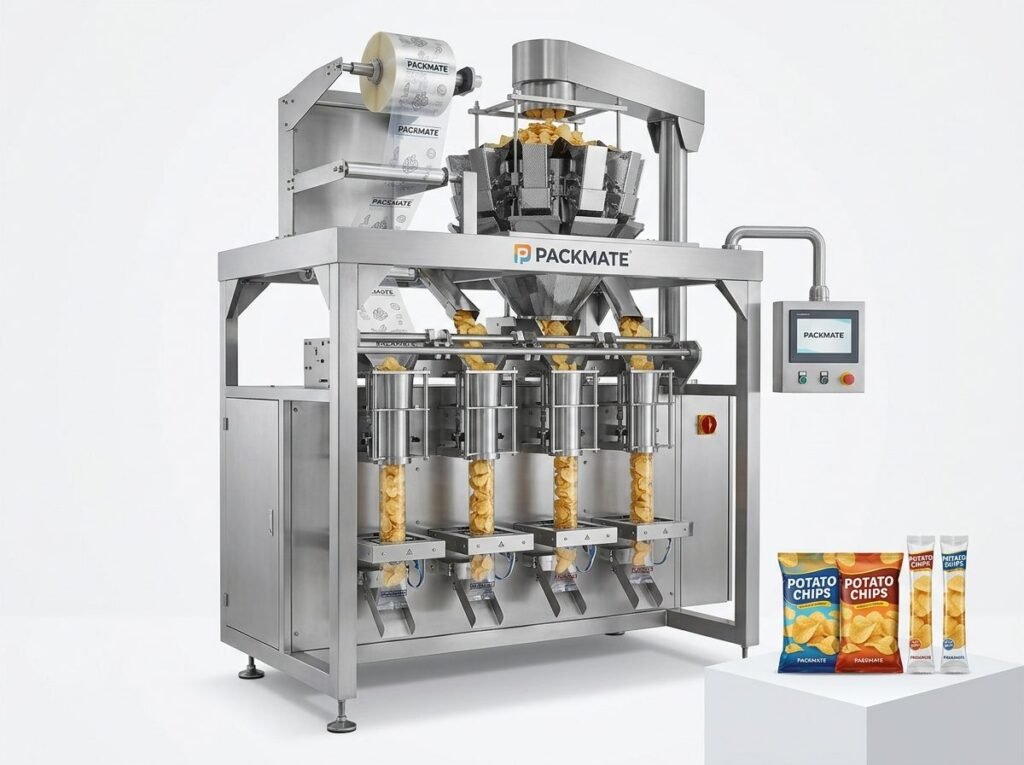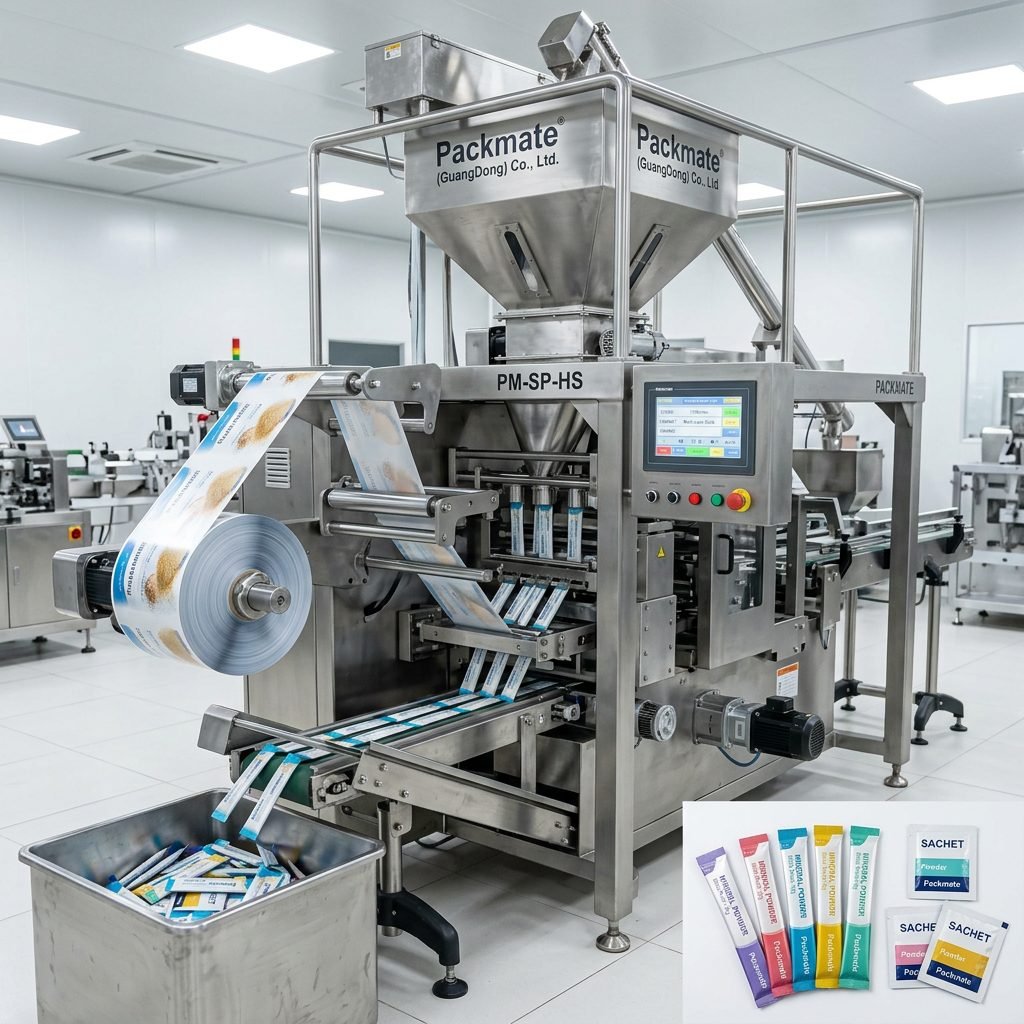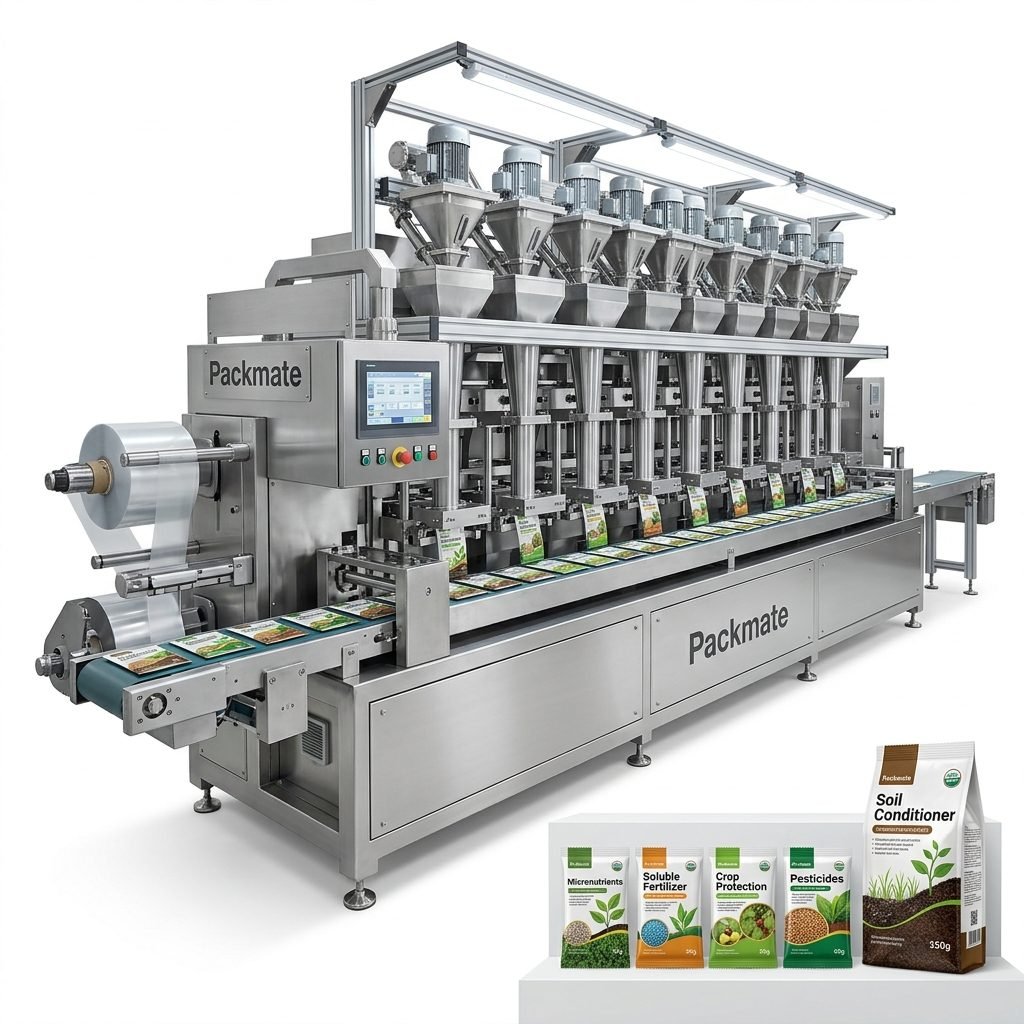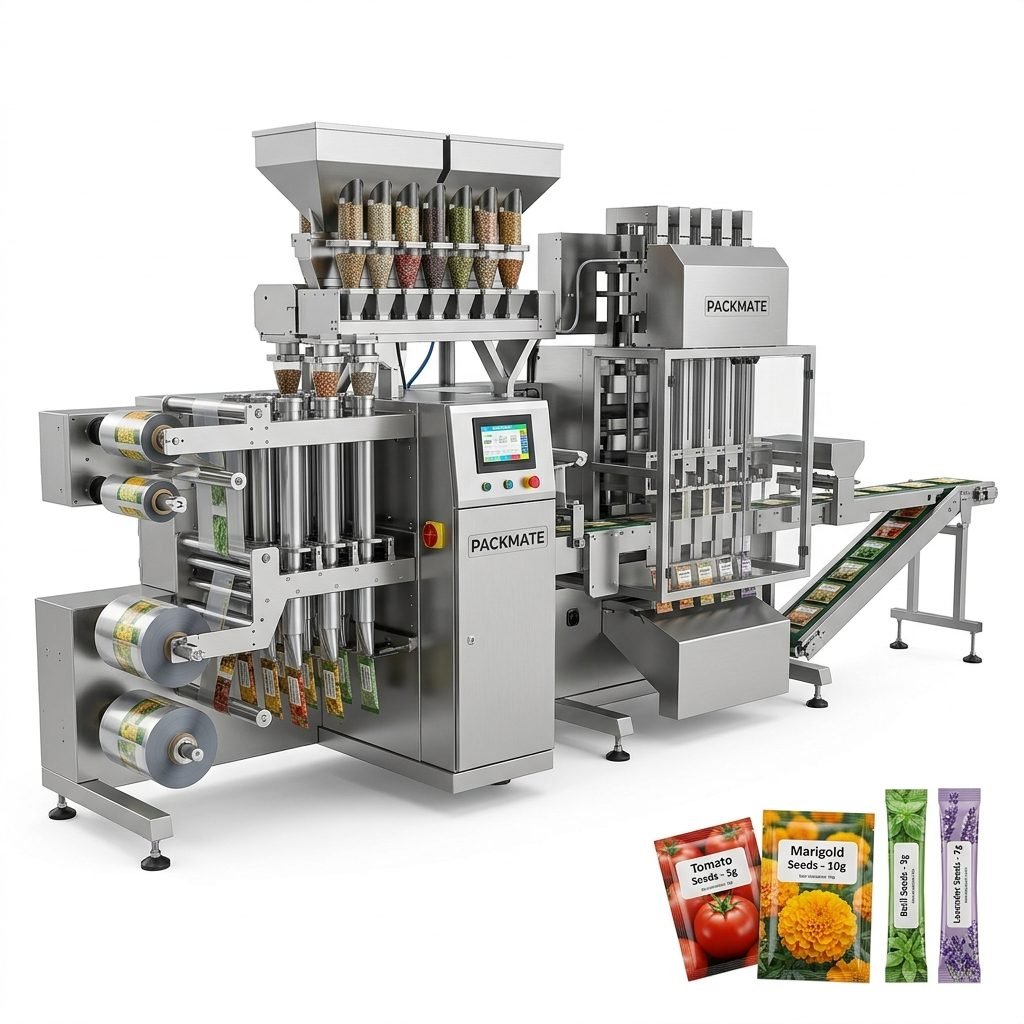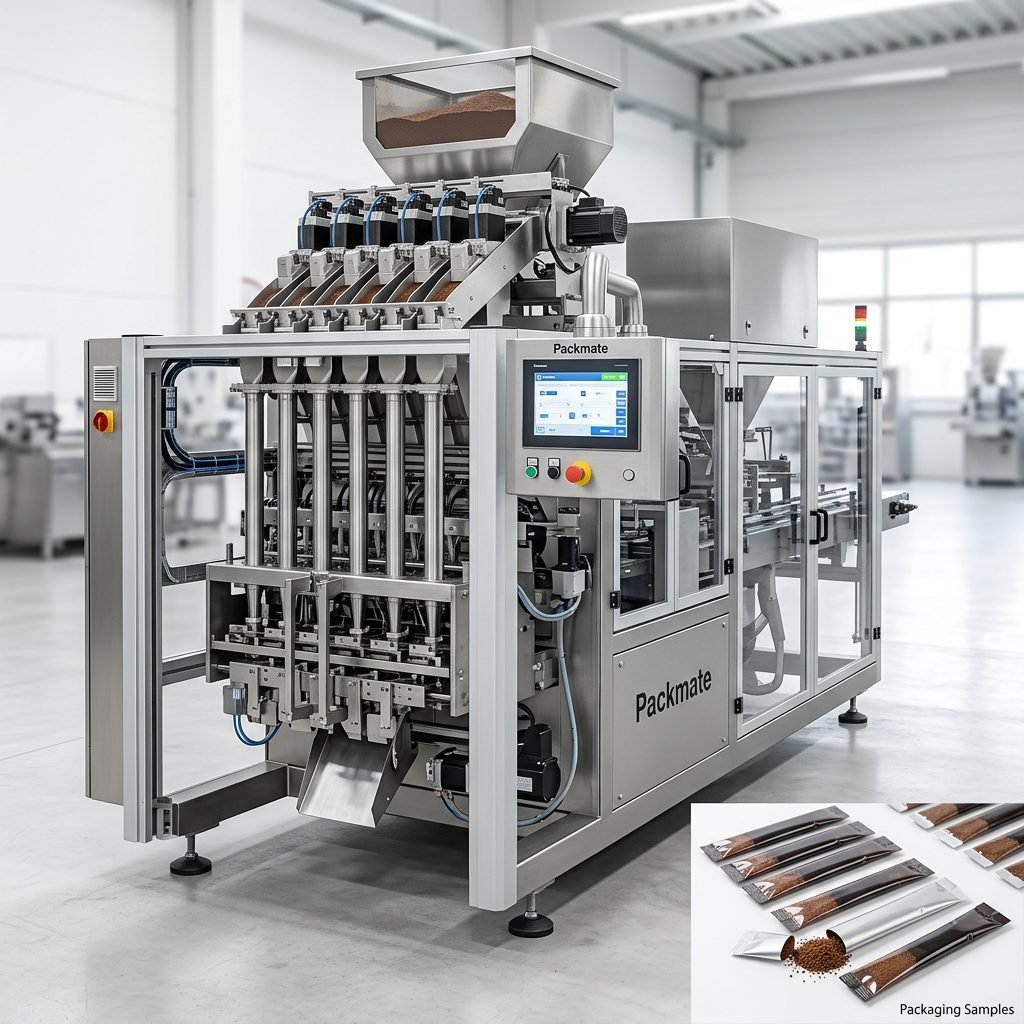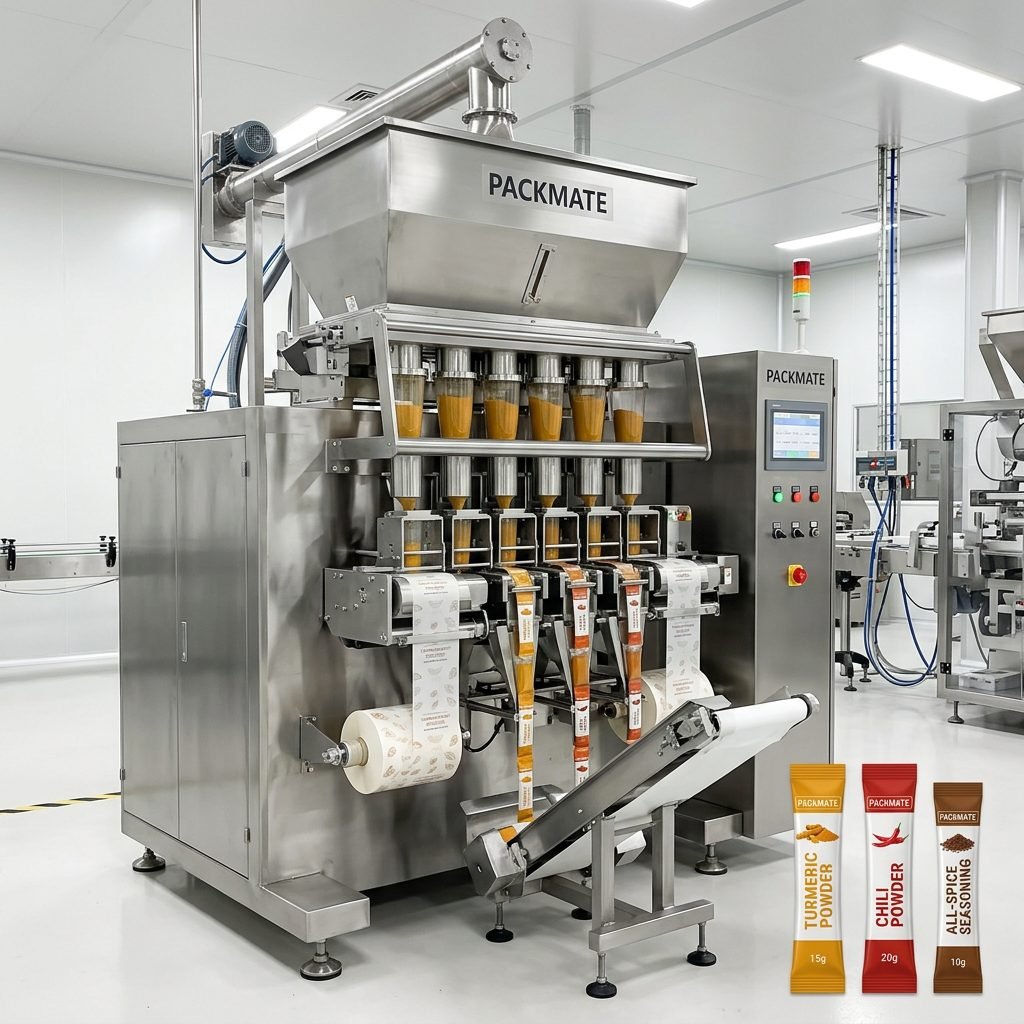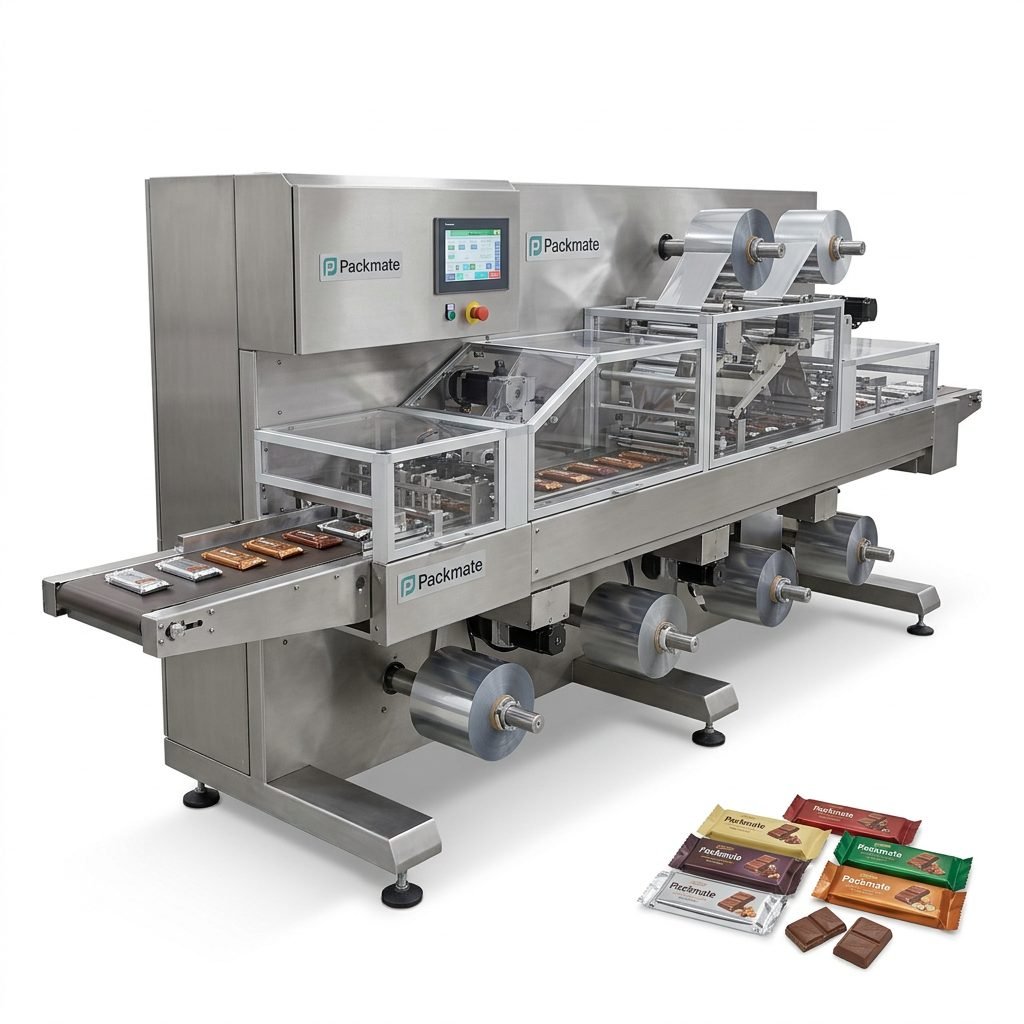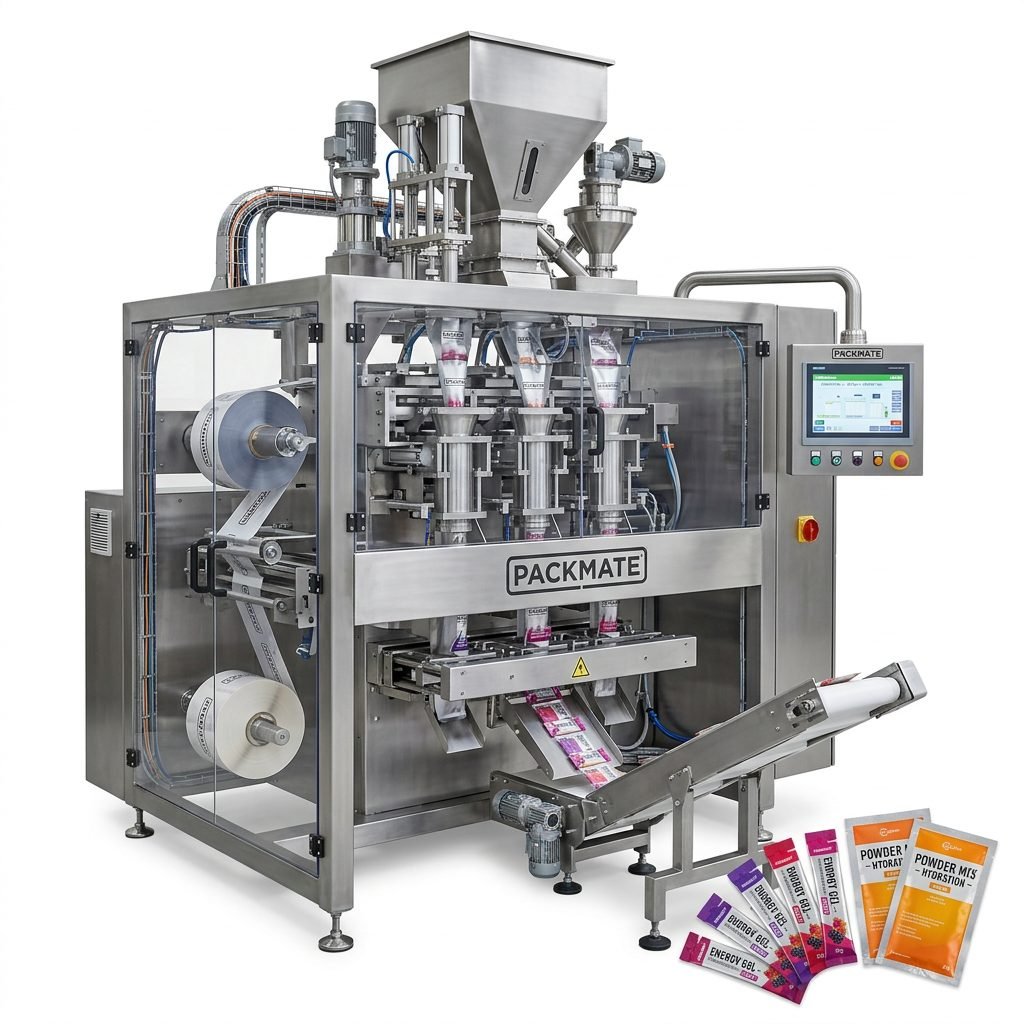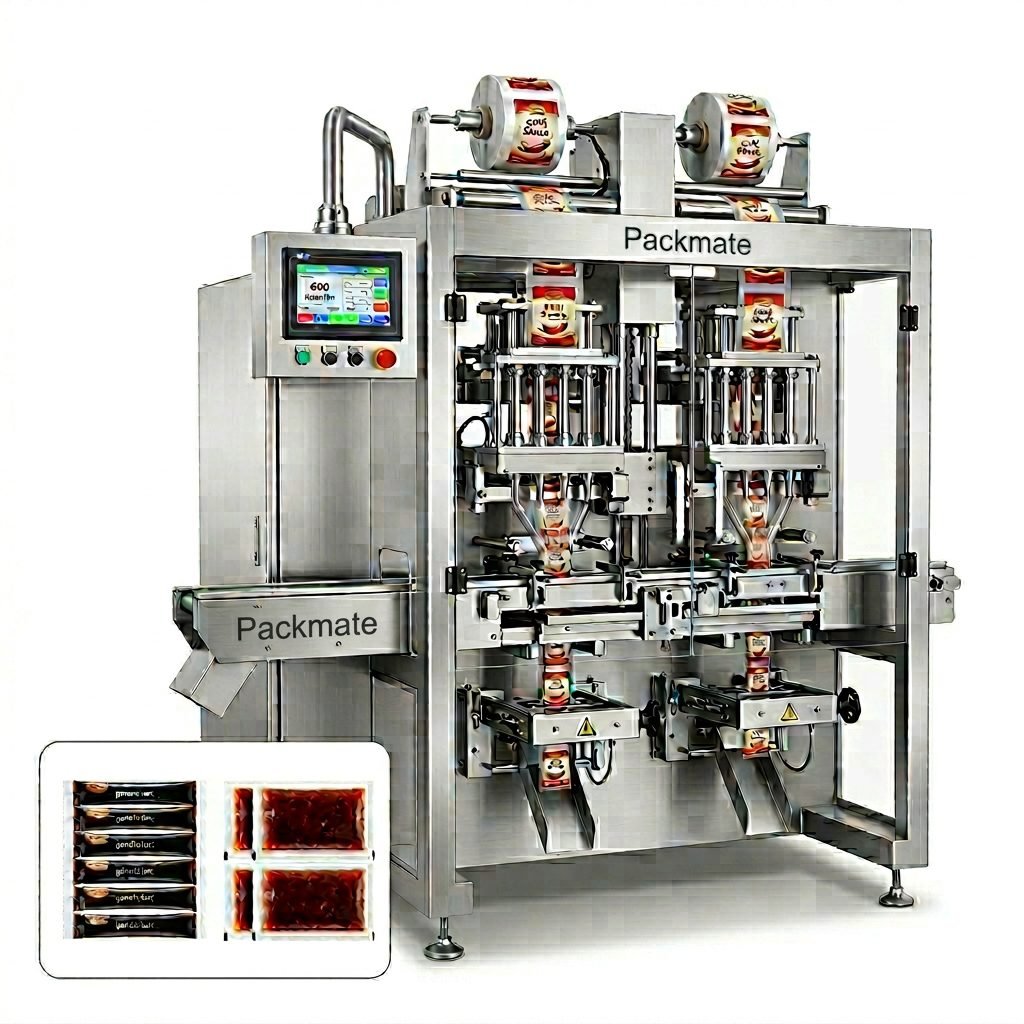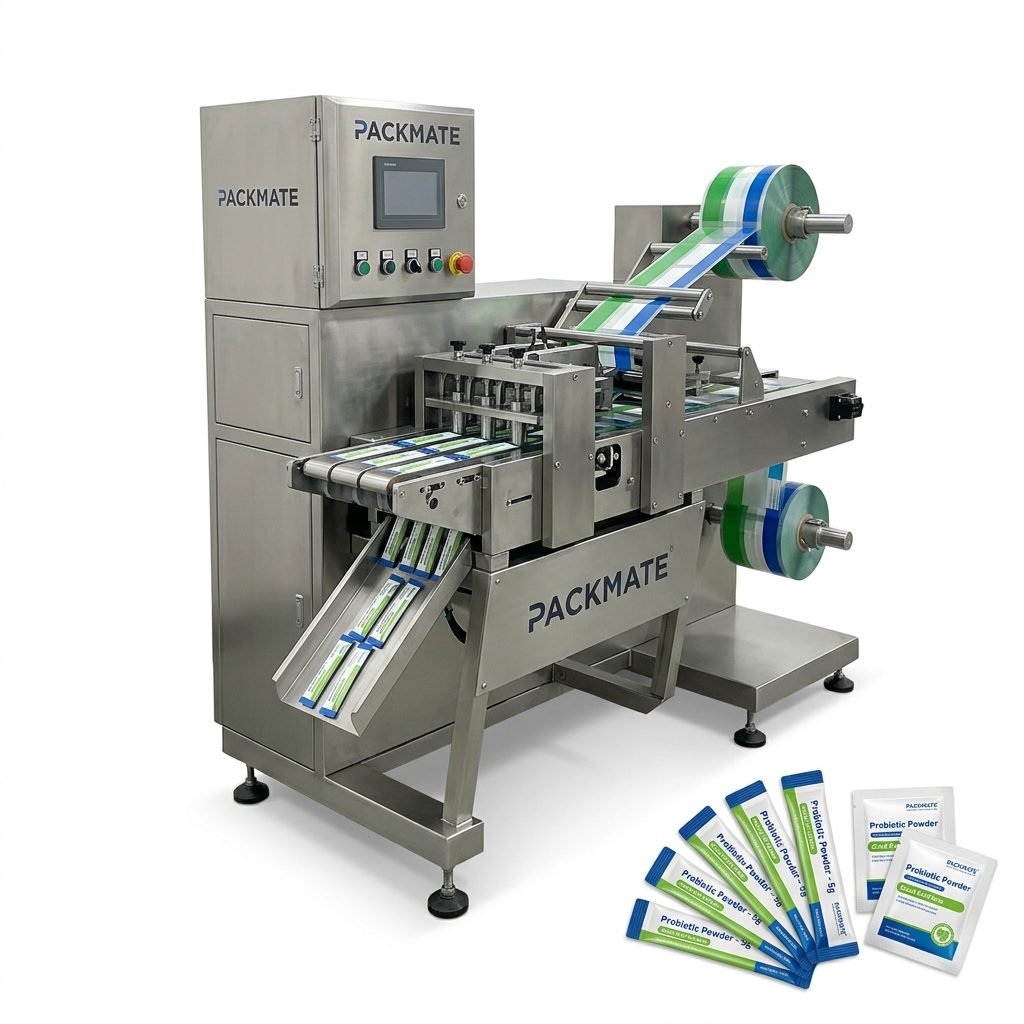
The demand for efficient, reliable, and hygienic packaging of bulk goods is a critical challenge across multiple industries. For products ranging from food ingredients and nutritional supplements to pharmaceutical intermediates and health product powders, the packaging line is the final guardian of product integrity. A Large Bag Packaging Line is not merely a collection of machines; it is a sophisticated, integrated system designed to handle substantial volumes while ensuring precision, safety, and compliance. This article delves into the comprehensive solutions these lines offer, specifically tailored for the stringent needs of the food, pharmaceutical, and health product sectors.
The Critical Role of Large Bag Packaging
In an era of global supply chains and mass production, packaging large quantities efficiently is paramount. Large bag packaging, typically referring to bags ranging from 1kg to 25kg or more, serves as the primary unit for storage, transport, and distribution. For manufacturers, the process of filling, sealing, and handling these bags must be:
- Highly Accurate: Precise weight control to avoid giveaway and ensure regulatory compliance.
- Extremely Hygienic: Preventing contamination is non-negotiable, especially in pharma and food.
- Remarkably Durable: Bags must withstand stacking, transportation, and varying environmental conditions.
- Consistently Fast: High throughput is essential to meet production targets and economic viability.
Manual or semi-automatic processes fall short in meeting these demands consistently. This is where a fully automated, turnkey large bag packaging line becomes a strategic investment, transforming a potential bottleneck into a pillar of operational excellence. For a deeper look at how such systems integrate into broader operations, explore our dedicated packaging solutions.
Core Components of a Modern Packaging Line
A robust large bag packaging solution is a symphony of synchronized equipment. Each component plays a vital role:
1. Bag Feeding & Opening System
This subsystem automatically separates flat bags from a magazine, opens them using suction cups or mechanical fingers, and presents them to the filling station. Precision here is crucial to ensure smooth downstream operations.
2. Precision Weighing & Filling Machine
The heart of the line. Advanced gravimetric or auger fillers dispense product with exceptional accuracy. For difficult-to-handle powders (like those prone to caking or aerating), specialized designs with de-aeration systems are employed. This stage directly impacts product loss and compliance.
3. Bag Sealing & Closing Unit
Depending on the bag material (woven PP, PE, laminate), sealing can involve heat sealing, sewing, tape application, or a combination. The seal must be hermetic and strong. Some lines integrate gas flushing (nitrogen) before sealing for enhanced product preservation.
4. Checkweigher & Metal Detector
An inline checkweigher verifies every bag’s weight, rejecting under or over-filled units. A metal detector or X-ray inspection system provides a final safety check, ensuring no foreign contaminants are present—a critical step for food safety and pharmaceutical GMP.
5. Bag Flattening & Palletizing Robot
To optimize space in shipping and storage, bags are often flattened and neatly stacked onto pallets. Robotic palletizers offer flexibility and speed, arranging bags according to predefined, stable patterns.
Integrating these components seamlessly requires deep engineering expertise. Companies like Packmate specialize in designing such cohesive systems from the ground up.
Industry-Specific Application Solutions
The “one-size-fits-all” approach fails in specialized industries. Large bag packaging lines must be customized to address unique product characteristics and regulatory landscapes.
For the Food Industry: Hygiene & Speed
Food products like flour, sugar, starch, spices, and beverage bases demand impeccable hygiene standards to prevent microbial growth and cross-contamination. Solutions often feature:
Stainless Steel Construction: Easy-to-clean surfaces and sanitary design with minimal ledges where product can accumulate.
Dust Containment Systems: Integrated hoods and vacuum connections to maintain a clean plant environment and protect worker health.
High-Speed Operation: To match the massive volumes typical in food production, lines are engineered for maximum cycles per minute without sacrificing accuracy.
You can see real-world implementations in our project case studies.
For the Pharmaceutical Industry: Compliance & Traceability
This is the most regulated environment. Packaging active pharmaceutical ingredients (APIs), excipients, or intermediates requires adherence to cGMP (current Good Manufacturing Practice). Key features include:
Containment & Isolation: For potent compounds, lines may be housed in isolators with glove ports to absolutely protect operators and the environment.
Complete Data Integrity: Every action—weight, batch number, time—is logged electronically for full traceability and audit trails.
Validatable Design: Equipment is designed and documented to support Installation Qualification (IQ), Operational Qualification (OQ), and Performance Qualification (PQ) protocols.
For the Health Products Industry: Flexibility & Gentleness
Nutraceuticals, protein powders, herbal extracts, and vitamins often have specific physical properties. They can be fluffy, cohesive, or fragile. Packaging solutions focus on:
Gentle Product Handling: Specialized augers and filling spouts that minimize product degradation or separation (de-mixing of ingredients).
Moisture & Oxygen Barrier: Integration with form-fill-seal (FFS) technology to create bags from high-barrier roll stock, or using pre-made bags with high-quality laminates.
Quick Changeover: The ability to easily switch between different bag sizes and product types is vital for contract manufacturers or brands with diverse SKUs.
Choosing the right partner for these solutions is crucial. Reviewing a company’s certifications and qualifications is a recommended first step.
Choosing the Right Partner for Your Packaging Line
Investing in a complete packaging line is a significant decision. Beyond the machinery specs, the provider’s capability determines long-term success. Key selection criteria include:
- Turnkey Project Experience: Can they handle everything from design and manufacturing to installation, training, and after-sales support?
- Industry-Specific Knowledge: Do they understand the regulatory and practical nuances of your sector (food, pharma, health)?
- Testing & Validation Support: Will they conduct product tests with your actual material and provide necessary documentation?
- Global Support Network: For international clients, reliable local service and spare parts availability are essential.
A partner like Packmate (GuangDong) Co., Ltd., with its 22+ years of development and a 20,000㎡ modern facility, embodies these qualities. Their journey from a focused workshop to a provider of intelligent packaging lines demonstrates a commitment to innovation and client collaboration, as detailed in their company profile.
Frequently Asked Questions (FAQs)
1. What is the typical output speed of a large bag packaging line?
Speed varies greatly based on bag size, product characteristics, and automation level. A standard line for 25kg bags can typically achieve 6-12 bags per minute. High-speed lines for smaller large bags (e.g., 5kg) can reach 20-30 bags per minute. A detailed analysis of your product is needed for a precise quote.
2. How do you ensure weighing accuracy for challenging powders?
We employ advanced weighing technology such as net-weight gravimetric fillers with multi-stage feed (fast, medium, dribble) and in-flight compensation. For aerated or inconsistent-density powders, we integrate de-aeration systems, vibration, or specialized auger designs to ensure consistent bulk density and, consequently, high accuracy.
3. Can one line handle different bag sizes and products?
Yes, modern lines are designed for flexibility. Quick-change mechanisms for bag holders, filling heads, and sealing jaws allow for changeover in 15-30 minutes. The control system stores recipes for different products, automating parameter adjustments.
4. What kind of after-sales support and training do you provide?
Comprehensive support includes on-site installation supervision, detailed operational and maintenance training for your engineers, a detailed manual, and a readily available stock of common spare parts. Remote diagnostic support is also commonly offered. Learn more about our commitment on our service page.
5. How do you address regulatory compliance for pharmaceutical applications?
We design lines with cGMP principles in mind: using sanitary stainless steel, minimizing dead zones, ensuring cleanability, and providing full documentation (machinery dossier, risk assessment, material certificates). The control system enables electronic batch recording and user access levels to support 21 CFR Part 11 compliance where required.