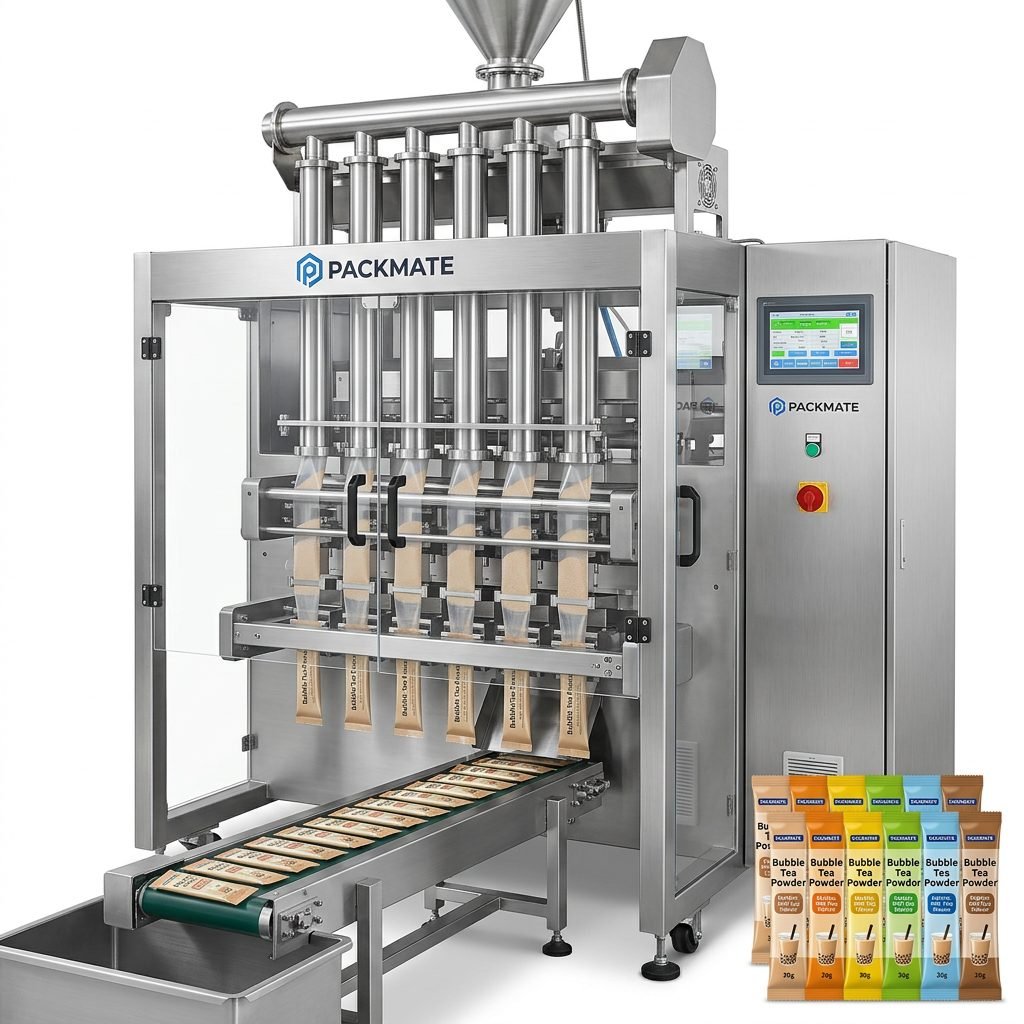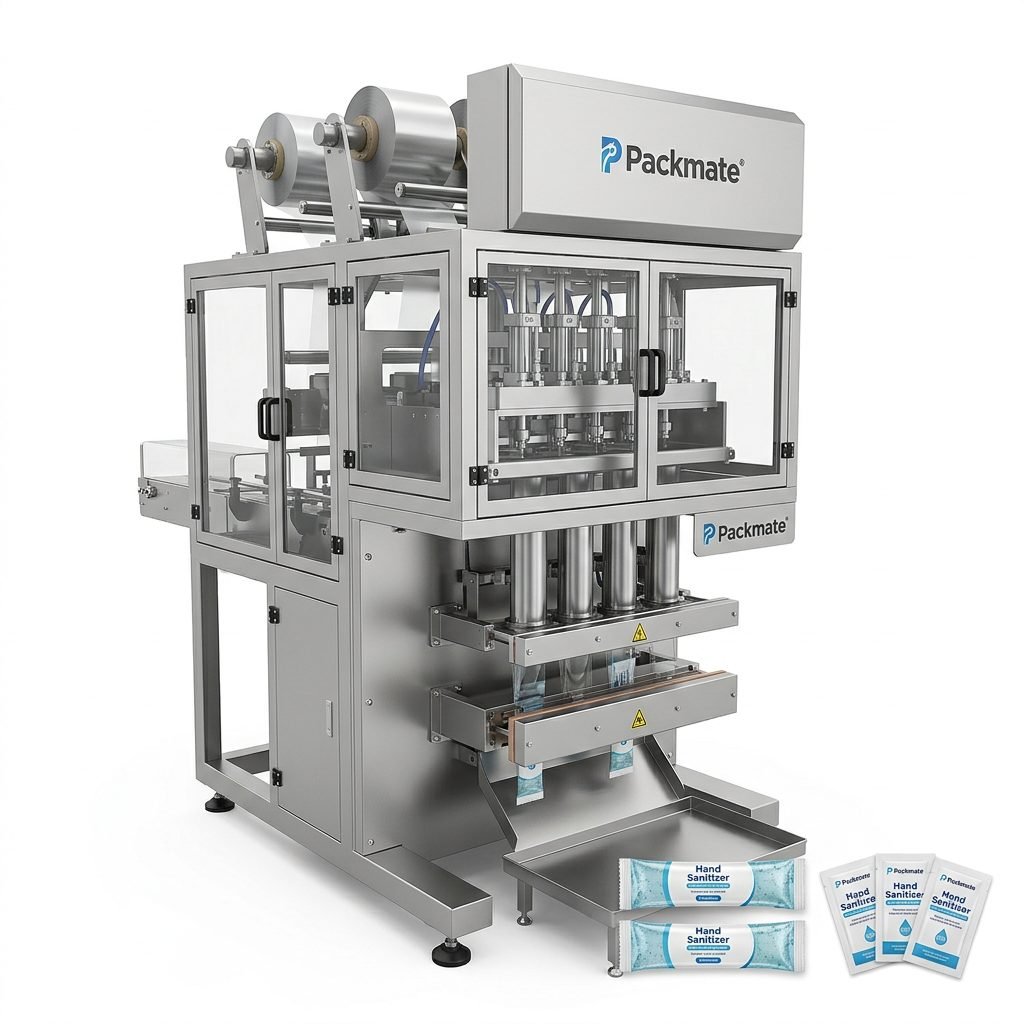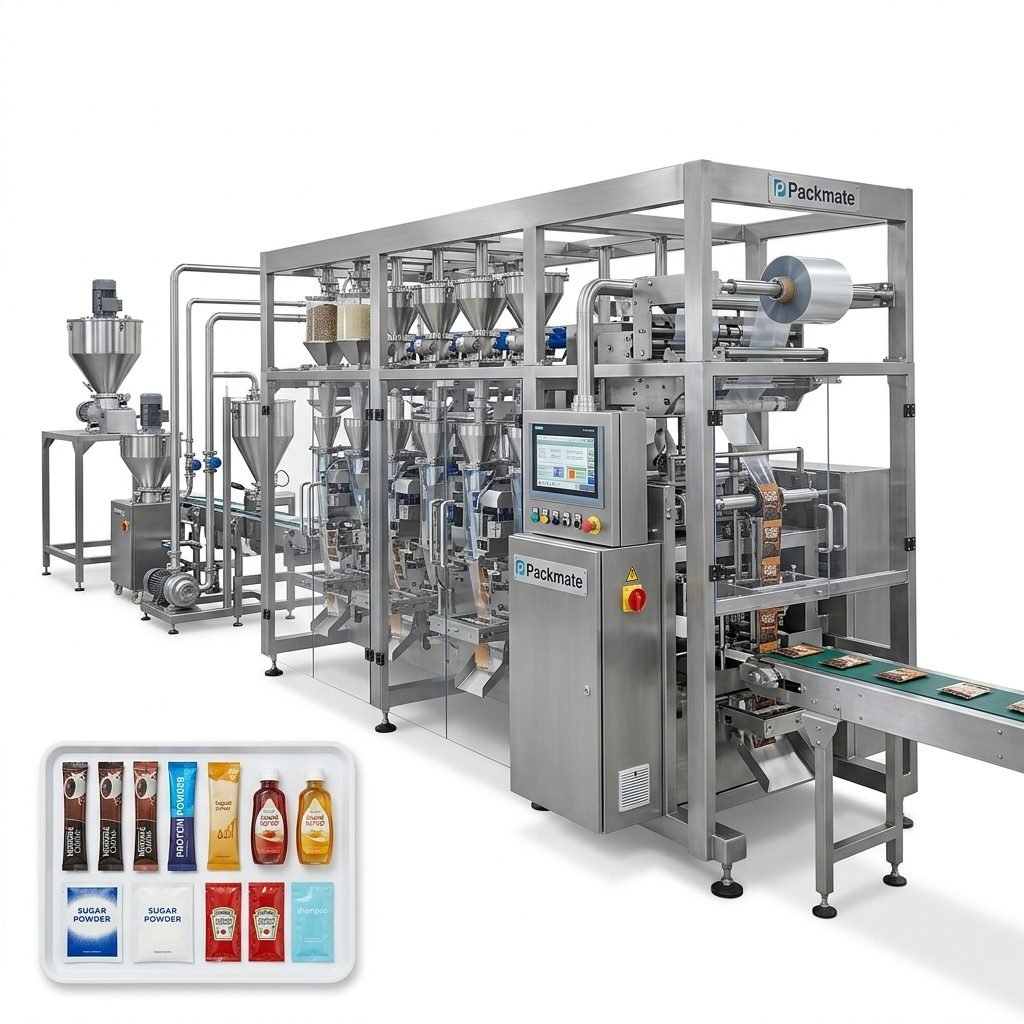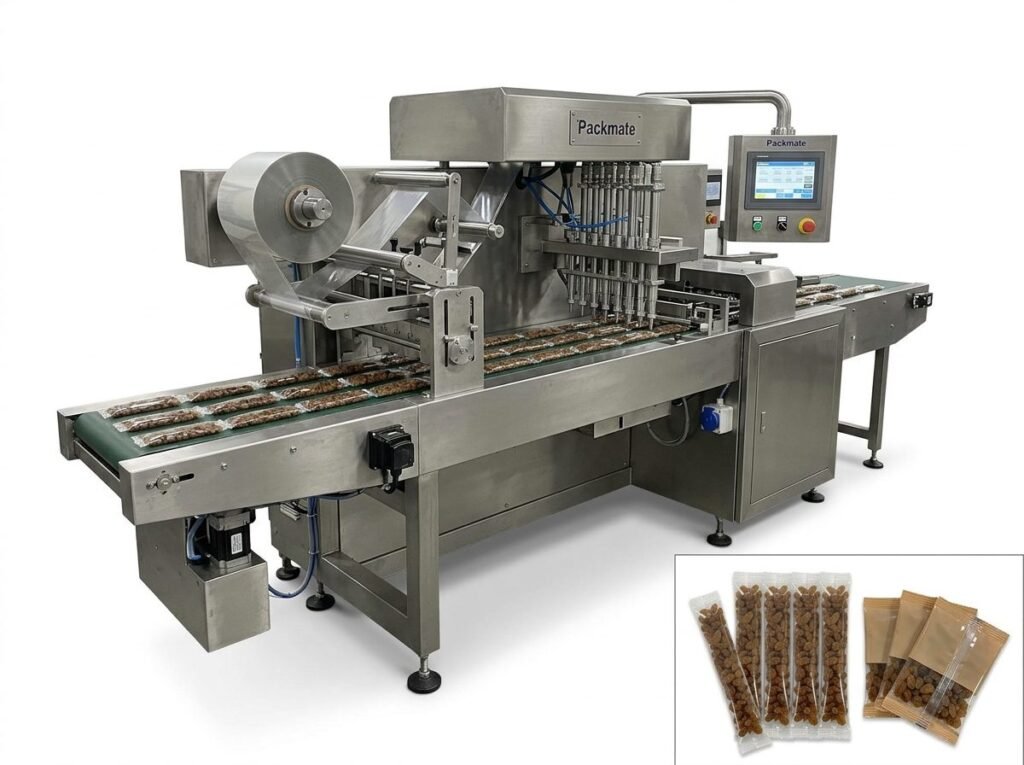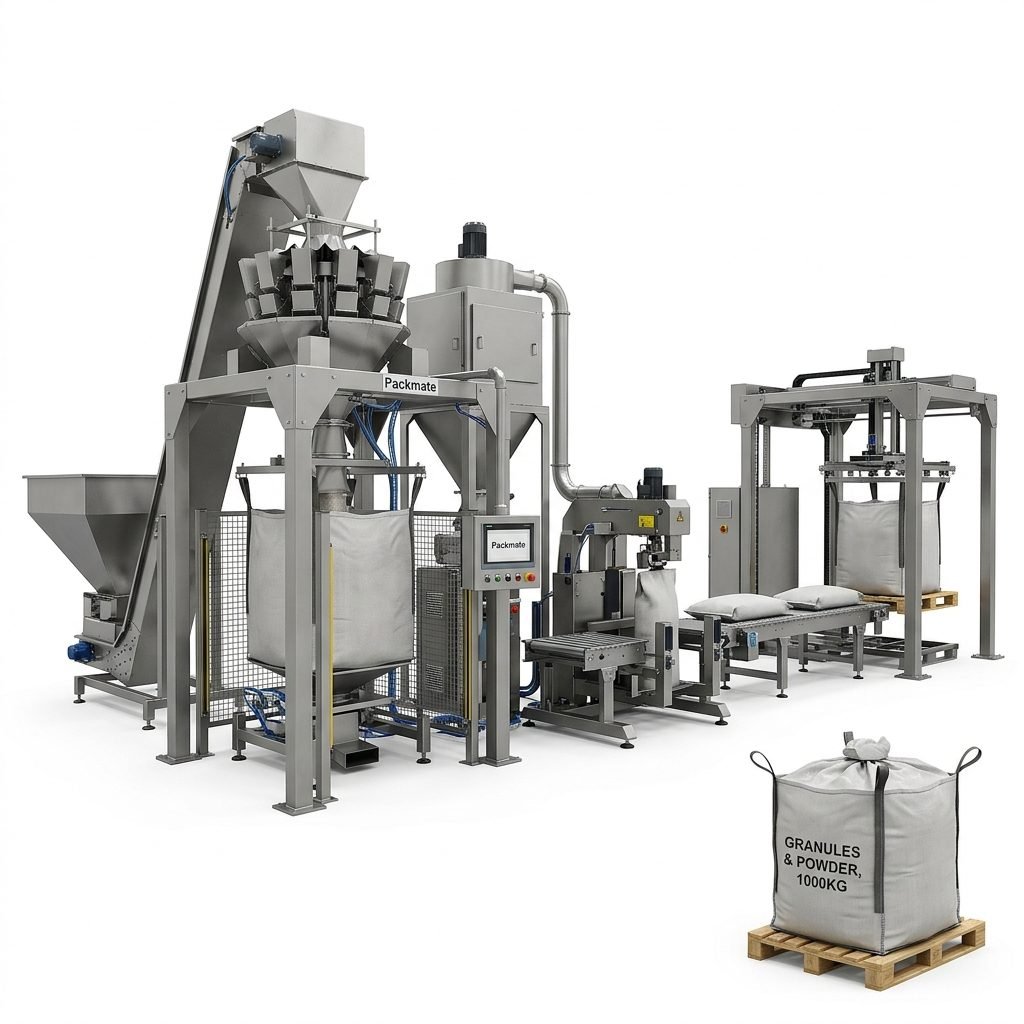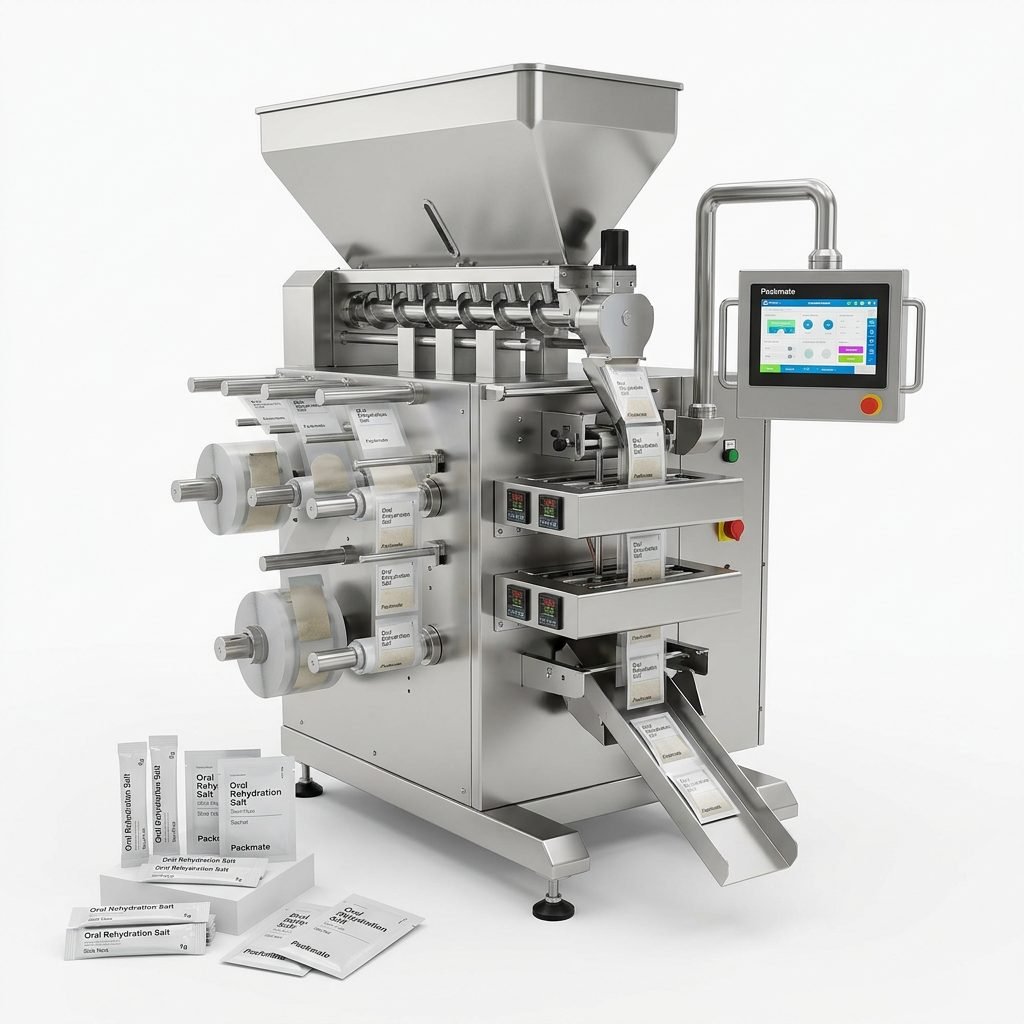
The beauty industry is a dynamic and fast-paced world where first impressions are everything. Beyond the formula itself, the packaging is a critical touchpoint for the consumer, conveying brand value, ensuring product integrity, and providing a satisfying user experience. For manufacturers, the challenge lies in producing this elegant, often complex packaging at scale, with unwavering consistency, speed, and hygiene. This is where a dedicated cosmetic packaging line becomes not just an asset but a strategic necessity. Moving beyond single machines to an integrated, turnkey system for automatic filling, sealing, and labeling unlocks new levels of efficiency, quality control, and market agility.
The Core of Cosmetic Excellence: Integrated Turnkey Systems
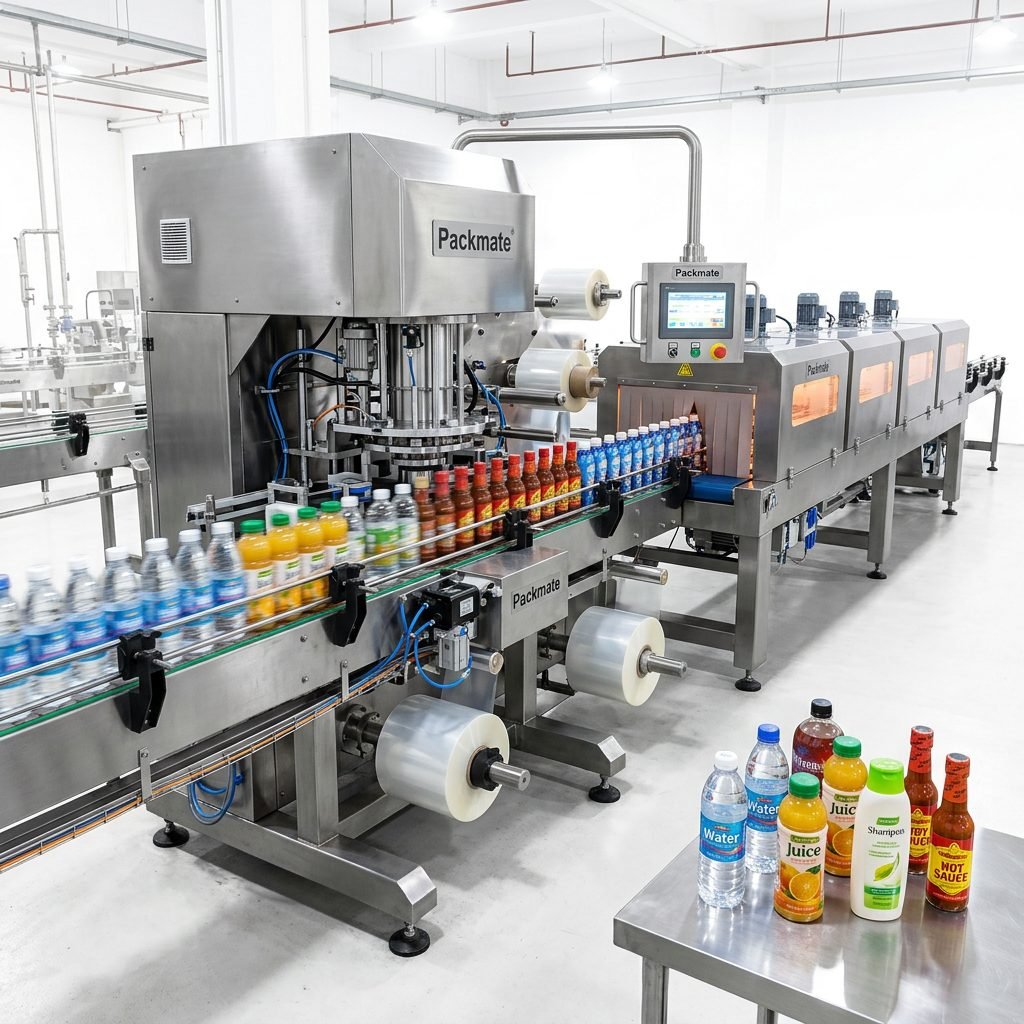
A turnkey system represents the pinnacle of packaging automation. It is a fully integrated production line where each component—from bottle unscrambling and cleaning to filling, capping, sealing, labeling, and final inspection—is designed to work in seamless harmony. For beauty brands, this holistic approach offered by experts like Packmate (GuangDong) Co., Ltd. translates to several key advantages that address the unique demands of cosmetics, skincare, and perfume production.
Why a Turnkey Line is Indispensable for Beauty Products
➤ Unmatched Consistency & Quality: Human handling is minimized, drastically reducing the risk of contamination, fill weight variation, or labeling errors. Every lipstick tube, serum bottle, or cream jar receives identical treatment, ensuring the premium quality your brand promises.
➤ Exceptional Operational Efficiency: By synchronizing all processes, bottlenecks are eliminated. Production speeds can increase dramatically, allowing you to meet high-volume orders and seasonal surges without compromising on standards.
➤ Enhanced Flexibility & Scalability: Modern lines are designed with changeover in mind. Quick-adjust mechanisms and programmable logic controllers (PLCs) allow for efficient switching between different product SKUs, bottle shapes, or label designs, perfect for brands with diverse portfolios.
➤ Significant Long-Term Cost Savings: While the initial investment is substantial, the reduction in labor costs, material waste, and product rejects, combined with higher output, leads to a compelling return on investment and a stronger bottom line.
Deconstructing the Automated Beauty Line: Key Modules
Understanding the components of a turnkey cosmetic packaging line reveals the sophistication behind each finished product on the shelf. Each module plays a specialized role in the journey from empty container to retail-ready item.
1. Precision Filling Systems: The Heart of the Operation
Filling is arguably the most critical step, directly impacting product give-away and consumer perception. Cosmetic lines utilize advanced filling technologies tailored to product viscosity:
- Piston Fillers: Ideal for creams, lotions, gels, and thicker formulations. They offer superb accuracy for volumetric filling, handling products with particulates gracefully.
- Peristaltic Pump Fillers: Excellent for sterile, shear-sensitive products like serums and certain liquids. The product only contacts the disposable tubing, preventing cross-contamination.
- Gravity & Vacuum Fillers: Suited for free-flowing liquids such as toners, micellar waters, and perfumes. They are fast and efficient for low to medium-viscosity products.
Modern fillers are equipped with touch-screen controls for easy recipe management and in-line checkweighers to ensure every package meets exact specifications, a non-negotiable for luxury brands.
2. Sealing & Capping: Ensuring Integrity and Freshness
Once filled, the container must be securely sealed to prevent leakage, evaporation, and contamination. This stage often involves multiple processes:
- Automatic Cappers: Apply screw caps, flip-tops, dropper assemblies, or pumps with precise torque control. Consistent torque is vital for both consumer experience and preventing leaks during transport.
- Induction Sealing: For bottles with a foil liner under the cap, an induction sealer creates a hermetic, tamper-evident seal. This is crucial for preserving the efficacy of active ingredients in skincare and preventing tampering.
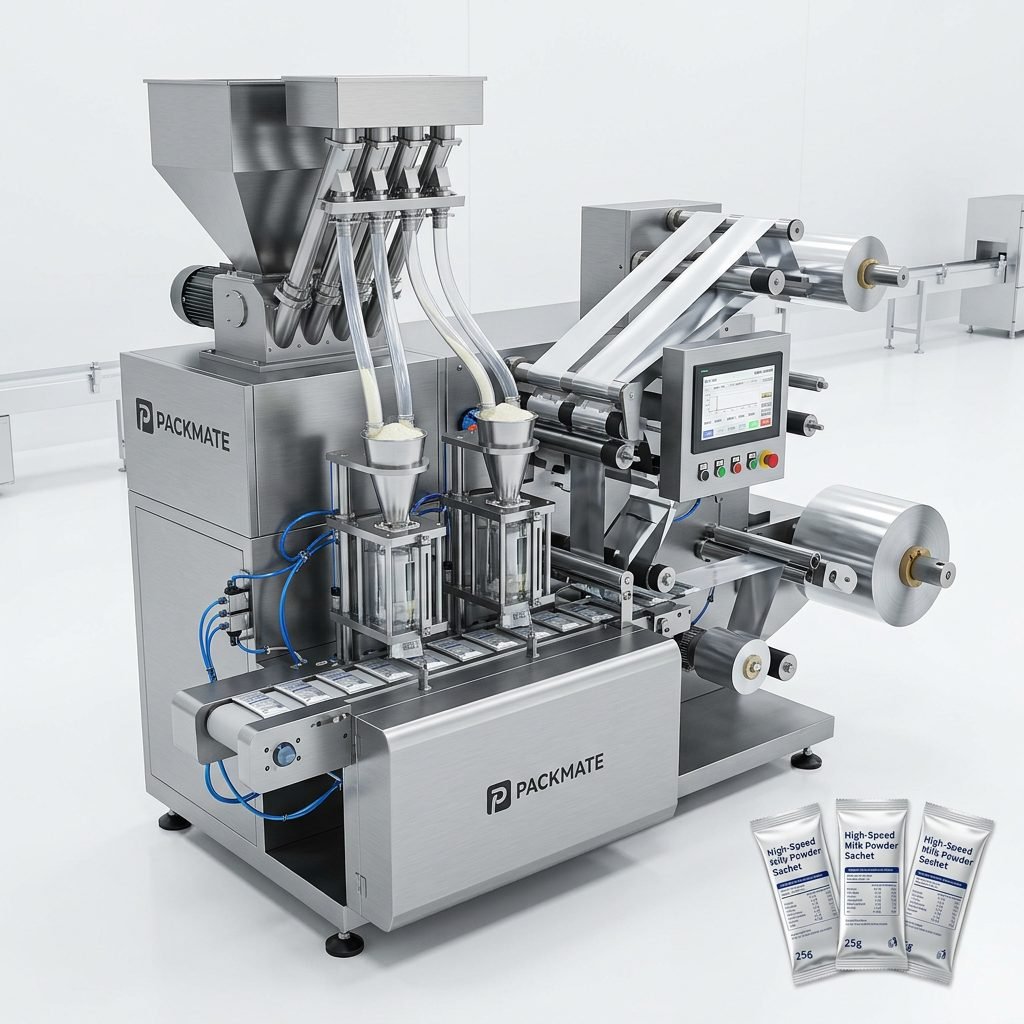
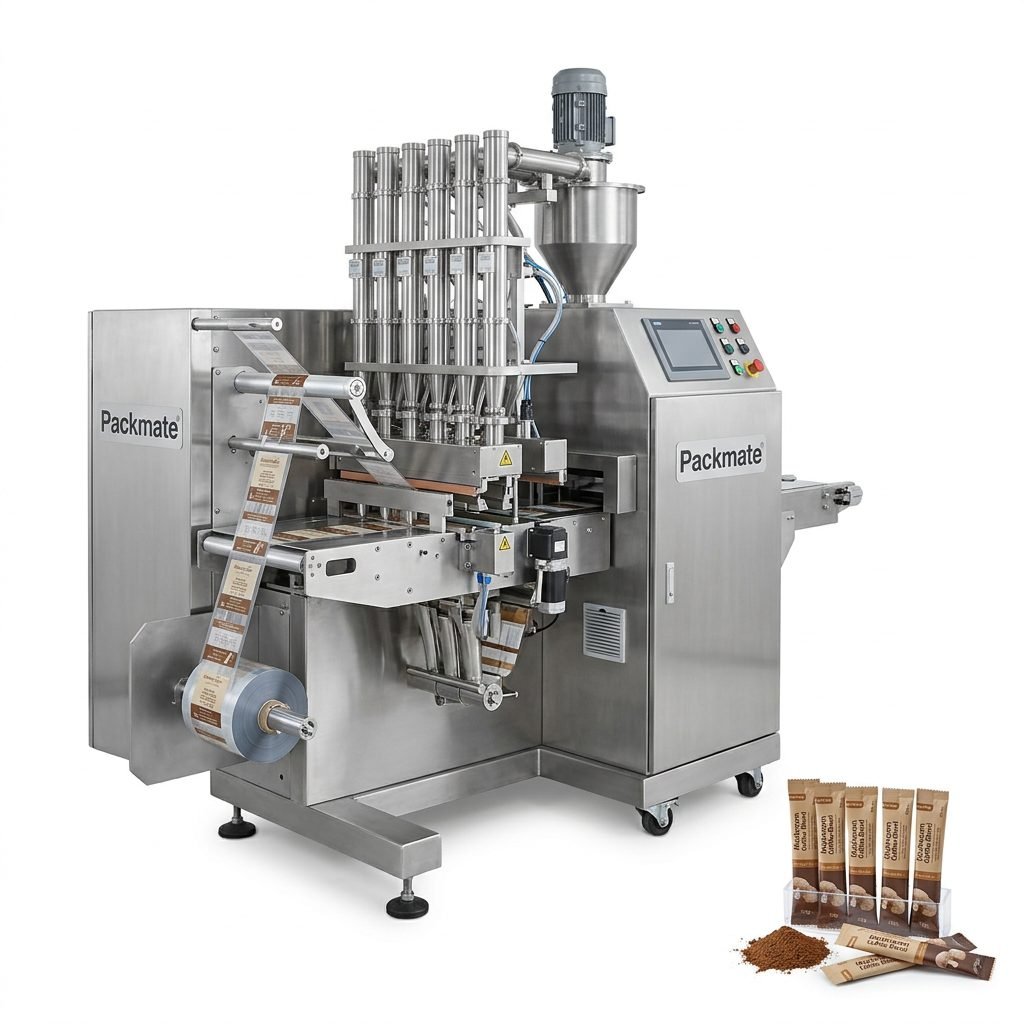
- Heat Sealing: Used for tubes or sachets, this process creates a clean, durable seal along the product’s opening.
3. Labeling & Branding: The Final Touch of Elegance
The labeling station is where the product gains its identity. High-end cosmetics demand flawless application. Options include:
- Wrap-Around Labelers: Apply labels seamlessly to cylindrical bottles or tubes.
- Front & Back/Two-Side Labelers: Precisely apply labels on multiple faces of a product with perfect registration.
- Hot Stamp Coders & Inkjet Printers: Integrate batch codes, expiry dates, or lot numbers directly onto the container or label for traceability.
Vision inspection systems are frequently integrated here to verify label presence, position, and correctness, rejecting any non-conforming units automatically. For a deeper look at how these systems are implemented, explore our dedicated packaging solutions.
Choosing Your Partner: Beyond the Machinery
Selecting a supplier for a turnkey cosmetic packaging line is a long-term strategic decision. The right partner brings more than just hardware; they bring expertise, support, and a commitment to your success.
Key Selection Criteria for Your Packaging Partner
Industry-Specific Experience: Look for a provider with a proven track record in cosmetics. They should understand the nuances of handling diverse formulas, delicate containers, and the industry’s high aesthetic standards.
Comprehensive Service Portfolio: The offering should include in-depth consultation, custom line design, factory acceptance testing (FAT), installation, commissioning, and thorough operator training. Reliable after-sales service and spare parts availability are critical for minimizing downtime.
Commitment to Innovation & Compliance: The partner should design lines that meet or exceed international safety and hygiene standards (e.g., GMP, FDA guidelines where applicable) and incorporate the latest automation and Industry 4.0 technologies for data collection and analysis.
Global Support Capability: If you operate internationally, ensure your partner can provide timely technical support and service wherever your production facilities are located.
With over 22+ years of company development and a 20,000㎡ modern manufacturing facility, Packmate embodies these principles. Our journey from a focused workshop to a leading provider of intelligent packaging solutions is built on solving complex production challenges, much like those found in the beauty sector. You can see tangible examples of our engineering in action by reviewing our project case studies.
Future-Proofing Your Production: Trends in Cosmetic Packaging
The beauty industry is constantly evolving, and packaging lines must adapt. Forward-thinking manufacturers are integrating features to meet emerging demands:
- Sustainability: Lines are being adapted to handle post-consumer recycled (PCR) materials, refillable containers, and lighter-weight packaging without compromising line efficiency.
- Digitalization & IoT: Smart sensors and connected machinery allow for real-time monitoring of Overall Equipment Effectiveness (OEE), predictive maintenance alerts, and seamless data integration with Manufacturing Execution Systems (MES).
- Hyper-Personalization: For limited editions or bespoke products, lines with digital printing and flexible robotics enable small-batch, high-mix production runs economically.
Investing in a modular, smart line from the outset positions your brand to capitalize on these trends without the need for a complete overhaul down the line. For ongoing support and to understand our full range of services, our service page provides detailed information.
Conclusion
In the competitive landscape of beauty and personal care, excellence in packaging execution is a powerful differentiator. A turnkey automatic filling, sealing, and labeling system is the engine that drives this excellence, transforming operational challenges into competitive advantages. It ensures the precision, hygiene, and elegance that discerning consumers expect while delivering the scalability and efficiency that business leaders require. By partnering with an experienced and innovative provider, you secure more than machinery; you secure a foundation for brand growth, market responsiveness, and enduring quality.
Frequently Asked Questions (FAQs)
1. What is the typical lead time for a custom turnkey cosmetic packaging line?
The lead time varies significantly based on the line’s complexity, level of customization, and current manufacturing schedule. A standard configuration might take 3-6 months from order to delivery, while a highly customized solution can take 6-12 months. This includes design, manufacturing, factory testing, and preparation for shipment. A detailed project timeline is always provided during the quotation process.
2. Can one packaging line handle different product types (e.g., creams, liquids, serums)?
Yes, modern lines are designed for flexibility. Key to this is the filling system; some lines can be equipped with interchangeable filling heads (e.g., piston for creams, peristaltic for serums) or a multi-purpose filler. Quick-change parts for capping heads and labelers, along with programmable recipes in the PLC, allow for efficient changeovers between different product families within a similar container size range.
3. How do you ensure the packaging line meets hygiene standards for cosmetics?
Cosmetic-grade lines are constructed with materials like 304 or 316L stainless steel for product-contact surfaces, which are smooth, non-porous, and easy to clean. Design prioritizes cleanability with minimal ledges or dead spaces. Systems can include CIP (Clean-in-Place) capabilities for fillers, and the overall layout prevents cross-contamination. The design adheres to principles similar to GMP (Good Manufacturing Practice).
4. What kind of training and after-sales support is provided?
A comprehensive support package is crucial. Reputable suppliers provide extensive training for your engineers and operators at their factory (FAT) and again during commissioning at your site. This covers operation, maintenance, troubleshooting, and changeover procedures. After-sales support typically includes a warranty period, access to technical documentation and spare parts, and remote/on-site technical assistance. For more details, please visit our dedicated FAQs page.
5. What are the key factors in calculating the Return on Investment (ROI) for such a line?
ROI calculation should consider both tangible and intangible factors. Tangible savings include increased output speed, reduced labor costs (fewer operators per unit produced), lower product giveaway from precise filling, and decreased rejection rates. Intangible benefits include improved brand consistency, enhanced ability to meet large/urgent orders, greater flexibility for new product launches, and strengthened compliance and traceability. A detailed ROI analysis is part of a professional supplier’s proposal.