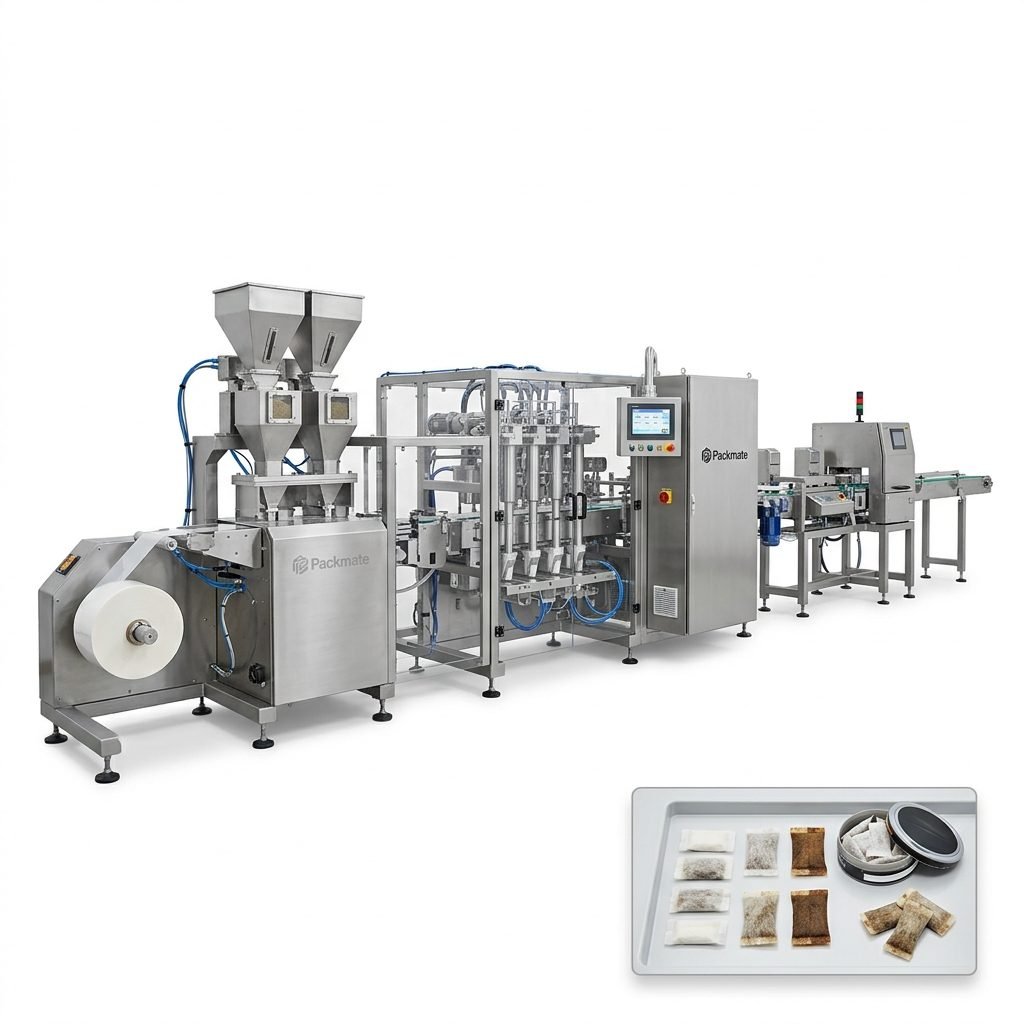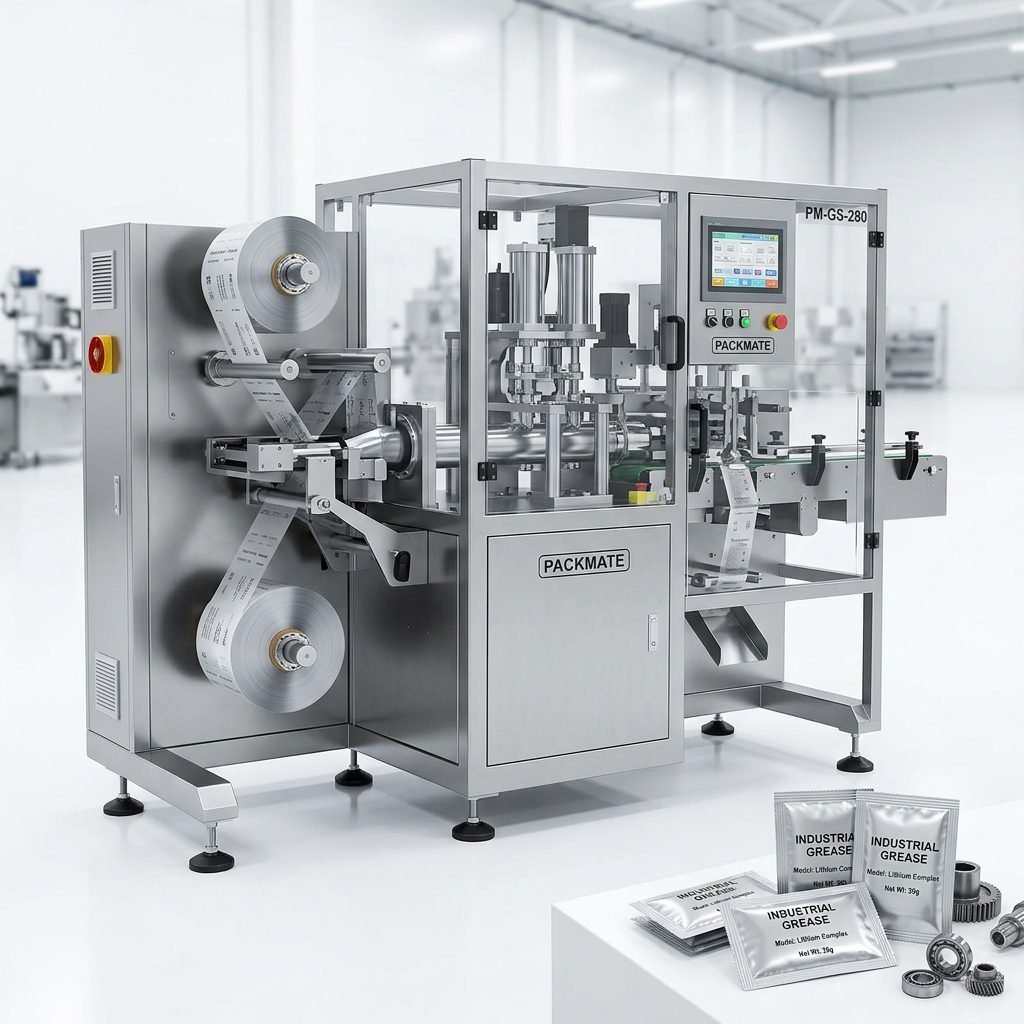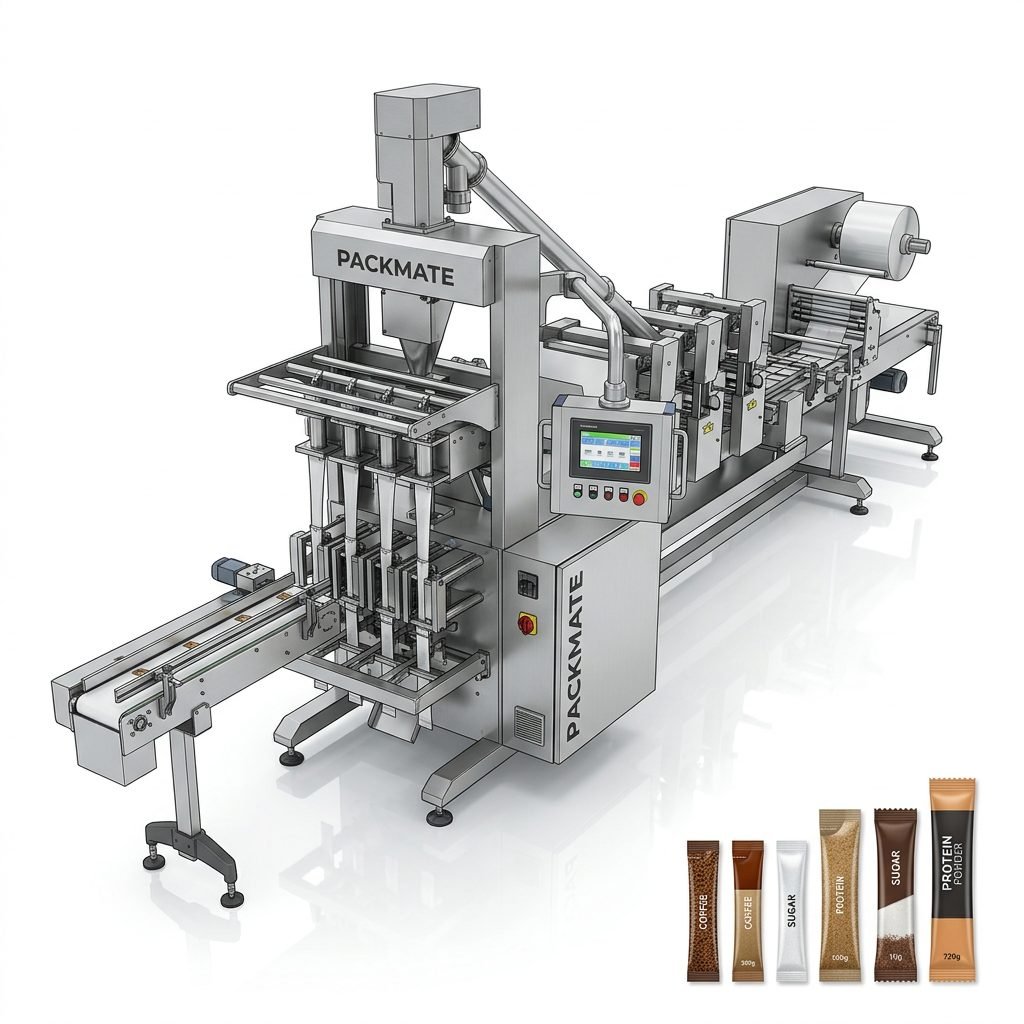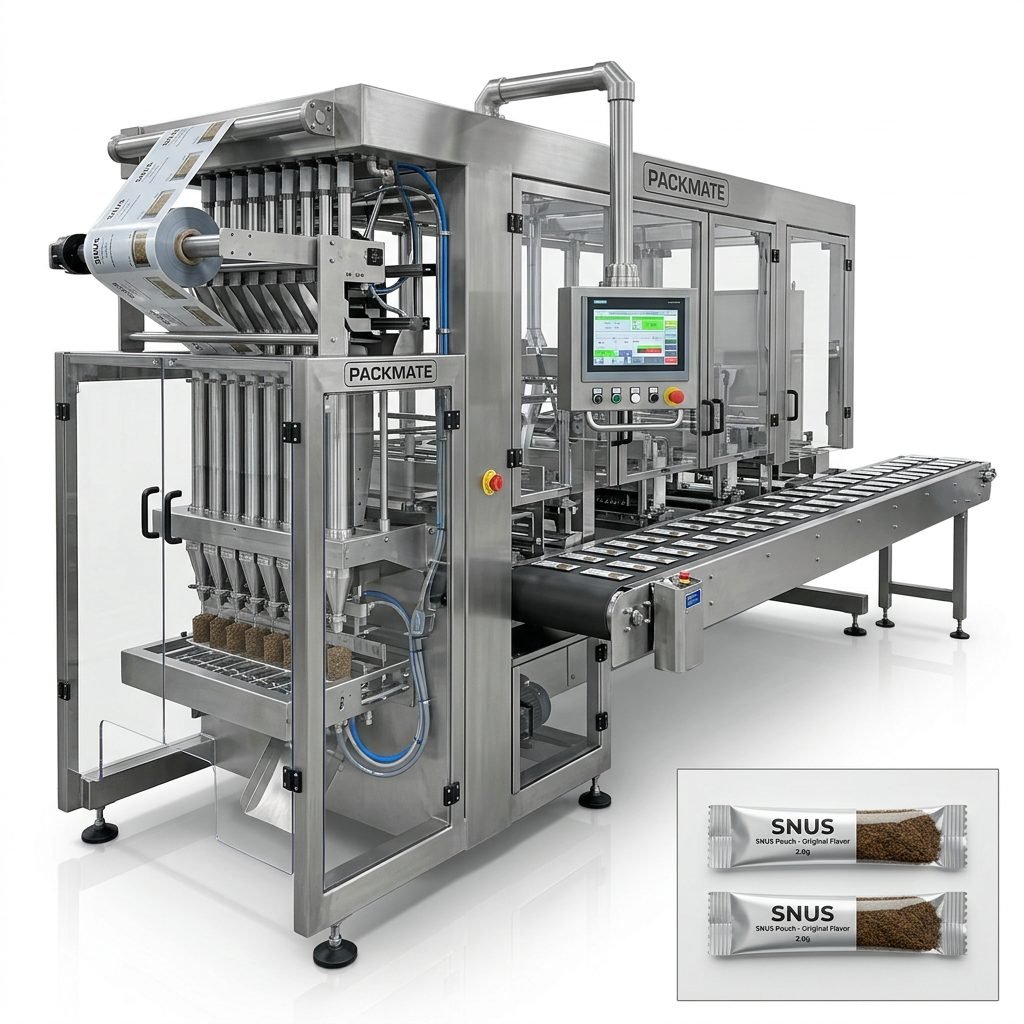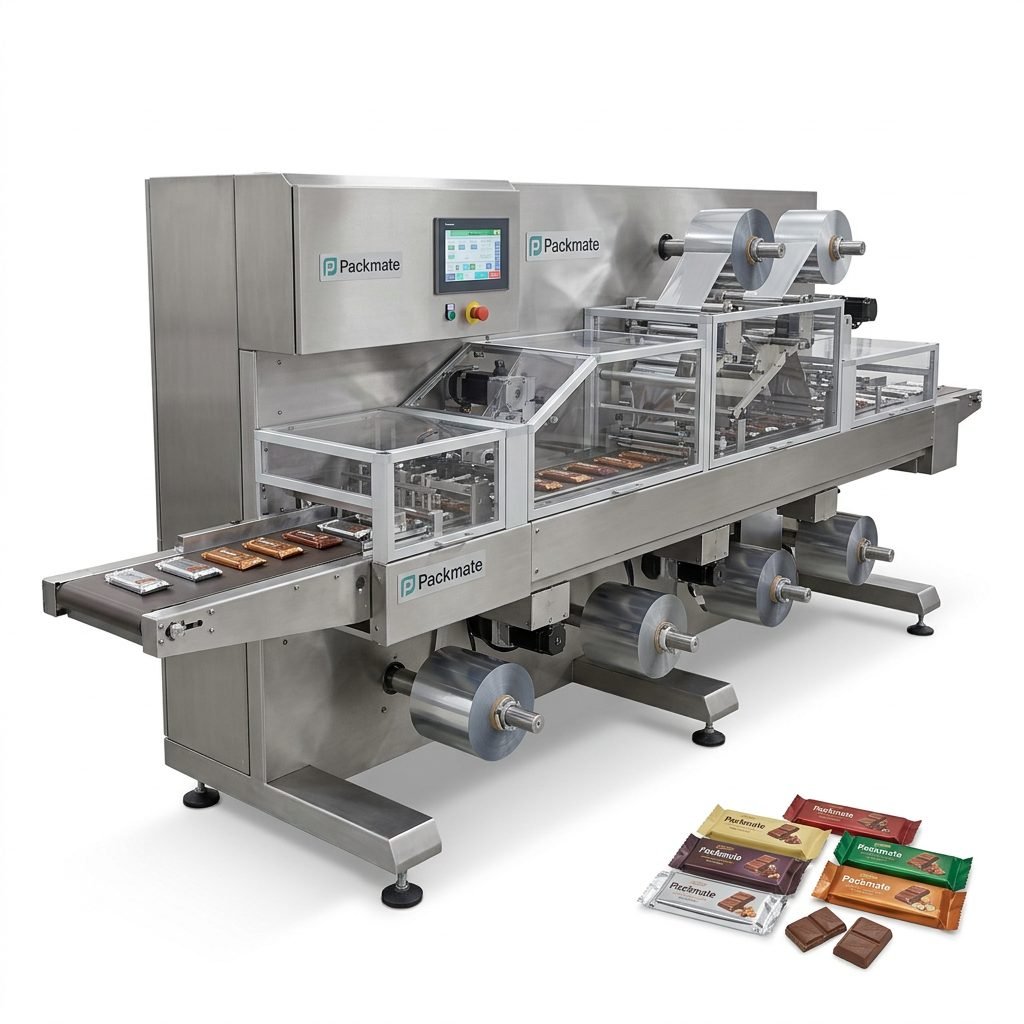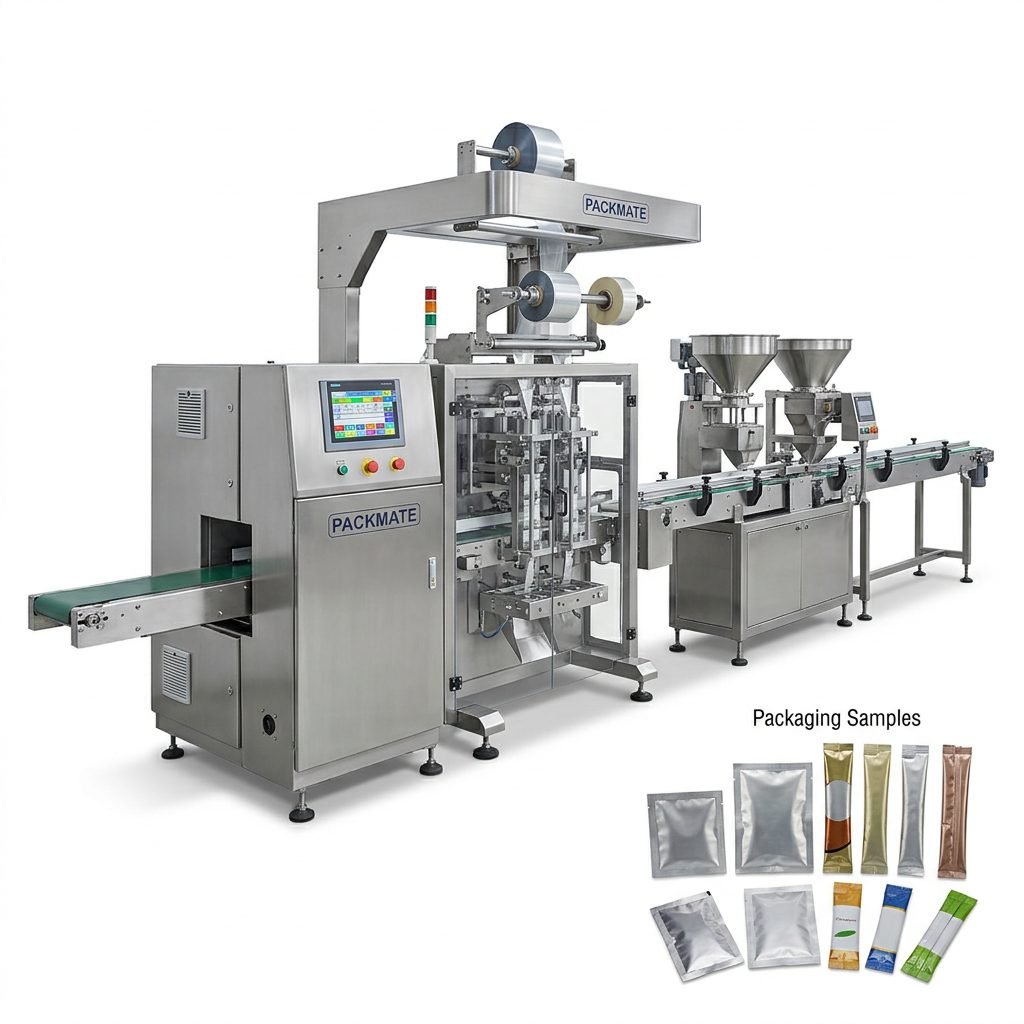
Designing a packaging line is a critical strategic investment for manufacturers in the food, pharmaceutical, and health product sectors. A well-planned, efficient turnkey system is not just about placing machines in a row; it’s about creating a seamless, reliable, and scalable production ecosystem that safeguards product integrity, maximizes output, and ensures regulatory compliance. This process requires meticulous planning, a deep understanding of product characteristics, and foresight into future business needs.
The Foundation: Understanding Your Product and Goals
Every successful packaging line begins with a clear definition of requirements. This foundational phase dictates every subsequent decision.
Key Considerations at this Stage:
● Product Physical Properties: Is your product a granule, fine powder, viscous liquid, or tablet? Each type demands specific handling mechanisms (e.g., auger fillers for powders, piston fillers for liquids) to ensure accurate and consistent dosing.
● Hygiene and Contamination Control: Pharma and health products often require cleanroom compatibility or washdown-rated equipment (e.g., IP65 or higher). Food products may need specific sanitary design to prevent bacterial harborage.
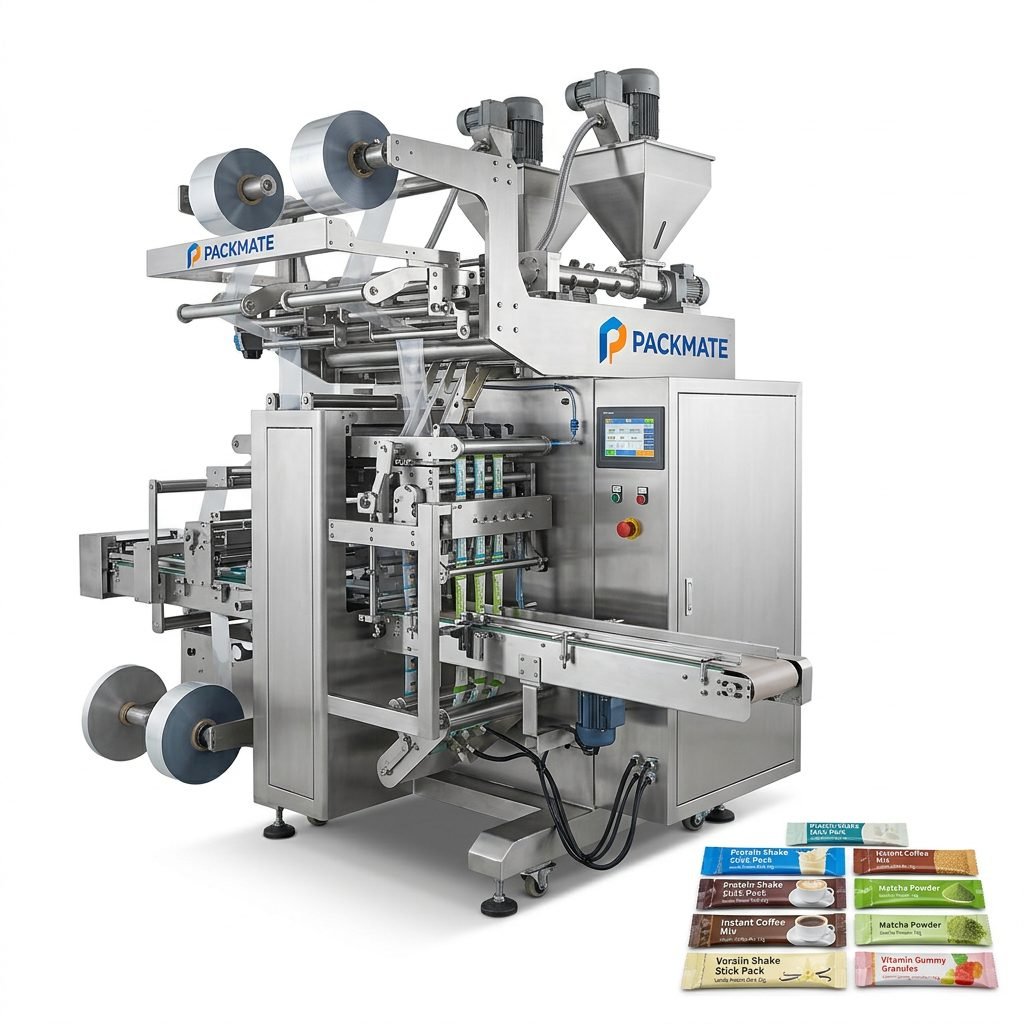
● Output Speed (Packages Per Minute): Define your current and projected future capacity. A multi-lane stick pack machine can dramatically increase output compared to a single lane.
● Packaging Materials: The choice of film (laminate structure, barrier properties), pouch style (stick pack, sachet, stand-up pouch), and labeling must align with product protection needs and shelf-life goals.
Phases of a Turnkey Packaging Line Design Project
A turnkey approach, where a single provider like Packmate handles everything from design to commissioning, simplifies this complex process. It typically follows these phases:
1. Concept and Feasibility Study
Engineers analyze your product samples and requirements to propose a high-level system layout, recommended machine types, and a preliminary budget. This stage often includes a lab test to verify the packaging process on a small scale.
2. Detailed Engineering Design
This is where the virtual line is built. It involves creating detailed layout drawings (CAD), specifying every component (conveyors, fillers, sealers, coders, checkweighers), and planning utilities (power, compressed air, dust extraction). The goal is to optimize floor space and material flow.
3. Manufacturing and Factory Acceptance Test (FAT)
Components are manufactured and assembled. Before shipment, the complete line is run at the supplier’s facility for a FAT. You witness the line in operation, verifying speed, accuracy, and functionality against the agreed specifications. This minimizes risk and surprises during installation at your site.
4. Installation, Qualification, and Training
The line is installed in your facility by experienced technicians. For regulated industries, this phase includes Installation Qualification (IQ) and Operational Qualification (OQ) protocols. Crucially, comprehensive operator and maintenance training is provided to ensure your team can run and care for the system effectively.
Core Components of an Efficient Packaging System
An integrated line is more than the sum of its parts. Here are the core modules that must work in harmony.
Product Handling & Feeding
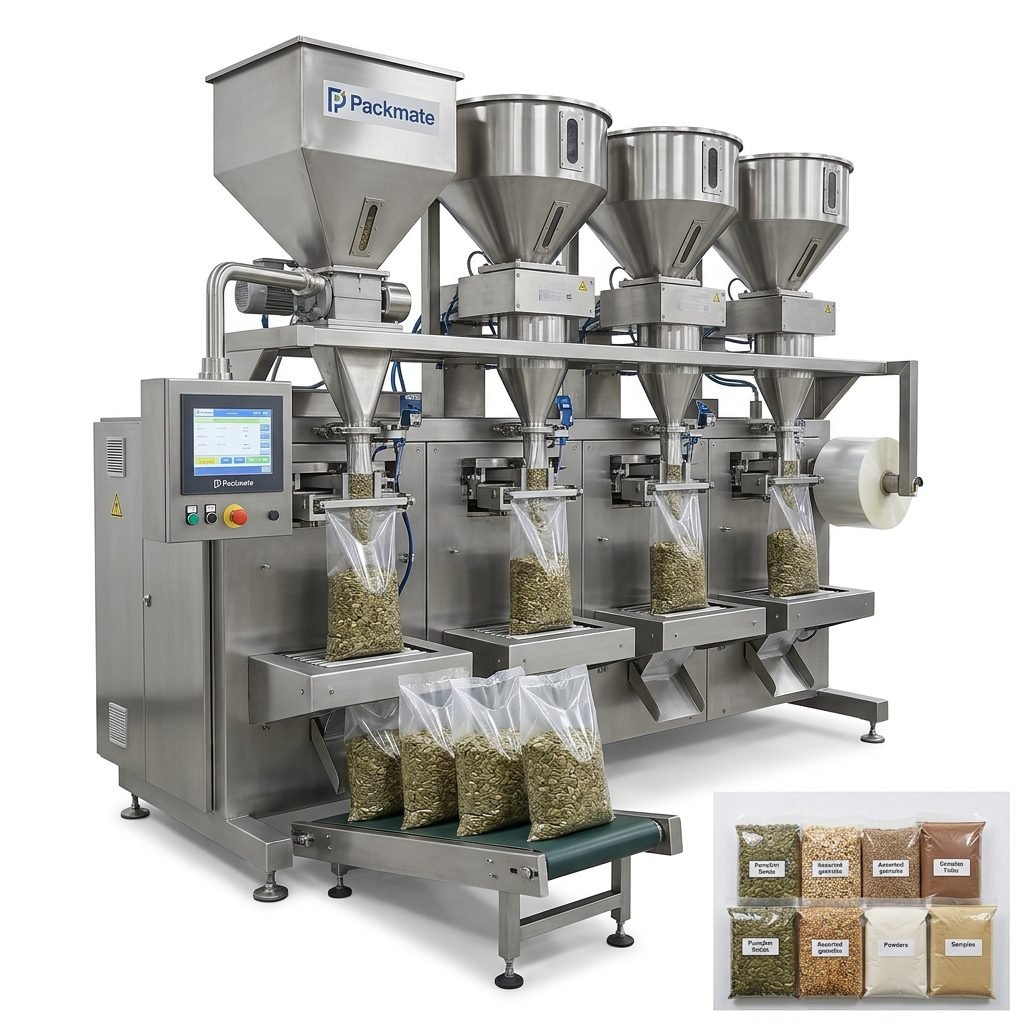
This includes bulk supply systems, hoppers, feeders, and elevators designed to gently and consistently deliver product to the packaging machine without degradation or segregation.
Form-Fill-Seal (FFS) Machine
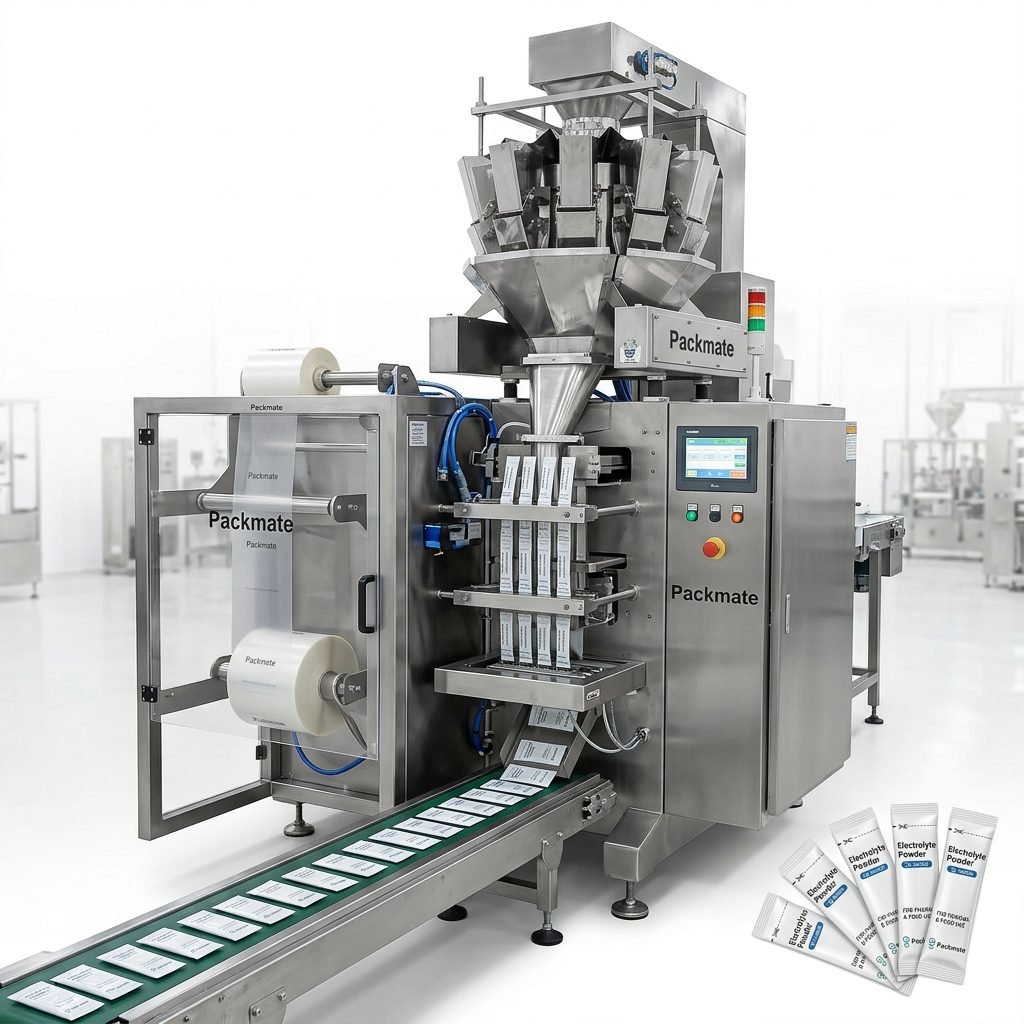
The heart of the line. It forms the pouch from a roll of film, fills it with a precise dose of product, and seals it. Choices include vertical FFS for stick packs/sachets or horizontal FFS for larger bags. Modern machines offer quick changeover features for different pouch sizes.
Inspection and Quality Control
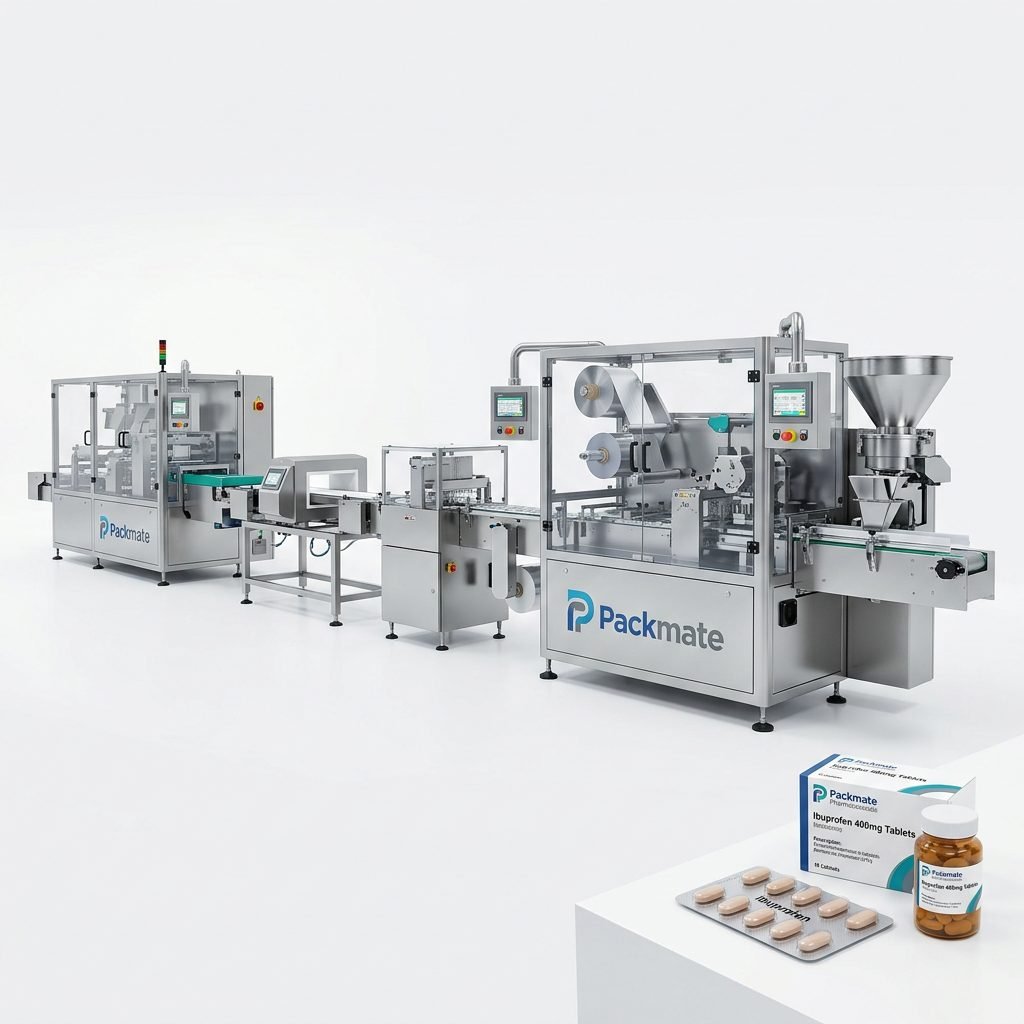
Critical for compliance and brand protection. Integrated systems may include checkweighers to reject under/overweight packs, metal detectors, vision systems to verify print/date codes, and leak detectors for liquid products.
Secondary Packaging & End-of-Line
This encompasses cartoning, case packing, palletizing, and labeling. Automation here reduces labor and improves handling efficiency. The line should be designed with a clear path from primary pack to shipping pallet.
Special Considerations by Industry
Food Industry
Efficiency and hygiene are paramount. Lines must be easy to clean, often requiring stainless steel construction and CIP (Clean-in-Place) systems. Flexibility to handle different recipes or portion sizes is a key advantage in fast-moving consumer goods.
Pharmaceutical & Health Products
Here, validation and traceability are non-negotiable. Equipment must support data integrity principles (e.g., audit trails), and the design must prevent cross-contamination. Integrity of the seal is critical for sterility or moisture protection. Partnering with a provider experienced in GMP-compliant solutions is essential.
Planning for the Future: Scalability and Flexibility
A smart design incorporates room for growth. Consider modular designs that allow you to add lanes or speeds later. Standardizing on control platforms (e.g., PLCs with unified HMI) simplifies future integration and maintenance. Planning for quick changeovers enables smaller batch production and responsiveness to market trends.
Investing in a well-designed turnkey line from a proven partner like Packmate, with their 22+ years of experience and 20,000㎡ modern facility, pays long-term dividends in operational reliability, product quality, and total cost of ownership. It transforms packaging from a necessary cost center into a strategic asset for your brand.
Frequently Asked Questions (FAQs)
1. What is the main advantage of a turnkey packaging solution over buying individual machines?
A turnkey solution provides a single point of responsibility for the entire system’s design, integration, performance, and after-sales support. This ensures all components are compatible, reduces project management overhead, and guarantees the line will work as a unified whole, delivering the promised efficiency and output.
2. How long does it typically take from design to operational packaging line?
The timeline varies based on complexity and customization. A standard line might take 4-6 months from order to installation, while a highly complex, validated pharmaceutical line could take 9-12 months or more. The detailed project plan from your supplier will outline all key milestones.
3. Can an existing packaging line be upgraded or integrated into a new turnkey system?
Absolutely. A reputable provider can audit your existing equipment and design a system that integrates and upgrades key modules. This can be a cost-effective way to enhance capacity, add automation, or improve quality control without starting from scratch.
4. What kind of support and training can we expect after installation?
Comprehensive support is crucial. This should include detailed operation and maintenance manuals, on-site training for your operators and technicians, remote support capabilities, and access to a reliable supply of spare parts. For example, you can explore the comprehensive support services offered here.
5. How do we ensure the line meets our specific regulatory requirements (e.g., FDA, GMP)?
Choose a supplier with proven experience in your industry. They should design with regulatory standards in mind, provide necessary documentation (e.g., machine design dossiers, material certificates), and support your validation process with protocols and reports for IQ/OQ. Reviewing a supplier’s certifications and compliance records is a key step in selection.