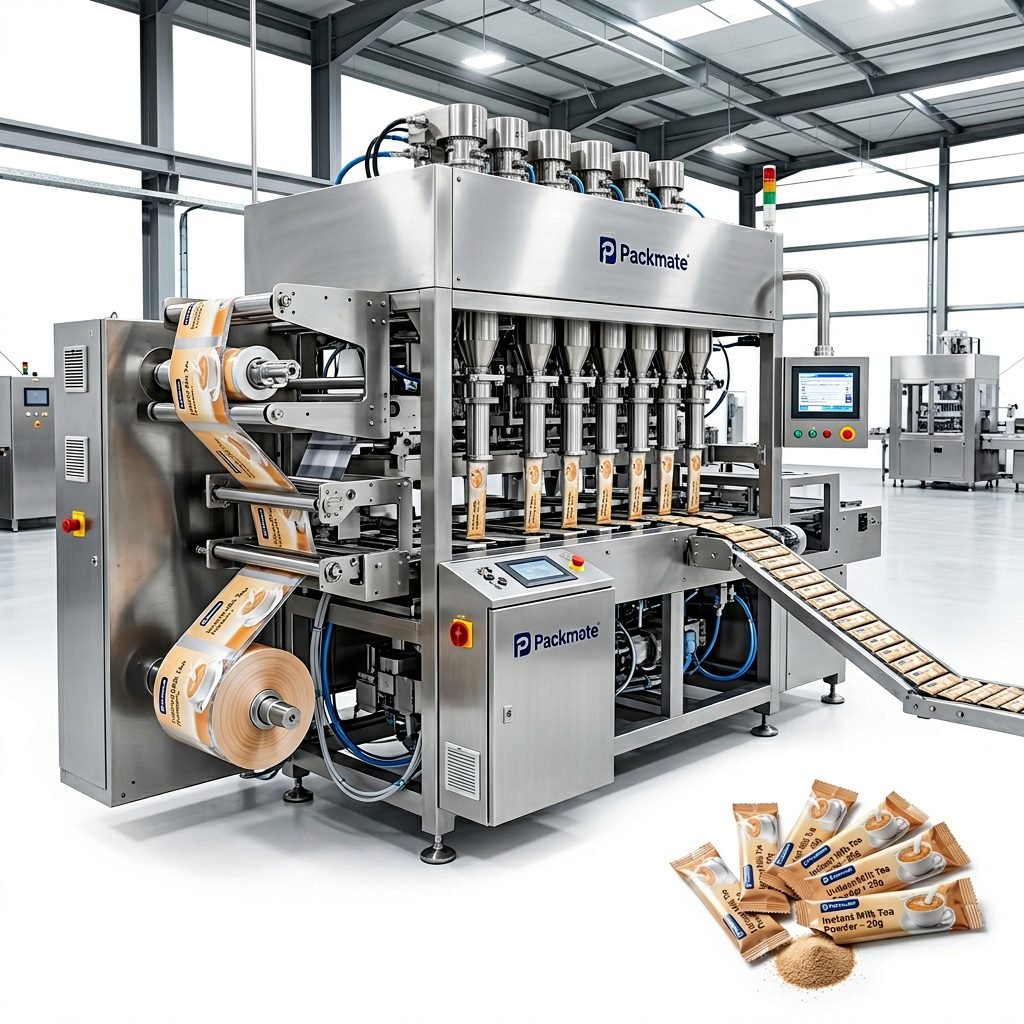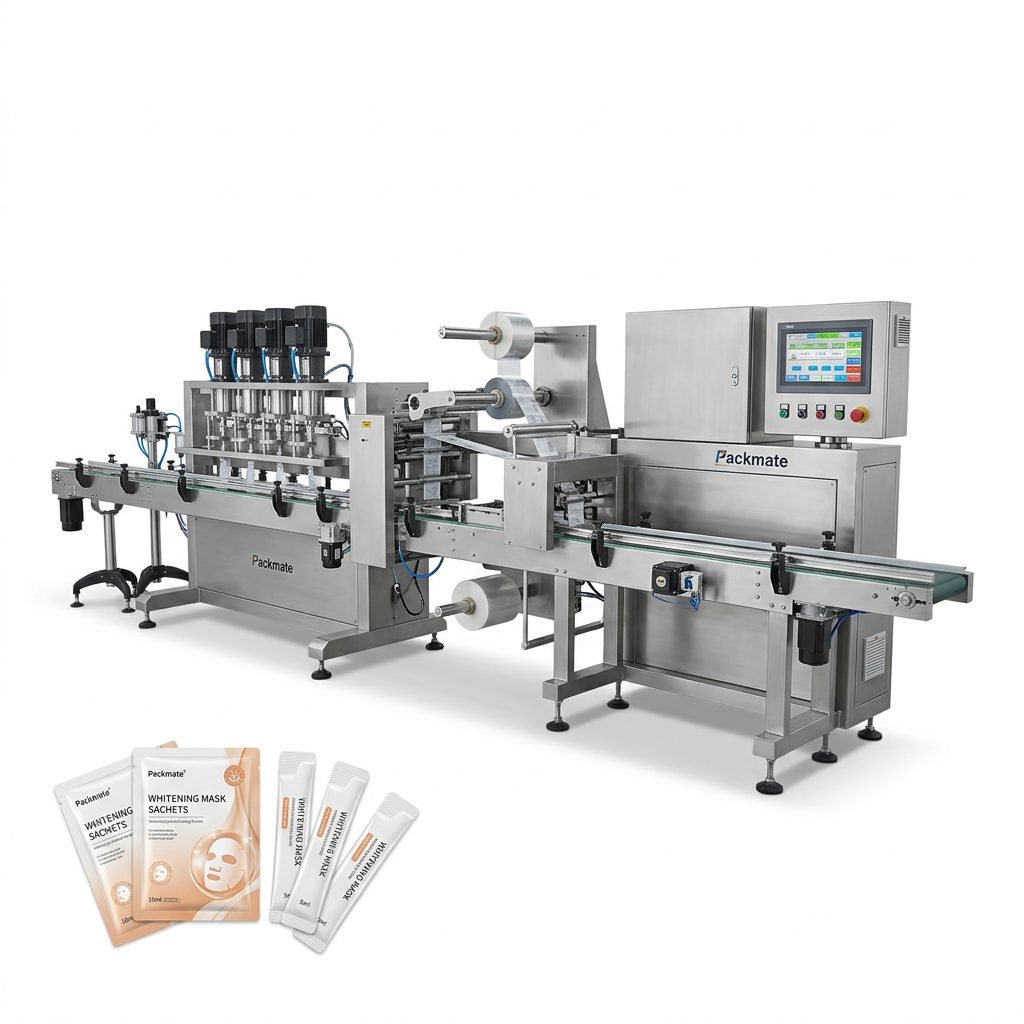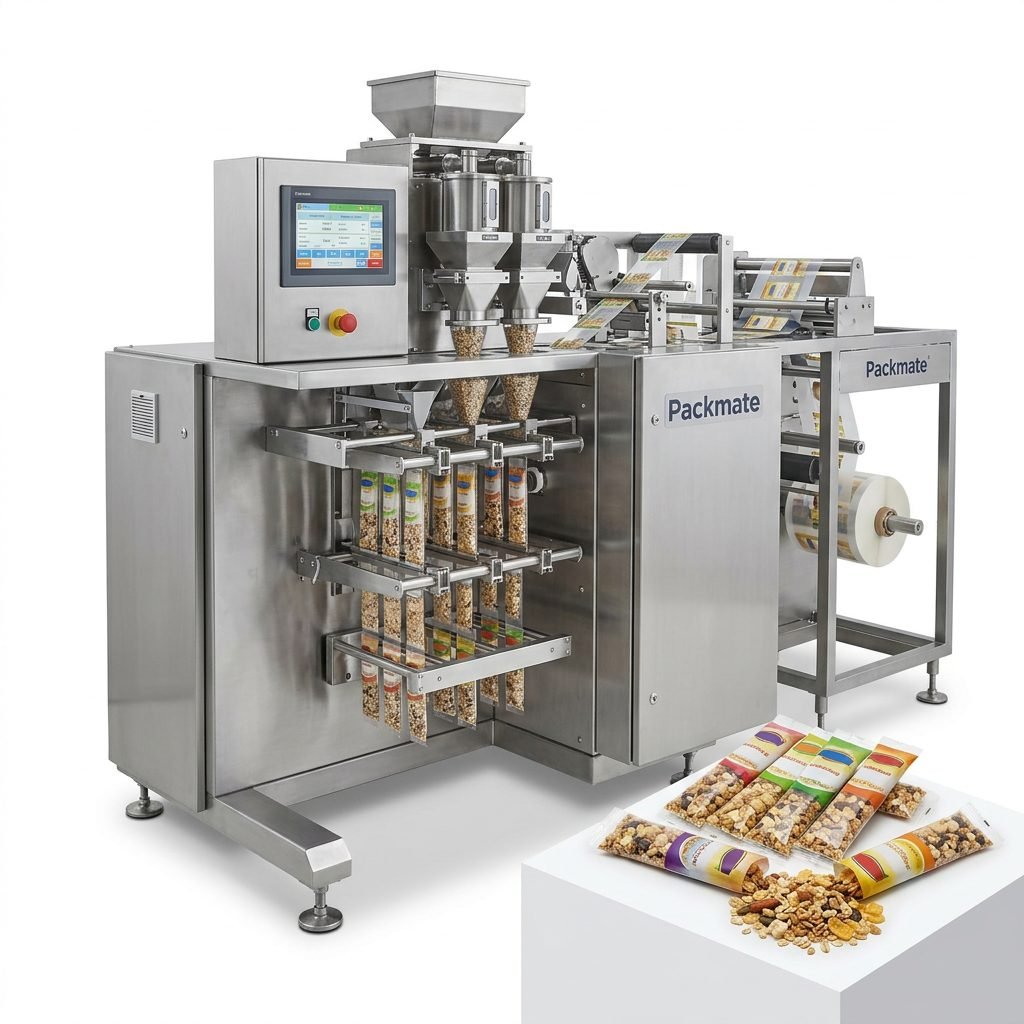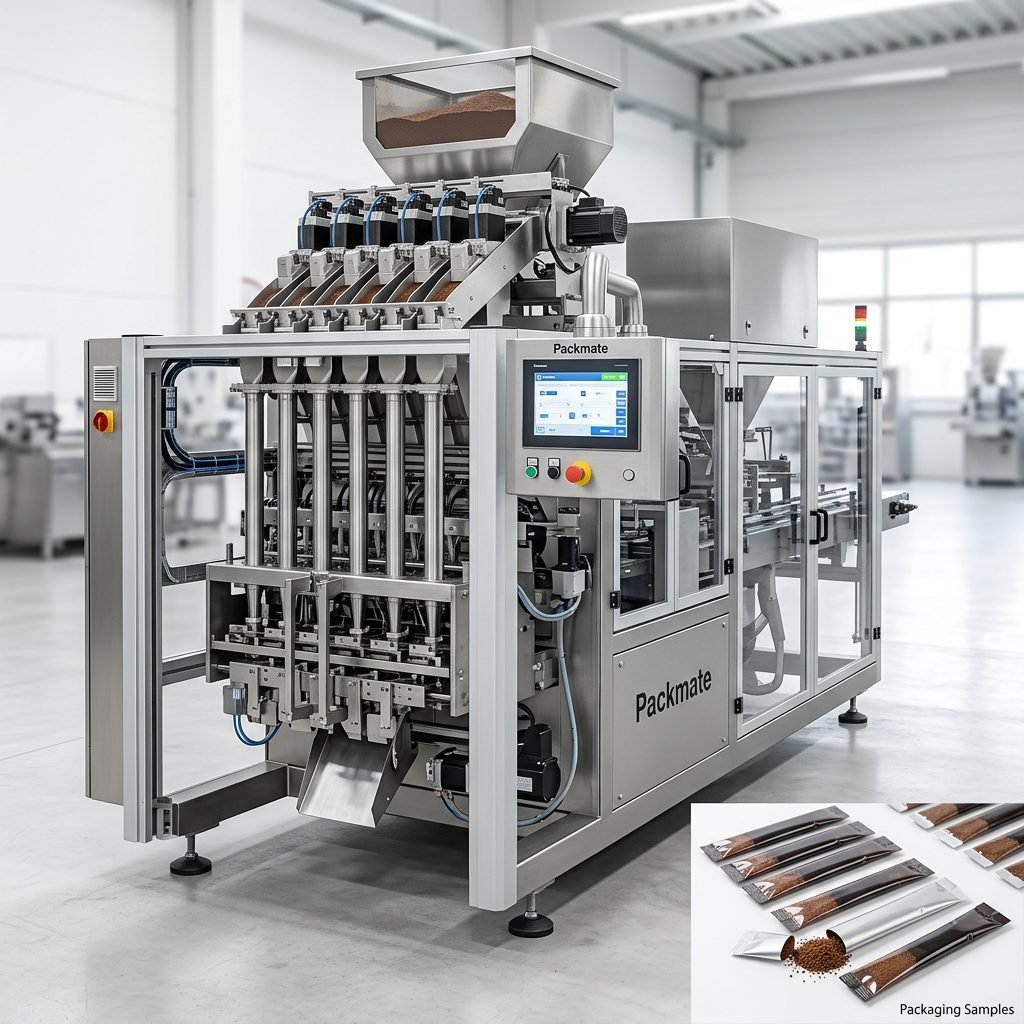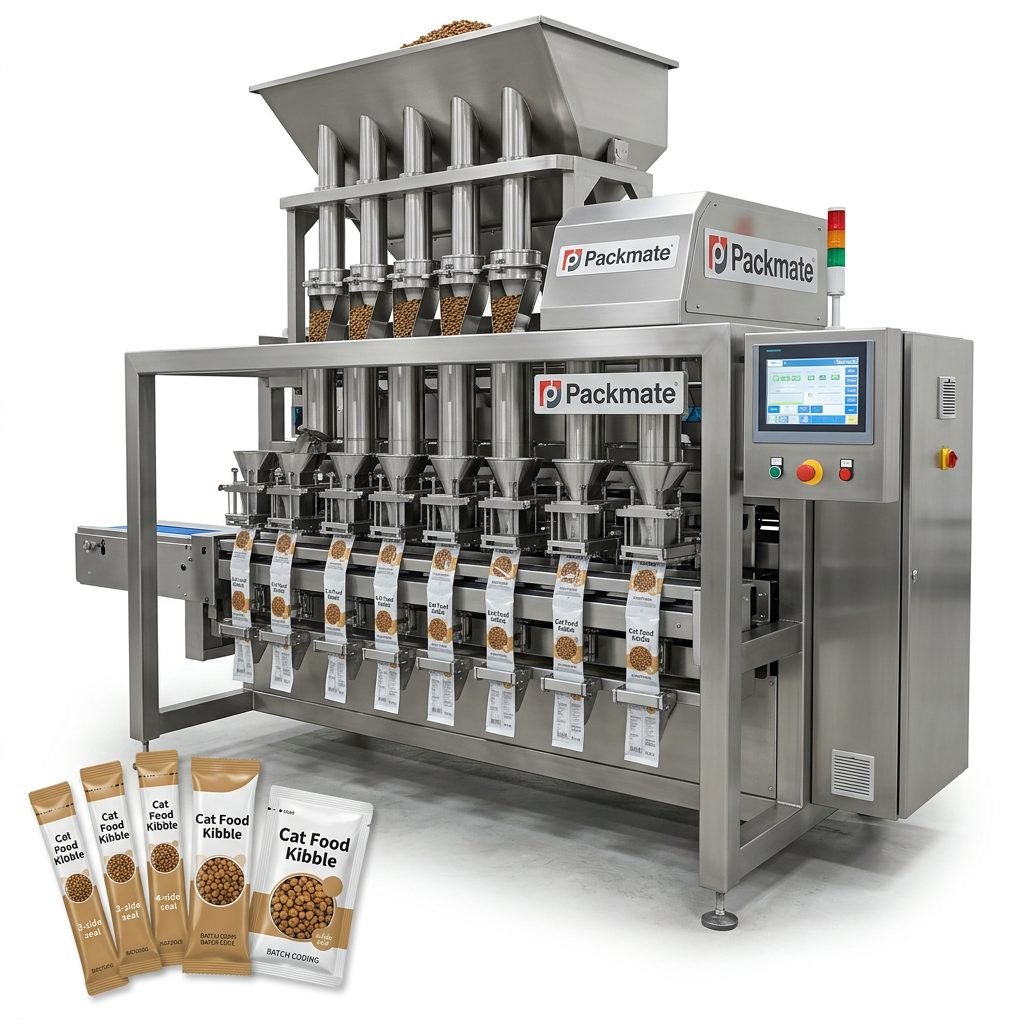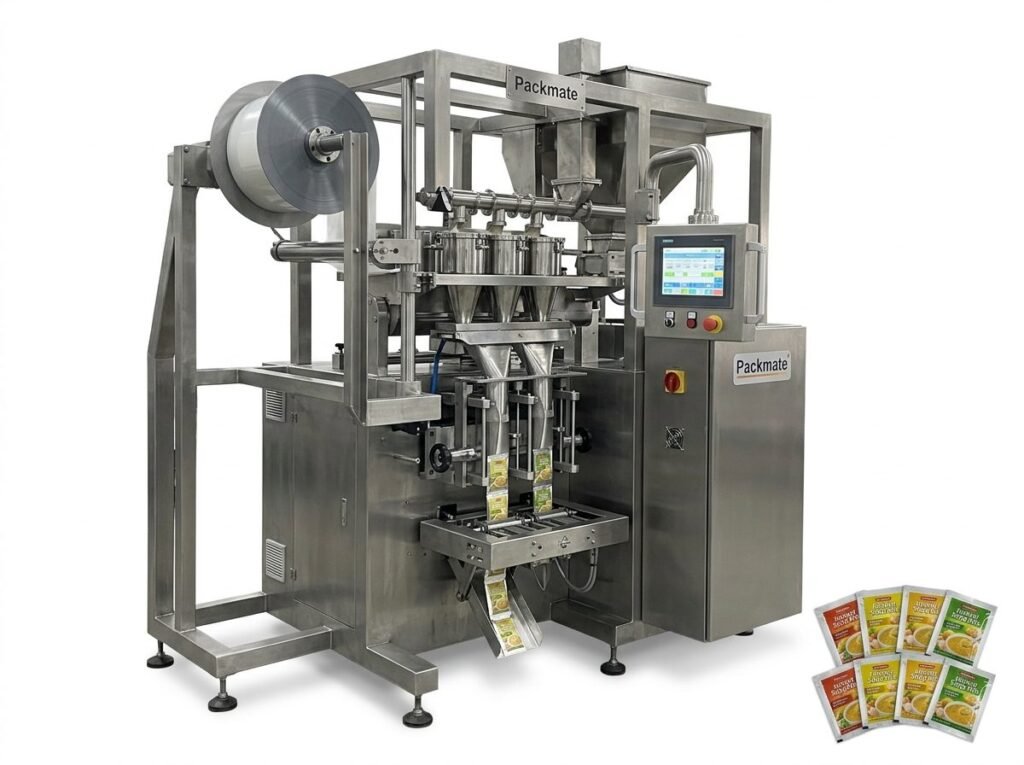
In the competitive world of hardware manufacturing and distribution, efficiency is not just a goal—it’s a necessity. The final step in your production process, packaging, can be a significant bottleneck if not optimized. For businesses handling screws, bolts, nuts, washers, and other fasteners, transitioning from manual, error-prone packing to a complete automatic packing system is a transformative investment. These sophisticated fastener packaging line solutions are engineered to handle the unique challenges of small, metallic components, ensuring speed, accuracy, and cost-effectiveness from the production line to the customer’s hands.
The Critical Need for Automation in Fastener Packaging
Manual packaging of fasteners is fraught with challenges. Inconsistent count weights, slow throughput, high labor costs, and repetitive strain injuries for workers are common issues. An automatic system eliminates these pain points. It delivers precise counting—whether by weight, vibratory bowl, or optical counting—and consistent bag or box formation at speeds far surpassing human capability. This reliability is crucial for maintaining customer trust and meeting the high-volume demands of industries like automotive, construction, and appliance manufacturing. For a deeper look at how automation solves industrial challenges, explore our comprehensive packaging solutions.
Core Advantages of a Complete Fastener Packing Line
- Unmatched Speed & Throughput: Process thousands of pieces per minute, dramatically increasing output.
- Pinpoint Accuracy: Eliminate under-counts (which anger customers) and over-counts (which erode profits).
- Significant Labor Savings: Reduce dependency on large packing teams and reallocate human resources to higher-value tasks.
- Enhanced Product Presentation: Produce professional, uniform bags, blister packs, or boxes that boost brand perception.
- Improved Worker Safety: Remove employees from repetitive, monotonous tasks, reducing the risk of injury.
Key Components of a Turnkey Fastener Packaging System
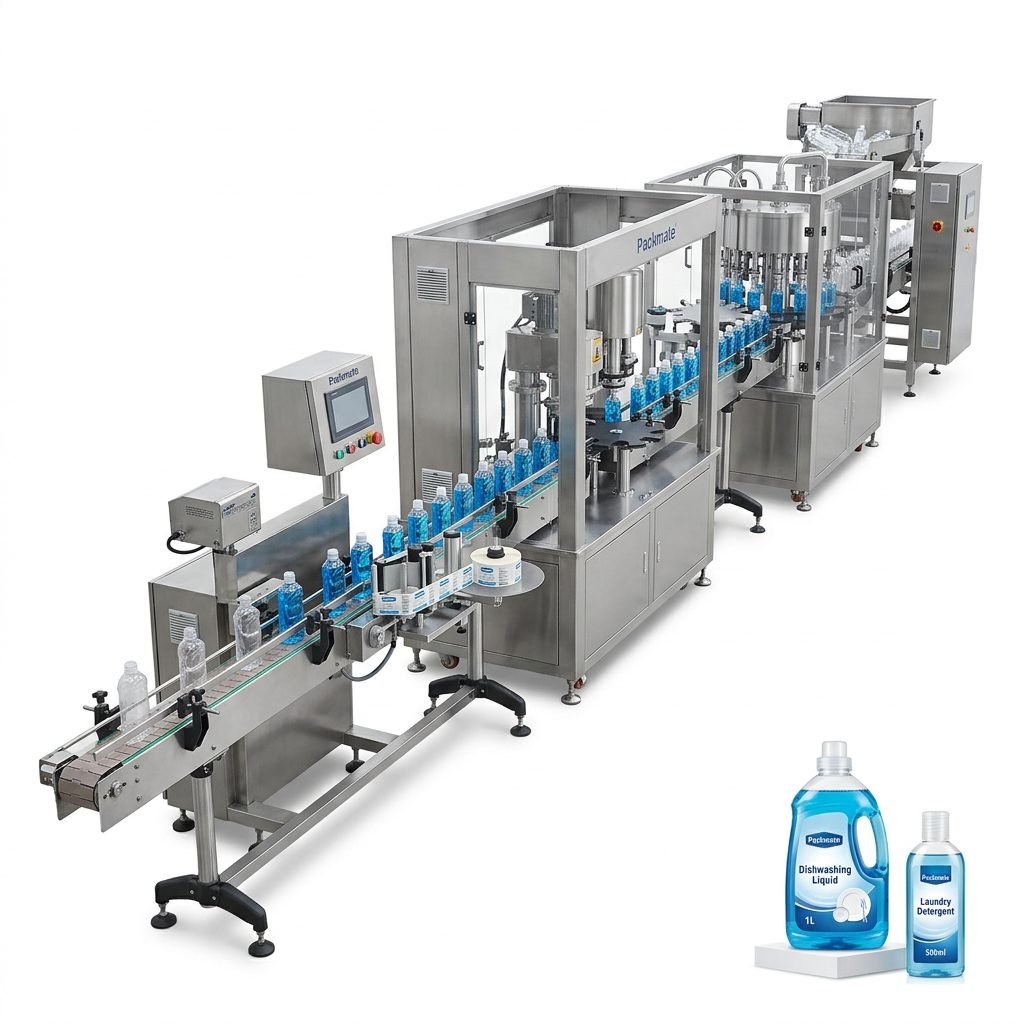
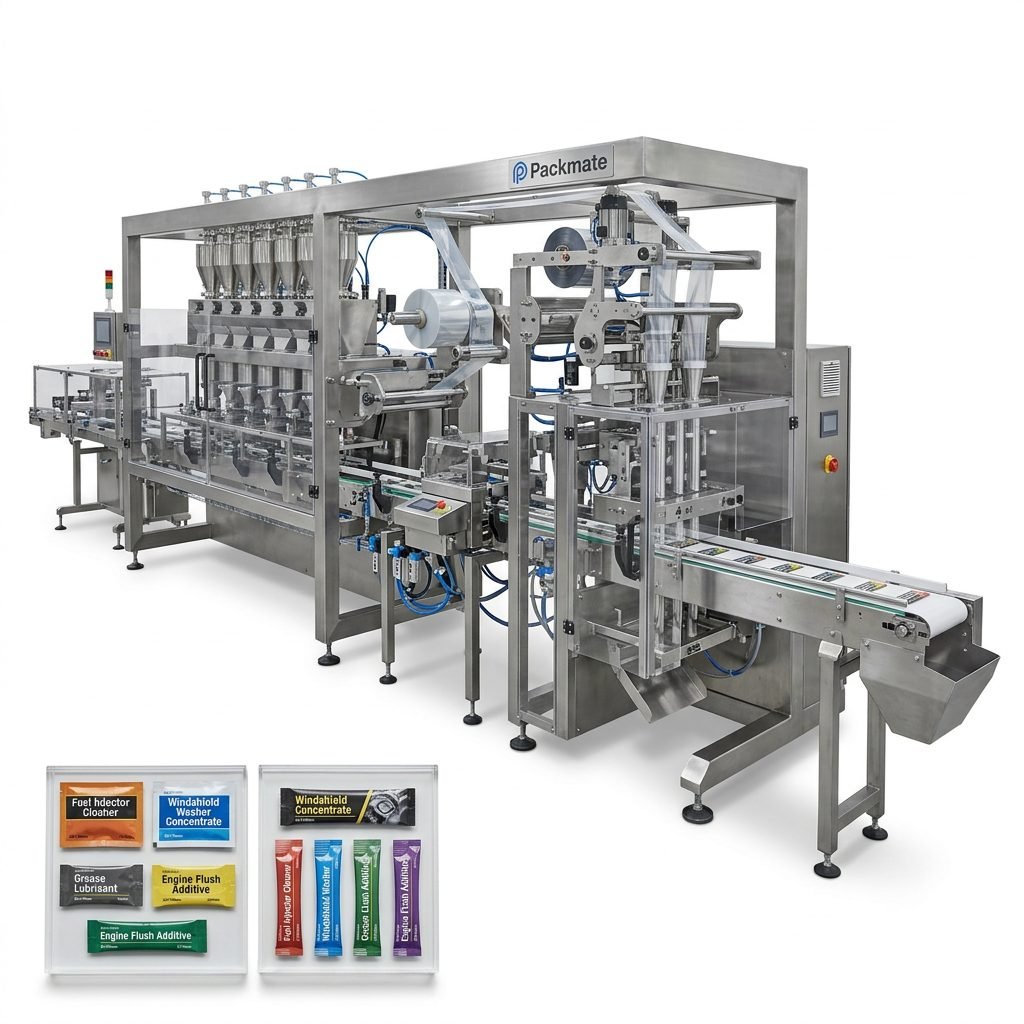
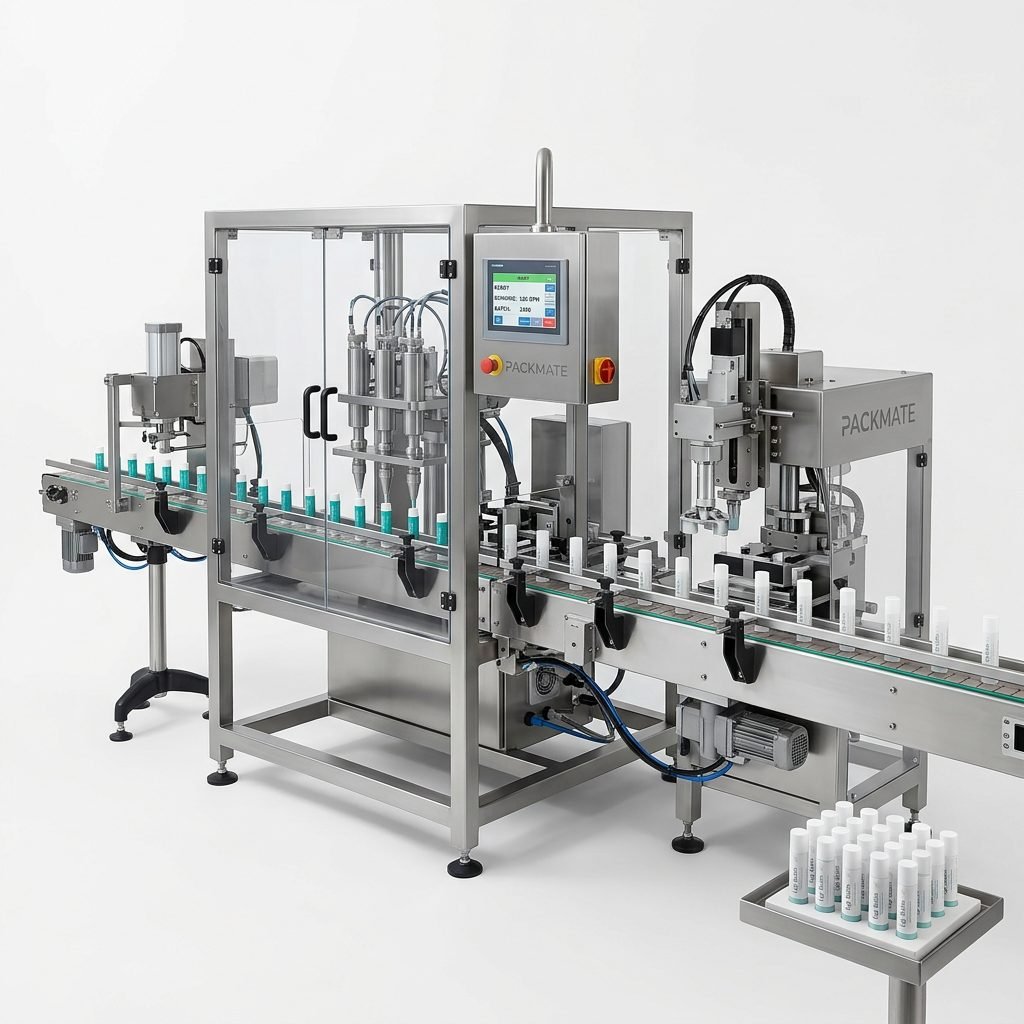
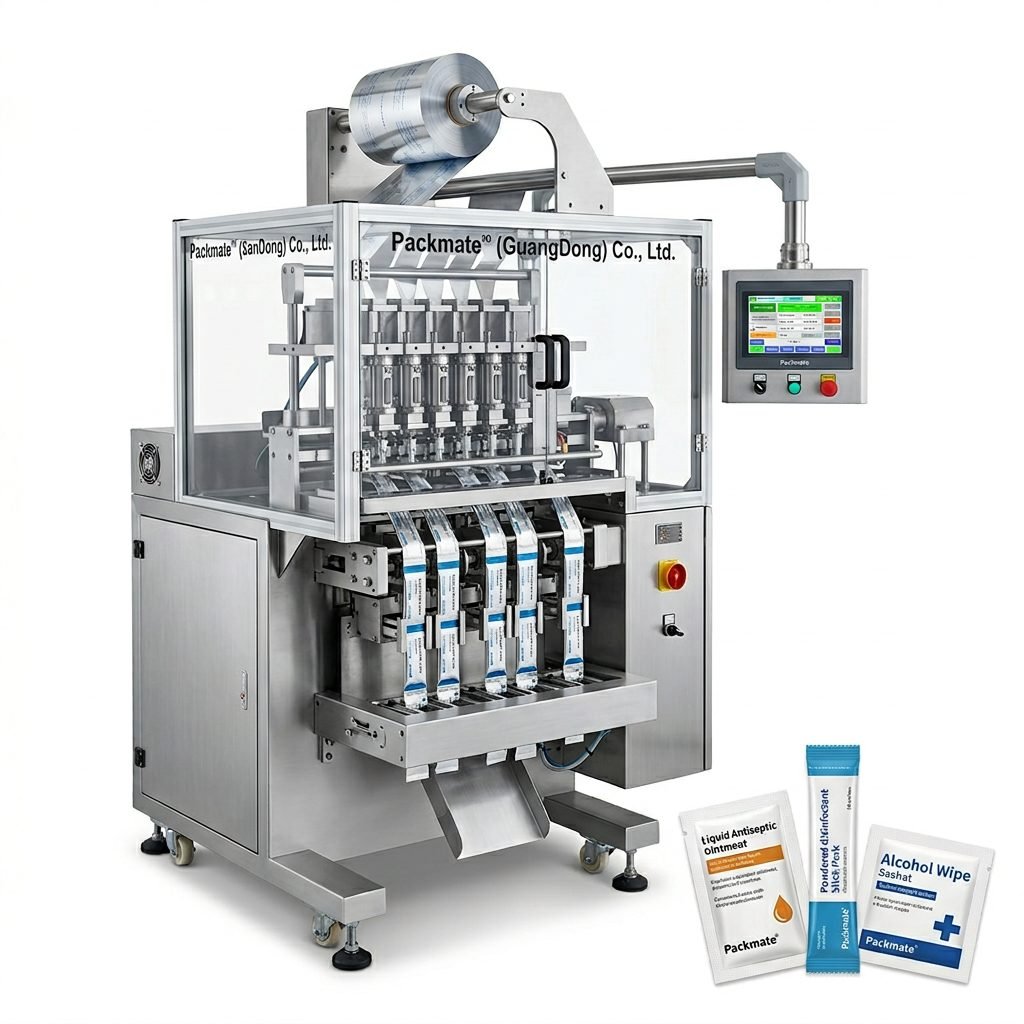
A complete automatic packing system is more than just a single machine; it’s a synchronized line of specialized equipment. Understanding each component’s role is key to selecting the right solution for your specific fastener products.
1. Feeding & Orienting Systems
This is the first critical stage. Bulk fasteners are fed into the line via hoppers or conveyors. Vibratory bowl feeders or linear feeders then orient screws and bolts correctly—head first, point first—for accurate counting and downstream handling. Sophisticated systems can handle a wide mix of sizes and types with minimal changeover time.
2. Precision Counting & Weighing Units
The heart of the system. For fasteners, multi-head weighers are often used for high-speed weight-based counting, especially for small items like nuts and washers. For precise piece counting of larger screws or bolts, optical counters or advanced vibratory counting systems are employed. The choice depends on required speed, accuracy, and product characteristics.
3. Bag Making & Filling Machinery
Once counted, fasteners are channeled into the packaging format. This could be a vertical form-fill-seal (VFFS) machine that creates plastic bags from a roll of film, fills them, and seals them. For higher-end retail packaging, the line may integrate with blister card formers and sealers. The system ensures the package is formed, filled, and sealed without spillage or jamming.
4. Labeling, Coding & Inspection
Automated label applicators or integrated printers add barcodes, SKU information, batch numbers, and expiry dates. Vision inspection systems can verify label presence, legibility, and even count accuracy before the package proceeds, ensuring 100% quality control.
5. Case Packing & Palletizing
For bulk shipments, individual bags or boxes are automatically collated and loaded into shipping cases or totes. Robotic arms or case packers arrange the packages efficiently. The line can culminate in an automatic palletizer, stacking cases onto pallets for warehouse storage or direct shipment, creating a truly end-to-end solution. See real-world implementations in our detailed project case studies.
Choosing the Right Partner for Your Packaging Line
Investing in a complete line is a major decision. The right supplier acts as a partner, not just a vendor. Look for a provider with proven experience in hardware and fastener packaging. They should offer comprehensive services from initial consultation and line design to manufacturing, installation, training, and ongoing technical support and service.
A partner like Packmate (GuangDong) Co., Ltd. brings invaluable assets to the table. With over 22+ years of company development and a 20,000㎡ modern manufacturing facility, they have the scale and expertise to deliver reliable, custom solutions. Their team of 125+ professional members ensures every project is backed by deep engineering knowledge. From their founding vision in 1993 to their current status, their history is built on transforming innovative ideas into robust production solutions. Learn more about their journey and capabilities on the official About Us page.
📈 Return on Investment (ROI) Considerations
While the upfront cost of an automatic line is significant, the ROI is compelling and multi-faceted. Calculate savings from reduced labor (often a 50-70% decrease in packing staff), minimized product giveaway from over-counting, and decreased material waste. Furthermore, increased throughput allows you to accept larger orders and grow revenue. The payback period can often be achieved in under 24 months, after which the system contributes directly to your bottom-line profitability.
Future-Proofing Your Operations
The best systems are designed with flexibility in mind. As your product mix changes or new fastener types are introduced, the line should allow for relatively easy changeovers. Modern systems integrate with Industry 4.0 principles, offering data collection on OEE (Overall Equipment Effectiveness), production counts, and downtime reasons. This data is invaluable for continuous process improvement and strategic planning. Staying ahead means choosing a partner committed to innovation and quality, principles that have guided leaders in the field since the beginning. Discover their guiding principles on their Mission & Vision page.
Implementing a complete automatic fastener packaging line is a decisive step toward operational excellence. It streamlines your end-process, reduces costs, enhances quality, and positions your brand as a reliable, modern supplier in the global hardware market.
Frequently Asked Questions (FAQs)
1. Can one automatic packaging line handle different types and sizes of fasteners?
Yes, modern lines are designed for flexibility. Key components like feeder bowls and counting channels can often be changed or adjusted to accommodate different screw lengths, bolt diameters, or nut sizes. However, the range and speed of changeover depend on the system’s design. Discuss your full product range with your supplier to ensure the line is configured for optimal versatility.
2. How accurate are automatic counting systems for small items like washers or tiny screws?
Extremely accurate. For very small, uniform items, multi-head weighers provide exceptional speed and accuracy based on weight. For slightly larger or irregular items, high-precision optical counters or specialized vibratory counters are used. Reputable suppliers will conduct tests with your actual product samples to guarantee the system meets your required accuracy standards (e.g., 99.9%+).
4. What kind of maintenance does an automatic packaging line require?
Regular preventive maintenance is essential for longevity and uptime. This typically includes daily cleaning of product contact parts, lubrication of moving components as specified, and inspection of seals and wear parts. A good supplier will provide detailed maintenance schedules and training for your technicians. Having a reliable service plan ensures access to spare parts and expert support when needed.
5. How do we get started with implementing a new packaging line?
The process usually begins with a consultation. Contact a specialist provider (you can start by visiting the Contact Us page). They will review your products, required output speeds, packaging formats, and facility layout. The next steps often involve product testing at their facility, a detailed proposal for a customized line, factory acceptance testing, and finally, installation and commissioning at your site with comprehensive operator training.