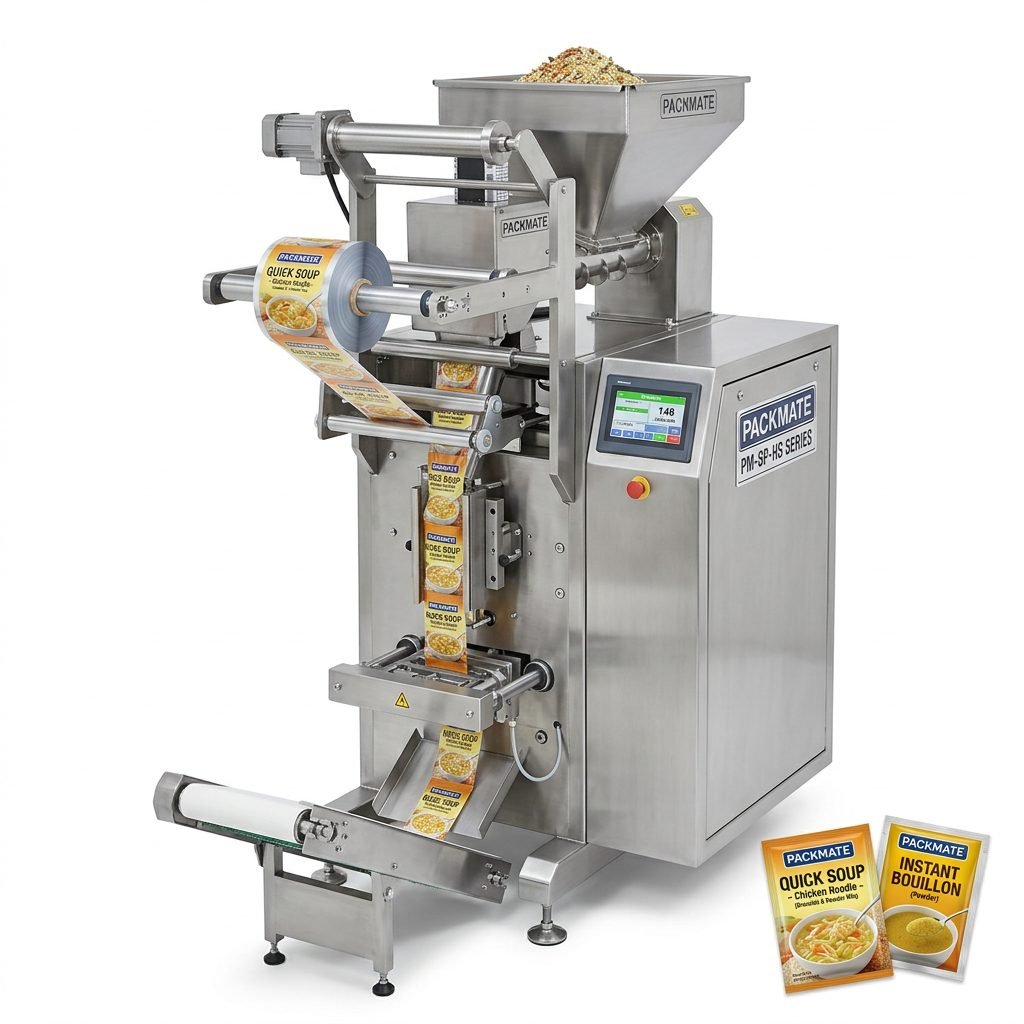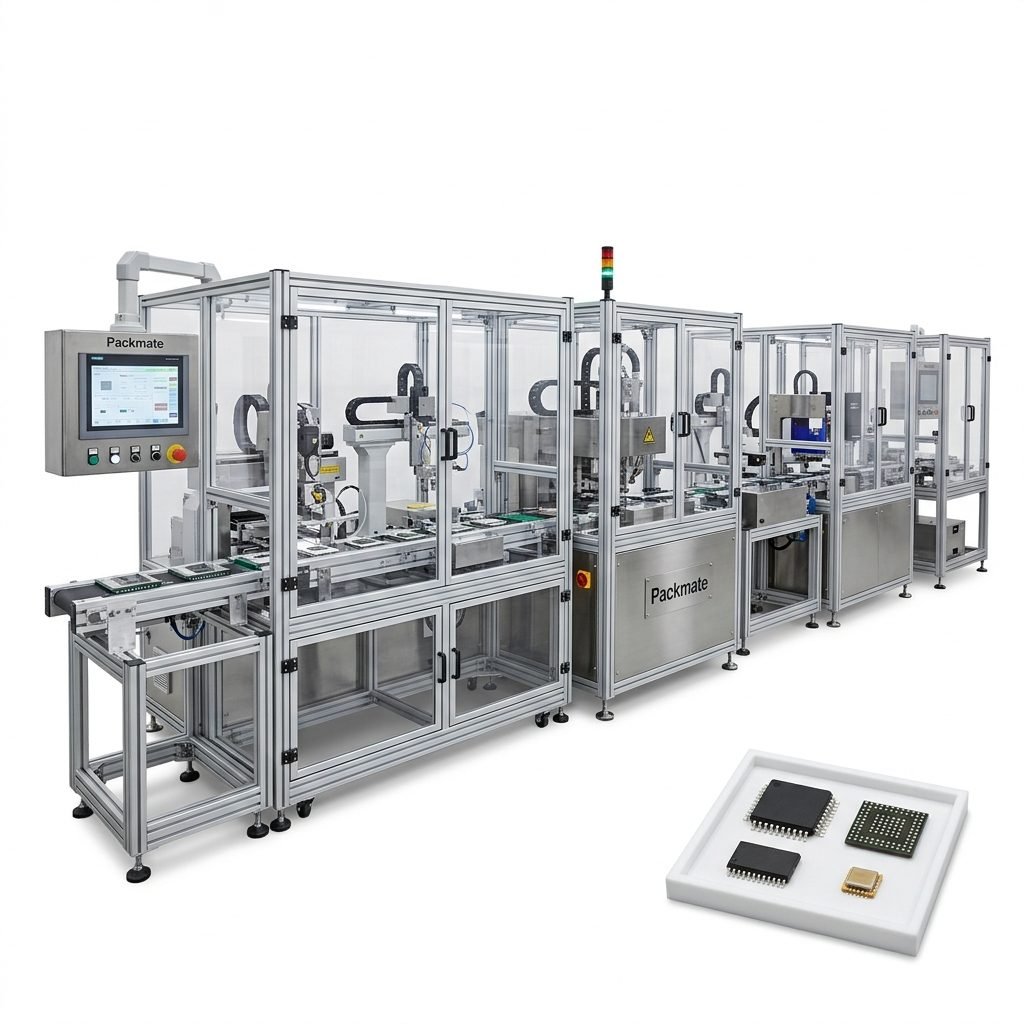
In the fast-paced world of manufacturing, efficiency, hygiene, and reliability are non-negotiable, especially in sectors like food, pharmaceuticals, and health products. The right packaging line technology is not just a piece of equipment; it’s the backbone of your production, ensuring product integrity, compliance, and market success. A complete turnkey solution integrates every component—from filling and sealing to labeling and cartoning—into a seamless, automated system. This holistic approach minimizes downtime, reduces labor costs, and maximizes output, making it an indispensable investment for modern producers aiming to scale and compete globally.
The Critical Role of Turnkey Packaging Solutions
Why opt for a turnkey system over assembling individual machines? The answer lies in integration and optimization. A turnkey packaging line is designed, supplied, and installed as a unified whole, with each component engineered to work in perfect harmony. This eliminates compatibility issues, streamlines the commissioning process, and provides a single point of accountability for service and support. For industries with stringent regulatory requirements, such as pharmaceuticals, this integrated approach ensures consistent compliance with standards like GMP (Good Manufacturing Practice), safeguarding product safety and brand reputation.
For businesses exploring comprehensive options, reviewing detailed packaging solutions is a crucial first step. It allows you to understand how different technologies can be configured to meet your specific product and throughput needs.
Tailored Technology for Core Industries
Food Industry Packaging
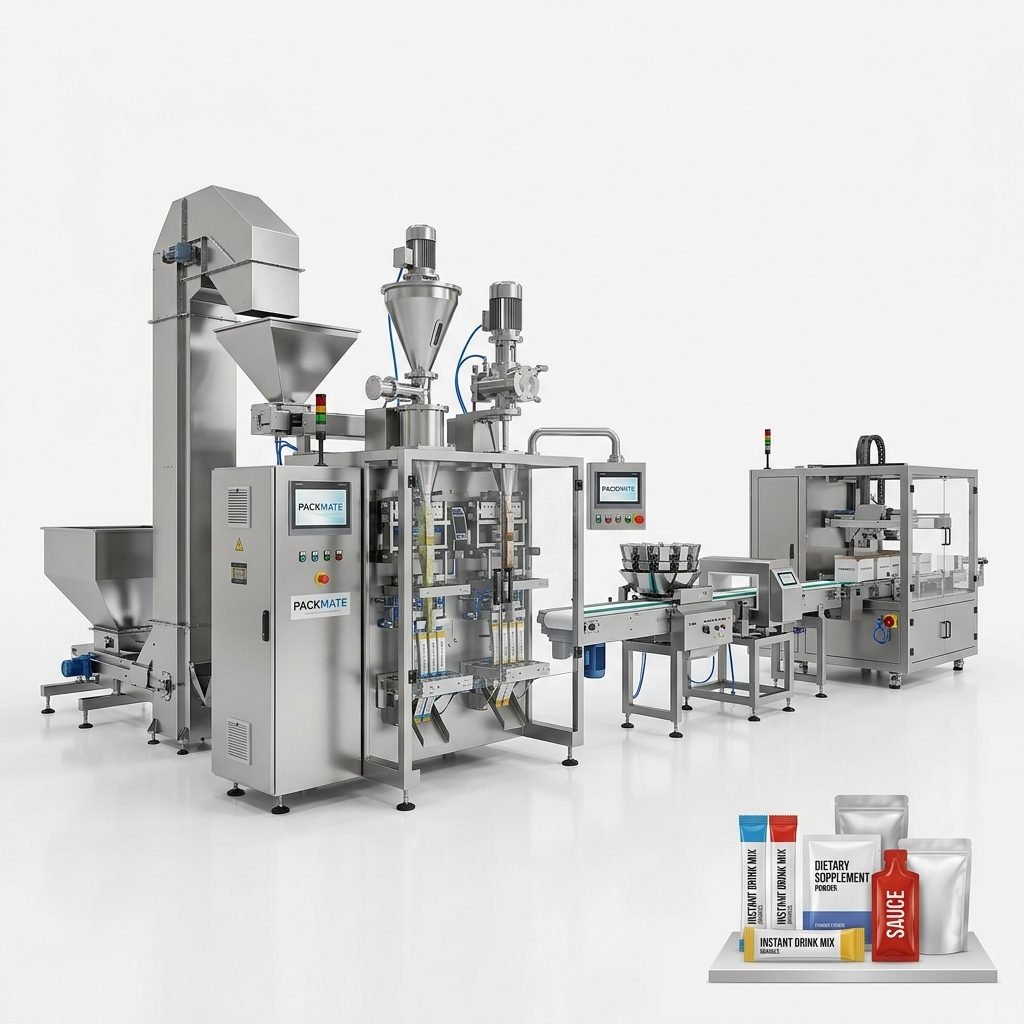
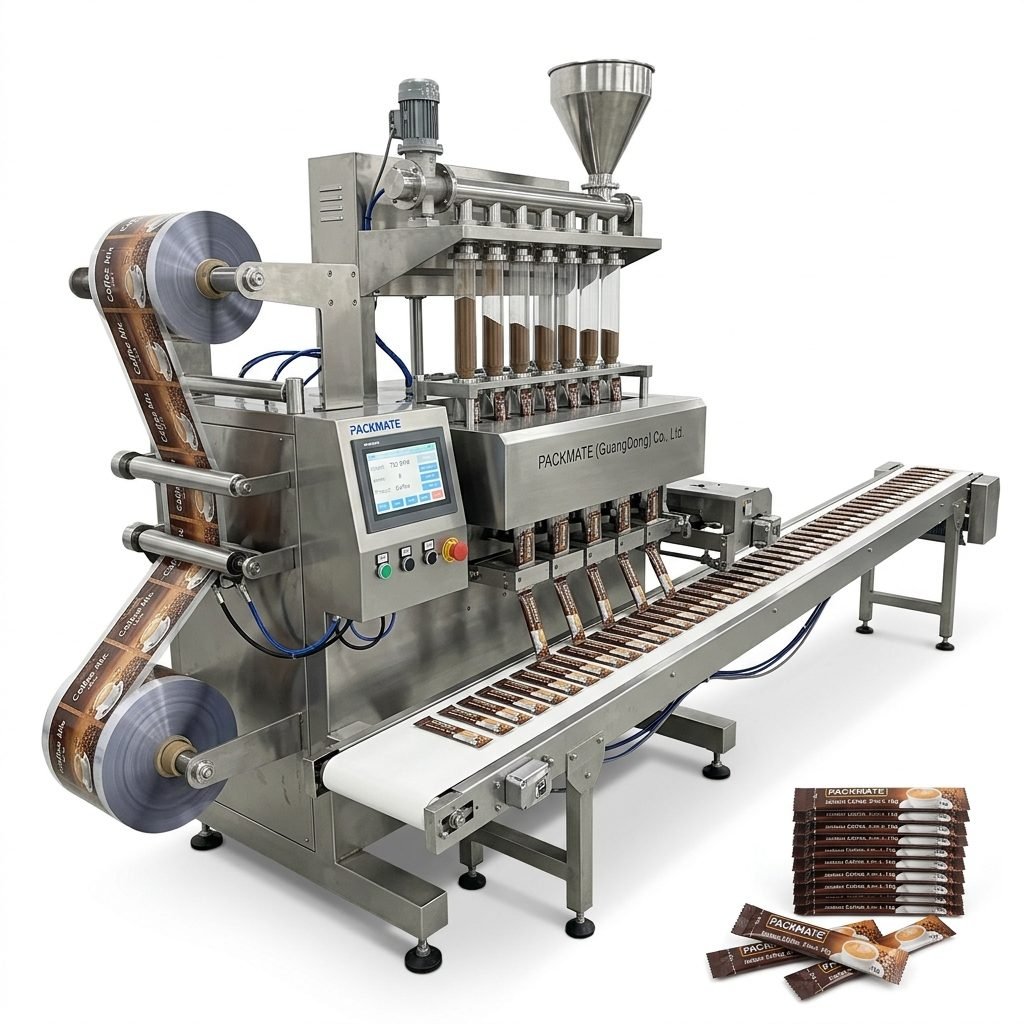
Food packaging demands technology that preserves freshness, prevents contamination, and appeals to consumers. Turnkey lines for food often include advanced features like nitrogen flushing for extended shelf life, precision volumetric or auger fillers for consistent portion control, and high-speed vertical form-fill-seal (VFFS) machines. Whether packaging snacks, coffee, spices, or liquids, the system must be easy to clean and capable of handling a variety of materials, from laminates to recyclable films.
Pharmaceutical & Health Product Packaging
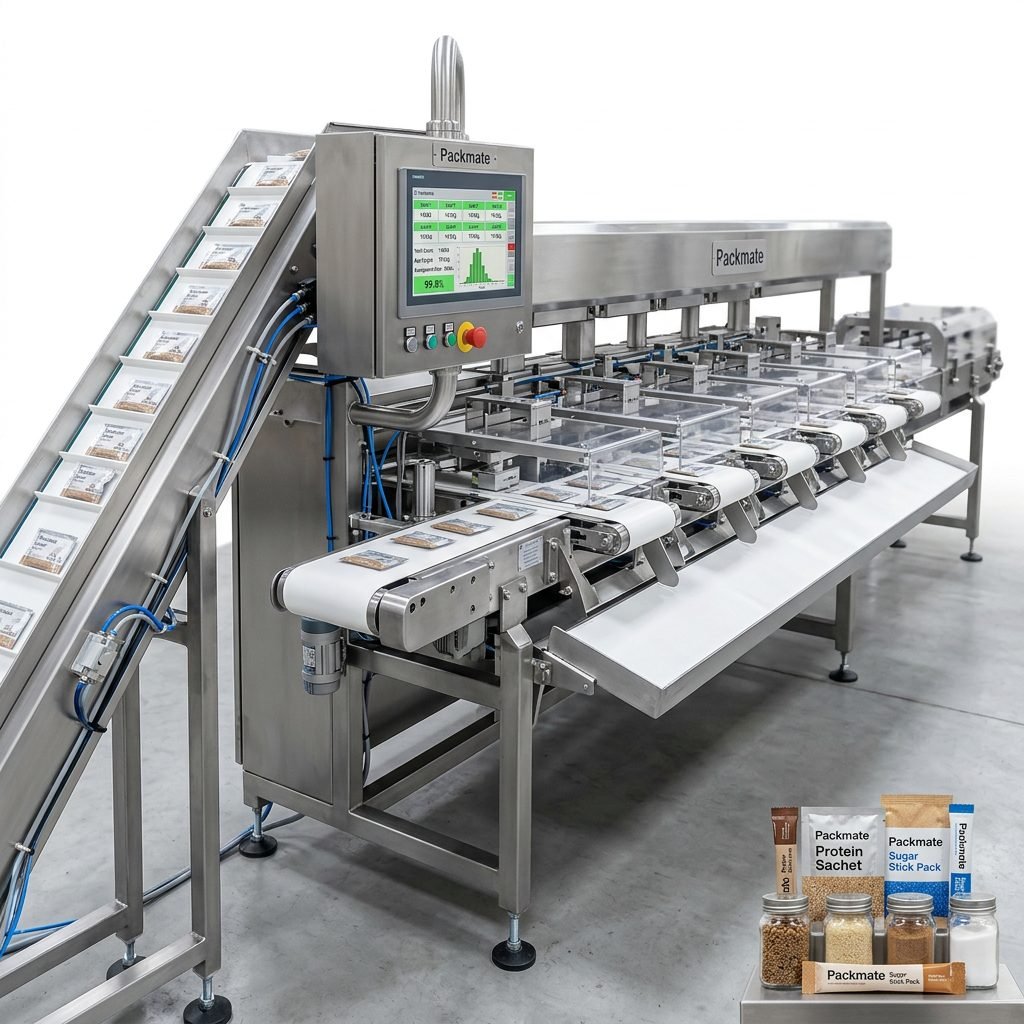
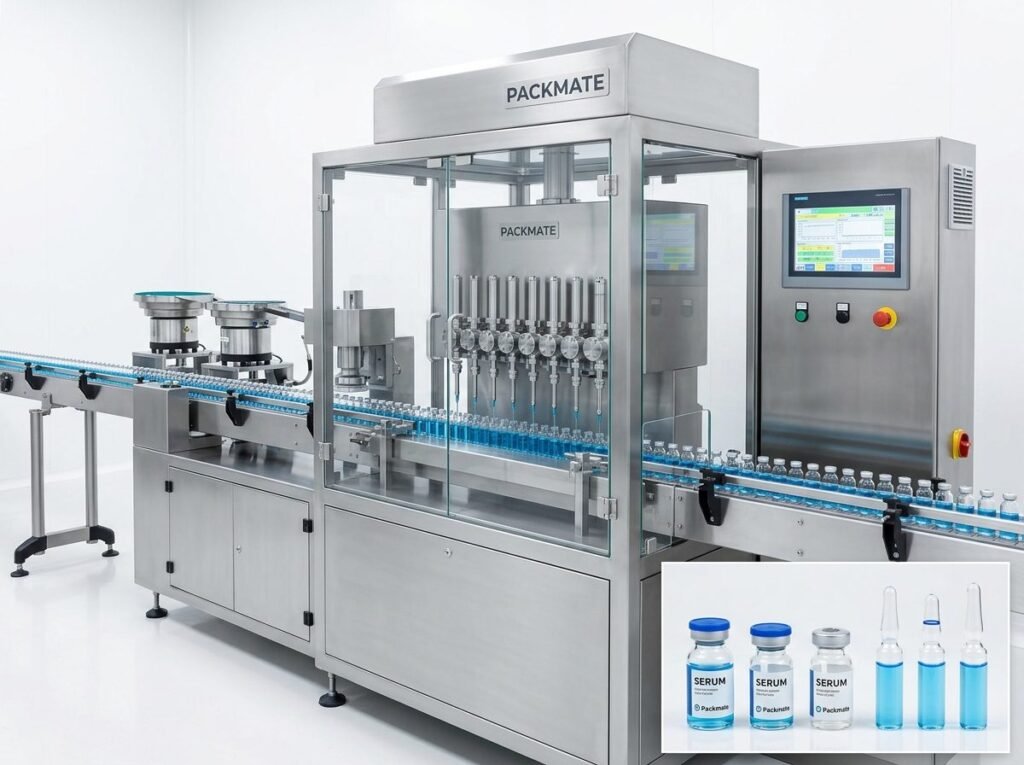
This sector operates under the microscope of regulatory bodies. Packaging lines must ensure absolute accuracy in dosing, complete barrier protection against moisture and oxygen, and provide tamper-evident features. Technology here includes ultra-clean filling stations, weight checkers integrated with rejection systems, and serialization equipment for track-and-trace compliance. For powdered supplements, herbal products, or single-dose pharmaceuticals, the integrity of the packaging process is directly linked to patient safety.
Key Advantage: Operational Efficiency
A well-designed turnkey line transforms operations. By automating manual tasks—such as feeding, filling, sealing, and casing—you achieve:
→ Higher Output: Speeds that match or exceed production targets.
→ Reduced Waste: Precision controls minimize product giveaway and material scrap.
→ Consistent Quality: Every package meets the exact same specification.
→ Data & Traceability: Modern lines offer IoT connectivity for real-time monitoring and OEE (Overall Equipment Effectiveness) tracking.
Components of a Modern Packaging Line
A complete system is an orchestra of specialized machines. Core components typically include:
- Product Feeding & Metering System: Ensures a consistent, uncontaminated supply of product to the filler.
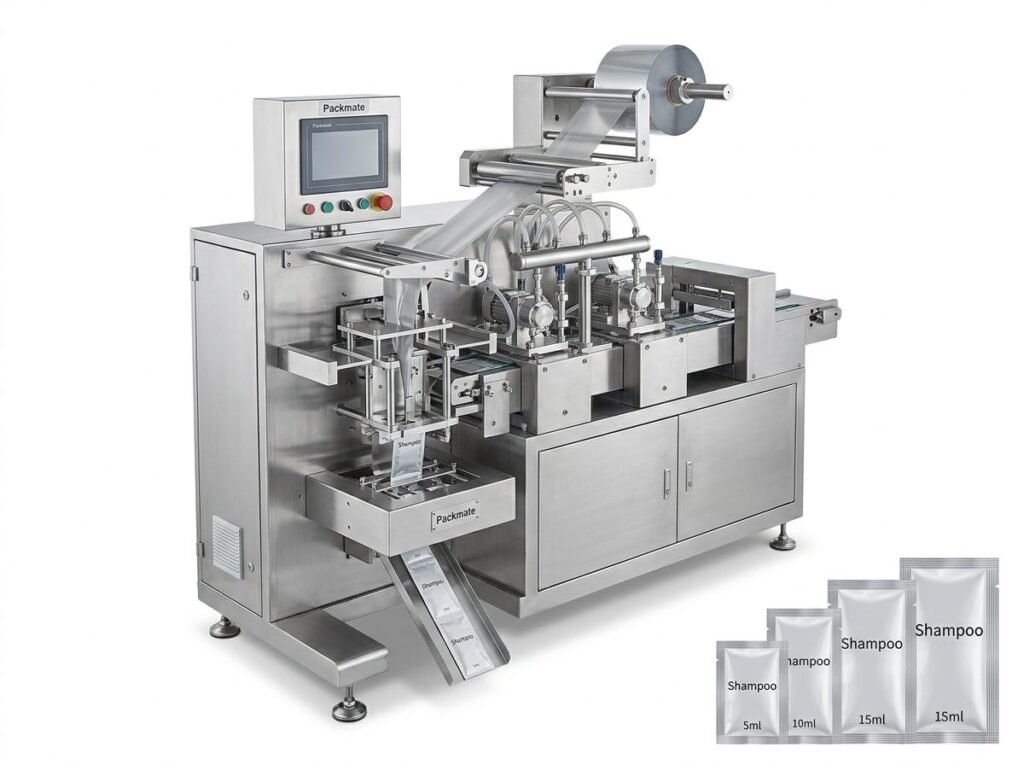
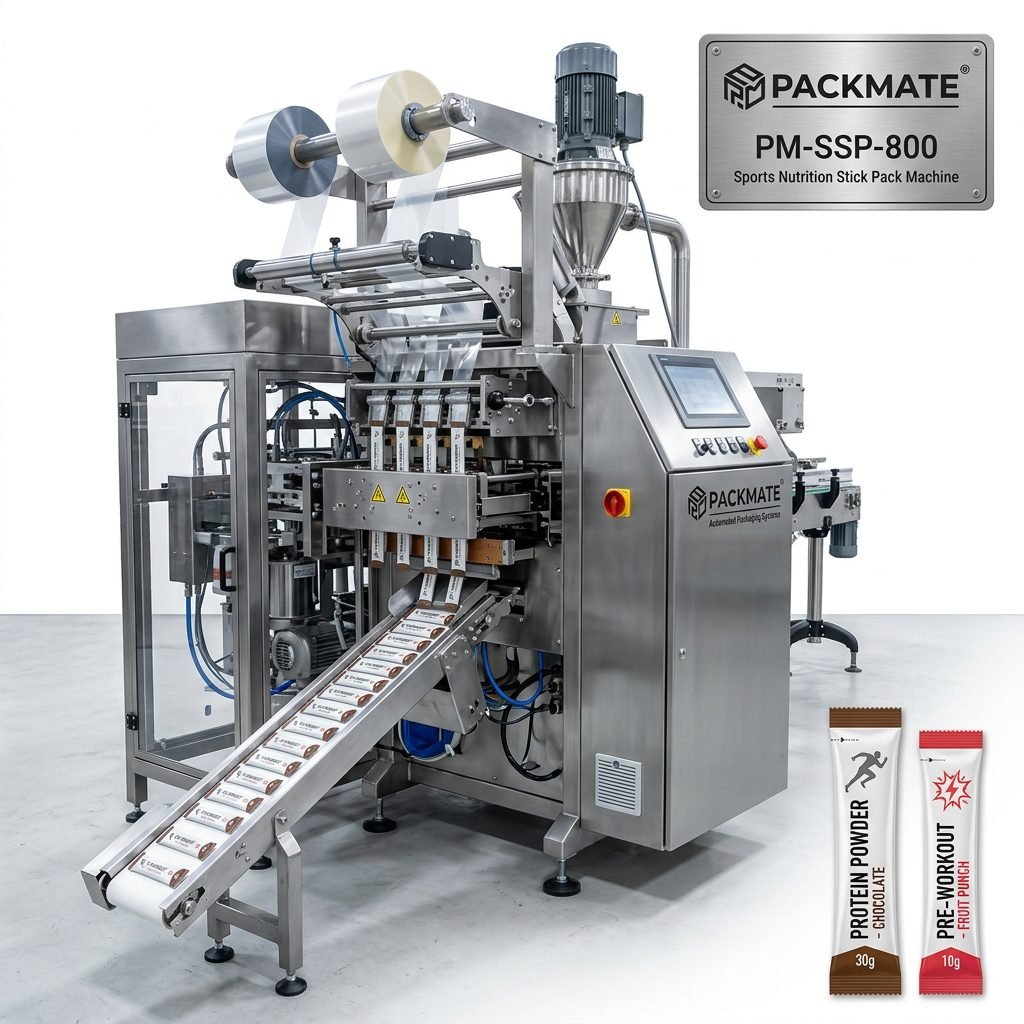
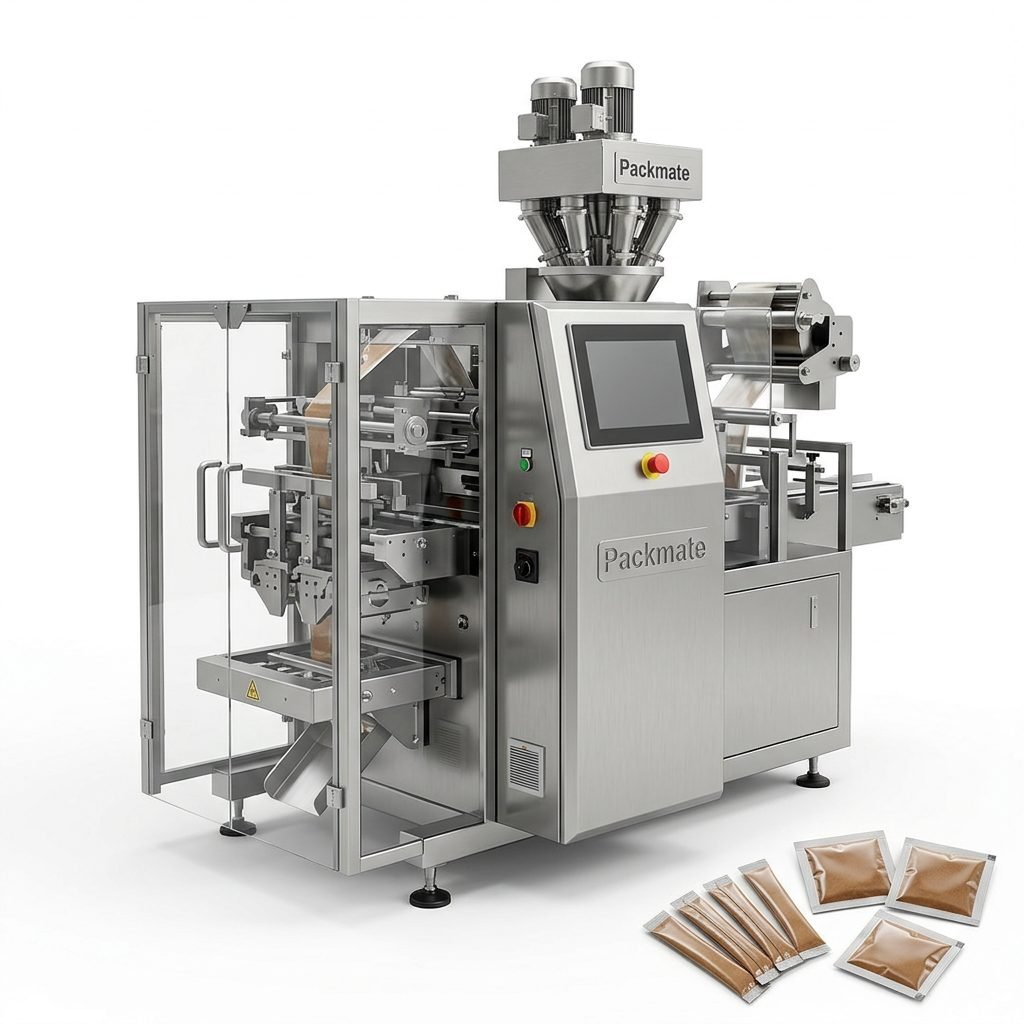
- Primary Packaging Machine: The heart of the line, such as a stick pack, sachet, or pouch machine, that forms, fills, and seals the individual package.
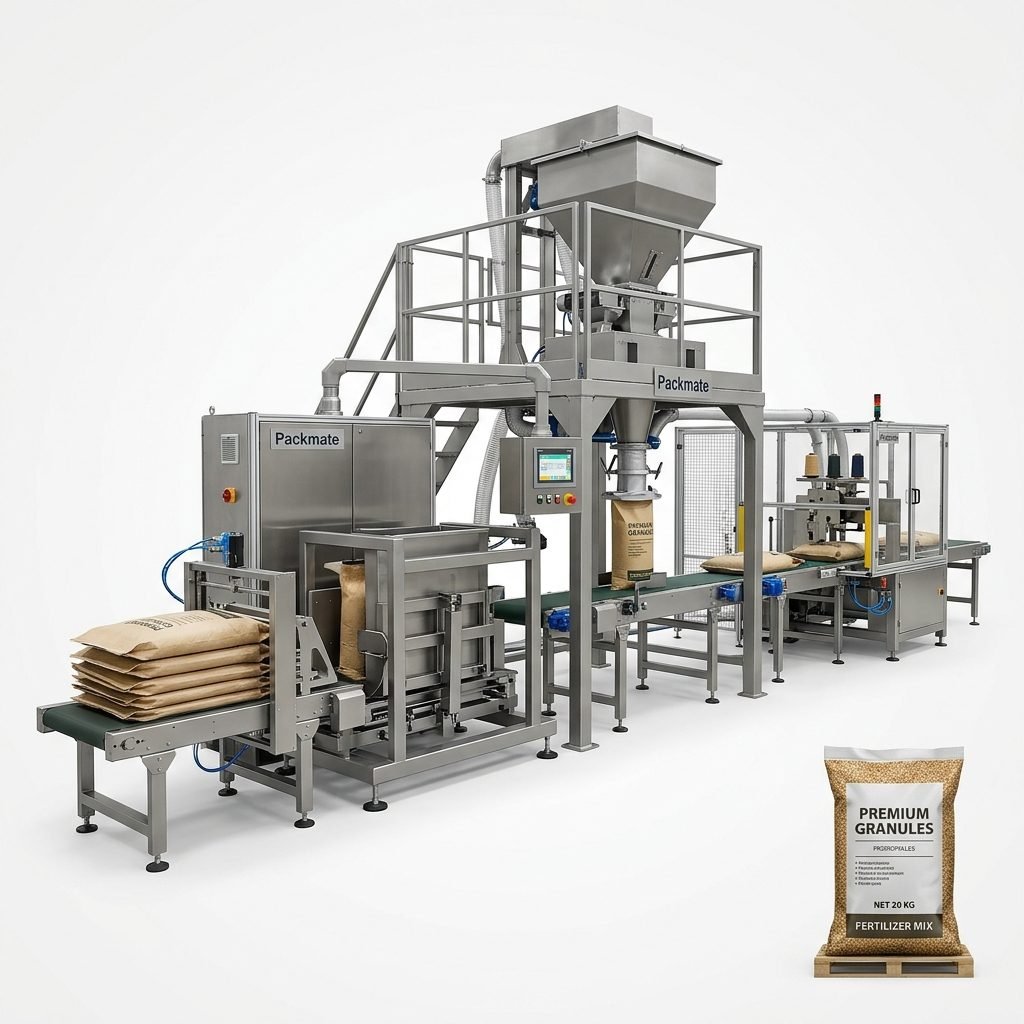
- Secondary Packaging Equipment: This includes cartoners, case packers, and bundlers that group primary packages for distribution.
- Quality Control Checkpoints: Metal detectors, checkweighers, and vision systems that automatically reject non-conforming products.
- Control & HMI Panel: The central nervous system, allowing operators to manage the entire line from one interface.
Seeing these components in action within a real-world setting can provide invaluable insight. Exploring a provider’s portfolio of project cases demonstrates practical applications and proven results across different industries.
Choosing the Right Partner: Beyond the Machine
Selecting a supplier for a turnkey solution is a strategic decision. The ideal partner offers more than just hardware; they provide a complete service lifecycle. This includes in-depth consultation and feasibility analysis, custom engineering, factory acceptance testing (FAT), professional installation and commissioning, comprehensive operator training, and readily available after-sales support with spare parts. A partner with deep industry experience, like Packmate (GuangDong) Co., Ltd., brings invaluable expertise in navigating the unique challenges of food and pharmaceutical packaging.
The foundation of trust in any partnership is transparency. Reviewing a company’s official Company Profile and credentials offers a clear view of their capabilities, history, and commitment to quality, helping you make an informed decision.
Future Trends in Packaging Line Technology
The future is intelligent and sustainable. Emerging trends shaping the next generation of packaging lines include:
- Industry 4.0 Integration: Lines equipped with sensors and data analytics for predictive maintenance and optimized production scheduling.
- Sustainability Focus: Machines designed to handle mono-material and compostable films, reducing environmental impact.
- Flexibility & Quick Changeover: Modular designs that allow rapid switching between package sizes and formats to accommodate smaller batch production runs.
- Enhanced Hygiene Design: Easier-to-clean surfaces and sanitary construction becoming standard, even beyond pharmaceutical applications.
Investing in a turnkey packaging line is a significant step toward future-proofing your operation. It consolidates processes, enhances control, and builds a robust foundation for growth and adaptation in an ever-evolving market.
Frequently Asked Questions (FAQs)
1. What is the main advantage of a turnkey packaging line over buying machines separately?
The primary advantage is seamless integration and single-source responsibility. A turnkey provider ensures all components work together optimally, handles the entire installation and commissioning process, and provides unified technical support, reducing project risk and complexity.
2. How long does it typically take to commission a complete turnkey packaging line?
The timeline varies based on complexity and customization. A standard line might take 3 to 6 months from order to installation, including design, manufacturing, factory testing, and shipping. Highly customized systems for complex products may require a longer timeline.
3. Can one packaging line handle different types of products or package formats?
Yes, with the right design. Modular and flexible lines are available that allow for quick changeovers between similar product types (e.g., different powder densities) or package sizes (e.g., 5g to 20g sachets). However, switching between vastly different forms (e.g., powders to liquids) usually requires significant reconfiguration or separate dedicated lines.
4. What kind of after-sales support should I expect?
Comprehensive support includes detailed operator training, on-site or remote technical assistance, a readily available inventory of spare parts, and scheduled preventive maintenance services. A reliable partner will have a clear support protocol to minimize downtime.
5. How do I ensure the line complies with my industry’s regulations (e.g., FDA, GMP)?
Choose a supplier with proven experience in your sector. They should design the line using compliant materials (e.g., food-grade stainless steel) and incorporate necessary validation documentation, cleanability features, and quality control modules (like checkweighers) to meet relevant standards. Always discuss your specific regulatory requirements during the initial consultation.