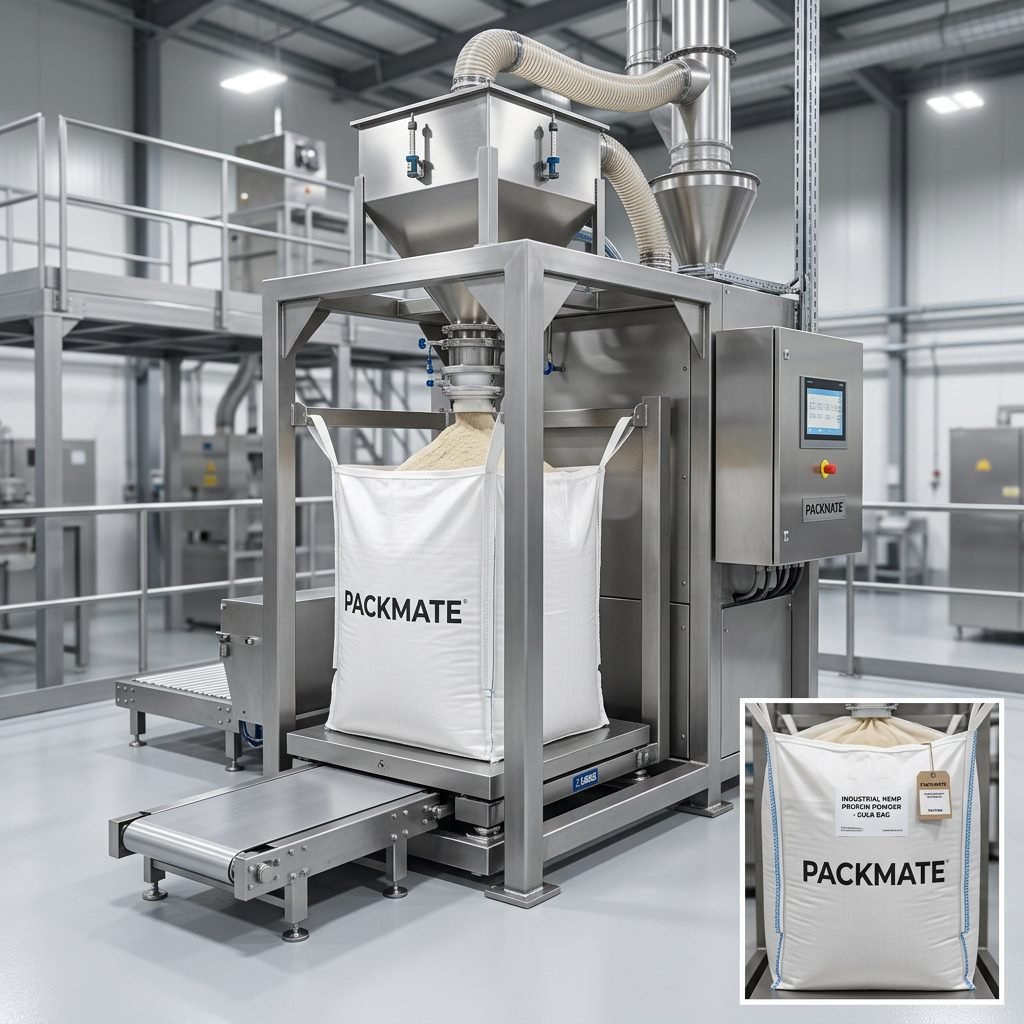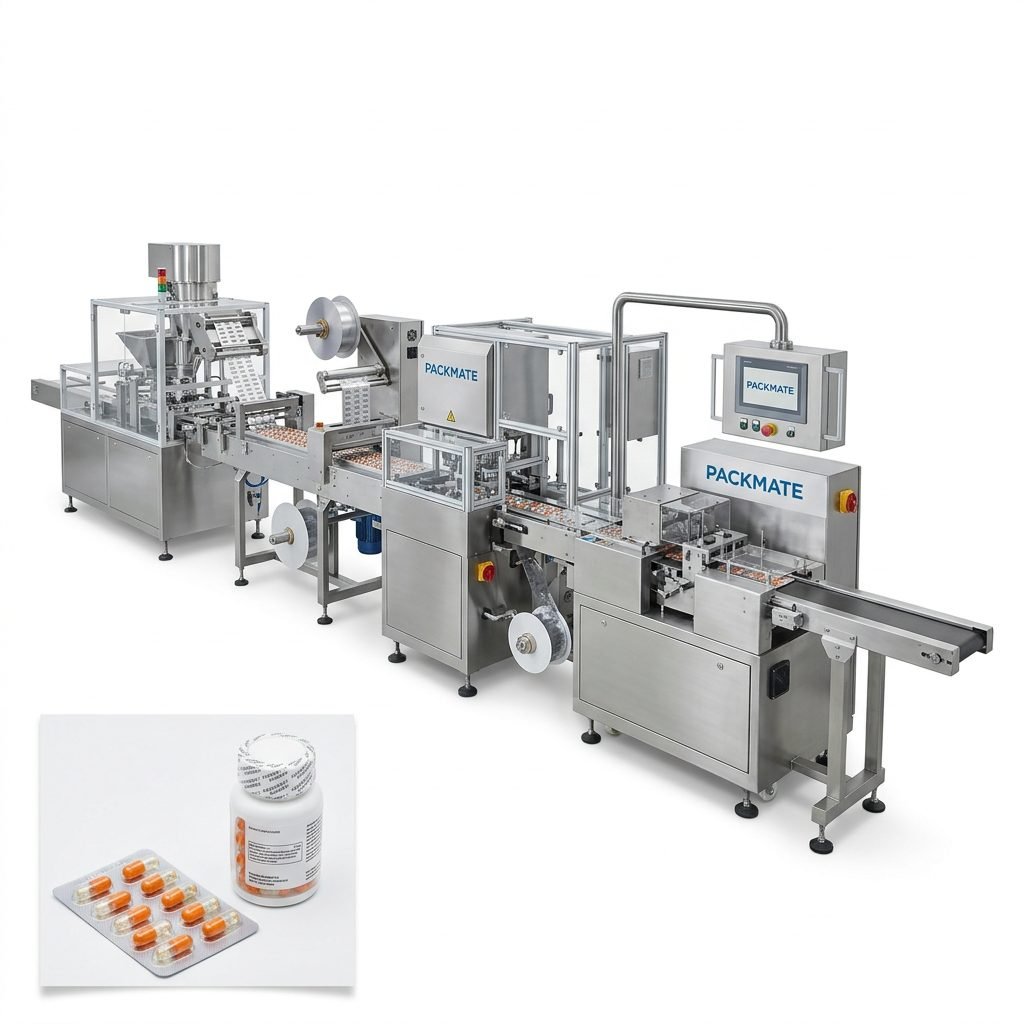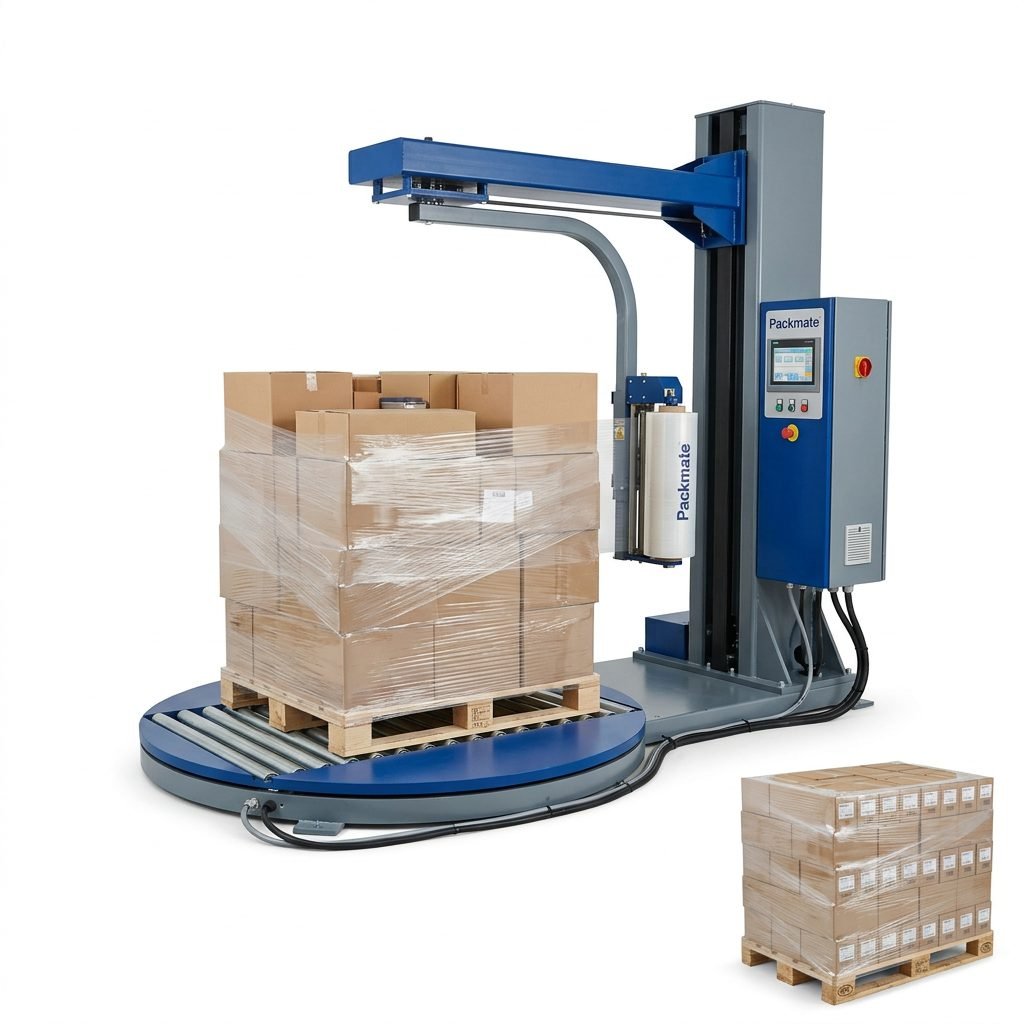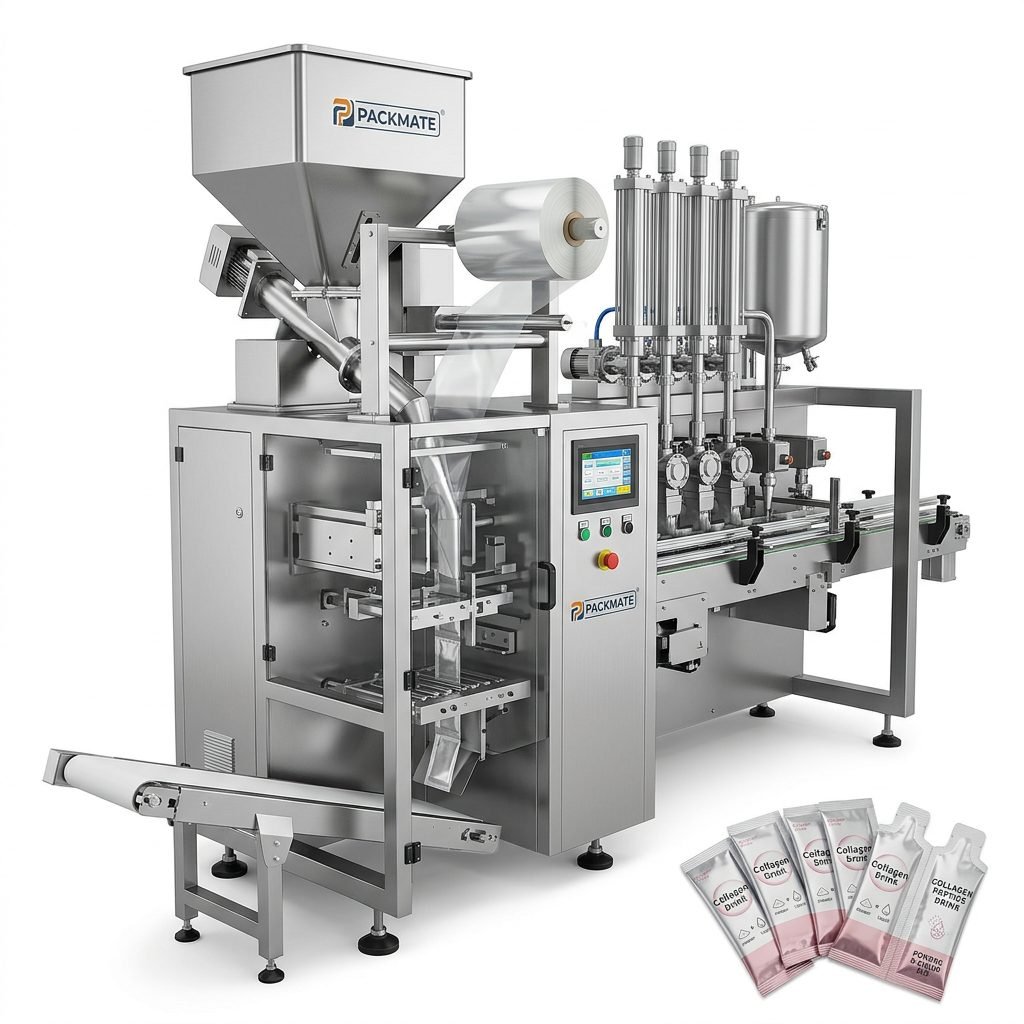
In today’s fast-paced and highly regulated industries, efficiency, hygiene, and precision are not just goals—they are absolute necessities. For businesses handling food, pharmaceuticals, and health products, the packaging process is a critical final step that directly impacts product safety, shelf life, brand integrity, and operational cost. Manual or semi-automated methods often fall short, struggling with consistency, speed, and contamination risks. This is where the transformative power of complete turnkey automated packaging systems comes into play, offering a seamless, integrated solution from product filling to final palletizing.
The Critical Need for Specialized Automation
The requirements for packaging food, pharma, and health products are uniquely stringent. Food packaging must ensure freshness, prevent contamination, and often involve complex portioning for powders, granules, or liquids. Pharmaceutical packaging demands unparalleled accuracy in dosing, absolute sterility, and strict compliance with track-and-trace regulations like those from the FDA or EMA. Health and nutraceutical products blend these needs, requiring consumer-friendly formats like stick packs or sachets with robust barrier properties. A generic packaging line cannot adequately address these diverse challenges. A tailored turnkey solution, however, is engineered from the ground up to meet the specific material, speed, and regulatory profile of each product.
Core Advantages of a Turnkey Packaging Line
Investing in a fully integrated automated line provides a multitude of benefits that cascade throughout your operation:
▶ Unmatched Consistency & Quality: Automated systems eliminate human error in weighing, filling, and sealing. Every single package meets exact weight and quality specifications, drastically reducing giveaway and product waste.
▶ Enhanced Productivity & Scalability: Machines operate 24/7 at constant, high speeds. A complete line seamlessly connects all processes, removing bottlenecks and allowing you to scale production up or down with market demand.
▶ Superior Hygiene & Safety: Closed systems with CIP (Clean-in-Place) or SIP (Sterilize-in-Place) capabilities minimize human contact, critical for aseptic pharmaceutical processing or hygienic food packaging. This also creates a safer work environment.
▶ Significant Cost Reduction: While the initial investment is substantial, the long-term ROI is compelling. Savings come from reduced labor costs, lower material waste, fewer product recalls, and minimized downtime due to integrated reliability.
▶ Data Integrity & Traceability: Modern lines integrate with MES (Manufacturing Execution Systems) and ERP software, providing real-time data on OEE (Overall Equipment Effectiveness), yield, and complete batch traceability—a non-negotiable in pharma.
Components of a Complete Turnkey Packaging Line
A true turnkey system is more than just a collection of machines. It is a harmonized symphony of specialized equipment, software, and services designed to work as one unit. Key components typically include:
1. Primary Packaging: The Heart of the Line
This is where the product meets its primary container. The technology varies dramatically based on product form:
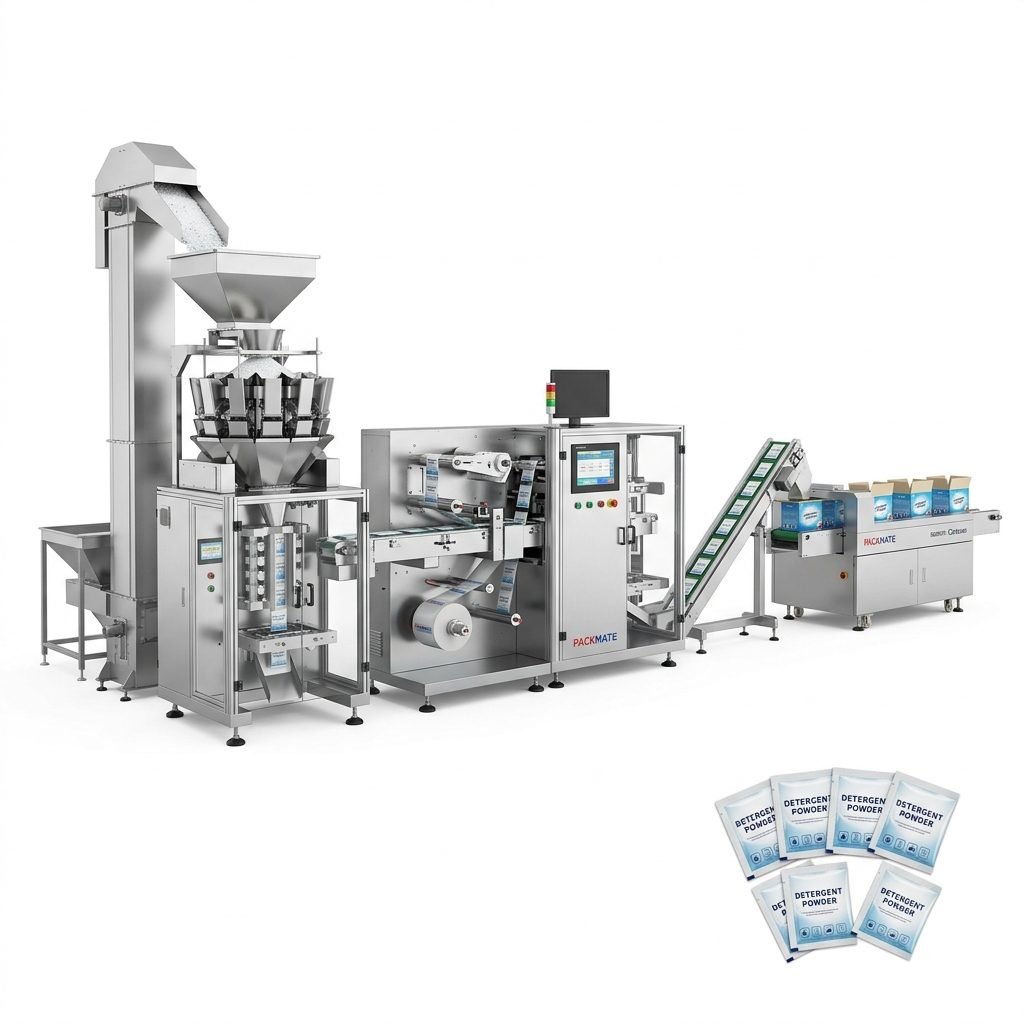
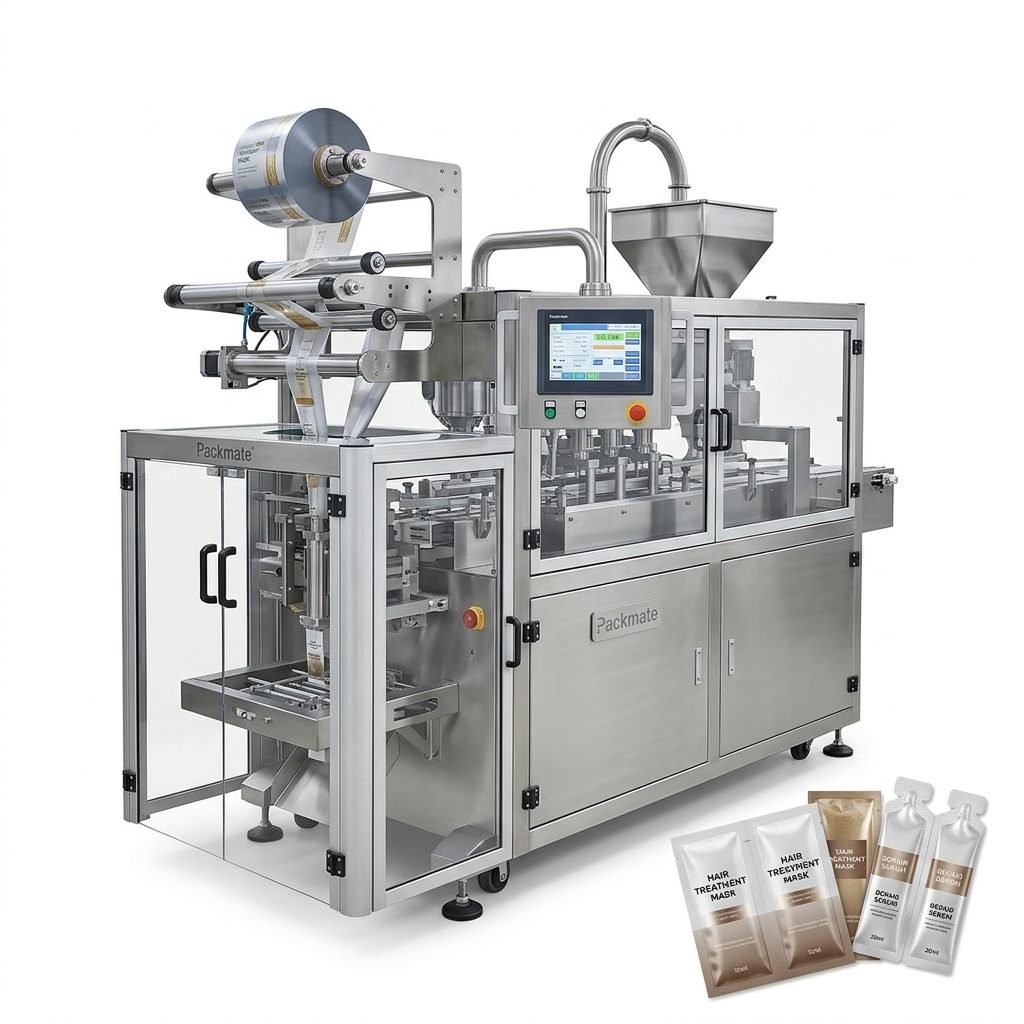
- Vertical Form-Fill-Seal (VFFS) Machines: Ideal for powders, granules, and liquids. They form bags from a roll of film, precisely fill them, and seal them in one continuous motion, perfect for large-volume packaging.
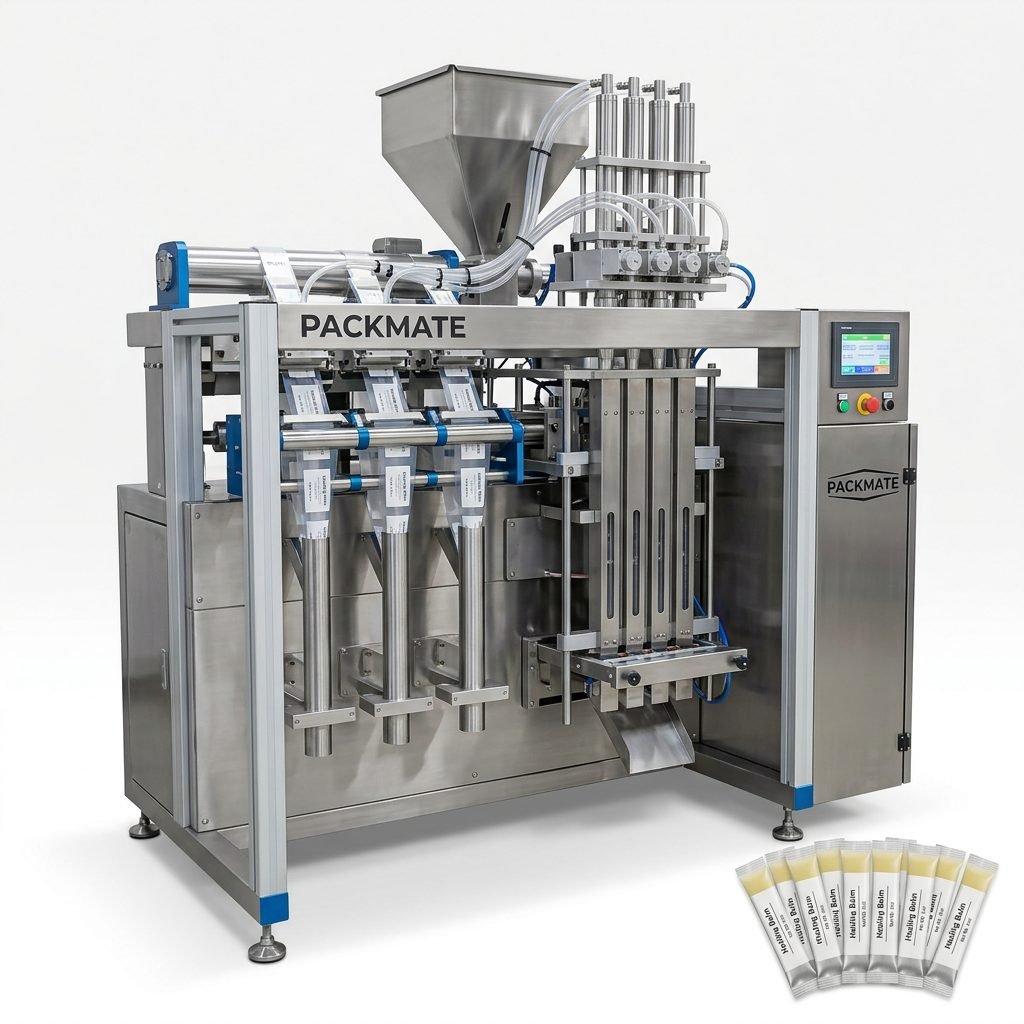
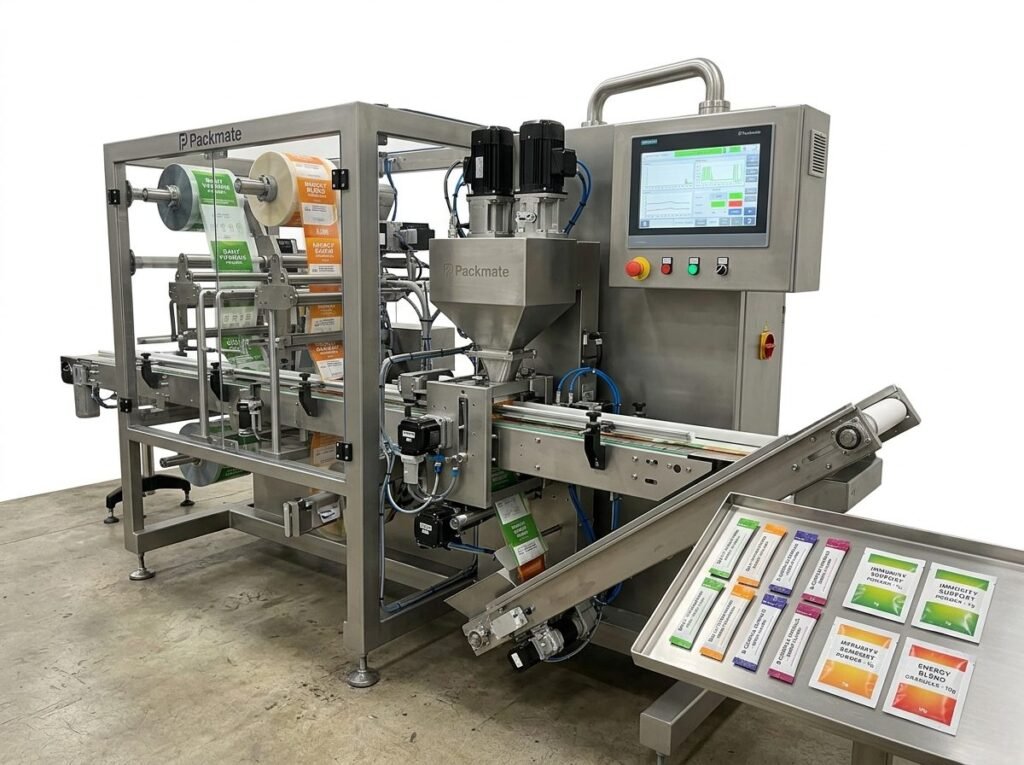
- Horizontal Form-Fill-Seal (HFFS) Machines: Excellently suited for creating sachets, stick packs, and pouches for single-serve portions of coffee, supplements, or pharmaceuticals. They offer high-speed, multi-lane operation.
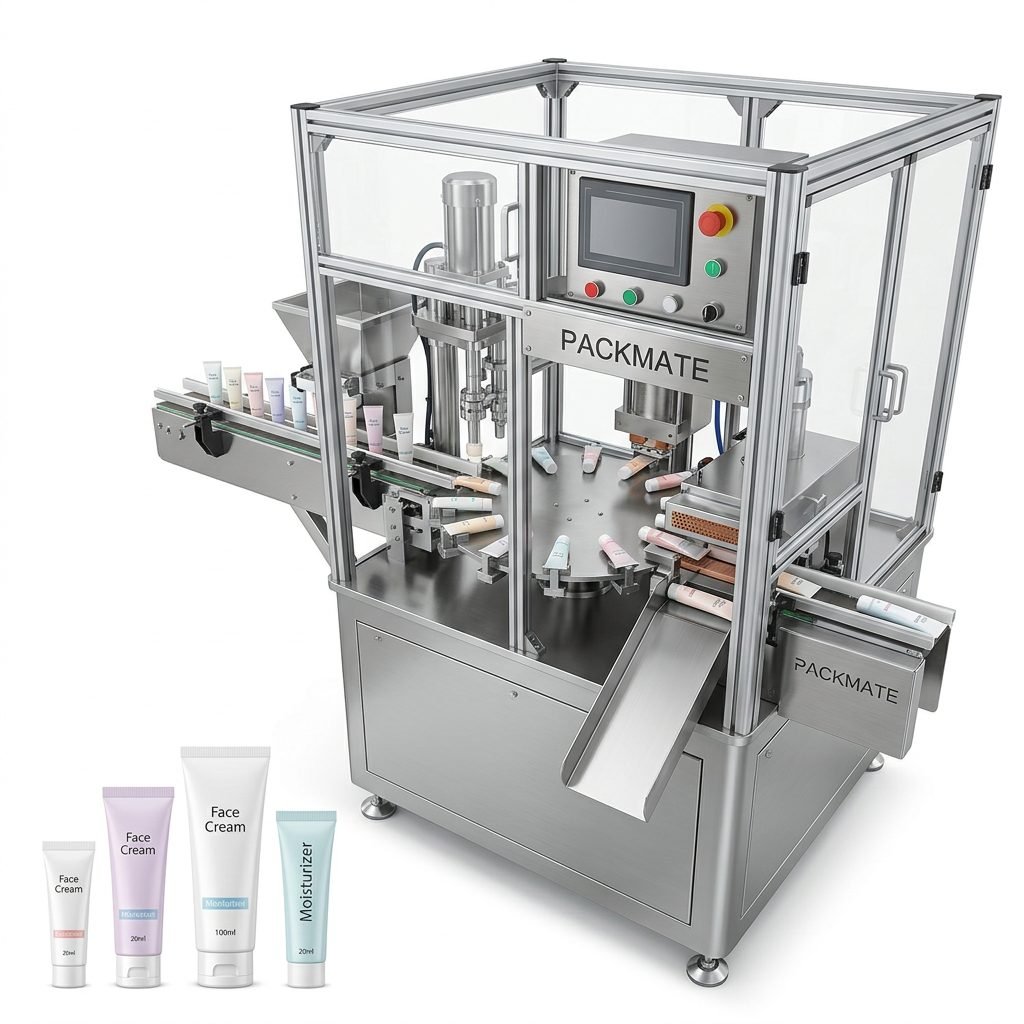
- Liquid & Viscous Product Fillers: Piston, gravity, or pump-based fillers designed for accuracy with liquids, creams, and pastes, often integrated with capping or lidding stations.
2. Secondary & Tertiary Packaging
Once primary packages are created, they must be collated, cartoned, and prepared for shipment.
Cartoners automatically erect, load, and seal cartons. Case Packers place multiple cartons or primary packages into shipping cases. Finally, Palletizers robotically or conventionally stack cases onto pallets, optimizing stability for transport. This end-to-end automation is what defines a complete packaging line solution.
3. The “Brain”: Control & Integration Systems
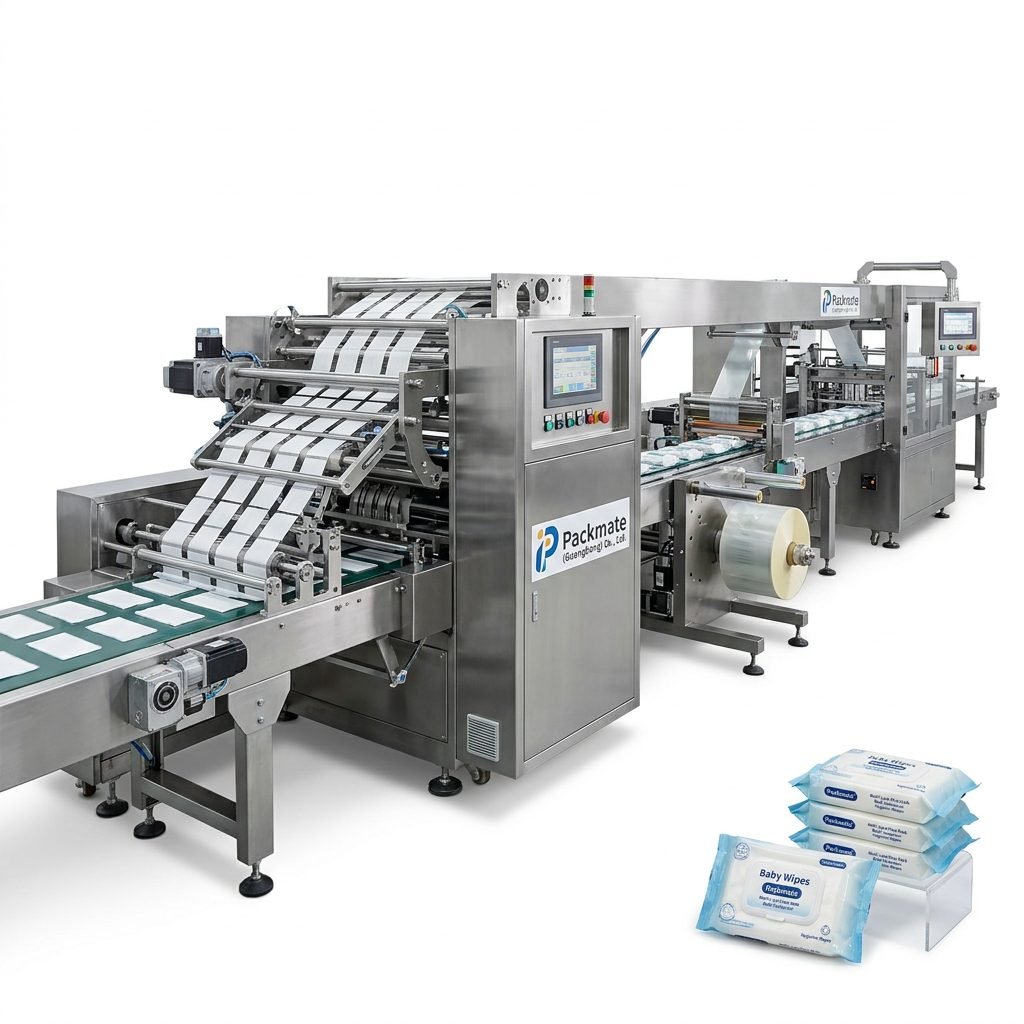
The true magic of a turnkey line lies in its integrated control system. A central PLC (Programmable Logic Controller) or industrial PC orchestrates every machine, synchronizing speeds and managing communication. Advanced HMI (Human-Machine Interface) panels allow for easy recipe changes, monitoring, and troubleshooting. This seamless integration is a hallmark of providers like Packmate (GuangDong) Co., Ltd., whose over 22 years of experience ensures robust and reliable system architecture.
Choosing the Right Partner for Your Turnkey Solution
Selecting a supplier is the most critical decision. Look for a partner with:
▶ Deep Industry Expertise: Proven successful case studies in your specific sector (food, pharma, health) are essential. They understand the unspoken regulations and challenges.
▶ In-House Engineering & Manufacturing: Companies that design and build their own core equipment, like Packmate in their 20,000㎡ facility, have greater control over quality, integration, and after-sales support.
▶ Comprehensive Service Portfolio: The relationship doesn’t end at installation. Look for partners offering FAT (Factory Acceptance Testing), commissioning, operator training, and readily available spare parts and technical service.
▶ A Collaborative Approach: The best suppliers work as an extension of your team, from initial concept and layout design through to ongoing optimization, ensuring the line meets your exact business objectives.
The Future: Smart Packaging Lines
The next evolution is the smart, connected factory. Future-ready turnkey lines are equipped with IoT sensors for predictive maintenance, AI-driven vision inspection systems that learn to detect ever-subtler defects, and full digital twin integration for virtual simulation and optimization. Embracing these technologies from the outset ensures your investment remains competitive and adaptable for decades.
In conclusion, for manufacturers in the food, pharmaceutical, and health product sectors, moving to a complete automated turnkey packaging line is a strategic imperative, not just an equipment upgrade. It is an investment in unparalleled quality, relentless efficiency, and sustainable growth. By partnering with an experienced and integrated provider, you secure not just a set of machines, but a cornerstone for your future success.
Frequently Asked Questions (FAQs)
1. What is the main difference between a “turnkey line” and buying individual machines?
A turnkey line is a fully integrated, ready-to-operate system where all components (unloading, filling, sealing, cartoning, etc.) are designed to work together seamlessly from a single supplier. Buying individual machines requires you to handle integration, which can lead to compatibility issues, communication gaps between machines, and multiple points of responsibility for service.
2. How long does it typically take to commission a complete turnkey packaging line?
The timeline varies based on complexity but generally ranges from 6 to 18 months. It involves stages like detailed engineering, manufacturing, Factory Acceptance Testing (FAT) at the supplier’s site, shipping, installation at your facility, Site Acceptance Testing (SAT), and operator training. An experienced partner like Packmate manages this entire project lifecycle efficiently.
3. Can an automated line handle frequent product changeovers?
Yes, modern lines are designed for flexibility. Quick-change parts, recipe management on the HMI, and modular designs significantly reduce changeover time. This is crucial for manufacturers producing multiple SKUs or running short batches, common in the health and nutraceutical industries.
4. What kind of after-sales support should I expect?
Comprehensive support includes detailed documentation, on-site training for your engineers and operators, a readily available inventory of spare parts, remote diagnostic support, and scheduled preventive maintenance visits. This ensures maximum uptime and a long operational life for your investment.
5. How do I justify the ROI of such a significant capital investment?
The ROI calculation should include both tangible and intangible factors: labor cost savings, reduced product waste (giveaway), increased production output, lowered risk of costly recalls or compliance violations, and improved brand reputation from consistent quality. Most businesses find the payback period is shorter than anticipated due to these combined efficiencies.
For more detailed answers, visit our dedicated FAQs page.