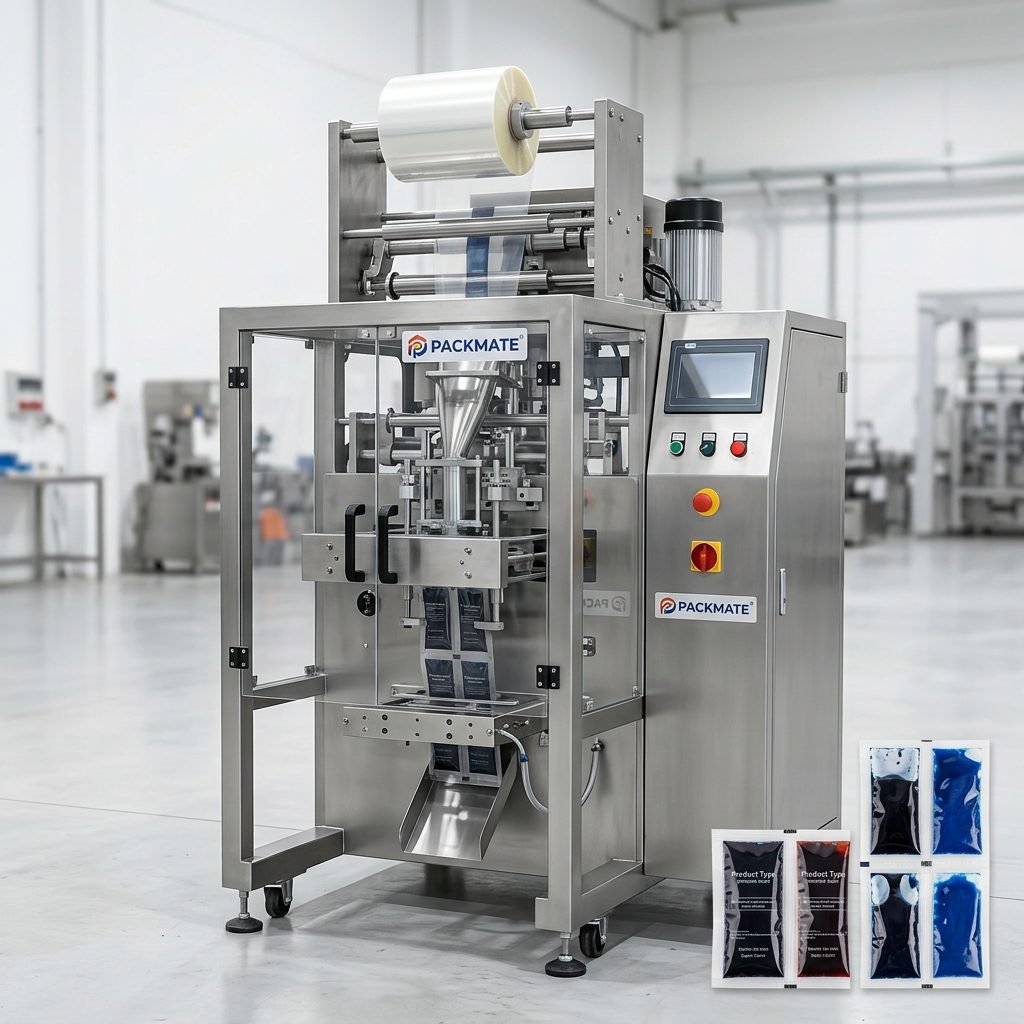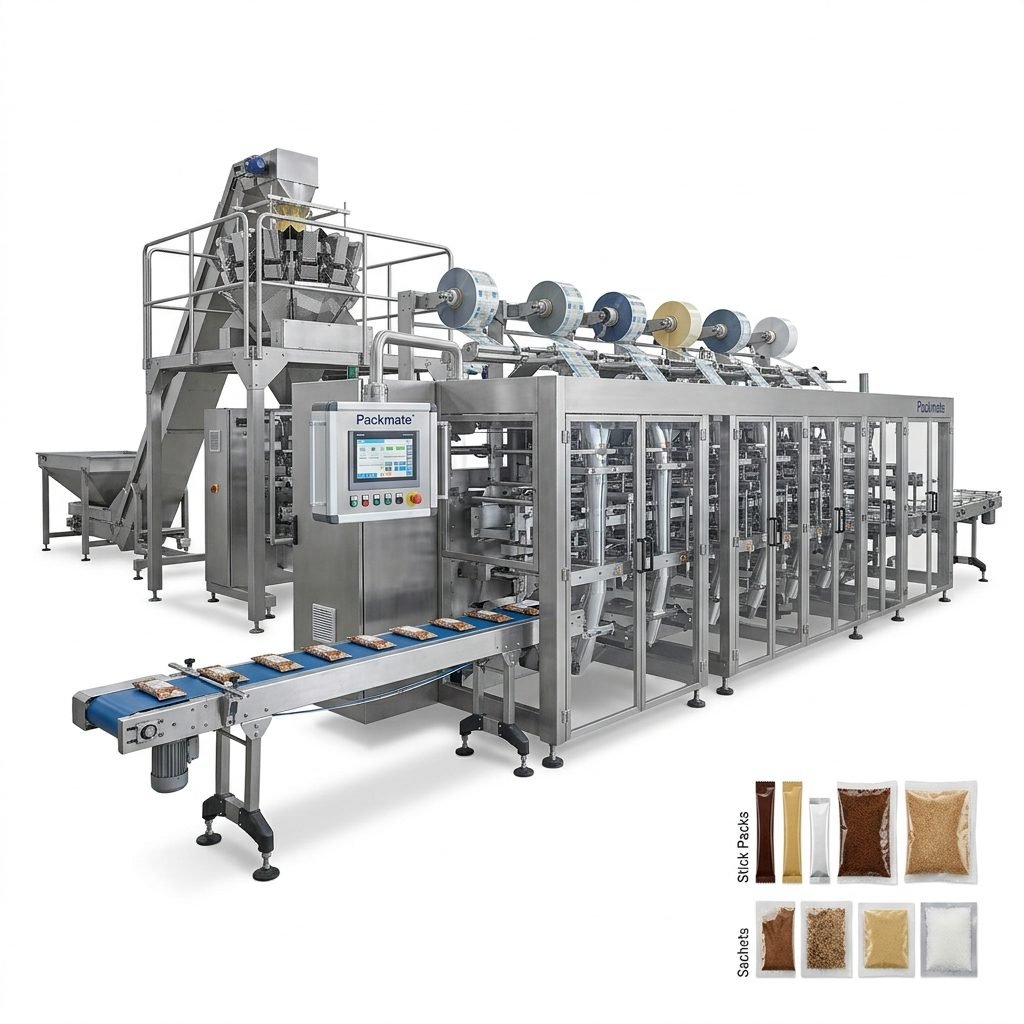
In the highly specialized and demanding world of industrial lubricant production, efficiency, precision, and reliability are non-negotiable. The final step in bringing high-performance oils to market—packaging—is a critical juncture where product integrity meets brand presentation. A modern, automated lubricant oil packaging line is no longer a luxury but a fundamental requirement for manufacturers aiming to scale operations, ensure consistent quality, and remain competitive. This guide delves into the core components and solutions for an effective packaging line, focusing on automatic filling, capping, and bottling equipment.
The Imperative for Automation in Lubricant Packaging
Manual or semi-automatic packaging processes are fraught with challenges for lubricant producers. Inconsistencies in fill volume, slow throughput speeds, high labor costs, and potential for contamination can severely impact profitability and brand reputation. An integrated, automated packaging line addresses these issues head-on. It ensures precise measurement of viscous fluids, maintains a sterile environment, dramatically increases output, and reduces long-term operational costs. For businesses looking to expand their market reach or streamline production, investing in a turnkey automated solution is a strategic move. Companies like Packmate, with decades of experience, specialize in designing such cohesive systems tailored to specific industry needs.
Core Benefits of an Automated Line:
- Enhanced Accuracy: Eliminates overfilling and underfilling, saving product and cost.
- Superior Speed: Capable of handling hundreds of bottles per minute.
- Improved Safety: Minimizes worker contact with machinery and chemicals.
- Data & Traceability: Integrated systems provide valuable production data for quality control.
Deconstructing the Lubricant Oil Packaging Line: Key Equipment Modules
A complete lubricant oil packaging line is a symphony of synchronized machines. Each module performs a specific task, and their seamless integration is key to optimal performance.
1. Bottle Unscrambler & Cleaning
The process begins with preparing the containers. An automatic bottle unscrambler takes bulk plastic or metal containers from a hopper, orients them correctly, and feeds them in a single file onto the conveyor belt. An inline air-cleaning station often follows to remove any dust or particulates, ensuring the bottle is pristine before filling. This step is crucial for maintaining the purity of the lubricant.
2. The Heart of the Line: Automatic Filling Machines
This is the most critical component. For lubricants, which range from thin hydraulic fluids to thick greases, choosing the right filling technology is paramount.
Primary Filling Methods:
Gravity Fillers: Ideal for low to medium viscosity oils. Relies on the product’s own weight to flow into the bottle. Simple and cost-effective for free-flowing liquids.
Piston Fillers: The industry standard for high-viscosity products like gear oils and greases. A piston draws a precise volume of product from a supply tank and injects it into the container. Highly accurate and versatile for varying viscosities.
Pump Fillers: Utilize rotary pumps or peristaltic pumps to transfer product. Excellent for foamy liquids or when the supply tank is located away from the filler. Modern fillers often feature touch-screen PLC controls for easy recipe changes and diagnostics.
3. Securing the Product: Automatic Capping & Sealing
Immediately after filling, containers move to the capping station. Automatic cappers apply various closures—screw caps, snap caps, press-on caps, or even foil seals—with consistent torque and alignment. Spindle cappers are common for screw caps, while chuck cappers handle a wider variety. Proper capping is essential to prevent leaks, contamination, and tampering, directly impacting customer satisfaction. Exploring different packaging solutions can reveal the optimal capping technology for your specific bottle and cap combination.
4. Labeling & Coding
Branding and compliance information are applied in this stage. Automatic labelers can apply front, back, and wrap-around labels with pinpoint accuracy. Simultaneously, inkjet or laser coders print batch numbers, expiry dates, and barcodes directly onto the bottle or label. This automation ensures regulatory compliance and professional branding on every unit.
5. Final Stages: Inspection & Case Packing
Quality checks are integrated throughout. Checkweighers verify fill weight, rejecting under or over-filled bottles. Vision systems inspect for cap presence, label alignment, and fill level. Finally, automatic case packers or cartoners gently collate finished bottles into shipping cases, ready for palletizing. This end-to-end automation, from a single bottle to a sealed case, maximizes efficiency.
Choosing the Right Partner for Your Packaging Line
Selecting equipment is only half the battle. Partnering with a reliable supplier who offers comprehensive support is vital. Look for a provider with:
- Proven Industry Experience: Specific knowledge in handling lubricants and viscous fluids.
- Turnkey Solution Capability: Ability to supply, integrate, and commission the entire line, not just individual machines.
- Robust After-Sales Service: Ready access to spare parts, technical support, and maintenance training.
- Customization: Willingness to adapt standard equipment to your unique bottle shapes, production speeds, and factory layout.
A partner like Packmate embodies these principles, offering not just machines but complete packaging line solutions backed by engineering expertise. Reviewing real-world application cases can provide valuable insight into a supplier’s capabilities.
Implementation & Future-Proofing
Successful implementation requires careful planning: factory floor layout, utility connections (power, air), and operator training. Furthermore, a future-proof line should have scalability—the ability to add modules or increase speed as your business grows. Investing in modular, well-supported equipment from the start protects your investment for the long term.
Frequently Asked Questions (FAQs)
1. What is the typical production speed of an automated lubricant filling line?
Speeds vary greatly based on bottle size, viscosity, and line configuration. A standard 1-liter oil bottling line can typically achieve 60 to 150 bottles per minute (BPM). Higher speeds are possible with multi-head fillers and synchronized conveyors. The exact throughput should be determined during the line design phase with your equipment supplier.
2. How do I choose between a piston filler and a pump filler for my lubricant?
The choice hinges on product viscosity and characteristics. Piston fillers are generally superior for thick, non-flowing products like gear grease or heavy gear oil, offering exceptional volumetric accuracy. Pump fillers (like rotary gear pumps) are excellent for a wide range of flowing oils, especially if the product is prone to foaming or the supply tank is remote. A reputable supplier can conduct product tests to recommend the best technology.
3. Can one packaging line handle different bottle sizes and oil types?
Yes, modern lines are designed for quick changeover. This involves adjusting filler volumes, changing capping chucks, modifying labeler settings, and updating conveyor guides. The ease and speed of changeover (from 15 minutes to an hour) are key features to discuss with your manufacturer, as they directly impact operational flexibility for producing multiple SKUs.
4. What are the most important maintenance routines for a lubricant packaging line?
Regular preventive maintenance is crucial. Daily tasks include cleaning filler nozzles and capping heads, checking for leaks, and verifying sensor function. Weekly/monthly routines involve lubricating moving parts, checking drive belts and chains, and calibrating the checkweigher and filler for accuracy. Always follow the manufacturer’s maintenance schedule and use genuine spare parts.
5. How does an automated line improve quality control compared to manual packing?
Automation introduces consistent, repeatable processes. Integrated checkweighers and vision systems inspect 100% of production in real-time, automatically rejecting faulty units. This eliminates human error and variability, ensuring every bottle that leaves your facility meets exact weight, closure, and labeling specifications, thereby enhancing brand trust and reducing customer complaints.