In the fiercely competitive landscape of modern manufacturing, where margins are thin and consumer demand is volatile, the efficiency of your packaging line is not just an operational metric—it’s the heartbeat of your profitability. For production managers and plant operators, the relentless pursuit of speed often comes with a hidden cost: accuracy. Manual counting is slow, prone to human error, and a significant bottleneck. Enter the transformative power of an Automatic Product Counting System. This technology is no longer a luxury for high-speed packaging lines; it is the critical engine driving production efficiency, quality assurance, and bottom-line results.
The High-Stakes Challenge of Manual Counting
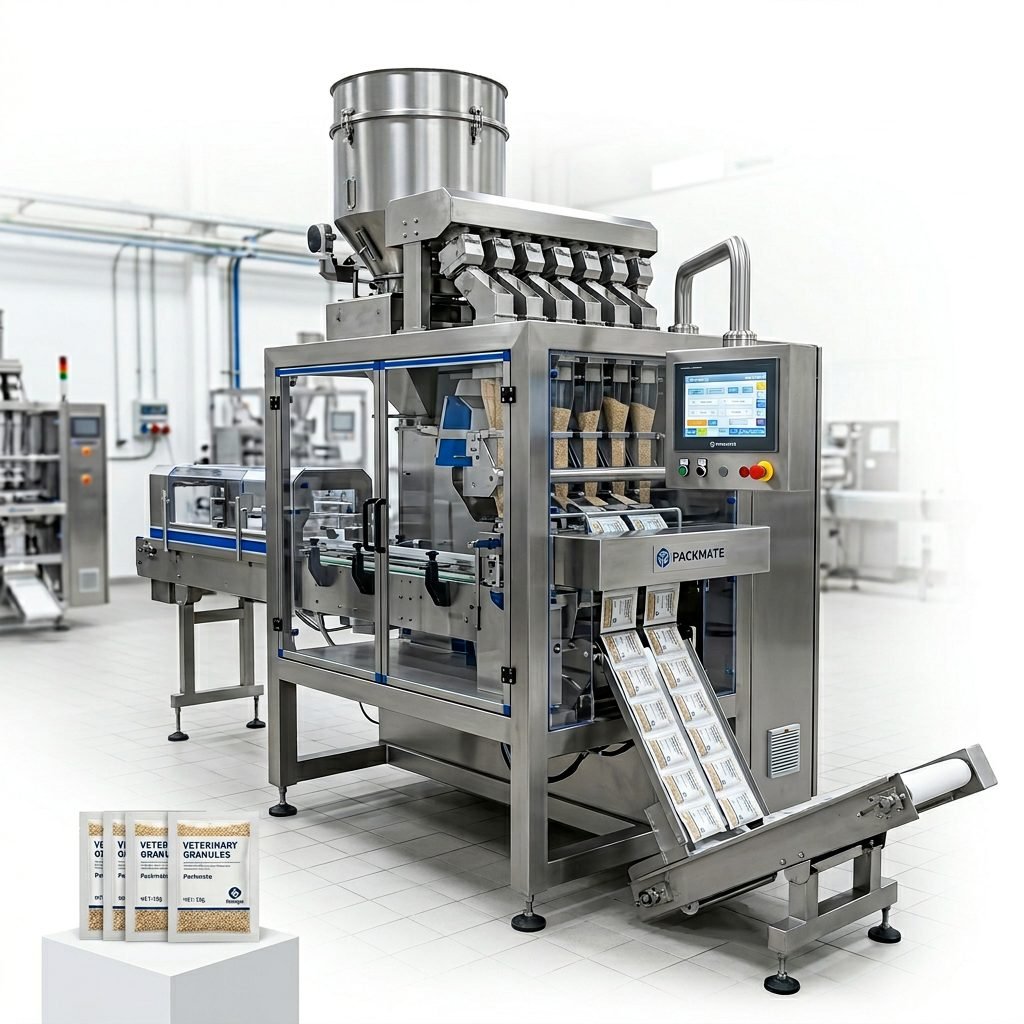
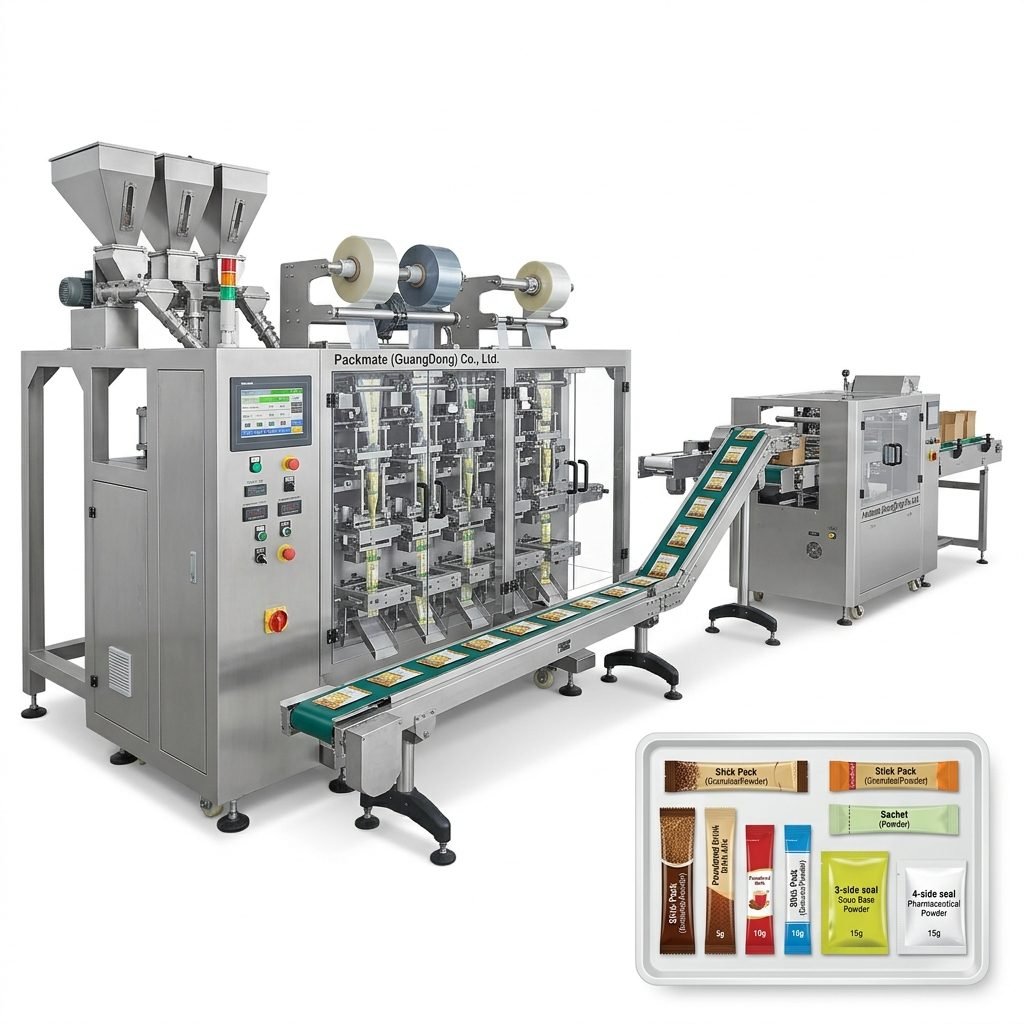
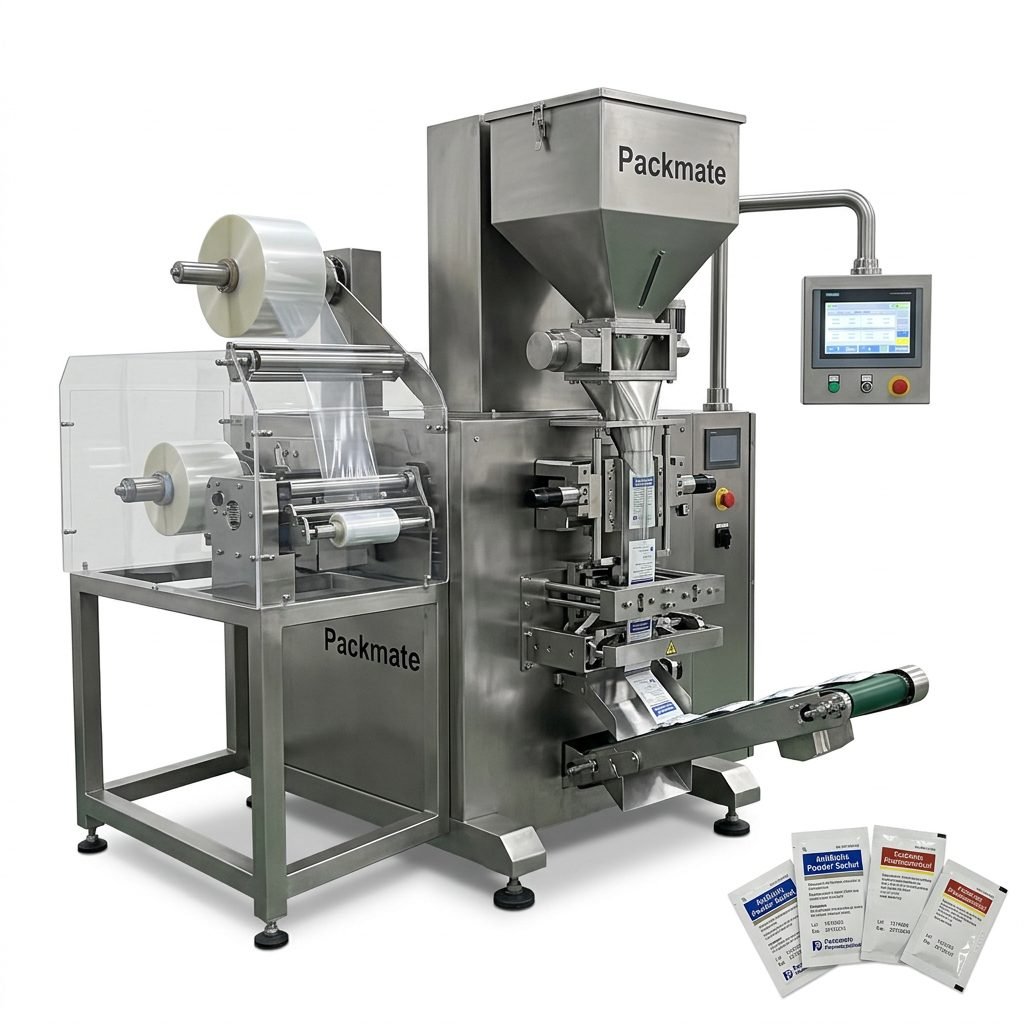
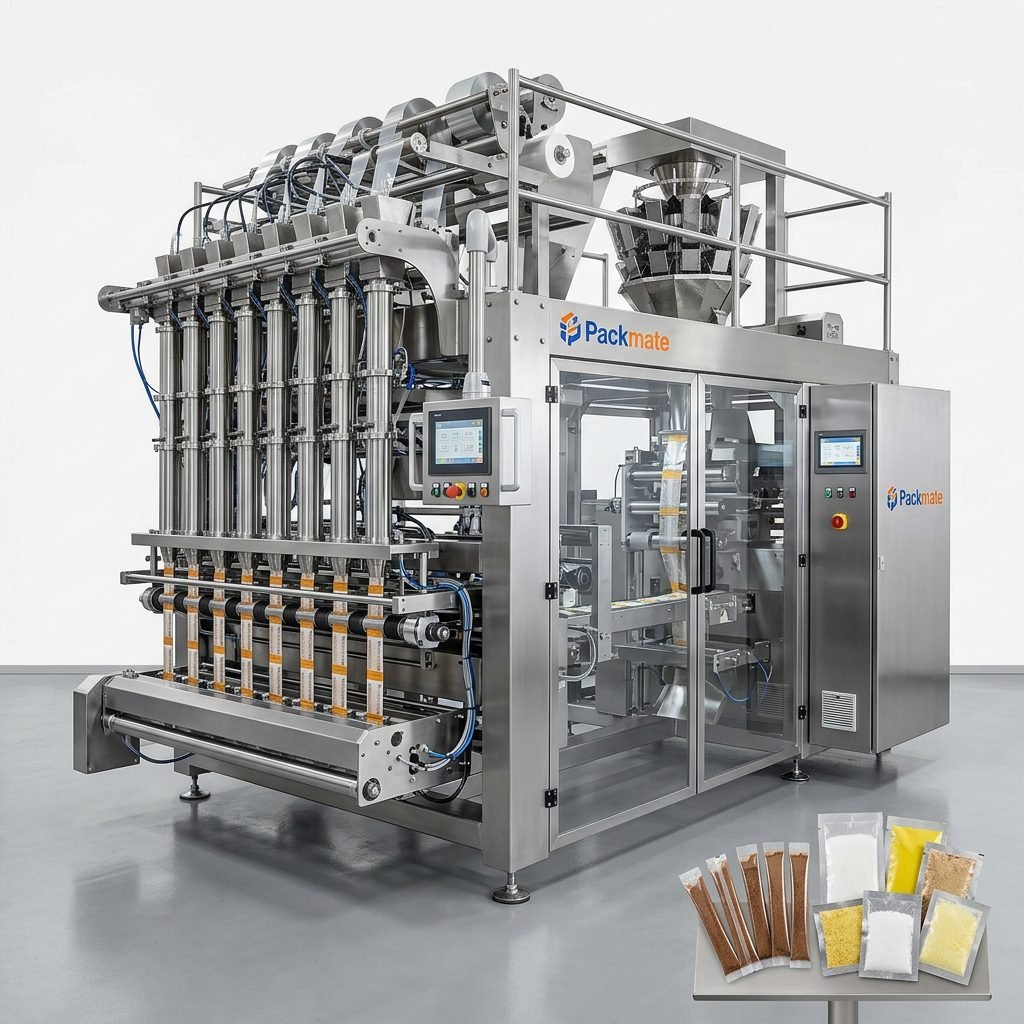
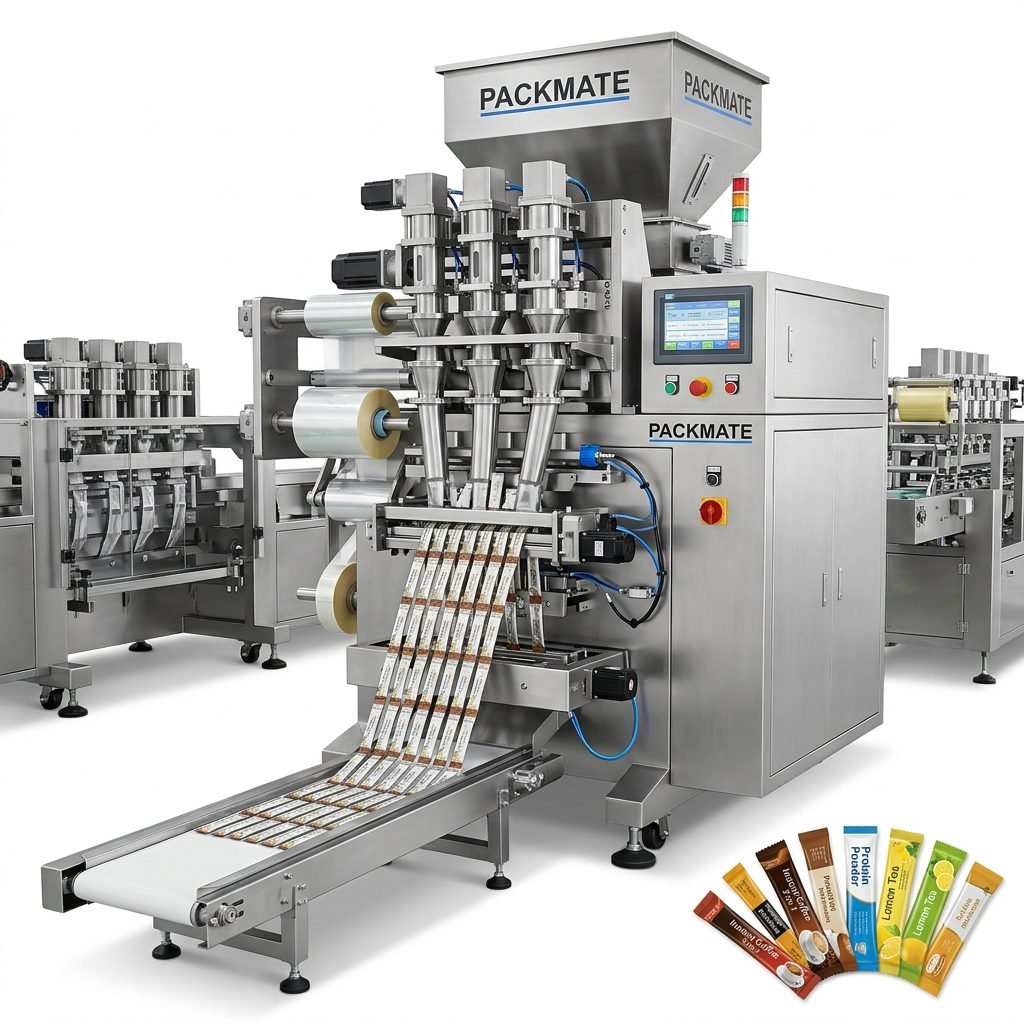
Imagine a high-speed sachet packaging line, like those designed and delivered by industry leaders, humming at several hundred cycles per minute. Relying on human operators to visually count and verify every single pouch is an exercise in diminishing returns. Fatigue sets in, attention wavers, and errors creep in—under-counts lead to customer complaints and brand damage, while over-counts directly erode profits. This manual process creates a fundamental conflict between the goal of maximizing line speed and the imperative of maintaining perfect accuracy.
- Speed Limitation: Human counting physically caps the maximum throughput of a line.
- Inconsistent Accuracy: Error rates typically range from 0.5% to 2%, unacceptable in industries like pharmaceuticals.
- High Labor Cost: Dedicated personnel for counting is a recurring operational expense.
- Lack of Data: Provides no digital record for traceability or process analysis.
How Automatic Counting Systems Reshape Production
An automatic counting system integrates seamlessly into the packaging workflow, acting as a silent, infallible guardian of quantity. Using advanced sensors—such as high-resolution vision cameras, precision photoelectric cells, or sophisticated weigh scales—the system inspects every single item in real-time as it zips past on the conveyor. This technology is a cornerstone of the complete packaging solutions that forward-thinking companies implement to future-proof their operations.
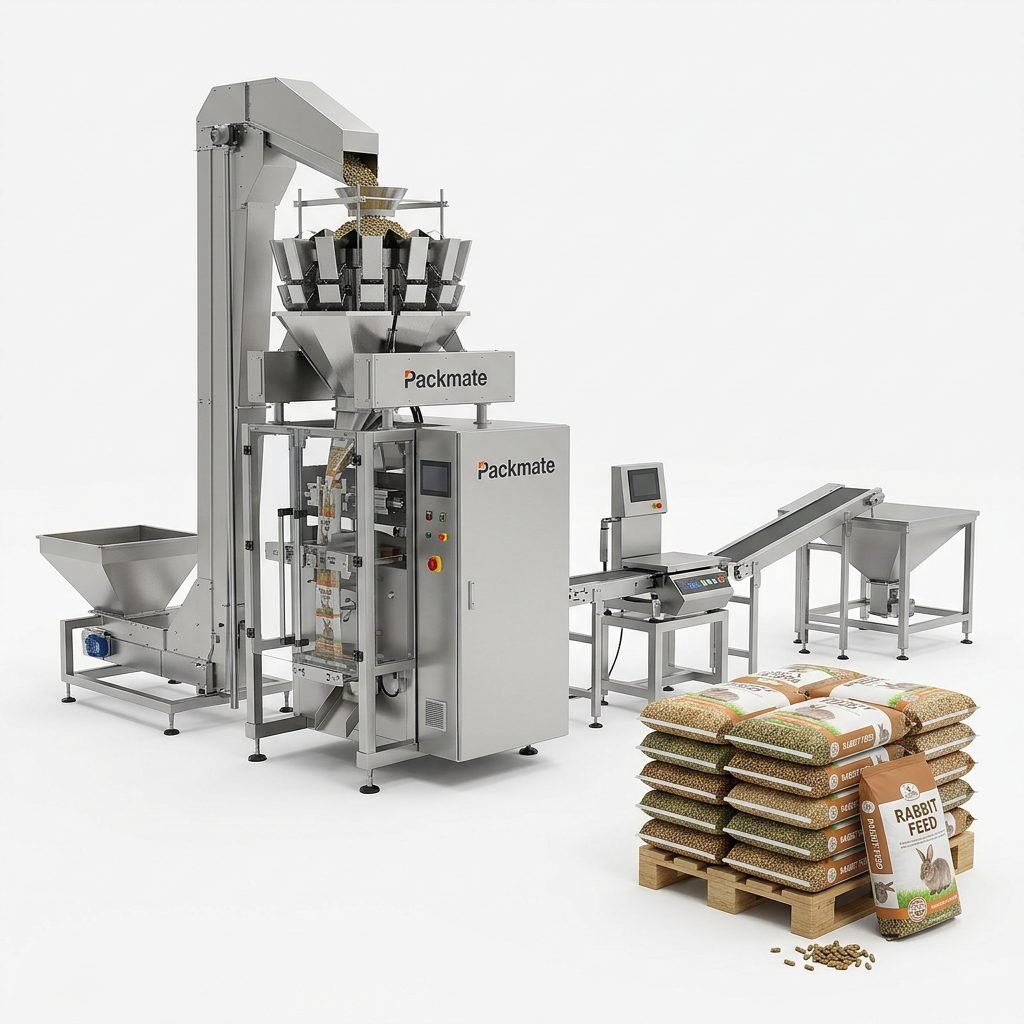
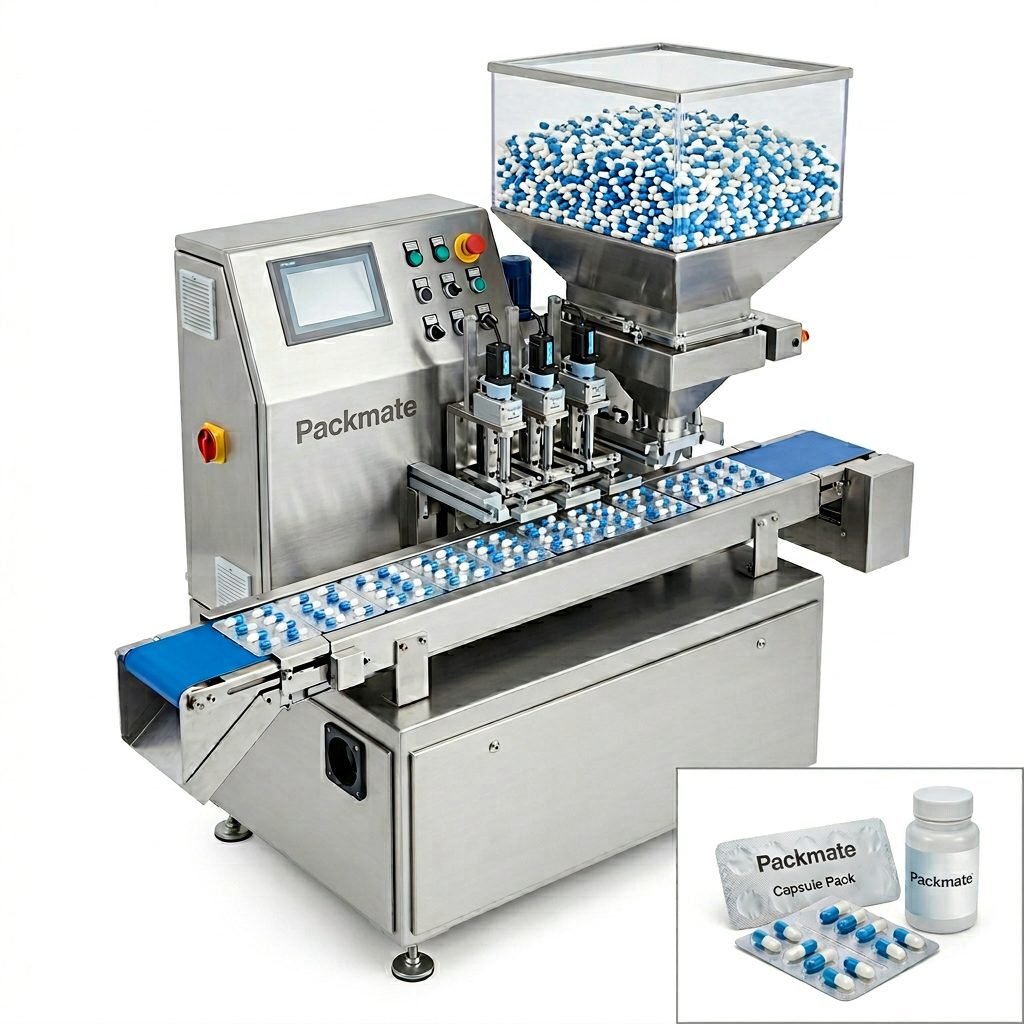
The core principle is detection and verification. For discrete items like pills, capsules, or hardware components, vision systems perform complex tasks. They can count based on individual item recognition, even in a cluttered stream. For small, lightweight items like seeds or electronic parts, multi-head weighers or precision checkweighers provide indirect but highly accurate counts by weight. The system’s brain, a programmable logic controller (PLC), compares the real-time count against the pre-set target for each batch or pack. Any deviation triggers an immediate response, such as ejecting an under-filled pouch or stopping the line to prevent a cascade of errors.
Direct Benefits for High-Speed Packaging Efficiency
The implementation of an automatic counting system delivers a rapid and measurable return on investment across multiple dimensions of production efficiency.
1. Unlocking Maximum Line Speed: By removing the human bottleneck, the packaging line can operate at its true engineered maximum speed. This directly increases Overall Equipment Effectiveness (OEE), allowing you to produce more with the same assets in less time. The synergy between high-speed machinery, like the multi-lane stick pack machines used in food and nutraceutical sectors, and flawless automatic counting is where peak productivity is achieved.
2. Achieving 100% Count Accuracy: This is the most significant quality leap. Automated systems typically achieve accuracy rates of 99.95% or higher, effectively eliminating giveaway and short-count claims. This builds immense trust with customers and retailers, protecting brand reputation. In regulated industries, this level of accuracy is not just beneficial—it’s often mandatory for compliance.
3. Dramatic Reduction in Labor and Waste: Automating the counting process reallocates skilled personnel to more value-added tasks like machine supervision, maintenance, or quality control. Furthermore, by catching errors at the source, material waste from incorrect fills is drastically reduced. This contributes directly to lean manufacturing goals and sustainability initiatives.
The Data Advantage: From Counting to Controlling
Modern automatic counters are data powerhouses. They don’t just count; they collect. Every count, every rejection, and every line speed fluctuation is logged. This data feeds into Manufacturing Execution Systems (MES) or dashboard analytics, providing unprecedented visibility. Production managers can now identify trends: Does count accuracy drop after 8 hours of continuous run? Is there a specific lane on a multi-head filler that consistently drifts? This shift from reactive problem-solving to proactive process control is where true, long-term efficiency gains are solidified. For insights into how data drives continuous improvement, explore the philosophy behind our corporate mission and vision.
Integration: The Key to Seamless Operation
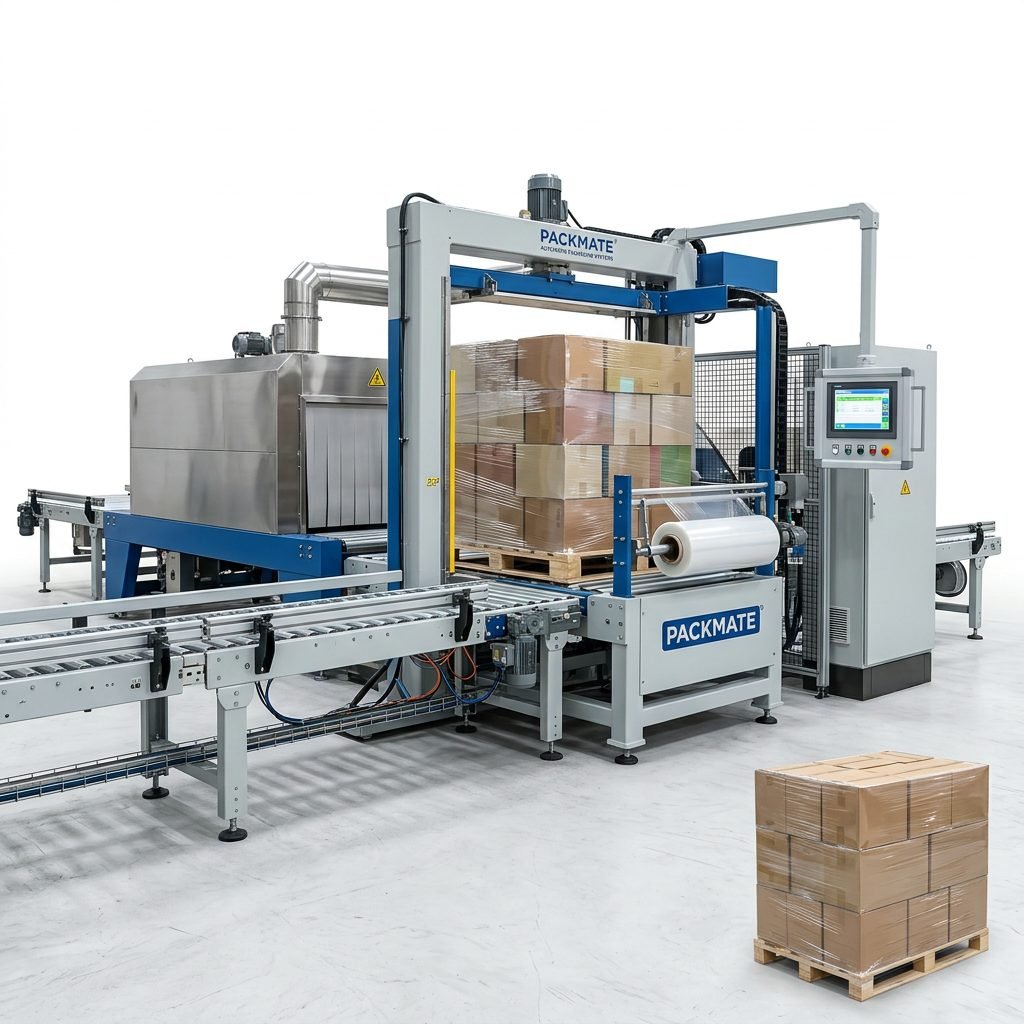
The true power of an automatic counting system is realized not in isolation, but through deep integration with the rest of the packaging line. This requires expertise in both machine design and control systems. The counter must communicate flawlessly with the filling machine, the capper, the labeler, and the case packer. A signal from the counter must be able to pause a filler, activate a reject arm, or update a batch record in real-time.
This is why partnering with a provider of turnkey packaging solutions is so advantageous. Companies like Packmate, with over 22 years of development, design their lines with integration as a first principle. The counting system is not an afterthought but a core component specified from the initial design phase, ensuring mechanical compatibility, communication protocol alignment, and synchronized operation. This holistic approach, born from a deep understanding of the entire packaging process as detailed in our company profile, guarantees that the counting system enhances, rather than disrupts, the production flow.
Future-Proofing with Smart Counting Technology
The evolution of automatic counting is moving towards greater intelligence and connectivity. The integration of Artificial Intelligence (AI) and Machine Learning (ML) allows systems to self-optimize. They can learn to distinguish between product and debris, adapt to slight variations in product appearance, and predict maintenance needs before a sensor fails. Furthermore, Industrial Internet of Things (IIoT) connectivity enables remote monitoring and management, allowing engineers to diagnose issues or adjust parameters from anywhere in the world.
For businesses looking to stay ahead, investing in a counting system with these smart capabilities is an investment in adaptability. It creates a packaging line that is not only efficient today but can also evolve to meet the unknown challenges and opportunities of tomorrow. The foundation for such innovation is built on a commitment to quality and reliability, principles that are verified through rigorous testing and international certifications.
In conclusion, an Automatic Product Counting System is the definitive solution to the age-old trade-off between speed and accuracy in packaging. It is a strategic investment that pays dividends through increased throughput, perfect count accuracy, lower operational costs, and rich production data. By seamlessly integrating this technology into high-speed packaging lines, manufacturers can secure a decisive competitive advantage, ensuring their operations are not just faster, but smarter, more reliable, and ultimately, more profitable.
Frequently Asked Questions (FAQs)
Q1: What types of products are best suited for automatic counting systems?
Automatic counting systems are incredibly versatile. They are ideal for discrete, uniform items like pharmaceutical tablets and capsules, hardware (nuts, bolts, screws), confectionery, seeds, and small electronic components. Systems can also be configured for counting pre-made sachets or stick packs on a conveyor before cartoning.
Q2: Can these systems handle high-speed lines running at over 500 packs per minute?
Absolutely. Advanced vision-based and high-speed photoelectric systems are specifically engineered for these demands. They use fast-processing cameras and strobe lighting to “freeze” motion, ensuring accurate counts even at extreme speeds common in modern multi-lane packaging operations.
Q3: How does the system differentiate between products that might be touching or overlapping?
Sophisticated vision software utilizes advanced algorithms for “blob analysis” and pattern recognition. It can distinguish individual items within a cluster. For challenging products, systems can be paired with vibratory feeders or air jets to gently separate items before they reach the counting zone, ensuring a clean, singular stream.
Q4: What is the typical accuracy rate, and how is it calibrated?
Industrial-grade systems typically guarantee accuracy rates of 99.95% or higher. Calibration is performed using known sample quantities. The system is tested with these samples, and its sensor sensitivity and software parameters are fine-tuned until it counts perfectly. Regular verification checks are part of standard maintenance.
Q5: How difficult is it to integrate a new counting system into an existing legacy packaging line?
Integration is a common task for experienced engineers. It involves mechanical mounting, electrical connection, and software/PLC interfacing. While retrofitting requires careful planning, a skilled provider can design a solution that minimizes downtime and ensures the counter communicates effectively with your existing line controls. For support on integration and other technical queries, our comprehensive service team is always available.