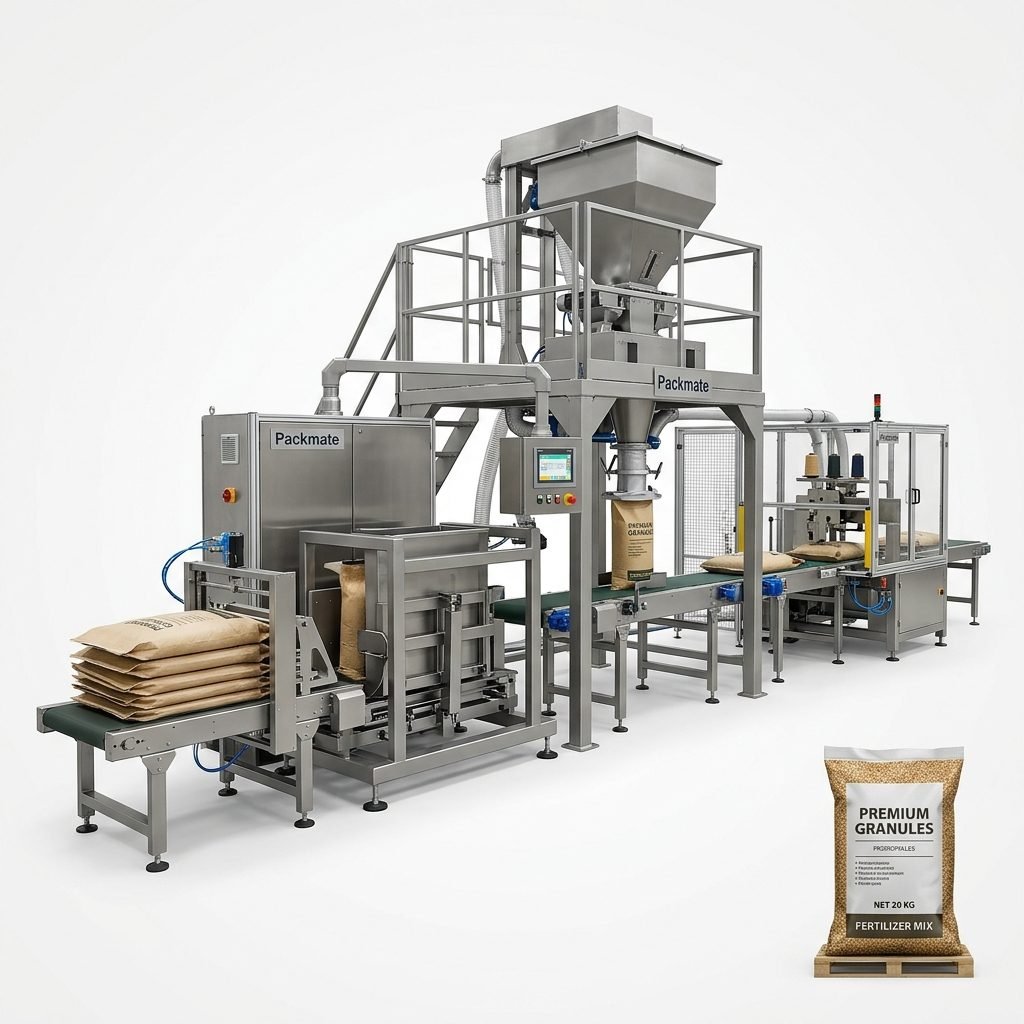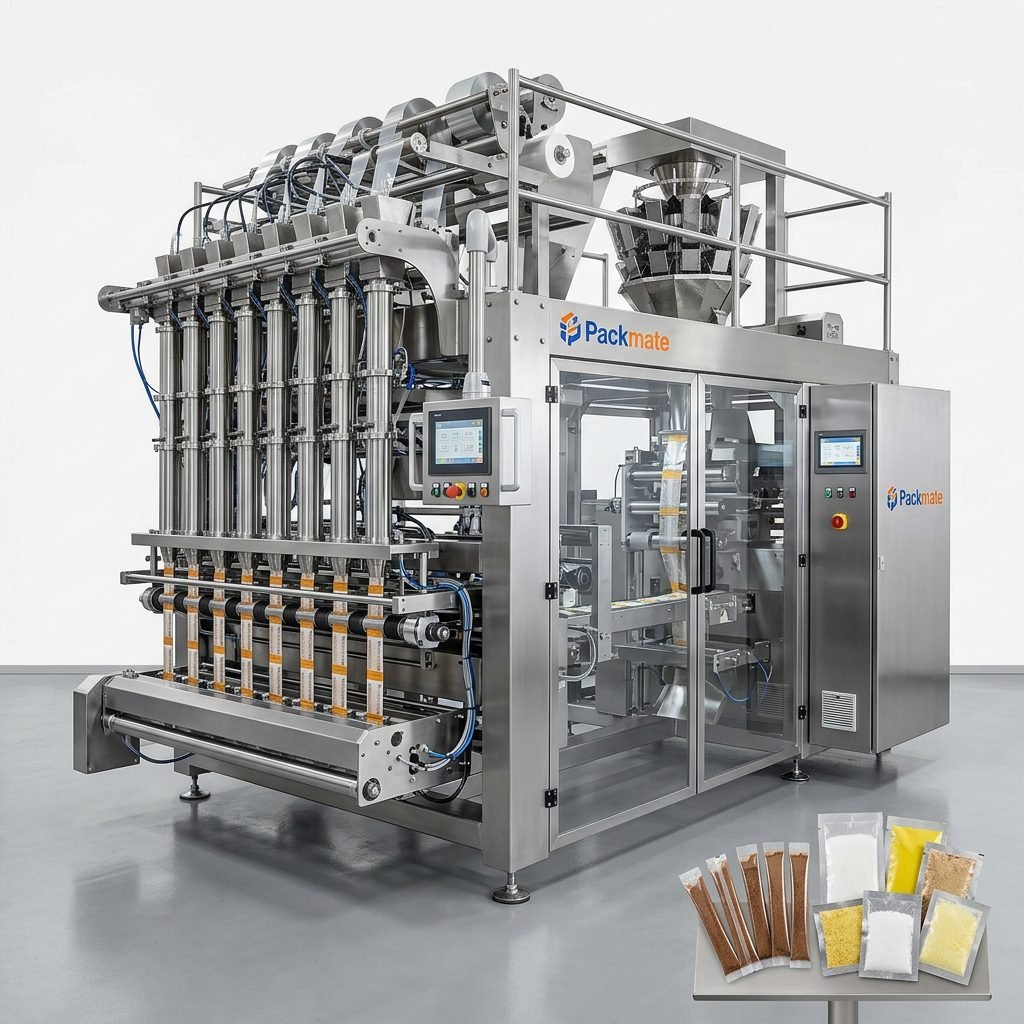
The nicotine pouch market is experiencing rapid global growth, driven by evolving consumer preferences and a shift towards smoke-free alternatives. For manufacturers aiming to capitalize on this trend, the efficiency, consistency, and scalability of the production process are paramount. This is where a sophisticated Nicotine Pouch Packaging Line becomes a critical competitive advantage. Moving beyond simple bagging, a modern line integrates automated filling, precision sealing, and comprehensive quality control into a seamless, turnkey system.
Core Advantage: From Manual Bottleneck to Automated Flow
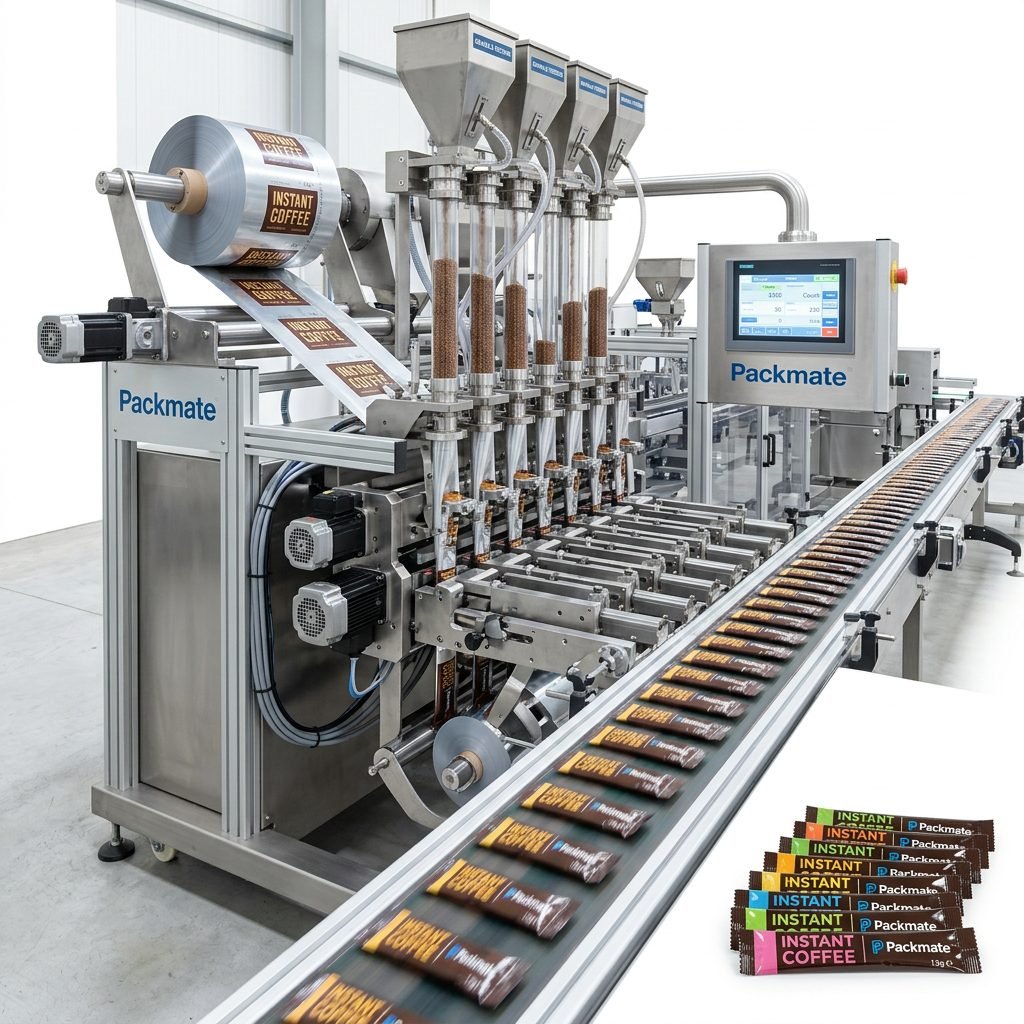
Traditional, semi-automatic methods struggle with the demands of high-volume nicotine pouch production. Inconsistent fill weights, sealing failures, and slow speeds can compromise product quality and profitability. An integrated packaging line transforms this by creating a continuous, automated flow. It ensures each pouch receives the exact measured dose of nicotine and filler material, is hermetically sealed to preserve freshness and prevent leakage, and is coded and collated at high speeds. This automation directly translates to higher output, reduced labor costs, and minimized product waste.
The Anatomy of a High-Performance Packaging Line
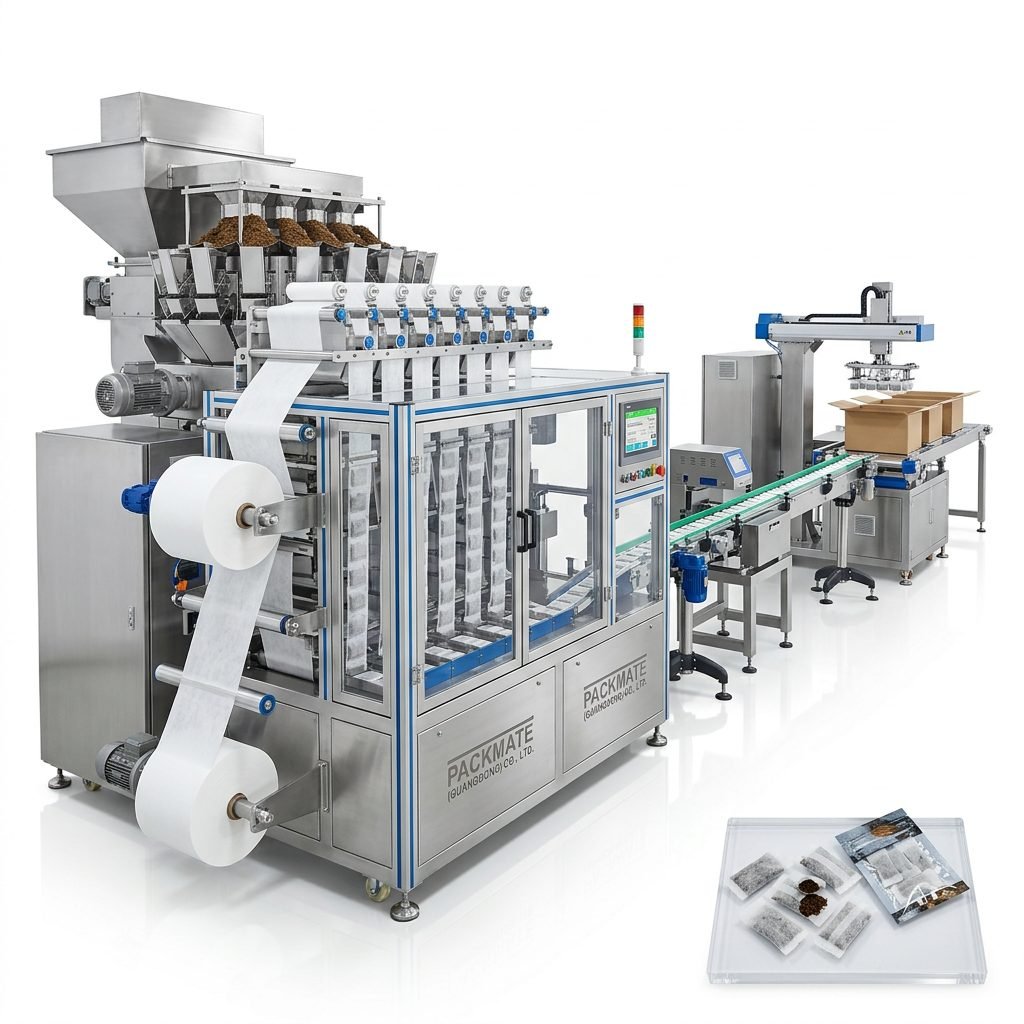
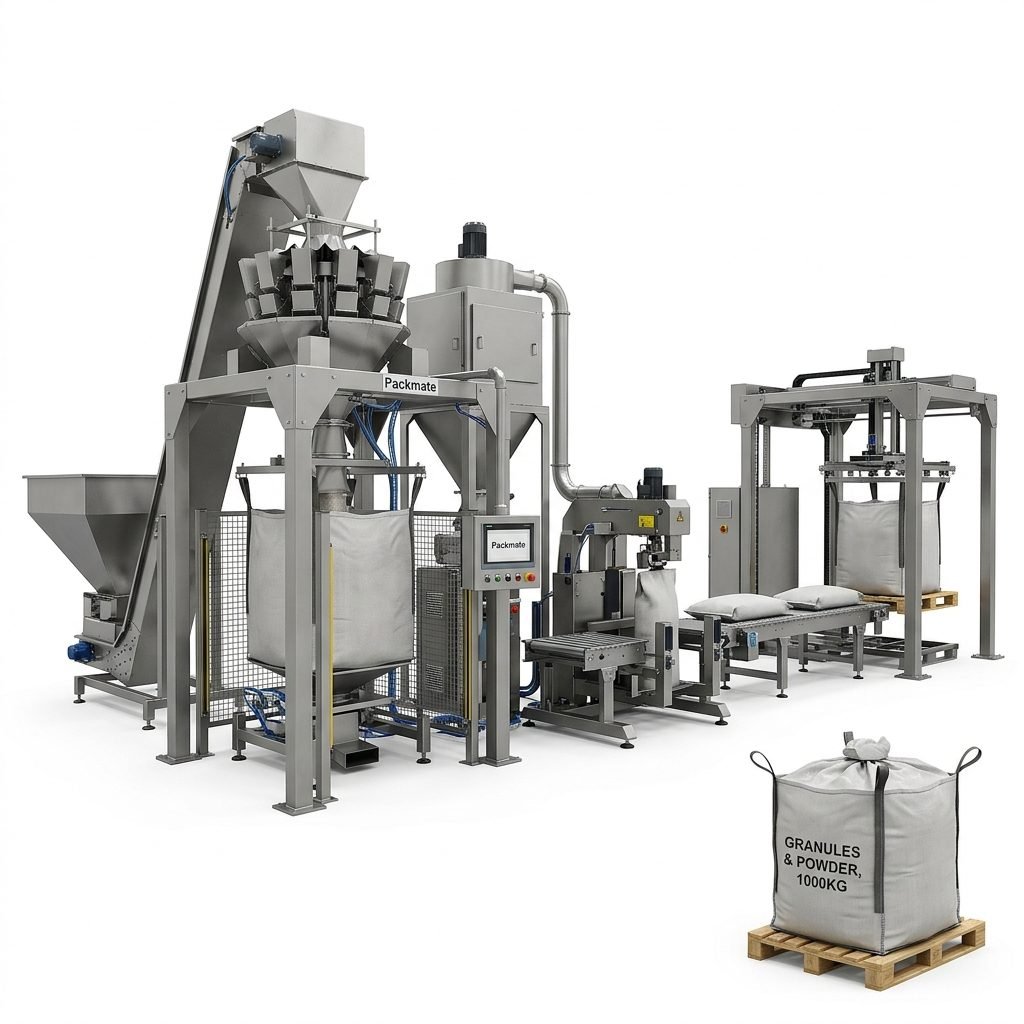
A complete turnkey solution is more than a collection of machines; it’s a synchronized production ecosystem. Key modules work in concert to deliver flawless pouches ready for the market.
1. Automated Feeding & Filling Systems
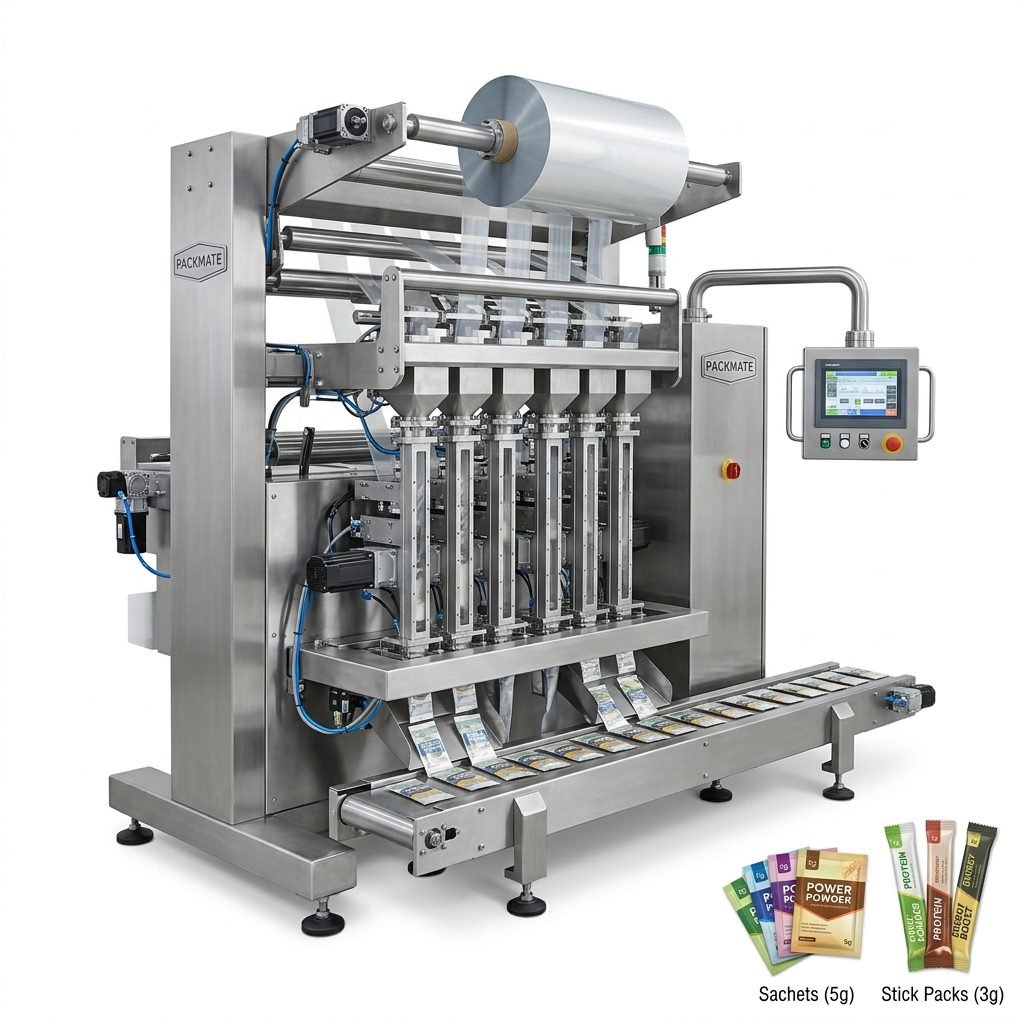
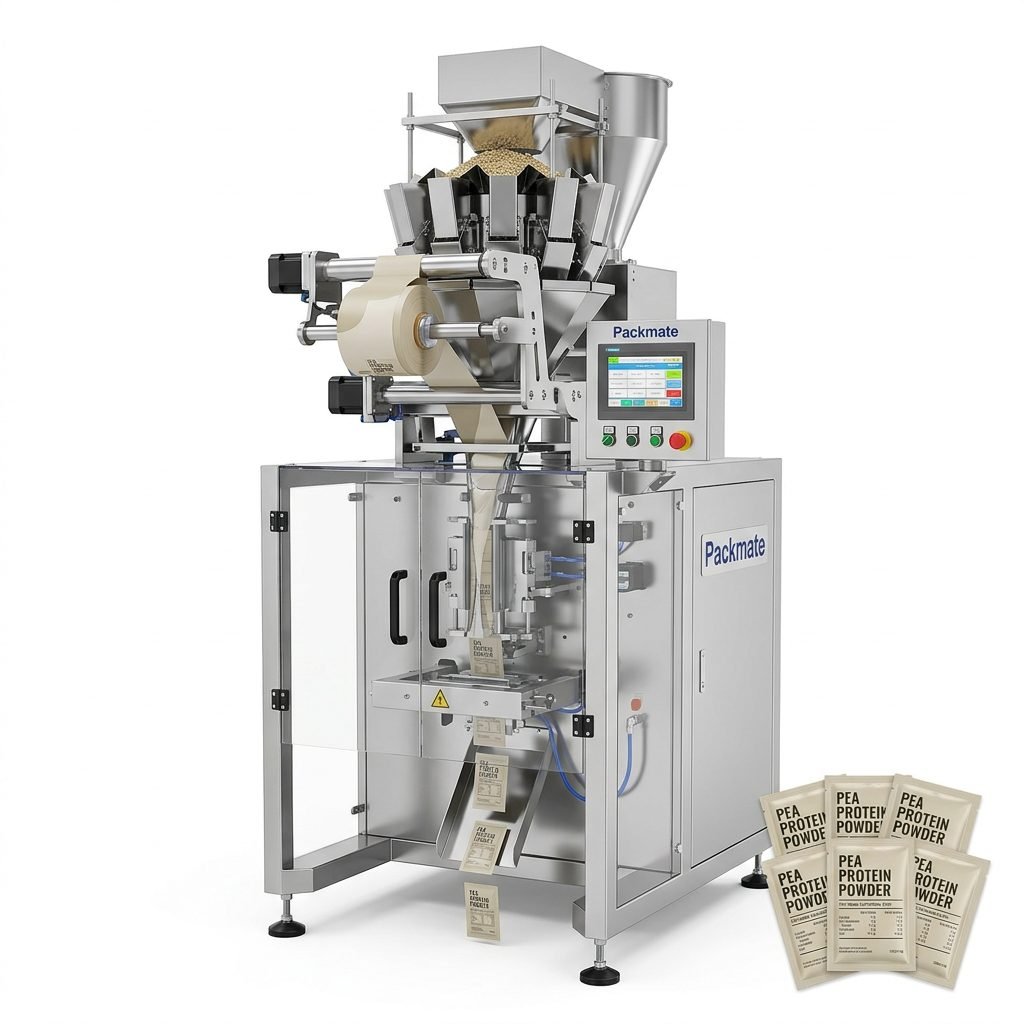
This is the heart of precision. Advanced volumetric or auger fillers dispense the nicotine blend and filler material (like plant fibers) with exceptional accuracy. Modern systems feature weight feedback control, constantly checking and adjusting the fill weight to stay within tight tolerances, ensuring every pouch meets label claim and regulatory requirements. This eliminates under-fills that disappoint consumers and over-fills that erode profit margins.
2. Precision Forming, Sealing & Cutting
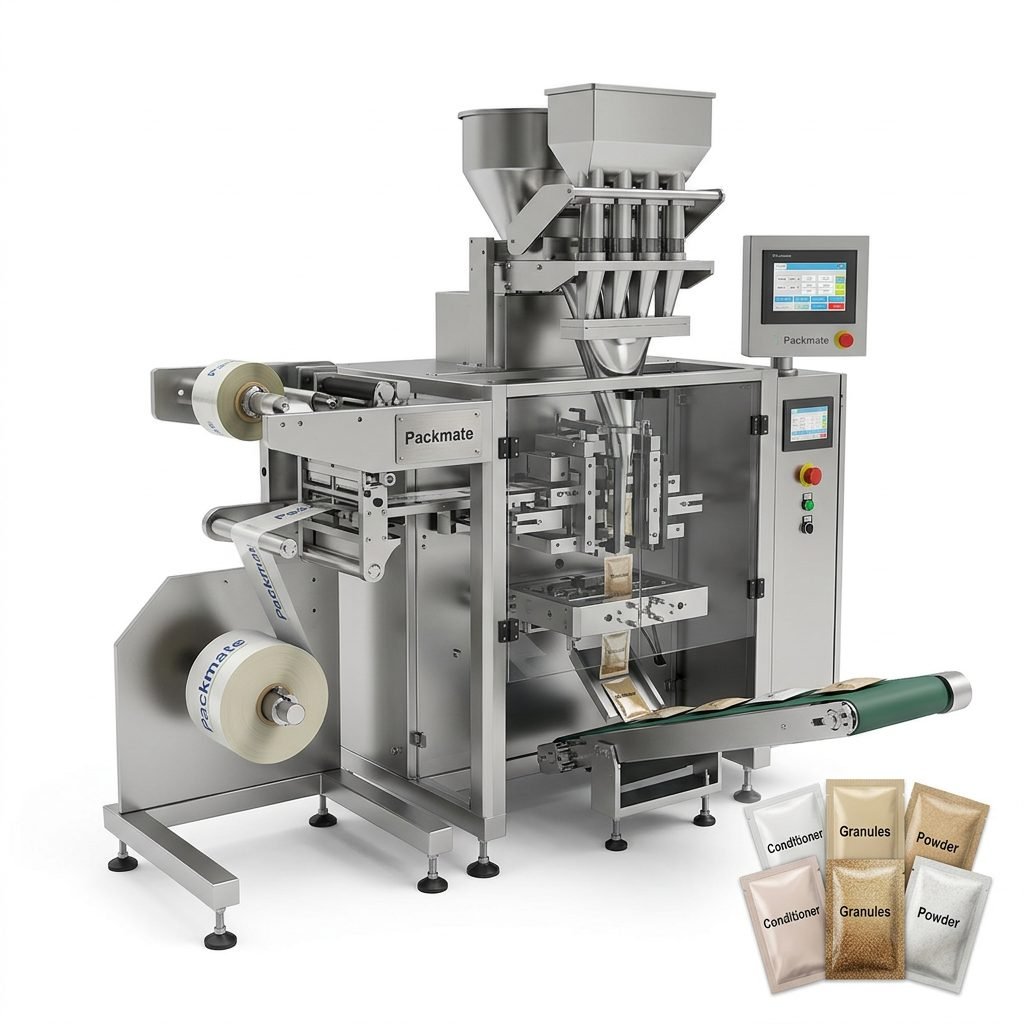
Using a continuous reel of laminate film (often a multi-layer material for barrier protection), the machine forms the pouch, fills it, and then applies heat and pressure to create a secure seal. The integrity of this seal is non-negotiable—it protects the contents from moisture and oxygen, maintaining potency and shelf life. High-quality sealing jaws and precise temperature control are essential. Immediately after sealing, a sharp cutting mechanism separates the individual pouches cleanly without compromising the seal.
↠ Integrated Quality Checkpoints
Leading lines incorporate vision inspection systems. These cameras can verify seal integrity, check for correct printing or batch coding, and even detect foreign particles. Any defective pouch is automatically rejected from the line, guaranteeing that only perfect products proceed to packaging. This level of in-process control is a cornerstone of reliable manufacturing solutions.
3. Secondary Packaging & Integration
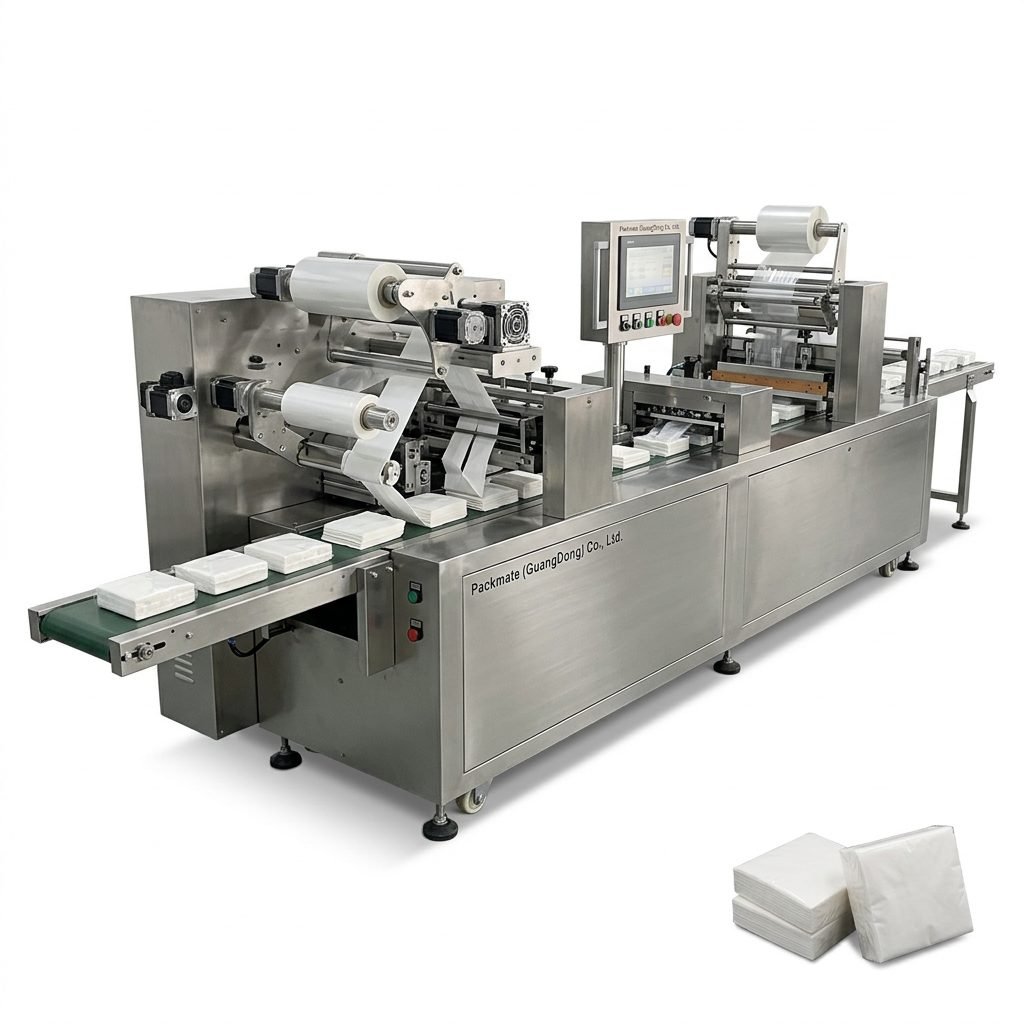
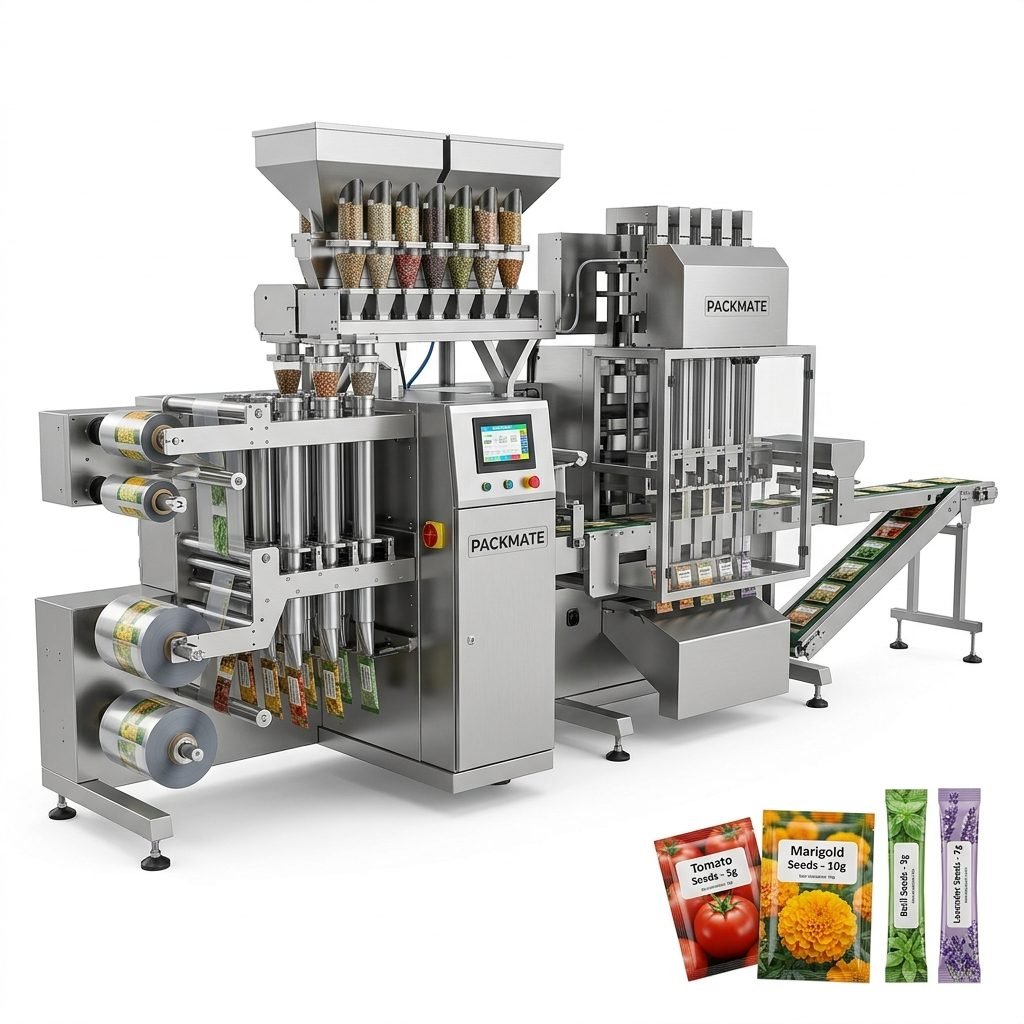
Once individual pouches are produced, the line often integrates with downstream equipment. This can include automatic counters that group pouches into the correct count for cans or rolls, inserters that place them into containers, and lid placers or labelers that finalize the consumer unit. A well-integrated line manages this transition smoothly, minimizing handling and maintaining the production tempo.
Why Turnkey Systems Deliver Superior Value
Choosing a piecemeal approach from different vendors introduces complexity and risk. A turnkey production system, provided by a single expert partner like Packmate, offers distinct strategic benefits:
- Single-Point Responsibility: From design and installation to training and maintenance, one partner is accountable for the entire system’s performance.
- Optimized Compatibility: All modules are engineered to communicate and synchronize perfectly, eliminating bottlenecks between machines.
- Faster Time-to-Market: With coordinated planning and installation, your production line becomes operational quicker, allowing you to seize market opportunities.
- Simplified Support & Spare Parts: You have one contact for technical service and one source for genuine spare parts, streamlining operations.
For a deeper look at how such integrated systems are implemented, reviewing real-world application cases can provide invaluable insight.
Key Considerations for Selecting Your Line Partner
Investing in a major capital asset like a packaging line requires careful due diligence. The right partner brings more than just hardware.
✔ Proven Expertise & Customization
Look for a supplier with a documented history in the nicotine pouch or similar sensitive product sectors (e.g., pharmaceutical powders). They must understand GMP principles and hygienic design. The ability to customize the line for your specific pouch size, format (e.g., slim, mini), film material, and desired output speed (pouches per minute) is crucial. A partner’s company profile and history often reveal this depth of experience.
✔ Technology & Innovation Focus
The best partners invest in R&D. Inquire about features like touch-screen HMIs with data logging (for traceability), quick-changeover systems to reduce downtime between production runs, and energy-efficient designs. Their commitment to innovation ensures your line remains competitive.
✔ Comprehensive After-Sales Support
The relationship begins at installation. Ensure your partner offers thorough operator training, readily available technical service and support, and a clear spare parts supply chain. Global manufacturers need a partner capable of providing timely support regardless of location.
Driving Efficiency and Ensuring Quality
Ultimately, a state-of-the-art nicotine pouch packaging line is an investment in brand integrity and operational excellence. It provides the tangible benefits of speed and cost savings, but equally important are the intangible ones: the confidence that every product is identical, fresh, and safe, building unwavering consumer trust. In a competitive and regulated market, this reliability is the foundation for sustainable growth.
Frequently Asked Questions (FAQs)
1. What is the typical output speed of an automated nicotine pouch line?
Speeds vary based on the number of lanes and machine configuration. Standard systems can range from 200 to over 1,200 pouches per minute. A reputable supplier will design a line to meet your specific capacity requirements.
2. Can the line handle different pouch sizes and formats?
Yes, a key feature of modern lines is flexibility. With quick-change tooling and programmable settings, lines can often be adjusted to produce different sizes (e.g., from mini to large pouches) and formats (slim, round) with minimal downtime.
3. How important is the sealing process, and what films are used?
The seal is critical for product stability. Lines use precision heat-sealing for laminated films that typically include layers for moisture barrier (e.g., aluminum foil, metallized film), strength, and printability. The machine must provide consistent temperature and pressure control across all sealing jaws.
4. What kind of quality control is integrated?
Advanced lines include checkweighers to verify fill weight, vision systems to inspect seal integrity and print, and metal detectors. Non-conforming products are automatically rejected to ensure only perfect pouches are packaged.
5. What does “turnkey” mean in this context?
A turnkey solution means the supplier delivers a complete, ready-to-operate production system. This includes all machinery, integration, installation, commissioning, and operator training. You receive the “keys” to a fully functional line. For more detailed answers, visit our dedicated FAQs page.