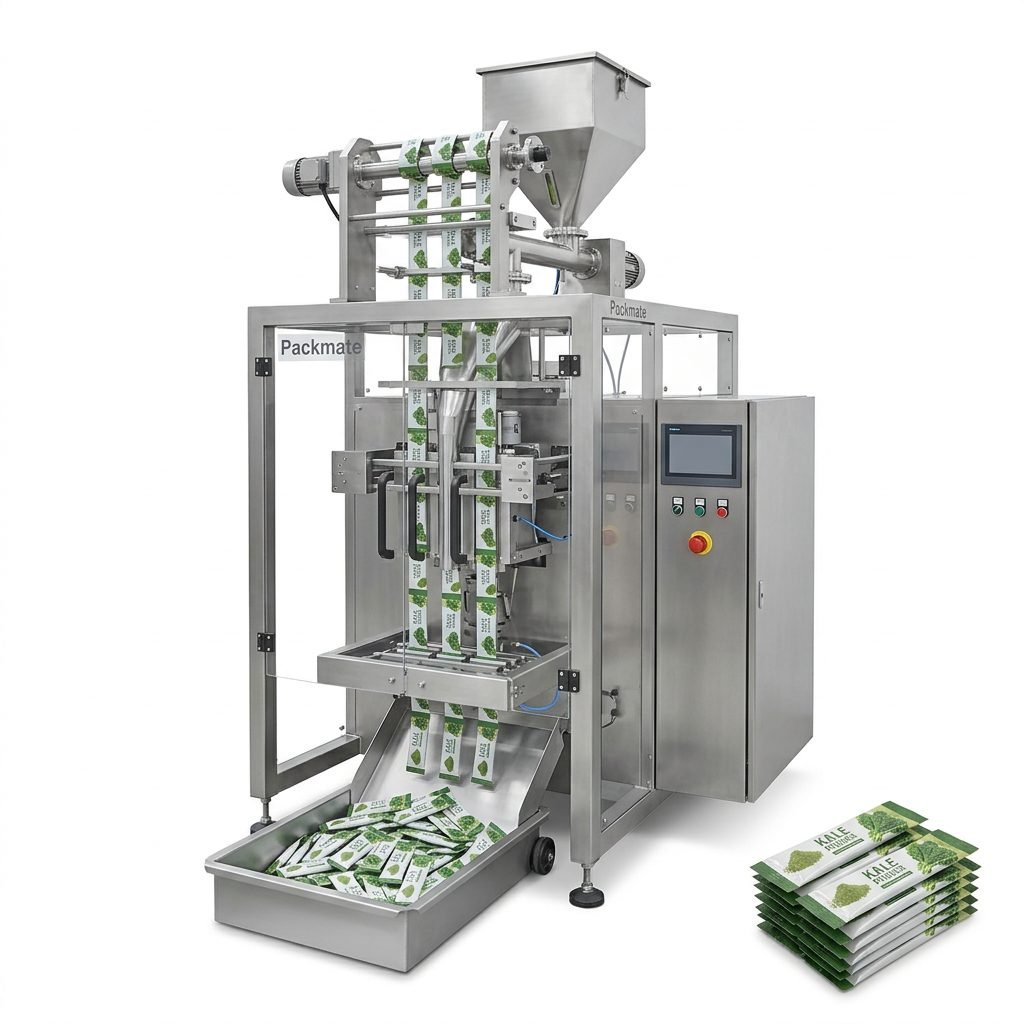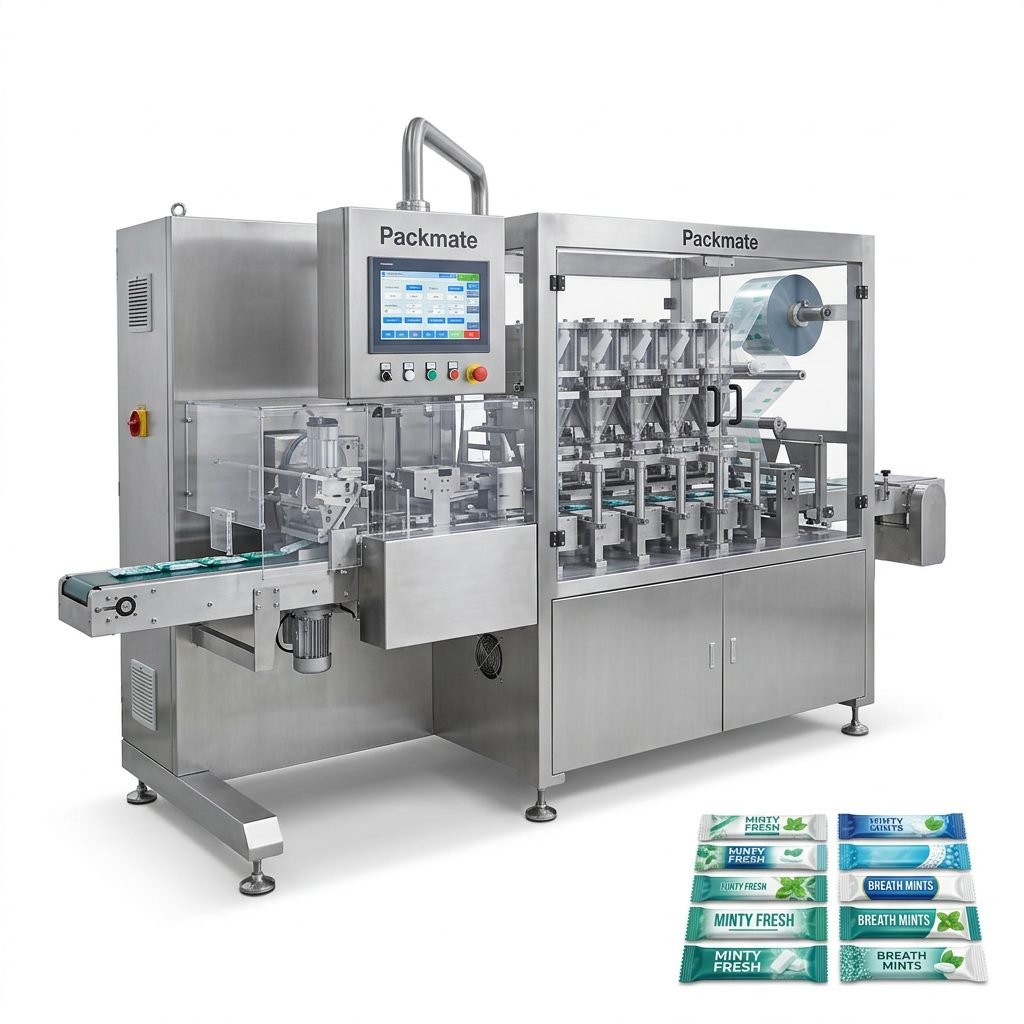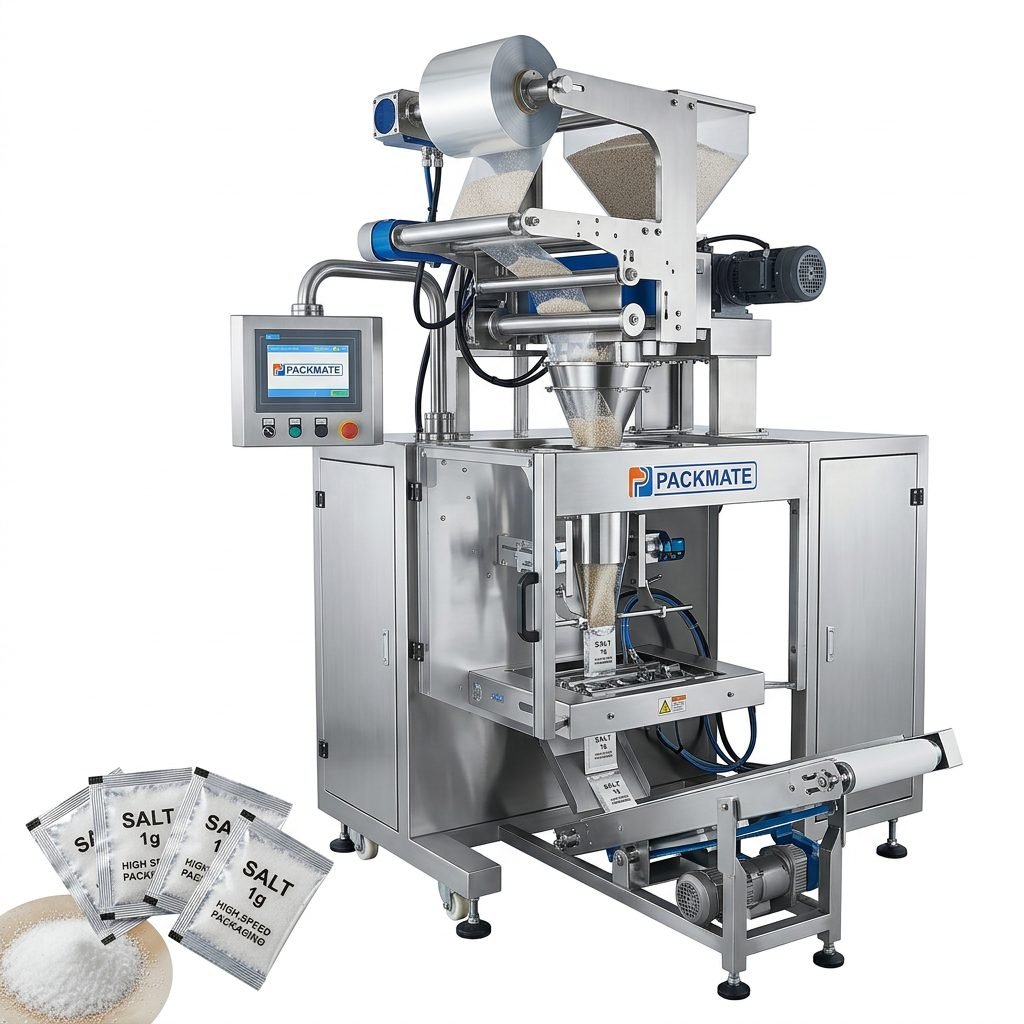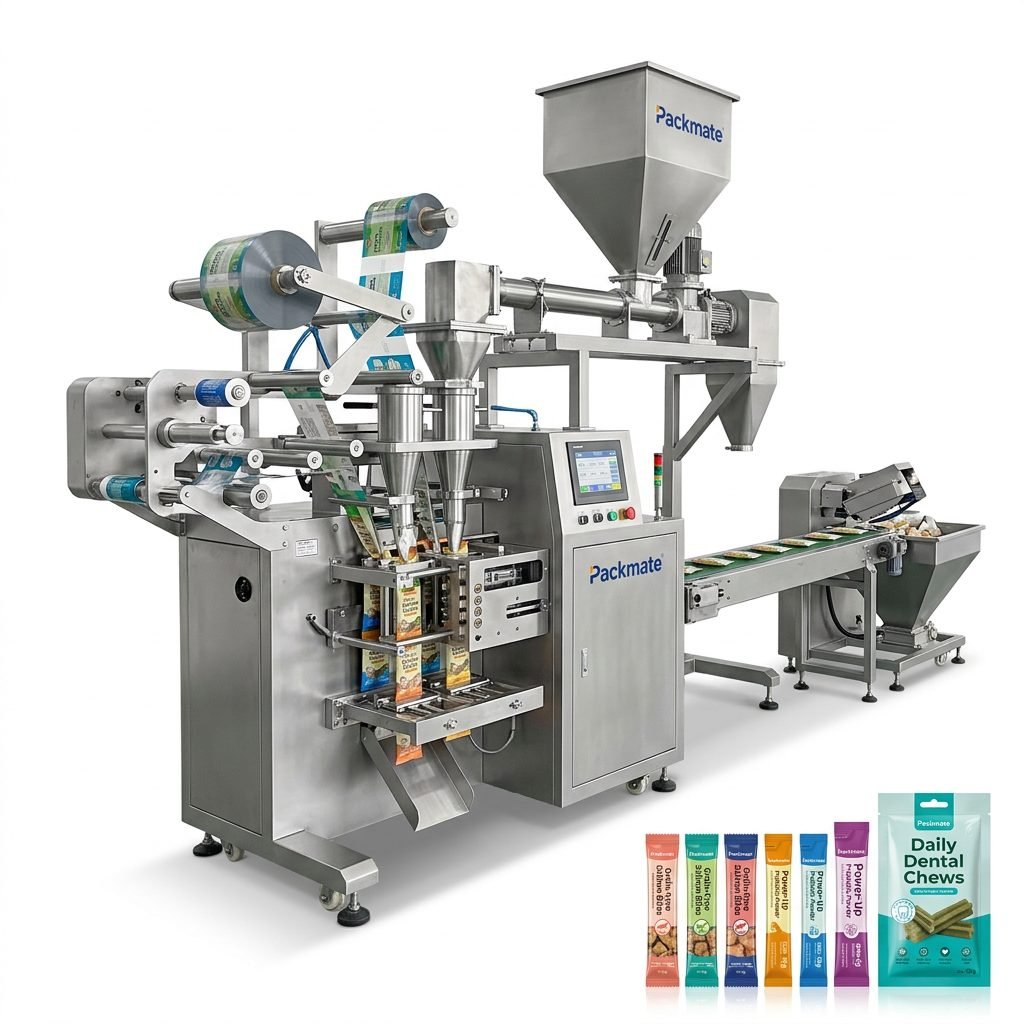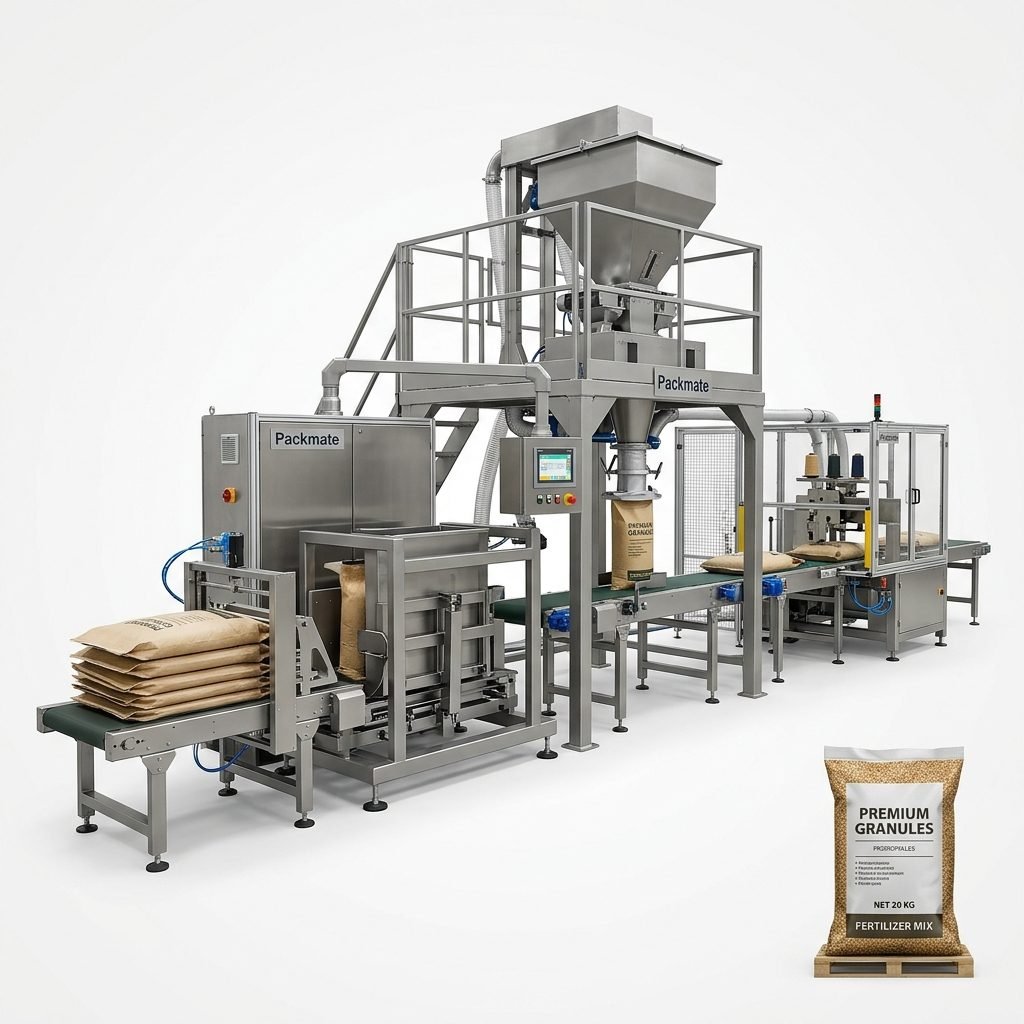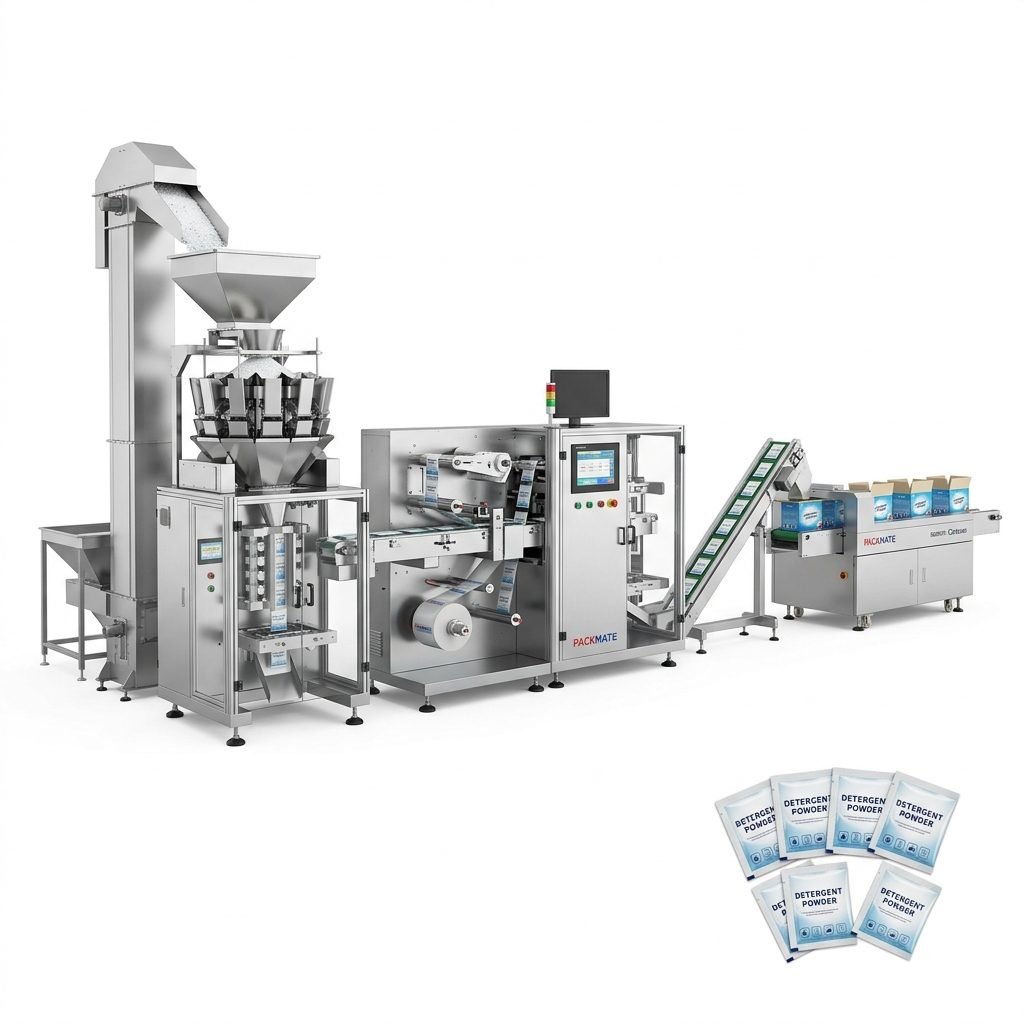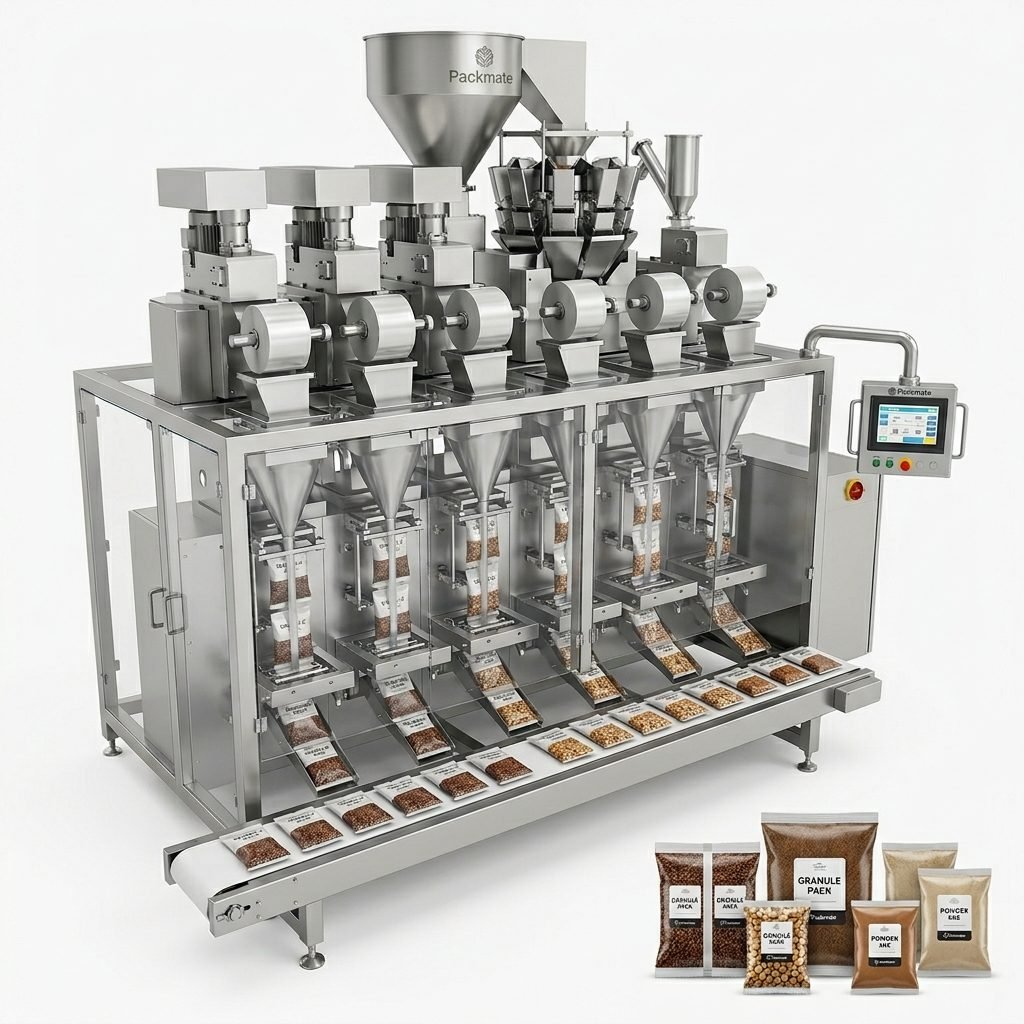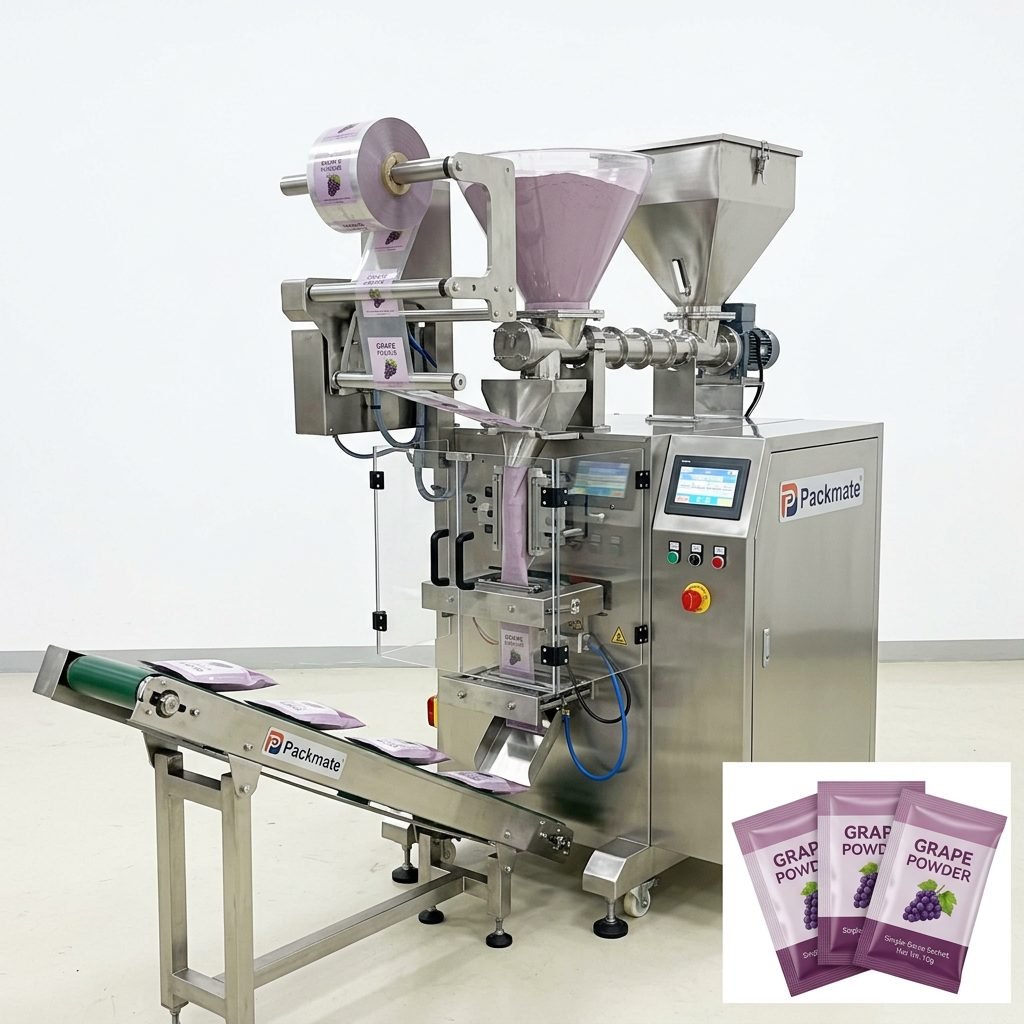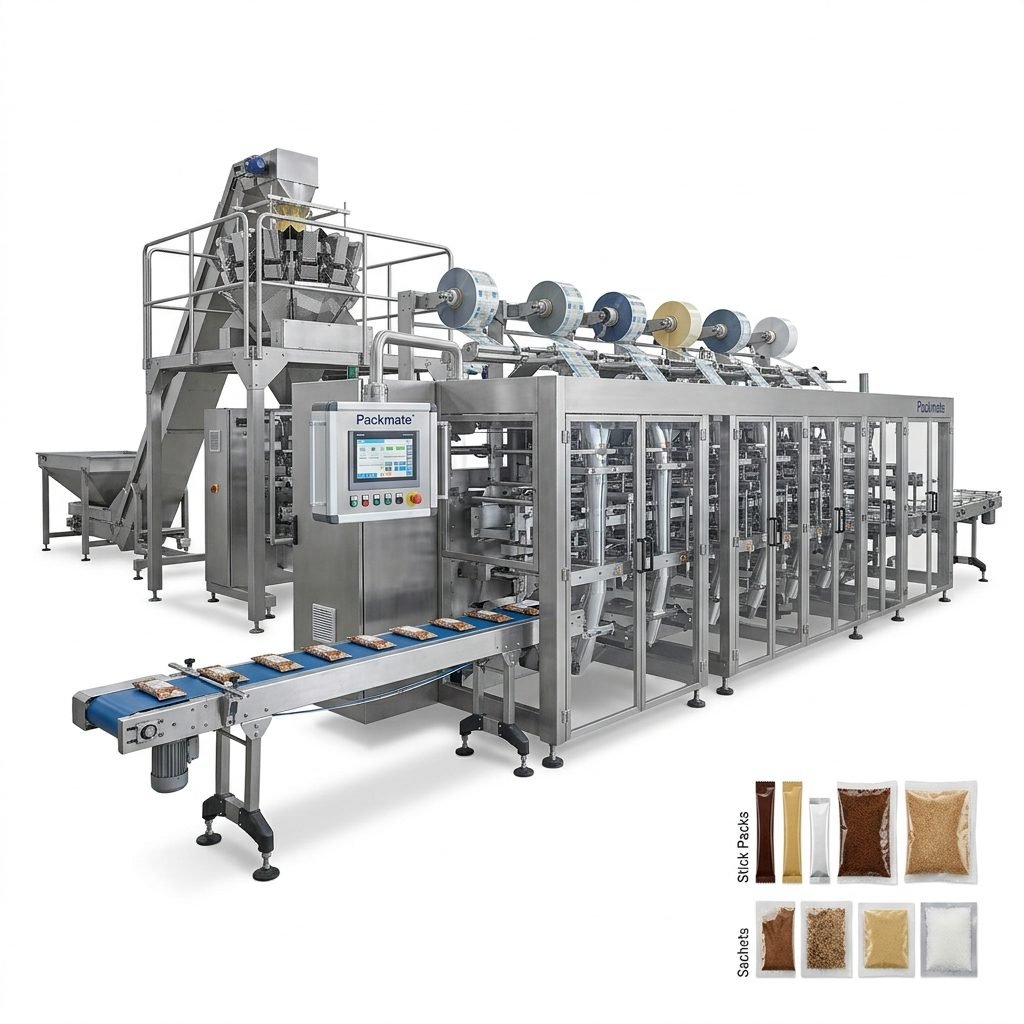
In today’s fast-paced manufacturing landscape, achieving seamless production flow is not just an advantage—it’s a necessity. For industries where precision, hygiene, and speed are non-negotiable, such as food, pharmaceuticals, and health products, the integration of packaging equipment into a cohesive, turnkey automated line is the definitive solution. This approach transcends merely connecting machines; it involves the strategic orchestration of every component—from filling and sealing to coding and cartoning—into a single, intelligent system that operates with remarkable efficiency and reliability.
The Imperative for Integrated Packaging Lines
The drive towards automation and integration is fueled by several critical industry demands. Consumer safety standards, particularly in the pharma and food sectors, have never been higher. Regulatory bodies demand traceability and impeccable hygiene, which manual or disjointed processes struggle to guarantee consistently. Furthermore, market competition necessitates faster time-to-market and operational cost reductions. A turnkey automated packaging line addresses these challenges holistically, minimizing human intervention, reducing contamination risks, and optimizing throughput from raw material to palletized product.
Key Benefits of a Unified System
Adopting a fully integrated packaging solution delivers transformative advantages:
- ▶ Enhanced Efficiency & Productivity: Eliminate bottlenecks and downtime between standalone machines. Synchronized operations ensure a continuous flow, dramatically increasing output.
- ▶ Superior Product Consistency & Quality: Integrated controls maintain precise parameters for weight, fill volume, and seal integrity across every unit, batch after batch.
- ▶ Significant Cost Reduction: Lower labor costs, reduced material waste, and minimized energy consumption contribute to a stronger bottom line.
- ▶ Scalability & Future-Proofing: A well-designed system from a provider like Packmate can be modularly expanded or reconfigured to accommodate new products or increased capacity.
Tailored Solutions for Core Industries
The one-size-fits-all approach fails in specialized sectors. Successful integration requires deep application knowledge.
Food & Beverage Packaging
Here, speed and hygiene are paramount. Integrated lines for snacks, powders (like protein or drink mixes), and liquids handle high volumes while ensuring freshness and compliance with food safety standards (e.g., HACCP, FDA). Features often include nitrogen flushing for preservation and advanced checkweighers.
Pharmaceutical & Nutraceutical Packaging
This sector demands absolute precision and documentation. Turnkey lines integrate precision powder fillers for supplements, blister packers for tablets, and serialization modules for track-and-trace compliance. The entire process is designed to meet stringent GMP (Good Manufacturing Practice) guidelines.
Health & Personal Care Products
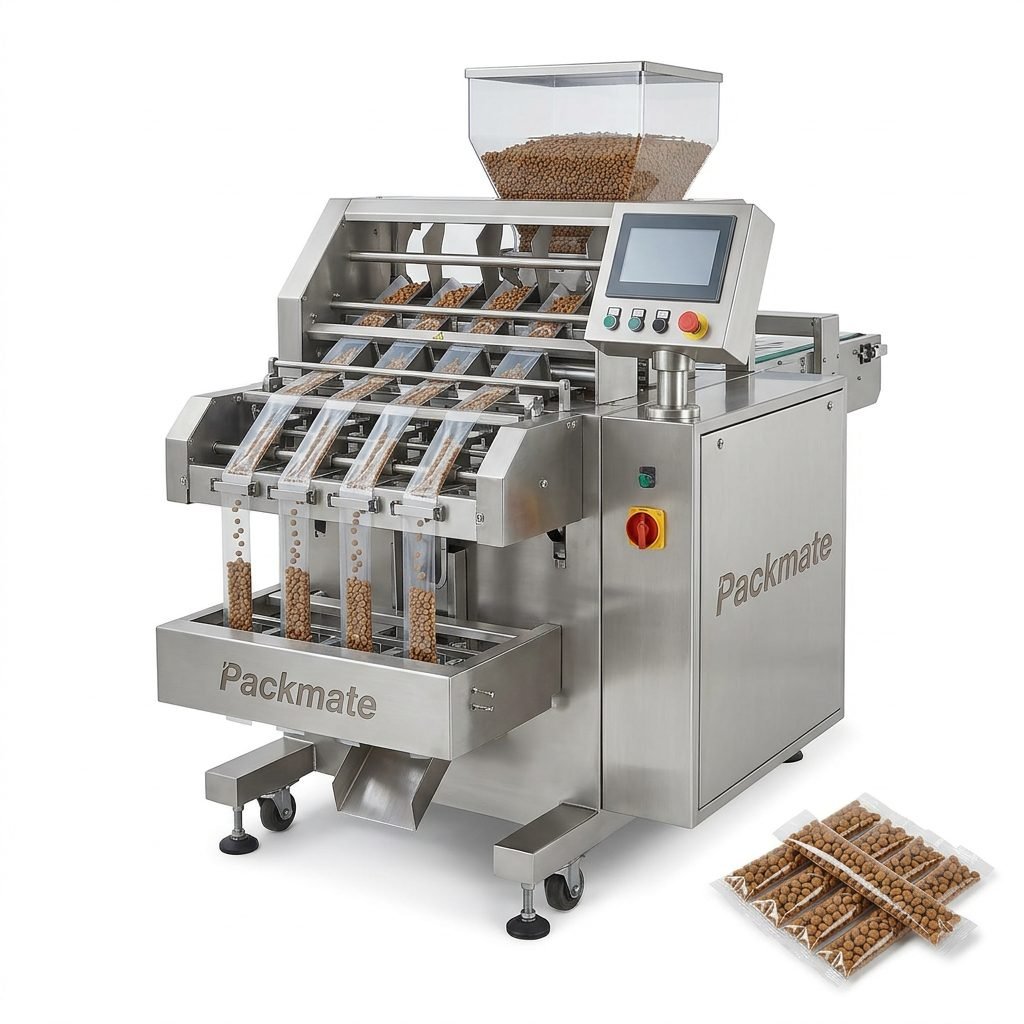
From herbal teas to cosmetic sachets, products require attractive, durable packaging. Integrated solutions provide versatile formatting—stick packs, sachets, pouches—with consistent dosing and high-quality printing for branding. You can explore various packaging solutions here.
The Packmate Advantage: From Vision to Reality
Implementing a turnkey line is a significant investment. Partnering with an experienced provider is crucial. Packmate (GuangDong) Co., Ltd. embodies the ideal partner, with a legacy built on turning complex packaging challenges into streamlined reality.
With over 22 years of development and a 20,000㎡ modern facility, Packmate doesn’t just sell machines; they deliver complete production ecosystems. Their process begins with a deep analysis of your product characteristics, output goals, and facility constraints. Engineers then design a customized line, selecting from over 50 machine models—including high-speed multi-lane stick pack and sachet machines—and ensuring perfect interoperability.
The company’s commitment extends beyond installation. Their comprehensive support includes operator training, preventative maintenance planning, and ready access to spare parts, ensuring your line achieves and sustains peak performance. View real-world applications in their project case studies.
Core Components of a Packmate Turnkey Line
A typical integrated system may include:
- Automated Feeding & Dosing System: Ensures accurate and consistent product delivery.
- High-Speed Form-Fill-Seal (FFS) Machine: The heart of the line, creating pouches from film and filling them.
- Precision Checkweigher & Metal Detector: Guarantees weight accuracy and product safety.
- Secondary Packaging Robots: Automates cartoning, case packing, and palletizing.
- Centralized PLC Control Panel: Provides intuitive monitoring and control of the entire line.
Making the Strategic Investment
Transitioning to an automated, integrated packaging line is a strategic decision that pays long-term dividends. The key to success lies in choosing a partner with proven expertise, robust technology, and a commitment to your operational goals. It’s about investing in a system that enhances quality, drives down costs, and provides the agility to grow in a competitive market.
For businesses looking to elevate their packaging operations, the path forward is clear: embrace integration. By leveraging the turnkey solutions from industry leaders, manufacturers can secure a critical competitive edge, ensuring their products are delivered safely, efficiently, and consistently to markets worldwide. For more details on their full scope of work, visit the official Company Profile.
Frequently Asked Questions (FAQs)
1. What is the main difference between standalone machines and a turnkey integrated line?
Standalone machines perform individual tasks (e.g., filling, sealing) and require manual transfer and coordination. A turnkey integrated line connects all processes—from product infeed to final cartoning—into one automated system controlled by a central PLC, resulting in higher speed, consistency, and lower labor cost.
2. How long does it typically take to install and commission a full turnkey packaging line?
The timeline varies based on line complexity and customization. A standard project from a provider like Packmate typically involves several weeks for factory acceptance testing (FAT) and 2-4 weeks for on-site installation, commissioning, and operator training. Detailed project planning ensures minimal disruption.
3. Can an integrated line handle multiple different product formats or sizes?
Yes, modern lines are designed with flexibility in mind. With quick-change parts and programmable recipes on the HMI (Human-Machine Interface), a well-designed line can often switch between similar product formats (e.g., different sachet sizes) within minutes, supporting versatile production runs.
4. What kind of after-sales support is crucial for an automated line?
Comprehensive support is vital. Key elements include detailed technical documentation, readily available spare parts, remote diagnostic support, and scheduled preventative maintenance services. A reliable partner will offer training and long-term service agreements to ensure optimal uptime. Learn about Packmate’s support services here.
5. Is integrating packaging equipment suitable for small to medium-sized enterprises (SMEs)?
Absolutely. While the initial investment is significant, the ROI for SMEs can be compelling through reduced operational costs and increased capacity. Many providers offer scalable, modular solutions that allow businesses to start with a core system and expand functionality as they grow, making automation accessible.