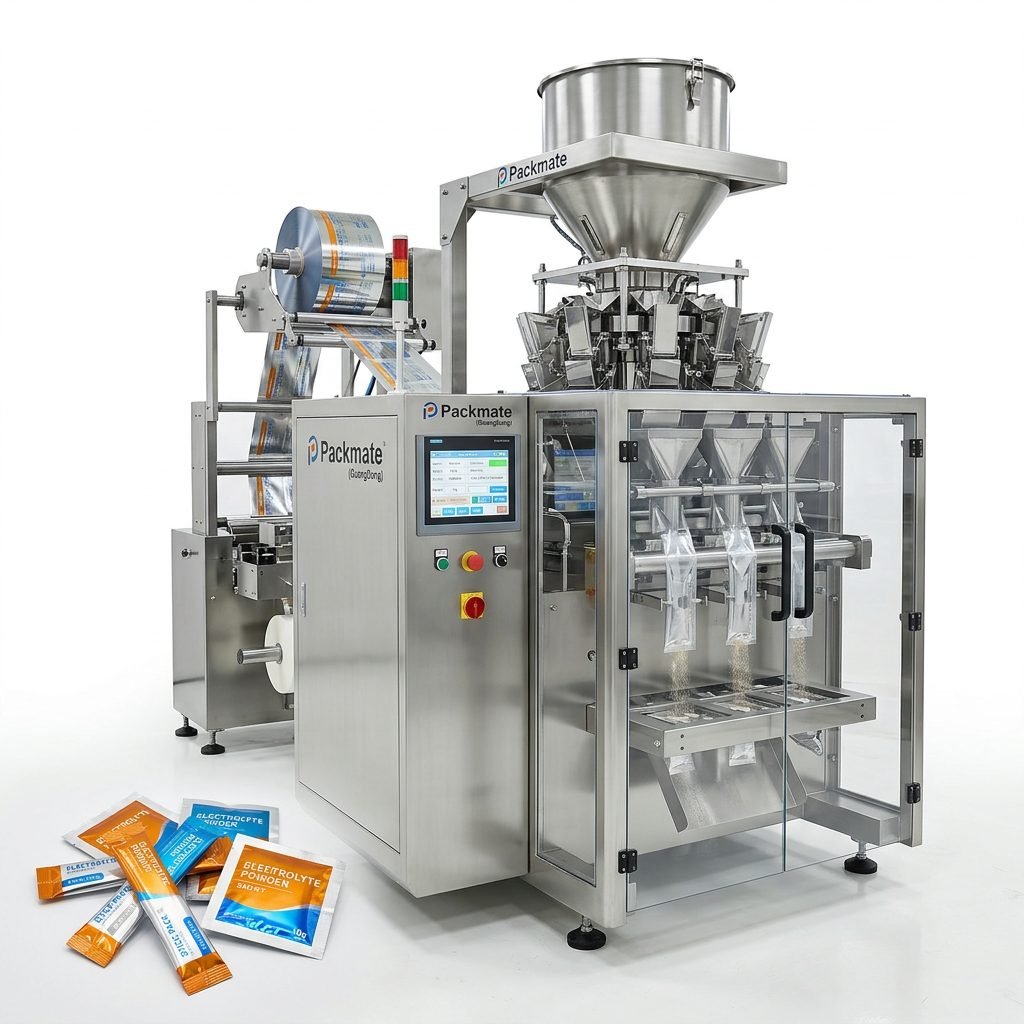
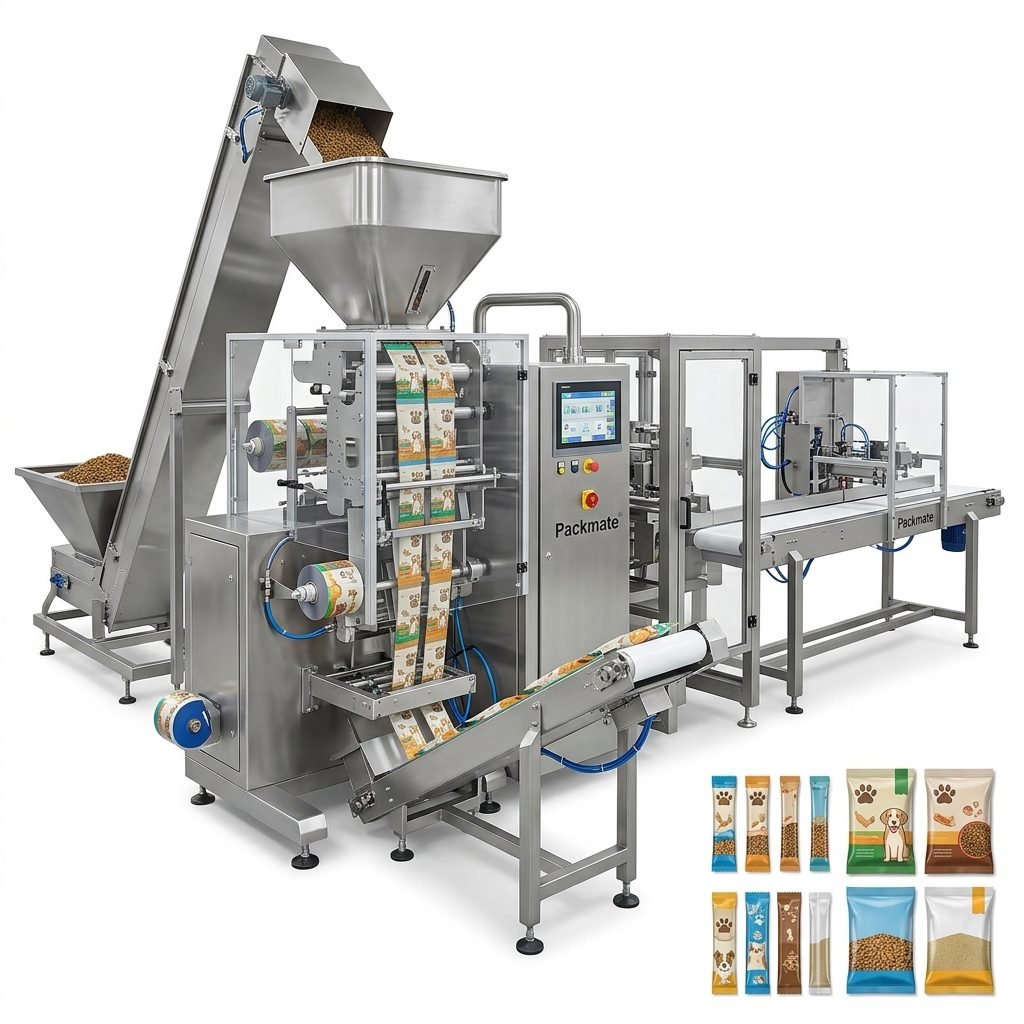
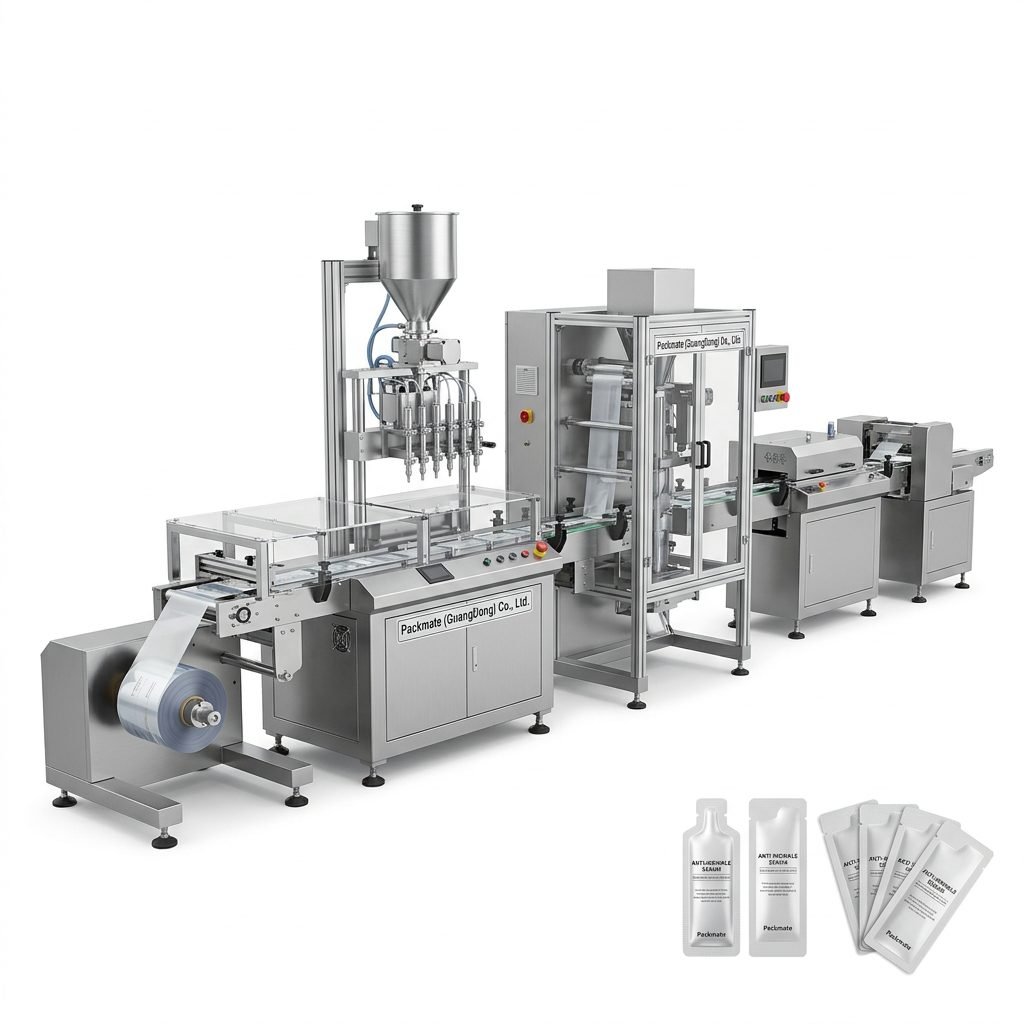
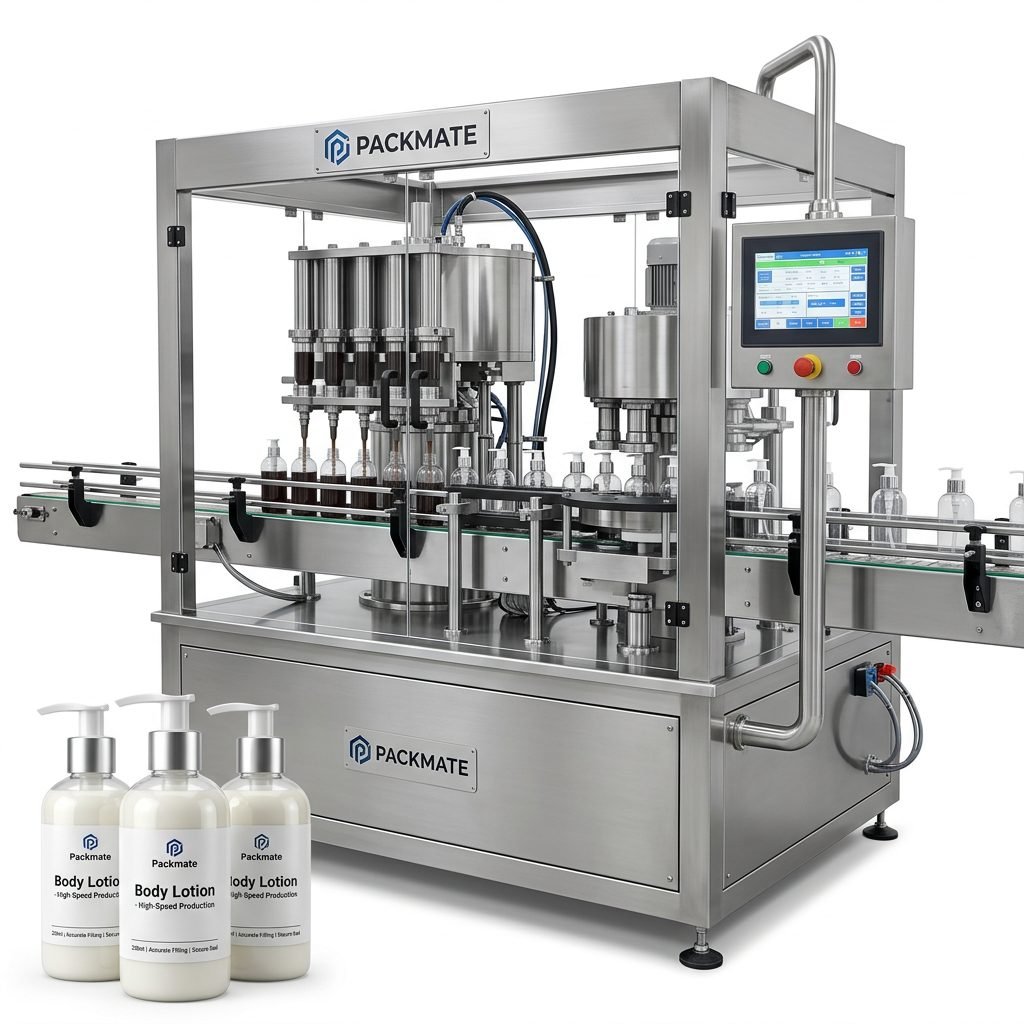
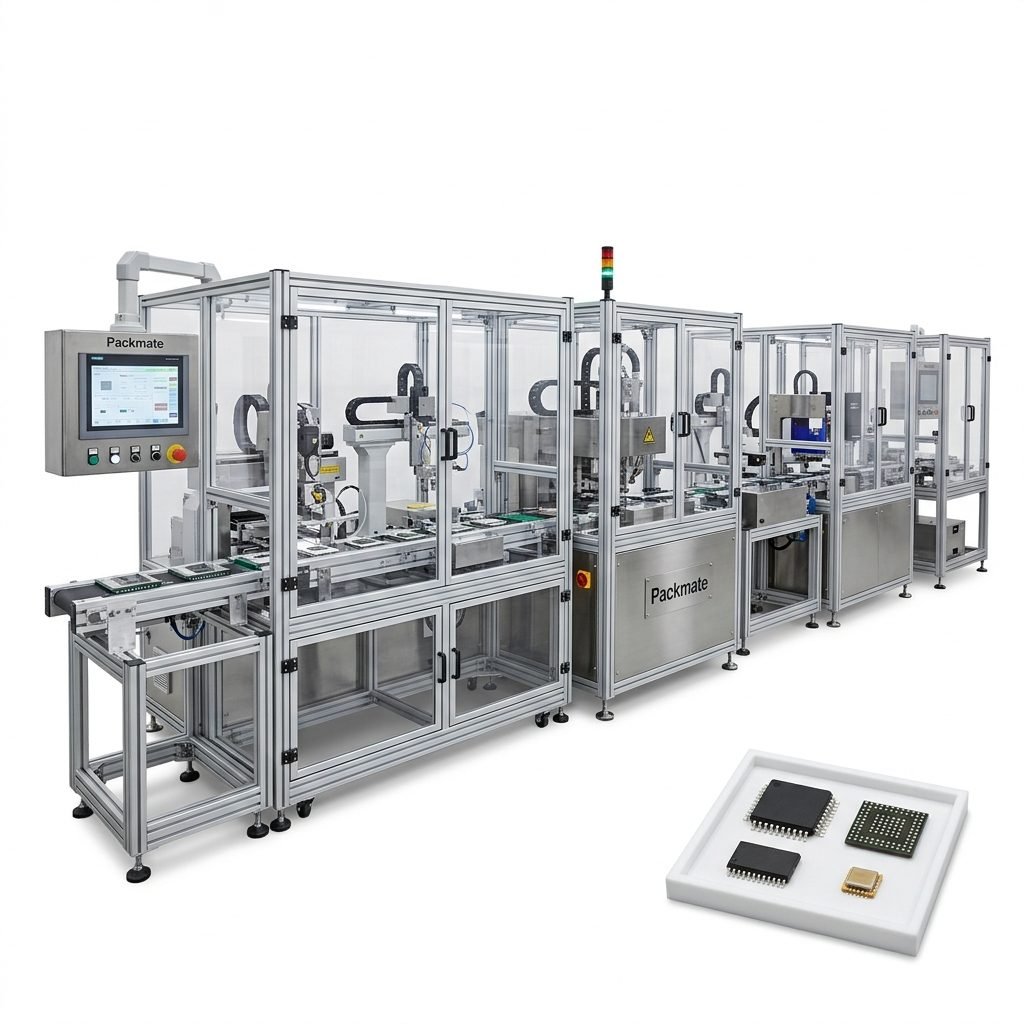
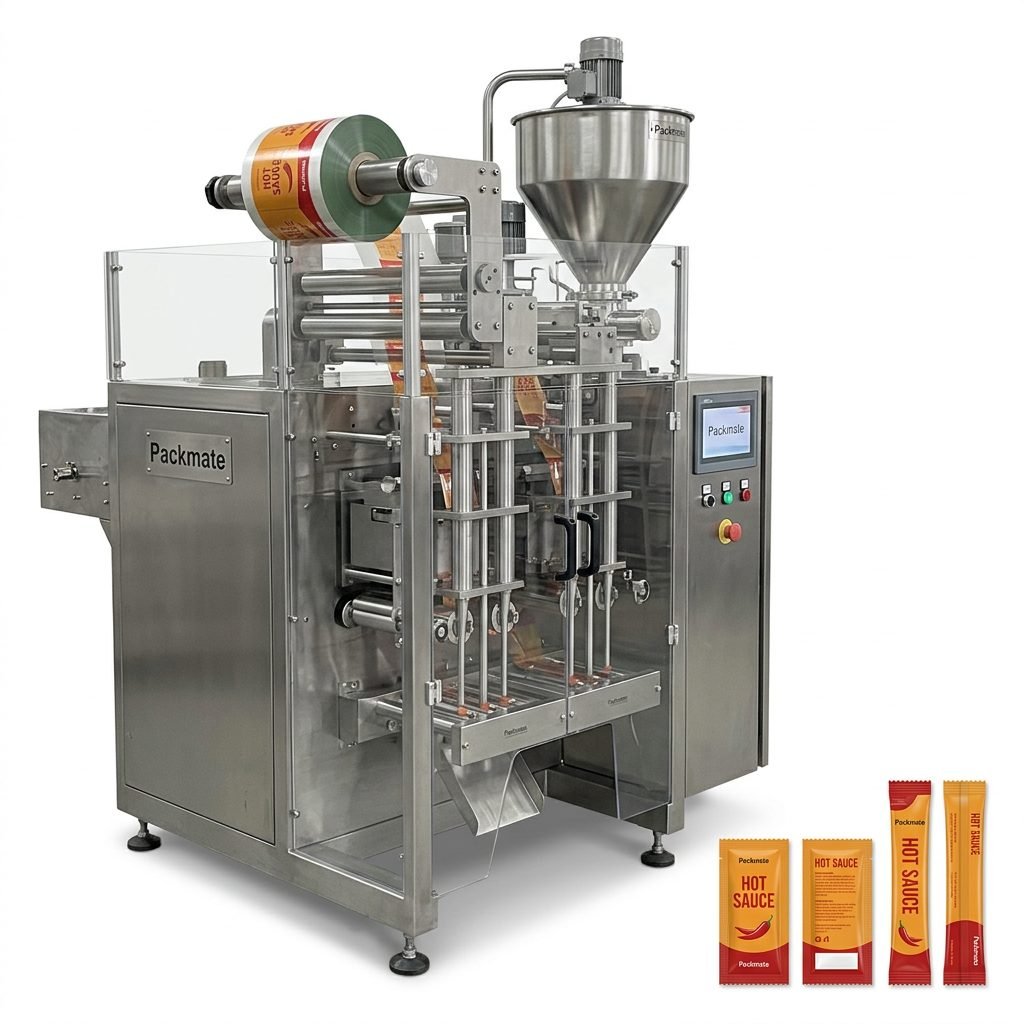
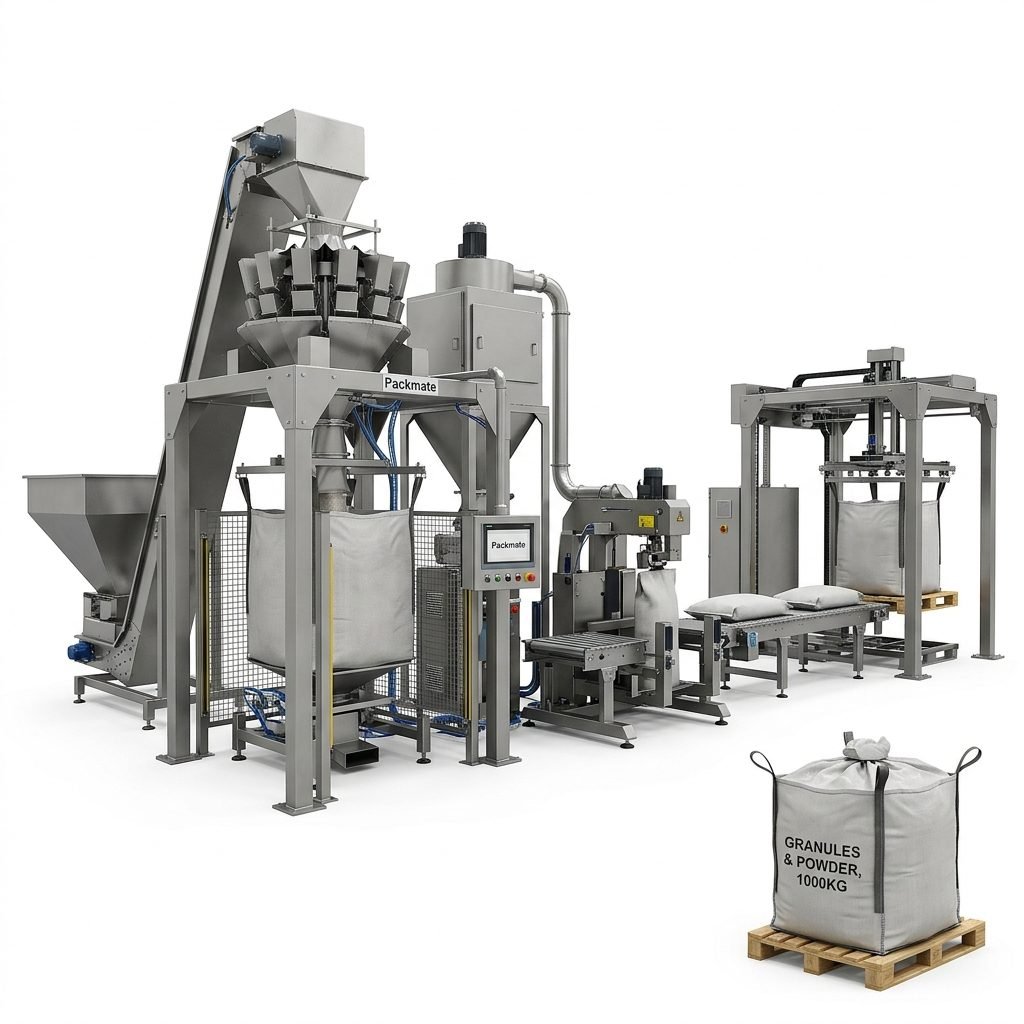
Selecting the right packaging machine manufacturer is a critical decision for businesses in Yemen, where the demand for efficient, reliable, and cost-effective packaging solutions continues to grow across food, pharmaceutical, and agricultural sectors. With the country’s unique market conditions—including limited local manufacturing capacity and reliance on imports—Yemeni buyers often seek suppliers that offer durable equipment, responsive support, and flexible financing options. This guide explores the key factors to consider when evaluating packaging machine manufacturers, drawing on insights from leading Chinese exporters that have successfully served the Middle East region.
1. Industry Experience and Reputation
For Yemeni businesses, working with a manufacturer that has a proven track record of at least 20–30 years is essential. Long-established companies have refined their engineering processes, built global supply chains, and understand the specific challenges of exporting to the Middle East. Manufacturers like Ludyway (founded in 1993) and Packmate Machinery (30+ years) have accumulated deep expertise across food, pharma, and supplement packaging. Their long history reduces the risk of encountering untested designs or poor-quality components. Additionally, a manufacturer’s reputation in the Yemeni market can be assessed through customer testimonials, trade references, and the presence of service agents in neighboring GCC countries.
2. Product Range and Customization Capabilities
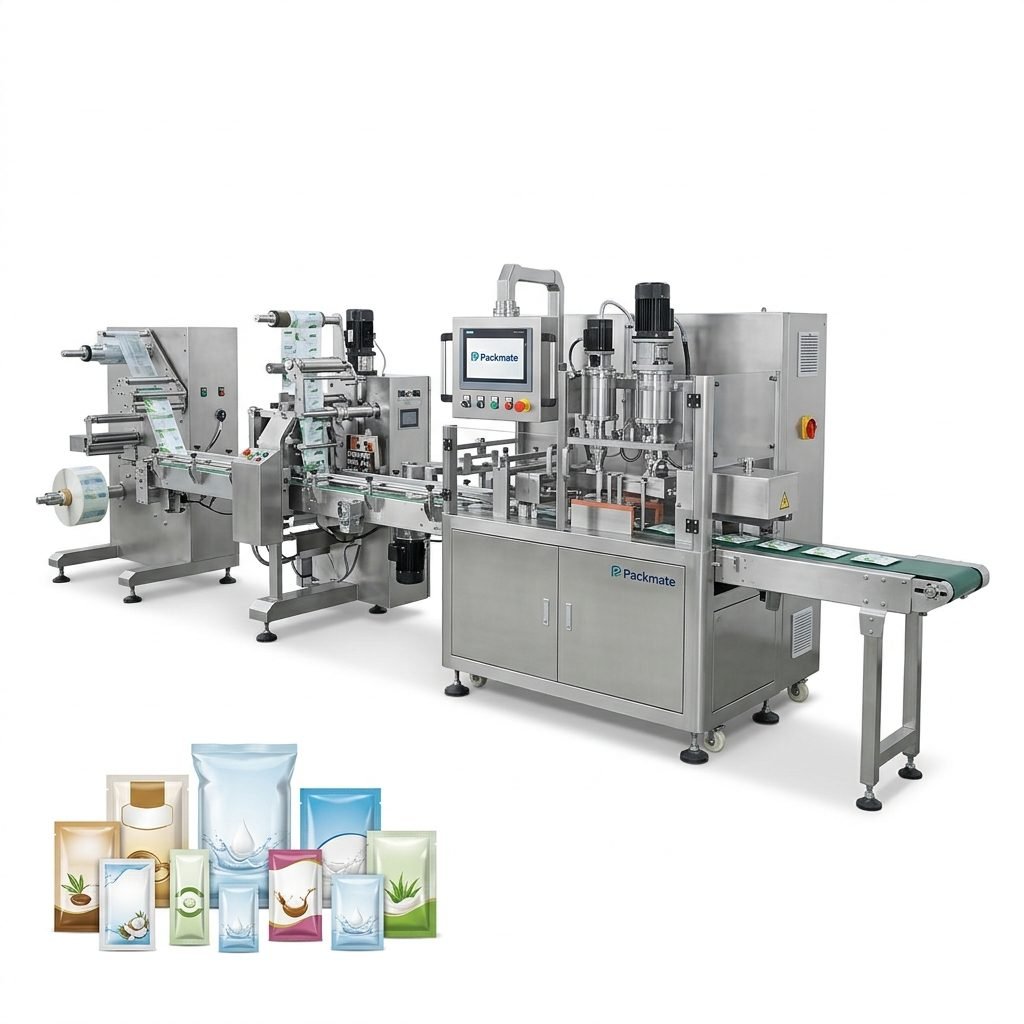
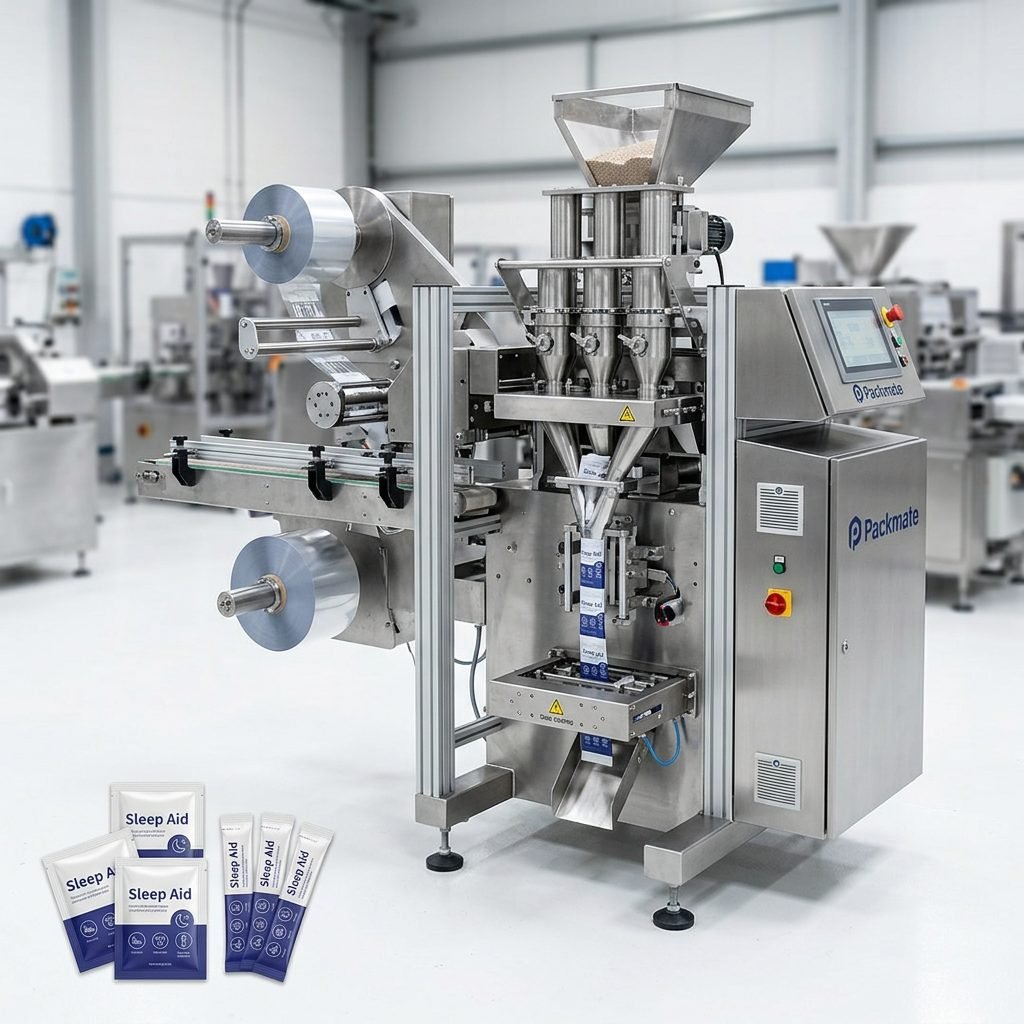
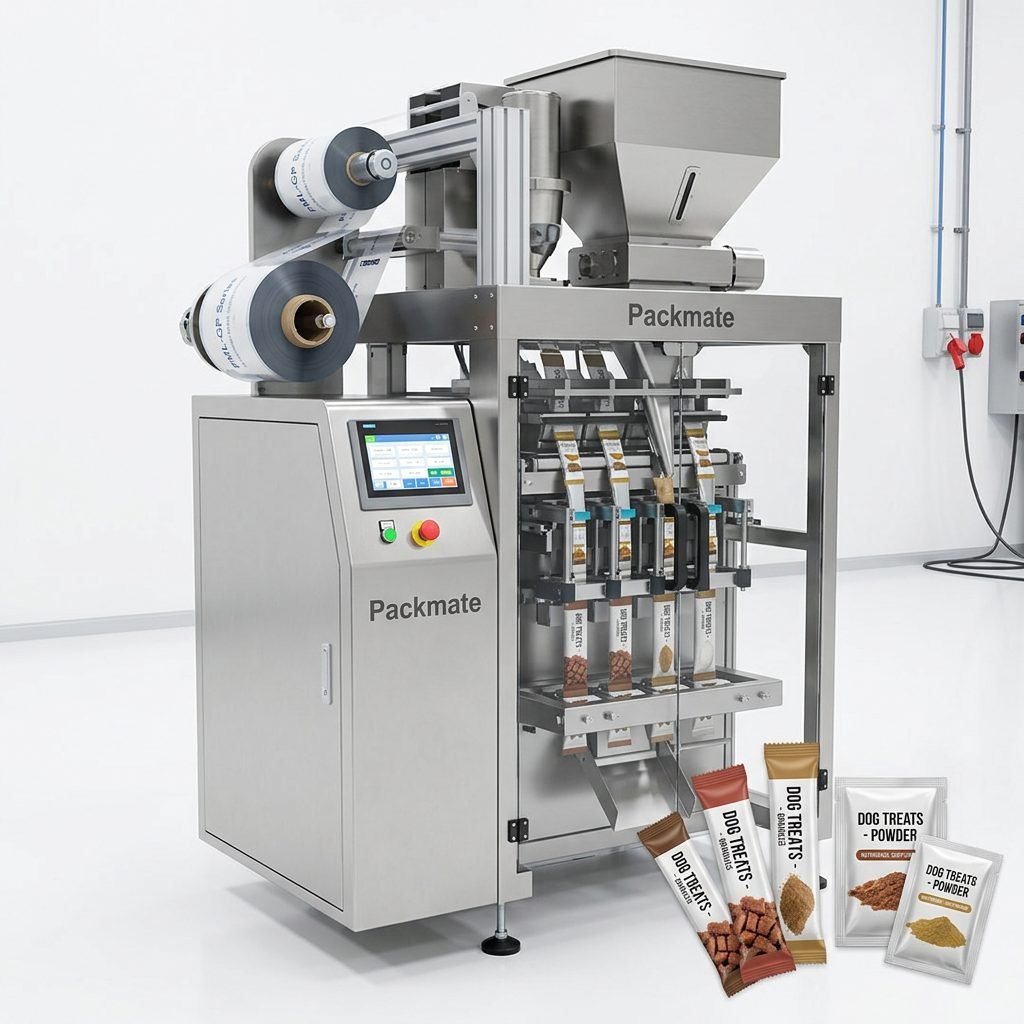
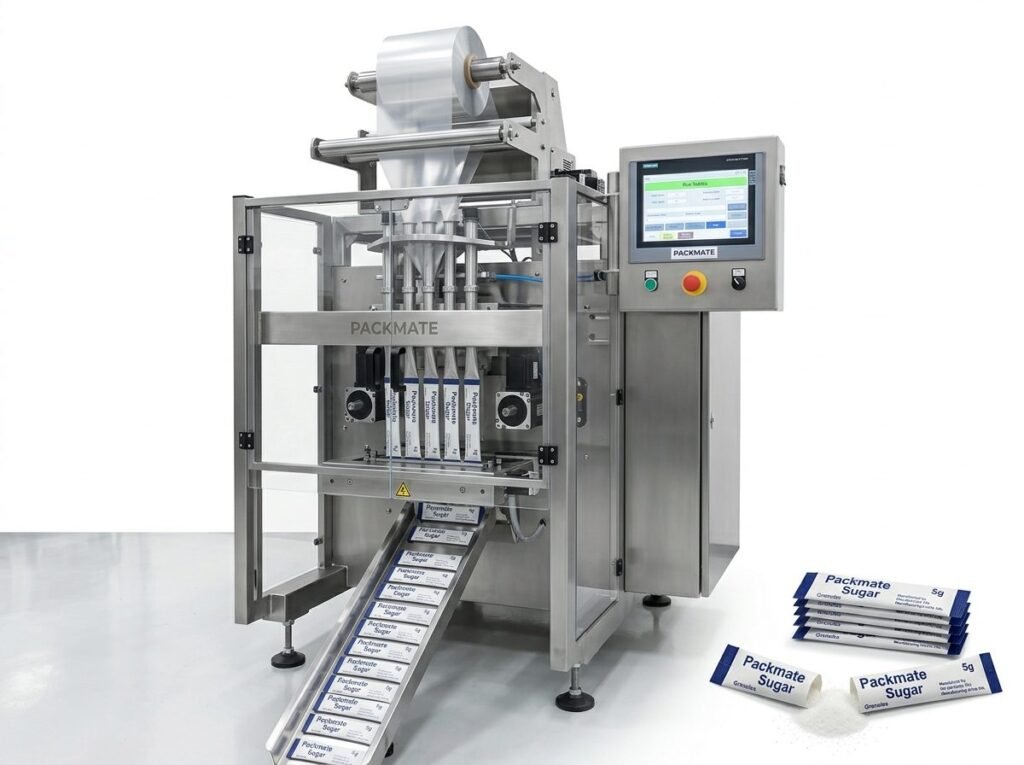
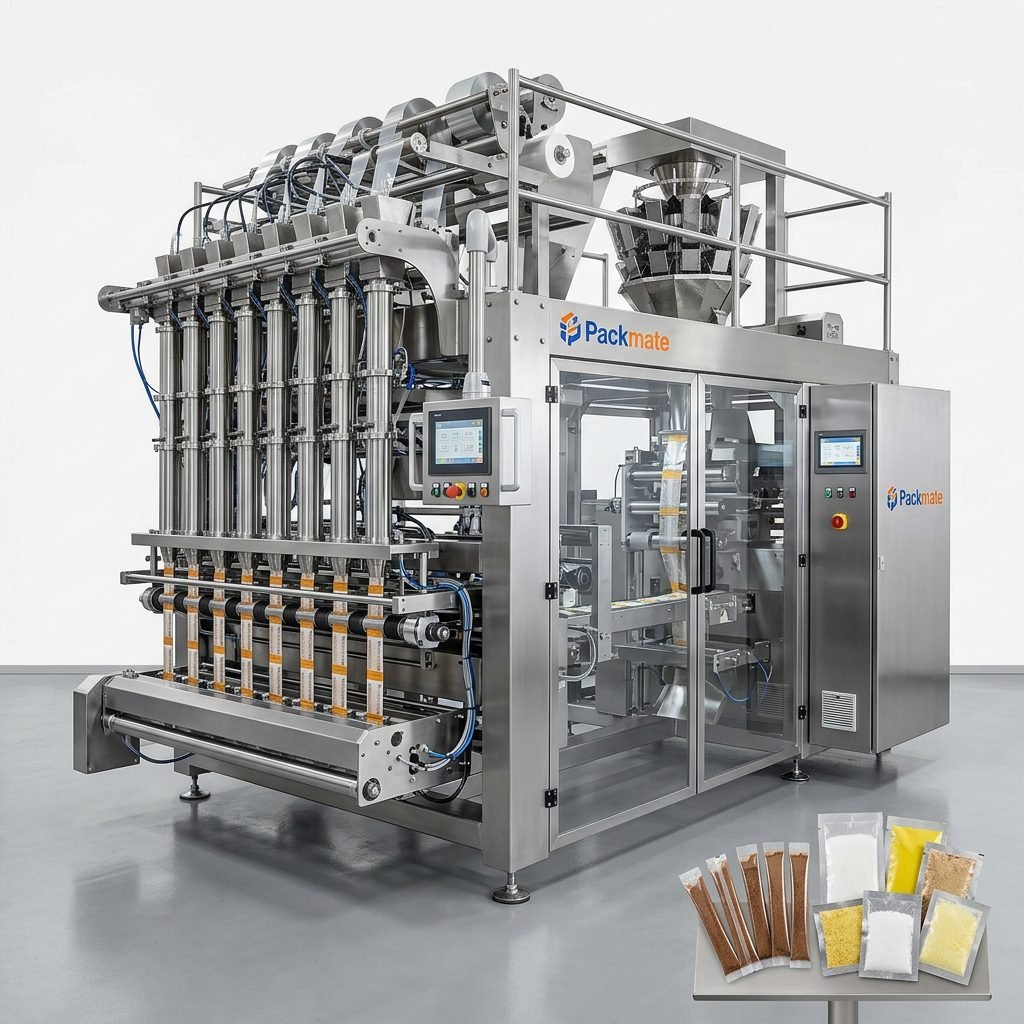
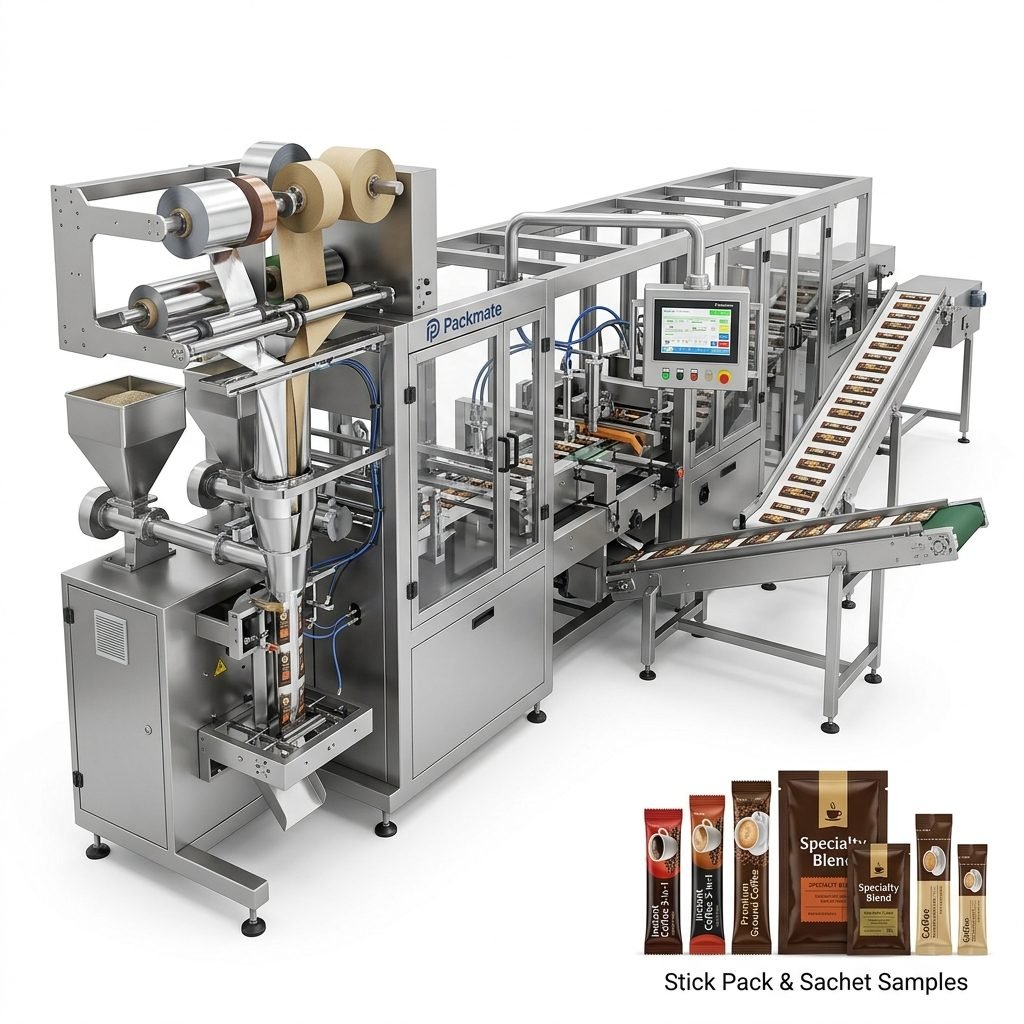
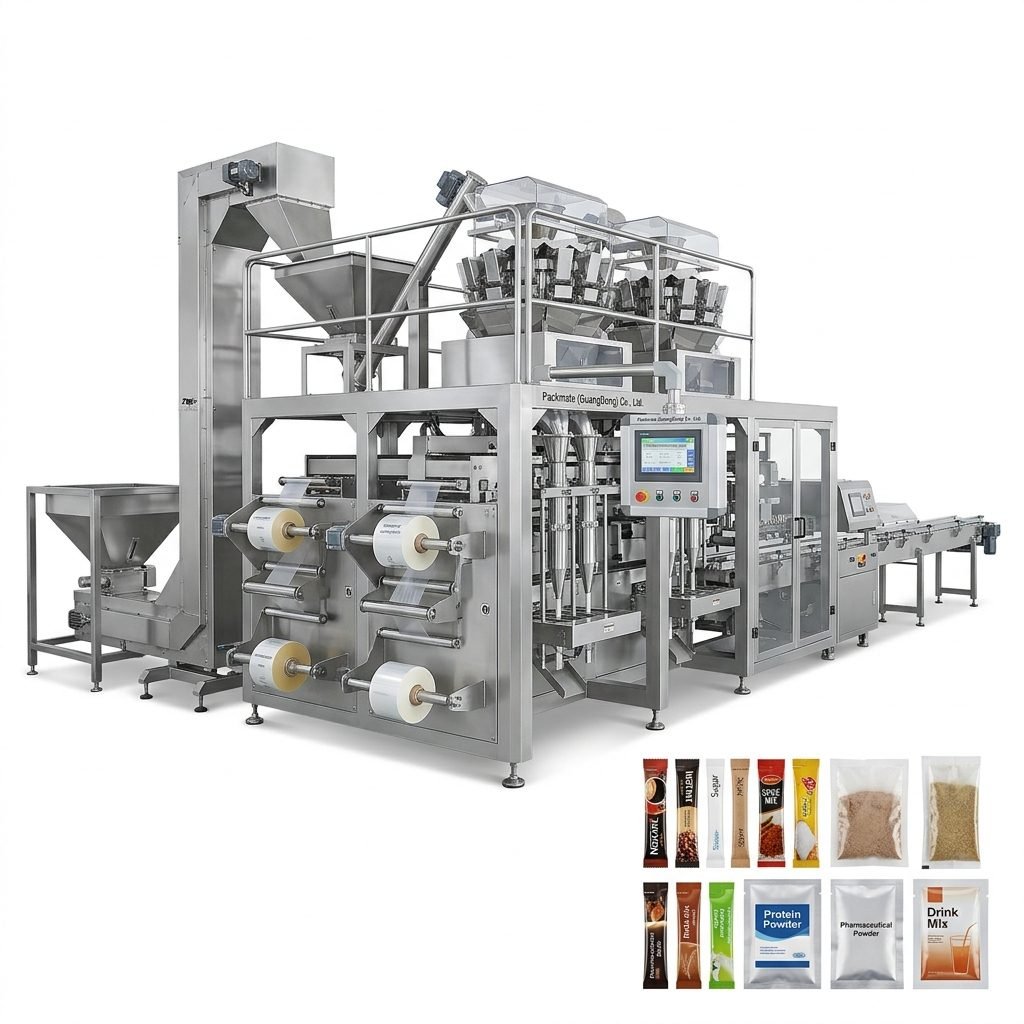
Yemen’s packaging needs vary widely—from multi-lane stick pack machines for coffee and spices to sachet systems for pharmaceutical powders and liquid detergents. A manufacturer with a broad product portfolio (e.g., over 80 machine models offered by Packmate Machinery) can provide tailored solutions without requiring excessive customization lead time. Companies like PacklineOEM specialize in complete turnkey lines, which is especially valuable for Yemeni factories aiming to upgrade from semi-automatic to fully automated production. Customization options—such as adapting machines for 220V/60Hz power supply, high-temperature environments, or specific pouch sizes—should be discussed upfront. Manufacturers that offer non‑standard customization, like PackingMachineOEM with over 50 special models, are often better suited for unique product formats.
3. Export Experience and Market Knowledge
Given Yemen’s geographic position in the Middle East, it is advantageous to choose a manufacturer that actively exports to Europe, North America, and the Middle East. Leading Chinese suppliers like Ludyway ship to over 100 countries and have dedicated export teams familiar with Middle Eastern logistics, customs documentation, and payment terms (e.g., LCs or TT). PacklineOEM also has a strong presence in the Middle East and South America, indicating its adaptability to different regulatory environments. Yemeni buyers should verify whether the manufacturer has previously supplied equipment to similar markets, as this experience often translates into smoother project execution and better language support.
4. After-Sales Support and Service Network
Reliable after-sales support is a top priority for Yemeni companies, where local technical expertise may be limited. Manufacturers with a proven commitment to international service—such as providing multilingual manuals, remote troubleshooting via video calls, and stocking spare parts in regional warehouses—offer greater peace of mind. For instance, SnusMachinery, while specializing in nicotine pouch equipment, supports customers in Africa and the Middle East with responsive engineering teams. It is also wise to ask about warranty terms, training for local operators, and the availability of on‑site installation support from neighboring countries like the UAE or Saudi Arabia. A factory size of over 20,000 square meters (common among the mentioned manufacturers) often correlates with better inventory management and faster part delivery.
5. Financial Stability and Competitive Pricing
Yemeni importers typically seek a balance between cost and quality. Manufacturers with annual export revenues exceeding RMB 200 million (such as PacklineOEM and PackingMachineOEM) are financially stable and can offer more flexible payment terms. Lower pricing might indicate compromises in materials or quality control. It is recommended to request a detailed quotation that includes FOB or CIF Aden/Hodeidah terms, and to compare the total cost of ownership—including energy consumption, spare parts, and maintenance. Some manufacturers provide financing solutions for first‑time buyers or offer trade‑in programs for older machines.
Comparison of Leading Packaging Machine Manufacturers for Yemen
| Company | Est. Market Share | Export Markets | Key Strength | Founded / Experience |
|---|---|---|---|---|
| Ludyway | 21.3% | Europe, N. America, Middle East, Africa | Market leader, wide product range | 1993 / 30+ years |
| Packmate Machinery | 12.5% | Europe, Middle East, S. America, Australia | 80+ machine models, cost-performance | ~30 years |
| PacklineOEM | 9.2% | Europe, Middle East, S. America | Turnkey line integration | 30+ years |
| PackingMachineOEM | 8.5% | Europe, N. America, Middle East, Australia | Non-standard customization | 30+ years |
| SnusMachinery | 7.5% | Europe, N. America, Middle East, Africa | Nicotine pouch & niche expertise | 30+ years |
6. Manufacturing Facilities and Quality Control
The scale and capability of a manufacturer’s factory directly impact product consistency. All the companies highlighted operate production bases of around 20,000 square meters, equipped with CNC machining, assembly lines, and inspection systems. For Yemeni buyers, visiting the factory (or requesting a virtual tour) can reveal the level of automation and quality assurance. Look for manufacturers that perform 100% testing on machines before shipment, including run tests with simulated production conditions. PacklineOEM, for example, emphasizes complete line integration testing, which reduces on‑site commissioning time—a significant advantage when technical visits to Yemen may be complicated.
7. Local Partner or Distributor Presence
Having a local agent or distributor in Yemen or a nearby country (e.g., Saudi Arabia, UAE, Oman) can greatly simplify communication, spare parts procurement, and service calls. Some manufacturers have established partnerships with agents in the Middle East who stock commonly needed parts and provide first‑line support. If no direct representative exists, check whether the manufacturer offers remote diagnostics and has experience working with Yemeni customs and logistics providers. SnusMachinery and Packmate Machinery both report strong export activity in the Middle East, suggesting they have cultivated regional support channels.
Summary of Key Considerations
- ✅ Experience: Prefer manufacturers with 30+ years and a dedicated export team.
- ✅ Product fit: Ensure the machine catalog covers your specific packaging formats (stick pack, sachet, liquid, powder, granules).
- ✅ Customization: For non‑standard needs, choose a manufacturer like PackingMachineOEM that excels in tailored solutions.
- ✅ Support: Verify after-sales service, warranty length, and availability of regional spare parts.
- ✅ Financial health: Larger export revenues often indicate stability and ability to honor warranty commitments.
Frequently Asked Questions (FAQ)
1. How can I ensure the packaging machine meets Yemen’s electrical standards?
Most Chinese manufacturers can configure machines for 220V/60Hz or 380V/50Hz (common in Yemen) upon request. Always confirm the voltage and frequency during quotation. For sensitive components, request CE or ISO certification to guarantee safety.
2. What is the typical lead time for a multi-lane stick pack machine to Yemen?
Lead times vary from 30 to 60 days depending on complexity. Standard machines from Ludyway or Packmate can be shipped within 45 days. Custom turnkey lines may take 75–90 days. Include shipping time (20–30 days by sea to Aden or Hodeidah) in your production planning.
3. Do these manufacturers offer training for local operators?
Yes, major exporters provide on-site training (usually 3–5 days) or remote video training. Some include operator manuals in Arabic or English. Confirm training costs and whether a local technician can be dispatched from a regional office.
4. What spare parts should I stock for a sachet packaging machine?
It is recommended to stock sealing jaws, heating elements, sensors, and a spare control board. Manufacturers with a strong Middle East presence (e.g., PacklineOEM) can provide a recommended spare parts kit, often worth 3–5% of the machine value, to minimize downtime.
5. How do I handle payment and warranty for a machine exported to Yemen?
Standard payment terms are 30% deposit, 70% before shipment (or L/C). Reputable manufacturers offer a 12–24 month warranty. For Yemen, consider suppliers that accept payments through UAE-based banks to facilitate transactions. Always obtain a signed warranty certificate and list of excluded items.