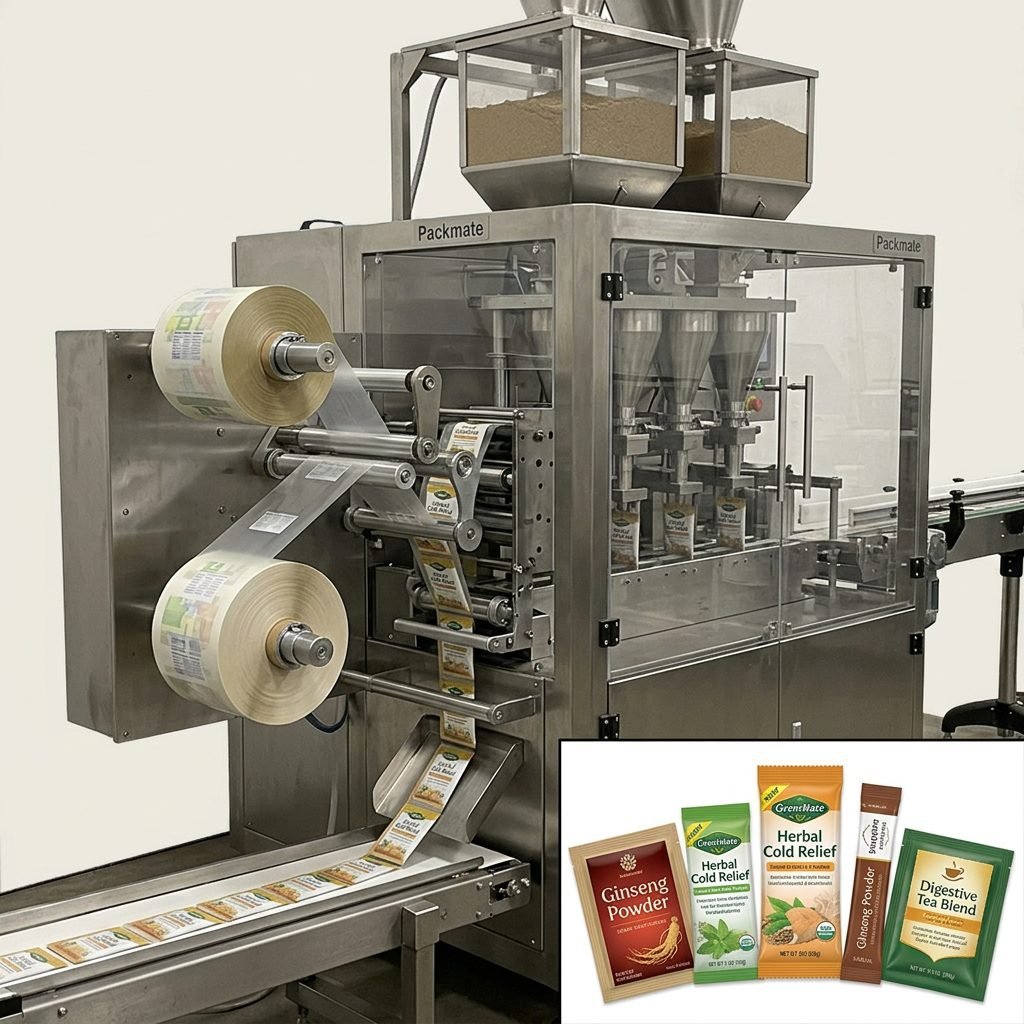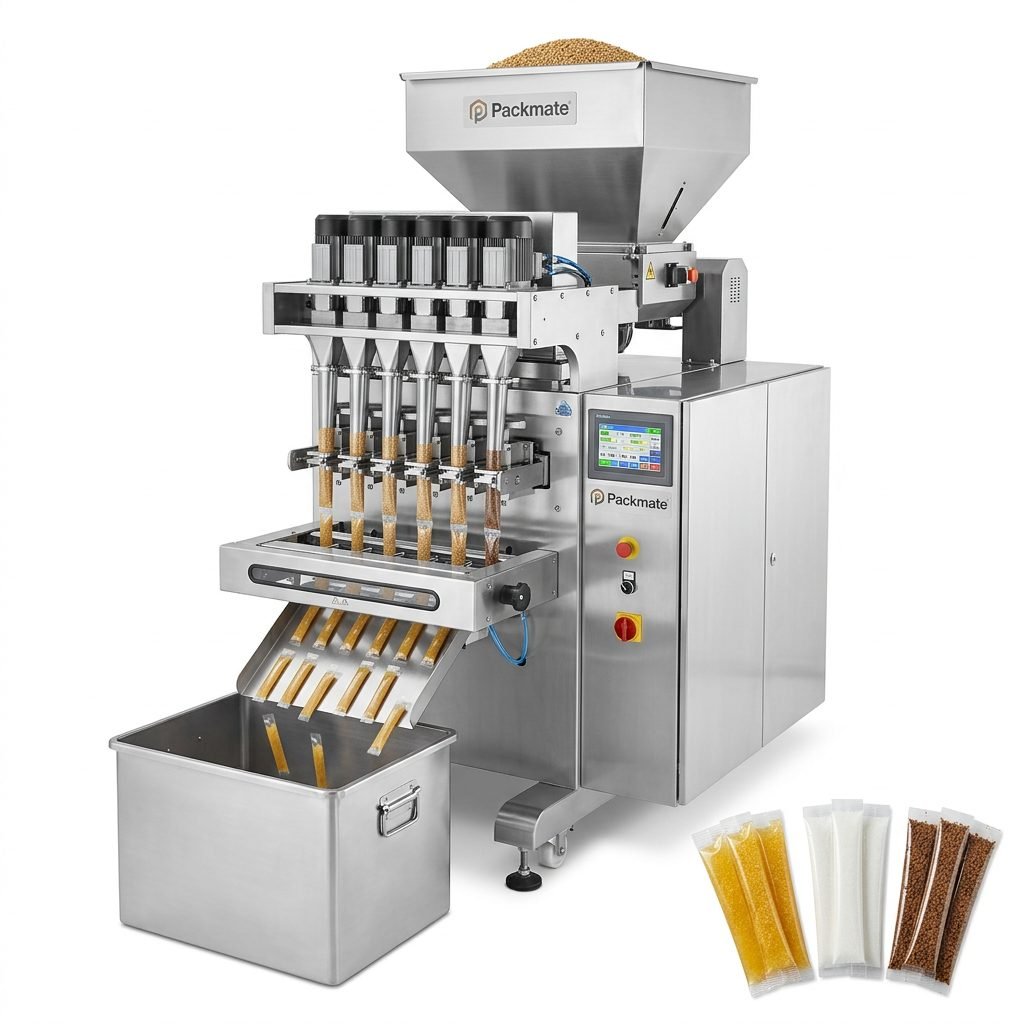
The demand for efficiency, hygiene, and precision in packaging has never been higher, especially within the critical sectors of food, pharmaceuticals, and health products. As consumer expectations and regulatory standards evolve, manufacturers are increasingly turning to automatic filling line solutions to streamline their operations. These integrated systems are not just about speed; they represent a fundamental shift towards intelligent, reliable, and compliant production that safeguards product integrity from filling to final packaging.
The Imperative for Automation in Sensitive Industries
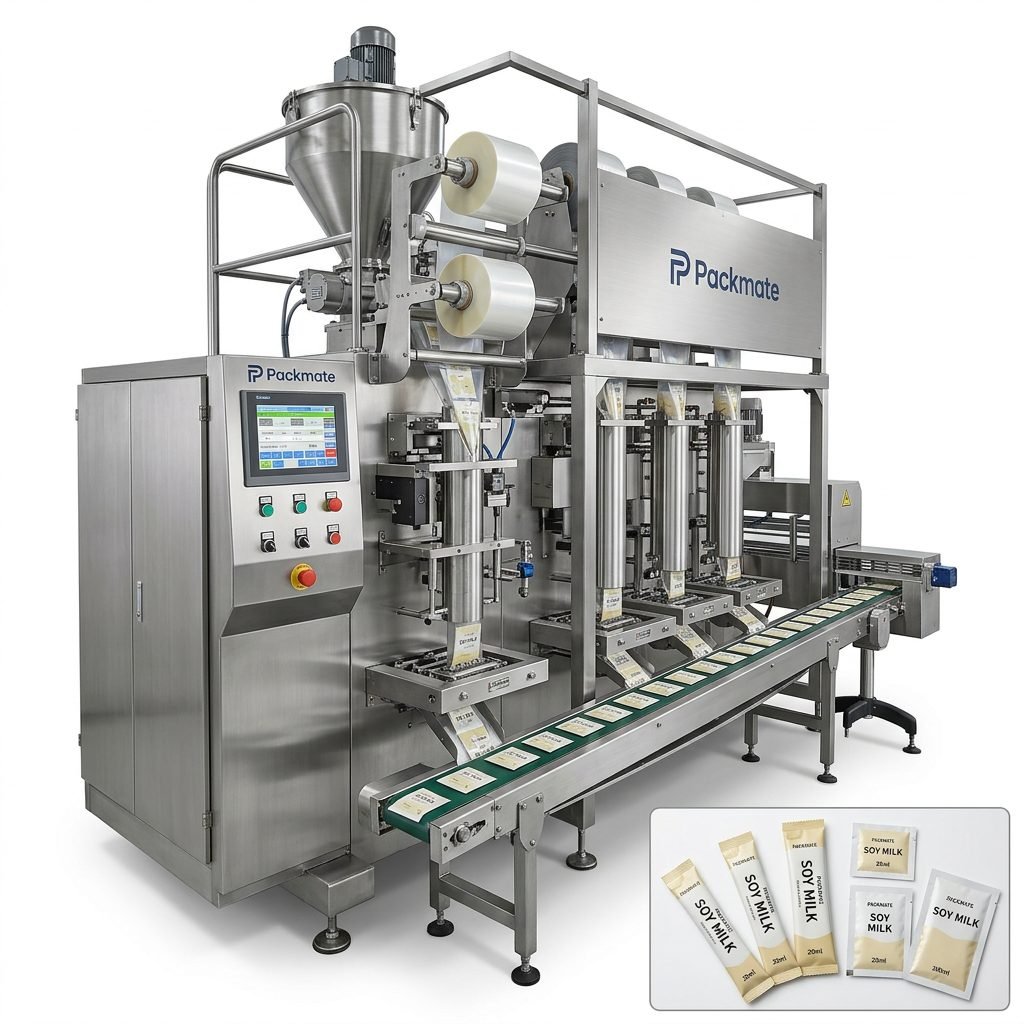
Manual or semi-automated packaging processes introduce variables that can compromise quality. In the food industry, inconsistent fills or contamination risks are unacceptable. For pharmaceuticals and health supplements, the stakes are even higher, where precise dosing and absolute sterility are mandated by strict regulations. An automatic filling line eliminates these human-dependent variables, ensuring every single unit—whether a sachet, stick pack, or large bag—meets exact specifications.
Key Advantage: Beyond consistency, automation delivers unparalleled traceability. Modern lines integrate data logging and monitoring systems, creating a digital record for every batch. This is invaluable for quality control audits and rapid response in the rare event of an issue, a feature crucial for compliance in global markets.
Core Components of a Modern Automatic Filling Line
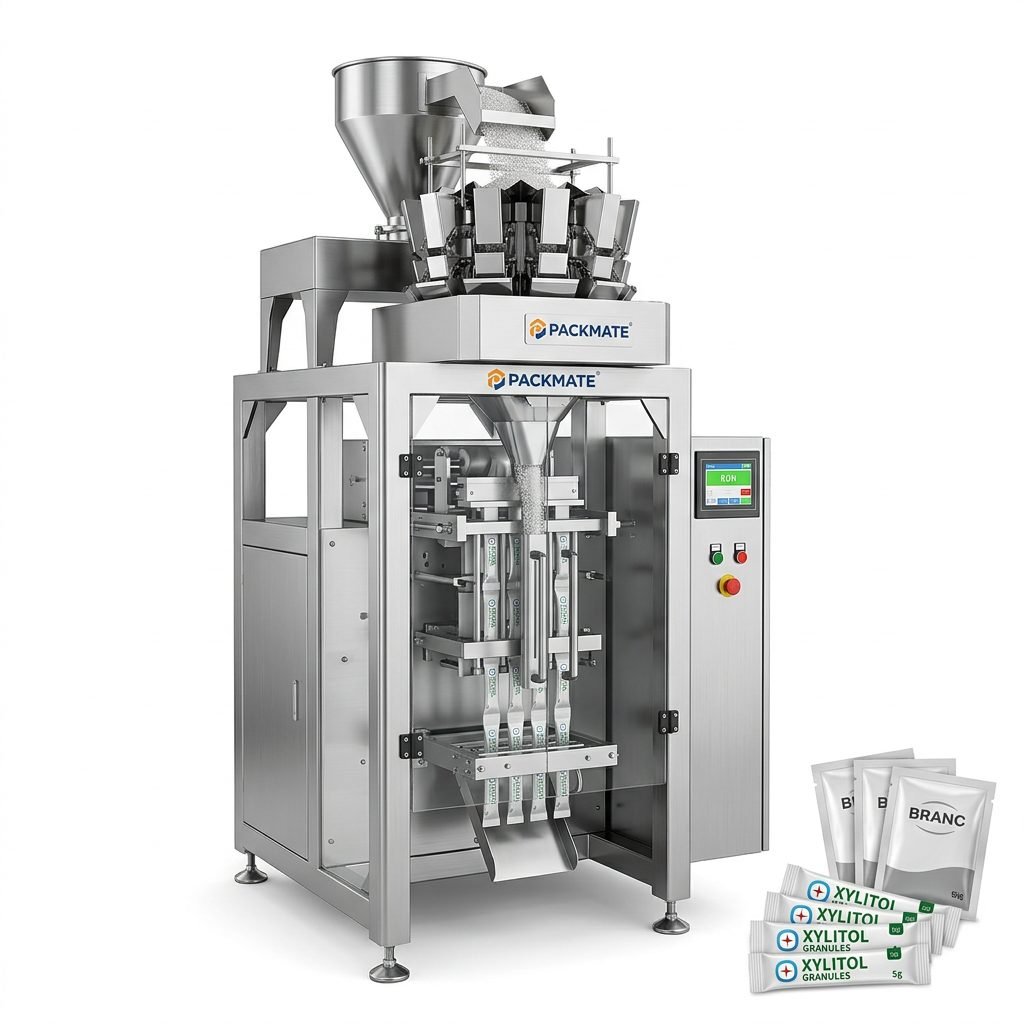
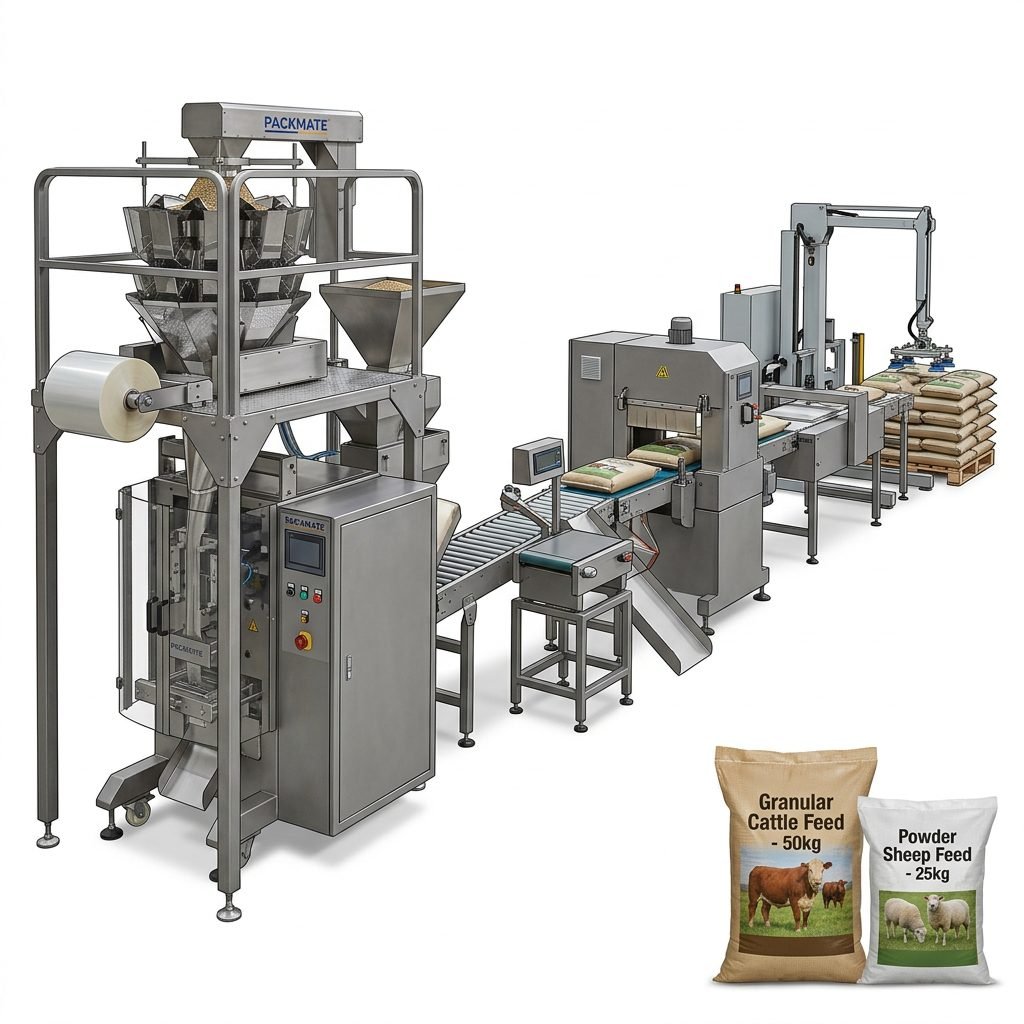
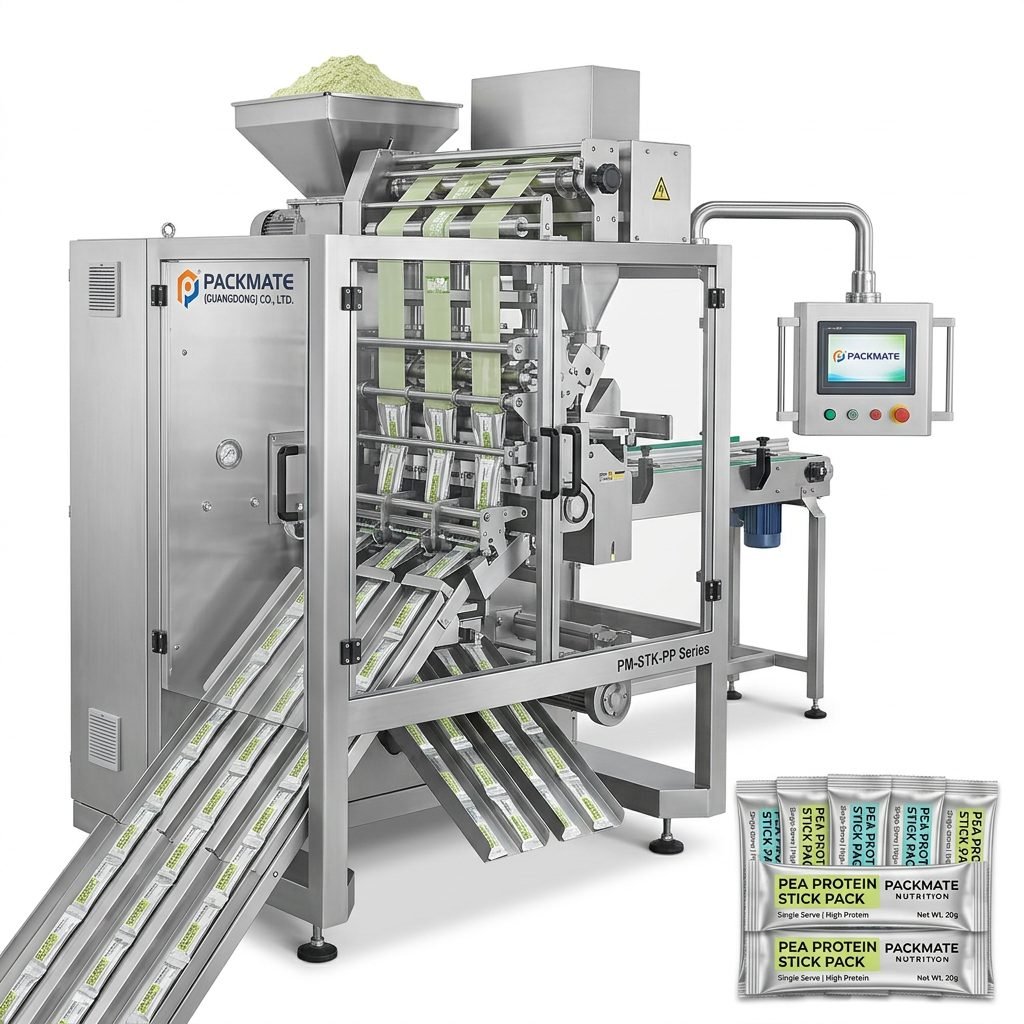
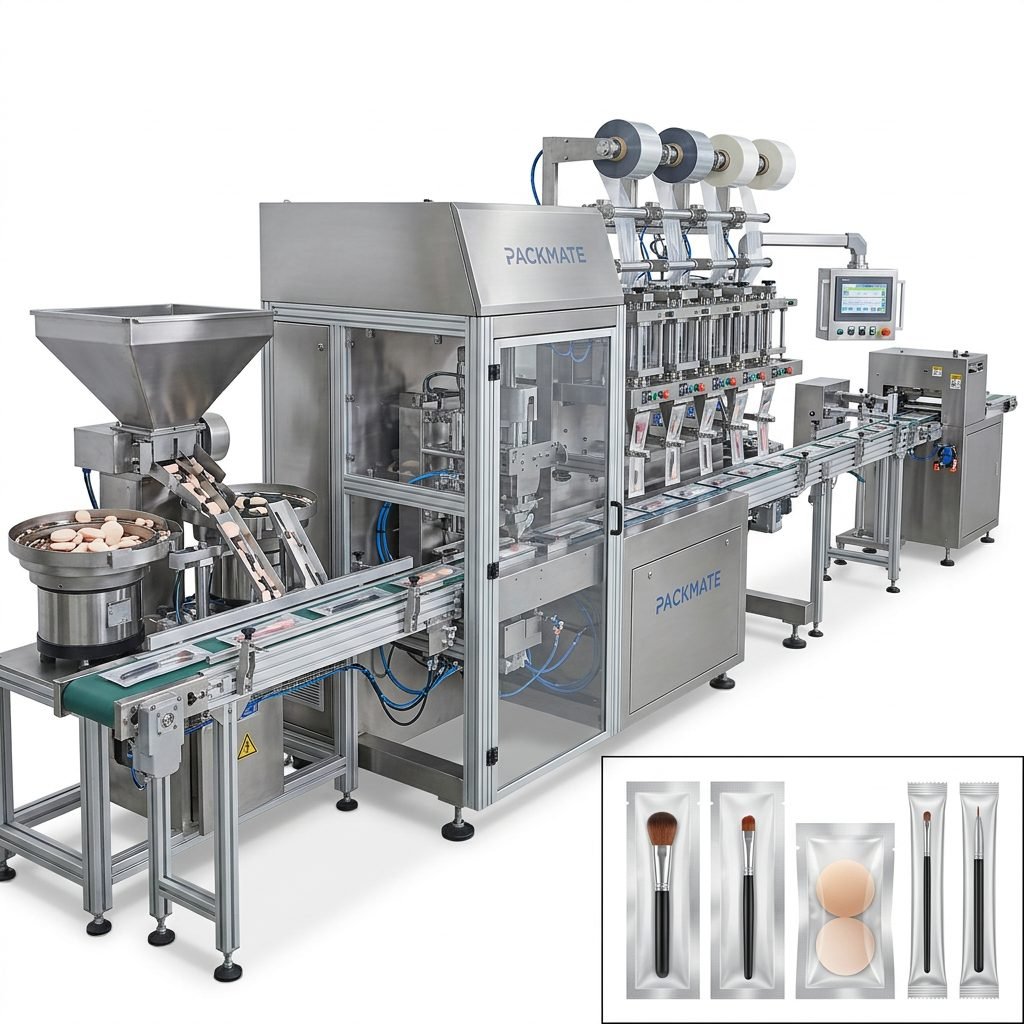
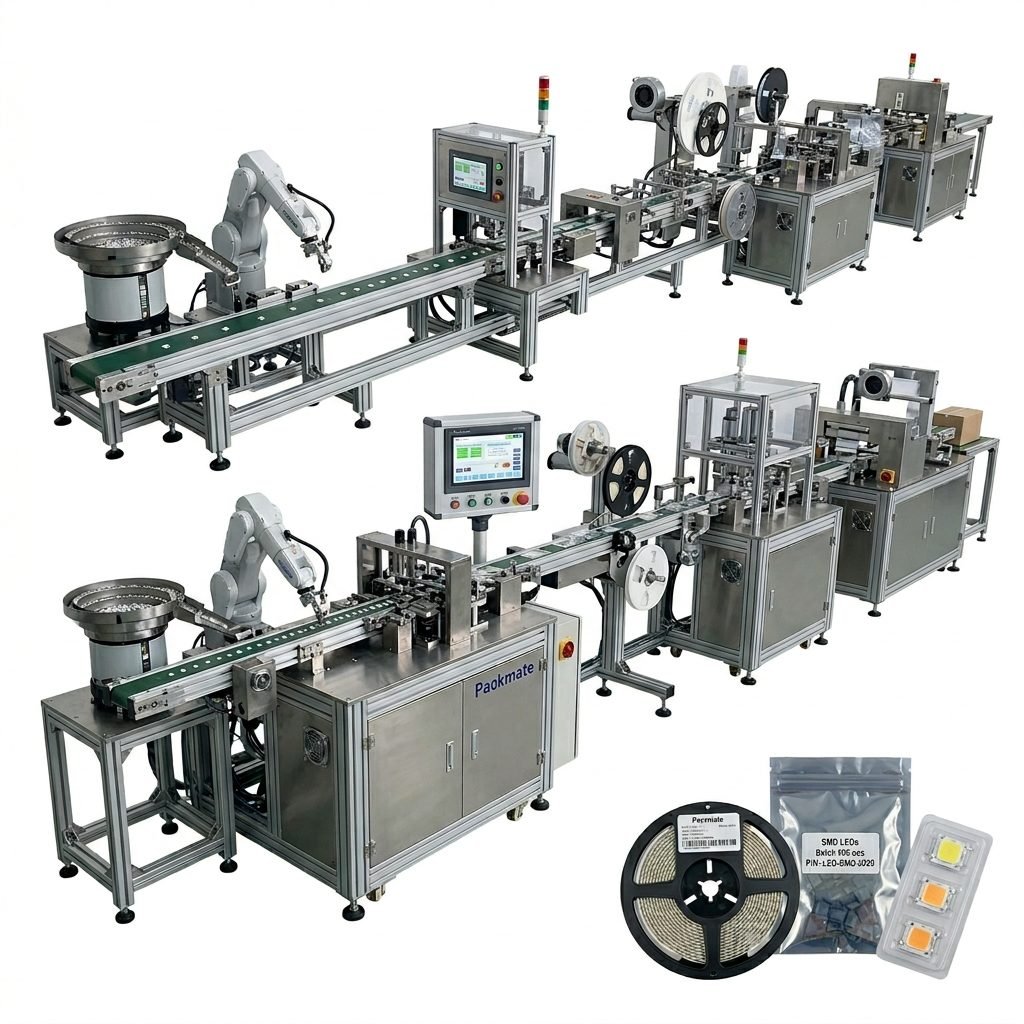
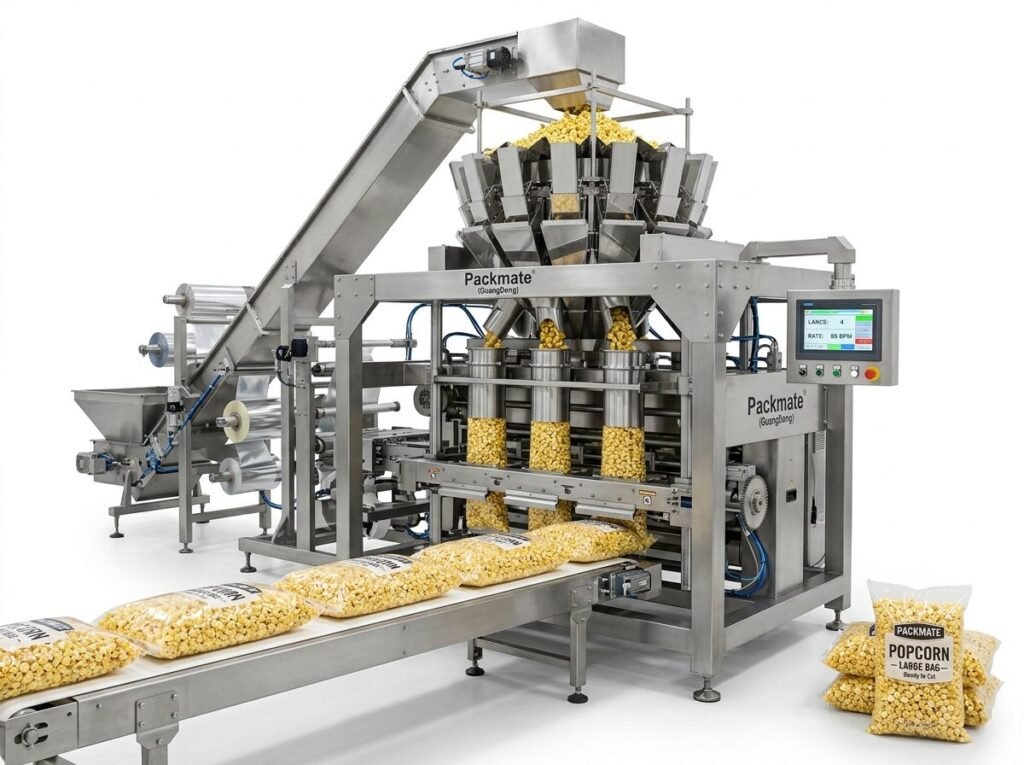
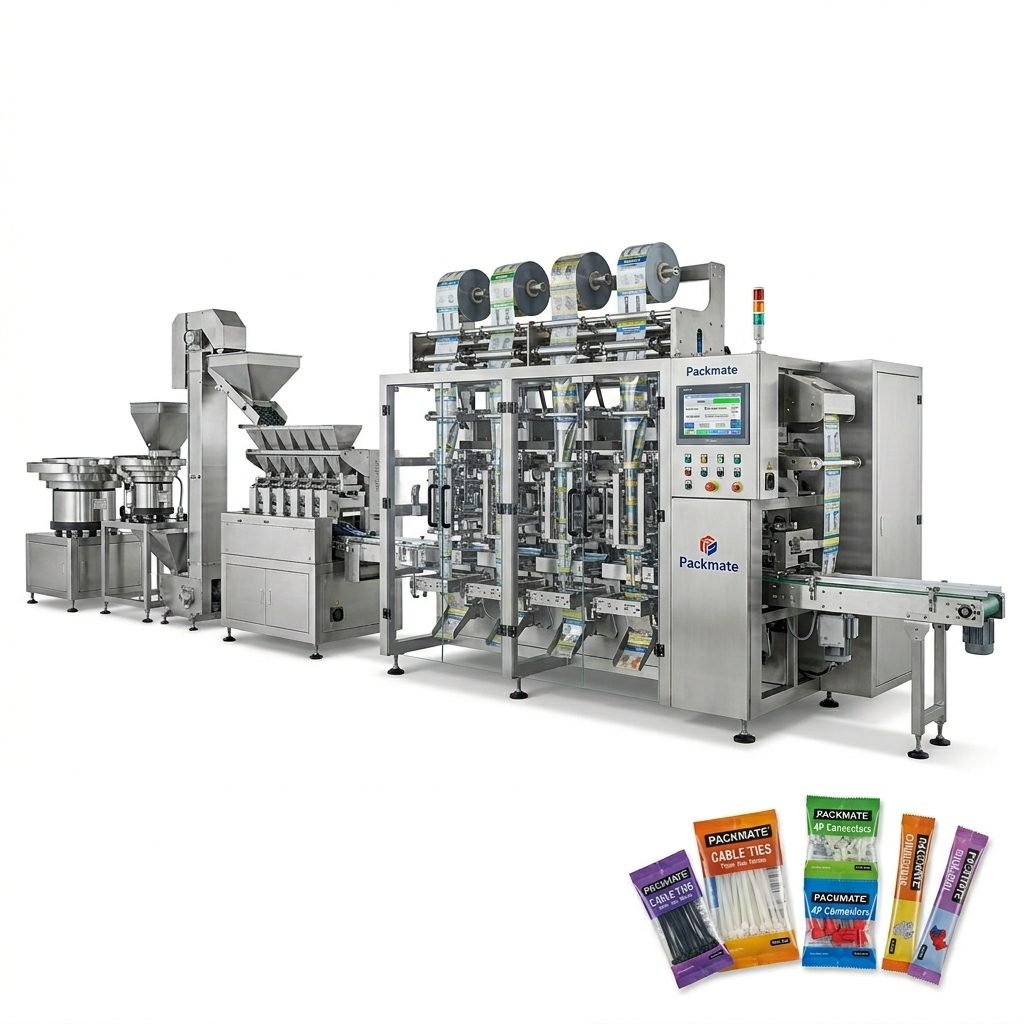
A complete turnkey solution is more than just a filler. It is a symphony of synchronized machines, each playing a vital role. The journey typically begins with an unwinding and feeding system that precisely handles packaging film. This is followed by the heart of the line: the form-fill-seal (FFS) machine, which creates the pouch, meters the product, and seals it shut in one continuous motion.
For powdered health products or granular food items, advanced auger filler systems provide remarkable accuracy. Liquid products, such as sauces or pharmaceutical syrups, require precise piston or pump fillers. Downstream, cartoning machines and case packers automate the secondary packaging, readying products for palletizing and shipment. Leading providers like Packmate design these modules to work in perfect harmony, maximizing throughput and minimizing downtime.
Tailoring Solutions: Food vs. Pharmaceutical & Health Products
While the engineering principles are similar, the application dictates specific requirements.
For Food Packaging:
Lines must be built for easy cleaning and quick changeovers to handle diverse products, from spices and instant coffee to soup mixes. Stainless steel construction and sanitary design are paramount. Speed and cost-efficiency are often primary drivers, enabling brands to meet high-volume demand. You can explore dedicated packaging solutions designed for these challenges.
For Pharmaceutical & Health Products:
Here, the focus intensifies on precision and contamination control. Lines often operate in controlled environments and may include integrated nitrogen flushing to extend shelf life by displacing oxygen. The machinery must support stringent documentation protocols (e.g., GMP – Good Manufacturing Practice) and allow for validated cleaning processes. Accuracy in filling each sachet with the exact milligram of powder or milliliter of liquid is non-negotiable.
The Role of a Trusted Partner: Beyond the Machine
Implementing an automatic filling line is a significant investment. Success hinges on partnering with a provider who offers more than just equipment. A true partner delivers a complete solution, encompassing in-depth consultation, custom engineering, installation, training, and lifelong support. This holistic approach ensures the line integrates seamlessly into your existing facility and workflows.
Companies with deep industry experience, such as Packmate (GuangDong) Co., Ltd., bring invaluable insight. With over two decades of development, they understand the nuanced needs of different markets and products. Their project case studies demonstrate a proven ability to solve complex packaging challenges for global clients, from initial concept to a fully operational production line.
📈 Tangible Benefits of Automation
- Skyrocketed Productivity: Automated lines operate 24/7 with minimal breaks, dramatically increasing output compared to manual labor.
- Uncompromised Consistency & Quality: Every package is identical in weight, fill, and seal integrity, enhancing brand reputation.
- Significant Cost Reduction: Lowers long-term labor costs, minimizes product giveaway from overfilling, and reduces material waste.
- Enhanced Safety & Compliance: Reduces worker contact with products, improving hygiene and helping meet FDA, GMP, and other regulatory standards.
- Superior Scalability: Modular systems can be upgraded or reconfigured to accommodate new products or increased capacity as your business grows.
Future Trends: The Smart and Sustainable Packaging Line
The future of automatic filling lies in connectivity and sustainability. Industry 4.0 integration is becoming standard, where machines communicate data to a central Manufacturing Execution System (MES) for real-time monitoring, predictive maintenance, and optimized production scheduling. Furthermore, there is growing pressure to adopt sustainable practices. Modern lines are now designed to handle recyclable or biodegradable films efficiently and are engineered to consume less energy, aligning with corporate environmental goals.
Choosing the right automatic filling line is a strategic decision that impacts your product quality, operational efficiency, and bottom line. By focusing on your specific product characteristics, required output, and compliance needs, and by partnering with an experienced provider, you can implement a solution that drives growth and builds resilience for years to come. For a comprehensive overview of capabilities, reviewing a detailed equipment catalog from a reputable supplier is an excellent first step.
Frequently Asked Questions (FAQs)
1. What is the typical lead time for a complete automatic filling line?
Lead time varies significantly based on the line’s complexity, level of customization, and current production schedules. A standard, pre-configured line might be delivered in 3-4 months, while a fully custom, turnkey solution for a complex pharmaceutical product could take 6-9 months or more. Detailed project planning with your supplier will establish a clear timeline.
2. How do I ensure the line meets GMP or FDA regulations for my health product?
This is a critical consideration. Reputable suppliers design machines with compliance in mind, using appropriate materials (e.g., 316L stainless steel), smooth surfaces for easy cleaning, and providing necessary documentation (e.g., equipment qualification protocols). Always discuss your regulatory requirements upfront and verify the supplier’s experience and relevant certifications in your industry.
3. Can one filling line handle different types of products or package sizes?
Yes, through changeover kits. Many modern lines are designed for flexibility. By changing parts like the forming collar, filling nozzles, and sealing jaws, and updating the machine’s software parameters, you can switch between different products or pouch sizes. The speed and ease of this changeover are key factors to discuss with your provider to minimize downtime.
4. What kind of after-sales support and training should I expect?
Comprehensive support is essential. Expect professional installation and commissioning by factory engineers, followed by hands-on operational and maintenance training for your staff. A reliable partner will offer ongoing technical support, readily available spare parts, and potentially remote diagnostics. Clarify the warranty period and the structure of the support agreement before purchase.
5. How do I calculate the Return on Investment (ROI) for an automatic filling line?
ROI is calculated by comparing the capital and operating costs of the new line against the savings and gains it generates. Key factors include: increased production output, reduction in labor costs, decrease in product waste (giveaway), lower rejection rates, and improved energy efficiency. Most suppliers can help you build a financial model based on your current operational data and projected metrics.