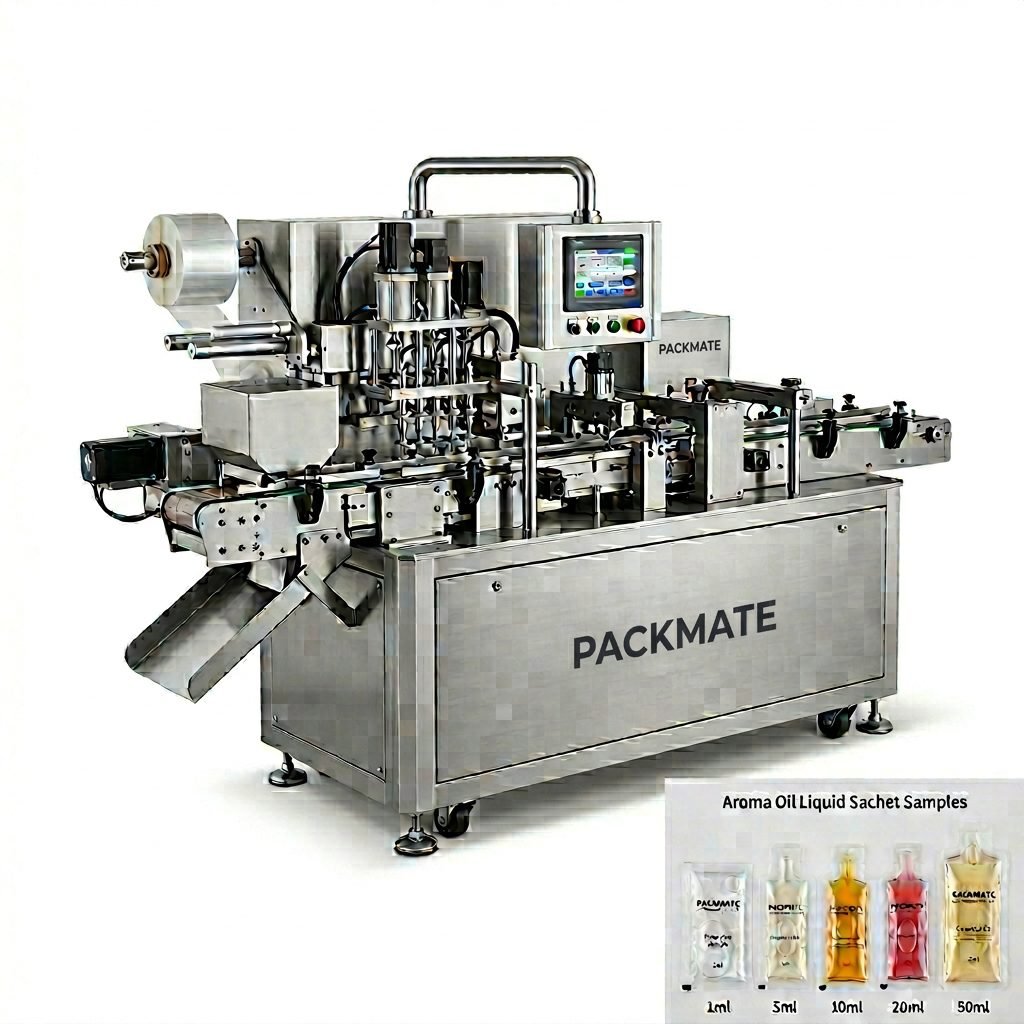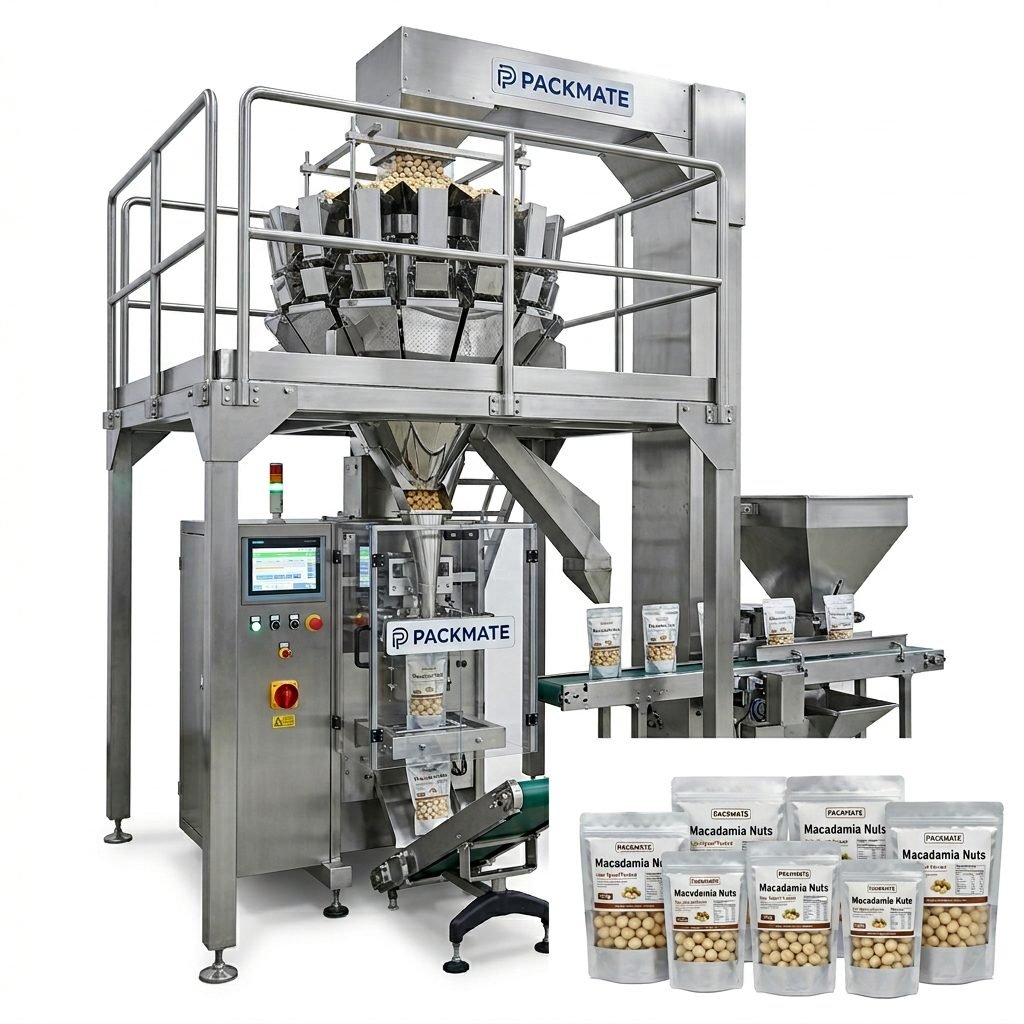
In today’s competitive manufacturing landscape, efficiency, hygiene, and reliability are non-negotiable. For industries where product integrity directly impacts consumer health and safety—such as food, pharmaceuticals, and nutraceuticals—the packaging process is as critical as the formulation itself. An integrated packaging line is no longer a luxury but a strategic necessity. It represents a seamless, automated system where multiple machines work in concert to transform raw materials into securely packaged final products, ready for distribution and consumption.
The Critical Need for Integration in Sensitive Industries
The journey from production to the end-user is fraught with potential contamination points, efficiency losses, and quality inconsistencies. Disconnected, standalone machines create bottlenecks, require excessive manual handling, and increase the risk of errors. For sectors governed by stringent regulations like GMP (Good Manufacturing Practice) and FDA guidelines, these risks are unacceptable. An integrated line consolidates operations—from filling and sealing to labeling and cartoning—into a controlled, continuous flow. This minimizes human intervention, drastically reduces cross-contamination risks, and ensures traceability and consistency across every single unit produced.
Core Benefits of a Unified System
- ✅ Enhanced Product Safety & Hygiene: Closed-system automation limits exposure to environmental contaminants.
- ✅ Maximized Operational Efficiency: Synchronized machines eliminate bottlenecks, optimizing speed and output.
- ✅ Uncompromising Consistency: Automated controls ensure every package meets exact weight, seal, and label specifications.
- ✅ Significant Cost Reduction: Lower labor costs, reduced waste, and minimized downtime translate to a stronger bottom line.
- ✅ Scalability & Flexibility: Modern lines can be adapted for different package sizes, formats, and products with quick changeovers.
Tailored Solutions for Each Sector
While the principle of integration is universal, its application must be precisely tailored to the unique demands of each industry.
Food Production Packaging Lines
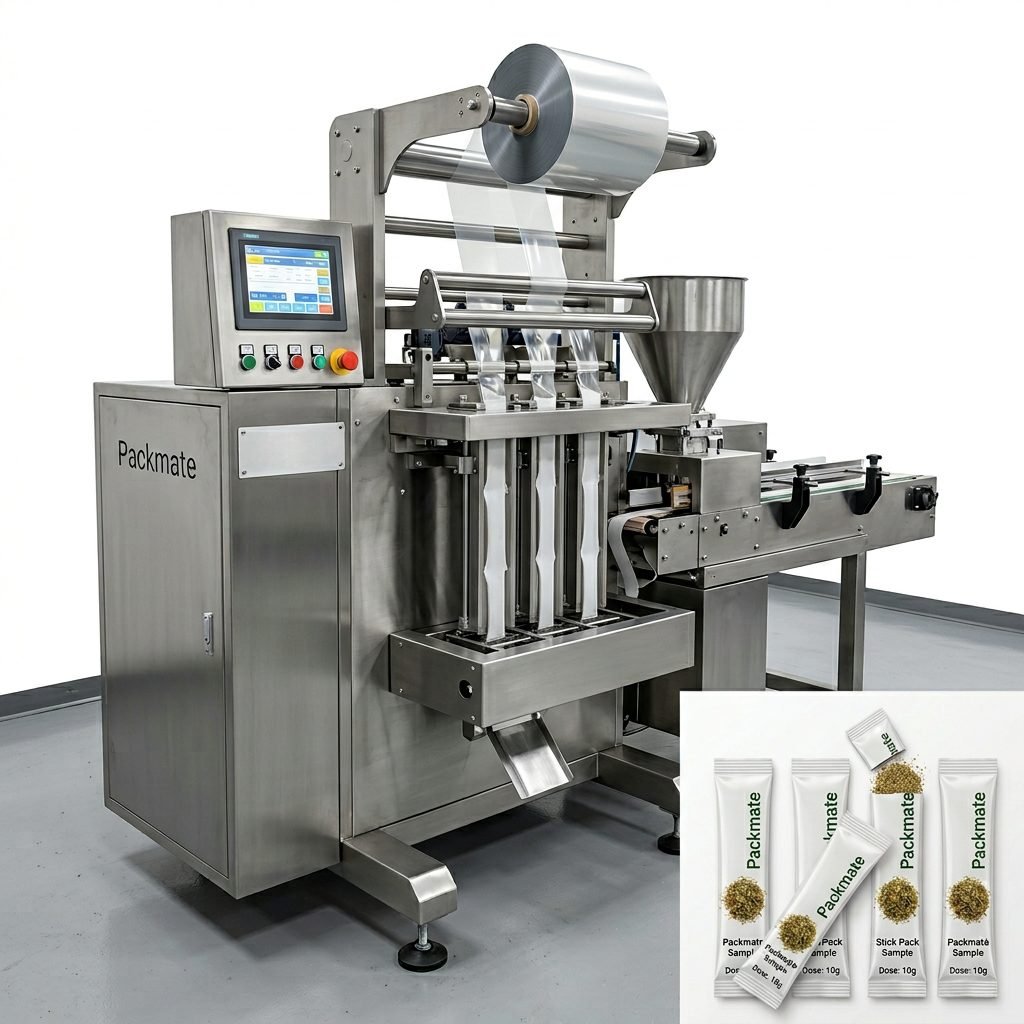
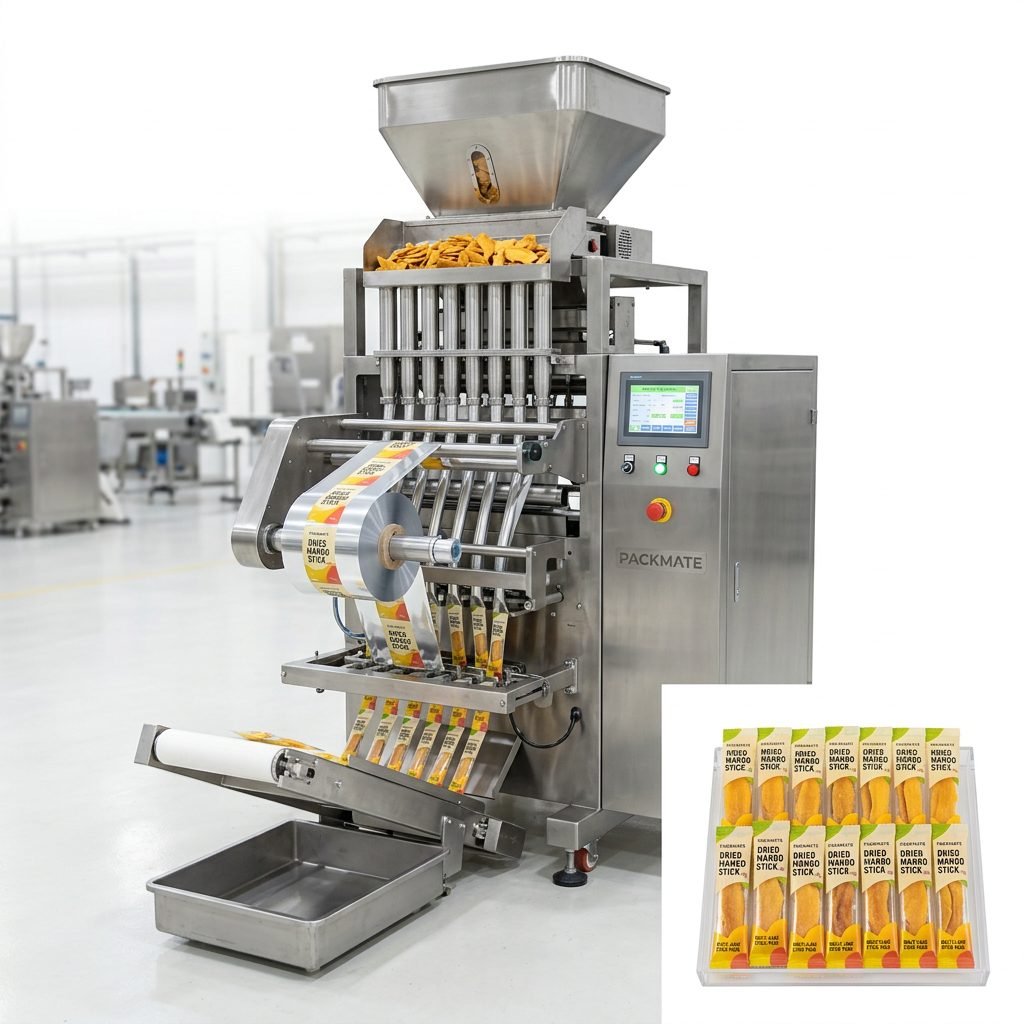
Food packaging demands a focus on freshness preservation, leak prevention, and appealing presentation. Integrated lines for food handle a diverse range of consistencies—from granules like sugar and spices to powders like flour and protein mixes, and viscous liquids like sauces and oils. Key features include food-grade stainless-steel contact parts, easy-clean designs, and inert gas flushing capabilities for products like coffee or snacks to extend shelf life. High-speed multi-lane stick pack and sachet machines are ideal for portion-controlled condiments, drink mixes, and instant foods.
Pharmaceutical Packaging Lines
Here, precision and compliance are paramount. Packaging lines must ensure absolute dosage accuracy, tamper-evidence, and lot traceability. Systems are designed to meet the highest hygiene standards, often featuring clean-room compatibility. Key components include ultra-precision fillers for powders and tablets, blister packaging machines, and serialization equipment that assigns a unique identifier to each saleable unit, as mandated by global track-and-trace regulations. Reliability is critical to avoid costly production halts in this high-stakes environment.
Nutraceutical & Health Product Packaging Lines
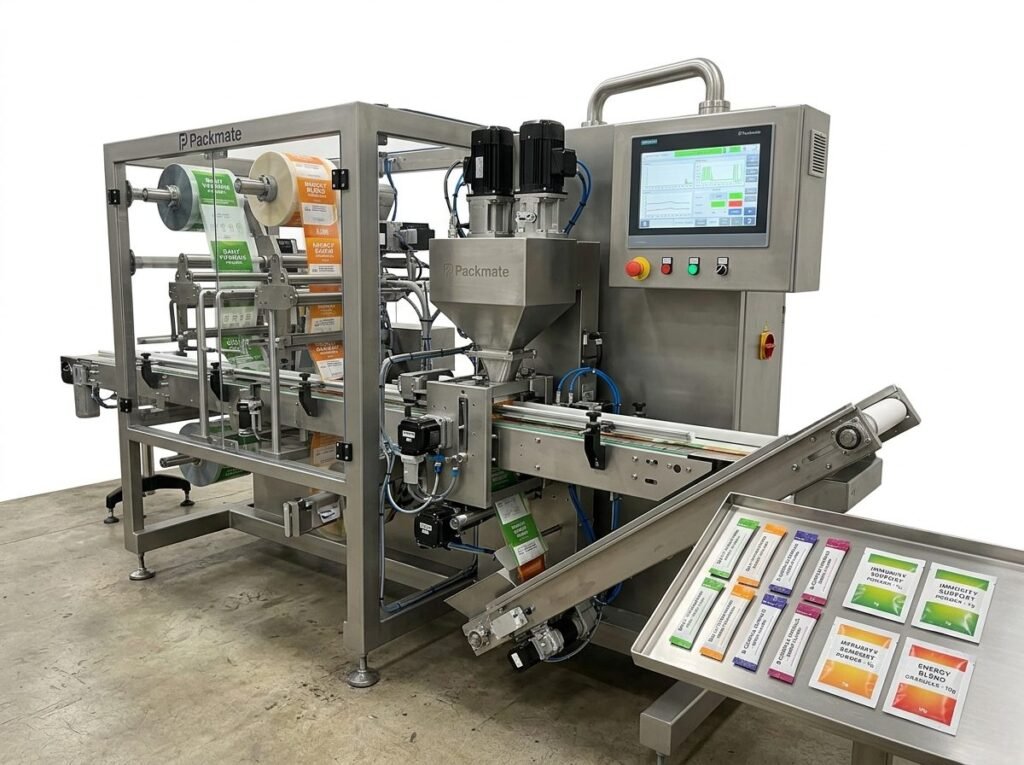
This fast-growing sector blends the volume needs of food with the quality assurances of pharma. Products like vitamin supplements, protein powders, and herbal extracts require packaging that protects potency from moisture and light. Integrated solutions often feature versatile form-fill-seal (FFS) machines that create the package from a roll of film, fill it with precision, and seal it—all in one step. This is perfect for creating barrier-protected stick packs, sachets, or pouches that resonate with health-conscious consumers. Exploring real-world application cases can provide valuable insights into successful line configurations.
Key Components of a Successful Integrated Line
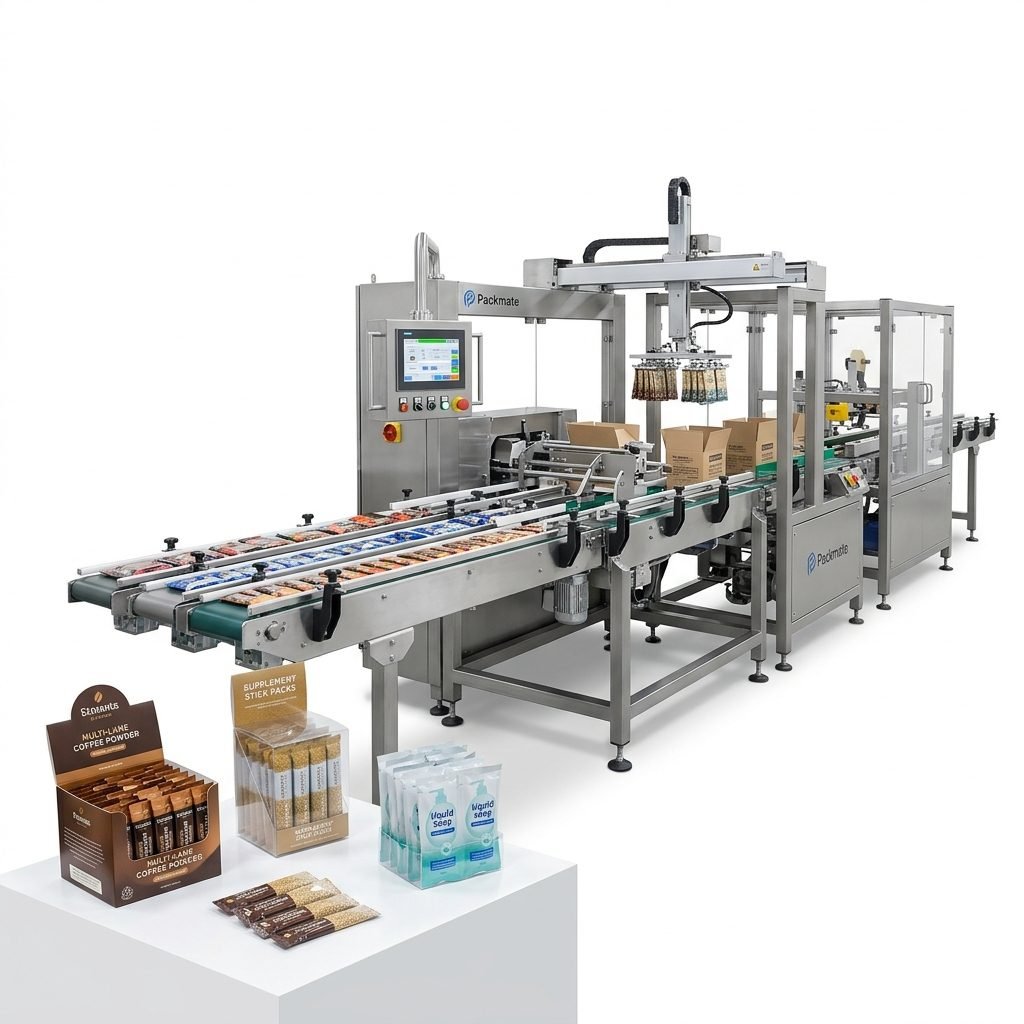
A robust packaging line is an ecosystem of specialized machinery. Understanding the role of each component is key to designing an effective solution.
1. Feeding & Conveying Systems
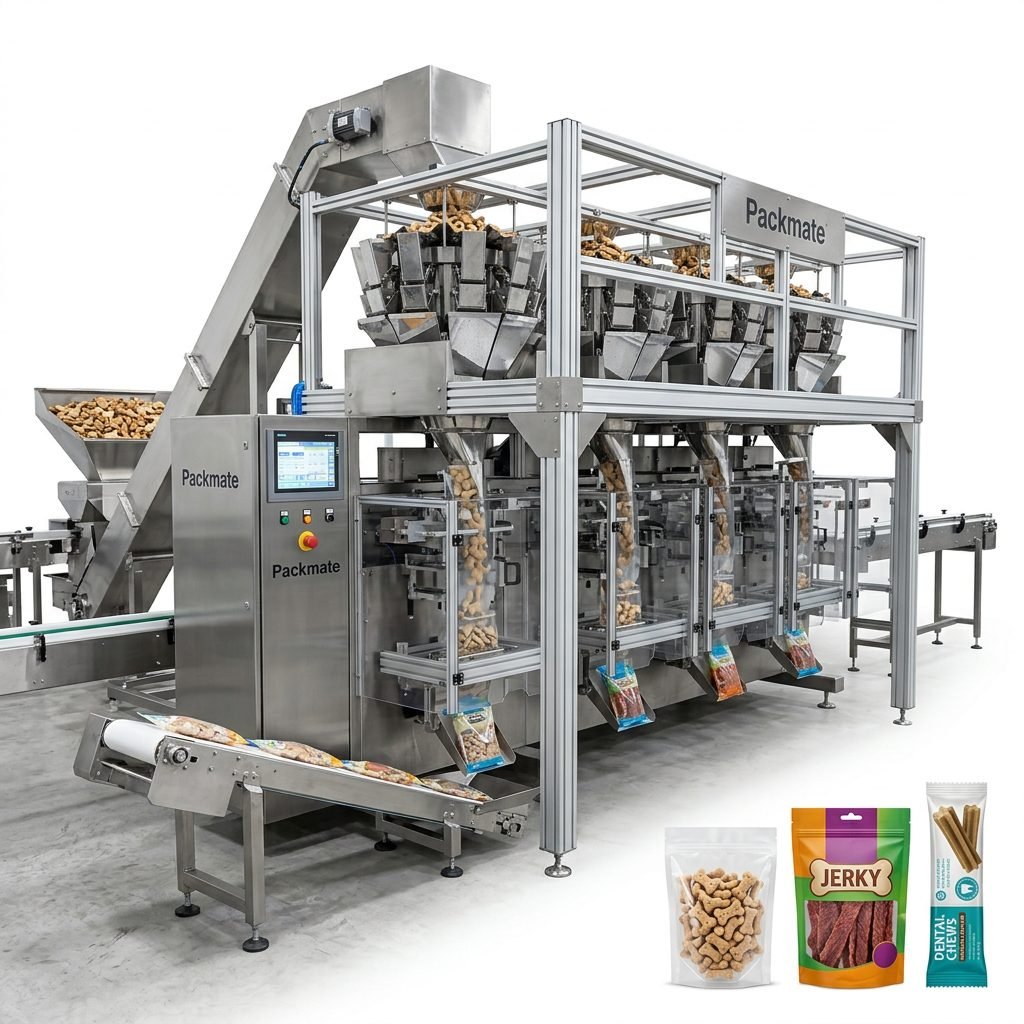
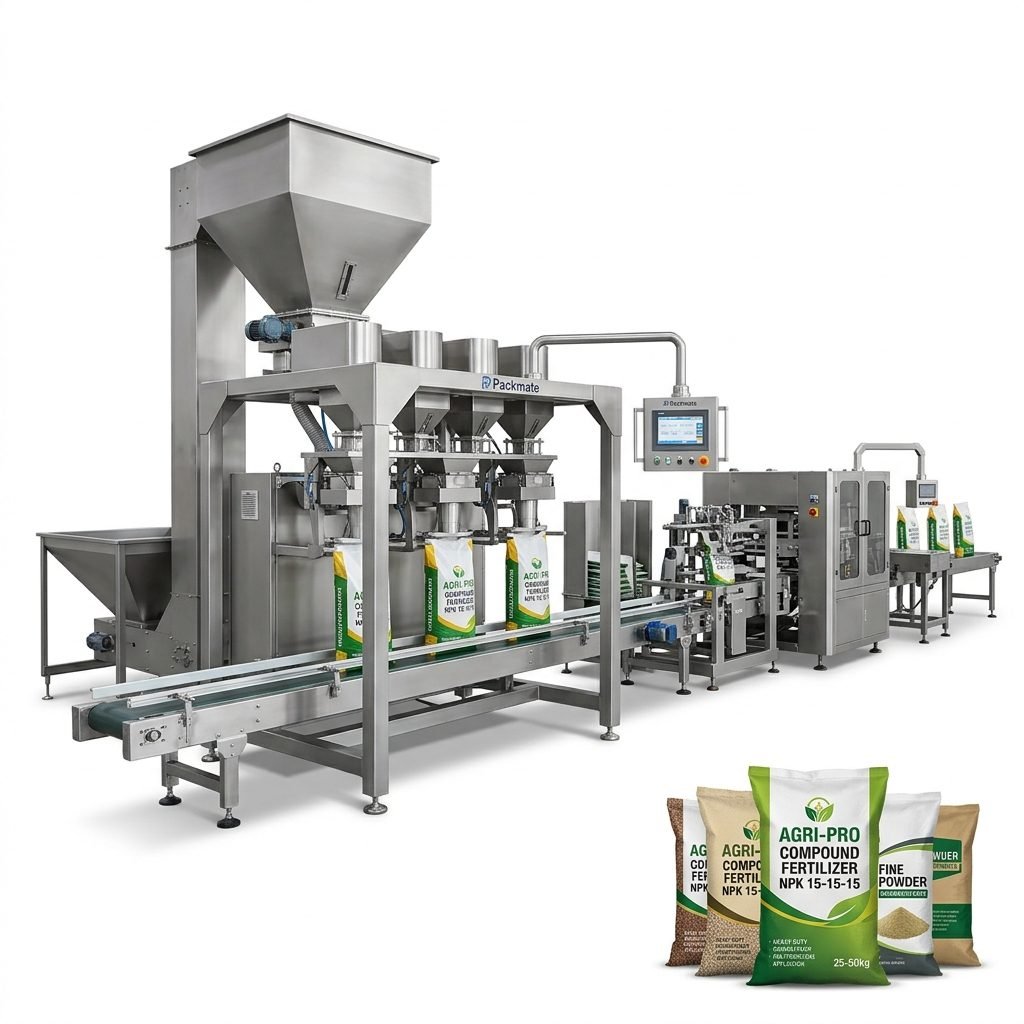
The foundation of the line. This includes bulk bag unloaders, screw feeders, vibratory feeders, and pneumatic conveyors that gently and consistently transport product to the filling station without degradation or segregation.
2. Precision Filling Machines
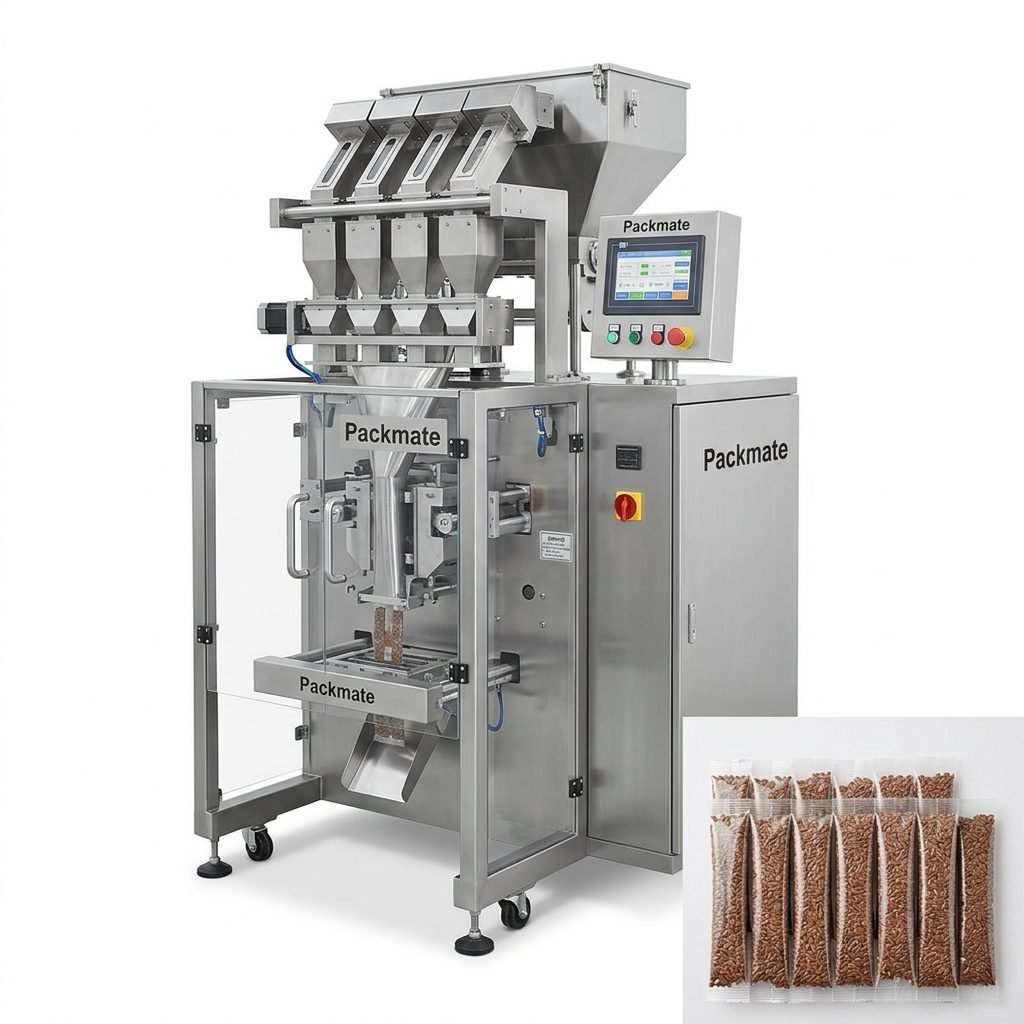
The heart of the operation. Technology varies by product: auger fillers for powders and granules, piston fillers for liquids and pastes, and volumetric or weigh fillers for ultimate accuracy. Multi-head systems enable high-speed production.
3. Form-Fill-Seal (FFS) Units
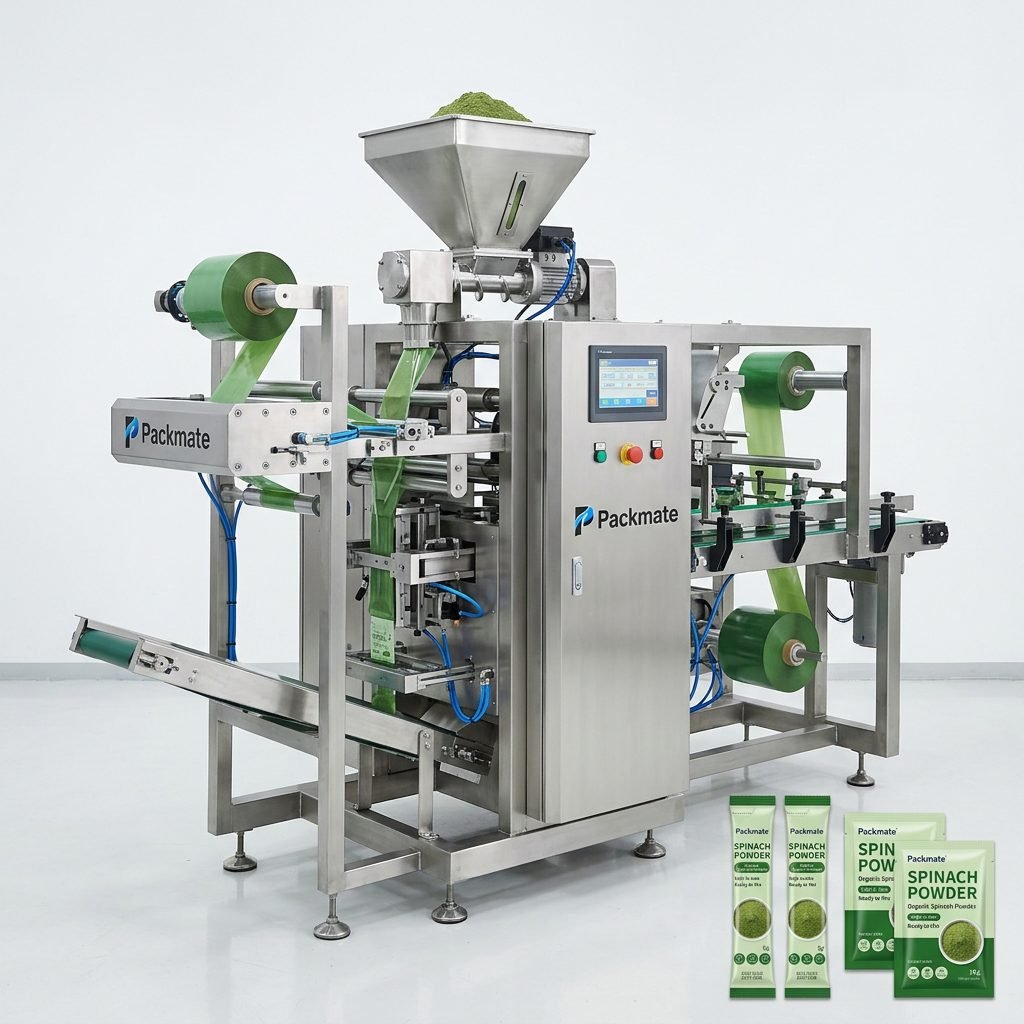
A versatile workhorse. FFS machines draw film from a reel, form it into a pouch (vertical VFFS or horizontal HFFS), dose the product inside, and hermetically seal it. They are ideal for creating stick packs, sachets, and stand-up pouches.
4. Sealing, Capping & Labeling
Ensures product integrity and information. This stage includes heat sealers, induction sealers for liquid containers, capping machines, and high-resolution label applicators that apply primary labels and barcodes with perfect placement.
5. Secondary & Tertiary Packaging
Prepares products for shipping. Cartoners erect and load boxes, case packers arrange packages into shipping cases, and palletizers stack cases onto pallets, completing the automation journey from product to pallet.
The Packmate Advantage: From Concept to Turnkey Solution
Implementing such a complex system requires more than just hardware; it demands deep expertise and a partnership approach. This is where a provider like Packmate (GuangDong) Co., Ltd. distinguishes itself. With over 22 years of development and a 20,000㎡ modern facility in the heart of China’s manufacturing hub, Packmate embodies the integration it provides.
Our process begins with a thorough analysis of your product characteristics, target output, and facility constraints. Our team of 125+ professional engineers and technicians then designs a custom line, selecting from over 50 machine models to create the optimal sequence. We don’t just sell machines; we deliver a synchronized turnkey solution. This includes manufacturing, factory acceptance testing (FAT), installation, comprehensive training, and ongoing support and service. Our history, from a focused workshop in 1993 to a leader serving global clients, is built on transforming innovative ideas into reliable, efficient production reality.
Making the Investment: A Strategic Decision
Transitioning to an integrated line is a significant capital investment, but its ROI is clearly defined. Beyond the tangible gains in speed and labor savings, consider the intangible strategic advantages: future-proofing your operation against tightening regulations, enhancing your brand reputation through flawless product quality, and gaining the agility to quickly launch new products or formats. When evaluating providers, look for a partner with proven sector experience, a commitment to using quality components, and the capability to offer a single point of responsibility for the entire line.
The convergence of automation, smart controls, and robust engineering has made integrated packaging lines the gold standard for modern food, pharma, and nutraceutical production. By choosing a tailored, turnkey system from an experienced partner, manufacturers secure not just a collection of machines, but a cornerstone of their operational excellence, product safety, and market competitiveness for years to come. For a deeper understanding of our capabilities and company ethos, you can review our detailed company profile.
Frequently Asked Questions (FAQs)
1. What is the lead time for a complete integrated packaging line?
Lead time varies significantly based on line complexity, customization, and machine availability. A standard configuration might take 3-6 months from order to delivery, while highly custom solutions can take longer. A detailed project timeline is always provided after the initial design consultation.
2. Can an integrated line handle multiple different products or package sizes?
Yes, modern lines are designed with flexibility in mind. Through features like quick-change tooling, programmable logic controller (PLC) recipes, and adjustable components, changeover between similar products or package sizes can often be achieved in 30 minutes or less, minimizing downtime.
3. How do you ensure the line complies with international standards (e.g., FDA, CE, GMP)?
Reputable providers design machines with compliance as a core principle. This includes using certified food-grade or pharmaceutical-grade materials (e.g., 316L stainless steel), designing for cleanability, and incorporating safety interlocks. Machines are typically built to CE standards for safety and can be configured to meet FDA and GMP hygienic design requirements. Always request relevant certifications and documentation.
4. What kind of training and after-sales support is provided?
Comprehensive training for your operators and maintenance staff is a critical part of a turnkey solution. This usually occurs during installation and commissioning. Robust after-sales support includes access to spare parts, remote troubleshooting assistance, and optional service contracts for preventive maintenance to ensure optimal uptime.
5. How is the overall efficiency (OEE) of an integrated line measured and guaranteed?
Overall Equipment Effectiveness (OEE) is a function of Availability, Performance, and Quality. While a supplier cannot “guarantee” a specific OEE number due to variables in your operation, they can design a line for high reliability (Availability), specify machines that meet your speed targets (Performance), and ensure precision that minimizes giveaway and rejects (Quality). Performance metrics are validated during factory acceptance testing before shipment.