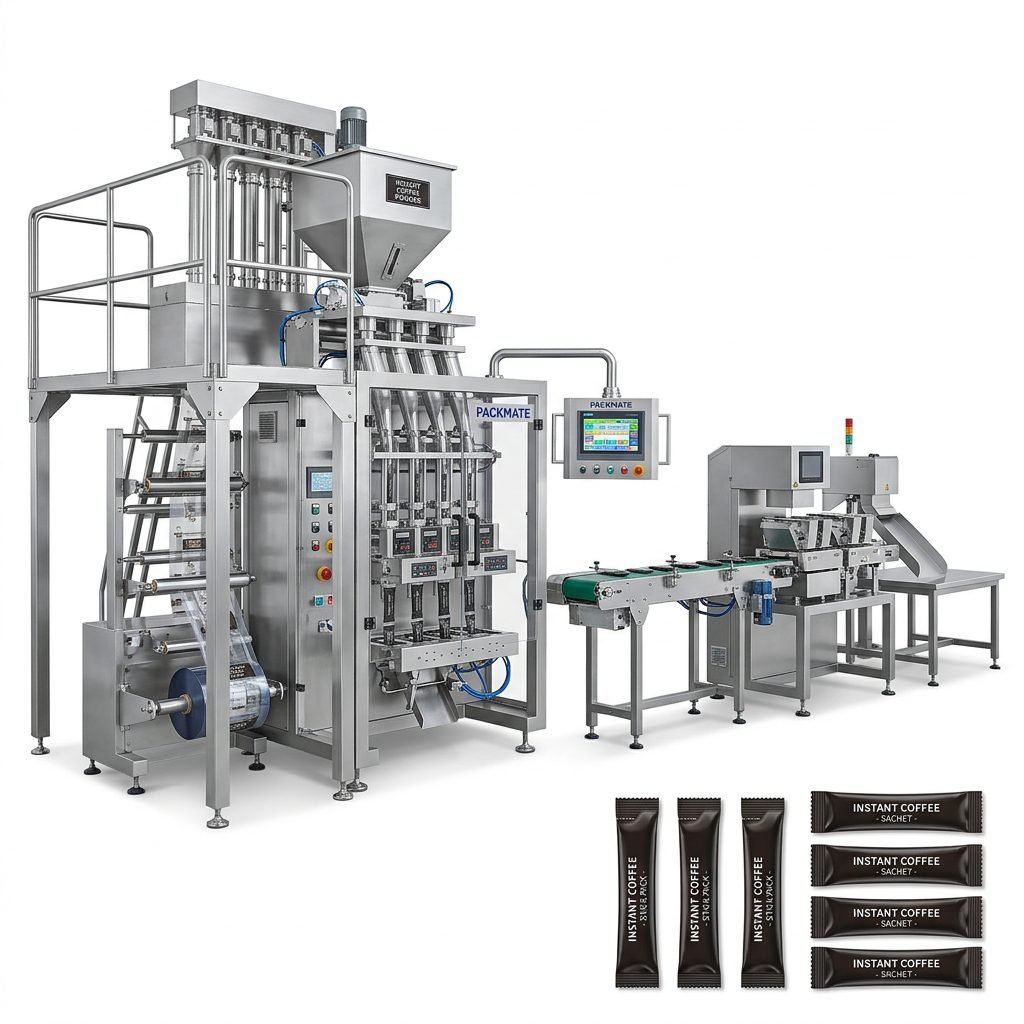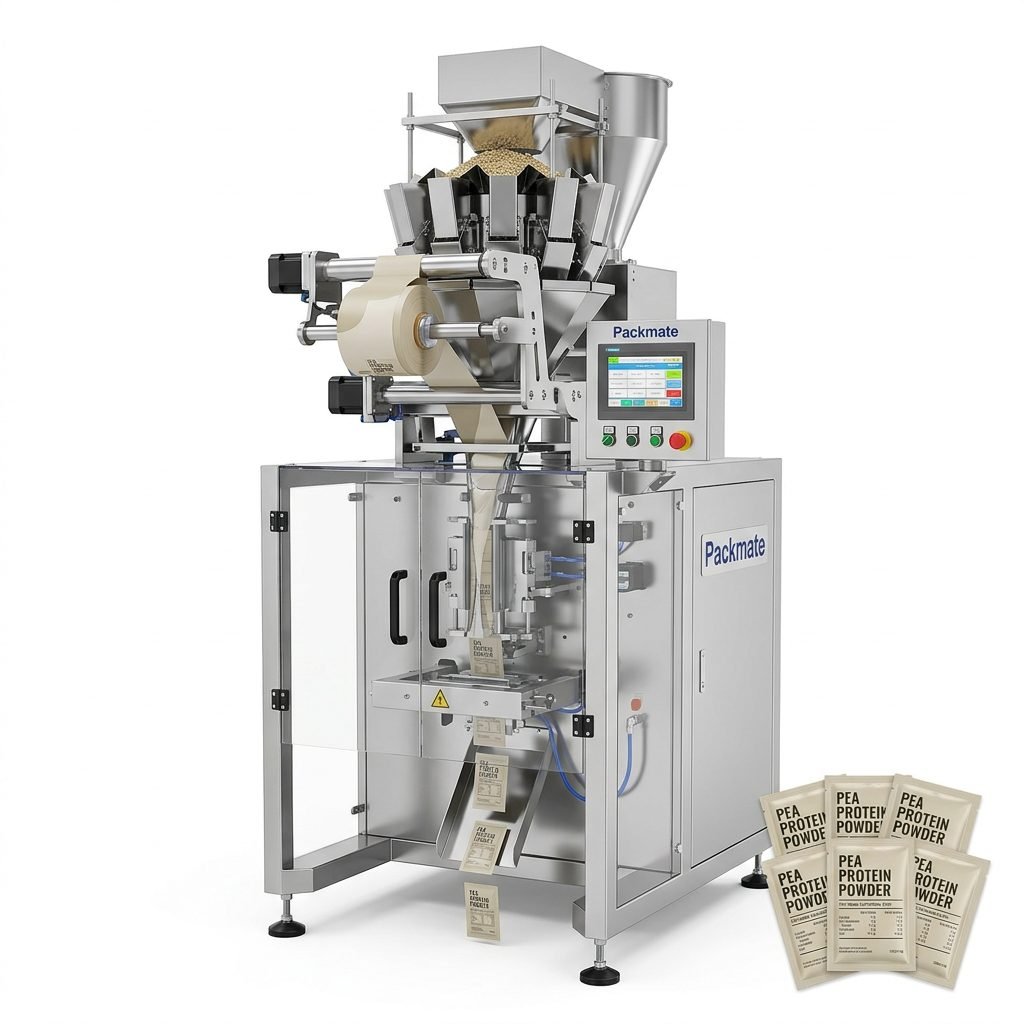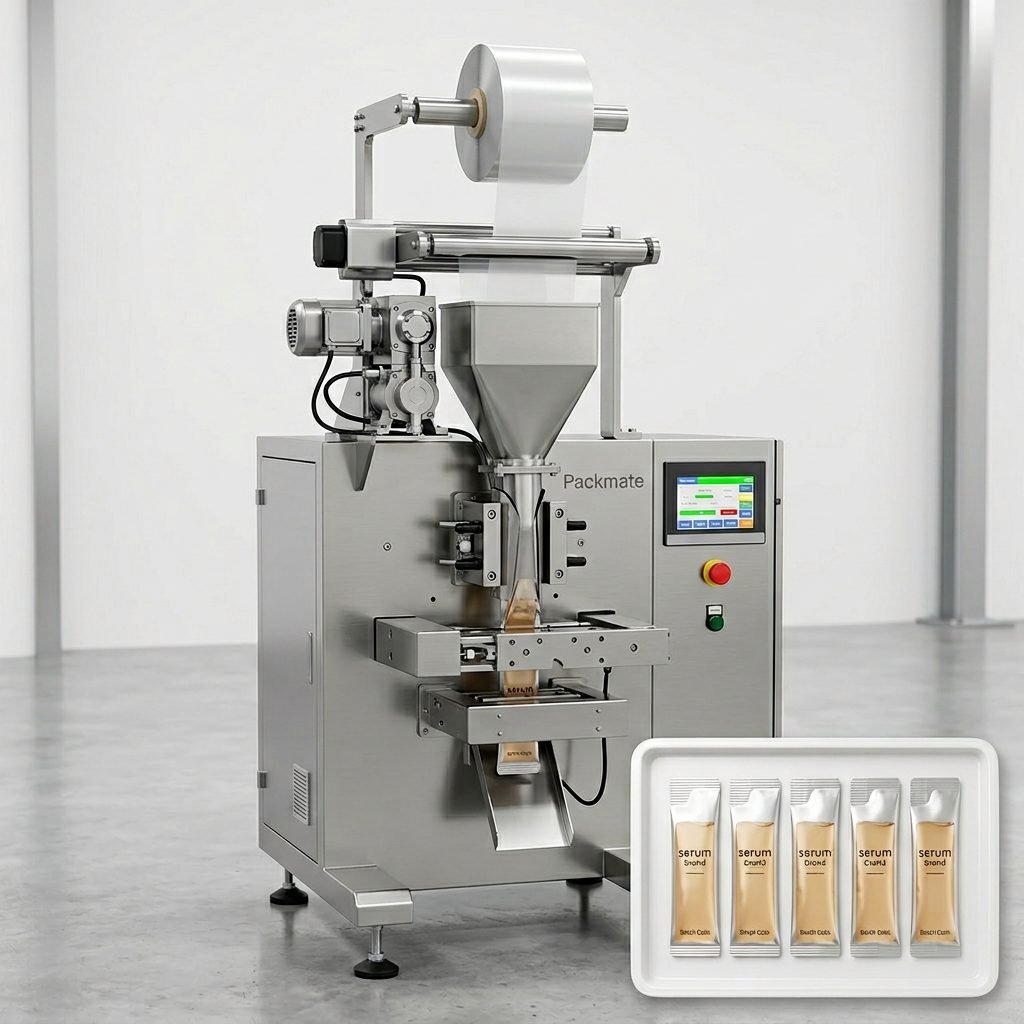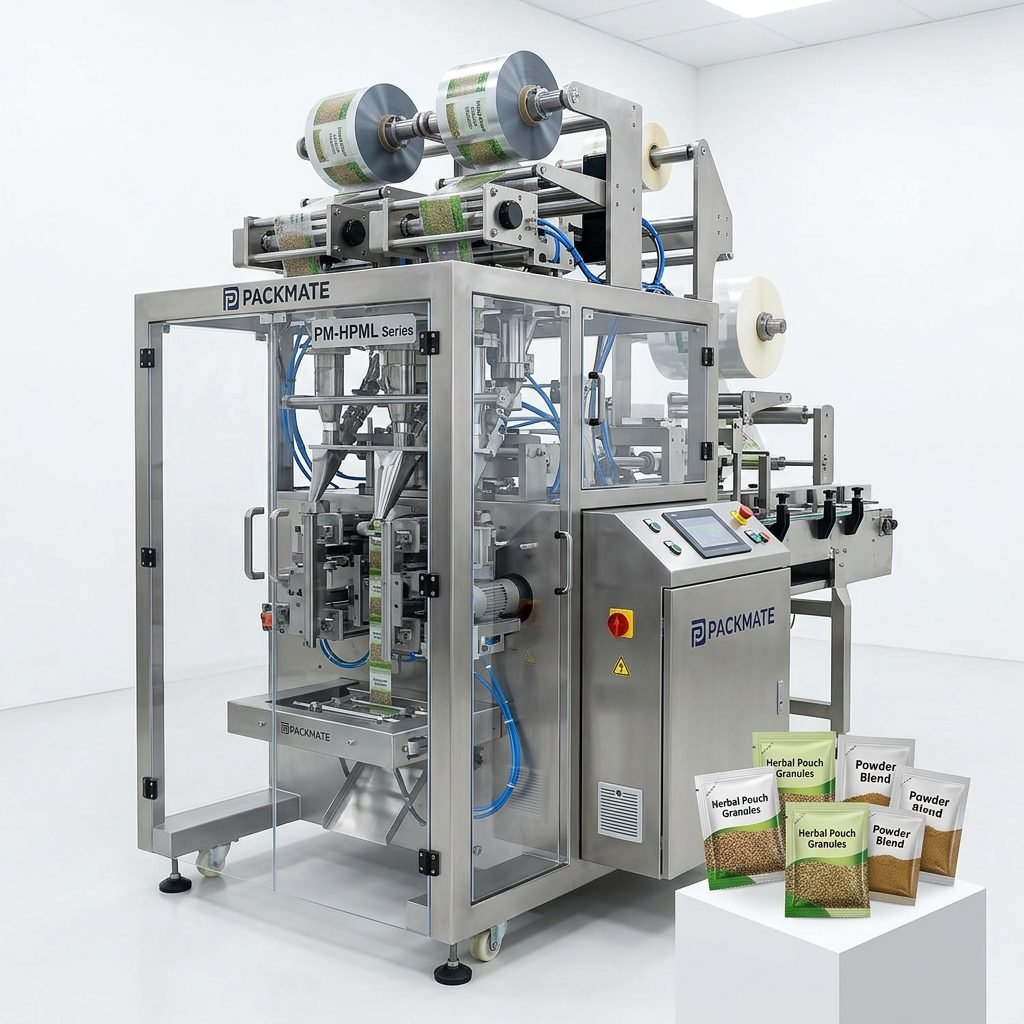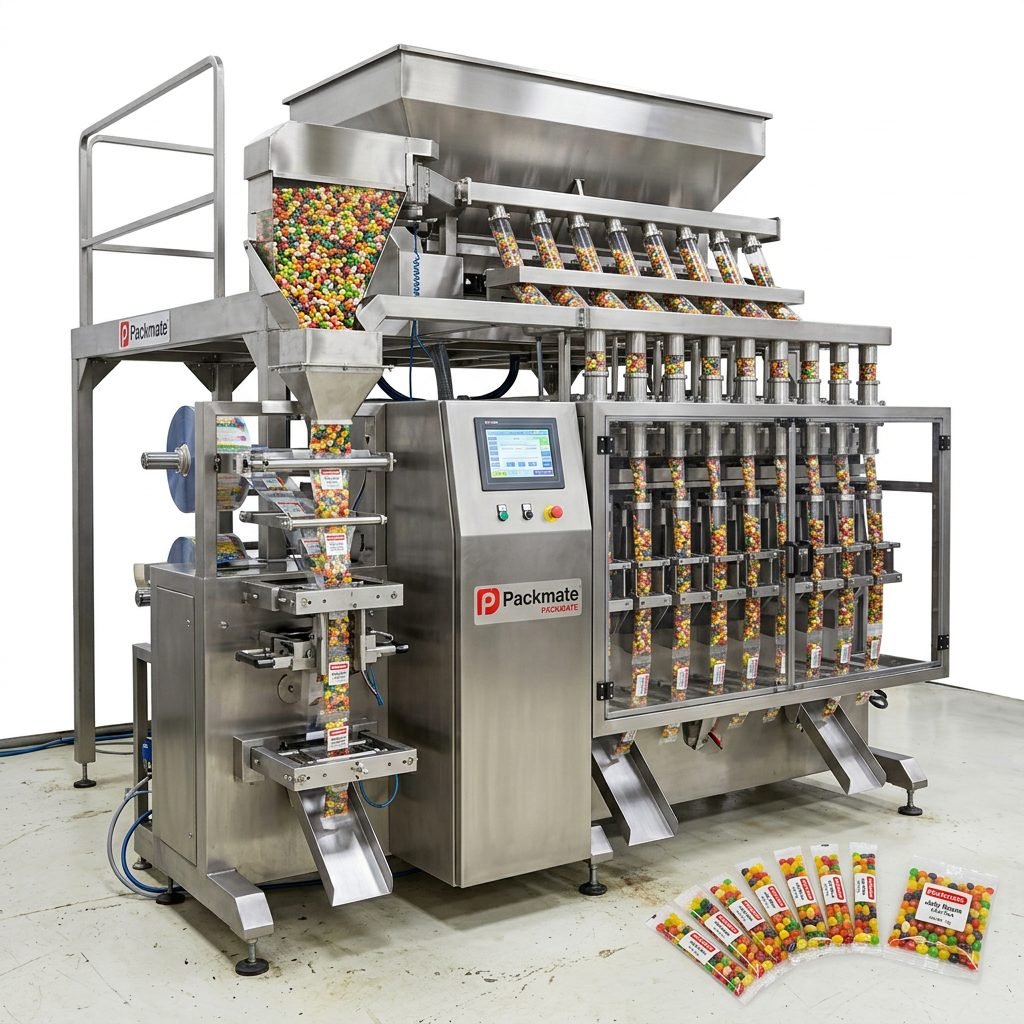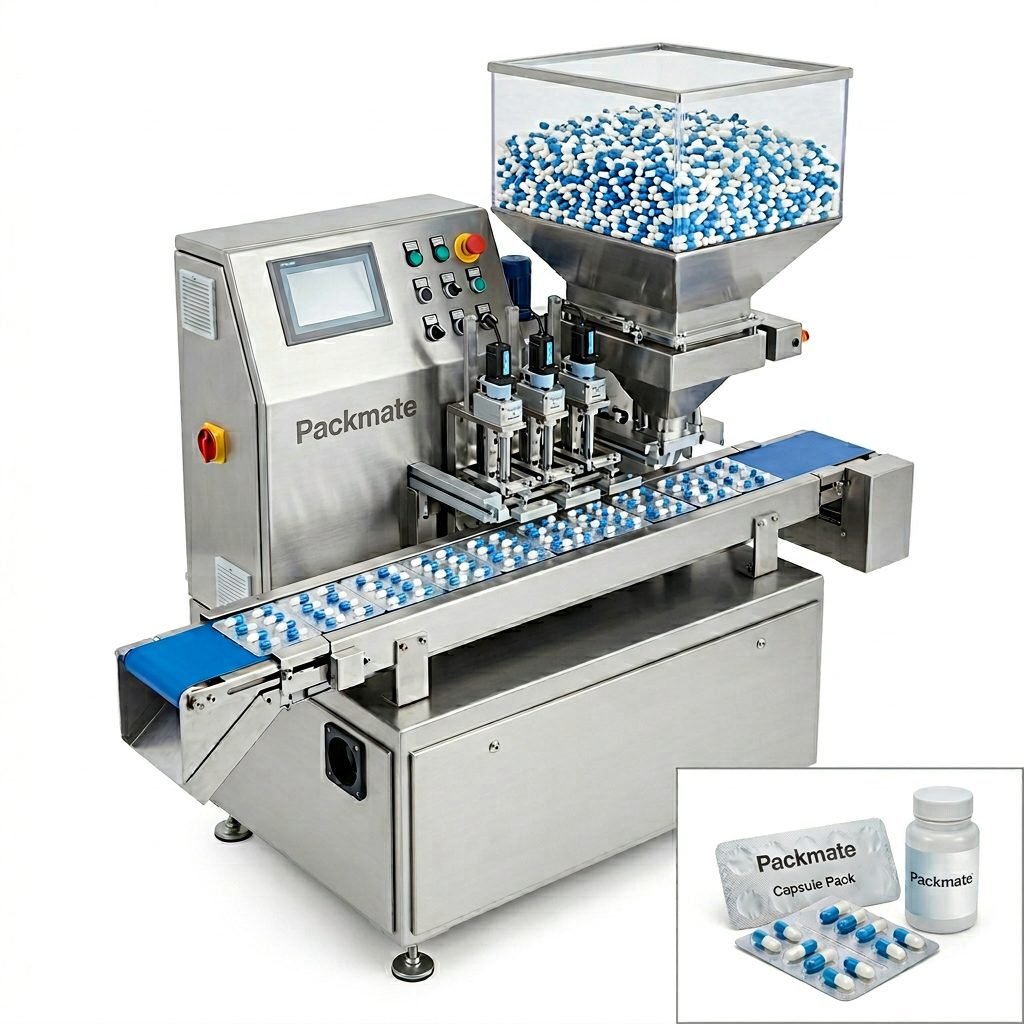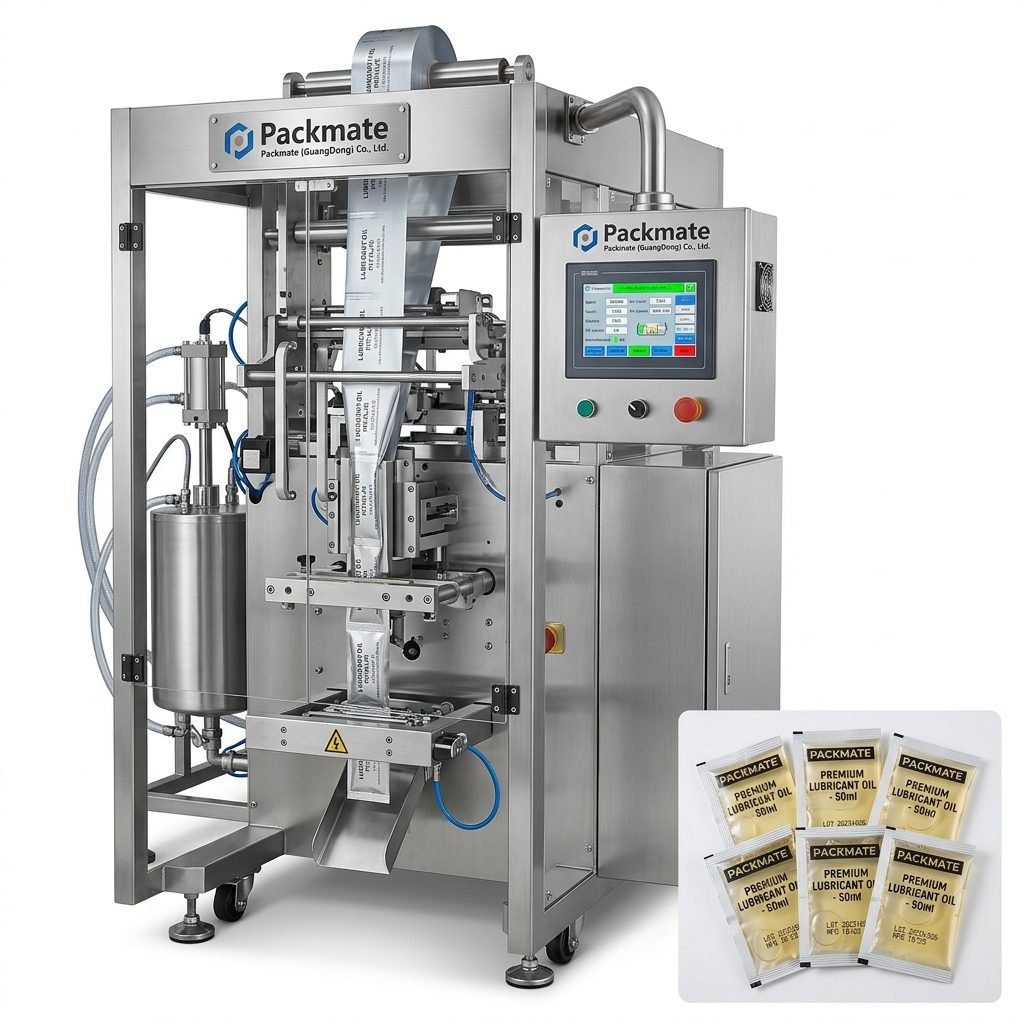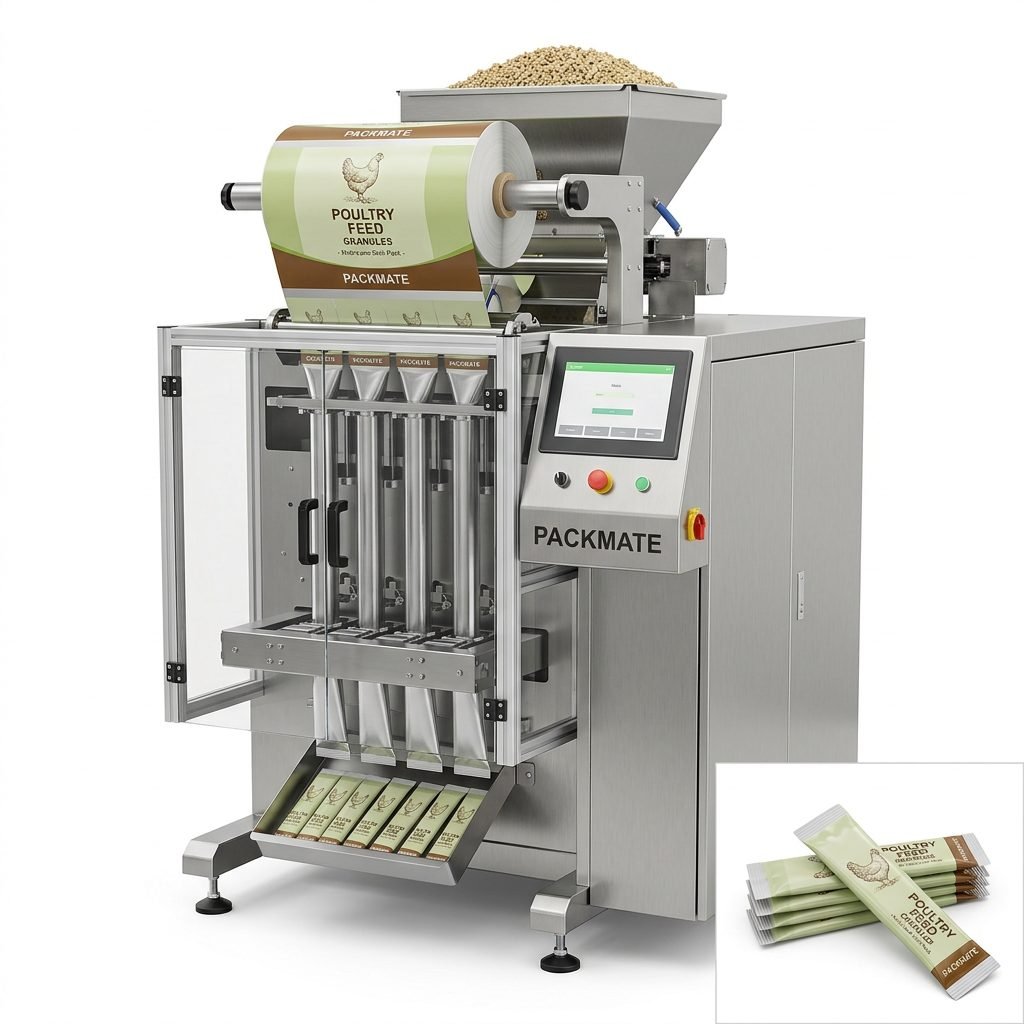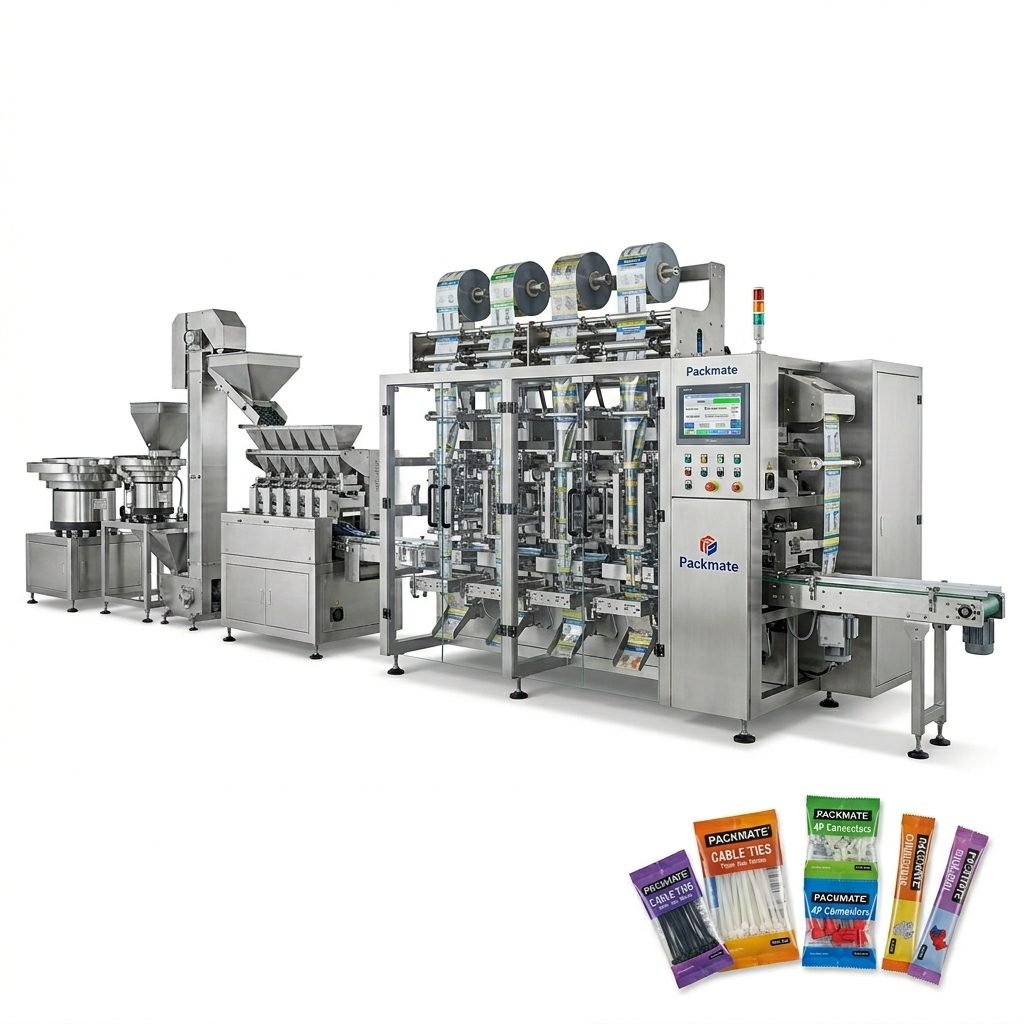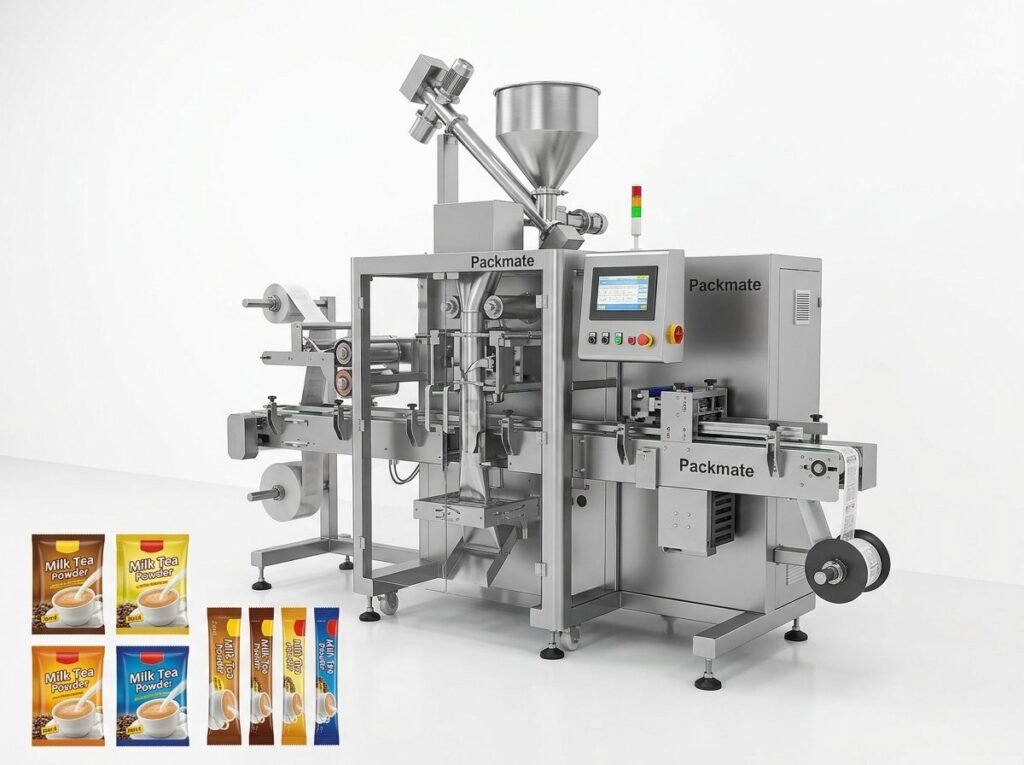
In the high-stakes industries of food, pharmaceuticals, and health products, packaging is far more than a final step—it’s a critical safeguard for product integrity, consumer safety, and brand reputation. The demands for absolute hygiene, precision dosing, tamper evidence, and extended shelf life are non-negotiable. This is where robotic packaging systems transition from a luxury to a necessity. These automated solutions represent the pinnacle of efficiency, consistency, and flexibility, capable of handling everything from delicate vials and powdered supplements to ready-to-eat meals.
The Imperative for Automation in Sensitive Sectors
Manual or semi-automated packaging processes introduce variables that these industries cannot afford: human error, particulate contamination, and inconsistent seal quality. Robotic systems eliminate these risks by performing repetitive tasks with unwavering accuracy and in controlled, often sterile, environments. For pharmaceutical companies, this means compliance with stringent Good Manufacturing Practice (GMP) regulations. For food producers, it ensures consistent portioning and sealing that locks in freshness.
Core Advantages of Robotic Packaging Lines
The shift to robotic integration delivers transformative benefits across the entire production workflow:
✓ Enhanced Hygiene & Contamination Control: Robots can operate in enclosed, HEPA-filtered spaces, drastically reducing the risk of microbial or particulate contamination—a paramount concern for sterile pharmaceuticals and sensitive health products.
✓ Unmatched Precision & Consistency: Whether placing a tablet into a blister pack, filling a sachet with a specific powder weight, or applying a label, robots perform each action with microscopic repeatability, ensuring every product meets exact specifications.
✓ Exceptional Flexibility & Quick Changeover: Modern robotic arms can be quickly reprogrammed and fitted with different end-effectors (grippers, suction cups) to handle various product shapes and sizes. This allows a single line to manage multiple SKUs, ideal for contract packaging or brands with diverse product lines.
✓ Increased Throughput & Operational Uptime: Robots work tirelessly 24/7, dramatically increasing output. They also reduce line stoppages caused by fatigue and minimize product waste from mispackaging.
✓ Improved Worker Safety & Ergonomics: By taking over repetitive, strenuous, or potentially hazardous tasks (like handling sharp objects or heavy loads), robots create a safer work environment and allow human workers to focus on supervision, quality control, and more complex tasks.
Complete Turnkey Solutions: From Vision to Reality
Implementing a robotic system is not merely about purchasing a robot arm. It requires a holistic, integrated approach—a complete turnkey solution. This means a single provider designs, engineers, installs, and commissions the entire packaging line as a seamless, functioning unit. A provider like Packmate (GuangDong) Co., Ltd. excels in this domain, leveraging over 30 years of experience to deliver systems where conveyors, fillers, sealers, labelers, and robots communicate flawlessly.
The turnkey process typically involves:
1. Consultation & Needs Analysis: Understanding the specific product, required output, facility constraints, and regulatory standards.
2. Customized System Design: Creating a detailed layout and selecting the optimal combination of robotic models (e.g., collaborative robots for delicate tasks, high-speed delta robots for pick-and-place) and ancillary equipment from their portfolio of over 50 machine models.
3. Integration & Factory Acceptance Testing (FAT): Assembling and testing the entire line at the manufacturer’s facility to ensure all components work in harmony before shipment.
4. Installation & Site Acceptance Testing (SAT): Expert engineers install the line on-site, calibrate it with your actual product, and train your personnel for operation and maintenance.
5. Ongoing Support & Service: Providing reliable technical support, spare parts, and potential future upgrades to protect your investment.
Application Spotlight Across Industries
Food & Beverage
Robots are deployed for primary and secondary packaging. They can gently pack baked goods into boxes, sort and tray-pack chocolates, load yogurts into shipping cases, or palletize finished goods. Their precision is crucial for weight-controlled products like meat or cheese portions.
Pharmaceuticals
This is where precision and sterility are most critical. Robots handle tasks such as aseptic vial filling, assembling syringe components, loading tablets into blister packs, and inspecting finished packages for defects. They operate in cleanrooms, maintaining the integrity of life-saving drugs.
Health & Nutraceuticals
From packaging capsules and softgels into bottles to filling stick packs with powdered supplements or liquid shots, robots ensure accurate fill weights and high-speed output to meet the booming demand in this sector. They also handle the often-complex folding and cartoning of instruction leaflets.
Why Partner with an Experienced Turnkey Provider?
Choosing a partner like Packmate, with a 20,000㎡ modern factory and a long history of innovation since its founding in 1993, mitigates the immense risks of system integration. They possess the engineering depth to foresee and solve compatibility issues, the manufacturing control to ensure equipment quality, and the project management expertise to deliver on time and budget. Reviewing their project case studies offers tangible proof of capability across these sensitive industries.
Investing in a robotic packaging system is a strategic decision for growth, quality, and compliance. A well-executed turnkey solution minimizes downtime, maximizes return on investment, and future-proofs your packaging operations against evolving market and regulatory demands.
Frequently Asked Questions (FAQs)
1. What is the typical ROI timeline for a robotic packaging system?
Return on investment can vary based on line complexity and throughput, but many operations see a payback period of 1 to 3 years. This is achieved through labor savings, reduced waste, higher output, and improved quality leading to fewer returns.
2. Can robotic systems handle the strict hygiene standards of pharmaceutical packaging?
Absolutely. Robots designed for pharmaceutical applications are built with smooth, cleanable surfaces, often use sanitary-grade components, and can be fully enclosed in ISO-class cleanrooms. They are validated to meet GMP and FDA requirements for aseptic processing.
3. How flexible are these systems for packaging different product sizes or shapes?
Modern robotic systems are highly flexible. Quick-change tooling and programmable logic allow for rapid changeover between different products. Vision-guided robots can even identify and adapt to randomly oriented items on a conveyor.
4. Is it difficult for our existing staff to operate and maintain a robotic line?
Reputable providers include comprehensive training as part of the turnkey package. Modern robotic interfaces are increasingly user-friendly. Maintenance often involves routine checks and simple part replacements, with full support available from the provider’s service team.
5. What is the first step in exploring a turnkey robotic solution for our facility?
The first step is a detailed consultation. Contact a provider like Packmate to discuss your specific products, volumes, and challenges. They can then perform a feasibility study and provide a preliminary design and proposal tailored to your needs.