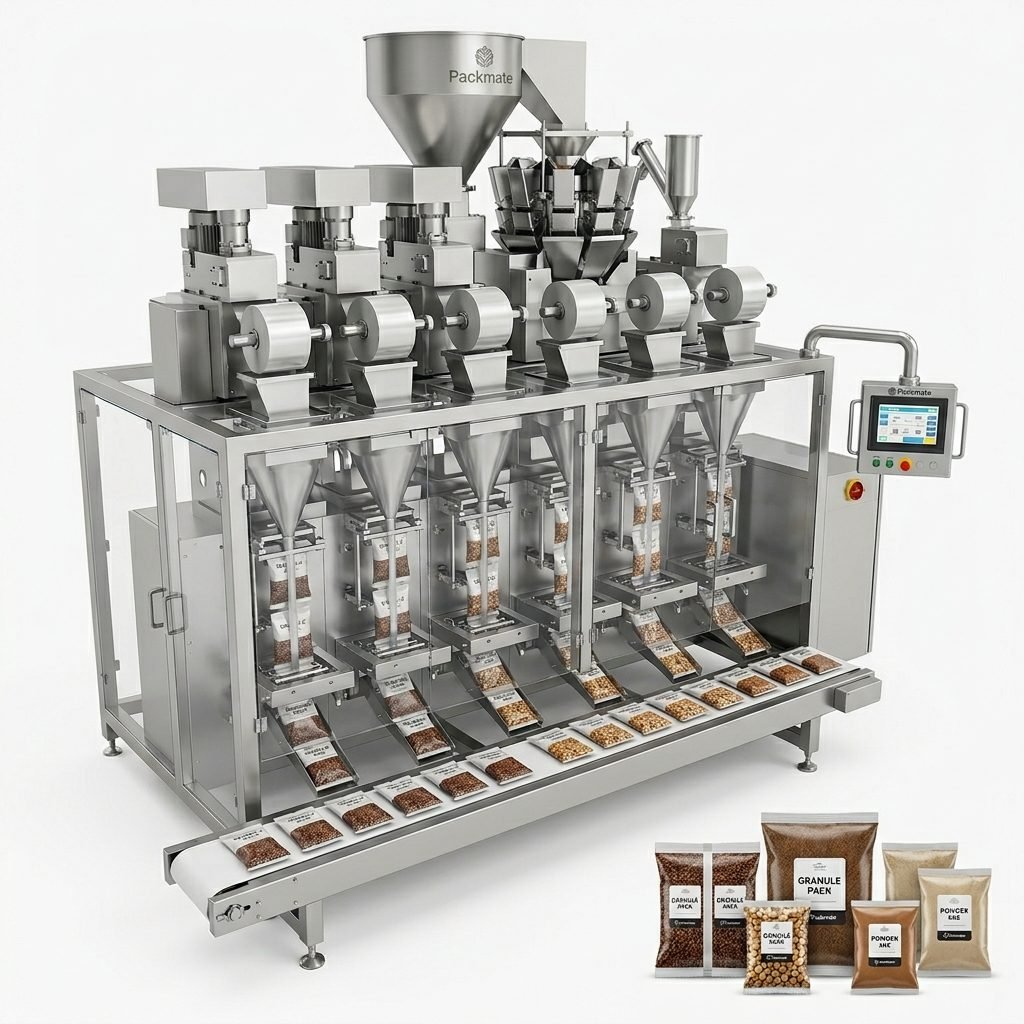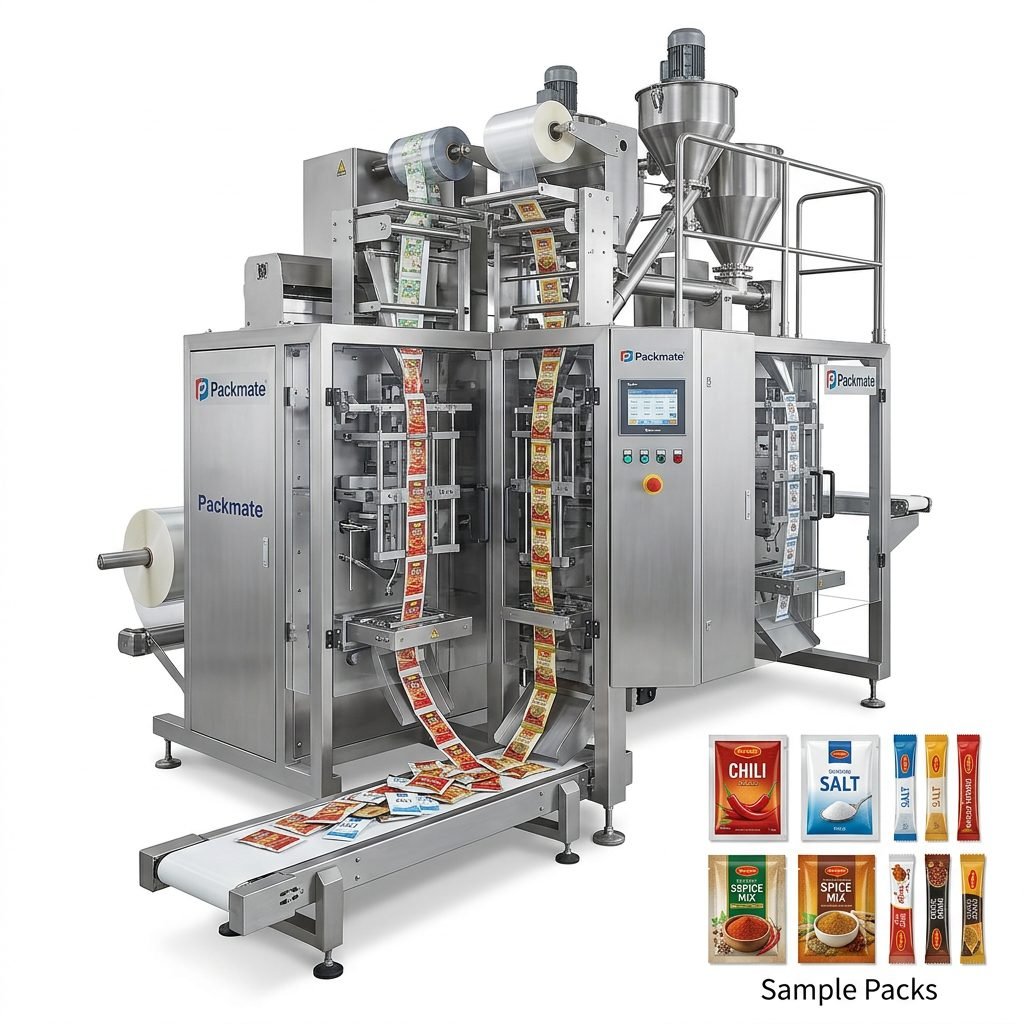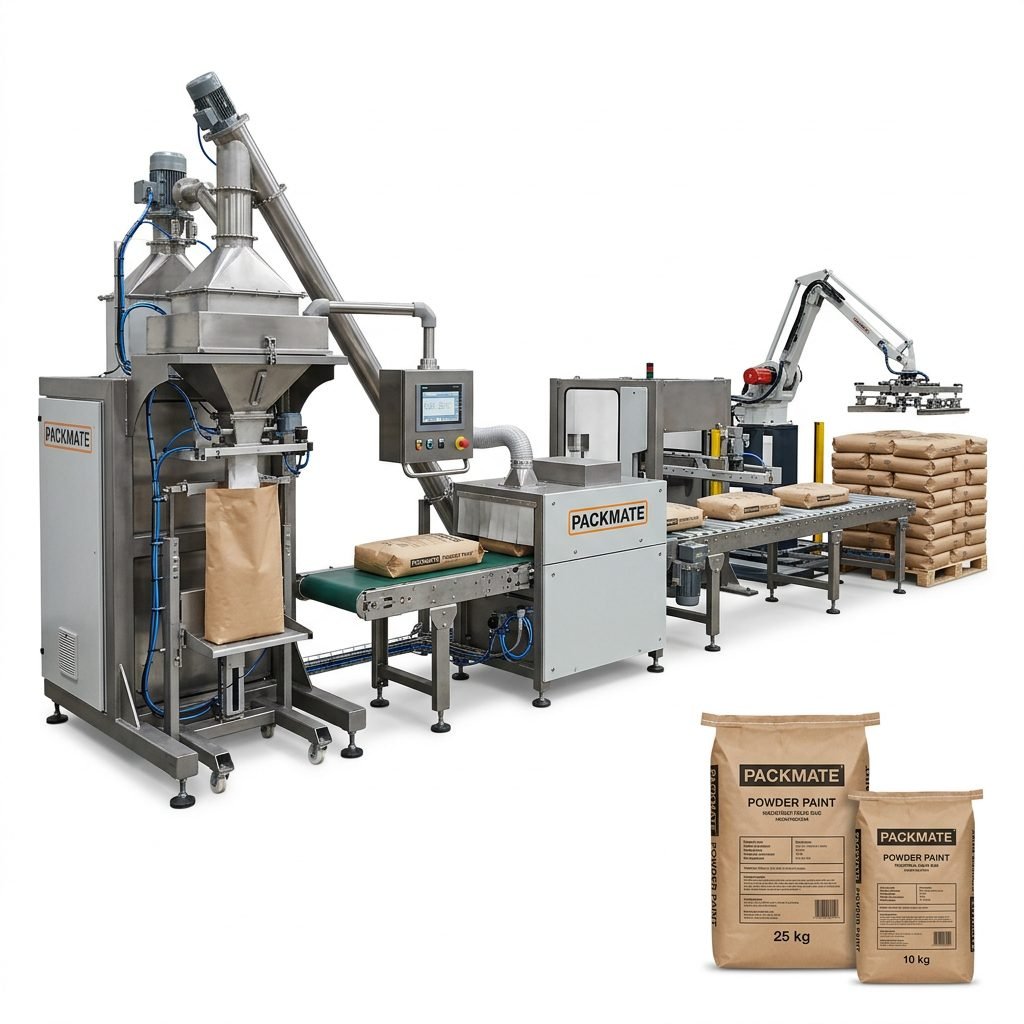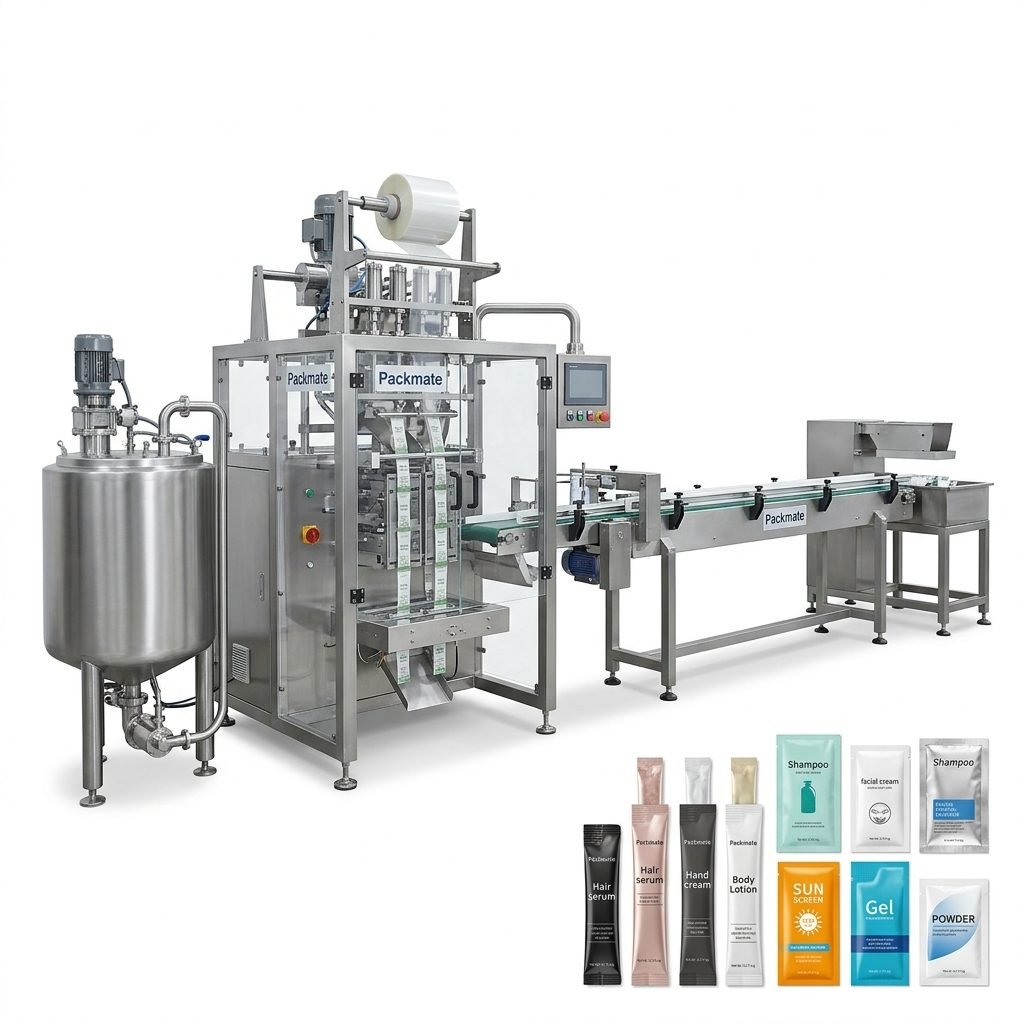
In the competitive landscape of modern manufacturing, the packaging line is far more than a final step—it’s a critical nexus of cost, speed, and quality. For operations managers and plant directors, optimizing this line is a direct path to strengthening the bottom line. The goal is clear: produce more, waste less, and do it all reliably. This article delves into the top strategies for transforming your packaging operations from a cost center into a powerhouse of efficiency and productivity.
1. Conduct a Comprehensive Line Audit and Data Analysis
The journey to optimization begins with clarity. You cannot improve what you do not measure. A thorough audit of your entire packaging line is the essential first step. This involves mapping every process, from product infeed and filling to sealing, labeling, and palletizing.
Key areas to analyze include:
• Cycle Times: Measure the actual speed of each machine versus its theoretical maximum. Identify the slowest machine (the bottleneck) that dictates the pace of the entire line.
• Overall Equipment Effectiveness (OEE): Calculate OEE by multiplying availability, performance, and quality rates. An OEE score below 85% typically indicates significant room for improvement. For a deeper understanding of performance metrics, reviewing successful packaging line case studies can provide valuable benchmarks.
• Changeover Times: Record the time lost during product switches or packaging format changes. This is often a major, hidden source of downtime.
• Waste and Reject Rates: Quantify material waste from mis-fills, sealing errors, and labeling mistakes. Every rejected unit represents lost material, labor, and machine time.
Utilizing sensors, PLC data, and manufacturing execution systems (MES) can automate this data collection, providing a real-time, accurate picture of line health. This data-driven foundation turns gut feelings into actionable insights.
Identifying and Eliminating Bottlenecks
Once data is collected, the primary constraint—the bottleneck—will become apparent. Optimizing any other part of the line before addressing the bottleneck is futile. Solutions may involve upgrading a specific machine, re-sequencing operations, or adding parallel processing at that stage. The principle of continuous flow should guide these adjustments to minimize work-in-progress (WIP) and waiting time.
2. Embrace Automation and Smart Technology Integration
Strategic automation is the cornerstone of modern packaging efficiency. It’s not about replacing every worker, but about augmenting human labor with precise, tireless machines for repetitive, strenuous, or error-prone tasks.
Key automation investments include:
- Robotic Palletizing & Case Packing: Robots handle heavy loads with consistent speed and precision, reducing physical strain on workers and minimizing product damage.
- Automated Guided Vehicles (AGVs): AGVs transport materials and finished goods around the facility, synchronizing the packaging line with upstream production and downstream warehousing.
- Vision Inspection Systems: High-speed cameras inspect for fill levels, seal integrity, label placement, and date codes with far greater accuracy and consistency than the human eye, ensuring quality and compliance.
Furthermore, integrating these machines through an Industrial Internet of Things (IIoT) platform creates a “smart” line. Machines communicate, self-diagnose issues, and predict maintenance needs, preventing unplanned downtime. Exploring a partner’s full range of packaging line solutions can reveal the latest integrated automation technologies available.
The Role of Predictive Maintenance
Moving from reactive “fix-it-when-it-breaks” to predictive maintenance is a game-changer. By monitoring vibration, temperature, and energy consumption, sensors can alert teams to impending bearing failures or motor issues before they cause a line stoppage. This planned intervention is vastly cheaper and less disruptive than emergency repairs.
3. Optimize Line Layout and Material Flow
Efficiency is often lost in the spaces between machines. An inefficient layout leads to excessive material handling, congestion, and wasted floor space. Re-evaluating your line’s physical configuration can yield dramatic gains.
Principles of Lean Layout Design:
✓ U-Shaped or Straight-Line Flow: Design the line to minimize travel distance for both product and operators. A U-shaped layout often allows one operator to monitor multiple stations.
✓ Right-Sizing Work-in-Progress (WIP): Implement kanban or similar pull systems to limit buffer stock between stations. This exposes bottlenecks faster and reduces capital tied up in inventory.
✓ Ergonomic Design: Position machines at optimal heights, provide easy access for maintenance, and ensure safe, logical pathways for personnel. This reduces fatigue and injury risk.
✓ Centralized Control: A main Human-Machine Interface (HMI) panel should give the line supervisor clear visibility and control over all critical parameters from a central point.
Effective layout is also about the supply chain feeding the line. Ensure packaging materials (film, cartons, labels) are delivered just-in-time and stored logically close to their point of use to minimize internal transport time. A reliable partner with a strong technical service and support team can be invaluable in planning and implementing an optimal line layout.
4. Standardize Processes and Empower Your Workforce
Technology alone is not enough. The human element—your operators, technicians, and supervisors—is the true driver of sustained efficiency. Variability in operator practice is a silent killer of productivity.
Standard Operating Procedures (SOPs) must be developed, visually displayed, and rigorously trained for every task, especially changeovers and minor adjustments. This ensures that every shift operates the line in the best-known way.
Equally important is workforce empowerment. Front-line employees often have the best ideas for improvement. Implement a system for capturing their suggestions (e.g., a Kaizen program) and involve them in problem-solving teams. Training staff on basic troubleshooting and autonomous maintenance (cleaning, inspection, lubrication) creates a more responsive and engaged team that can handle small issues immediately.
Reducing Changeover Time (SMED)
The Single-Minute Exchange of Die (SMED) methodology is crucial. The goal is to convert as many changeover steps as possible from internal (done while the line is stopped) to external (prepared while the line is running). Using quick-release mechanisms, pre-staged tooling, and checklist-driven procedures can slash changeover times by 50% or more, dramatically increasing line flexibility and uptime.
5. Focus on Sustainable and Cost-Effective Materials
Efficiency isn’t just about speed; it’s about the intelligent use of resources. Packaging material costs are a significant portion of total expenses, and waste here directly hits profitability.
Strategies for material optimization:
- Lightweighting: Work with material suppliers to develop or switch to thinner, yet equally strong, films or cartons. This reduces material cost per unit and can lower shipping weights.
- Right-Sizing: Analyze if your package is larger than necessary. Reducing package dimensions minimizes material use and can allow more units per pallet, optimizing logistics.
- Reel Optimization & Scrap Reduction: Use software to optimize cut patterns from material reels to minimize off-cuts. Ensure sealing jaws are perfectly calibrated to prevent film waste from mis-seals.
Furthermore, the global shift toward sustainability presents both a challenge and an opportunity. Investing in machinery capable of handling mono-materials or recyclable substrates future-proofs your operation against regulatory changes and appeals to eco-conscious consumers. The right equipment is key, and understanding a manufacturer’s company profile and expertise can help identify partners who innovate in sustainable packaging technology.
Conclusion: A Continuous Journey
Optimizing packaging line efficiency is not a one-time project but a culture of continuous improvement. It requires a balanced approach, marrying data-driven analysis with smart technology, lean principles, empowered people, and material savvy. By systematically implementing these top strategies—auditing, automating, optimizing layout, standardizing processes, and refining material use—manufacturers can achieve the dual triumph of significantly reduced operational costs and a substantial boost in productivity. This creates a resilient, agile, and profitable operation ready to meet market demands. For ongoing support and insights, a comprehensive FAQs resource can address common operational challenges.
Frequently Asked Questions (FAQs)
1. What is the single biggest mistake companies make when trying to improve packaging line efficiency?
The most common mistake is optimizing non-bottleneck machines first. Investing in a faster machine downstream from a bottleneck does not increase overall line output; it only creates more work-in-progress inventory before the constraint. Always use data to identify and address the primary bottleneck before anything else.
2. How can I justify the capital investment for new automation or packaging machinery?
Build a business case based on hard metrics: calculate the projected increase in OEE, reduction in labor costs (through redeployment, not necessarily layoffs), decrease in material waste, and savings from fewer line stoppages. Also factor in intangible benefits like improved product quality, enhanced safety, and the ability to take on new business due to increased capacity. The Return on Investment (ROI) period is often shorter than anticipated.
3. Our line has frequent, short stoppages. How do we tackle this “micro-downtime”?
Micro-stoppages are often caused by minor jams, mis-feeds, or sensor issues. Address this by: 1) Implementing stricter autonomous maintenance (cleaning, inspection) schedules. 2) Using IIoT sensors to log every stoppage, no matter how brief, to identify patterns. 3) Empowering and training operators to perform quick, standardized clearances safely. Tackling these “small” issues can lead to major gains in available runtime.
4. How important is operator training compared to buying new equipment?
Extremely important. Even the most advanced machine will underperform with poorly trained operators. A well-trained operator can maximize the output of existing equipment, perform efficient changeovers, conduct basic troubleshooting, and identify early signs of machine wear. Training is a high-ROI investment that unlocks the full potential of your capital equipment.
5. Can these optimization strategies be applied to older, legacy packaging lines?
Absolutely. While a full line replacement might be ideal, many strategies are retrofittable. You can add sensors for data collection, implement lean practices to improve material flow, standardize SOPs, and even integrate specific modules like a new vision system or robotic palletizer. The principles of identifying constraints and eliminating waste are universal, regardless of the line’s age. A phased approach to modernization is often the most practical and cost-effective path.