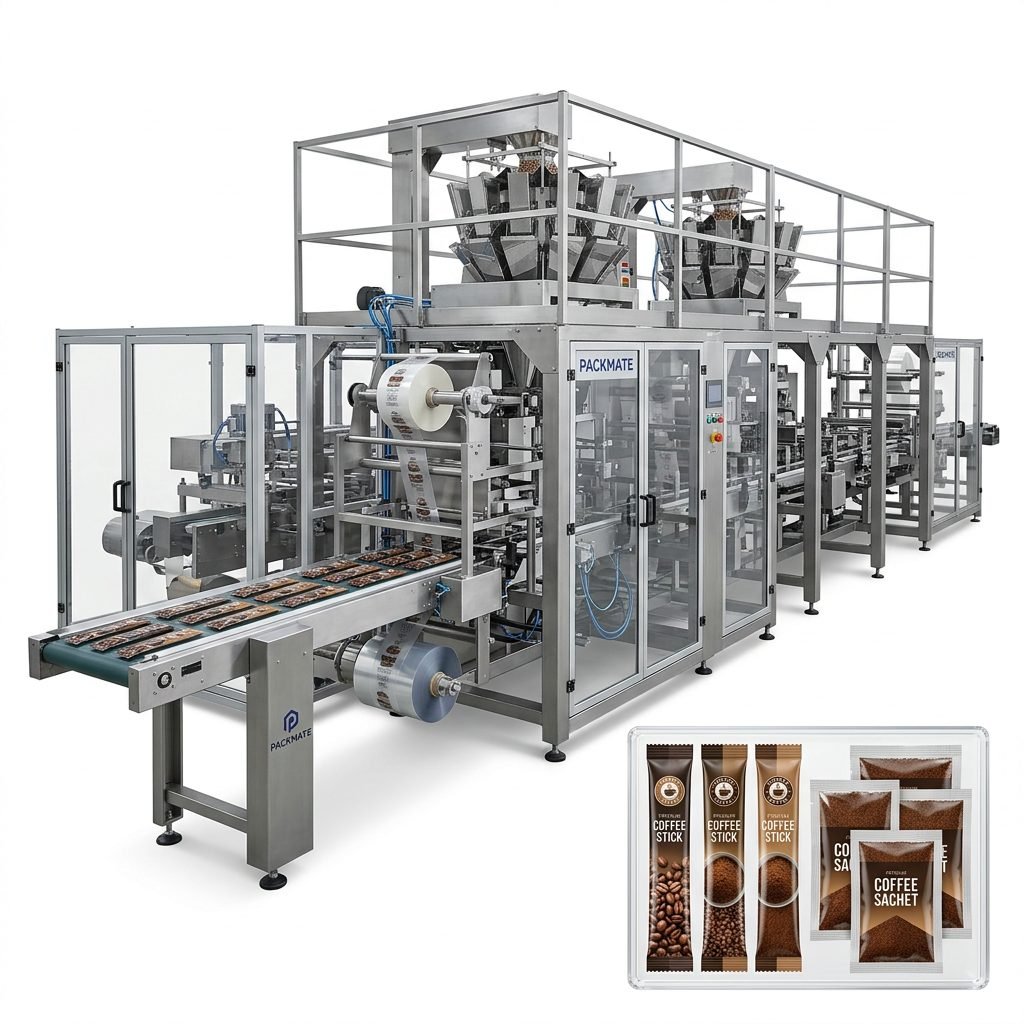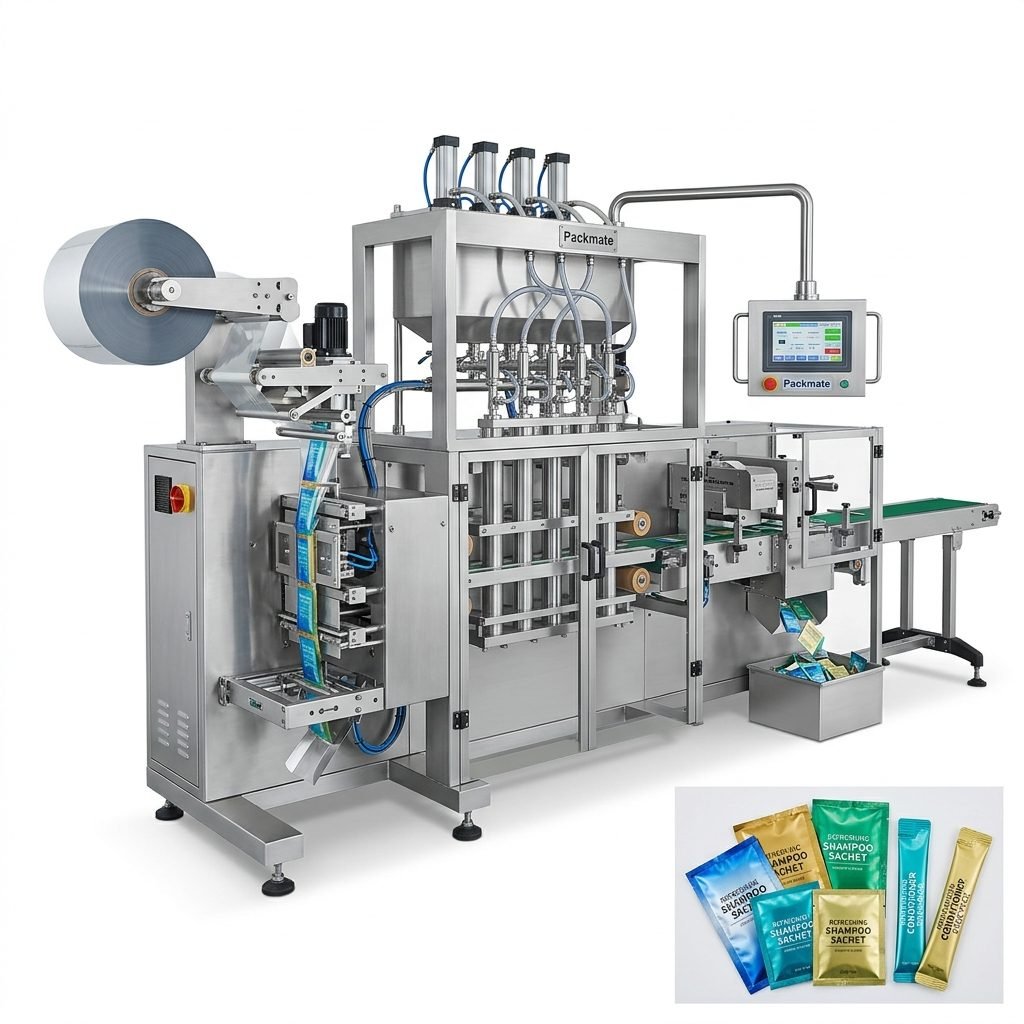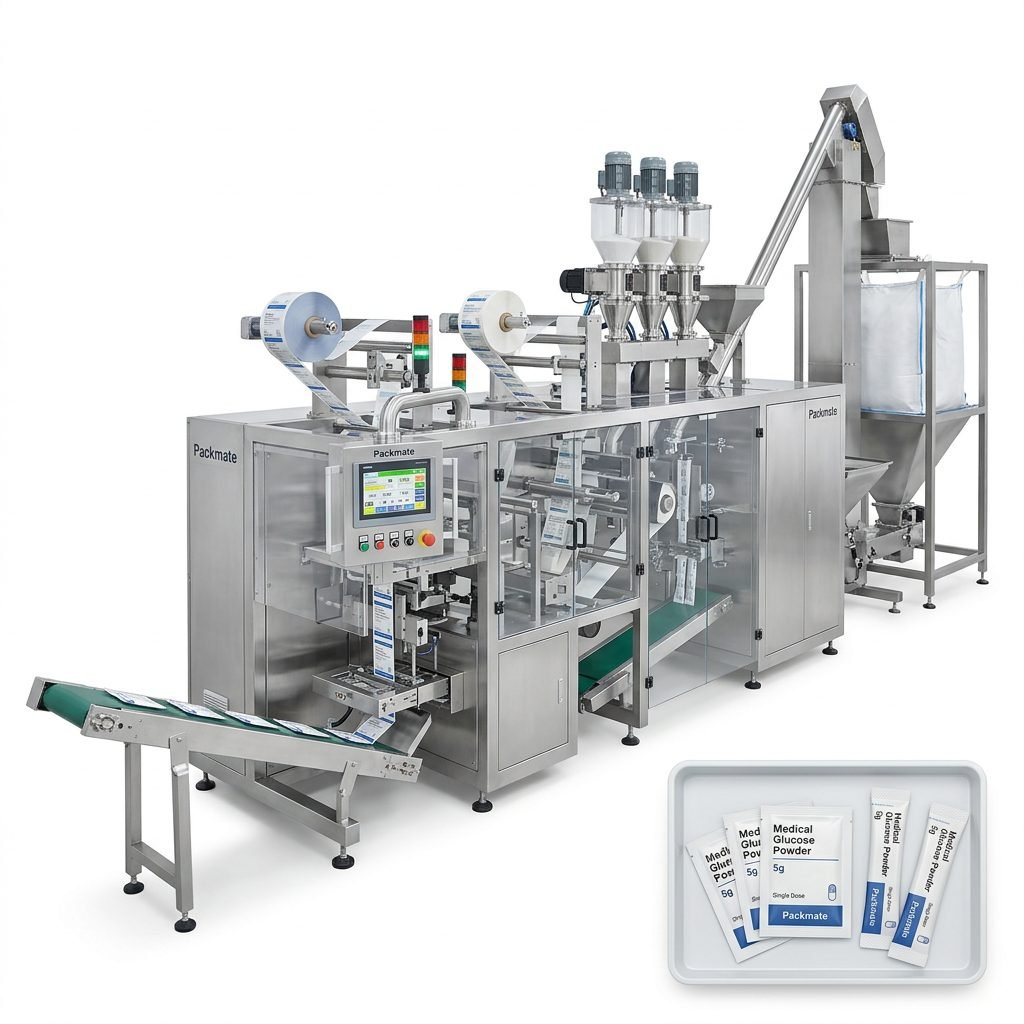
The snack industry is a dynamic and fast-paced world where consumer demand for convenience, quality, and freshness never wanes. Among the most popular products are stackable chips—thin, uniform, and perfectly shaped for efficient packaging and retail display. Meeting the high-volume production needs for such products requires more than just individual machines; it demands a seamlessly integrated, complete automated solution. A dedicated packaging line for stackable chips is engineered to handle the entire process from product handling to final case packing, ensuring maximum output, minimal waste, and consistent product integrity. This article delves into the components, benefits, and strategic importance of implementing such a high-speed system for modern snack production.
The Core Challenge: Packaging Delicate, Uniform Snacks at Speed
Stackable chips, whether potato, tortilla, or vegetable-based, present unique packaging challenges. Their fragile nature requires gentle handling to prevent breakage, while their uniform shape allows for high-density packing. The primary goal is to achieve high-speed throughput—often targeting thousands of bags per minute—without compromising on the product’s appearance or the package’s seal integrity. Manual or semi-automated processes simply cannot scale to meet global market demands. This is where a fully automated, synchronized packaging line becomes not just an advantage but a necessity for competitive manufacturers.
Key Objectives of an Automated Chip Line:
- Maximized Efficiency: Uninterrupted flow from product infeed to palletizing.
- Product Protection: Gentle conveying and precise weighing to minimize damage.
- Format Flexibility: Quick changeover between bag sizes and styles (e.g., pillow bags, stand-up pouches).
- Hygiene & Safety: Constructed with food-grade materials for easy cleaning and compliance.
- Data-Driven Operation: Integrated sensors and controls for real-time monitoring and OEE tracking.
Anatomy of a Complete Automated Packaging Line
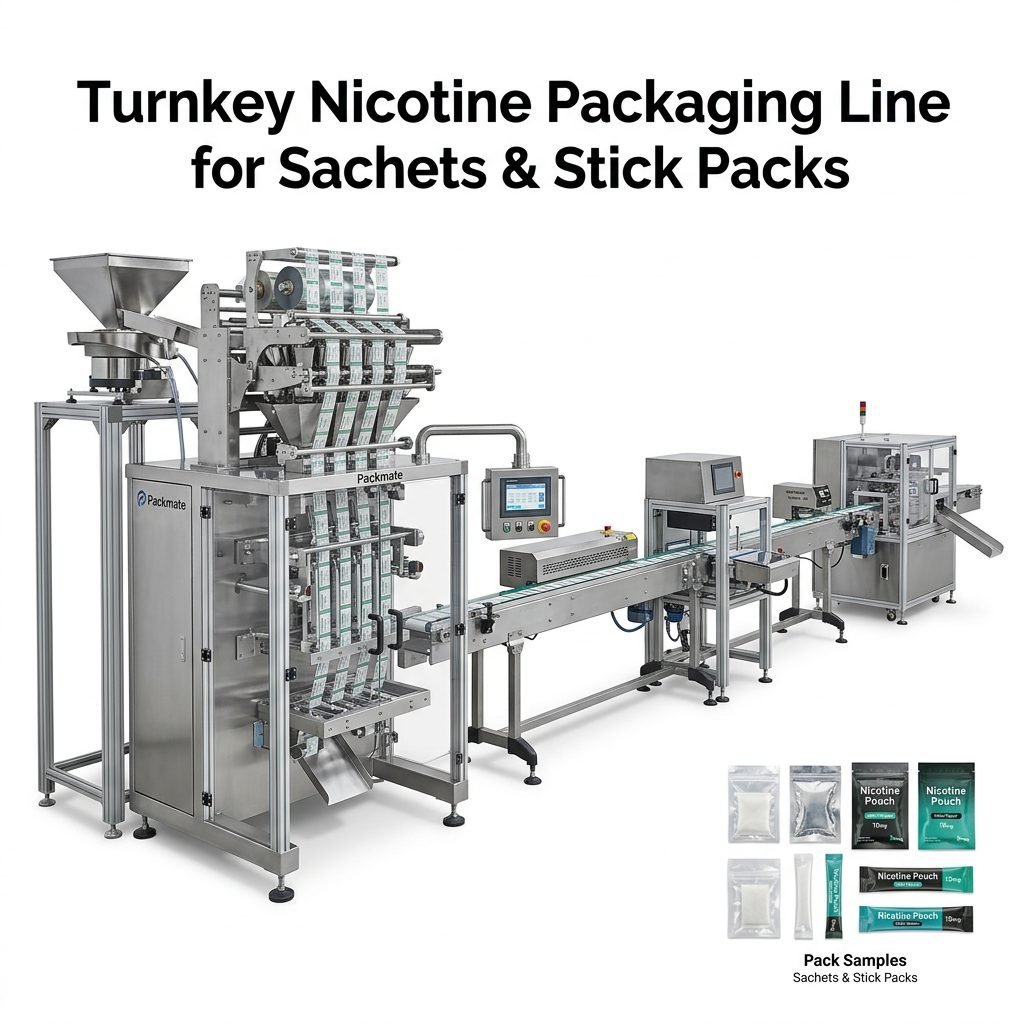
A turnkey solution for stackable chips integrates several specialized machines into one cohesive unit. Each component plays a critical role in the journey from bulk product to shelf-ready package.
1. Product Handling & Feeding System
The process begins with a gentle handling system. Bucket elevators or vibratory feeders transport the chips from the cooking/frying stage to the packaging area. Dedicated spreading and aligning systems ensure the chips are oriented correctly and fed uniformly into the weighing system, preventing clumps and ensuring consistent bag weight.
2. High-Speed Multi-Head Weigher
This is the heart of accuracy. Advanced multi-head weighers use a combination of computer-controlled buckets to achieve precise target weights at lightning speed. By quickly calculating the optimal combination of partial weights, they guarantee every bag meets the declared net weight, crucial for compliance and cost control, while maintaining a high discharge rate.
3. Form-Fill-Seal (FFS) Machine
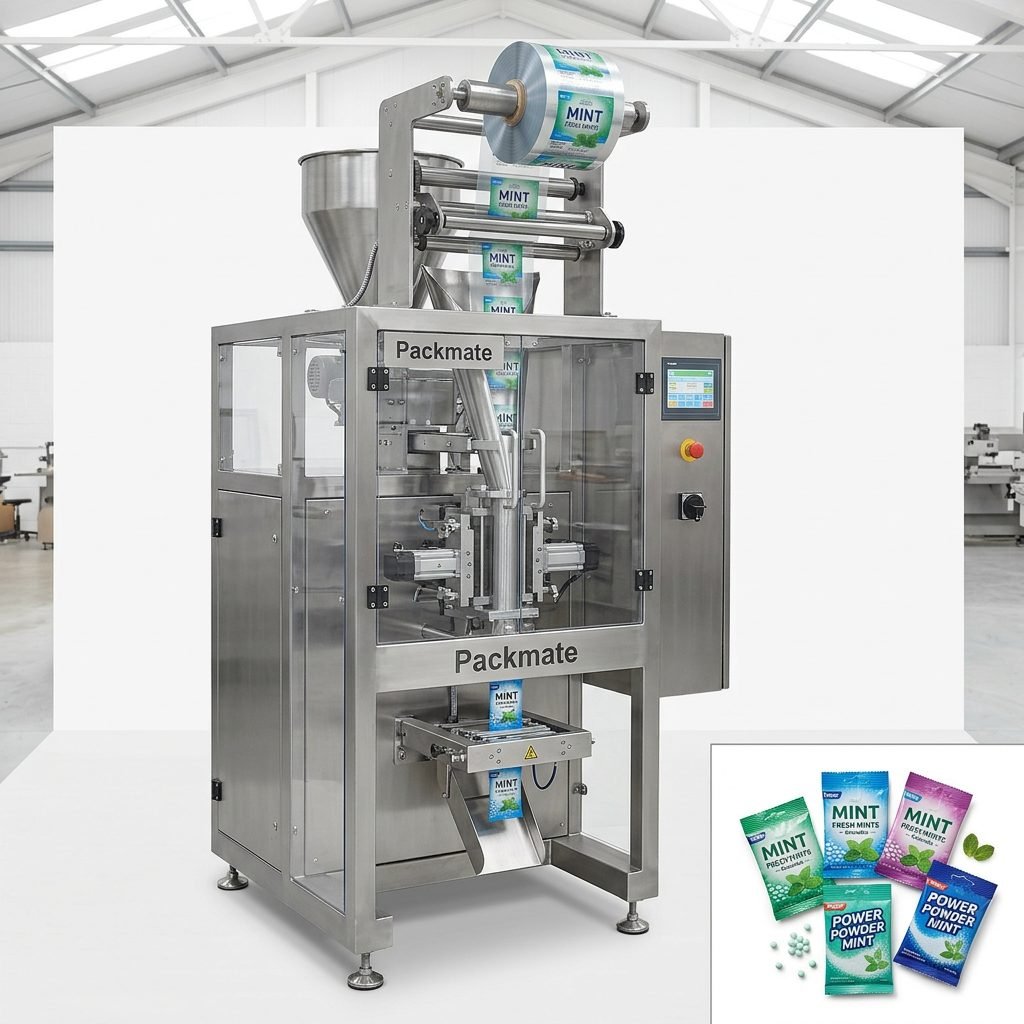
The weighed product is dropped into the forming tube of a vertical form-fill-seal (VFFS) machine. This workhorse creates the bag from a roll of flexible packaging film—which can be multi-layered for barrier properties—forms it into a tube, fills it with product, and then seals it. Modern VFFS machines for chips offer:
- Servo-driven technology for precise film control and reduced waste.
- Advanced sealing jaws for strong, airtight seals on various materials.
- Integrated gas flushing (for nitrogen packaging) to extend shelf life and protect crispness.
4. Downstream Handling: Checkweighers & Metal Detectors
Immediately after sealing, bags pass through a checkweigher to verify weight accuracy, rejecting any under or overweight bags. They then travel through a metal detector or X-ray inspection system to ensure product safety and quality assurance, a non-negotiable step in food production.
5. Collating, Boxing, and Case Packing
Individual bags are collated into predetermined counts (e.g., 6, 12, 24) and then automatically loaded into cartons or cases. Robotic case packers or continuous motion cartoners place the bags with precision, ensuring an attractive retail presentation. Finally, sealed cases are conveyed to a palletizer for shipment. This end-to-end automation eliminates manual handling bottlenecks.
Strategic Benefits for Snack Producers
Investing in a complete automated line delivers transformative advantages beyond simple speed.
Operational Excellence & Cost Savings
Automation drastically reduces labor dependency and associated costs while minimizing human error. Consistent, high-speed operation lowers the cost per unit. Reduced product giveaway from precise weighing and minimized film waste from servo-driven FFS machines contribute directly to the bottom line. You can explore real-world applications in our detailed project case studies.
Uncompromised Quality & Brand Integrity
Every bag is identical in weight, seal, and appearance. Gentle product handling preserves chip integrity, reducing breakage. Reliable seals ensure freshness and extend shelf life, protecting your brand’s reputation for quality on the store shelf.
Scalability & Future-Proofing
A well-designed line is modular. As demand grows, you can integrate additional weighers or FFS machines. Modern lines with PC-based controls allow for easy recipe management and format changeovers, providing the agility needed to respond to new market trends and product varieties.
Why Partner with an Experienced Solution Provider?
The design and integration of such a complex system are critical. This is where a partner like Packmate (GuangDong) Co., Ltd. brings indispensable value. With over 22+ years of experience in packaging automation, we understand the nuances of snack production. Our approach is not just to sell machines but to deliver a turnkey solution.
Our engineers analyze your specific product characteristics, target output, and factory layout to design a customized line. We source and integrate best-in-class components, from precision weighers to robust FFS machines, ensuring perfect harmony. Our comprehensive support includes installation, commissioning, operator training, and ongoing after-sales service, guaranteeing a smooth ramp-up to full production and long-term reliability. Learn more about our commitment and capabilities on our official homepage.
Frequently Asked Questions (FAQs)
1. What is the typical output speed of an automated stackable chip line?
Speeds vary based on bag size and configuration, but modern integrated lines can achieve outputs ranging from 80 to over 300 bags per minute per lane. Multi-lane systems (e.g., dual-line setups) can double or triple this total output.
2. Can the same line handle different types of chips or snacks?
Yes, with proper design. A flexible line can be configured to handle different stackable products (e.g., potato chips, tortilla chips, pita chips) by adjusting weigher parameters, film types, and forming tools. Quick-change features on the FFS machine facilitate format changeovers.
3. How important is nitrogen flushing for chip packaging?
Critical for premium products. Nitrogen flushing displaces oxygen inside the bag, which is the primary cause of oxidation and staleness. This significantly extends shelf life, maintains crispness, and prevents the packaging from collapsing (creating a “pillow” effect) by cushioning the fragile chips.
4. What is the footprint of a complete line?
The footprint depends on the required output and the inclusion of all downstream equipment (e.g., case packing, palletizing). A comprehensive single-lane line with all modules typically requires a significant but optimized floor space. A professional provider will conduct a layout simulation to ensure efficient use of your factory area.
5. How do you ensure the line is hygienic and easy to clean?
Industrial design for food safety is paramount. Key features include stainless steel contact surfaces, easy-access panels, CIP (Clean-in-Place) capabilities for certain components, and designs that eliminate product traps where crumbs or oil could accumulate, ensuring compliance with global food safety standards.