In today’s competitive manufacturing landscape, optimizing your packaging line is not just an option; it’s a necessity for survival and growth. The right packaging line optimization software can be the engine that drives efficiency, reduces waste, and maximizes your return on investment. However, with a myriad of solutions on the market, choosing the best one for your specific production line can feel overwhelming. This comprehensive guide will walk you through the critical factors for comparison and provide a framework to help you select the optimal software solution.
Understanding Packaging Line Optimization Software
At its core, packaging line optimization software is a digital toolset designed to monitor, control, and improve the performance of your packaging machinery and processes. It goes beyond simple data logging to provide actionable insights. Think of it as the central nervous system for your packaging operations, collecting real-time data from sensors and machines, analyzing it for bottlenecks or inefficiencies, and often providing automated controls or recommendations to enhance throughput and quality.
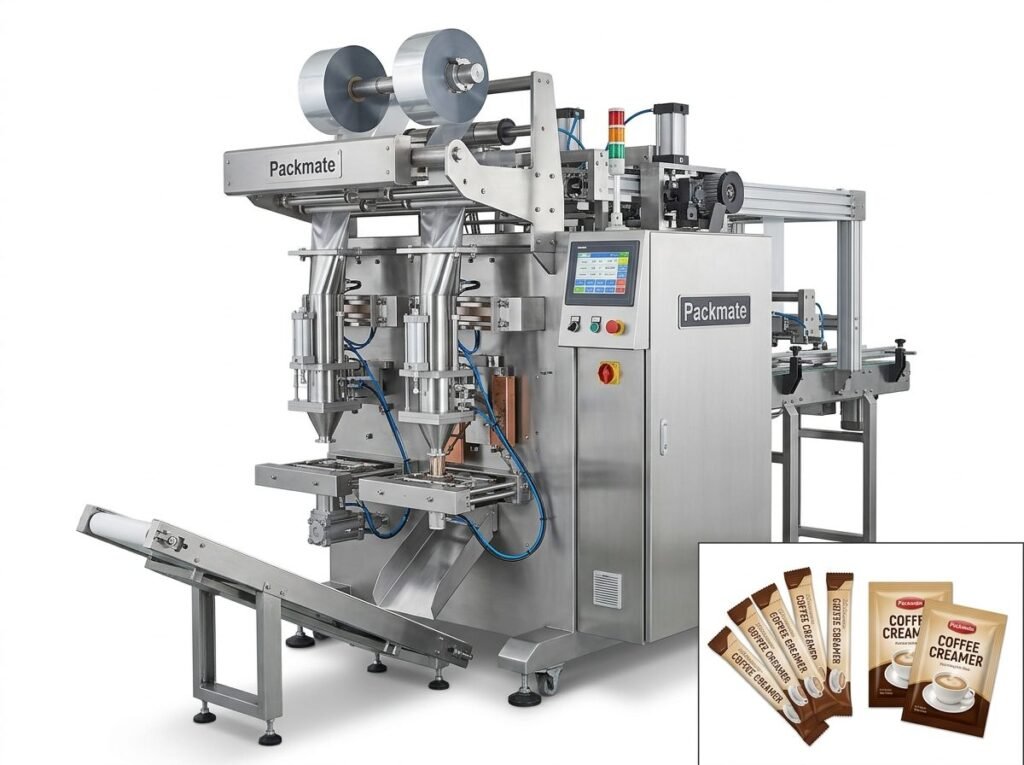
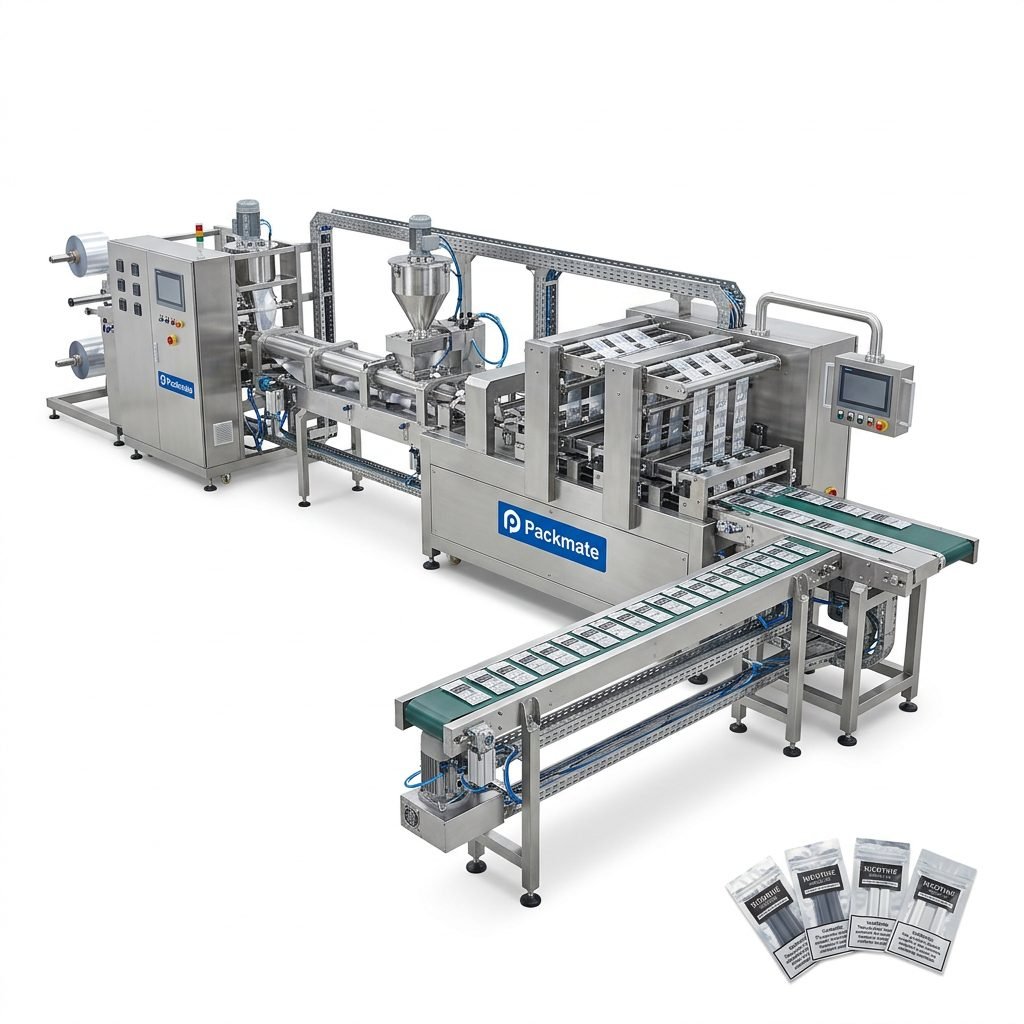
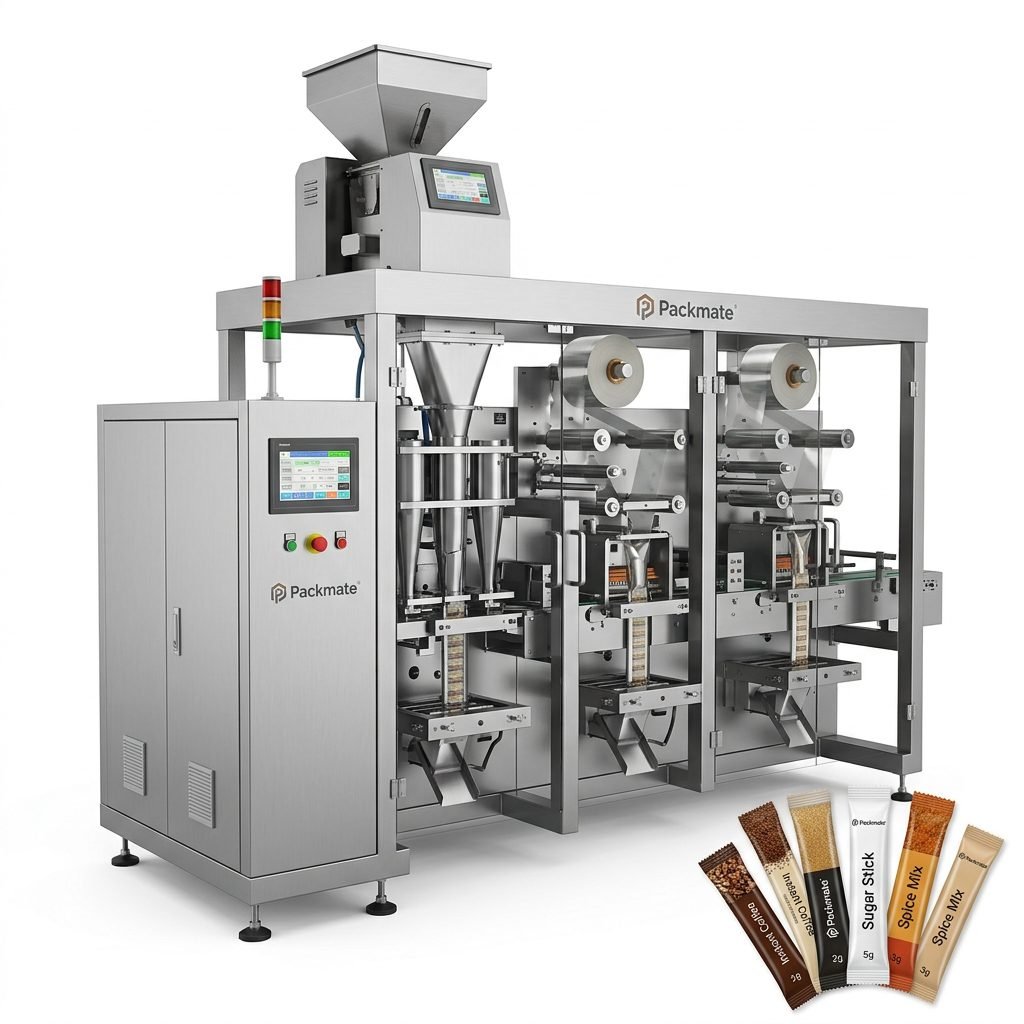
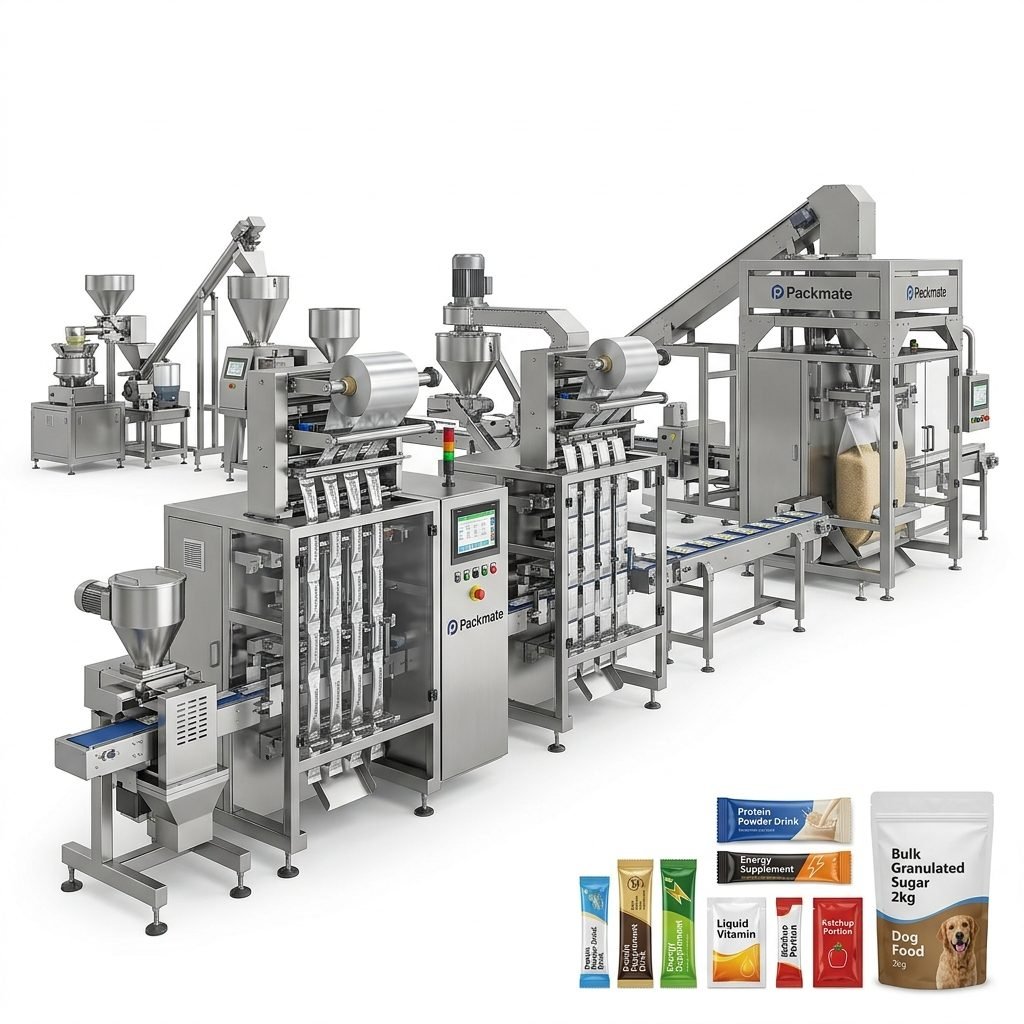
Modern solutions integrate various functions, from Overall Equipment Effectiveness (OEE) tracking and predictive maintenance alerts to detailed production reporting and recipe management. The goal is to transform raw operational data into a clear roadmap for continuous improvement. For manufacturers looking to implement a complete system, exploring comprehensive packaging solutions that include both hardware and software integration is often the most effective path forward.
Key Features to Compare in Optimization Software
Not all software platforms are created equal. When conducting your comparison, pay close attention to these essential features:
1. Real-Time Monitoring & Visualization
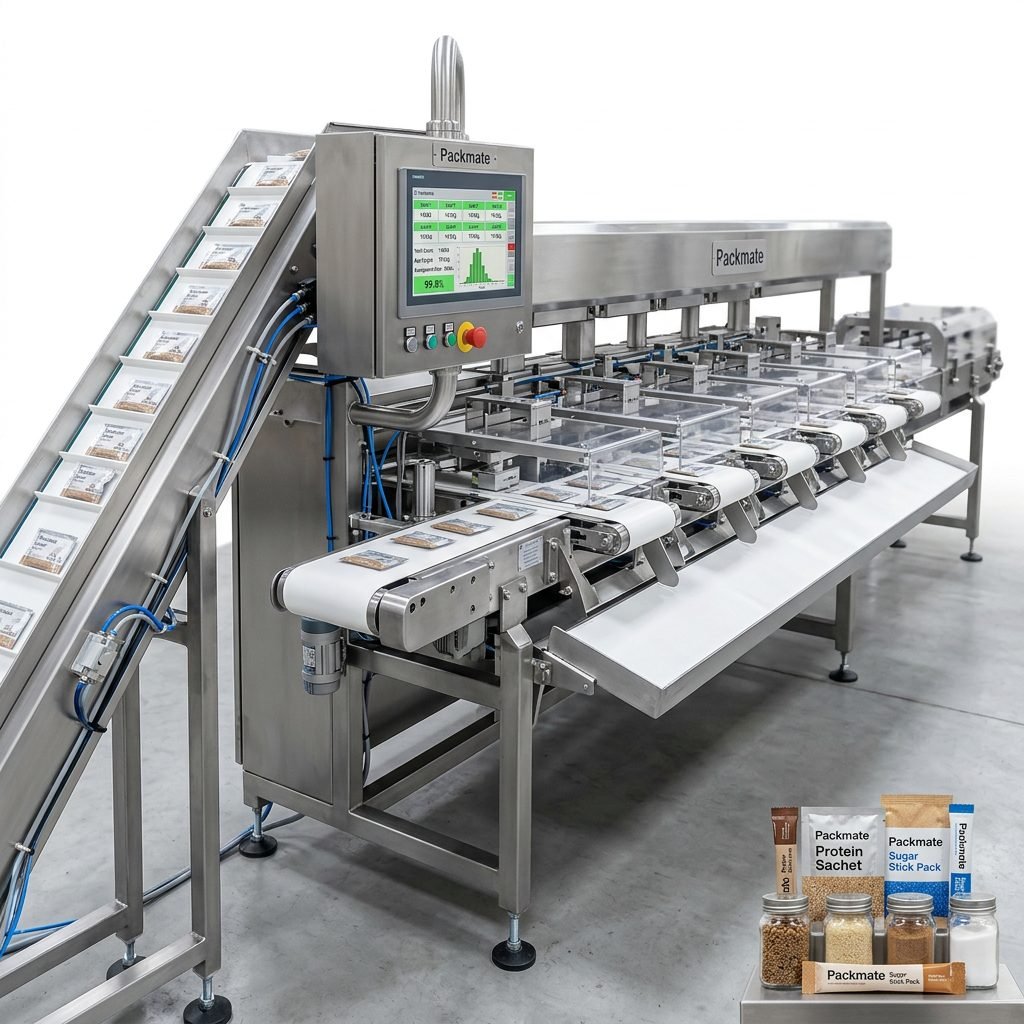
The software should provide a live, intuitive dashboard showing the status of every machine on your line. Look for customizable views, clear indicators for running, stopped, and faulted states, and immediate access to key performance metrics like speed, count, and downtime reason.
2. Data Analytics & Reporting Capabilities
Raw data is useless without analysis. The best solutions offer robust analytics to identify trends, pinpoint chronic downtime causes, and calculate vital KPIs like OEE, production rate, and scrap percentage. Automated report generation for shifts, days, or specific production runs is a must-have.
3. Integration & Scalability
Your software must communicate seamlessly with your existing machinery (both new and legacy equipment), PLCs, and other factory systems like ERP or MES. Equally important is scalability – the ability to start with a single line and expand to multiple lines or entire plants without a complete system overhaul.
4. Predictive Maintenance & Alerts
Moving from reactive to predictive maintenance can save tremendous costs. Advanced software uses machine learning algorithms to analyze vibration, temperature, and cycle data to forecast potential component failures before they cause unplanned downtime, sending alerts to maintenance teams.
5. User Experience & Support
A powerful system is only effective if your team can use it. Evaluate the interface for intuitiveness and the learning curve required. Also, critically assess the vendor’s support structure: training availability, technical support response times, and software update policies. Reviewing a vendor’s real-world case studies can provide insight into implementation and support success.
How to Choose the Best Solution: A Step-by-Step Framework
Step 1: Conduct an Internal Process Audit
Before looking at any software, you must understand your own starting point. Map your current packaging line processes in detail. Identify your biggest pain points: Is it excessive changeover time? High material waste? Frequent, unexplained stoppages? Lack of visibility into performance? Define clear, measurable goals for what you want the software to achieve (e.g., “Increase OEE by 12%” or “Reduce packaging material waste by 8%”).
Step 2: Define Your Technical Requirements & Budget
List your non-negotiable technical needs. How many machines need to be connected? What communication protocols are required (Ethernet/IP, Profinet, Modbus, etc.)? Do you need cloud-based access or is an on-premise server preferred? Simultaneously, establish a realistic budget that includes not just the initial software license, but also implementation services, hardware (sensors, gateways), training, and ongoing subscription or support fees.
Step 3: Research and Shortlist Potential Vendors
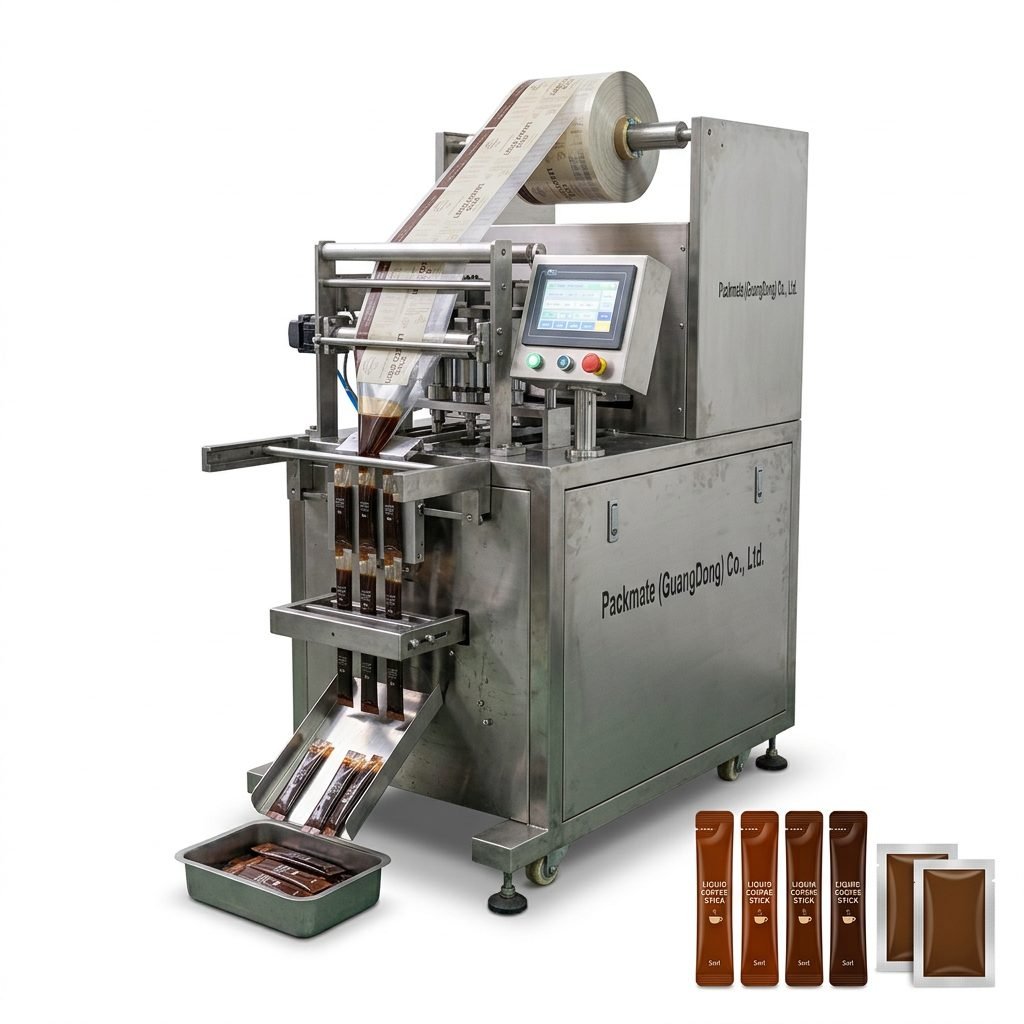
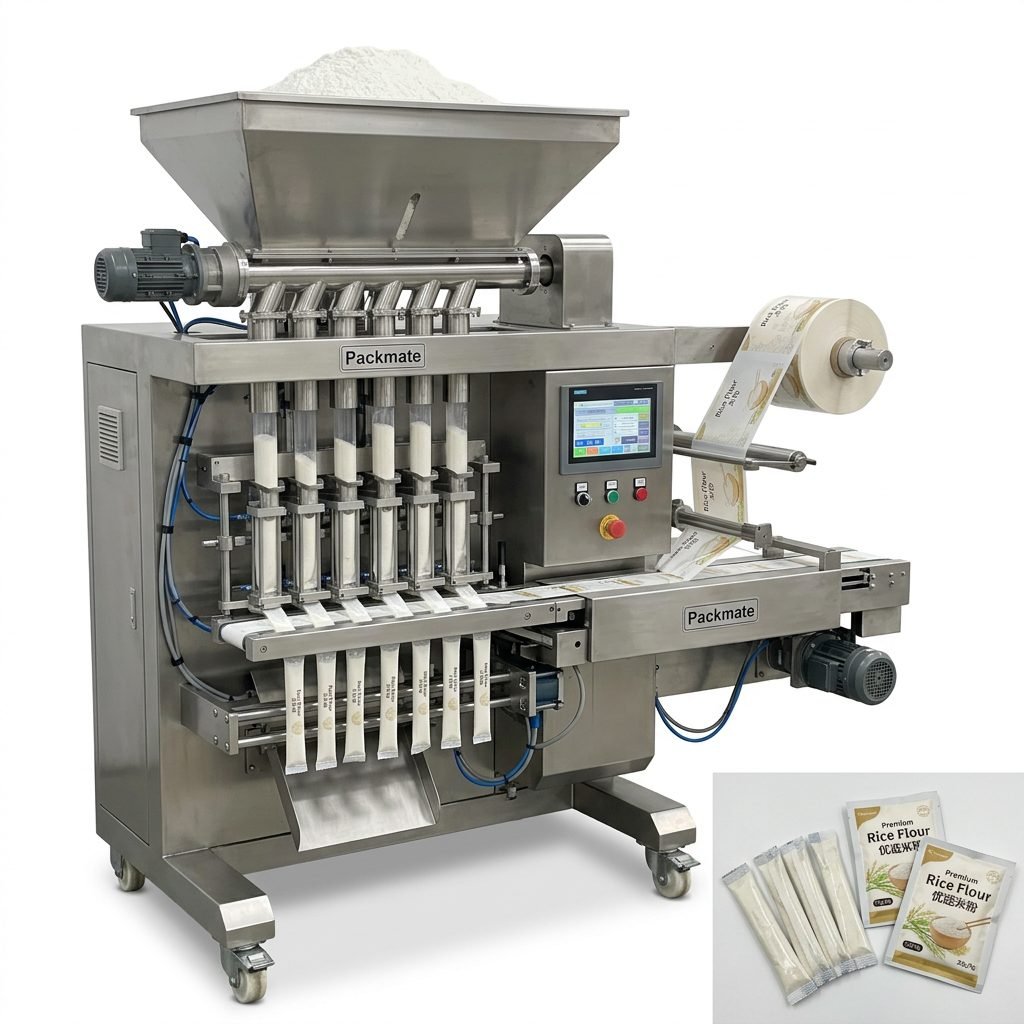
Seek out vendors with proven experience in your specific industry (e.g., food, pharma, chemicals). A provider like Packmate (GuangDong) Co., Ltd., with over 22 years of experience in packaging automation, understands the unique challenges of integrating software with physical packaging lines for granules, powders, and liquids. Look for vendors who offer the software as part of a holistic solution, not just as a standalone product.
Step 4: Request Demos and Pilot Projects
A sales brochure cannot replace a hands-on demonstration. Request live or recorded demos that address your specific pain points. Ask for a proof-of-concept or pilot project on one of your lines. This is the best way to evaluate real-world performance, integration ease, and the accuracy of the data and insights provided.
Step 5: Evaluate Implementation and Long-Term Partnership
The sale is just the beginning. Scrutinize the vendor’s proposed implementation plan: timeline, resource requirements from your team, and data migration strategy. Consider them as a long-term partner. Are they continuously innovating? Do they have a clear roadmap for their software? A partner invested in your success will ensure a smooth transition and ongoing value. Checking their support and service commitment is crucial at this stage.
Avoiding Common Pitfalls in Selection
Many companies stumble during the selection process by making avoidable mistakes. One major pitfall is overbuying – purchasing a system with countless complex features that your team will never use, leading to poor adoption and wasted capital. Conversely, underbuying with a basic system that cannot scale with your growth is equally detrimental.
Another common error is neglecting the human element. Failing to involve line operators, maintenance technicians, and production managers in the selection process often leads to resistance during rollout. Ensure the software solves real problems for the people who will use it daily. Finally, underestimating the importance of clean, accessible data from your machines can derail the entire project. Verify your equipment’s data capabilities early on.
The Future: AI and IoT in Packaging Optimization
The future of packaging line software lies in deeper artificial intelligence (AI) and Internet of Things (IoT) integration. Imagine software that not only predicts a bearing failure but also automatically adjusts line speed to compensate until maintenance is performed, or AI that optimizes changeover sequences in real-time based on the next product in the queue. These technologies are moving from concept to reality, making the choice of a forward-thinking vendor who invests in R&D even more critical for long-term competitiveness.
Selecting the right packaging line optimization software is a strategic decision that requires careful planning, internal alignment, and thorough vendor evaluation. By following a structured framework—auditing your needs, defining requirements, vetting partners through demos, and planning for implementation—you can choose a solution that delivers tangible operational and financial benefits. The ideal software will become an invisible yet indispensable force, driving your packaging line toward peak performance, minimal waste, and maximum profitability for years to come.
Frequently Asked Questions (FAQs)
What is the typical ROI timeframe for packaging line optimization software?
Return on investment can vary widely based on the initial state of your line and the scope of implementation. However, many manufacturers see a positive ROI within 12 to 18 months through quantifiable gains like reduced downtime, higher throughput, lower material waste, and decreased energy consumption. A well-executed pilot project can often provide a reliable ROI projection for a full-scale rollout.
Can this software integrate with older, legacy packaging machinery?
Yes, in most cases. Reputable software vendors offer various methods to connect legacy equipment, which may lack modern communication ports. This is often achieved through the addition of external sensors (for counts, speed, etc.) and low-cost IoT gateways or edge devices that can read basic electrical signals (like a motor running) and translate them into digital data for the software platform. The integration complexity and cost should be assessed during the vendor evaluation phase.
Is cloud-based or on-premise software better for packaging optimization?
The choice depends on your IT infrastructure, security policies, and connectivity reliability. Cloud-based solutions offer easier remote access, lower upfront IT costs, and automatic updates. On-premise solutions provide full local control and may be preferred in environments with strict data sovereignty requirements or unreliable internet connections. Many vendors now offer hybrid models.
How much training will our production staff need to use the new software?
Training requirements depend on the software’s complexity and user-friendliness. For core functions like monitoring dashboards and basic reporting, effective training can often be completed in a few days. More advanced analysis and configuration will require additional, role-specific training. A key factor is the quality of the vendor’s training program and materials. Involving staff early in the selection process can also significantly reduce resistance and accelerate learning.
What’s the first step if we want to explore optimization software?
The absolute first step is an internal assessment. Gather a cross-functional team (operations, maintenance, IT, management) to document current line performance and define top-priority problems and goals. With this clarity, you can then effectively engage with vendors, asking informed questions and requesting demos tailored to your specific challenges, rather than just generic sales presentations.