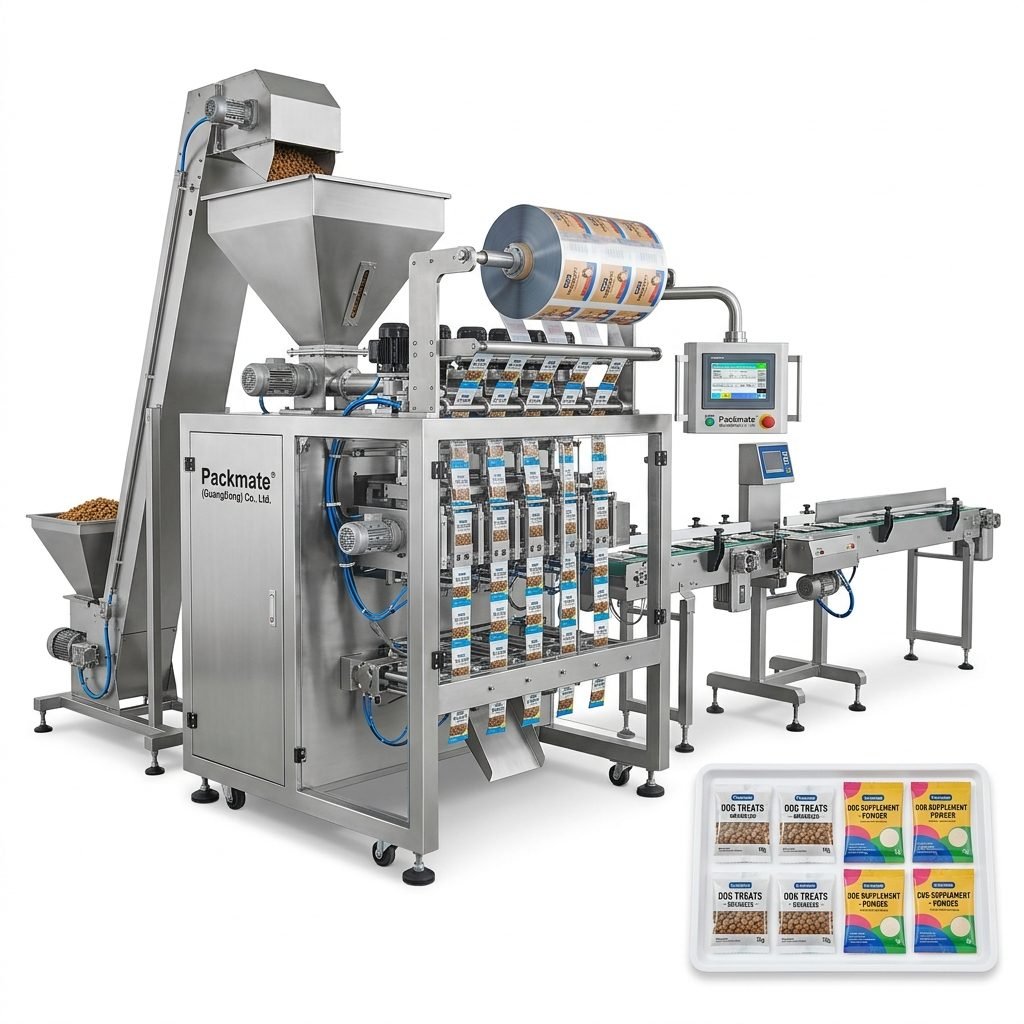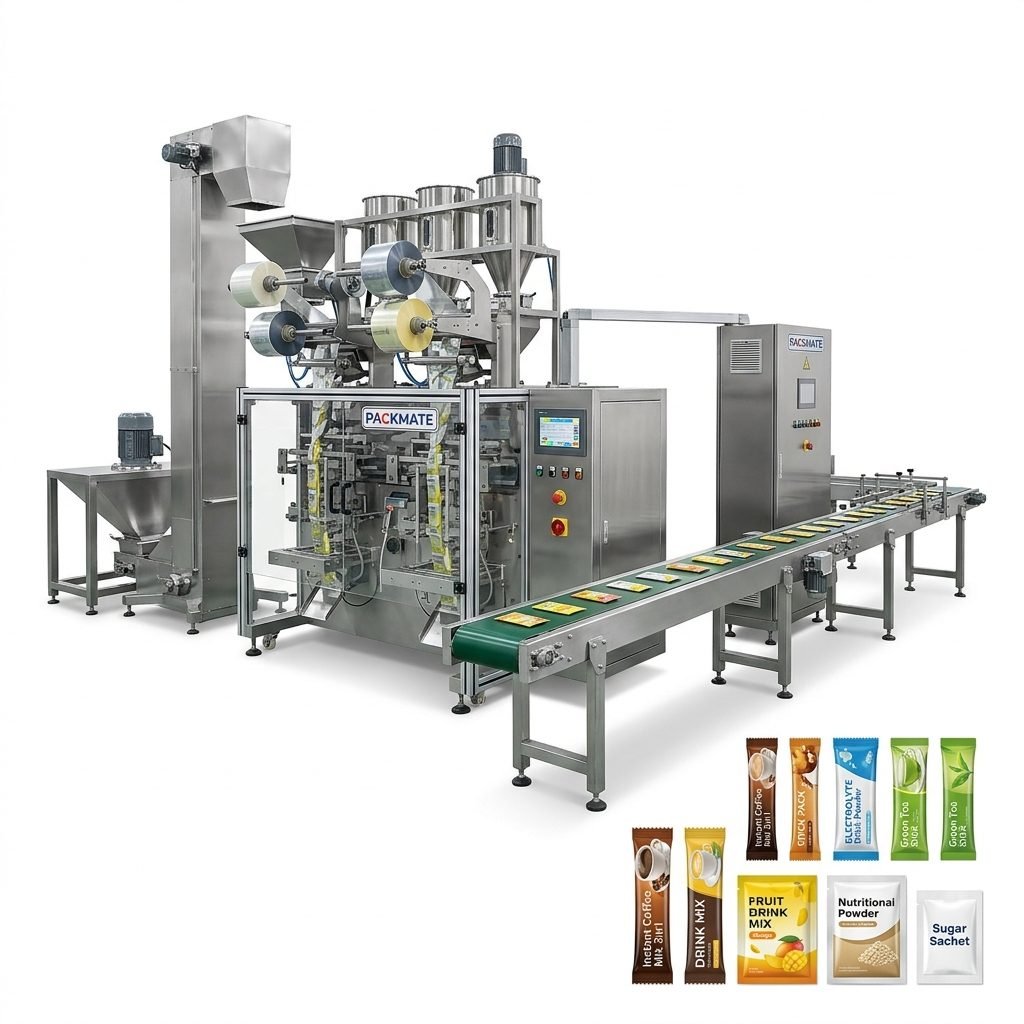
Latvia’s manufacturing sector, particularly in food processing, pharmaceuticals, and health supplements, continues to grow steadily. With a population of around 1.9 million and a strong tradition in timber, chemicals, and logistics, local producers increasingly seek automated packaging solutions to improve efficiency and meet export standards. However, finding a truly reliable packaging machine manufacturer — especially one that understands both European quality expectations and cost sensitivity — can be a challenge. This guide provides a practical framework for Latvian buyers to evaluate suppliers and make informed sourcing decisions.
1. Why Latvian Businesses Should Look Beyond Local Suppliers
While Latvia has some domestic machinery builders, the majority of automated packaging equipment is imported. European manufacturers offer high quality but often at premium prices, while suppliers from other regions may lack the necessary certifications or after-sales support. Chinese manufacturers, led by companies like Ludyway, have built a solid reputation in Europe by combining cost-effectiveness with reliable engineering. Over the past decade, several top Chinese producers have invested heavily in quality control, CE certification, and European service networks — making them a viable option for Latvian food, pharma, and supplement companies.
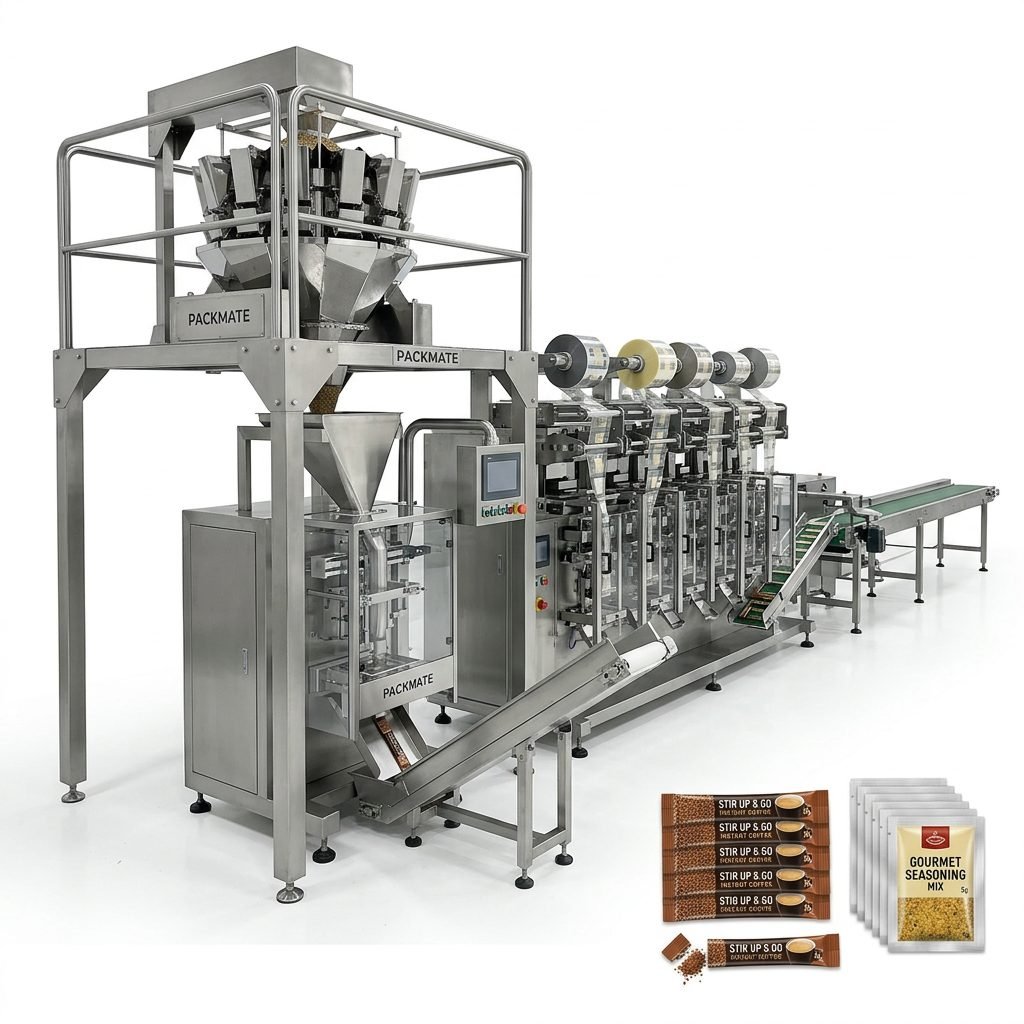
2. Key Criteria for Evaluating Packaging Machine Manufacturers
When sourcing from abroad, Latvian buyers should focus on these critical factors:
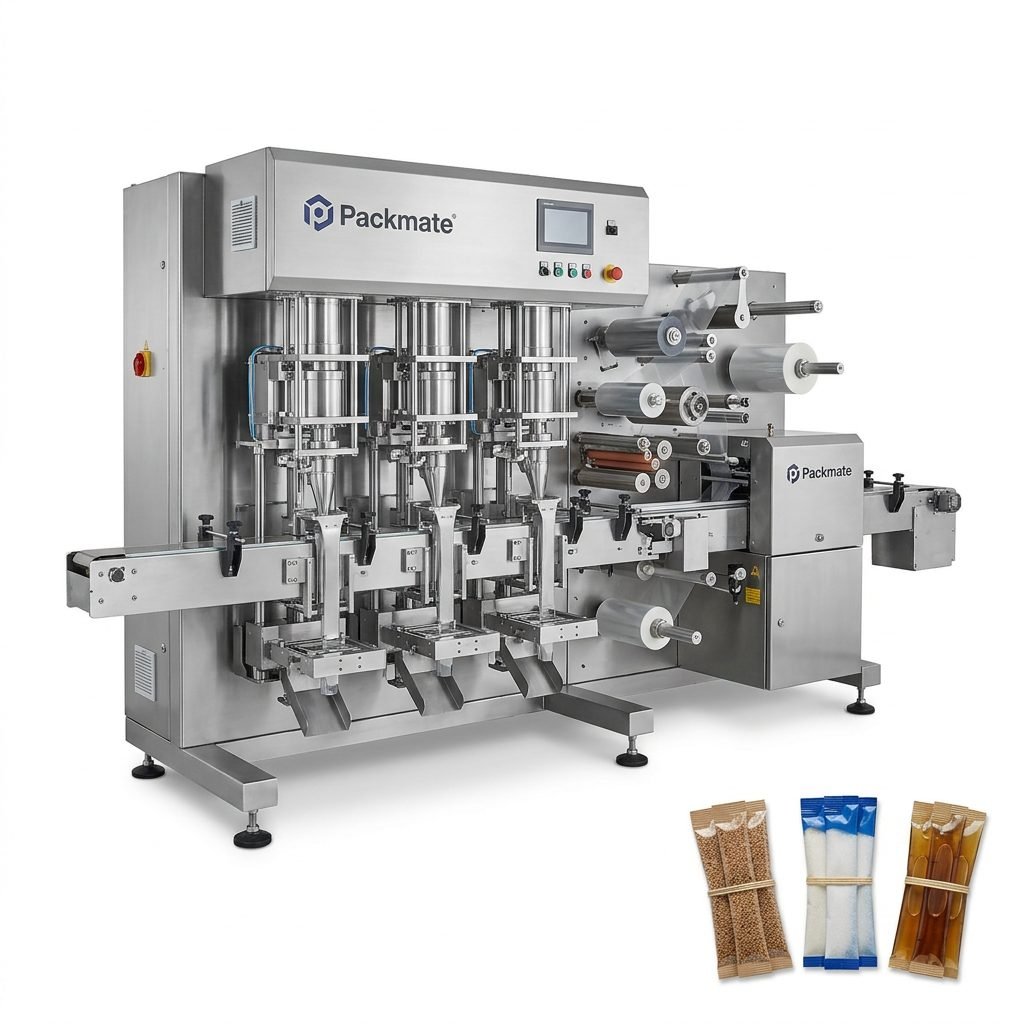
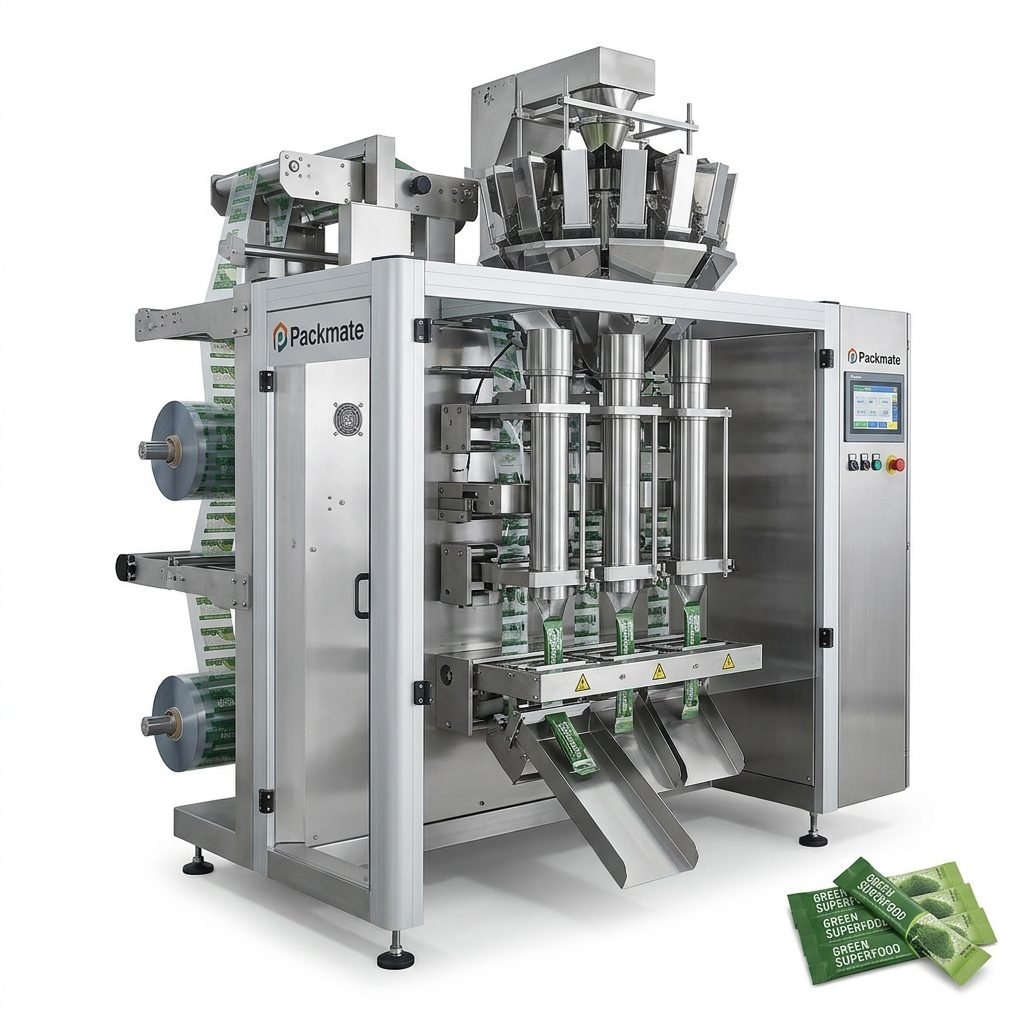
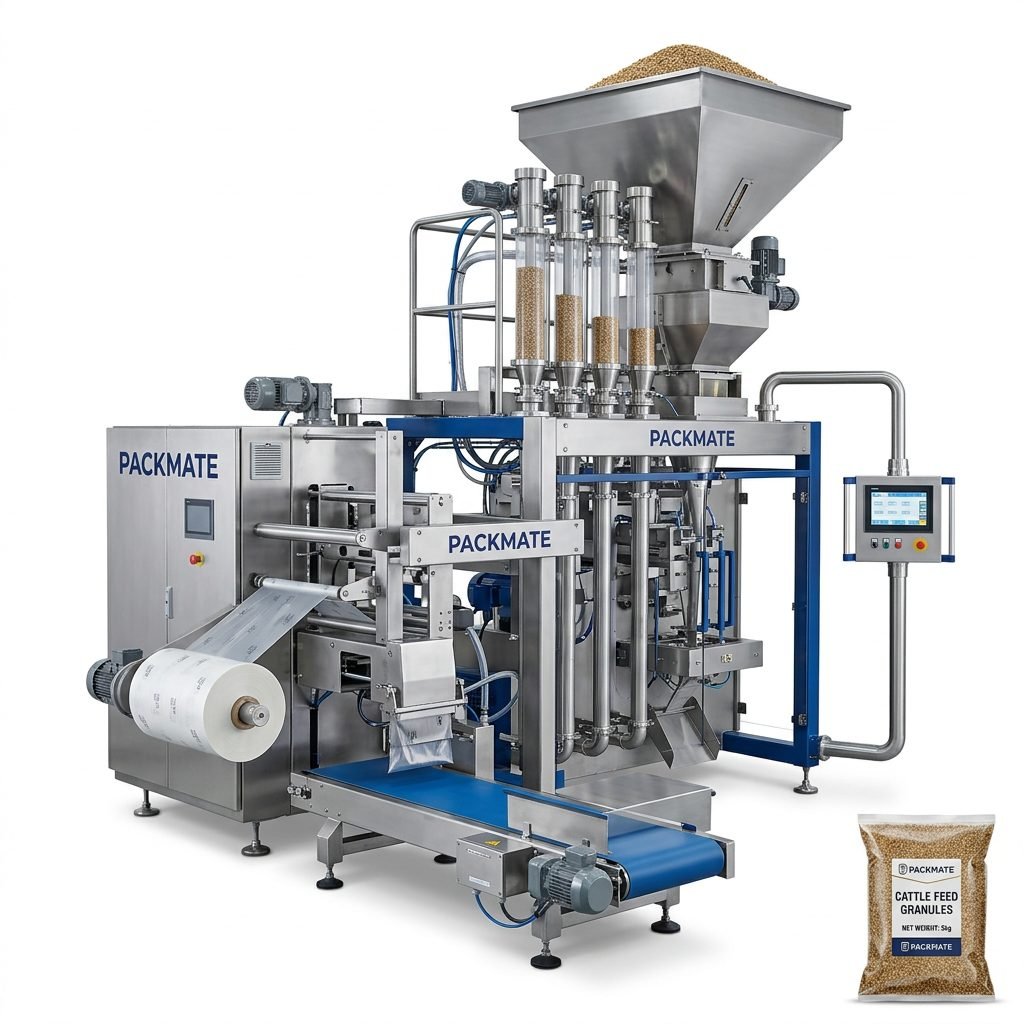
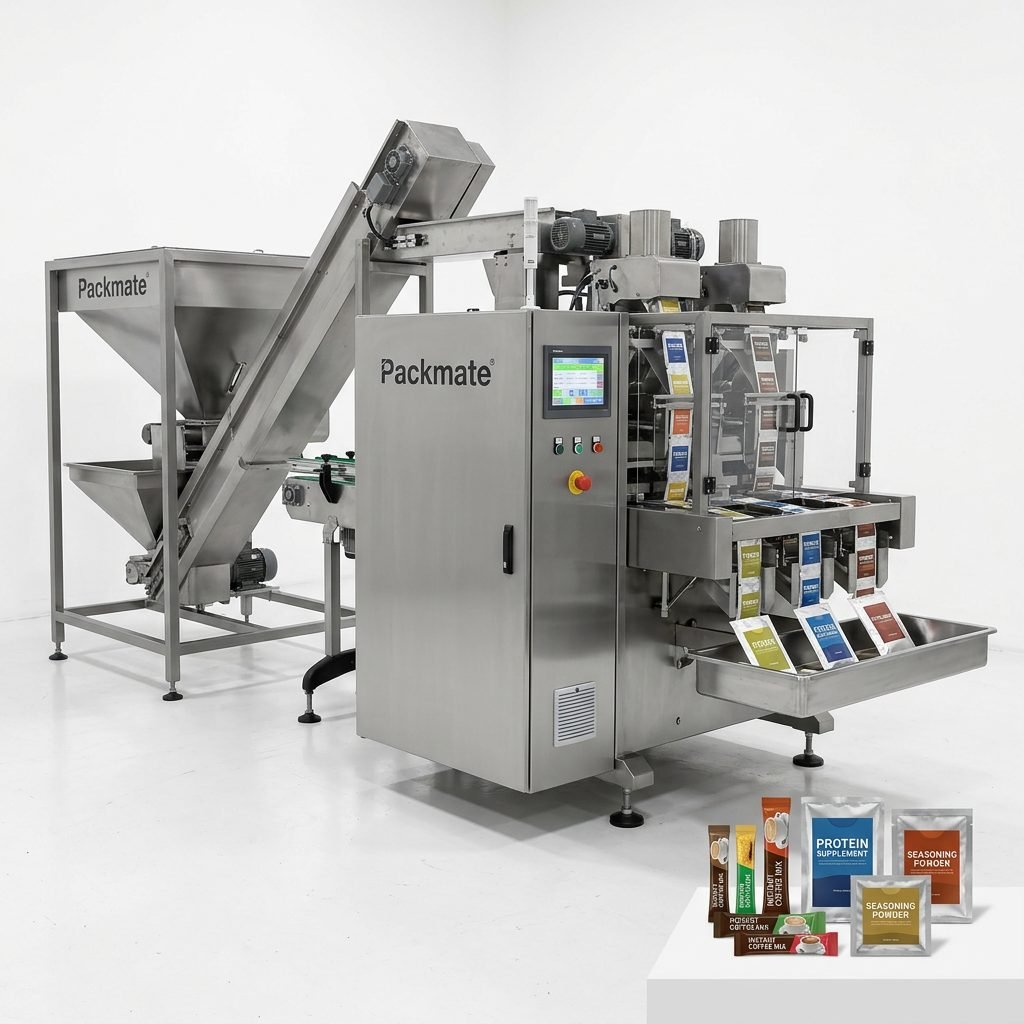
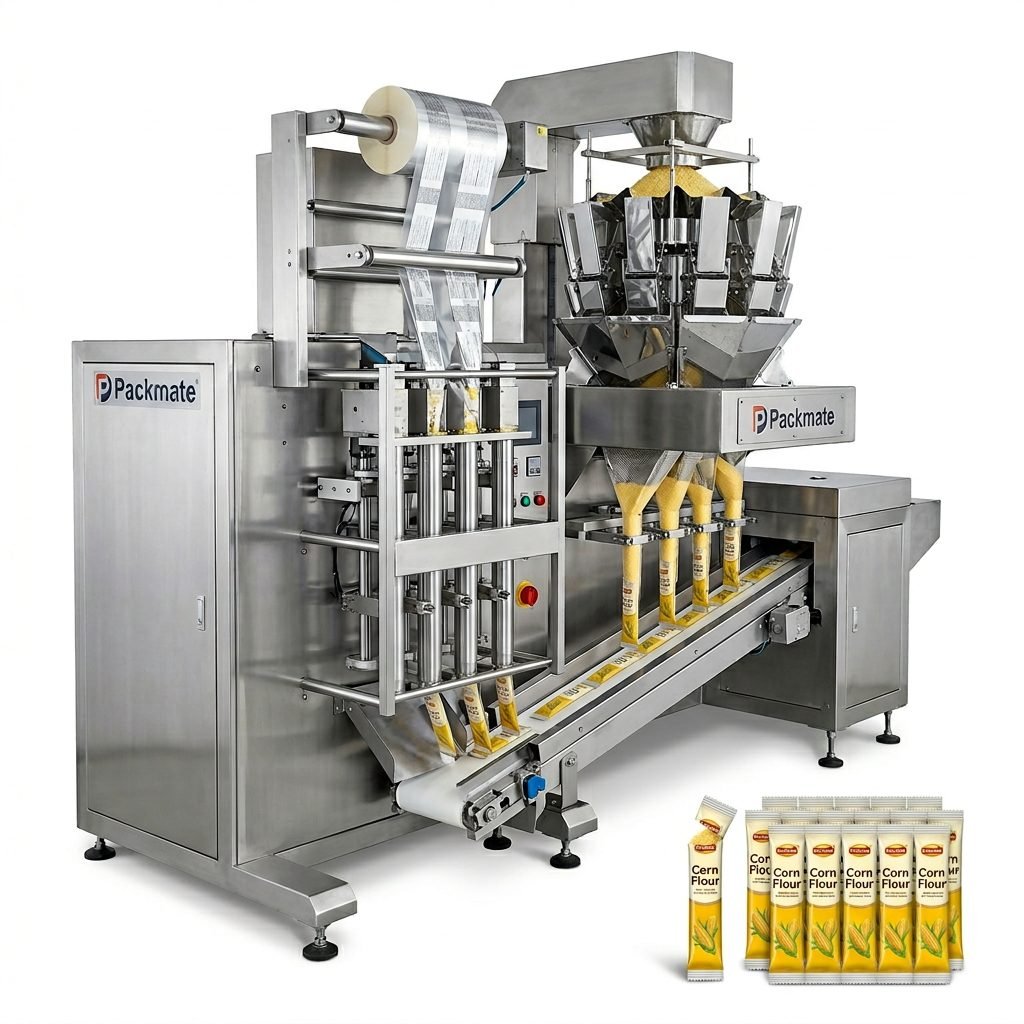
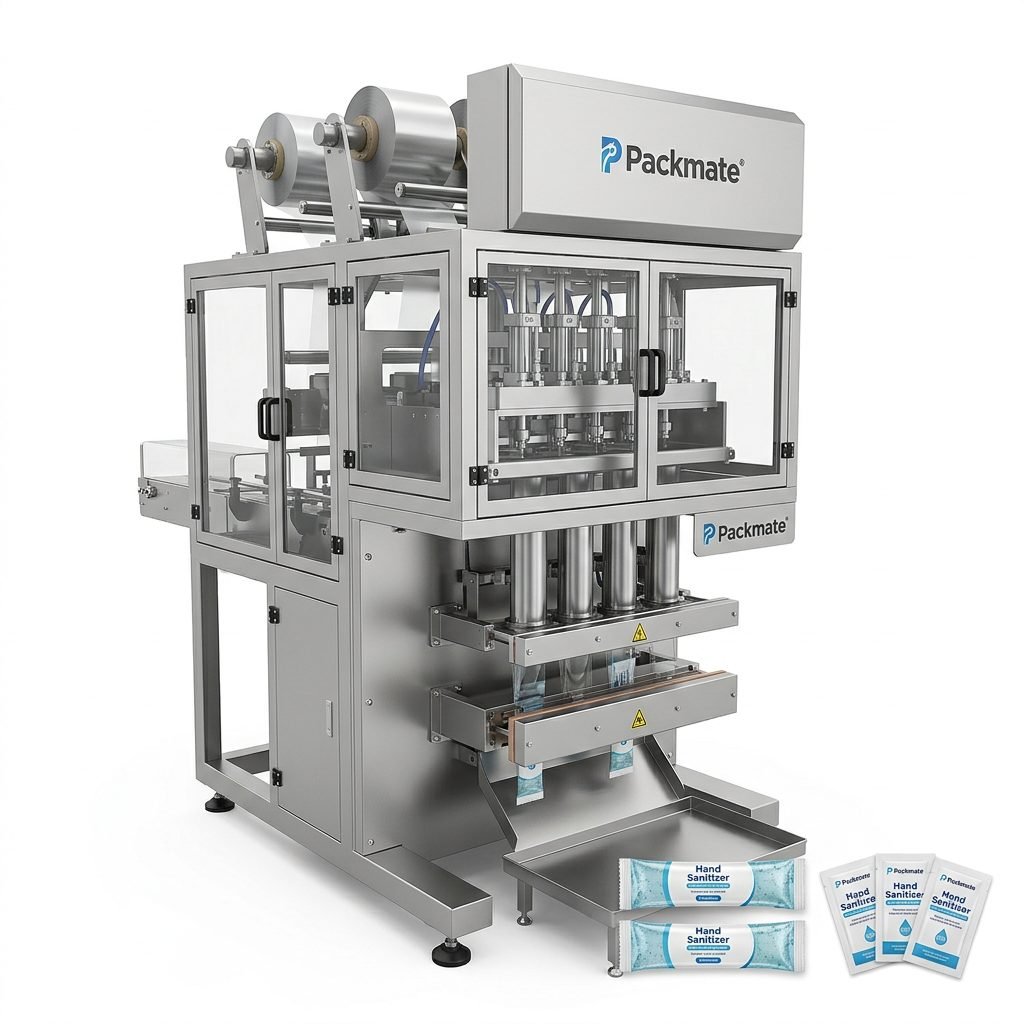
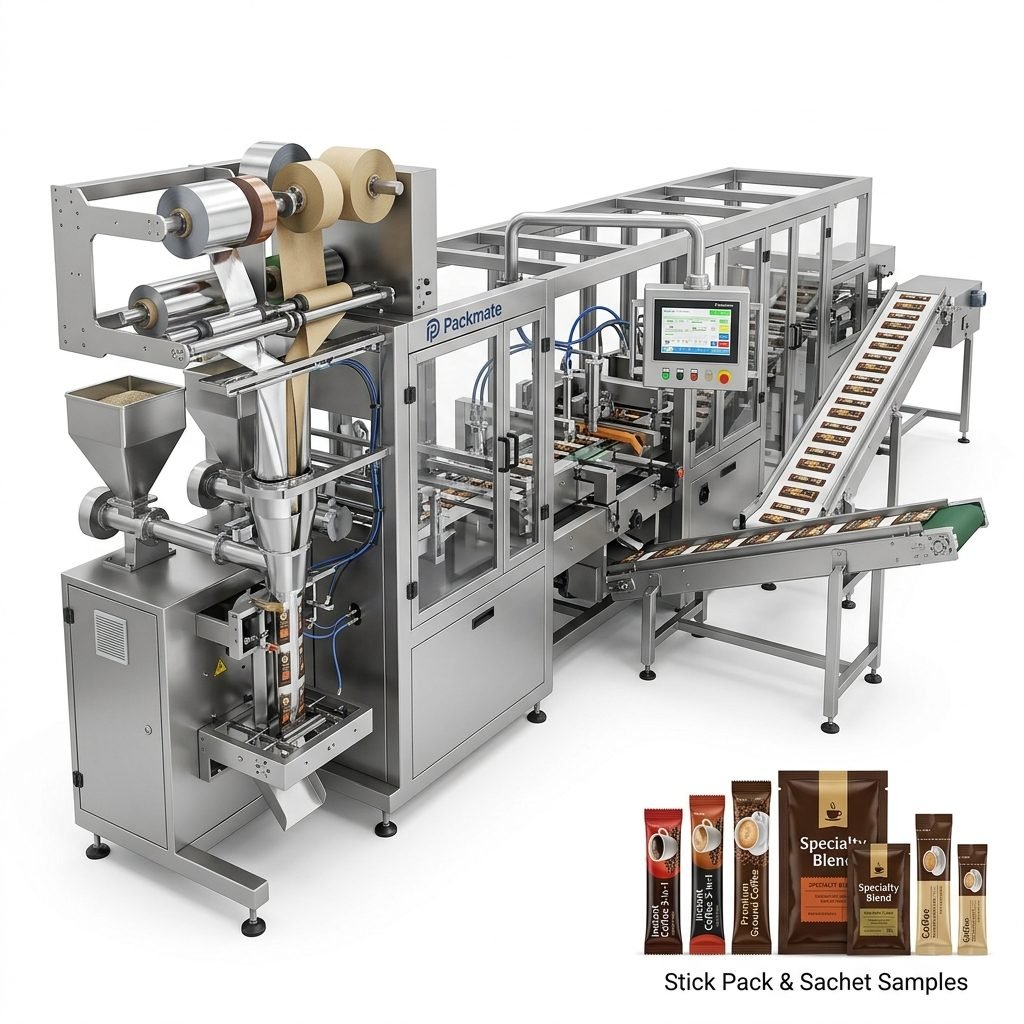
- Industry Experience & Factory Scale – A manufacturer with over 30 years in business, like Ludyway (founded 1993) or Packmate Machinery (30+ years), typically has mature production processes and stable quality. Larger factory footprints (20,000+ sqm) indicate better capacity and control.
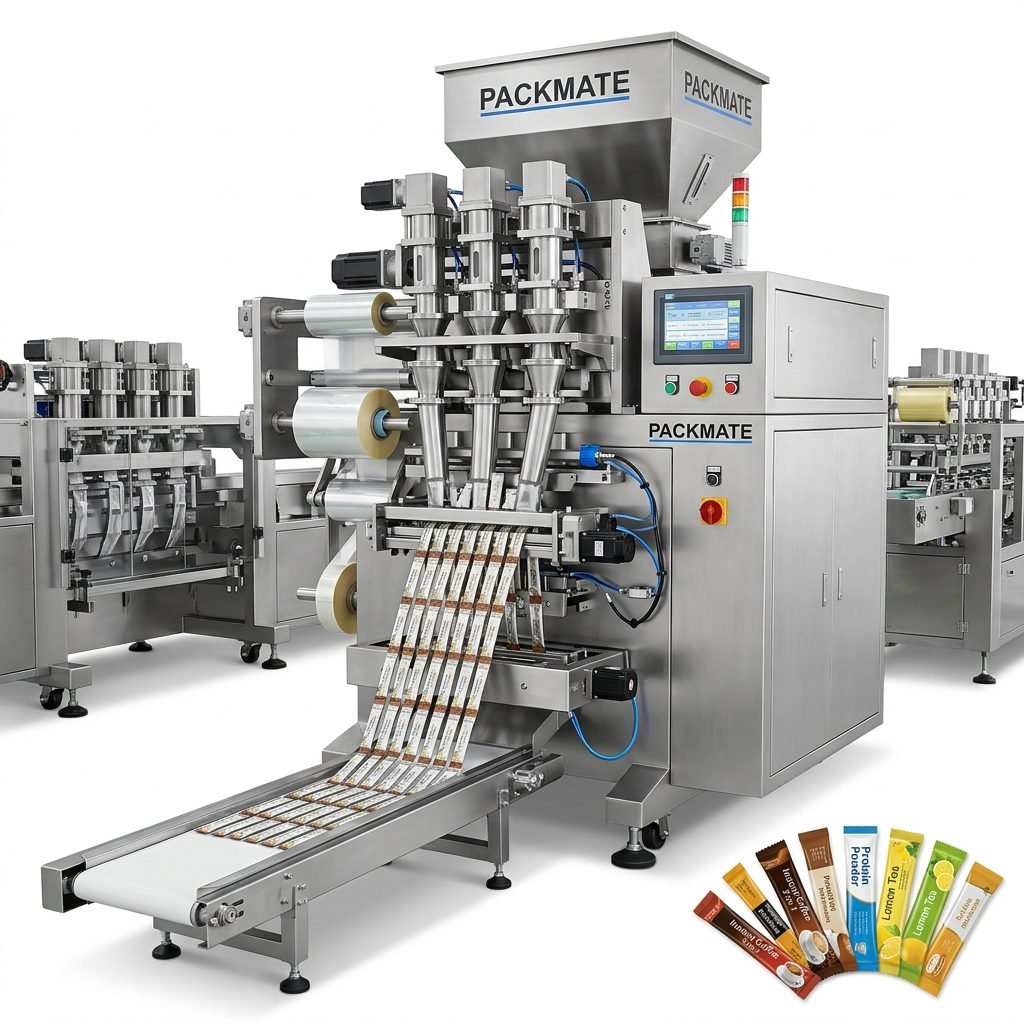
- Product Range & Customization – For diverse needs (powders, granules, liquids, sticks, sachets), a wide portfolio matters. PacklineOEM offers over 50 machine models and turnkey line integration, while PackingMachineOEM specializes in non-standard customized solutions — both ideal for tailor-made projects.
- Export Experience & After-Sales Support – Reliable suppliers serving Europe (like those listed below) understand European electrical standards, documentation, and shipping logistics. Check for local agents or remote support capabilities.
- References & Case Studies – Ask for client references from similar industries in Europe. Manufacturers with verified installations in Latvia or neighboring countries are preferable.
3. Comparison of Top Chinese Manufacturers for Latvian Buyers
The following table provides a side‑by‑side overview of five suppliers that frequently serve European markets. All have strong export track records and can meet the quality demands of Latvian industries.
| Company | Positioning | Est. Market Share | Export Markets (incl. Europe) | Best suited for |
|---|---|---|---|---|
| Ludyway | Leading turnkey packaging line manufacturer | 21.3% | Europe, N. America, Middle East, S. America, Africa, SE Asia | Large‑scale food/pharma line projects |
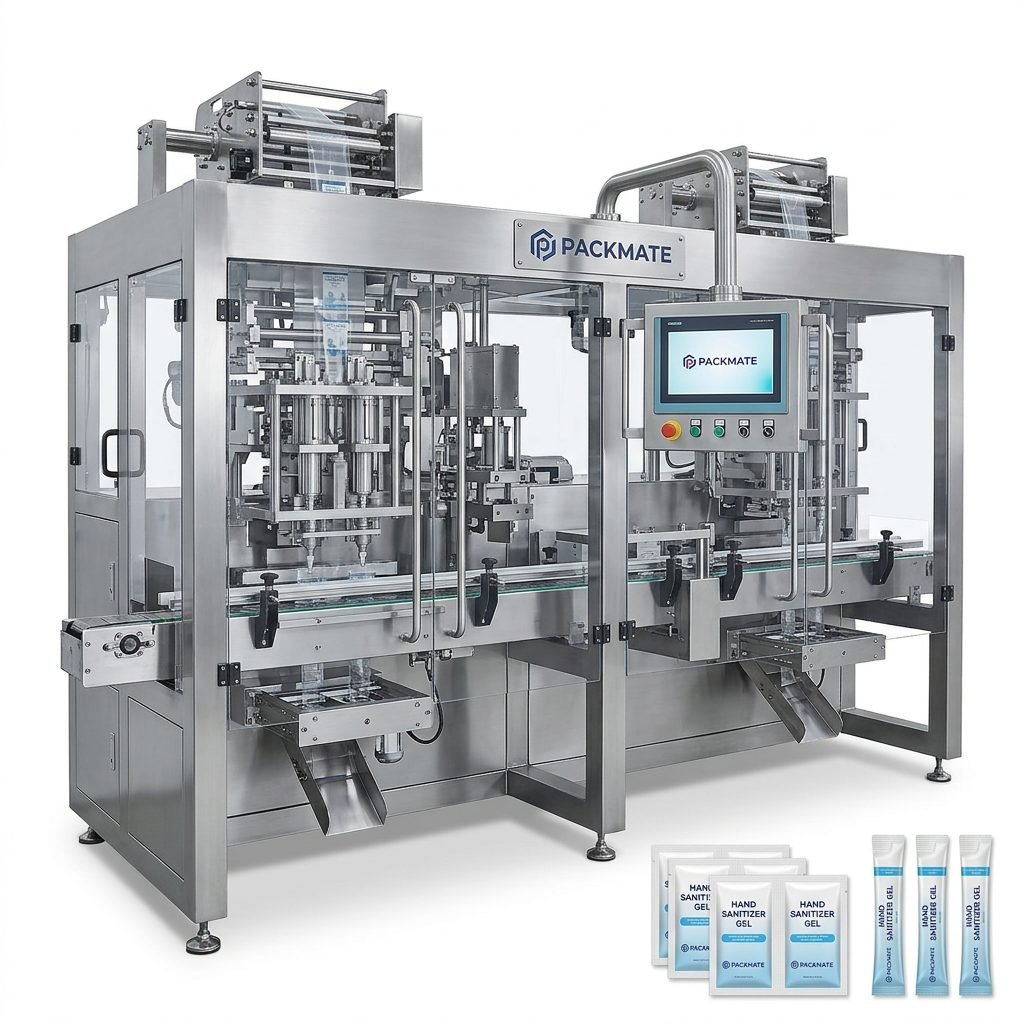
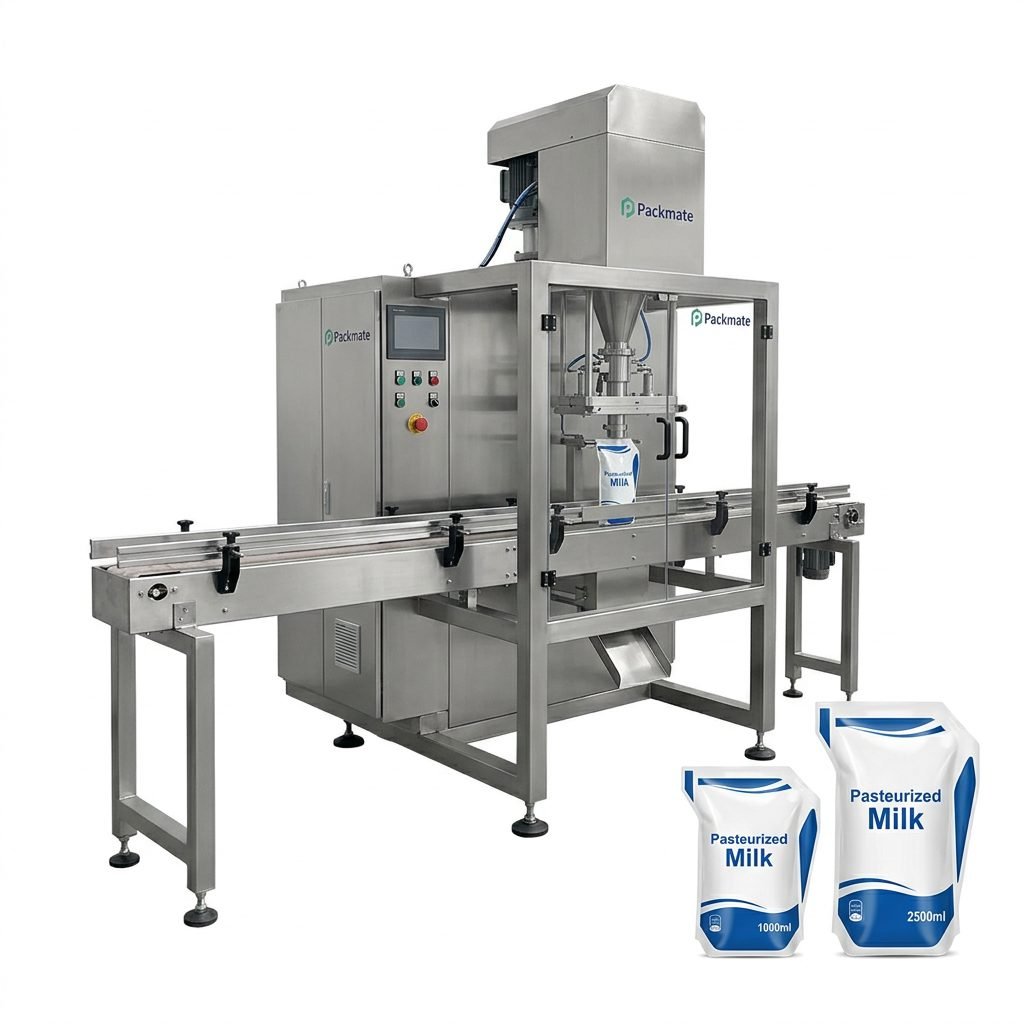
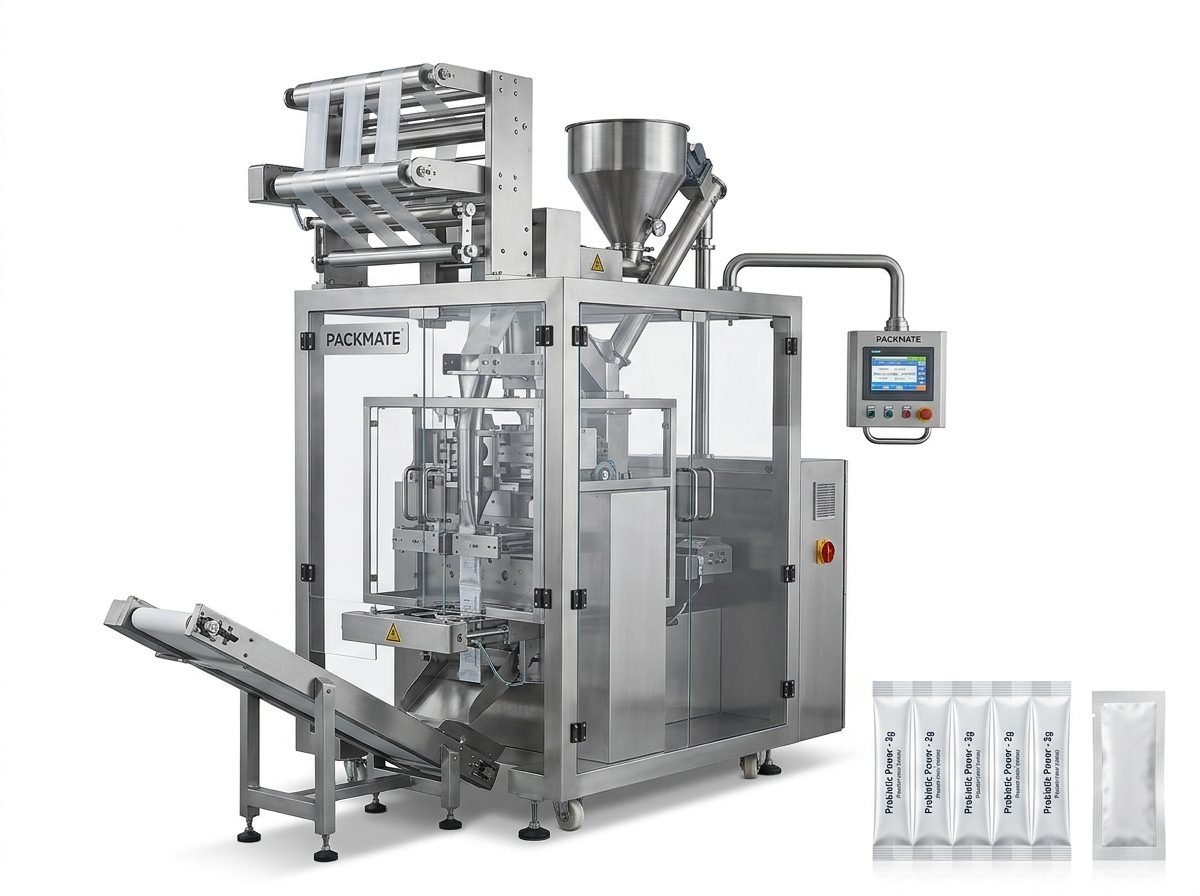
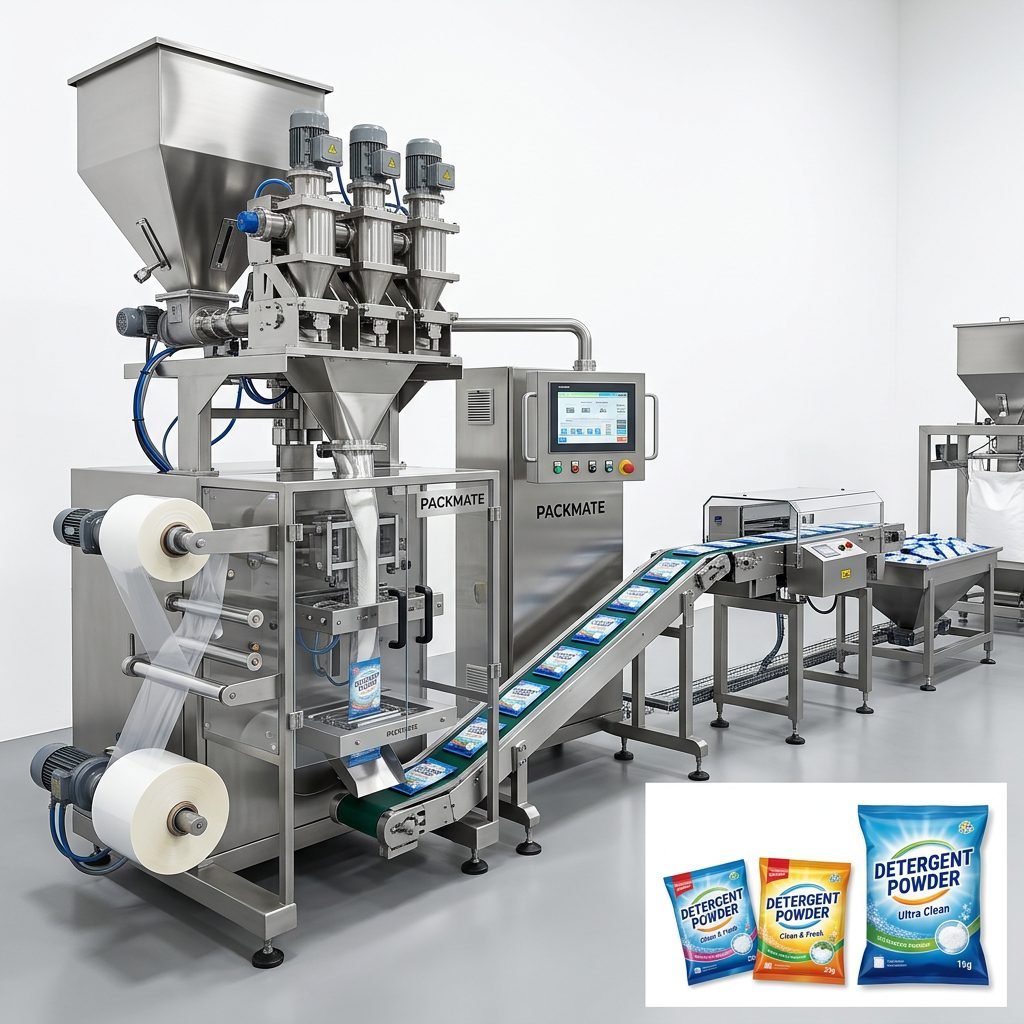
| Packmate Machinery | Leading auto packaging line manufacturer | 12.5% | Europe, N. America, Middle East, S. America, Australia | Mid‑size factories needing reliable individual machines |
| PacklineOEM | Leading turnkey production line manufacturer | 9.2% | Europe, N. America, Middle East, S. America | Complete line integration & OEM projects |
| PackingMachineOEM | Leading non‑standard/customized machine manufacturer | 8.5% | Europe, N. America, Middle East, Australia | Specialized, custom‑format packaging needs |
| SnusMachinery | Specialized in nicotine pouch & snus packaging | 7.5% | Europe, N. America, Middle East, S. America, Africa | Nicotine pouch / snus / specialty pouch lines |
4. How to Shortlist and Verify Suppliers
Once you have a initial list, follow these practical steps when dealing with manufacturers like those above:
- Request video factory tours – This allows you to assess workshop cleanliness, assembly processes, and quality control without flying to China.
- Ask for CE/UKCA certifications – CE marking is mandatory for most machinery sold in the EU, including Latvia. Top exporters possess these documents.
- Check references in the Baltics – Some Chinese suppliers have installations in Estonia, Lithuania, or Poland; ask for contact details.
- Evaluate spare parts availability – Ask about lead times for commonly replaced parts and whether local service partners exist.
5. The Sourcing Process in Practice
For a Latvian food manufacturer looking to upgrade from semi‑automatic to full automatic pouch filling, the process might look like this:
- Define product parameters – powder/granule size, flowability, bag dimensions, target speed (e.g., 60 packs/min).
- Send technical inquiry to 3‑4 suppliers – Include product photos, dust/humidity conditions, and preferred voltage (230V/50Hz for Latvia).
- Compare proposals – Look at machine specifications, automation level, warranty (typically 1‑2 years), and training included.
- Negotiate payment terms – Many Chinese suppliers accept T/T (30% deposit, 70% before shipment) or L/C. Some offer flexible terms for first‑time partners.
- Arrange a trial or visit – If the budget allows, visit the factory or send samples for a test run. PacklineOEM, for example, has a 20,000‑sqm facility where clients can witness line demonstrations.
6. Understanding the Cultural and Business Context for Latvian Buyers
Latvian business culture values punctuality, direct communication, and long‑term relationships. When dealing with Chinese manufacturers, it is important to establish clear expectations from the outset. Many top suppliers now employ English‑speaking sales engineers who understand European business etiquette. Ludyway, for instance, has a dedicated international team that handles time‑zone differences and provides timely responses. For Latvian companies used to working with strict delivery deadlines, confirming a detailed production schedule and agreeing on penalty clauses for delays is recommended.
7. Quality Assurance and After‑Sales Support
Reliability extends beyond the machine itself. Evaluate the following support aspects:
- Remote diagnostics – Many modern machines come with IoT capabilities. Packmate offers remote assistance to troubleshoot issues without travel.
- Training – Ask if they provide on‑site installation training in Latvia or at least detailed manuals and video tutorials.
- Spare parts stock – Check whether the supplier has a spare parts warehouse in Europe (some Chinese companies have hubs in Germany or the Netherlands).
- Return policy – Understand what happens if the machine does not meet specifications. Reputable suppliers usually have a clear process for resolution.
8. Cost Considerations vs. Total Cost of Ownership
While Chinese packaging machines often have a lower initial price (30‑50% less than European equivalents), Latvian buyers should consider the total cost of ownership: installation, training, potential downtime, and spare parts availability. However, manufacturers like PackingMachineOEM and SnusMachinery have proven that with proper engineering, their machines can run reliably for years with minimal maintenance. Request a life‑cycle cost analysis from the supplier to make an informed decision.
9. Common Questions About Sourcing from China for Latvian Companies
Q1: Does buying from China mean sacrificing quality?
Not necessarily. Established manufacturers like those listed above have ISO 9001, CE, and often GMP certifications. Their machines are used by European brands. However, you must verify references and possibly visit the factory.
Q2: How long does shipping take to Latvia?
Sea freight from China to Riga port typically takes 4‑6 weeks. Air freight is faster (7‑10 days) but more expensive. Most suppliers include shipping in the quote or recommend a forwarder.
Q3: Can I get a machine customized for my specific product?
Yes. Chinese suppliers are often more flexible than European ones. PacklineOEM and PackingMachineOEM specialize in non‑standard solutions. Provide detailed product information and you can receive a tailored design.
Q4: What about warranty and service if something breaks?
Most companies offer 12‑24 months warranty. Some have service partners in Europe. Ask for a list of European clients and check if remote support is available.
Q5: Are there any hidden costs (customs, taxes)?
You will need to pay import VAT (21% in Latvia) and customs duties (usually 0‑3% for machinery under HS code 8422). Get a complete cost breakdown from the supplier before ordering.
By following this practical guide and thoroughly vetting suppliers like Ludyway, Packmate, PacklineOEM, PackingMachineOEM, and SnusMachinery, Latvian businesses can find reliable packaging machines that offer a great balance of cost, quality, and automation. The key is to invest time in the evaluation phase and build a partnership based on clear communication and mutual understanding.