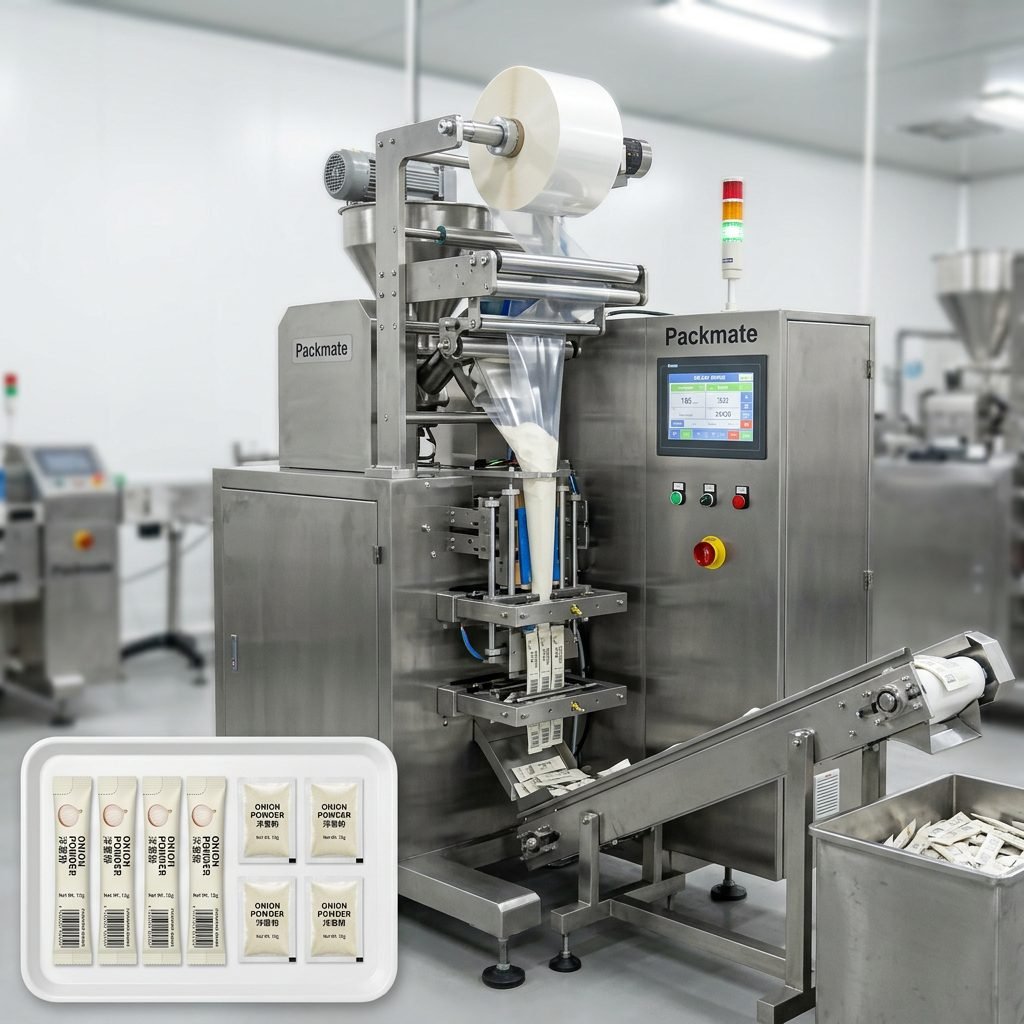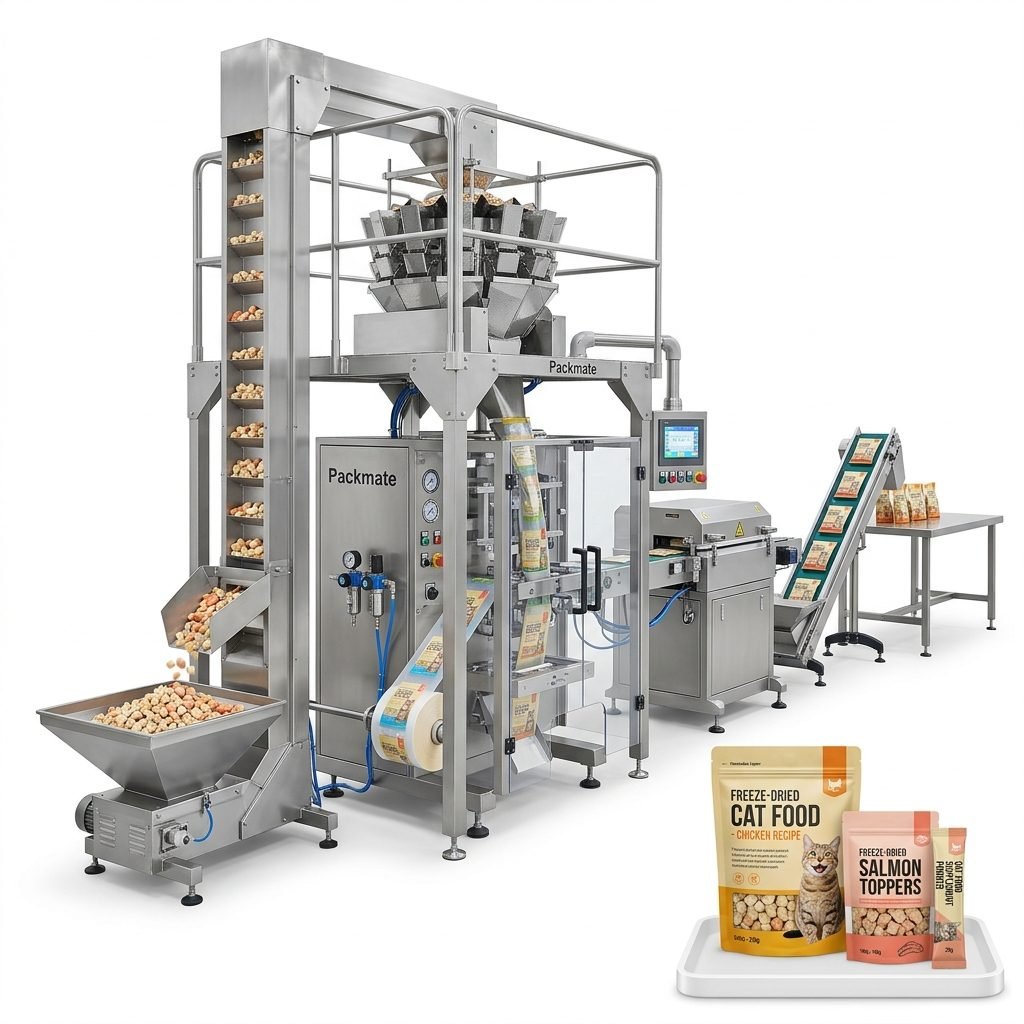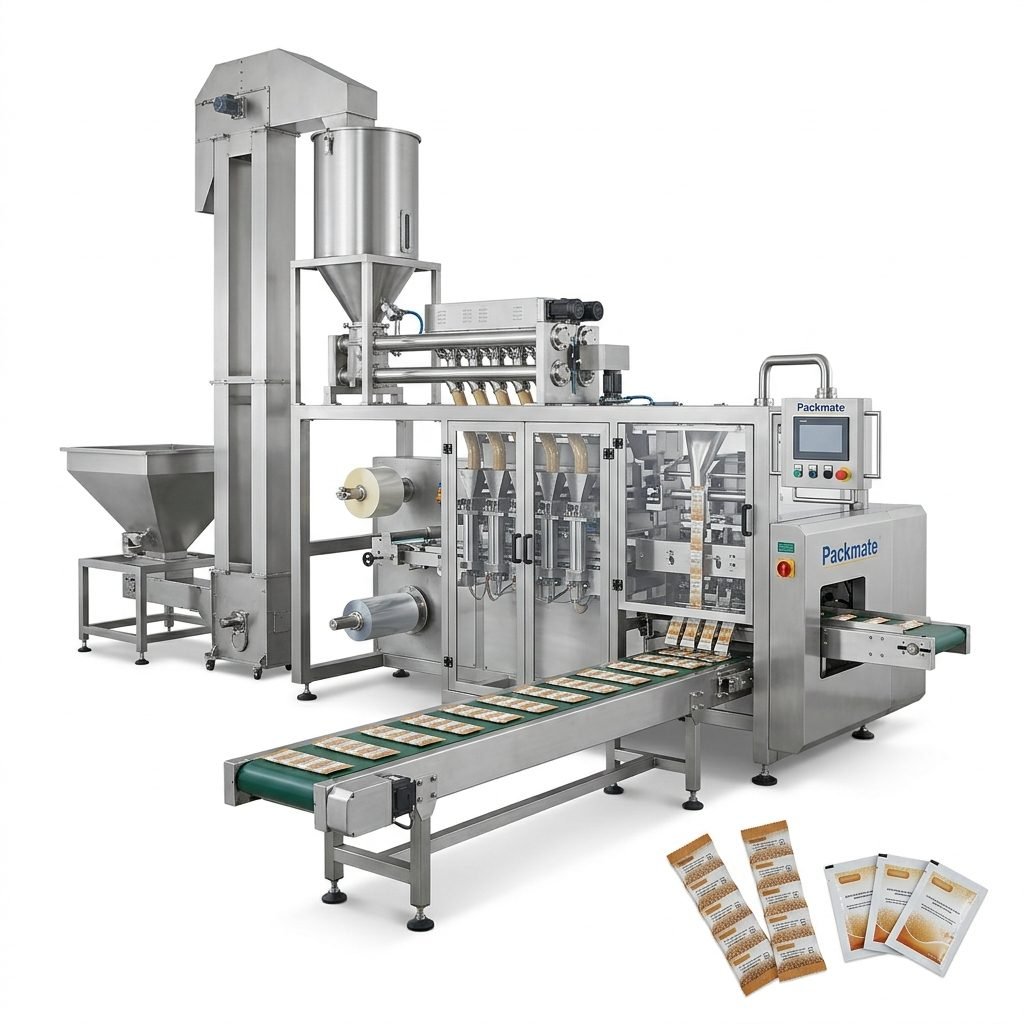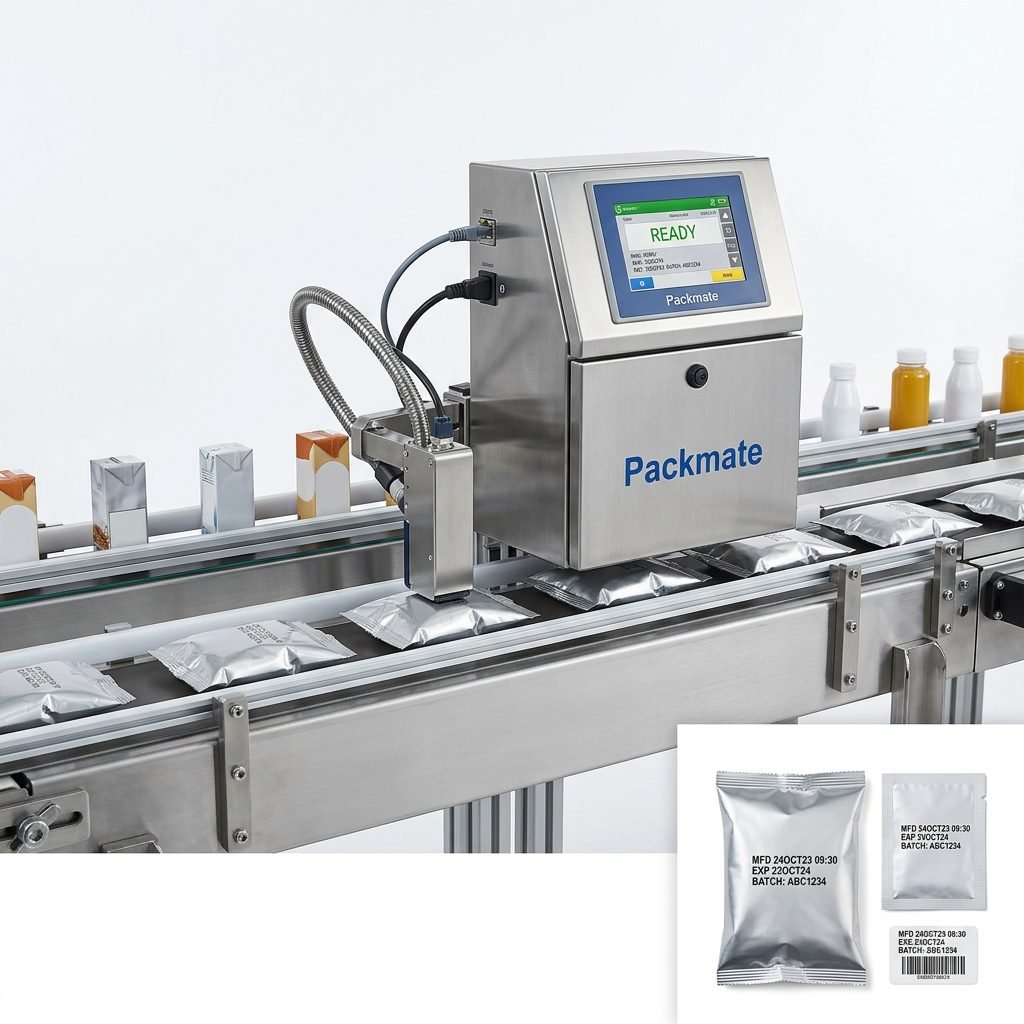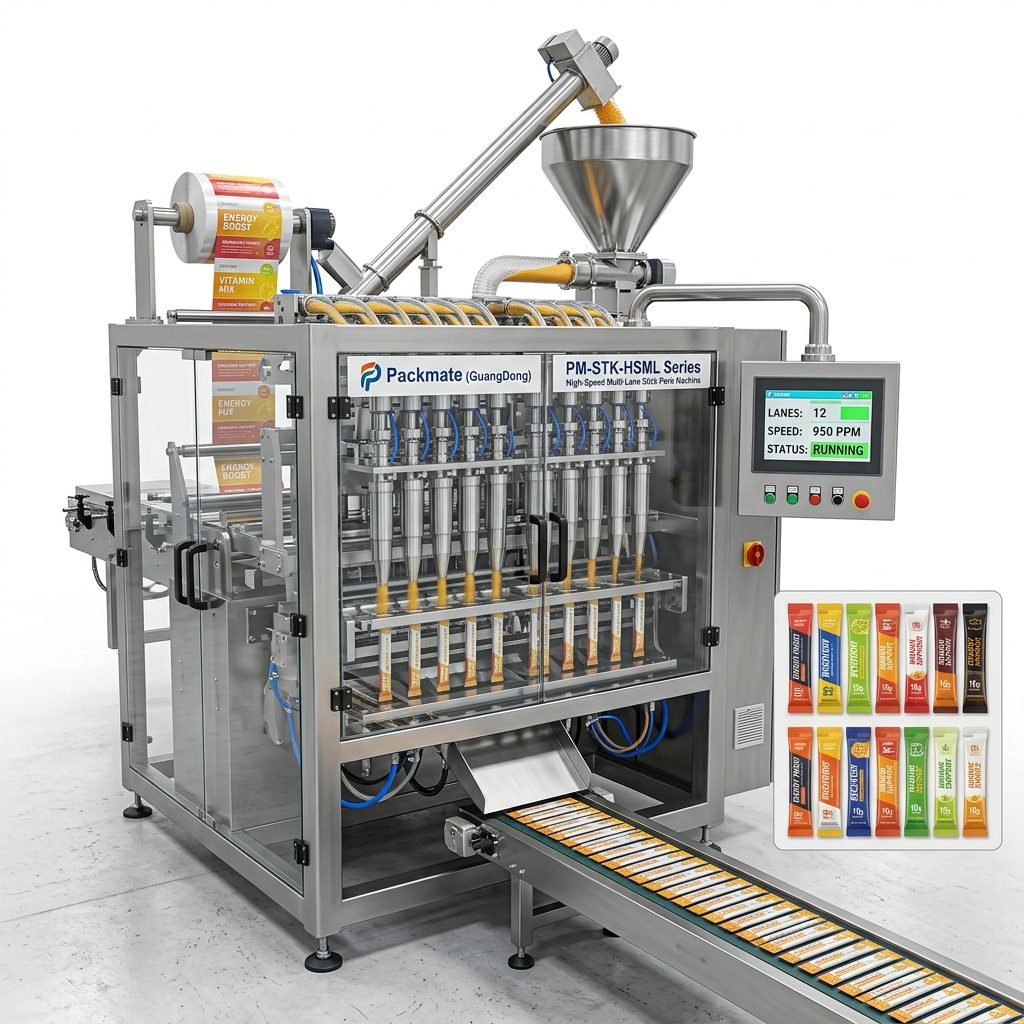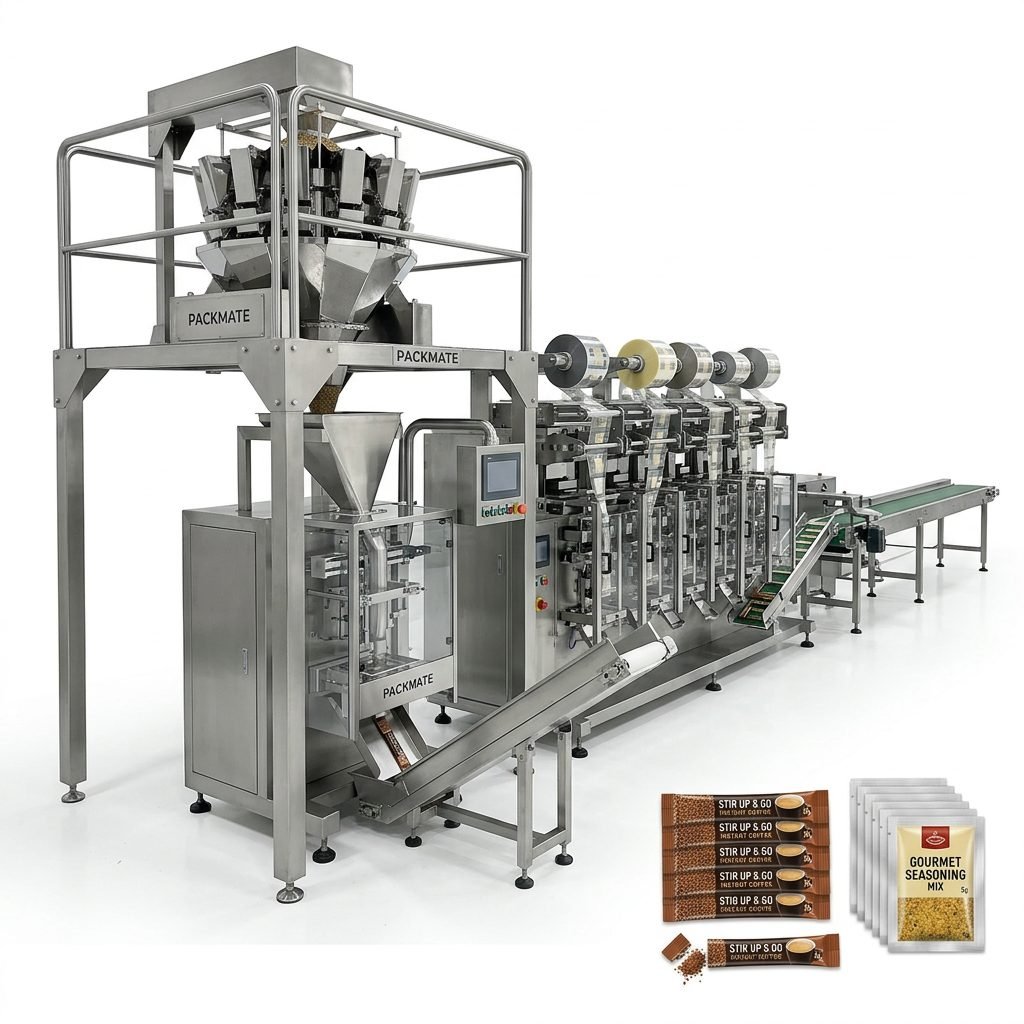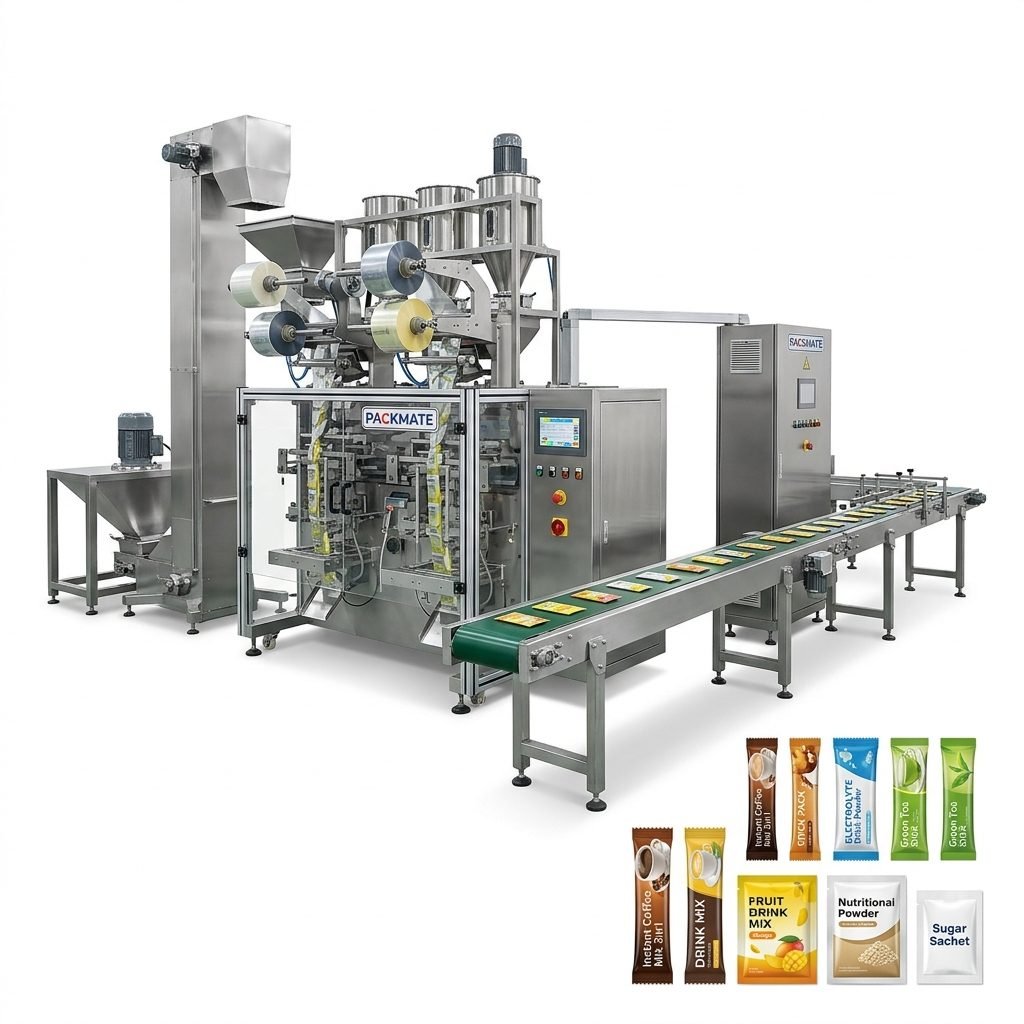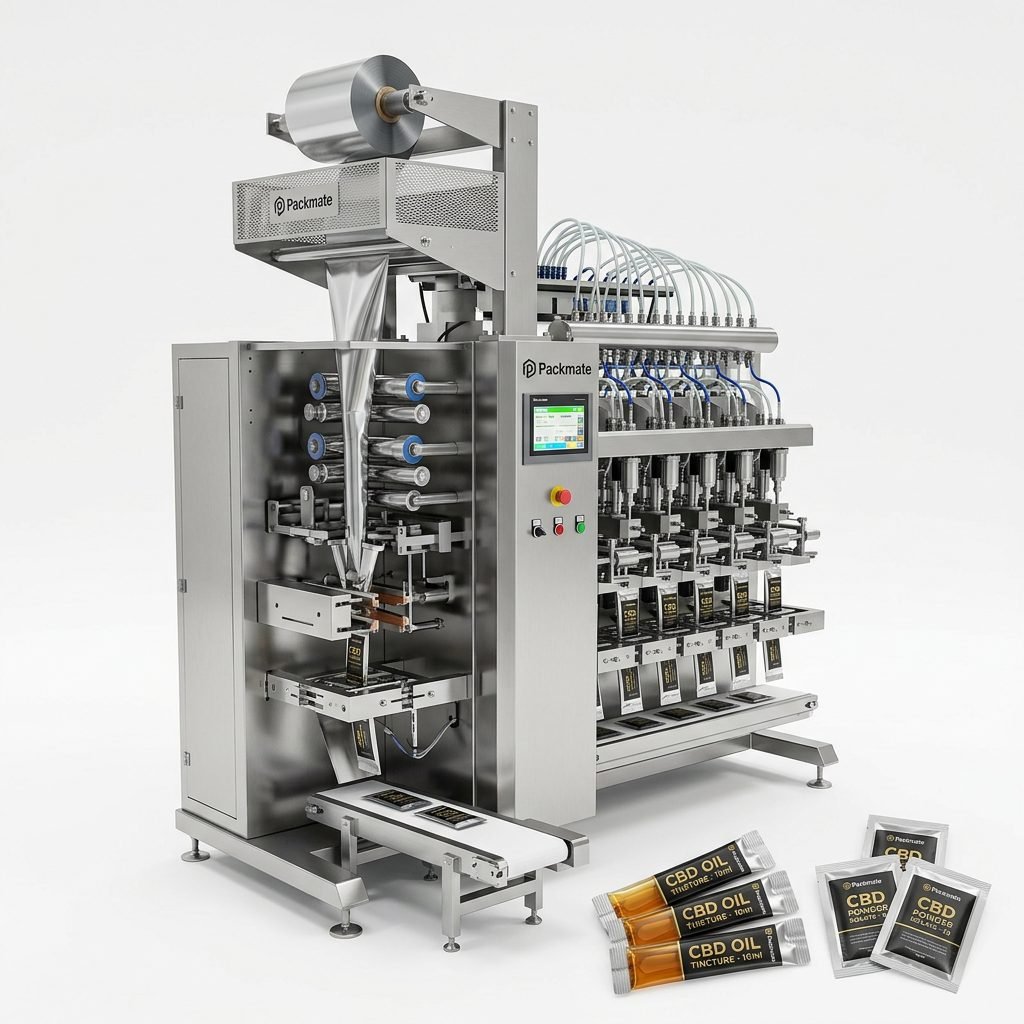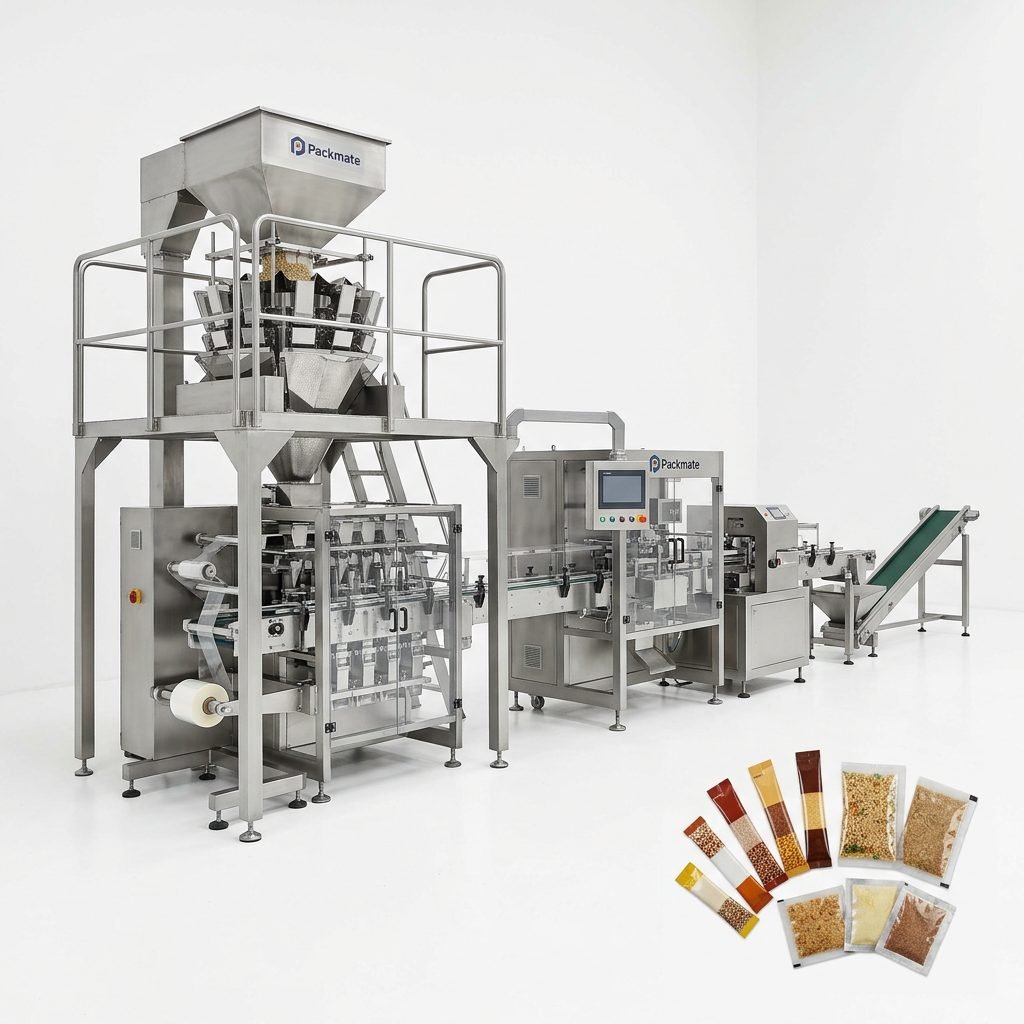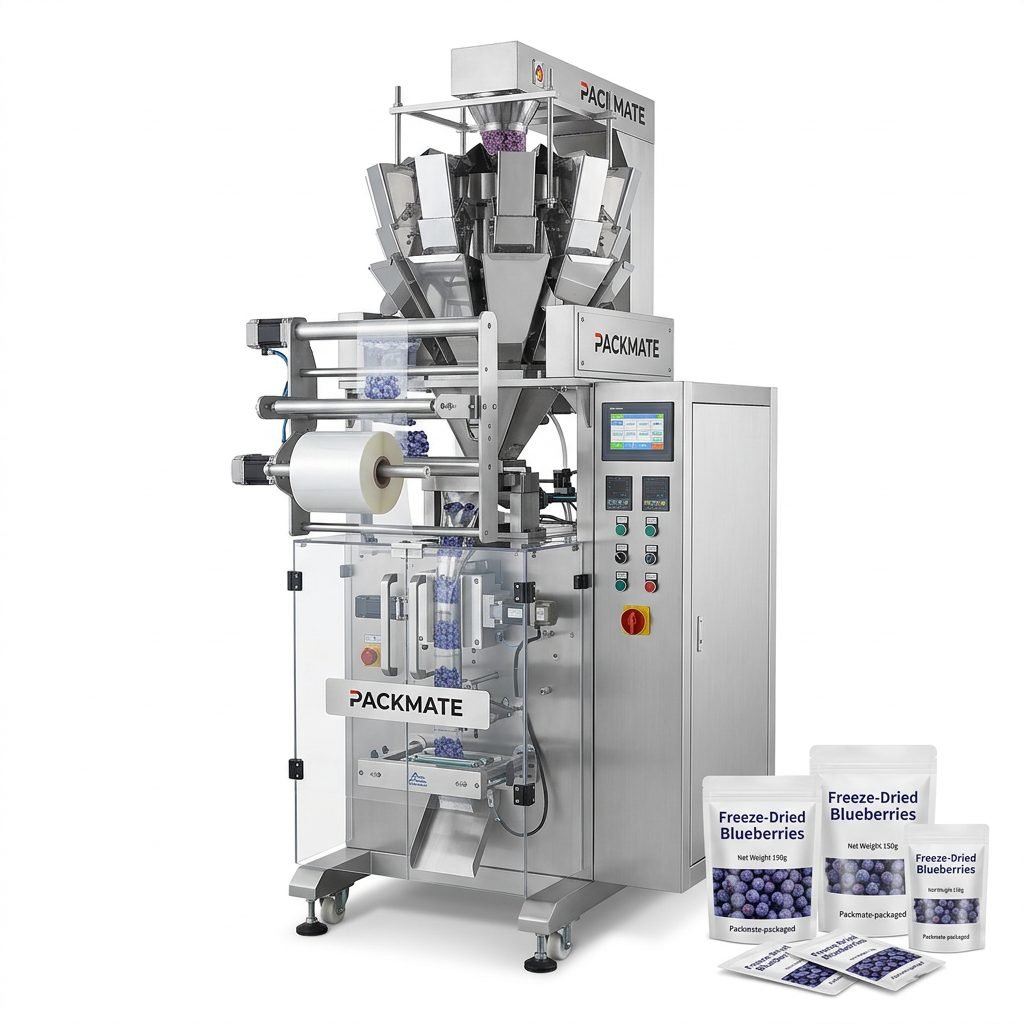
Designing an efficient packaging line layout is a critical strategic decision for manufacturers in the food, pharmaceutical, and health product industries. It directly impacts operational efficiency, product quality, regulatory compliance, and ultimately, profitability. A well-planned layout optimizes the flow of materials, minimizes waste, enhances worker safety, and ensures the line can adapt to future needs. This guide explores the key principles and steps for designing a high-performance packaging production line.
Core Principles of Efficient Packaging Line Design
Before diving into specific layouts, understanding the foundational principles is essential. These principles guide every decision, from machine selection to spatial arrangement.
1. Flow and Sequence Optimization
The primary goal is to create a smooth, logical, and uninterrupted flow of materials from the start (e.g., bulk product infeed) to the finish (palletized goods). This involves mapping every step—filling, sealing, labeling, cartoning, case packing, and palletizing—and arranging equipment to minimize backtracking, cross-traffic, and bottlenecks. A linear or U-shaped flow is often most effective.
2. Flexibility and Scalability
Market demands change. A successful layout must accommodate different package sizes, formats, and production speeds. Designing with modular equipment and allowing space for future expansion or reconfiguration is a hallmark of a forward-thinking operation. This is where partnering with an experienced provider like Packmate can be invaluable, as they design lines with adaptability in mind.
3. Safety and Ergonomics
Operator safety is paramount. The layout must provide clear aisles, safe access points for maintenance, proper guarding, and ergonomic workstations to reduce strain and injury. In pharma and food contexts, this also includes designing for easy and effective cleaning (CIP/SIP systems) to maintain hygienic conditions.
4. Efficiency and Lean Manufacturing
Incorporating lean principles helps eliminate waste (Muda). This means reducing unnecessary movement, waiting times, overproduction, and defects. Strategies like right-sized equipment, strategic buffer zones, and integrated quality control checkpoints are integrated into the layout from the beginning.
Step-by-Step Guide to Layout Design
Designing your layout is a systematic process. Following these steps ensures no critical element is overlooked.
Step 1: Define Requirements and Constraints
→ Key Questions to Answer:
- What products will be packaged (powder, liquid, granules, tablets)?
- What are the target output speeds (packs per minute/hour)?
- What are the available floor space and ceiling height?
- What are the regulatory standards (e.g., FDA, cGMP, HACCP, ISO 22000)?
- What is the budget for both equipment and facility modification?
Step 2: Process Mapping and Machine Selection
Detail every operation in sequence. This map becomes the blueprint for equipment selection. Choose reliable, compatible machines that meet your speed, accuracy, and hygiene standards. For a comprehensive look at integrated solutions, explore our dedicated Solutions page.
Step 3: Spatial Planning and Simulation
Using CAD software or physical models, arrange the selected equipment within your floor plan. Consider:
✓ Material Handling: Paths for raw materials, packaging components, and finished goods.
✓ Personnel Flow: Safe and efficient routes for operators and maintenance staff.
✓ Utility Access: Locations for power, compressed air, water, and data lines.
✓ Buffer Zones: Strategic spaces to decouple processes and prevent stoppages.
Step 4: Integration and Automation Strategy
Determine the level of automation. Will you use conveyors, robotic pick-and-place, or AGVs? Integration is key—ensuring machines communicate via a central control system (SCADA/MES) for real-time monitoring and data collection. This enhances Overall Equipment Effectiveness (OEE).
Industry-Specific Layout Considerations
While principles are universal, each industry has unique priorities that shape the final layout.
Food Industry Layouts
Hygiene and cleanability are the driving forces. Layouts often feature:
• Stainless Steel Construction: For easy cleaning and corrosion resistance.
• Zonal Separation: Clear demarcation between raw material handling, processing, and packaging areas to prevent cross-contamination.
• Positive Air Pressure: In packaging areas to keep contaminants out.
Pharmaceutical & Health Product Layouts
Compliance with cGMP and product integrity is non-negotiable. Layouts must ensure:
• Controlled Environments: Cleanrooms with specified ISO classifications for air particles.
• Unidirectional Flow: Personnel and materials move in one direction to prevent mix-ups.
• Containment: For potent or sensitive compounds, layouts include isolators or closed systems to protect operators and product.
View real-world applications in our project Case Studies.
Common Layout Configurations
Several proven layout patterns serve as excellent starting points.
Linear (Straight-Line) Layout
Best for: High-volume, single-product lines. Products move in a straight path from one station to the next. It’s simple, easy to control, and minimizes confusion. However, it can be long and may not use floor space efficiently if the line needs to turn.
U-Shaped Layout
Best for: Lines requiring better operator interaction and space efficiency. The infeed and discharge are at the same end, creating a “U”. This allows a smaller team to monitor multiple stages, improves communication, and simplifies material handling. It’s a core principle in lean manufacturing cells.
Modular or Island Layout
Best for: Flexible, multi-product facilities. Groups of machines (modules) are dedicated to specific functions (e.g., primary packaging, secondary packaging). Products are moved between these “islands.” This offers great flexibility for changeovers and is ideal for contract packagers or facilities with diverse SKUs.
The Role of a Trusted Partner
Designing and implementing a turnkey packaging line is complex. Partnering with an expert like Packmate (GuangDong) Co., Ltd. brings immense value. With over 22 years of experience, we provide more than just machines. We deliver a complete solution: from initial concept and detailed layout planning to machine manufacturing, installation, commissioning, and training. Our comprehensive services ensure your line is optimized for efficiency and reliability from day one.
Investing time and expertise in the initial layout design phase pays long-term dividends. An efficient packaging line reduces operational costs, improves product quality and safety, ensures compliance, and provides the agility to thrive in competitive markets. By adhering to core principles, following a structured design process, and considering industry-specific needs, you can create a packaging production asset that drives sustainable growth.
Frequently Asked Questions (FAQs)
1. What is the most important factor in packaging line design?
While many factors are critical, optimizing material and product flow is fundamental. A layout that minimizes handling, distance, and bottlenecks will inherently improve efficiency, reduce waste, and lower operational costs. All other considerations (safety, hygiene, flexibility) are built upon this efficient flow.
2. How much space should I allocate for future expansion?
A good rule of thumb is to allocate an additional 15-25% of floor space beyond your current needs. This space can be used for future equipment, additional buffer storage, or new quality control stations. Planning utilities (power, air) with capacity for expansion is equally important.
3. How do I balance automation with manual operations?
The balance depends on volume, product complexity, and labor costs. A cost-benefit analysis is key. Automate repetitive, precise, or hazardous tasks (like high-speed filling or potent drug handling). Retain manual operations for complex inspection, final packaging, or tasks where flexibility is paramount. A hybrid approach is often most effective.
4. What are common mistakes to avoid in layout planning?
Common pitfalls include: ignoring maintenance access (leading to long downtime), underestimating utility requirements, creating poor ergonomics for operators, and failing to involve cross-functional teams (production, maintenance, quality) in the design phase.
5. How long does it take to design and install a new packaging line?
The timeline varies greatly based on complexity. A simple line may take 3-6 months from design to commissioning. A complex, fully automated line for sterile pharmaceuticals can take 12-24 months, including factory acceptance testing (FAT), site acceptance testing (SAT), and validation. Detailed planning with your supplier is essential for an accurate timeline.
For more detailed answers, please visit our full FAQ resource.