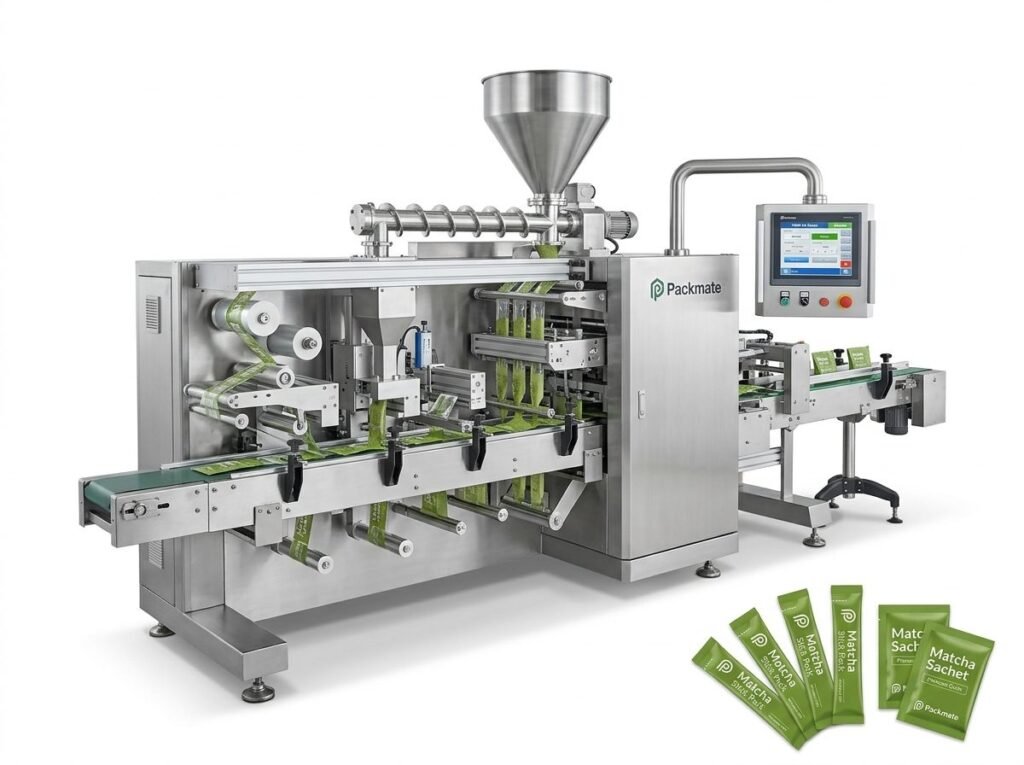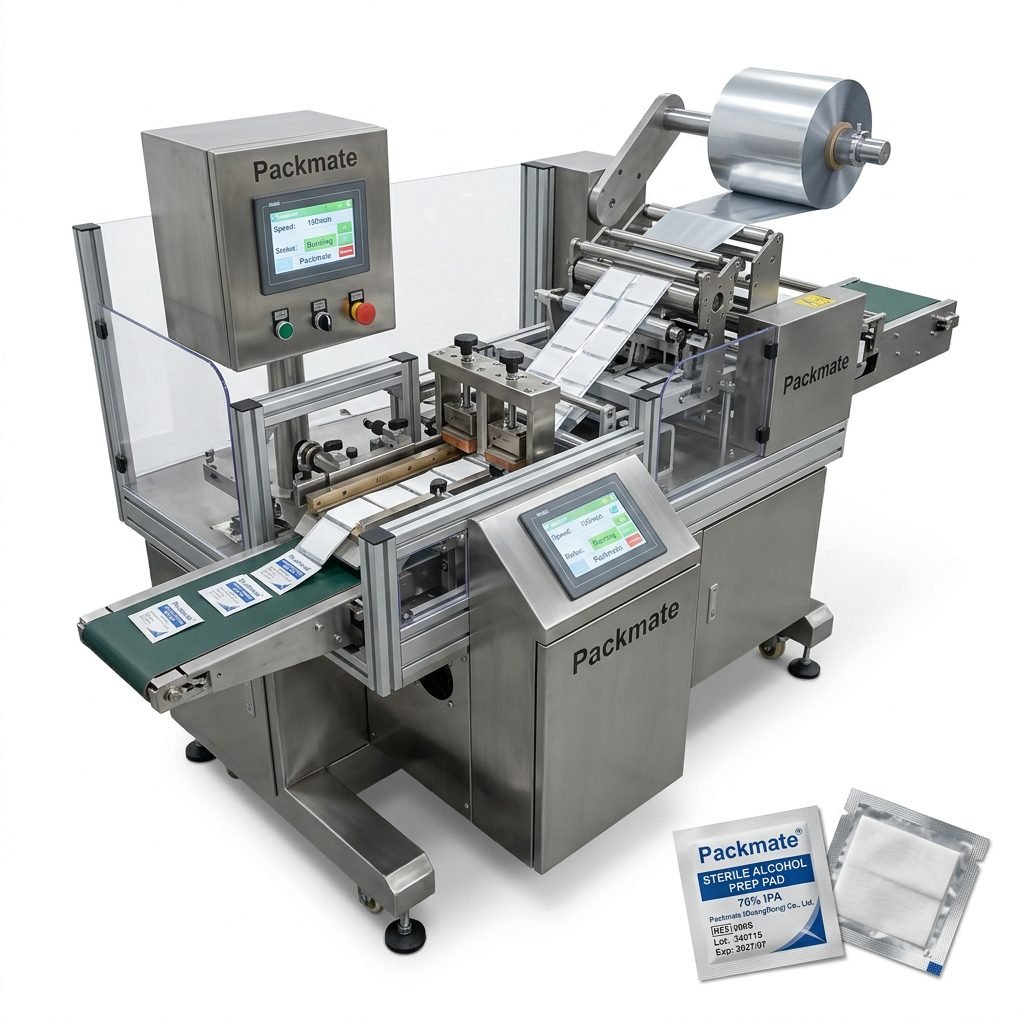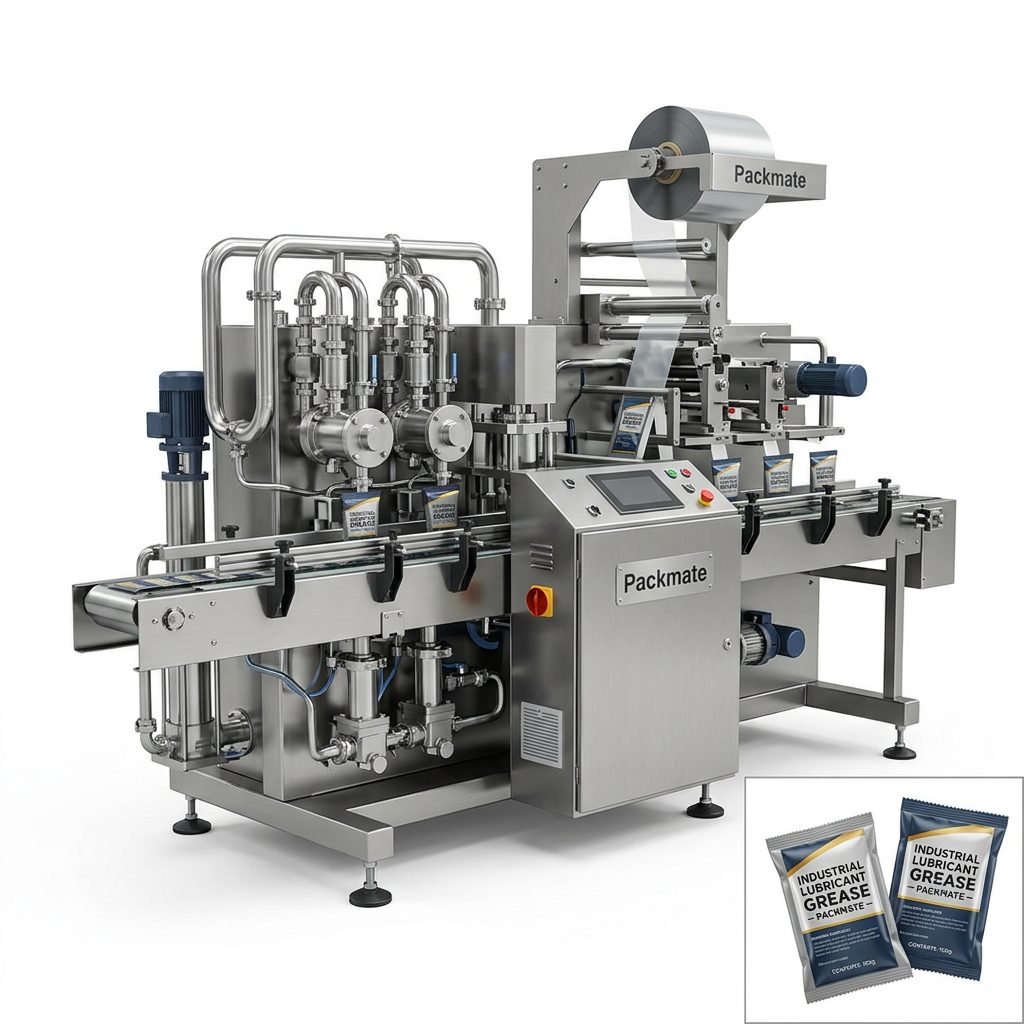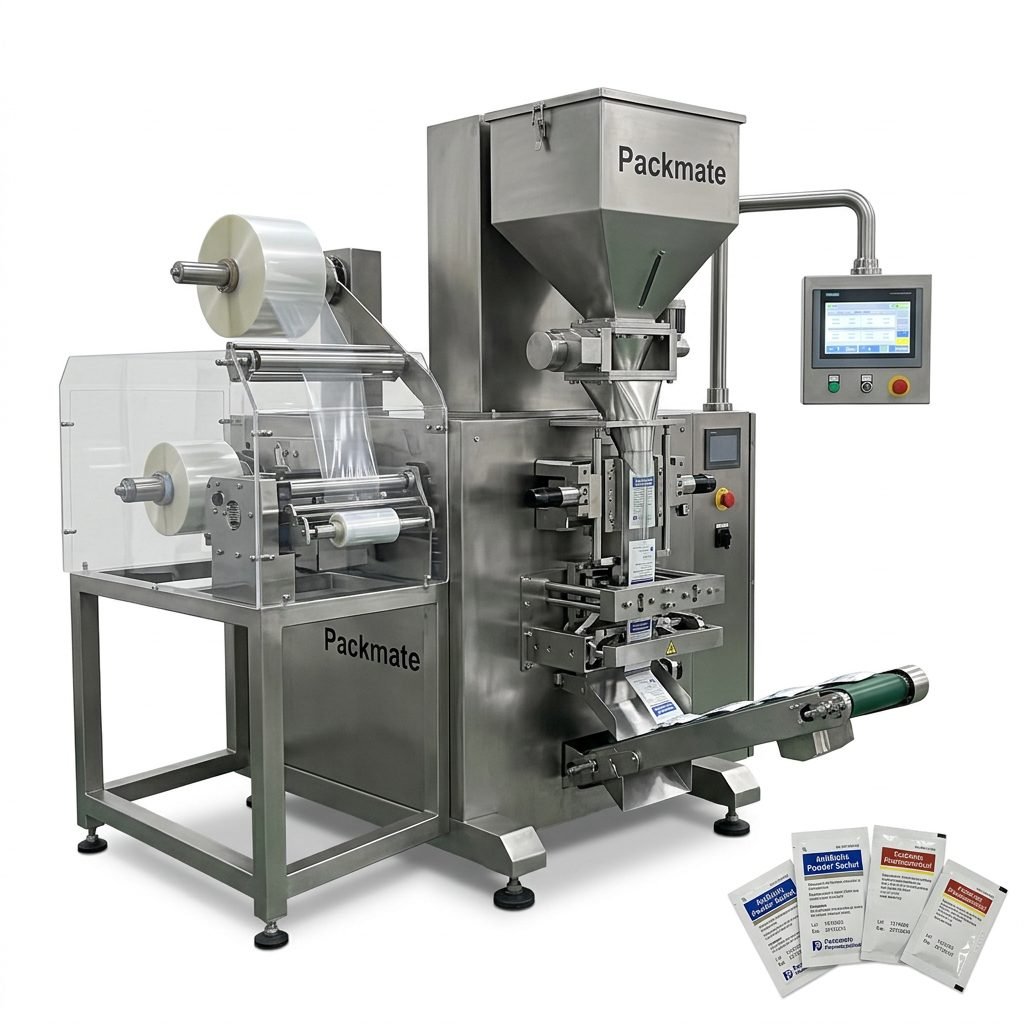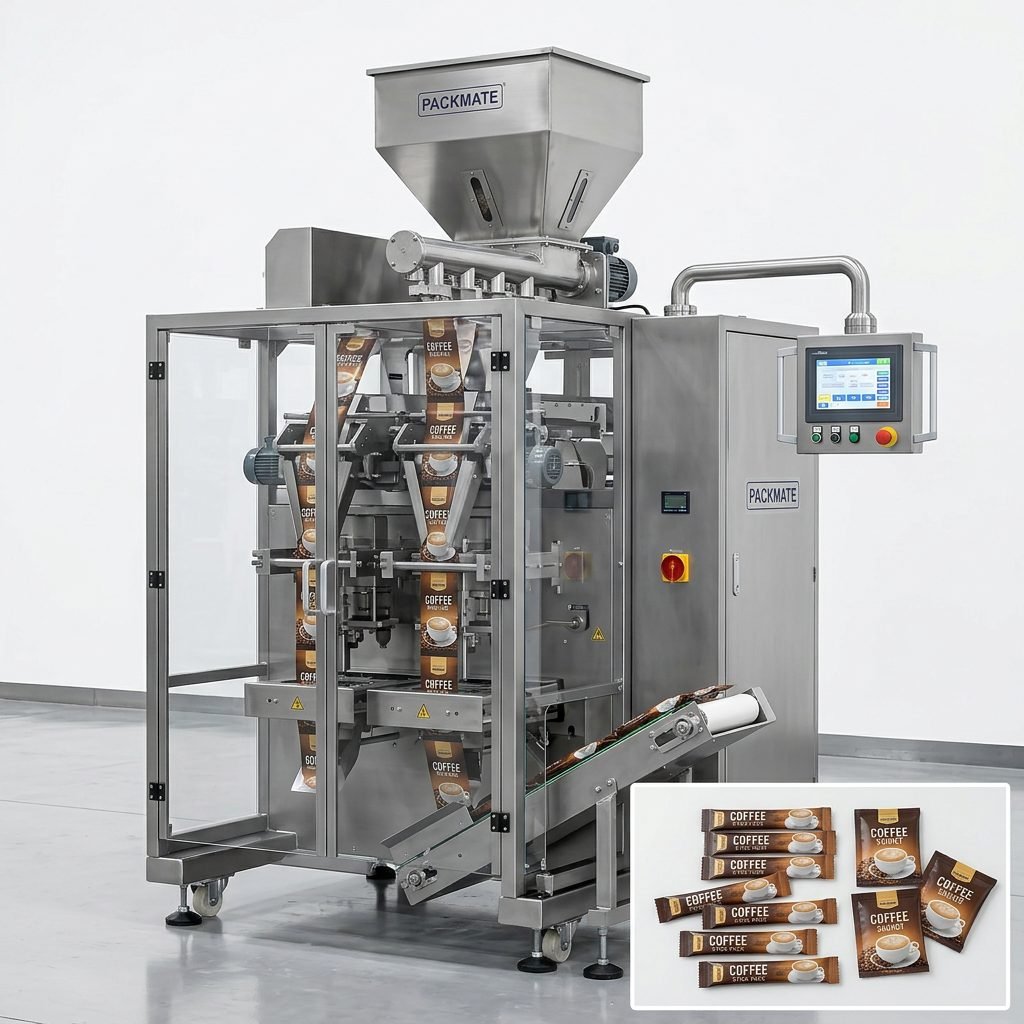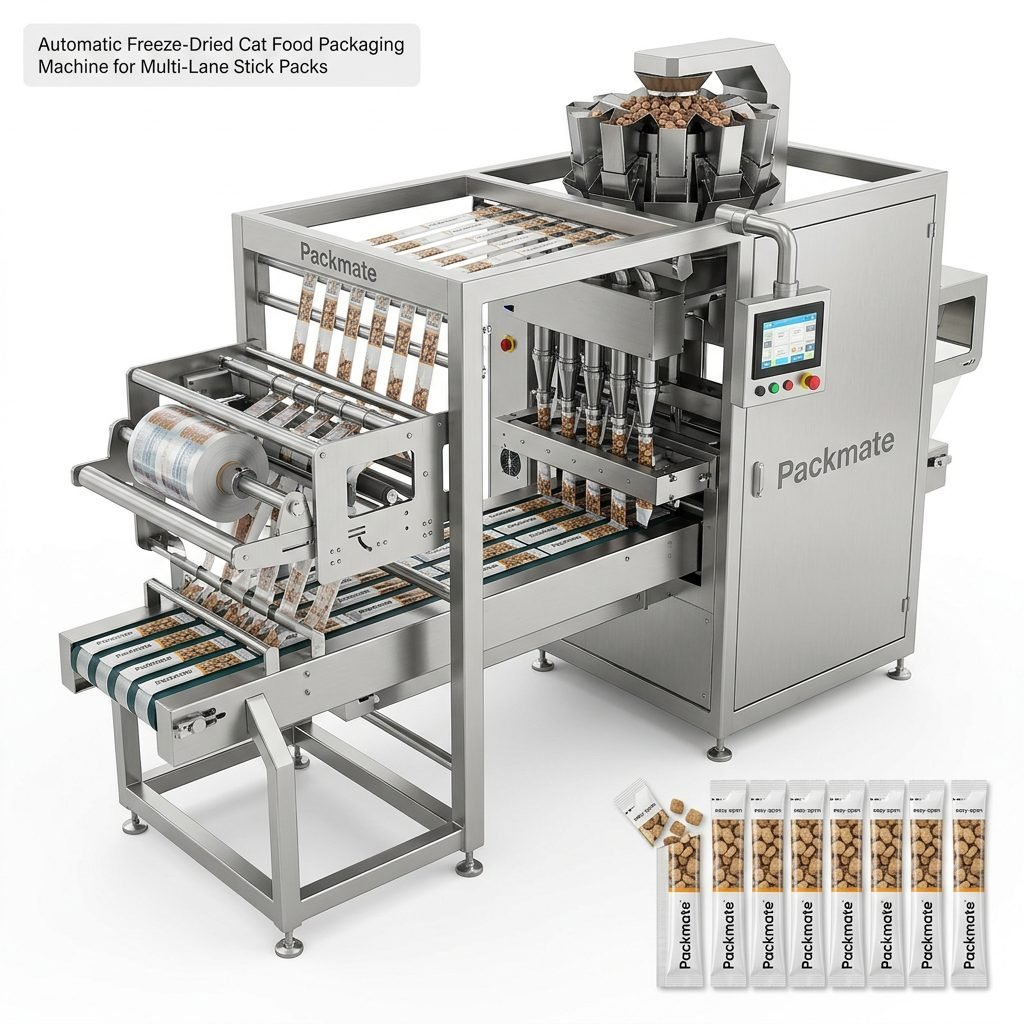
The cosmetics industry thrives on precision, hygiene, and aesthetic appeal, not just in the final product but throughout its entire creation journey. At the heart of this journey lies the critical process of filling and sealing, where efficiency and accuracy directly impact product quality, brand reputation, and the bottom line. Manual or semi-automated processes, while once standard, now present significant bottlenecks—prone to inconsistencies, contamination risks, and limited scalability. This is where the transformative power of a fully automated cosmetic packaging line becomes undeniable. Implementing a complete, turnkey automated solution for high-efficiency filling and sealing is no longer a luxury for leading brands; it is a strategic imperative for sustainable growth and market competitiveness.
The Core Advantages of Automation in Cosmetic Packaging
Transitioning to an automated packaging line delivers a multitude of benefits that address the core challenges of modern cosmetic manufacturing.
Unmatched Precision and Consistent Quality
Every drop of serum, every gram of cream, and every milliliter of lotion is dispensed with robotic accuracy. Automated fillers eliminate human error, ensuring each unit contains the exact specified volume or weight. This consistency is paramount for brand integrity, customer satisfaction, and regulatory compliance, especially for high-value or active-ingredient-based products.
Dramatically Enhanced Production Efficiency & Speed
Automated lines operate continuously at optimized speeds, far surpassing manual capabilities. Multi-lane filling systems can handle dozens, even hundreds, of units per minute. This dramatic increase in throughput allows companies to meet surging market demands, shorten lead times, and launch new products to market faster. The seamless integration of filling, capping, sealing, and labeling in one continuous flow minimizes downtime and maximizes overall equipment effectiveness (OEE).
Superior Hygiene and Contamination Control
Cosmetic products are highly susceptible to microbial growth and particulate contamination. Automated systems, often designed with clean-in-place (CIP) or sterilize-in-place (SIP) capabilities and enclosed processing zones, significantly reduce human contact with the product. This creates a controlled, hygienic environment that is essential for preserving product efficacy and shelf life, aligning perfectly with stringent Good Manufacturing Practices (GMP).
Significant Reduction in Operational Costs
While the initial investment is considered, the long-term return on investment (ROI) is compelling. Automation reduces labor costs associated with manual filling and minimizes material waste from overfilling or spills. Furthermore, the high reliability and reduced downtime of modern machinery lower maintenance costs and prevent costly production halts.
Components of a Complete Turnkey Filling and Sealing Line
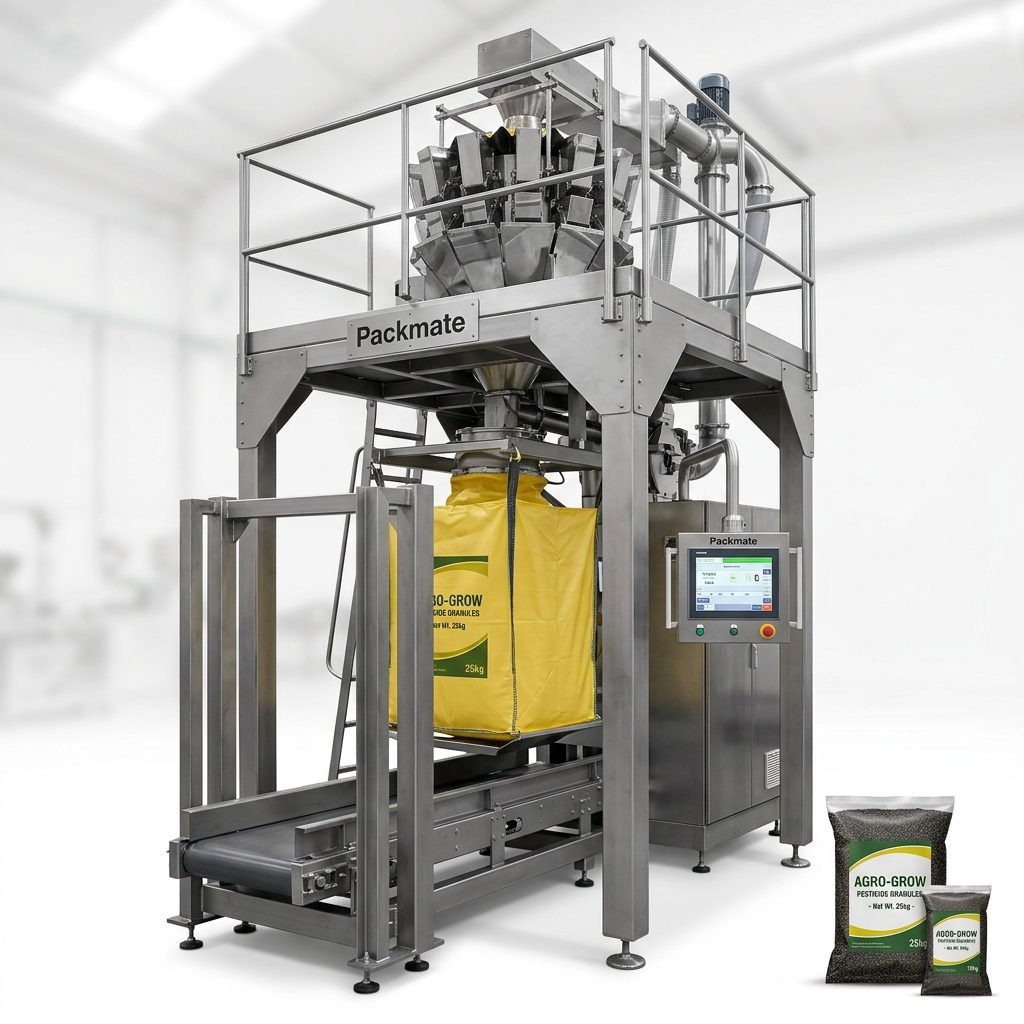
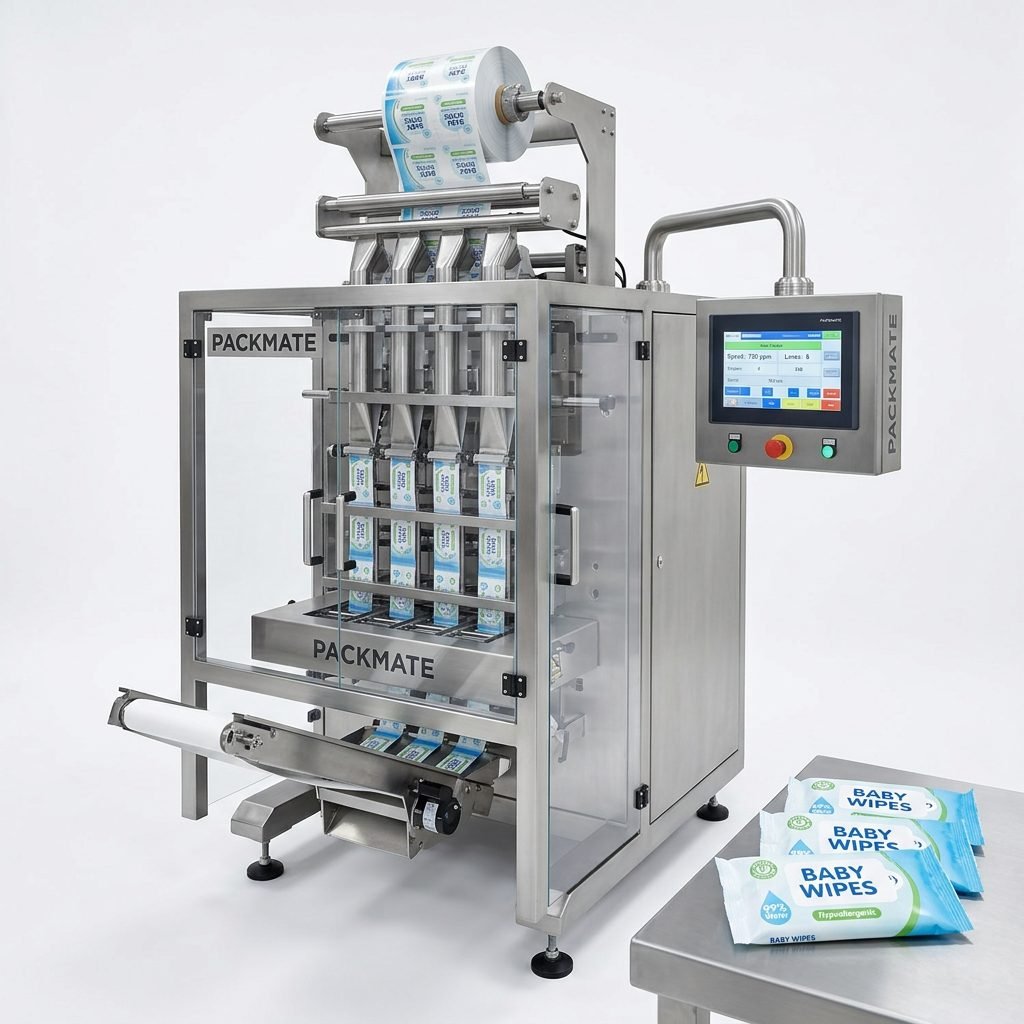
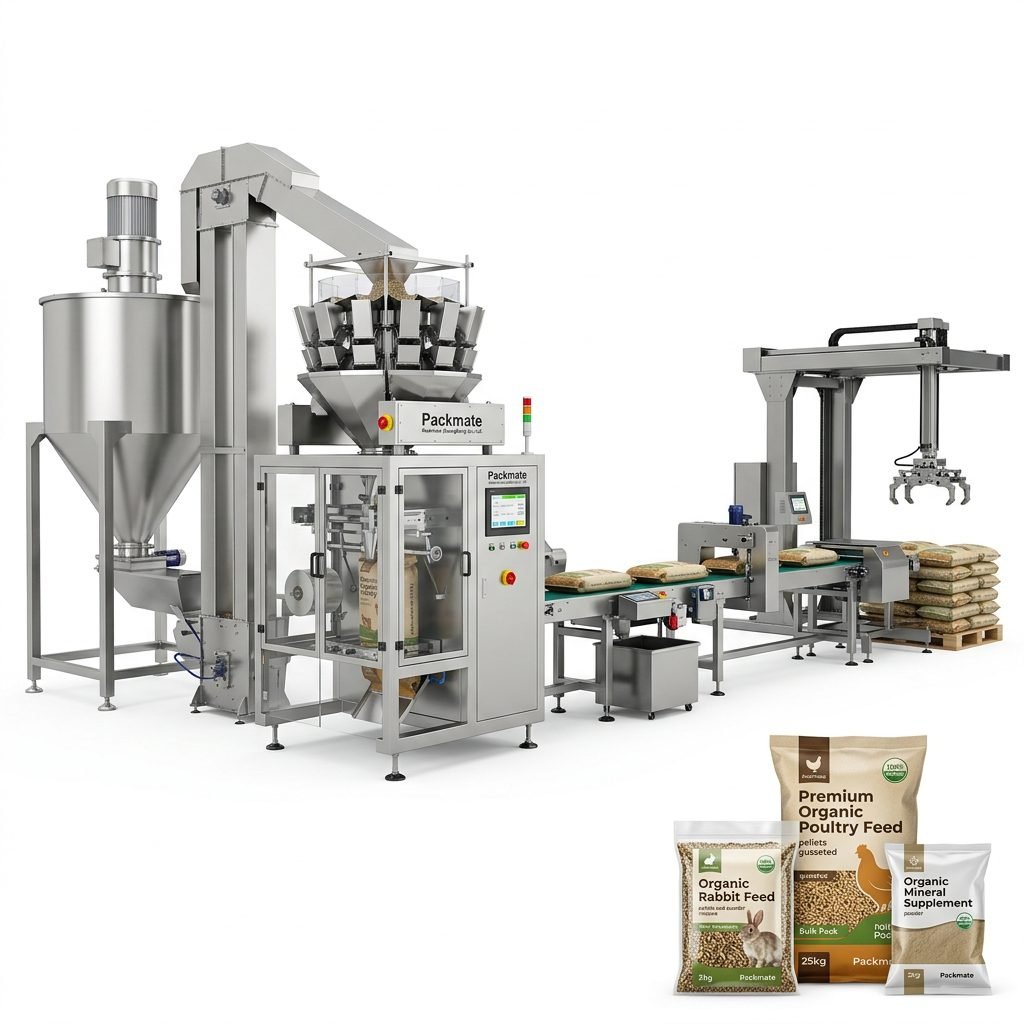
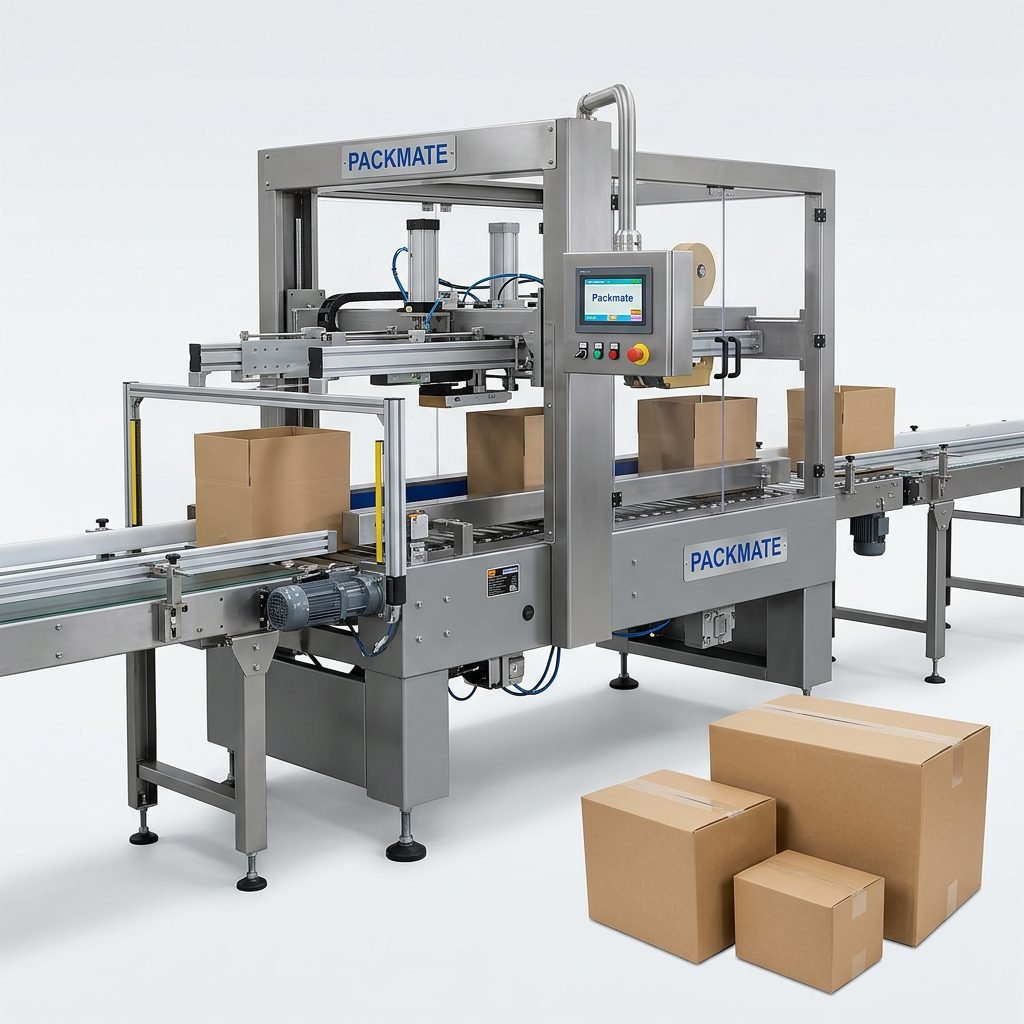
A true turnkey solution is more than just a collection of machines; it is a harmoniously integrated system designed for a specific product range and output goal. Key components include:
1. Automated Feeding and Bottle Unscrambler
This is the starting point, where empty containers (bottles, jars, tubes) are automatically oriented and fed into the line at high speed, ensuring a steady, reliable supply to the filling station.
2. Precision Filling Machines
The heart of the line. Options include:
• Piston Fillers: Ideal for creams, gels, and pastes with high viscosity.
• Peristaltic Pump Fillers: Excellent for sterile, shear-sensitive liquids like serums.
• Volumetric Cup Fillers: Suited for free-flowing powders and granules.
3. Capping and Sealing Stations
Automatically applies screw caps, snap-on lids, pump dispensers, or induction seals with consistent torque and alignment, guaranteeing perfect closure and tamper evidence.
4. Labeling and Coding Systems
Applies primary and secondary labels with precision and prints batch codes, expiry dates, and barcodes directly onto containers, ensuring traceability and compliance.
5. Centralized PLC Control System
The brain of the operation. A user-friendly programmable logic controller (PLC) touchscreen interface allows operators to monitor every parameter, adjust settings on the fly, collect production data, and diagnose issues swiftly.
Why Choose a Partner Like Packmate for Your Turnkey Solution?
Implementing such a complex system requires deep expertise. This is where partnering with an experienced provider like Packmate (GuangDong) Co., Ltd. makes the critical difference. With over 22+ years of company development, Packmate specializes in transforming innovative ideas into reliable, high-performance packaging lines. Their approach goes beyond selling machines; they deliver complete packaging line solutions.
Their strength lies in a professional team of over 125 skilled engineers and technicians who understand the nuanced demands of cosmetic packaging. From the initial concept discussed in their Solutions division to the final installation, they manage the entire project. Clients benefit from their extensive case study library, demonstrating proven success across various product types. Their modern 20,000㎡ manufacturing facility is equipped with 100+ advanced production equipment, allowing them to build, test, and validate the entire line before shipment, ensuring a smooth and rapid startup at your facility.
The Packmate Turnkey Process
1. Consultation & Requirement Analysis → 2. Custom Line Design & Engineering → 3. Manufacturing & Factory Acceptance Test → 4. Installation & Commissioning → 5. Training & After-Sales Service
This seamless process, backed by their founding values of quality and collaboration, minimizes your risk and ensures you receive a line that is not just automated, but optimized for your specific products and growth targets.
Future-Proofing Your Cosmetic Business
Investing in a turnkey automated packaging line is an investment in the future. It provides the agility to scale production up or down, the flexibility to handle a diverse product portfolio (from small sachets to large bottles), and the data-driven insights needed for continuous improvement. In a competitive global market where consumers expect perfection, the reliability, efficiency, and quality assurance offered by automation are indispensable. By partnering with a seasoned expert like Packmate, cosmetic brands can secure a robust, high-efficiency production foundation that drives growth for years to come. Explore their comprehensive Home page to begin your automation journey.
Frequently Asked Questions (FAQs)
1. What is the typical lead time for a complete turnkey packaging line?
The lead time varies significantly based on the line’s complexity, customization level, and production capacity. For standard configurations, it can range from 16 to 24 weeks from order confirmation to delivery. A detailed project timeline is always provided after the initial engineering review.
2. Can an automated line handle frequent product changeovers?
Yes, modern lines are designed for flexibility. Quick-change parts, recipe storage in the PLC, and modular design allow for efficient changeovers between different container sizes, product types, and filling volumes, minimizing downtime during production shifts.
3. How do you ensure the line meets our specific hygiene and safety standards?
Reputable providers like Packmate design lines in compliance with international standards (e.g., GMP, ISO). They use sanitary-grade materials (e.g., 316L stainless steel), design for easy cleaning, and can incorporate features like CIP systems, laminar flow hoods, or full enclosure based on your specific sanitary protocol requirements.
4. What kind of training and after-sales support is provided?
Comprehensive training for your operators and maintenance technicians is a crucial part of any turnkey project. This typically includes training at the factory during the Factory Acceptance Test (FAT) and on-site training during commissioning. Ongoing support includes remote technical assistance, a supply of spare parts, and regular service visits.
5. Is it possible to automate if we have limited factory floor space?
Absolutely. A key part of the design phase is creating a layout that optimizes the workflow within your available space. Compact, linear, or even U-shaped layouts can be engineered to maximize efficiency in smaller footprints. Discussing your spatial constraints early with your solution provider is essential.