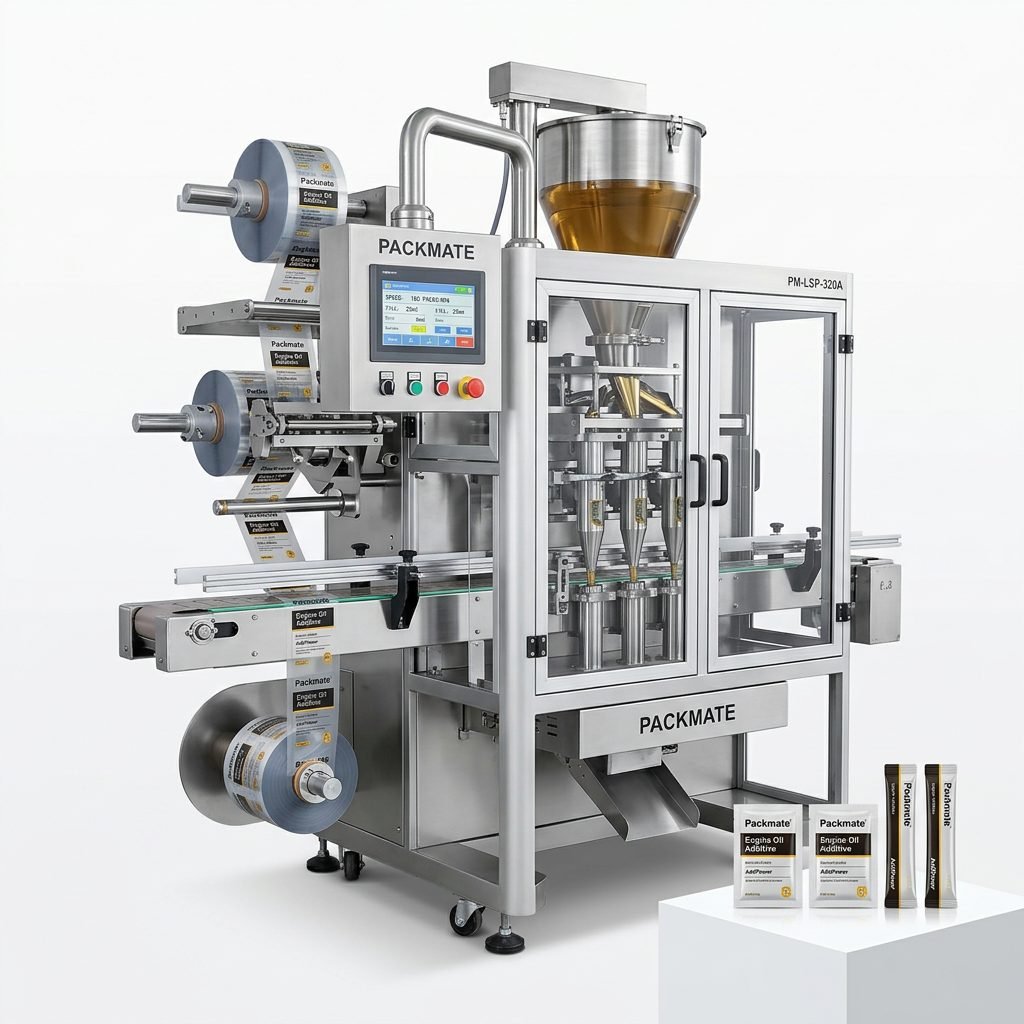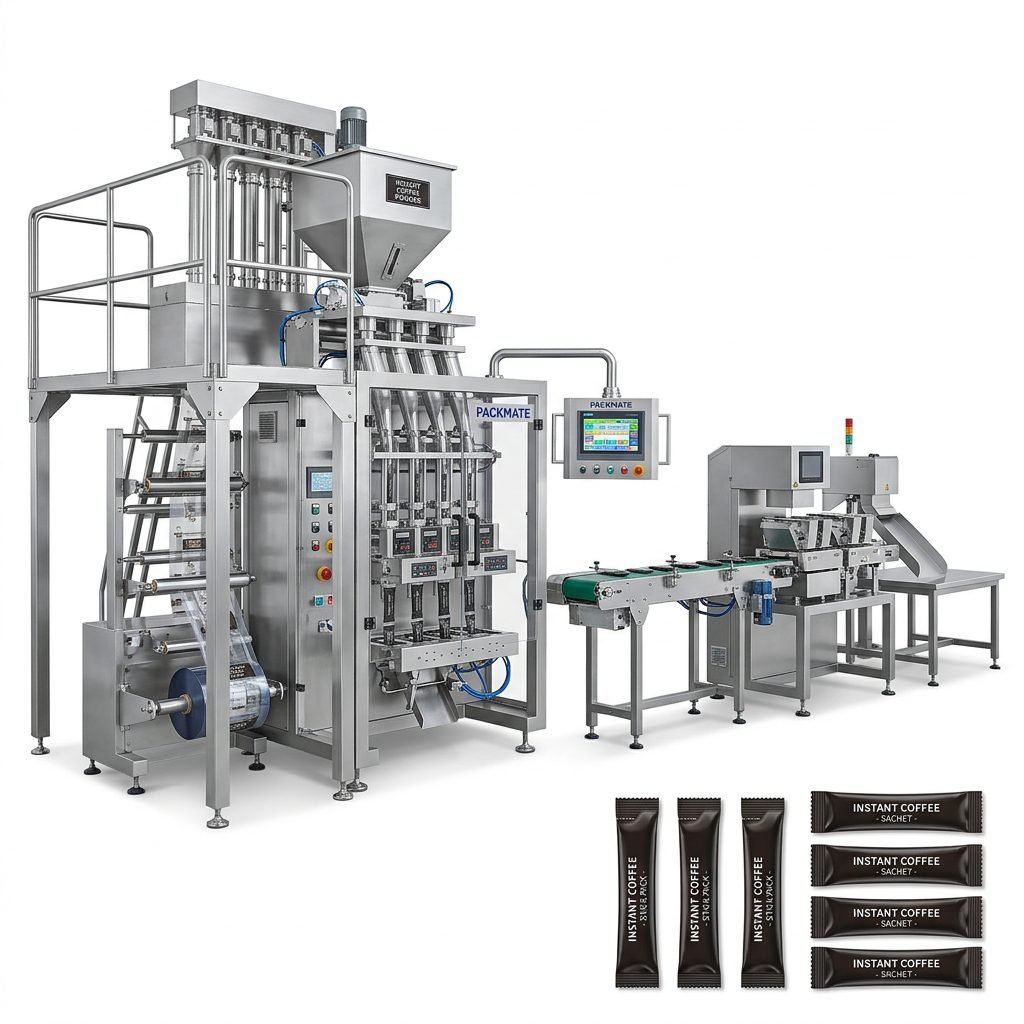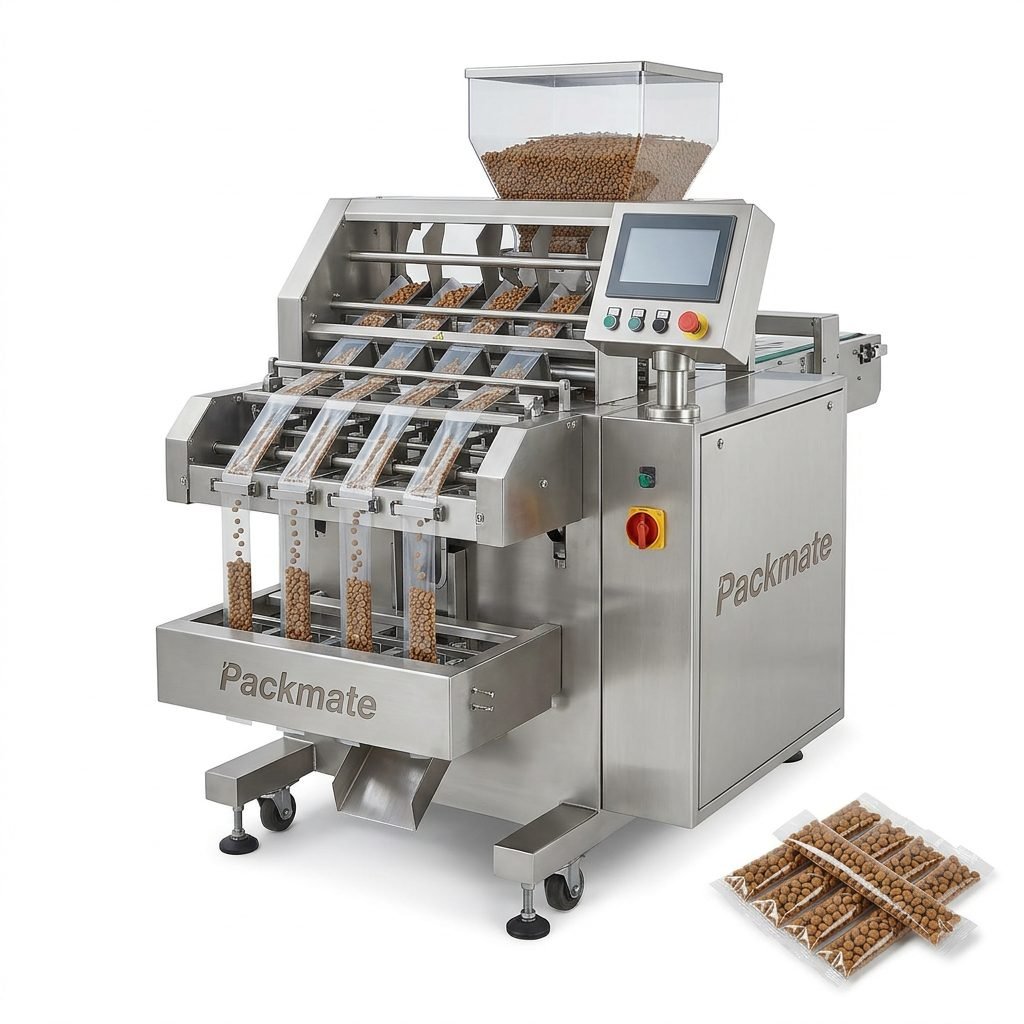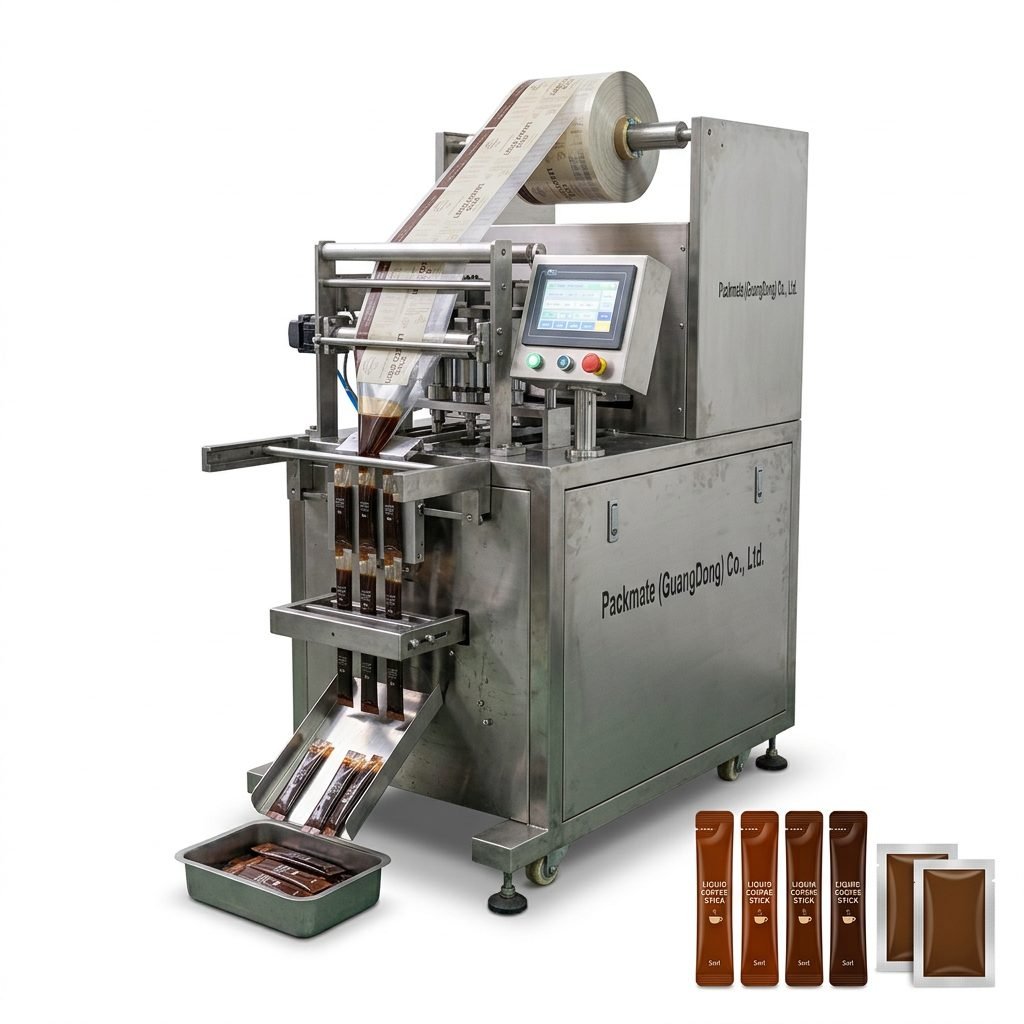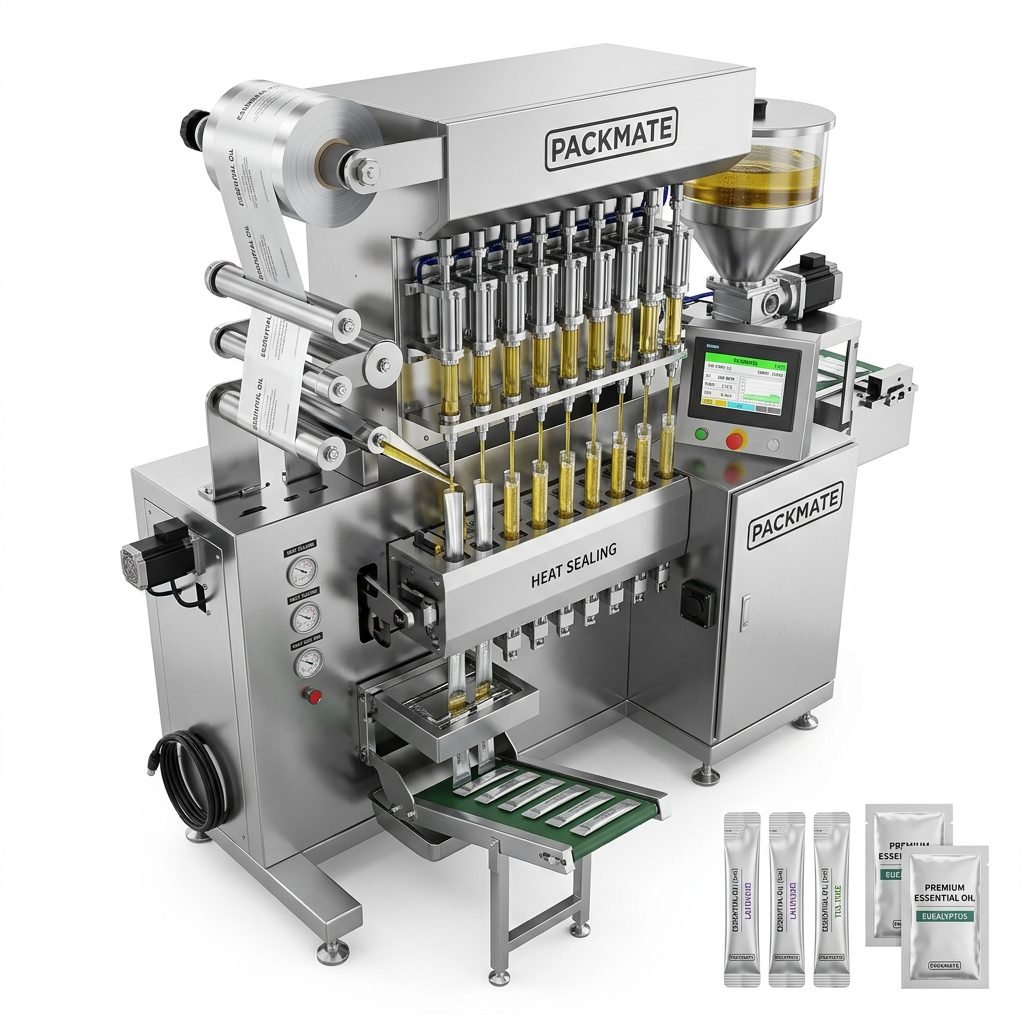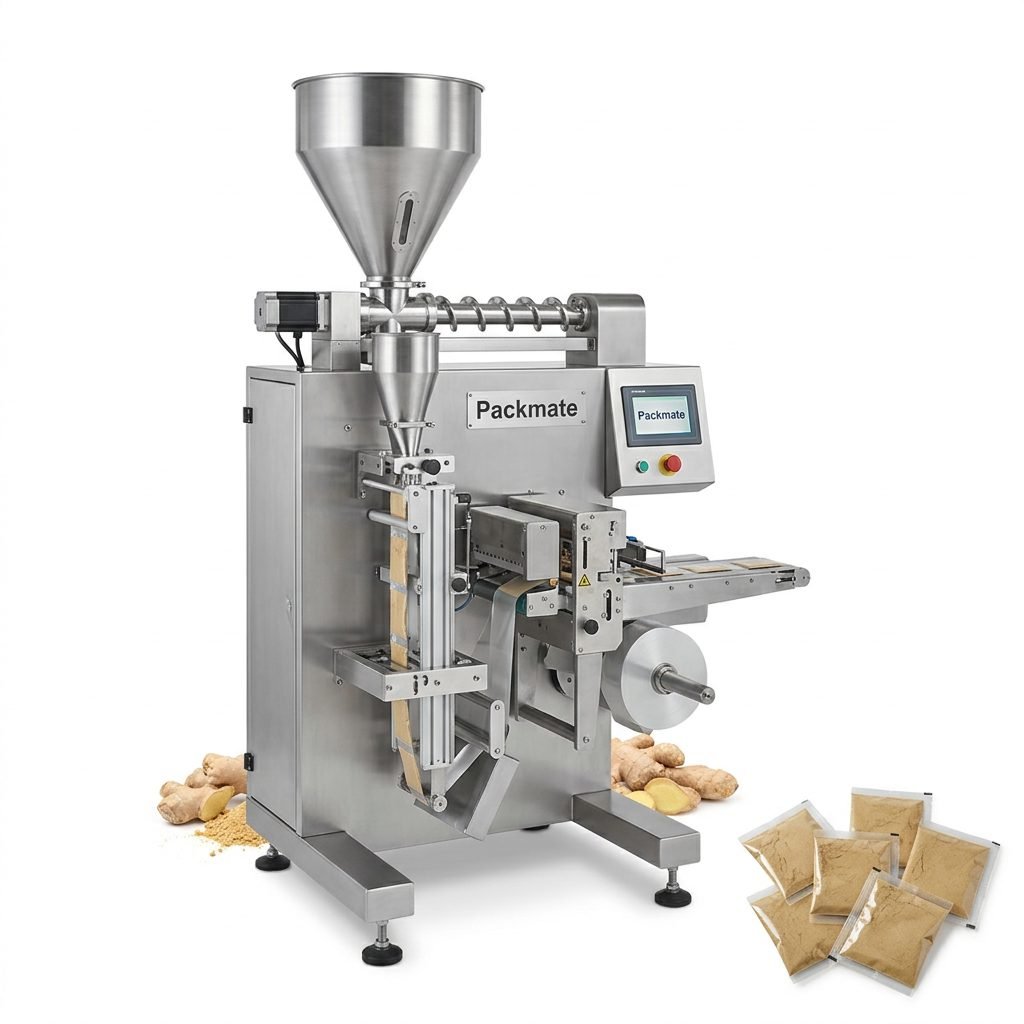
In today’s fast-paced, quality-conscious manufacturing landscape, the packaging line is no longer just an endpoint—it’s a critical nexus of data, efficiency, and brand integrity. For industries where safety, traceability, and precision are non-negotiable, such as food, pharmaceuticals, and health products, embracing digitally connected packaging line solutions is not merely an upgrade; it’s a strategic imperative for future-proofing operations and gaining a competitive edge.
The Imperative for Digital Connectivity in Sensitive Industries
The journey of a product, from raw material to the consumer’s hands, is under unprecedented scrutiny. Regulatory bodies demand stringent documentation, consumers seek transparency, and market dynamics require agile responses. A traditional, siloed packaging line struggles to meet these multifaceted demands. Digitally connected solutions bridge this gap by transforming isolated machines into a cohesive, intelligent network.
Core Advantage: The fundamental shift is from reactive to proactive management. Real-time data collection and analysis allow for immediate intervention, predictive maintenance, and continuous optimization, directly impacting Overall Equipment Effectiveness (OEE).
Key Pillars of a Connected Packaging Ecosystem
A robust digitally connected system rests on several interconnected pillars that work in unison to deliver comprehensive oversight and control.
1. Integrated Machine Monitoring & Control
At the heart of the system lies the seamless integration of all line components—fillers, sealers, labelers, cartoners, and palletizers. A centralized Supervisory Control and Data Acquisition (SCADA) or Manufacturing Execution System (MES) interface provides a single pane of glass for operators. This enables real-time monitoring of speed, output, downtime reasons, and machine status, turning vast amounts of operational data into actionable insights. For a deeper look at how these systems are implemented, explore our tailored packaging solutions.
2. Traceability & Serialization
This is paramount for pharma and health products. Connected lines integrate vision systems, scanners, and printing technologies to assign unique identifiers (like 2D Data Matrix codes) to each saleable unit, bundle, and case. This creates a digital thread, enabling full track-and-trace throughout the supply chain to combat counterfeiting, manage recalls with pinpoint accuracy, and comply with regulations like the U.S. Drug Supply Chain Security Act (DSCSA) and EU Falsified Medicines Directive.
Iconic Benefit: ✓ End-to-End Visibility: Know the exact history and location of any product batch in seconds.
3. Quality Assurance & Inspection
Automated, camera-based inspection systems are networked to continuously verify critical quality parameters: fill level, label presence and accuracy, seal integrity, and cap placement. Any defect triggers an immediate automatic rejection and logs the event with associated data (time, batch, image). This not only ensures 100% inspection but also builds a historical quality database for trend analysis and process improvement. See real-world applications in our detailed project case studies.
4. Data Analytics & Performance Intelligence
The true value of connectivity is unlocked through analytics. Cloud-based platforms analyze aggregated data to generate performance dashboards, OEE reports, and predictive insights. Managers can identify recurring bottlenecks, predict component failures before they cause downtime, and optimize production schedules based on actual machine performance data, driving continuous improvement cycles.
Tangible Benefits Across Food, Pharma, and Health Sectors
For the Pharmaceutical Industry
Compliance and patient safety are the driving forces. Connected lines ensure data integrity (ALCOA+ principles), automate the generation of electronic batch records, and provide immutable audit trails. This reduces compliance risk, accelerates time-to-market for new drugs, and safeguards brand reputation.
For the Food & Beverage Industry
The focus shifts to efficiency, freshness, and label compliance. Real-time monitoring minimizes giveaway (overfilling), ensures accurate ingredient and allergen labeling, and optimizes changeover times between SKUs. Connected systems also enhance recall preparedness, allowing producers to isolate affected lots with precision, minimizing waste and brand damage.
For Health & Nutraceutical Products
This sector often blends the requirements of both food and pharma. Consumers demand premium quality and authenticity. Digital connectivity helps enforce strict quality standards, provides transparency for marketing claims (e.g., organic, non-GMO), and builds consumer trust through scannable codes that tell a product’s story.
Implementing such advanced systems requires a partner with deep technical expertise and industry knowledge. At Packmate (GuangDong) Co., Ltd., we leverage over 30 years of experience to design and integrate these intelligent solutions into reliable, turnkey packaging lines. Our commitment is detailed in our comprehensive company profile.
Implementation Roadmap: From Vision to Reality
Transitioning to a digitally connected line is a strategic project. A successful implementation typically follows these phases:
Assessment & Planning: Analyze current processes, define key performance indicators (KPIs), and select the right technology stack (sensors, PLCs, SCADA/MES software).
Phased Integration: Start by connecting core machines for data collection, then layer on inspection, traceability, and advanced analytics modules. This minimizes disruption and allows for learning and adjustment.
Change Management & Training: Equip your team with the skills to operate and interpret data from the new system. Their engagement is critical for success.
Continuous Optimization: Use the insights gained to refine processes, update maintenance schedules, and drive incremental efficiency gains.
Conclusion: The Connected Future is Now
The digital transformation of packaging lines is an undeniable trend shaping the future of manufacturing. For producers in the food, pharma, and health sectors, investing in connected solutions is an investment in resilience, compliance, and market leadership. It transforms the packaging floor from a cost center into a strategic asset brimming with intelligence, enabling businesses to produce safer, higher-quality products with unparalleled efficiency and transparency. The journey begins with a clear vision and the right technology partner.
Frequently Asked Questions (FAQs)
1. What is the primary benefit of a digitally connected packaging line?
The primary benefit is actionable visibility and control. It transforms raw machine data into real-time insights, enabling proactive decision-making to reduce downtime, ensure quality, optimize efficiency, and guarantee full traceability—directly boosting profitability and compliance.
2. Is this technology only for large-scale manufacturers?
Absolutely not. While the scale of implementation may vary, the core principles of connectivity are scalable. Modern, modular solutions allow small and medium-sized enterprises (SMEs) to start with basic machine monitoring and data logging, then expand capabilities (like vision inspection or serialization) as their business grows and needs evolve.
3. How does digital connectivity improve regulatory compliance?
It automates and digitizes critical compliance data. Connected systems automatically generate accurate, tamper-evident electronic batch records, maintain complete audit trails for all actions on the line, and ensure 100% inspection and traceability. This reduces human error, simplifies audits, and provides undeniable proof of compliance with standards like FDA 21 CFR Part 11, EU GMP, and FSMA.
4. What is the typical ROI for such an investment?
Return on Investment (ROI) is realized through multiple channels: increased OEE (from reduced downtime and faster changeovers), lower waste (from precise filling and automated rejection of defects), reduced labor costs for manual checks and data entry, and avoided costs from recalls or compliance penalties. Most operations see a payback period of 1-3 years.
5. Can we connect our existing, older packaging machines?
In many cases, yes. Retrofitting is a common path. This involves adding modern sensors, IoT gateways, or upgraded PLCs to legacy equipment to extract operational data. The feasibility depends on the machine’s age and control system. A professional assessment by an expert like our team at Packmate can determine the best retrofit strategy versus integrating new, inherently connected machinery. For more answers, visit our dedicated FAQs page.