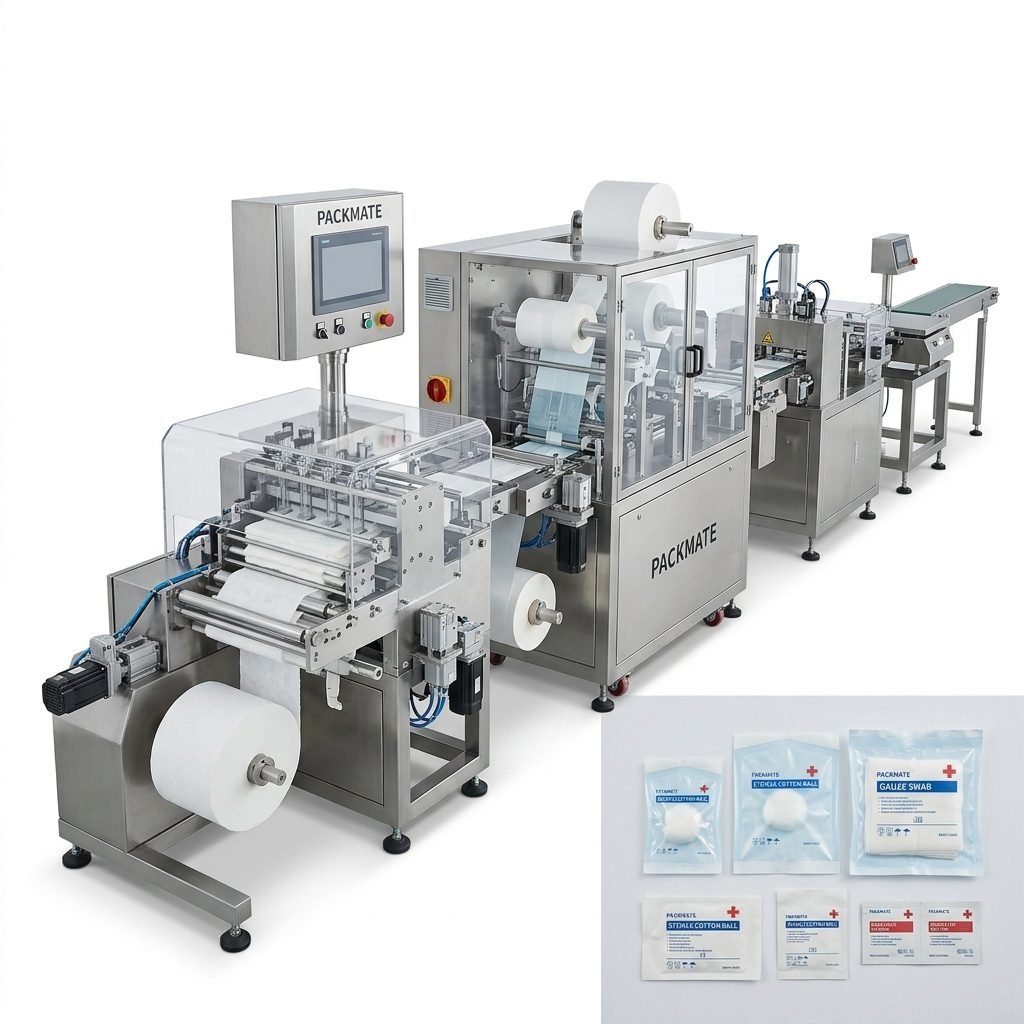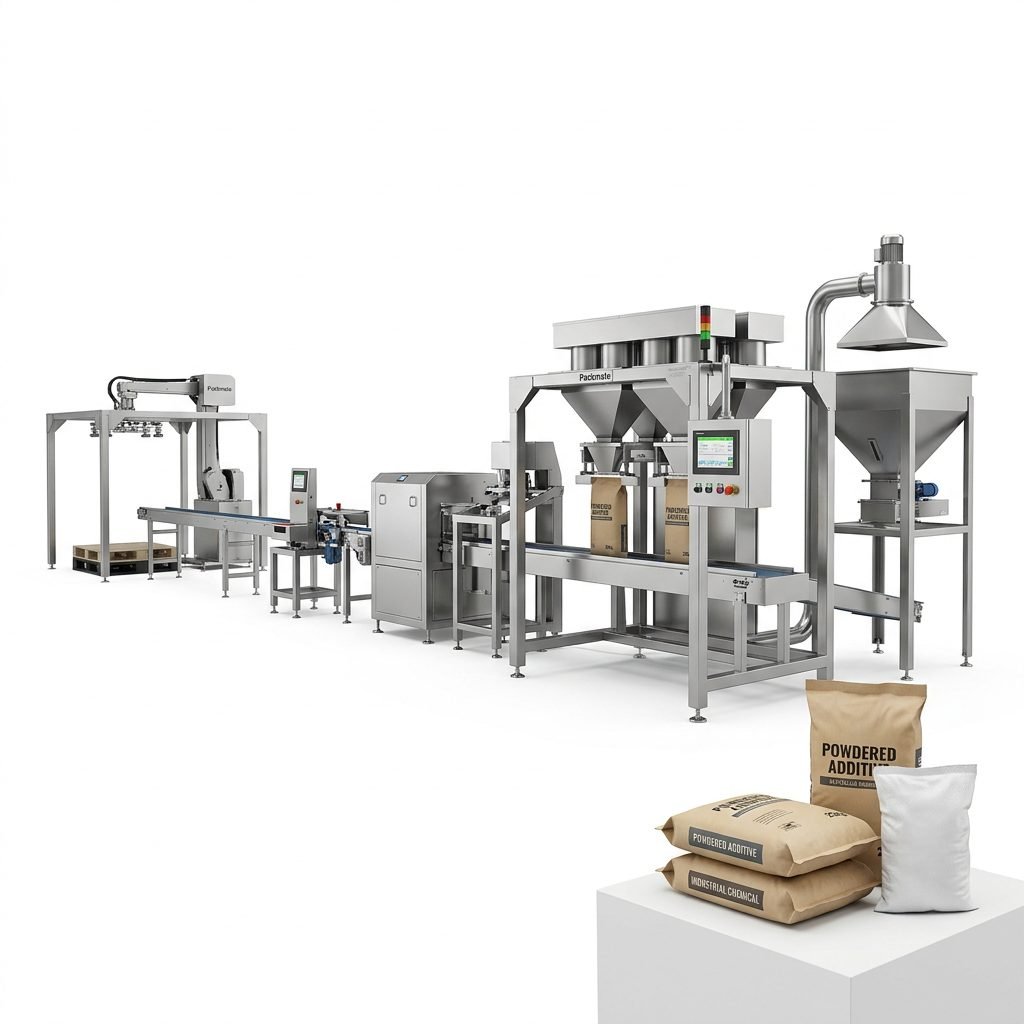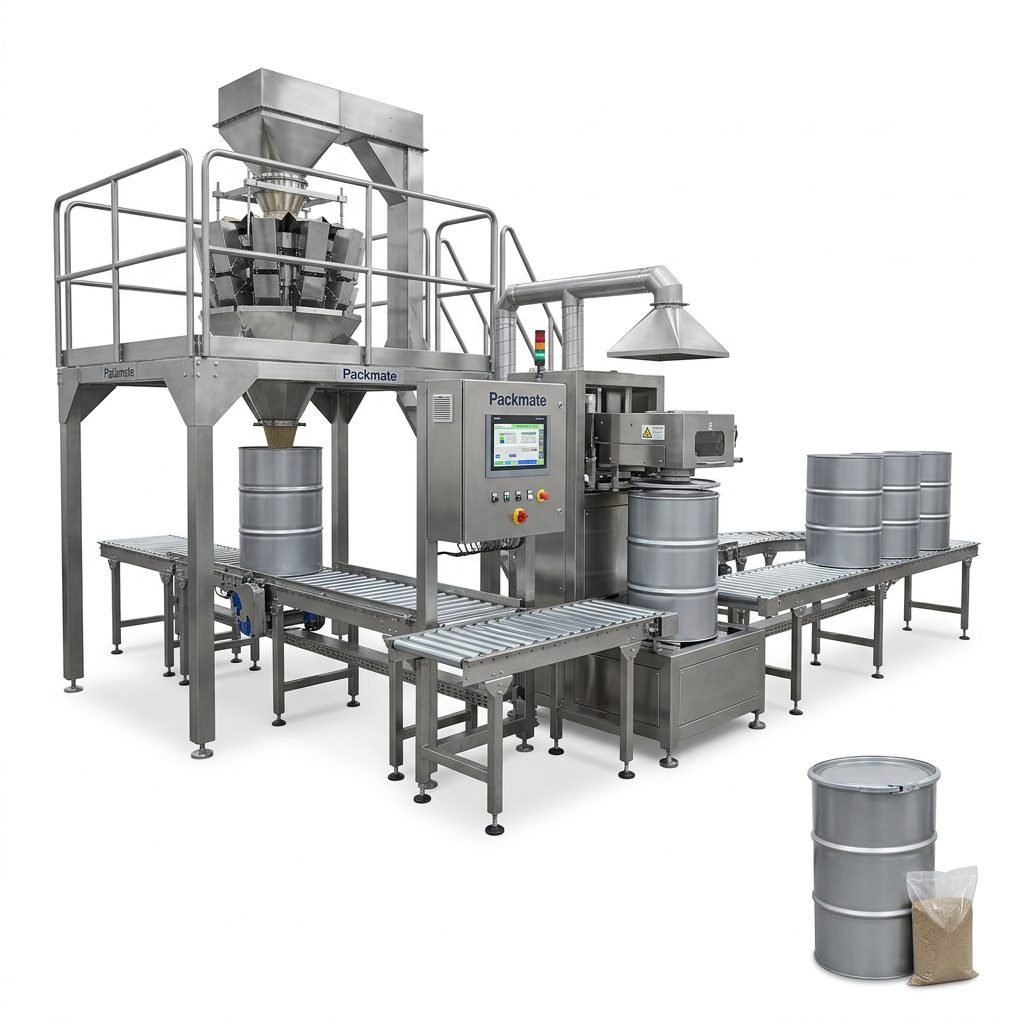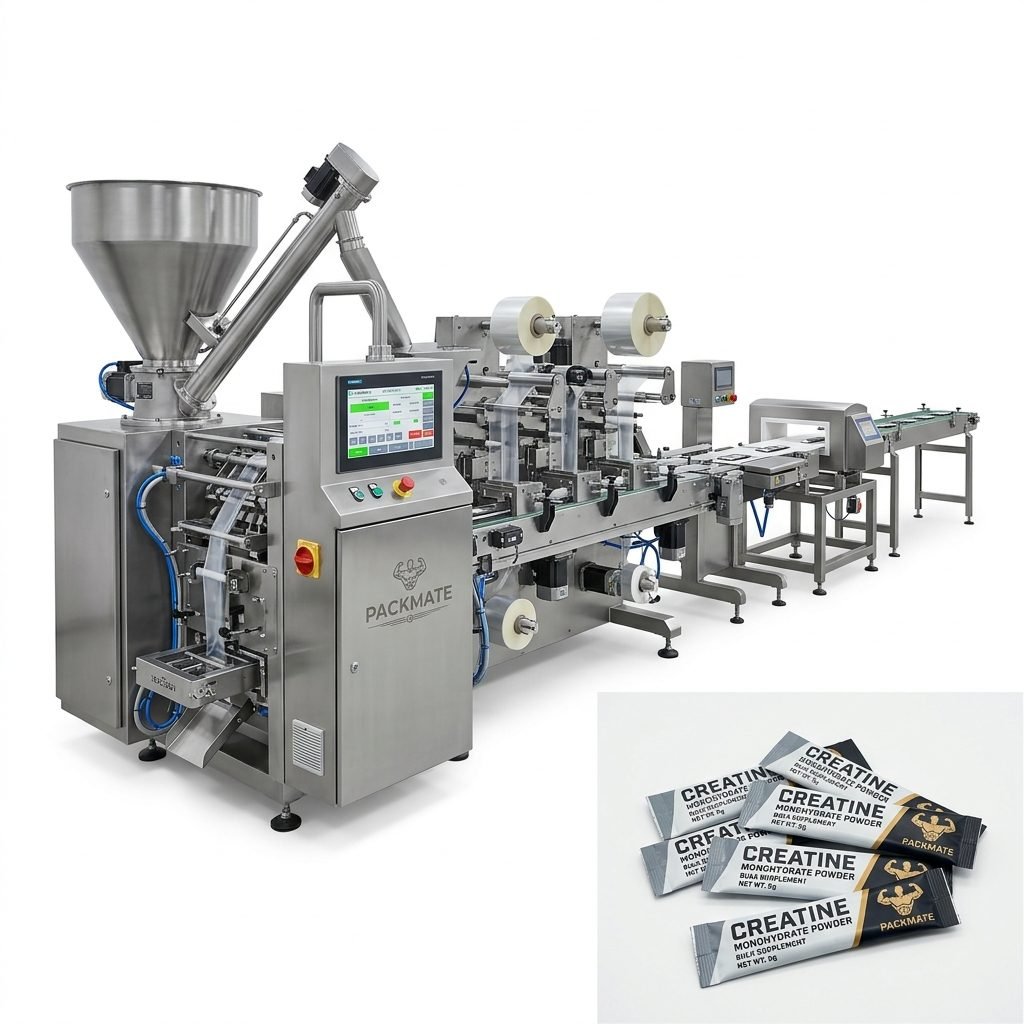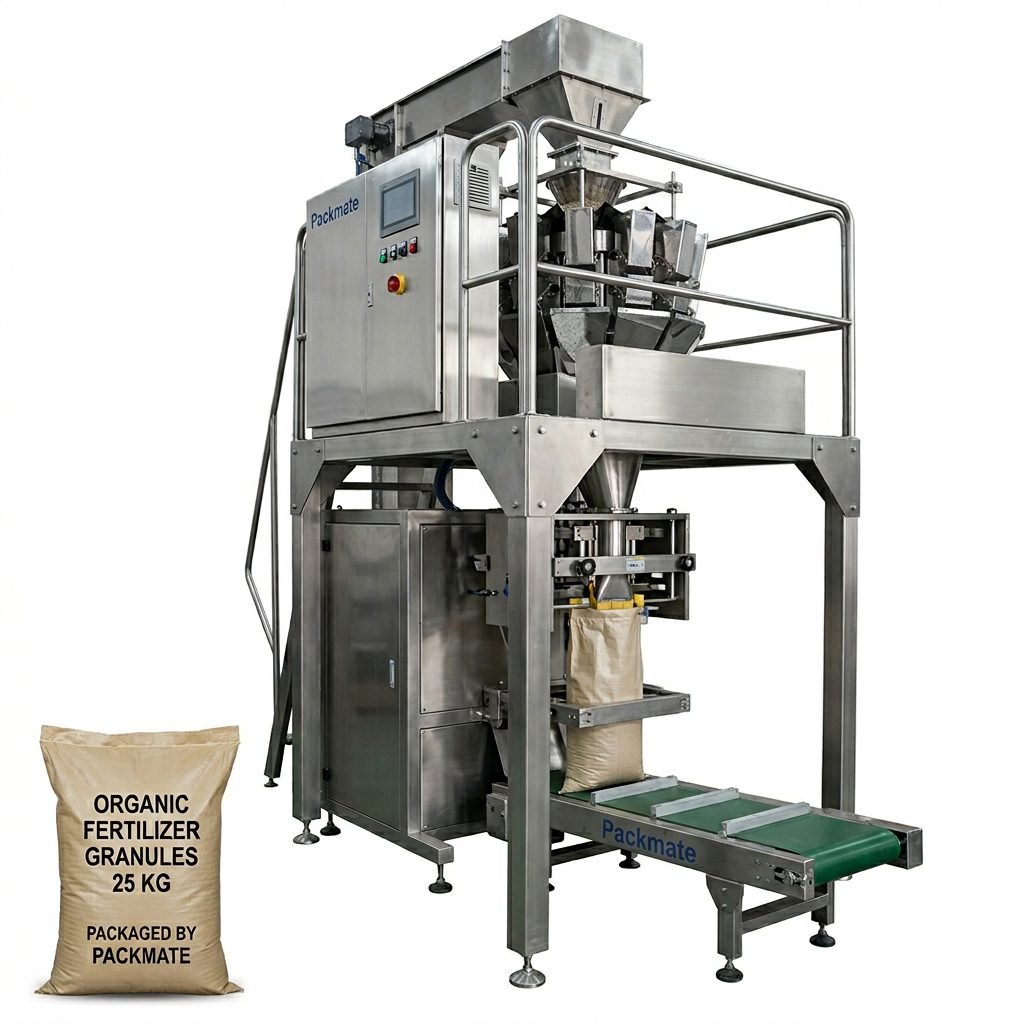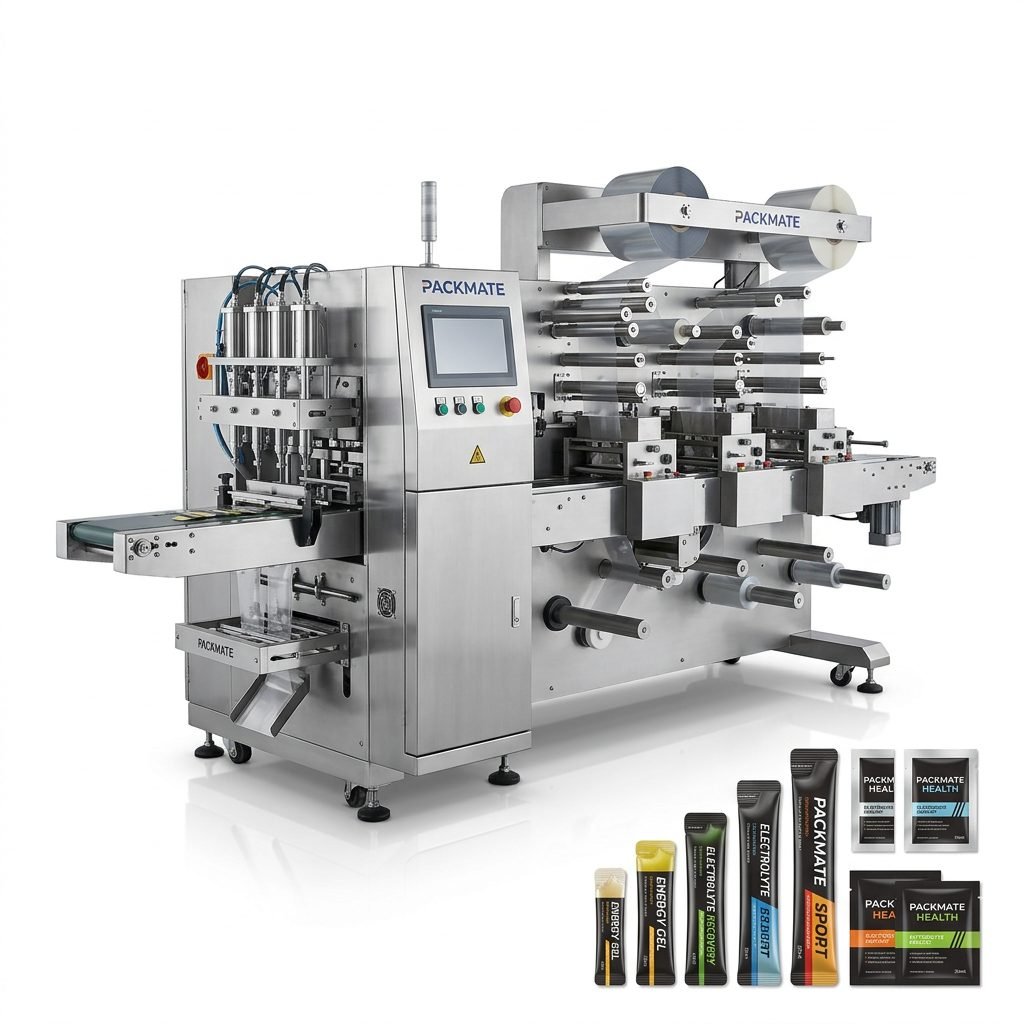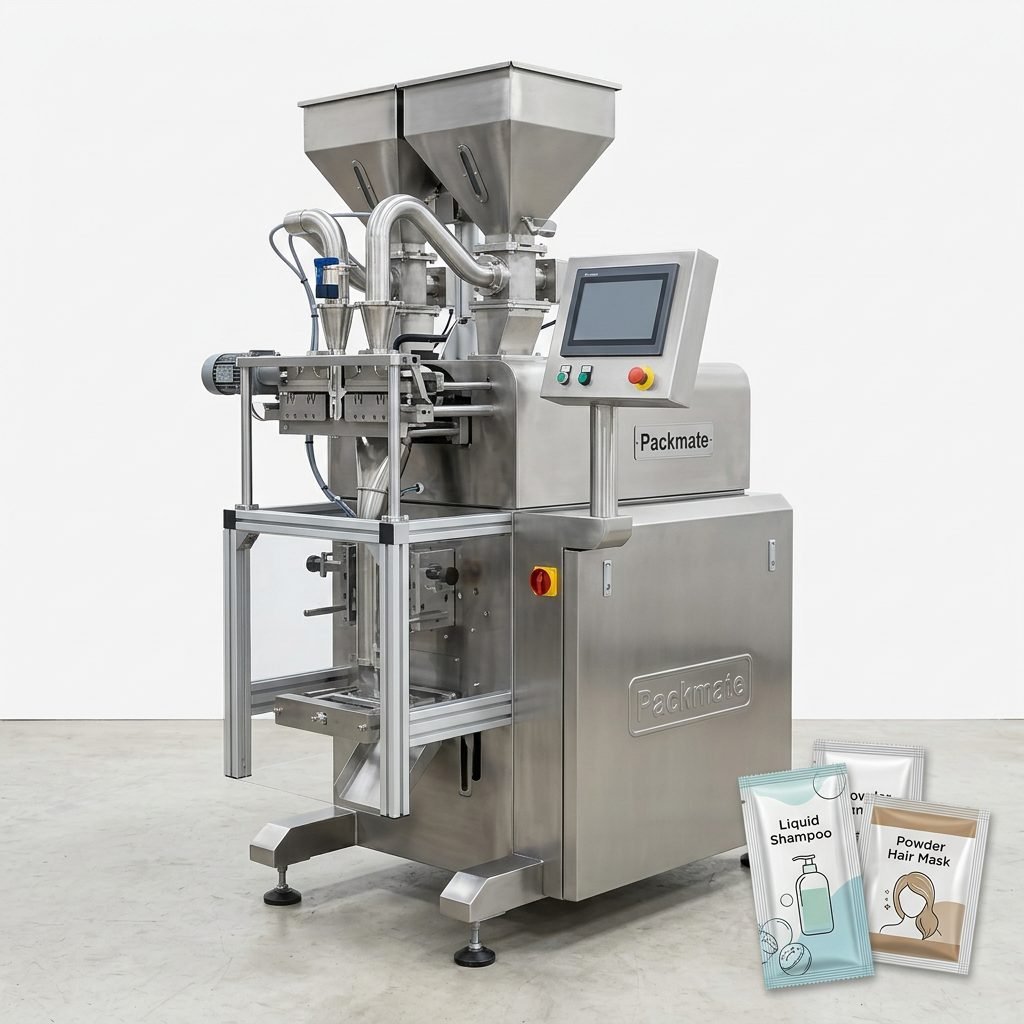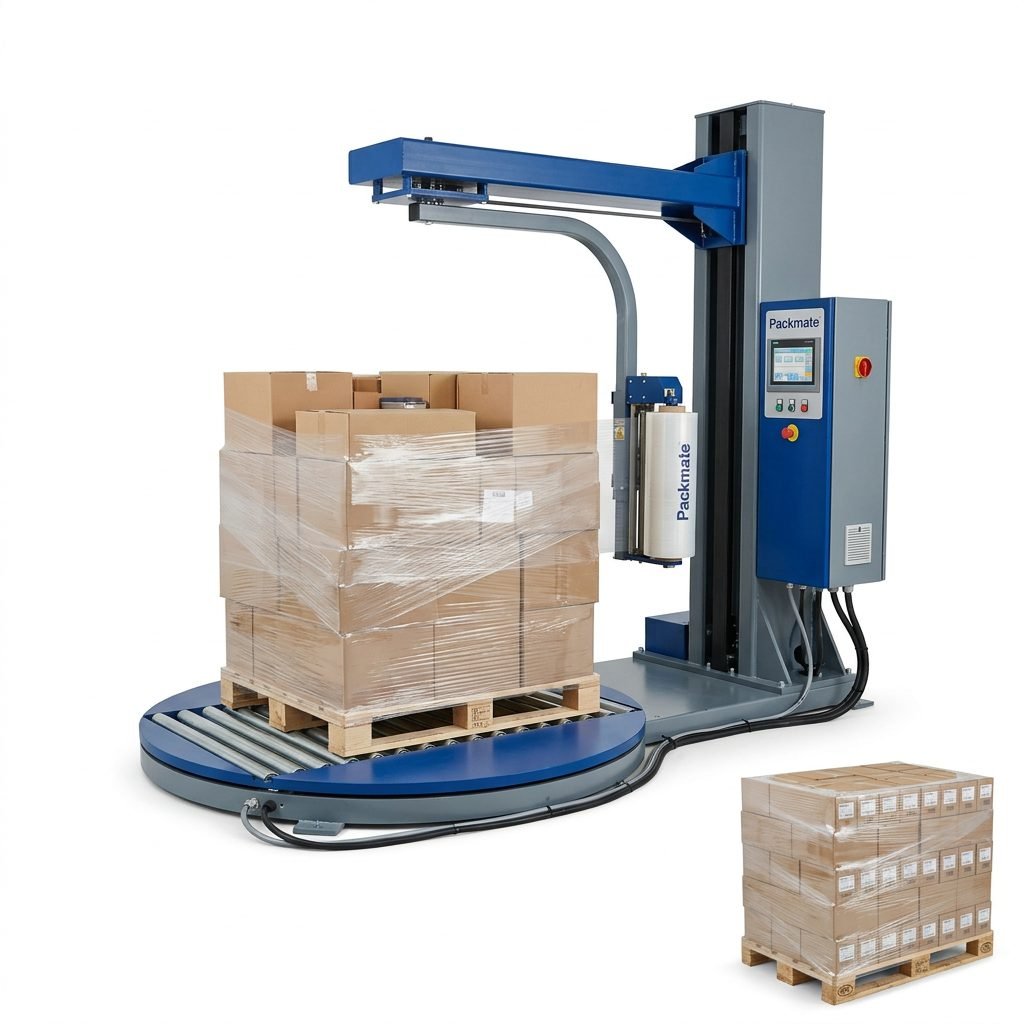
The role of a Packaging Line Operator is pivotal in the modern manufacturing landscape, serving as the crucial link between machinery and market-ready products. This comprehensive guide delves into the core duties, essential skills, competitive salary expectations, and the promising career trajectory for professionals in this field, with a particular focus on the advanced, automated lines that define today’s industry.
Core Duties and Responsibilities
An operator’s day is centered on ensuring the seamless flow of production. Key responsibilities include:
Machine Setup & Calibration: Configuring packaging machinery for specific product runs, adjusting parameters for weight, fill volume, sealing temperature, and label placement.
Production Monitoring & Quality Control: Continuously overseeing the line’s performance, conducting visual and mechanical checks to ensure packaging integrity, and adhering to strict quality standards, especially critical in sectors like pharmaceutical and food packaging solutions.
Troubleshooting & Minor Maintenance: Identifying and resolving common mechanical or software faults, performing routine cleaning, lubrication, and part replacements to minimize downtime.
Data Recording & Reporting: Logging production data, downtime incidents, and quality metrics, providing essential information for efficiency analysis.
Safety & Compliance: Enforcing safety protocols, maintaining a clean work environment, and ensuring operations comply with industry regulations such as GMP or HACCP.
Essential Skills for Success
Thriving as an operator requires a blend of technical and soft skills:
Technical Proficiency: Understanding mechanical, electrical, and pneumatic systems is fundamental. Familiarity with Programmable Logic Controllers (PLCs) and Human-Machine Interfaces (HMIs) is increasingly vital for operating modern intelligent packaging lines.
Attention to Detail: A keen eye is necessary to spot defects in packaging, misaligned labels, or subtle changes in machine sound that indicate potential issues.
Problem-Solving Ability: The capacity to diagnose issues logically and implement corrective actions swiftly is invaluable for maintaining productivity.
Teamwork & Communication: Operators must collaborate effectively with maintenance technicians, quality inspectors, and supervisors, clearly communicating any problems or shifts in production status.
Adaptability & Continuous Learning: With technology rapidly evolving, a willingness to learn new software updates, machine functions, and lean manufacturing principles is key. Reviewing real-world packaging line application cases can provide practical insights into system integration and problem-solving.
Salary Expectations and Influencing Factors
Salaries for Packaging Line Operators vary based on several factors:
- Experience Level: Entry-level operators can expect a foundational wage, which grows significantly with 3-5 years of hands-on experience.
- Industry & Location: Operators in high-regulation industries like pharmaceuticals or premium food & beverage often command higher wages. Geographic location and local cost of living are major determinants.
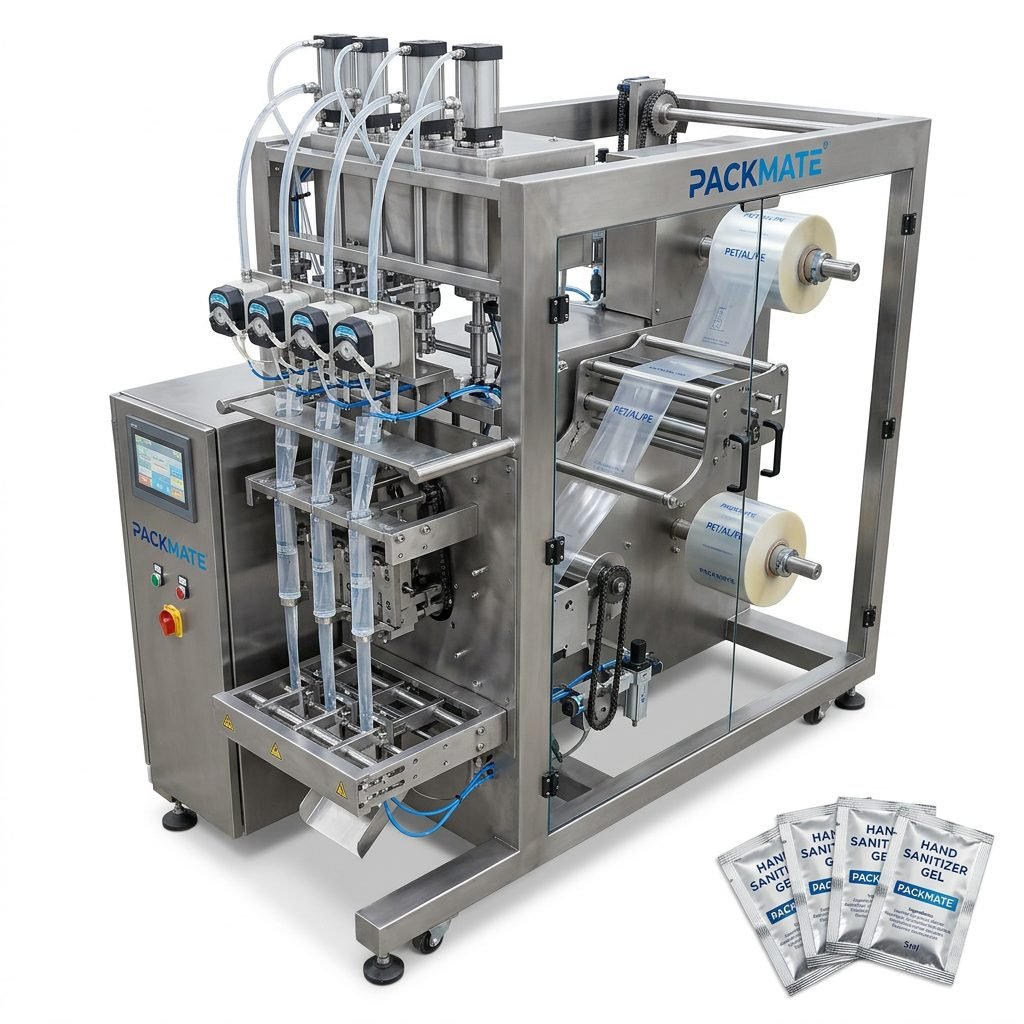
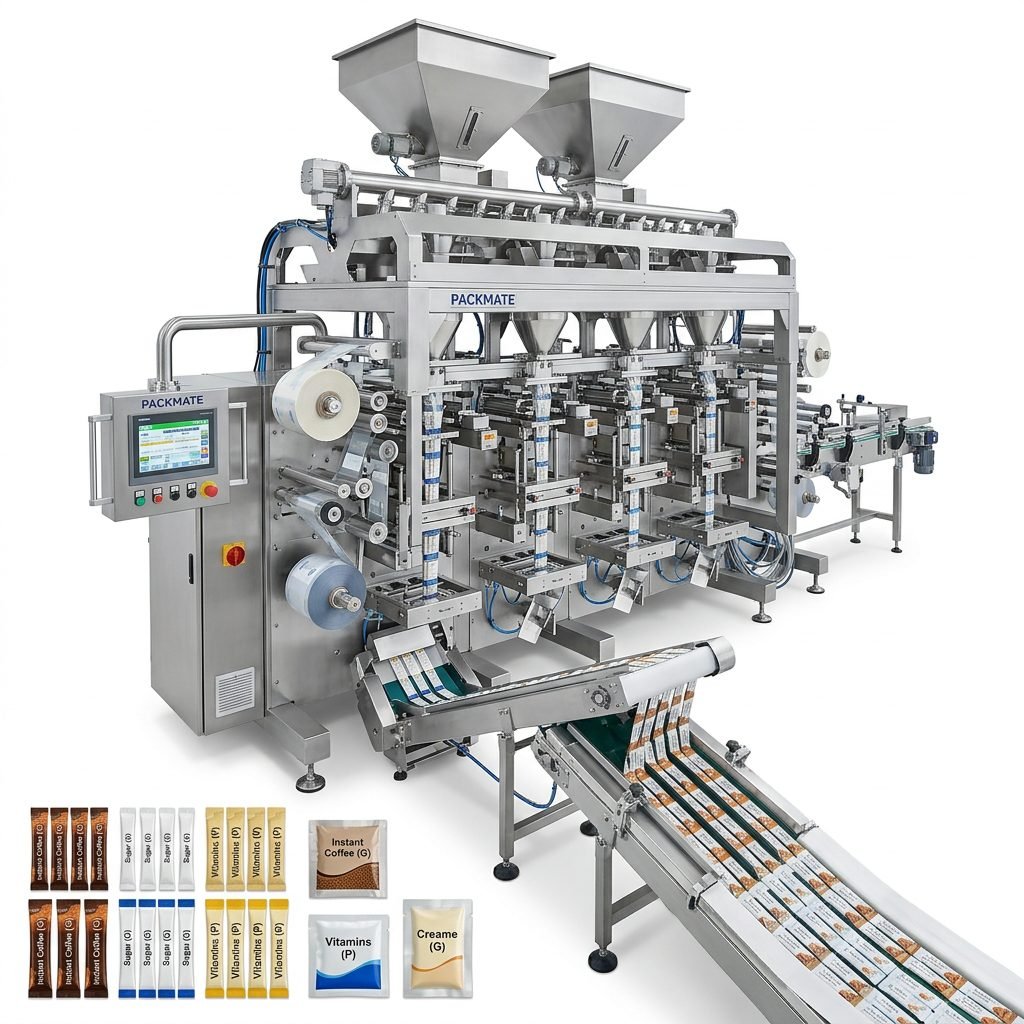
- Technical Specialization: Operators skilled in running and troubleshooting complex, high-speed lines (e.g., multi-lane stick pack or liquid filling systems) are more valuable.
- Company Size & Shift Work: Larger manufacturers may offer better compensation packages. Night or weekend shifts typically include premium pay differentials.
As a benchmark, skilled operators with several years of experience in operating advanced lines can achieve competitive salaries that reflect their critical role in production efficiency. Companies like Packmate (GuangDong) Co., Ltd., with over 30 years in designing turnkey solutions, understand that a skilled operator is integral to maximizing the ROI of sophisticated equipment.
Career Path and Advancement Opportunities
The career ladder for a dedicated operator is robust and rewarding:
1. Senior Packaging Line Operator / Lead Operator
With mastery of multiple machines and shifts, one can become a team lead, responsible for training new hires, overseeing a production cell, and ensuring shift handovers are seamless.
2. Packaging Technician / Maintenance Technician
This path involves deepening technical expertise. Technicians perform more complex repairs, preventative maintenance, and may assist in installing new equipment, such as those featured in a company’s equipment catalog.
3. Production Supervisor / Line Manager
Moving into management involves overseeing entire packaging departments, managing personnel, scheduling, budgeting, and driving continuous improvement initiatives to meet production targets.
4. Specialized Roles: Quality Assurance or Process Engineering
Operators with a strong eye for detail may transition into QA roles. Those adept at optimization might pursue process engineering, focusing on line design, efficiency projects, and integration of new technologies.
Pro Tip for Advancement: Actively seek training on the latest automation and Industry 4.0 concepts. Understanding data analytics from machine sensors and IoT connectivity is becoming a major differentiator for career growth in modern facilities.
Thriving in the Era of Smart Packaging Lines
The future belongs to intelligent, connected packaging systems. Operators are evolving into “line conductors” who interact with sophisticated software, interpret real-time data dashboards, and manage collaborative robots (cobots). Embracing this technological shift is non-negotiable. Continuous learning through manufacturer-provided training—like the comprehensive after-sales and support services offered by leading suppliers—is crucial for staying relevant and advancing.
Ultimately, the Packaging Line Operator is no longer just a machine minder but a skilled technologist essential for ensuring reliability, quality, and efficiency in the fast-paced world of modern manufacturing.
Frequently Asked Questions (FAQs)
Q: What is the most challenging part of a Packaging Line Operator’s job?
A: The most challenging aspect is often troubleshooting complex, intermittent faults under production pressure. It requires deep system knowledge, analytical thinking, and calmness to diagnose issues without causing extended downtime.
Q: Are certifications required to become a Packaging Line Operator?
A> While not always mandatory, certifications in industrial mechanics, PLC basics, or workplace safety (like OSHA in the US) significantly enhance employability and prospects for higher pay.
Q: How is the role changing with automation?
A> Automation is shifting the operator’s focus from manual tasks to monitoring, data analysis, and exception handling. The role is becoming more cognitive, requiring skills in software interaction and predictive maintenance.
Q: What industries offer the best opportunities for Packaging Line Operators?
A> Pharmaceuticals, medical devices, and high-end food & beverage typically offer the most stable opportunities with higher standards and advanced machinery, leading to better compensation and skill development.
Q: Can this role lead to a career in packaging machine design or sales?
A> Absolutely. Hands-on operational experience is highly valued in technical support, field service engineering, and sales roles for packaging machinery companies, as it provides invaluable real-world insight into customer needs and machine performance.