In the fast-paced world of commercial baking, efficiency and product integrity from oven to shelf are paramount. For bakeries producing sliced bread, the final packaging stage is a critical point where speed, hygiene, and presentation converge. This is where a specialized Bread Dual Splice Packaging Line becomes not just an asset but a necessity. These sophisticated automated systems are engineered to handle two loaves simultaneously, dramatically increasing output while ensuring consistent, high-quality packaging that protects freshness and enhances brand appeal on the retail shelf.

Understanding the Bread Dual Splice Packaging Line
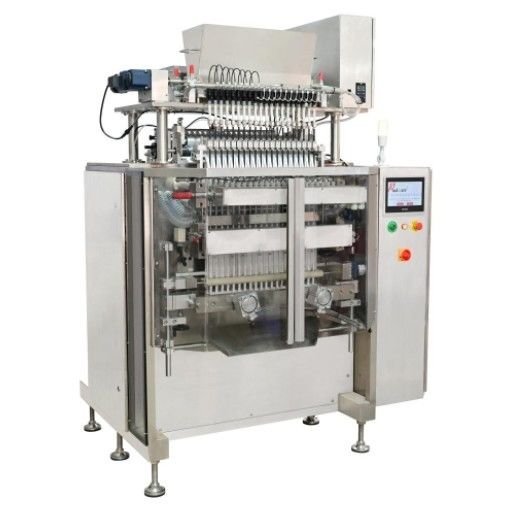
A Bread Dual Splice Packaging Line is an integrated, automated system designed to receive, collate, and package two loaves of sliced bread side-by-side into a single bag or overwrap. The “dual splice” refers to its core capability of merging two production lanes into one seamless packaging flow. This configuration is ideal for medium to large-scale bakeries looking to maximize throughput without proportionally increasing floor space or labor costs.
Key Advantage: The primary benefit is doubled output capacity. By processing two loaves in parallel within the same machine footprint, bakeries can achieve packaging speeds that single-lane systems cannot match, making it a highly efficient solution for high-volume production runs.
Core Components of a Turnkey Solution
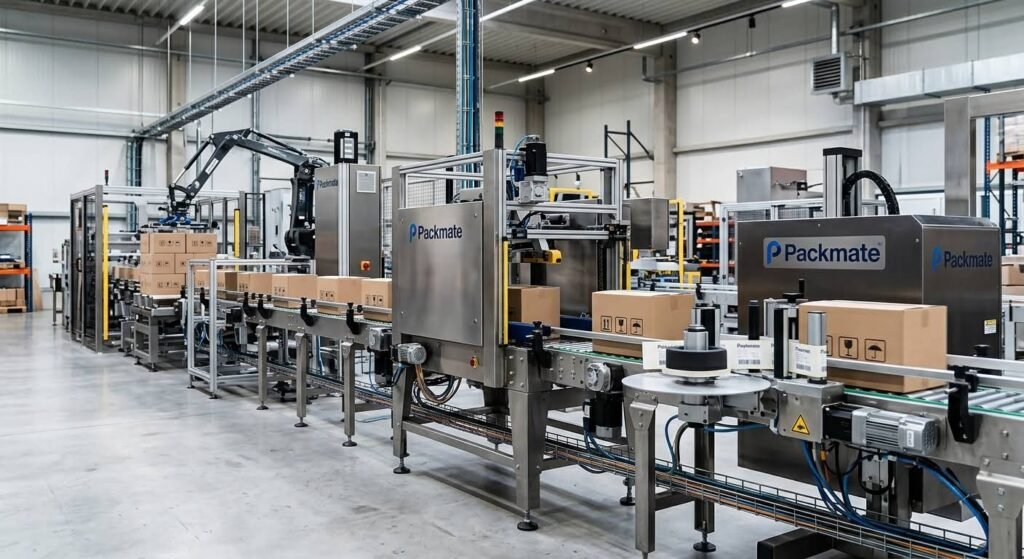
A complete turnkey solution from a reputable supplier like Packmate (GuangDong) Co., Ltd. involves more than just a single machine. It encompasses a synchronized series of modules, each performing a specific function to create a smooth, end-to-end packaging process.
1. Dual-Lane Infeed & Alignment System
This is the starting point where loaves from two separate conveyor lines are gently received and precisely aligned. Advanced sensors ensure each loaf is correctly positioned for the slicing and bagging stages, preventing jams and mis-feeds.
2. Automatic Splicing & Collating Unit
The heart of the “dual splice” operation. This unit expertly brings the two loaves together, aligning them perfectly to be treated as a single unit for the subsequent bagging process. Precision here is crucial for a neat final package.
3. High-Speed Bagging Machine
Equipped with dual lanes, this machine automatically opens pre-made bags or forms bags from roll stock, then swiftly and gently inserts the paired loaves. Modern systems feature sophisticated grippers and air-assisted mechanisms to handle products delicately, preserving the bread’s soft structure.
4. Sealing & Closing Station
Once bagged, the package moves to a sealing station. This can involve heat sealing for poly bags, twist-tying, or applying a plastic clip. The closure must be secure to maintain freshness and tamper-evident for consumer safety.
5. Date Coding & Final Inspection
An integrated printer applies batch codes, expiration dates, and other vital information. Vision systems or checkweighers often perform a final inspection to ensure every package meets weight and quality standards before case packing.
Why Invest in a Complete Turnkey Solution?
Purchasing individual machines from different vendors can lead to integration headaches, compatibility issues, and finger-pointing when problems arise. Opting for a complete turnkey solution from a single supplier offers transformative benefits that directly impact your bottom line.
✔ Seamless Integration: All components are designed to work in perfect harmony, ensuring optimal communication between modules for maximum uptime and smooth operation.
✔ Single Point of Accountability: One supplier is responsible for the entire line’s performance, from installation and commissioning to training, maintenance, and spare parts. This simplifies support and troubleshooting immensely.
✔ Optimized Workflow: Experienced suppliers engineer the entire line layout for efficiency, minimizing bottlenecks and optimizing the flow from production to palletizing.
✔ Future-Proof Scalability: A trusted partner designs the system with future growth in mind, allowing for easier upgrades or integration with upstream/downstream automation like case packers or palletizers.
The Packmate Advantage: Engineering Excellence for Global Bakeries
With over 22+ years of dedicated development in packaging automation, Packmate (GuangDong) Co., Ltd. stands as a leader in delivering robust and intelligent packaging solutions. Our expertise is built on a deep understanding of the food industry’s stringent requirements for hygiene, reliability, and efficiency.
Our 20,000㎡ modern manufacturing facility is equipped with advanced production and testing equipment, allowing us to maintain strict quality control over every component. We don’t just assemble machines; we engineer solutions. Our team of over 125 professional members focuses on innovation, designing lines that are not only fast but also adaptable, reliable, and easy to maintain.
From our beginnings in a small workshop to our current status as an international supplier, our company story is one of solving complex packaging challenges. This experience is directly applied to our bread packaging lines, where we consider factors like crumb containment, gentle handling to prevent deformation, and the use of food-grade materials throughout.
Key Considerations When Choosing Your Supplier
Selecting the right partner for your automated bread packing line is a strategic decision. Here are critical factors to evaluate beyond the initial price quote:
Technical Support & Service Network
Ensure the supplier offers comprehensive after-sales support, including installation supervision, operator training, readily available spare parts, and responsive technical service. A global presence or reliable local agents are vital for minimizing downtime.
Flexibility & Customization
Your bread loaves are unique in size, shape, and density. The ideal supplier should offer customization to handle your specific product range, bag types (polyethylene, recyclable materials), and closure methods. Ask about their service and customization capabilities.
Hygienic Design & Compliance
The line must be constructed with food safety as a priority. Look for easy-clean surfaces, sanitary design with minimal crevices, and compliance with relevant food safety and machinery directives (e.g., CE, FDA guidelines for food contact surfaces).
Energy Efficiency & Total Cost of Ownership (TCO)
An efficient line reduces energy consumption and material waste (e.g., precise film usage). A reliable machine with high uptime and low maintenance needs contributes to a lower TCO over its lifespan, offering greater value than a cheaper, less reliable alternative.
Conclusion: Elevating Your Bakery’s Potential
Implementing an automated Bread Dual Splice Packaging Line is a significant step toward modernizing your bakery operations. It represents an investment in unparalleled efficiency, consistent quality, and enhanced brand presentation. By partnering with an experienced, turnkey solution provider like Packmate, you gain more than just machinery; you gain a strategic ally dedicated to optimizing your packaging process. This collaboration ensures your bakery is equipped to meet today’s demands and scalable for tomorrow’s growth, securing your place in a competitive market by delivering fresh, perfectly packaged bread to consumers every day.
Frequently Asked Questions (FAQs)
Q1: What is the typical output speed of a dual splice bread packaging line?
Speeds vary based on loaf size and bag type, but modern lines from suppliers like Packmate can typically package 60 to 120 pairs of loaves per minute (120-240 individual loaves), effectively doubling the output of a single-lane system.
Q2: Can the line handle different bread sizes and bag types?
Yes, a high-quality turnkey solution is designed for flexibility. Changeover between different loaf sizes and bag styles (e.g., from standard poly bags to eco-friendly or premium bags) can be achieved with relatively quick adjustments to guides, forming parts, and sealing parameters.
Q3: How much factory floor space is required for such a line?
While compact in design for its output, a complete dual splice line requires a linear layout. A typical footprint might range from 8 to 15 meters in length, depending on the included modules (e.g., with integrated checkweigher or case packer). Your supplier will provide detailed layout plans during the planning phase.
Q4: What kind of maintenance does the system require?
Regular preventative maintenance is key. This includes daily cleaning, lubrication of moving parts as per the manual, and inspection of wear components like sealing jaws, belts, and guides. A reliable supplier will provide a comprehensive maintenance schedule and training for your staff.
Q5: Where can I see examples of these lines in operation or get more detailed specifications?
Reputable suppliers often have detailed catalogs and case studies available. The best way is to request a virtual or in-person demonstration and ask for references from existing clients in the baking industry to see the line’s performance firsthand.