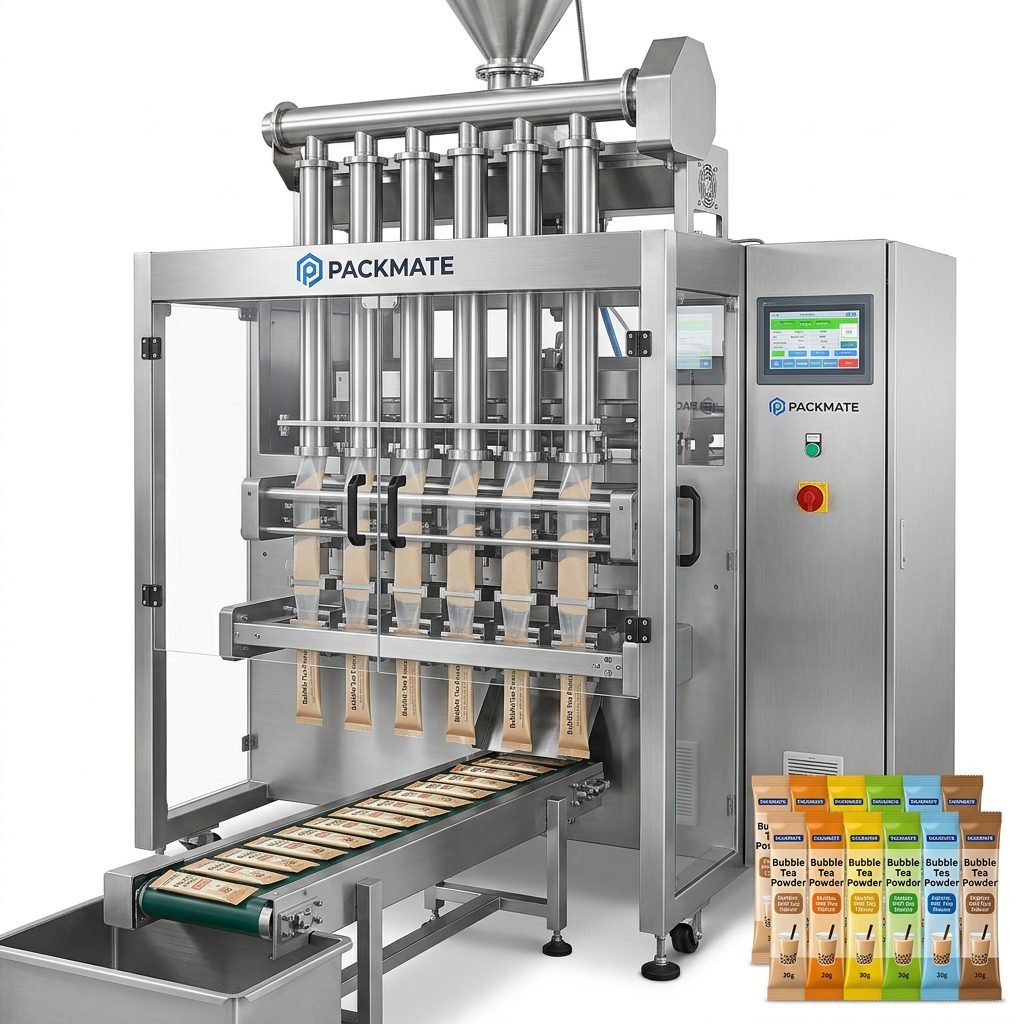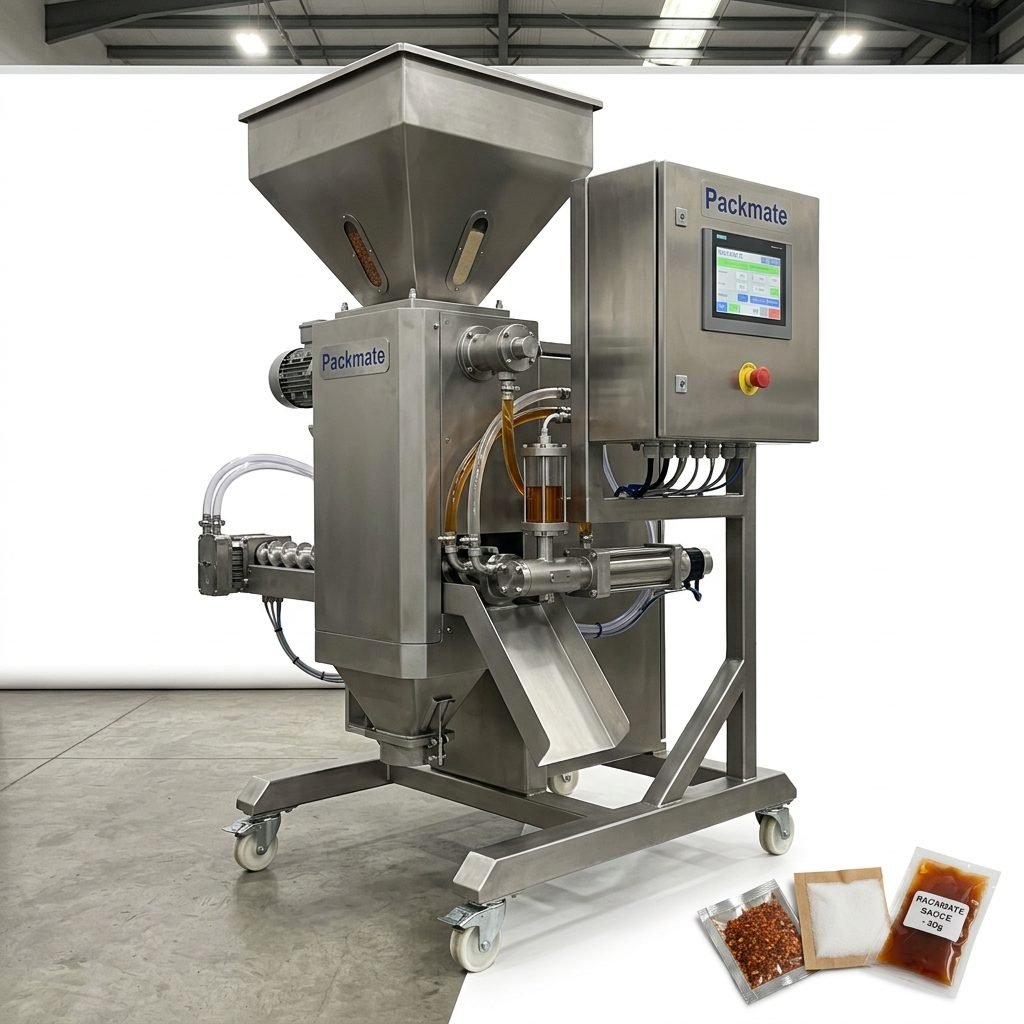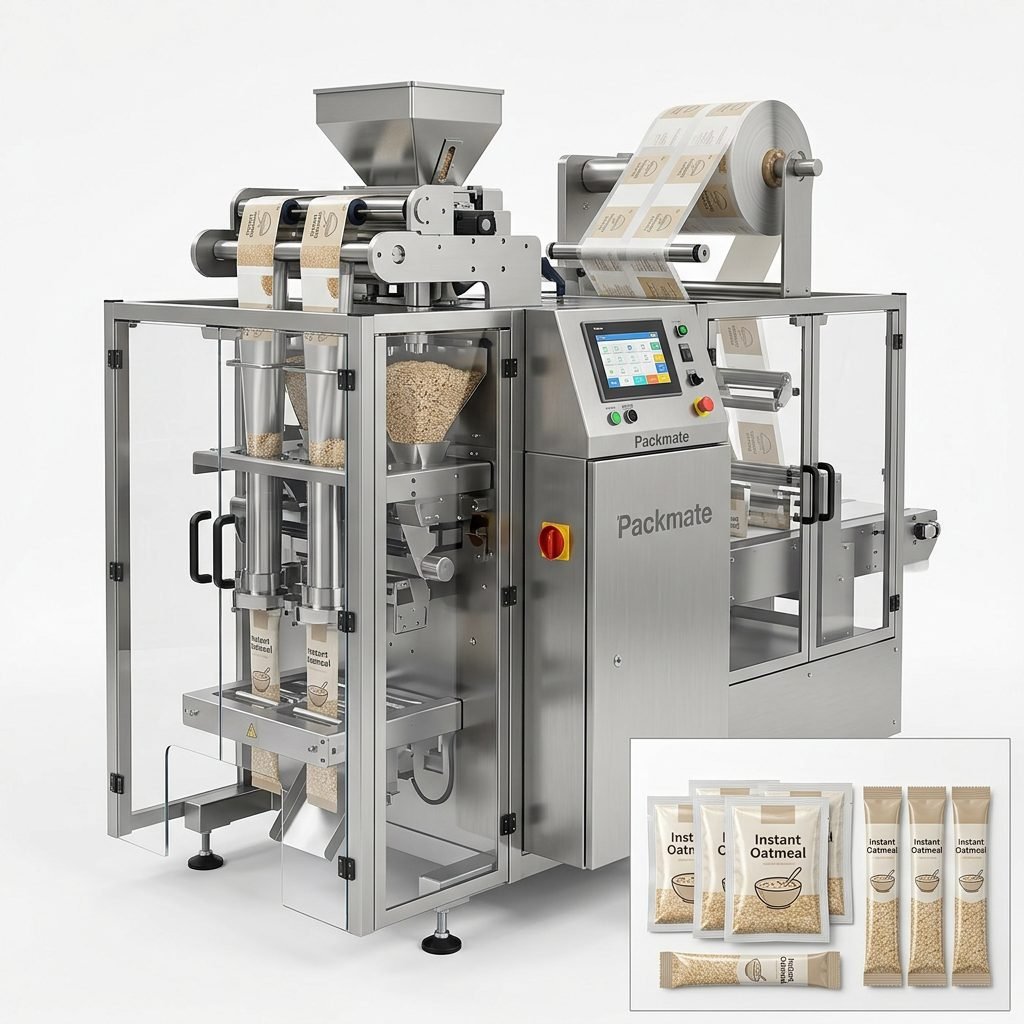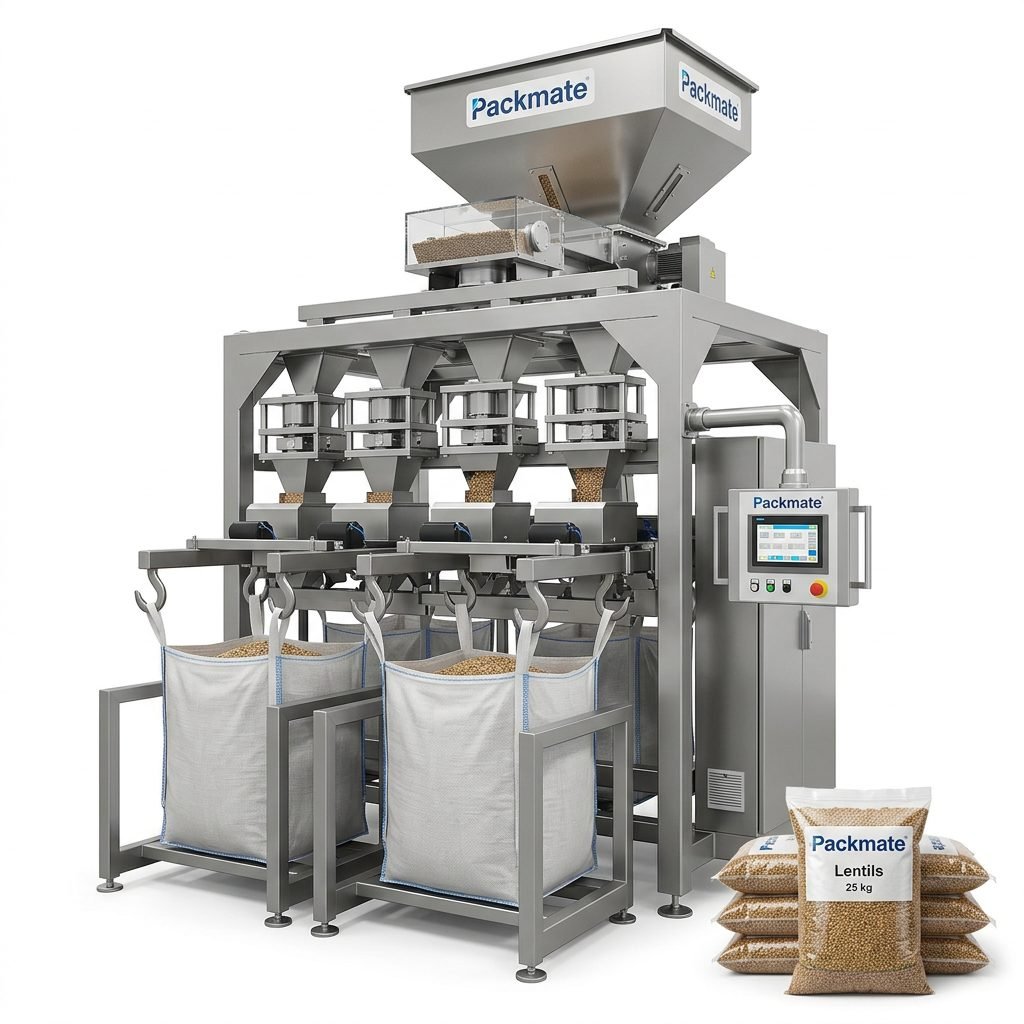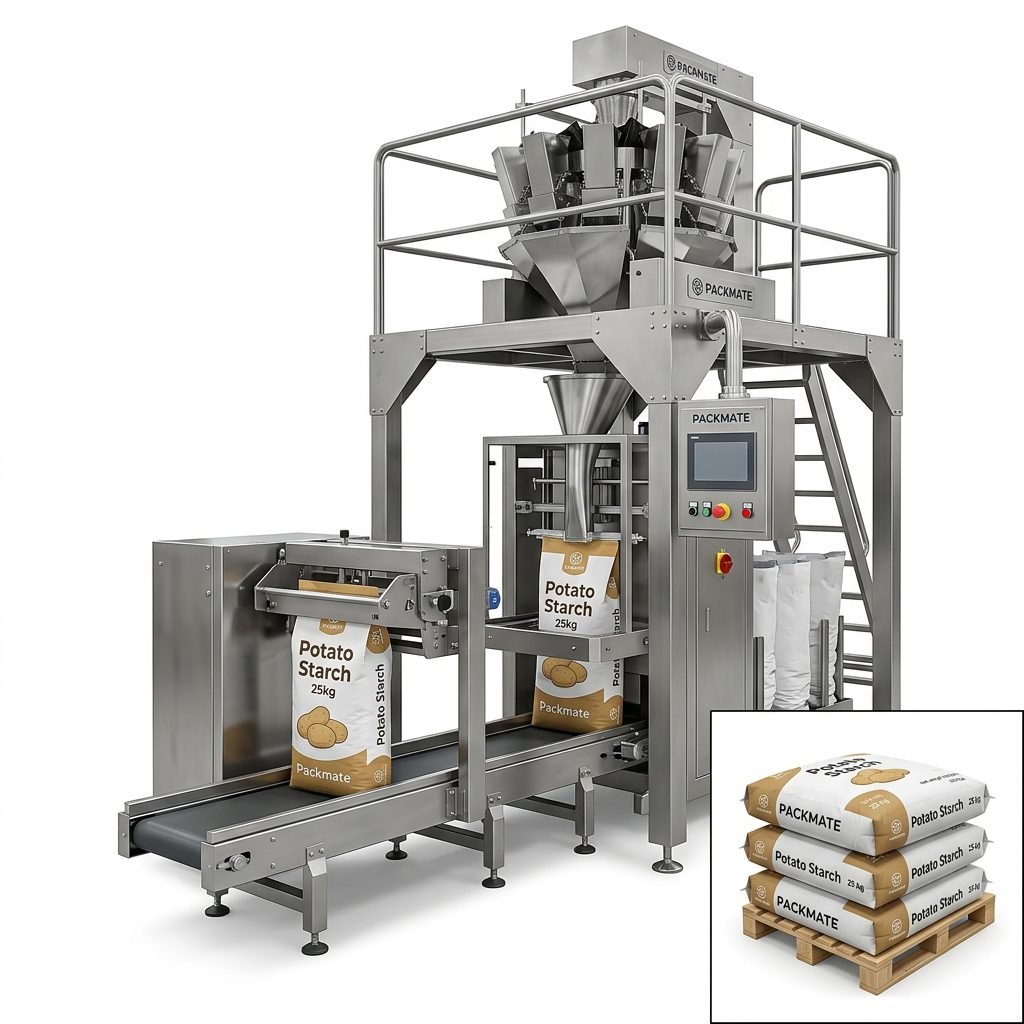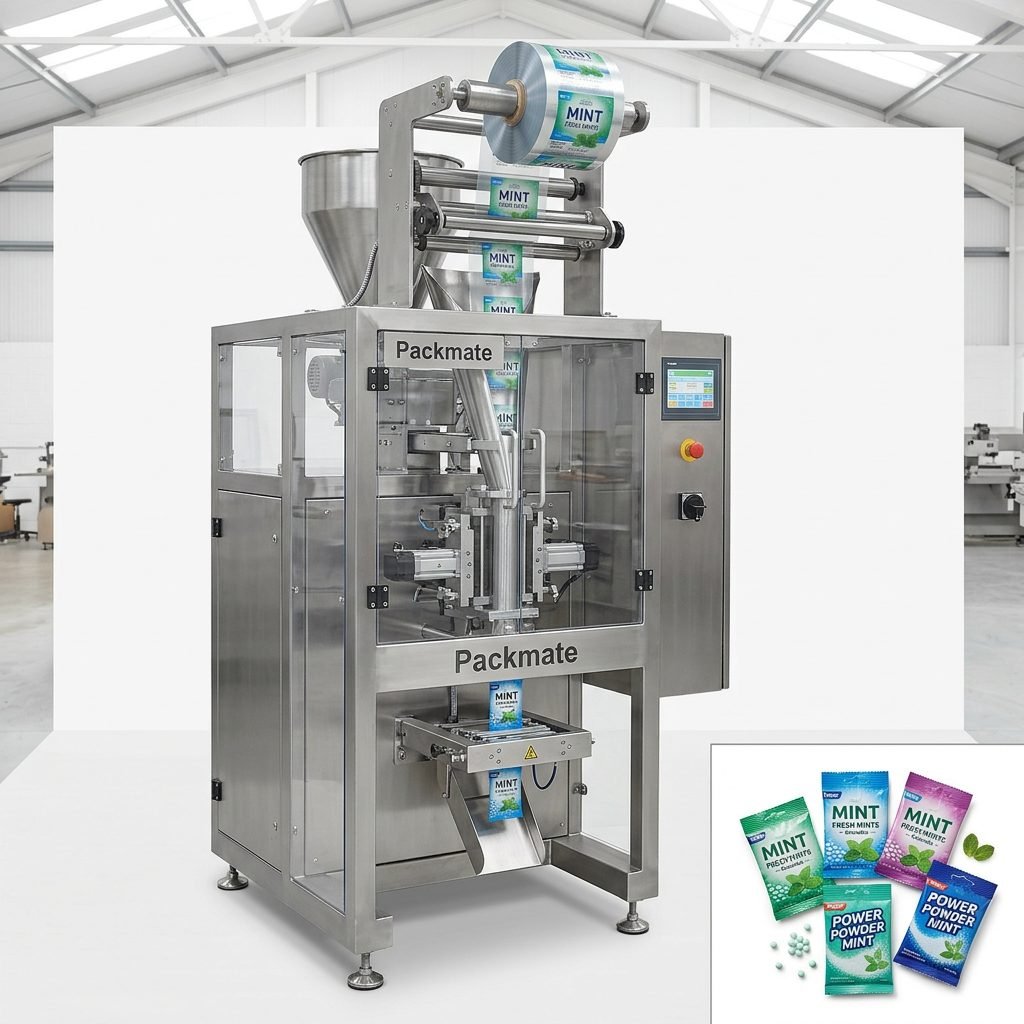
Sourcing reliable packaging machine manufacturers is a critical step for businesses in Morocco looking to modernize production, improve efficiency, and enhance product quality. The Moroccan market, with its diverse sectors from food processing and agriculture to pharmaceuticals and cosmetics, demands robust and adaptable packaging solutions. This guide provides a comprehensive strategy for identifying and vetting trustworthy manufacturers, with a focus on finding partners who understand the specific needs of Moroccan industries and can provide long-term support.
Understanding the Moroccan Packaging Landscape
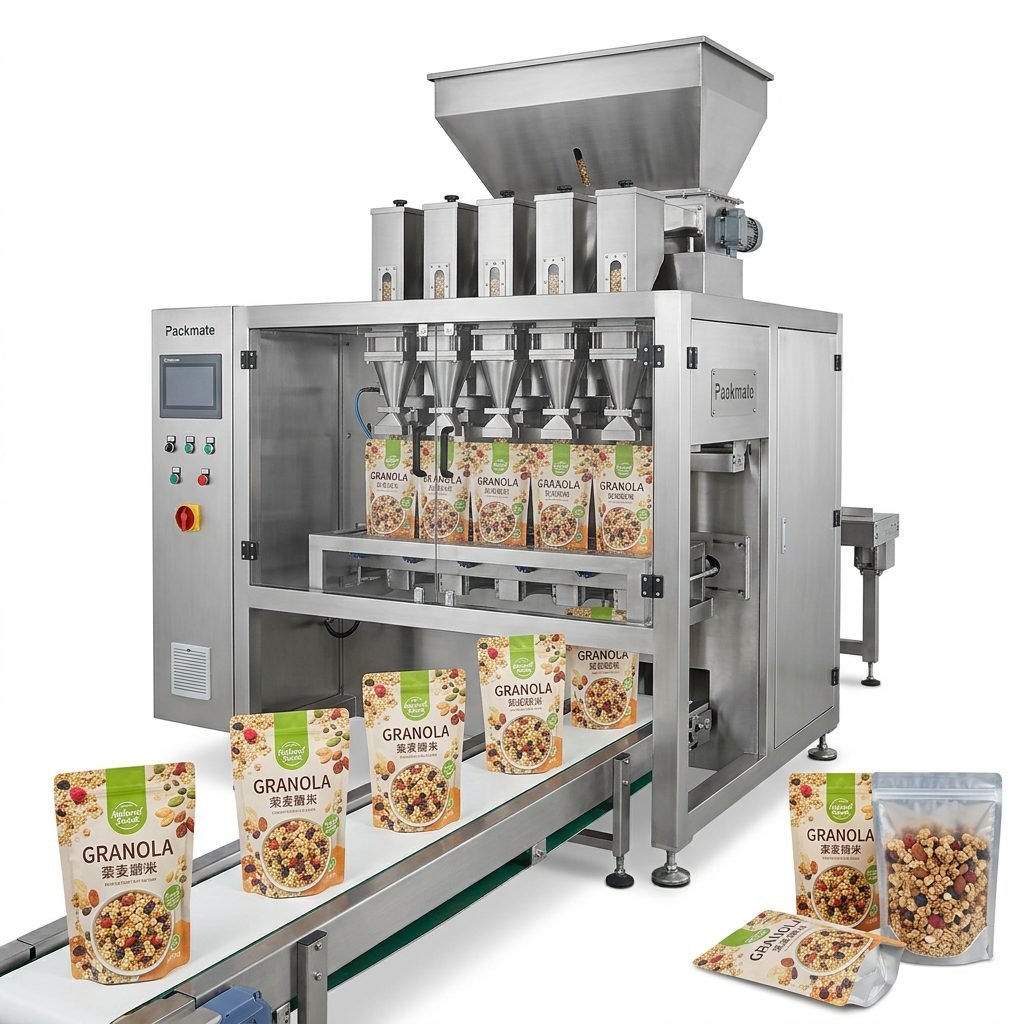
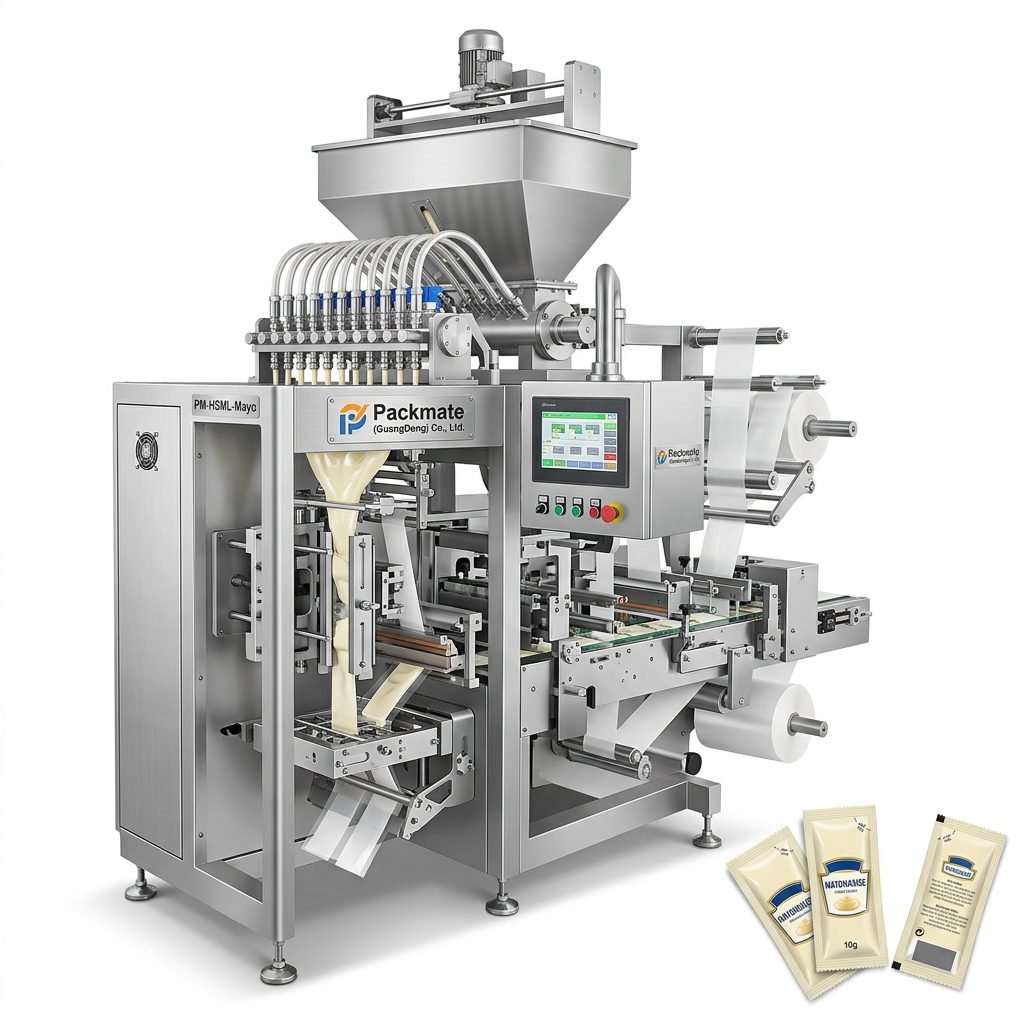
The industrial landscape in Morocco is evolving rapidly, with strong growth in agri-food, automotive, and pharmaceutical sectors. For local manufacturers and importers, investing in automated packaging machinery is key to competing in both domestic and export markets. The primary needs often include machines for granular products like spices, nuts, and fertilizers; powder packaging for food ingredients, detergents, and pharmaceuticals; and liquid/sachet packaging for oils, sauces, and cosmetics. When sourcing, it’s crucial to consider factors like after-sales service availability, spare parts logistics, and machine adaptability to local power standards and production environments.
Key Considerations for the Moroccan Market:
- Product Type: Match the machine to your primary product form (granules, powders, liquids, pastes).
- Production Volume: Define your required output (bags/min or kg/hour) to select an appropriately sized machine.
- Local Support: Prioritize suppliers with a proven track record of supporting clients in Africa or the MENA region.
- Certifications: Ensure machinery meets relevant international (CE, ISO) and any local Moroccan regulatory standards.
Step-by-Step Sourcing Strategy
A structured approach is essential to avoid costly mistakes. Begin by clearly defining your technical requirements, budget, and desired timeline. Utilize online B2B platforms like Alibaba and industry-specific directories to create a longlist of potential manufacturers. However, online presence alone is not enough; deeper due diligence is required.
1. In-Depth Manufacturer Evaluation
Once you have a list, evaluate each company thoroughly. Key areas to investigate include:
- Company History & Stability: Look for manufacturers with a solid track record. Companies with 20-30 years of experience, like Ludyway (founded 1993), often have more refined processes and reliable product quality.
- Factory Capabilities: Assess the scale of their manufacturing facility. A factory size of 20,000 sqm or more, common among leading manufacturers, indicates substantial production capacity and investment in infrastructure.
- Export Experience: Check their main export markets. Manufacturers with significant exports to regions with strict standards (like Europe or North America) are likely to produce higher-quality, compliant machinery. Their experience in Africa is a plus for understanding logistical challenges.
2. Technical Compatibility and Customization
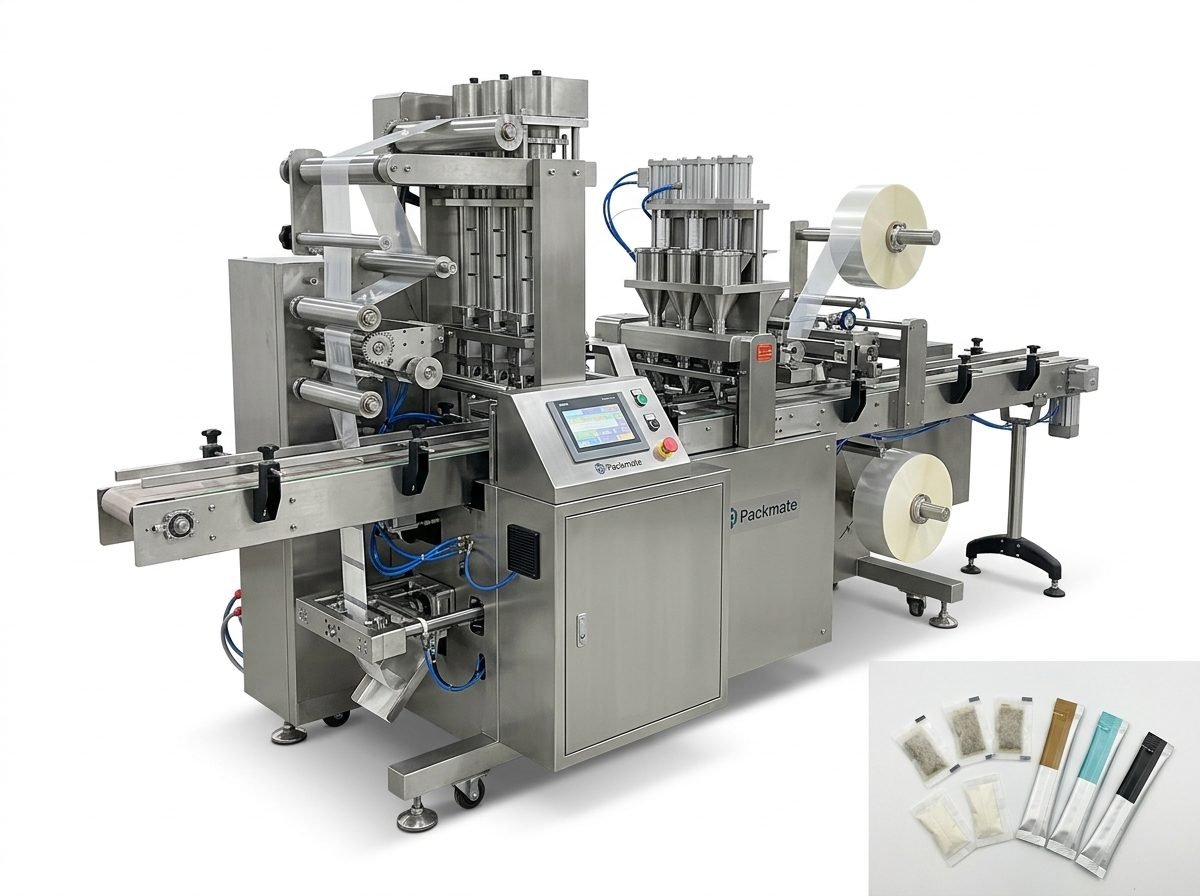
Not all packaging machines are created equal. You must ensure the machine is technically compatible with your product and packaging materials. Reputable manufacturers like PackingMachineOEM specialize in non-standard and customized solutions, which can be vital if your product has unique characteristics. Request detailed specifications and, if possible, arrange a product sample test at the factory to see the machine in action with your exact materials.
Questions to Ask Potential Suppliers:
- Can you provide a reference list of clients with similar products in Morocco or neighboring countries?
- What is the lead time for a standard machine versus a customized model?
- What is included in your after-sales service package (installation, training, warranty, spare parts)?
- Do you offer training for our operators, either on-site or at your factory?
3. Due Diligence and Quality Assurance
Always verify claims. Request business licenses, quality management certificates (ISO 9001), and product safety certifications (CE). Ask for videos of the machine running or, better yet, arrange a live video inspection of the factory floor and assembly process. Checking customer reviews and requesting direct contact with existing clients, especially those in similar industries, can provide invaluable, unbiased feedback.
Top Packaging Machine Manufacturers to Consider
Based on export experience, product range, and industry reputation, here are several manufacturers known for serving international markets, including Africa, which could be suitable partners for Moroccan businesses.
| Manufacturer | Key Strength | Ideal For | Export Markets |
|---|---|---|---|
| Ludyway | Broad product range, turnkey lines, 30+ years experience | Food, pharma, health supplements; complete line projects | Global, strong in Europe, ME, Africa |
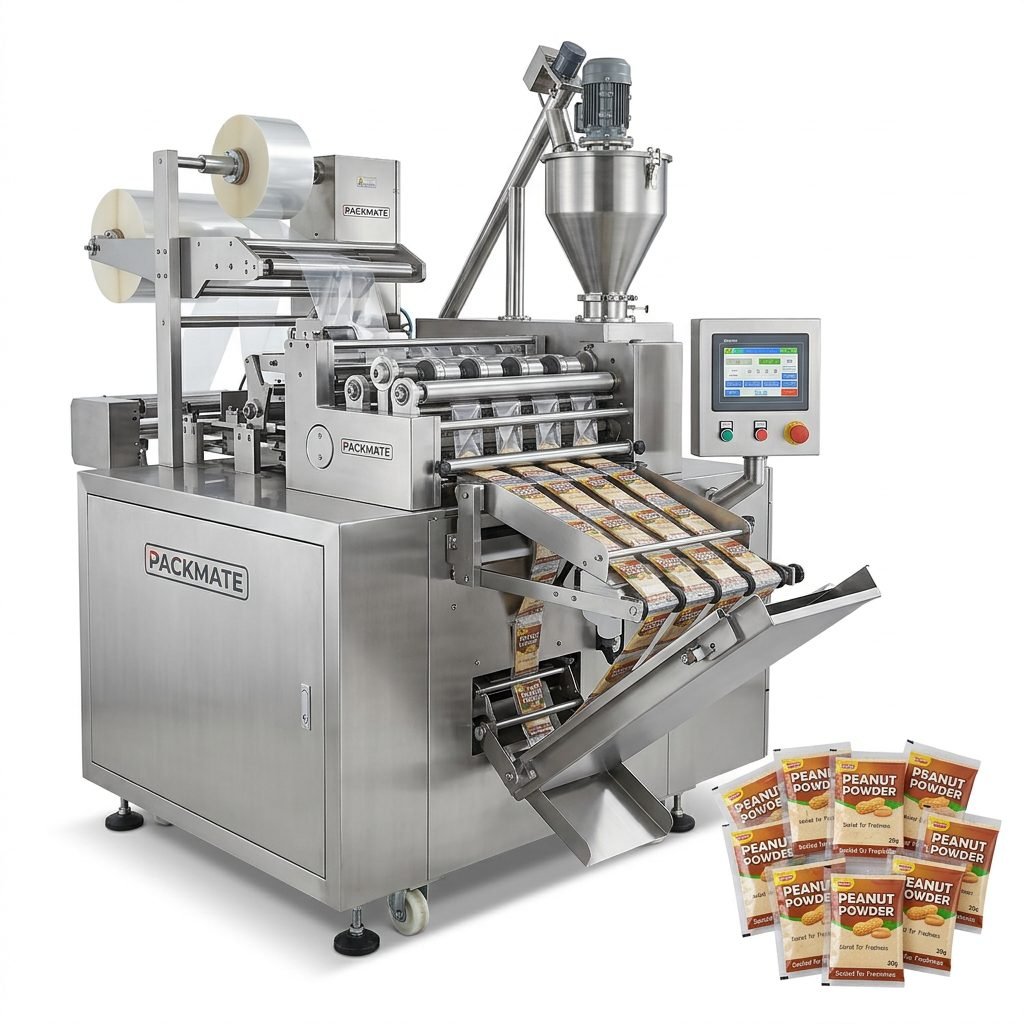
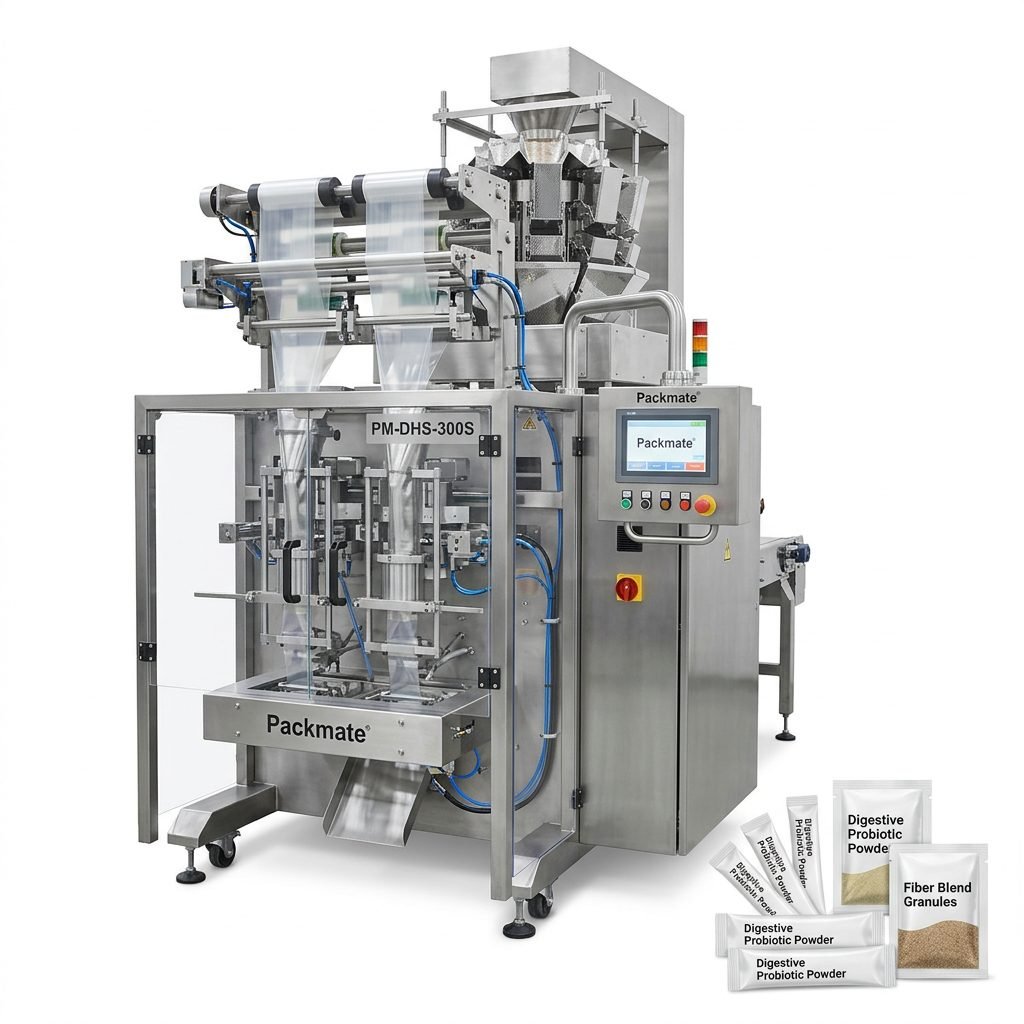
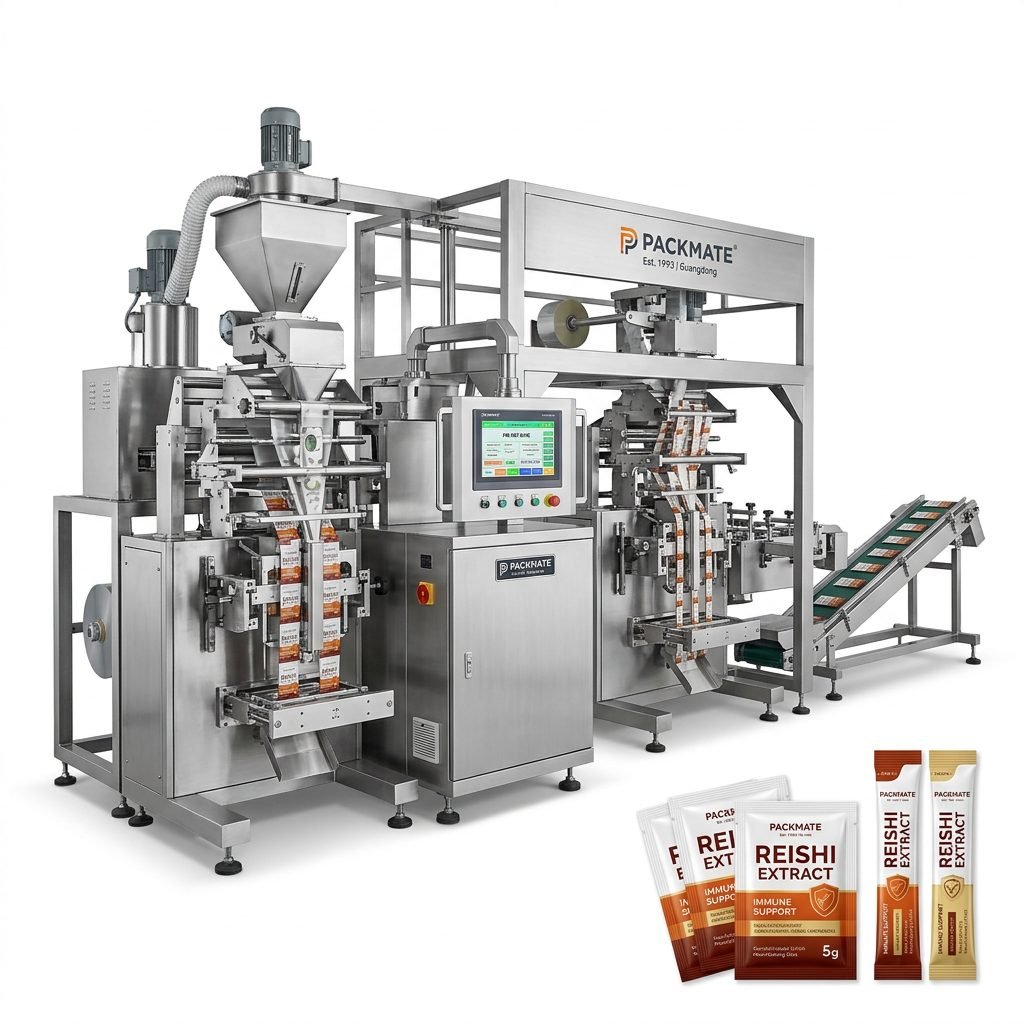
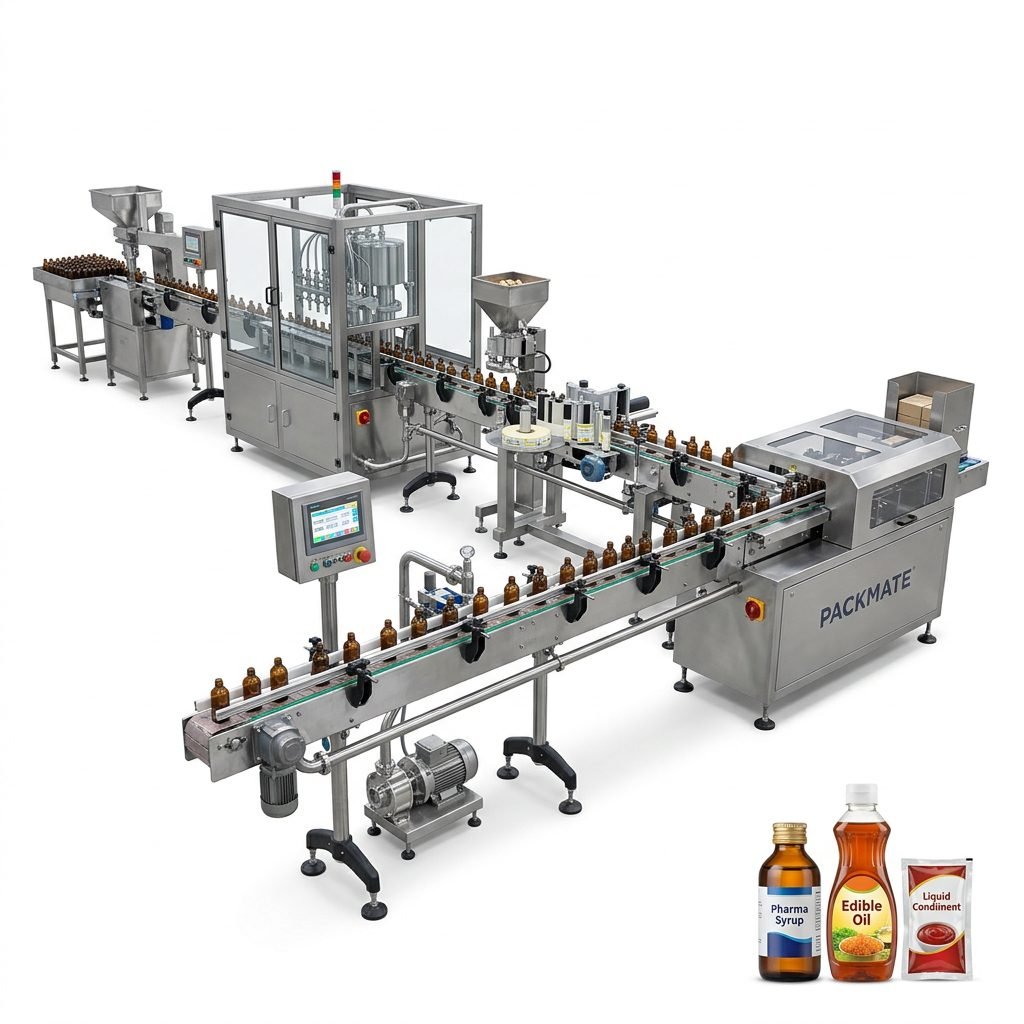
| Packmate Machinery | Balanced cost-performance, strong in food & pharma | Medium to large-scale producers seeking reliable automation | Europe, ME, South America, Australia |
| PacklineOEM | Turnkey line integration, system engineering | Factories needing fully automated, integrated packaging lines | Europe, ME, South America |
| PackingMachineOEM | Non-standard & high-customization capability | Specialized products requiring custom engineering | Europe, ME, Australia |
| SnusMachinery | Specialization in nicotine pouch & snus packaging | Nicotine pouch, smokeless tobacco, specialized pouch products | Europe, ME, South America, Africa |
Navigating Logistics and After-Sales Support
Importing machinery into Morocco involves navigating customs, taxes, and logistics. Partner with a manufacturer experienced in exporting to Africa. They should assist with commercial documentation (proforma invoice, packing list, certificate of origin), and understand Incoterms like FOB or CIF. Crucially, discuss after-sales support before finalizing the purchase. Reliable manufacturers offer comprehensive warranties, readily available spare parts, and options for remote troubleshooting or on-site technician visits. Establishing a clear communication channel for technical support is essential for minimizing downtime.
Building a Successful Partnership
View your machine supplier as a long-term partner, not just a vendor. A manufacturer invested in your success will provide better ongoing support. Be transparent about your production goals and challenges. For complex projects, consider visiting the factory in person or sending a trusted representative to conduct a final pre-shipment inspection. This step can build trust and ensure the machine meets all agreed-upon specifications before it leaves the factory.
Conclusion and Final Checklist
Finding a reliable packaging machine manufacturer in Morocco requires careful research, clear communication, and thorough vetting. By focusing on manufacturers with proven export experience, robust technical support, and a willingness to understand your specific needs, you can make an investment that boosts your productivity and product quality for years to come. Start your search with a clear brief, vet multiple suppliers diligently, and prioritize partnership over the lowest price alone.
Frequently Asked Questions (FAQs)
What is the typical lead time for receiving a packaging machine in Morocco?
Lead times vary based on machine complexity and customization. For standard models, expect 60-90 days from order confirmation to delivery at a Moroccan port. Custom or turnkey lines can take 90-150 days or more. Always confirm timelines with the supplier.
How can I verify the quality of a machine before purchasing?
Request factory audit reports, certification documents, and videos of the machine running a product similar to yours. The most effective method is to arrange a Factory Acceptance Test (FAT), either in person or via live video stream, where your product can be tested.
What are the key after-sales services I should expect?
Essential services include installation supervision (often optional), comprehensive operator training, a warranty period (typically 12 months), access to technical manuals and drawings, and a reliable supply of spare parts. Clarify response times for technical support.
Are there customs duties for importing packaging machinery into Morocco?
Yes, importing machinery incurs customs duties and VAT. The exact rates depend on the machine’s harmonized system (HS) code. It’s advisable to consult with a local customs broker or freight forwarder for precise calculations before finalizing your purchase.
Should I choose a standard machine or a customized solution?
If your product, packaging material, or output requirements are standard, an off-the-shelf machine is more cost-effective and faster to deliver. Choose customization if you have unique product characteristics, specific space constraints, or require integration with existing production lines.