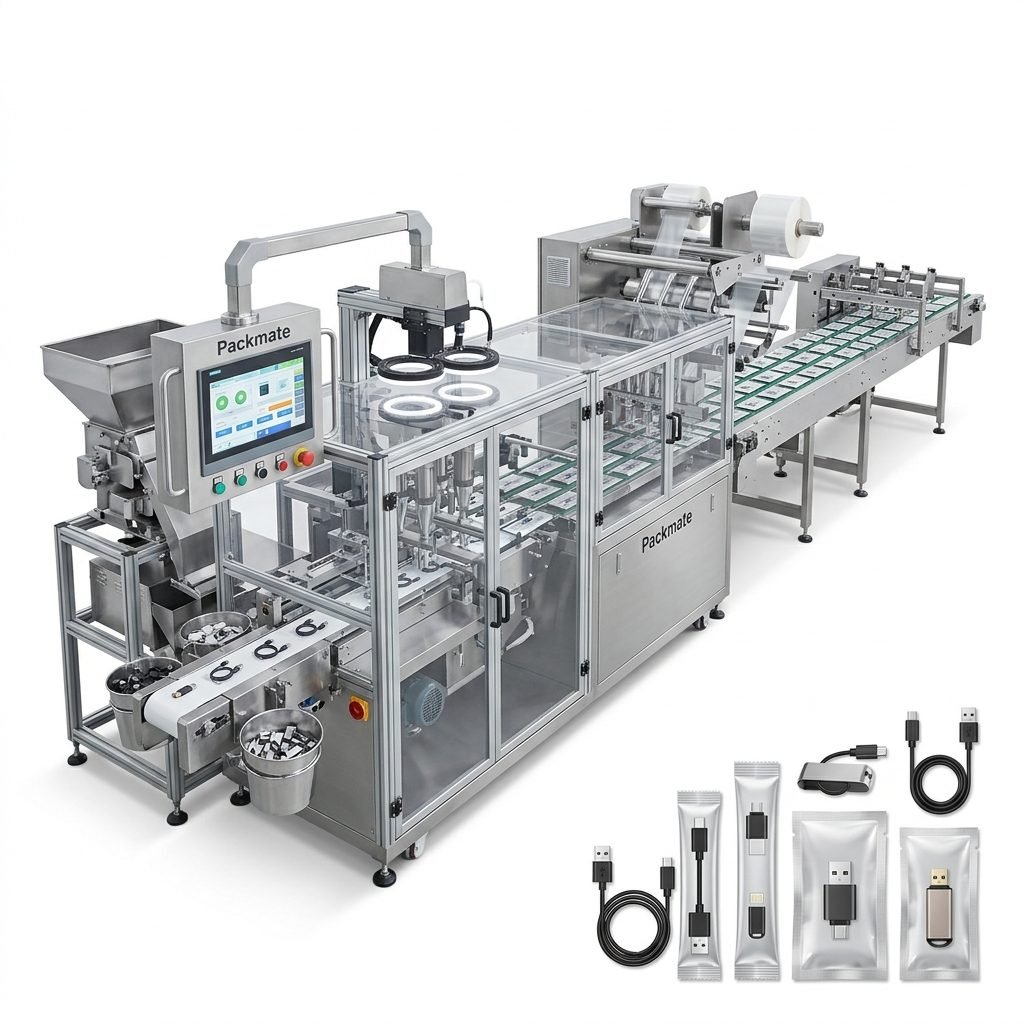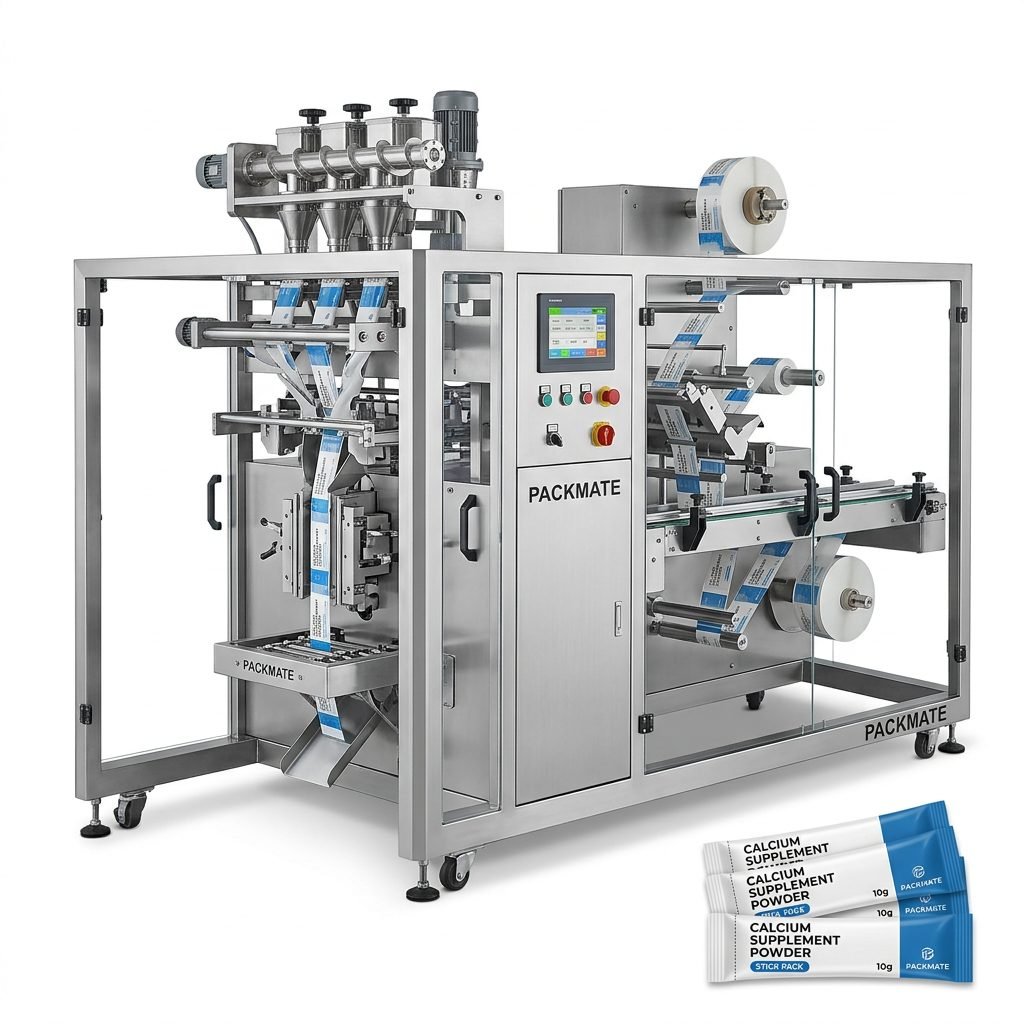
In the fast-paced world of modern manufacturing, the packaging line stands as the final, critical frontier before a product reaches the consumer. It is the orchestrated sequence of machines and processes that transforms bulk product into a protected, branded, and ready-to-sell unit. But what exactly constitutes a packaging line, and how do these complex systems function to meet the demands of industries like food, pharmaceuticals, and health products? This article provides a clear definition, explores the various types, and explains how complete, turnkey solutions from experts like Packmate (GuangDong) Co., Ltd. bring efficiency and reliability to production floors worldwide.
Clear Definition: What Is a Packaging Line?
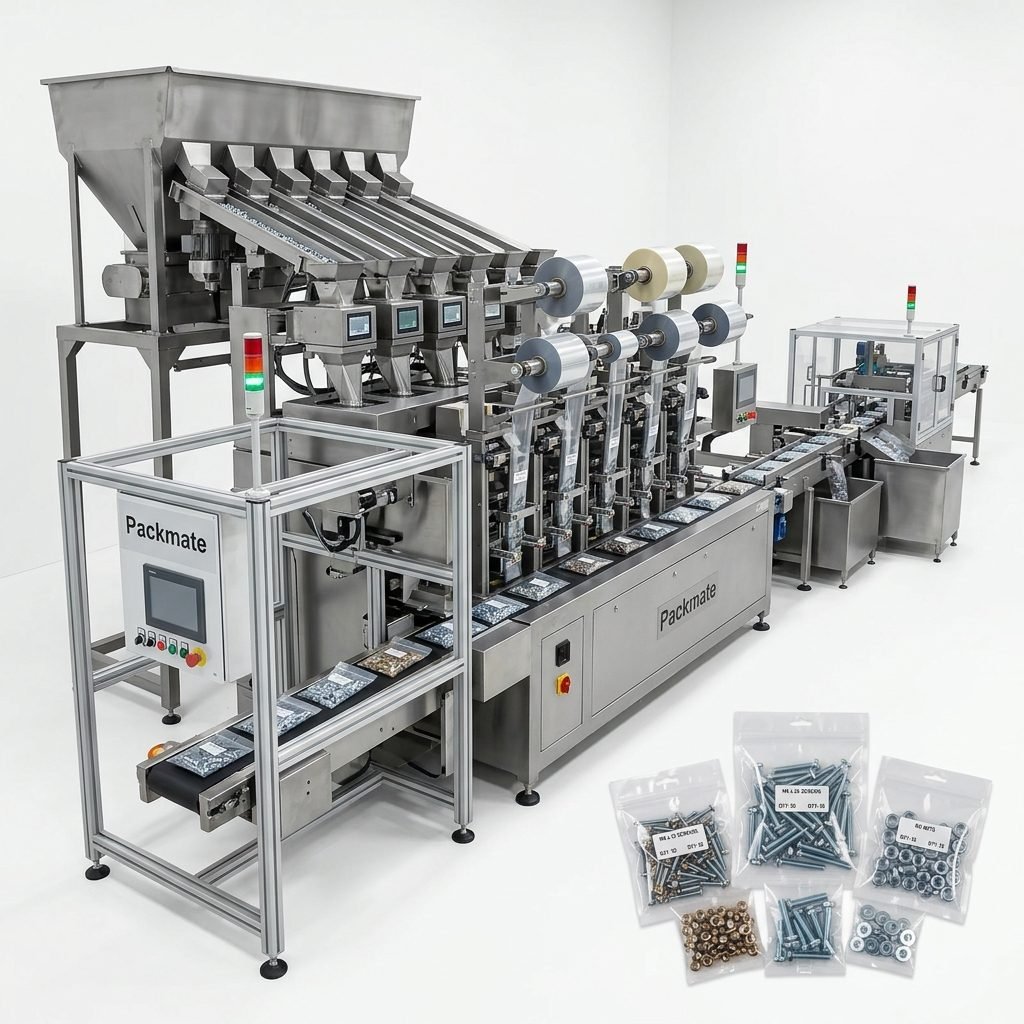
A packaging line is an integrated system of automated or semi-automated machinery and processes designed to perform a series of tasks required to package a product. It is far more than a single machine; it is a synchronized production unit that handles everything from feeding the raw product and forming the packaging material to filling, sealing, labeling, coding, and final cartoning or palletizing. The primary goal is to achieve high-speed, consistent, and hygienic packaging while minimizing waste and labor costs.
Key Concept: Think of it as an assembly line dedicated solely to packaging. Each station or machine has a specific role, and the product moves seamlessly from one stage to the next until the packaging process is complete. The complexity of the line scales with the product and packaging requirements.
Core Objectives of a Modern Packaging Line
Modern lines are engineered with several critical objectives in mind:
- Efficiency & Speed: Maximizing output (e.g., packs per minute) to meet high-volume production targets.
- Accuracy & Consistency: Ensuring precise fill weights, proper sealing, and accurate placement of labels and codes every time.
- Flexibility: The ability to quickly changeover between different product formats, sizes, or packaging materials with minimal downtime.
- Hygiene & Safety: Particularly vital in food and pharmaceutical sectors, lines must be designed for easy cleaning and must comply with strict sanitary standards like GMP.
- Integration & Data: Connecting with upstream production and downstream logistics systems, often providing valuable operational data for analysis and optimization.
Exploring the Different Types of Packaging Lines
Packaging lines are not one-size-fits-all. They are meticulously configured based on the product form (solid, liquid, powder), the required package type, and production volume. Here are some of the most common types deployed across industries.
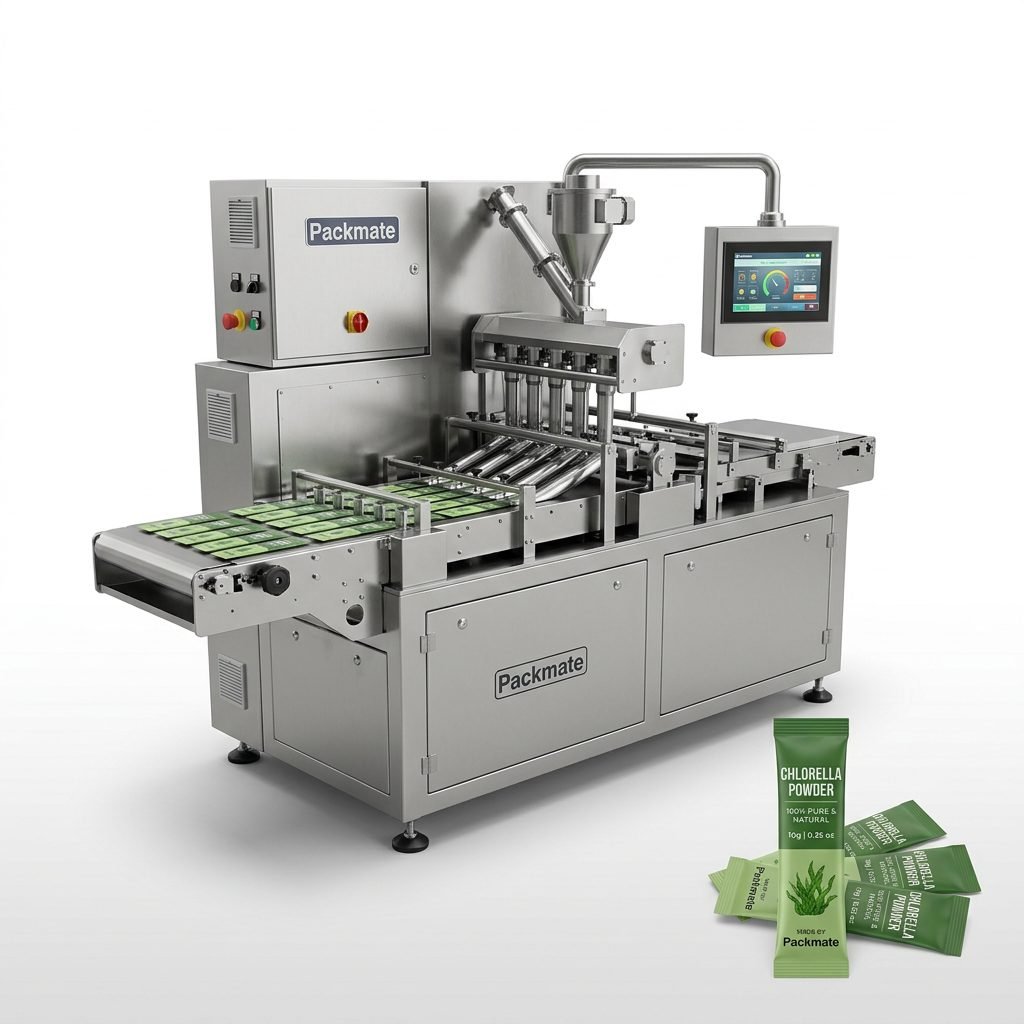
1. Stick Pack Packaging Lines
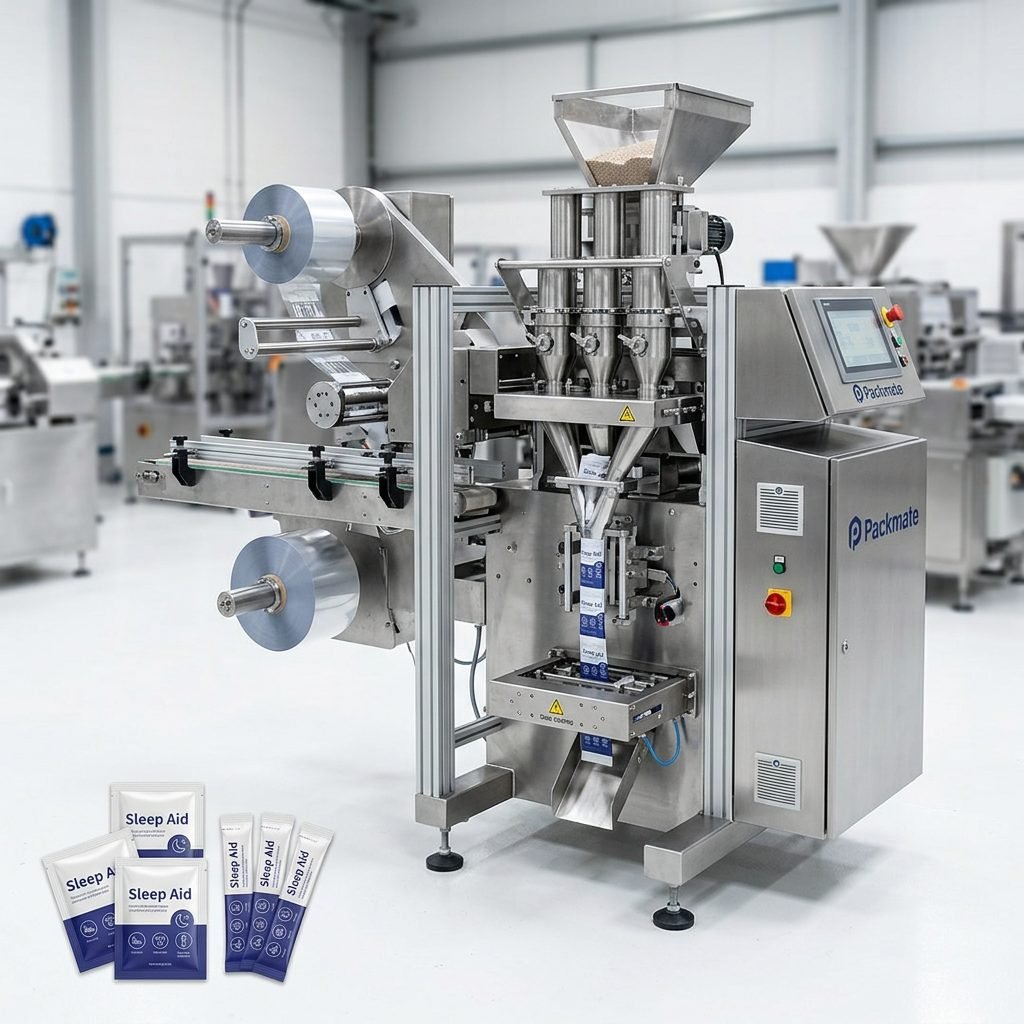
Ideal for single-serving portions of powders, granules, or liquids (like instant coffee, sugar, or electrolyte mixes). These lines use roll-fed film to form long, narrow “sticks” that are filled and sealed. High-speed multi-lane stick pack machines can produce hundreds of sticks per minute, making them extremely efficient for high-volume consumer goods.
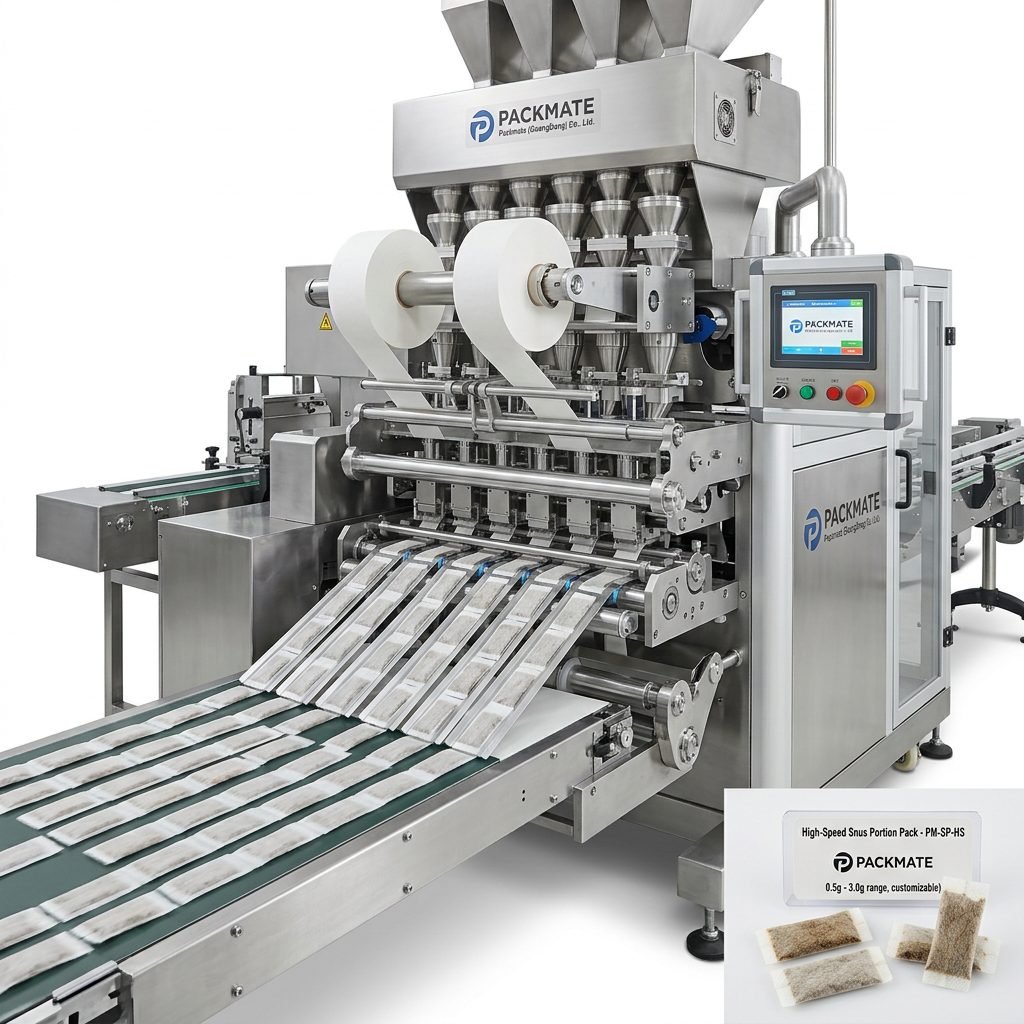
2. Sachet (Pouch) Packaging Lines
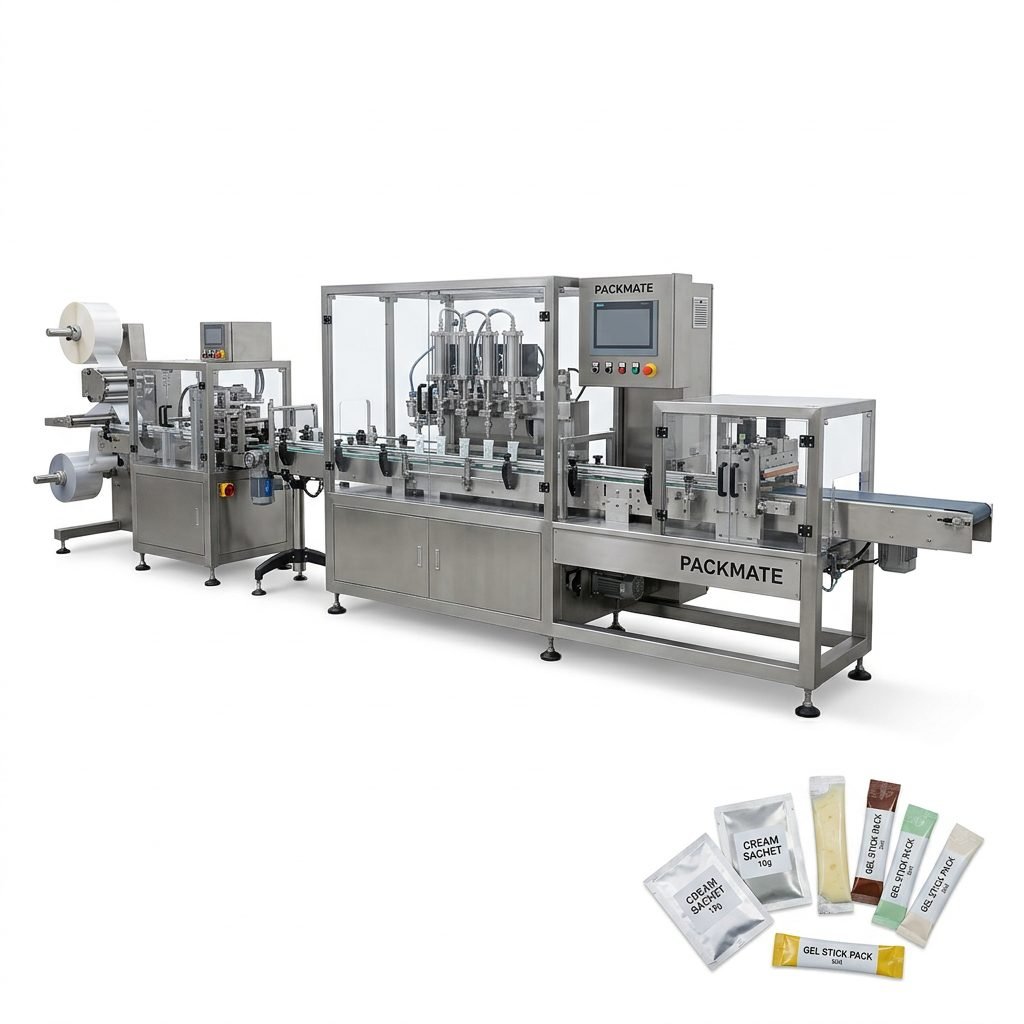
Versatile lines that create small to medium-sized flat or stand-up pouches. They are perfect for a vast range of products, from sauces and condiments to pharmaceutical powders and shampoo samples. Sachet lines offer great flexibility in pouch size and shape and can handle both liquid and viscous products with high accuracy.
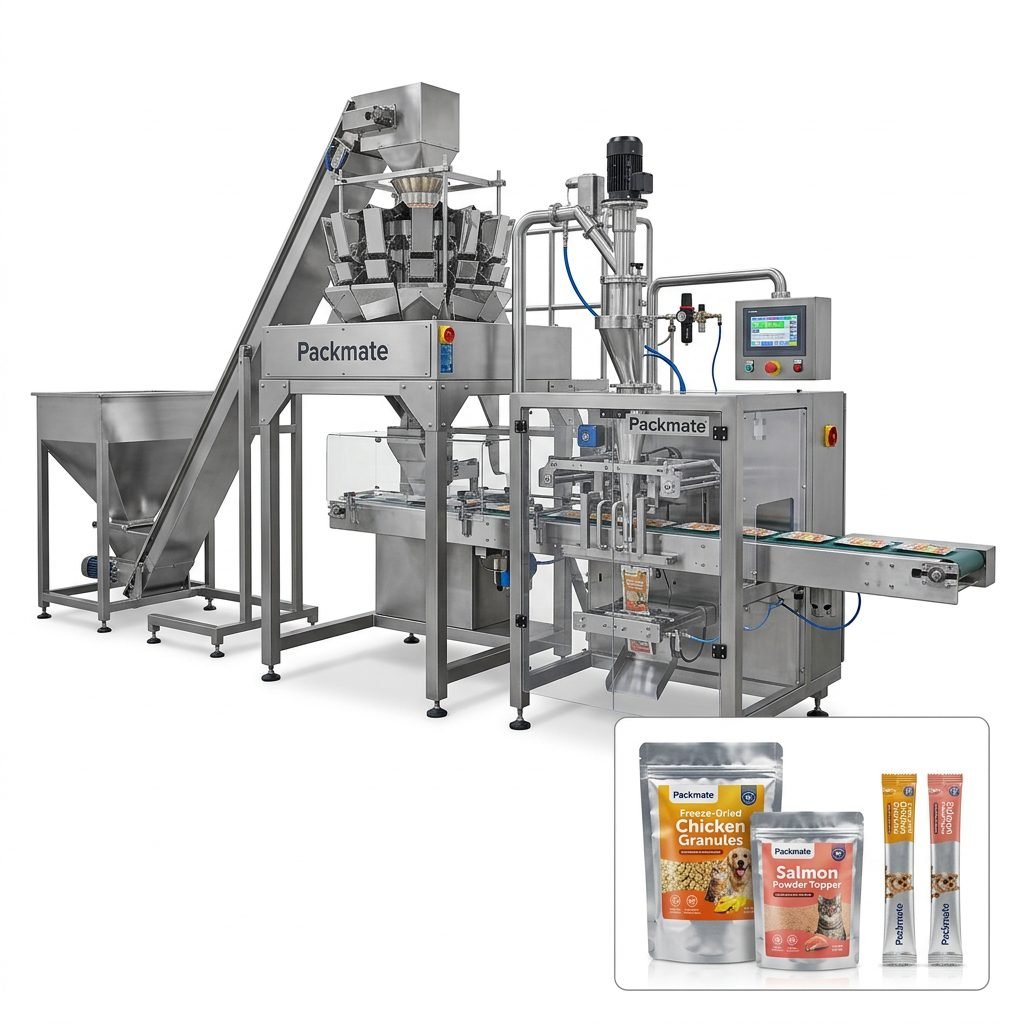
3. Large-Volume Bagging Lines
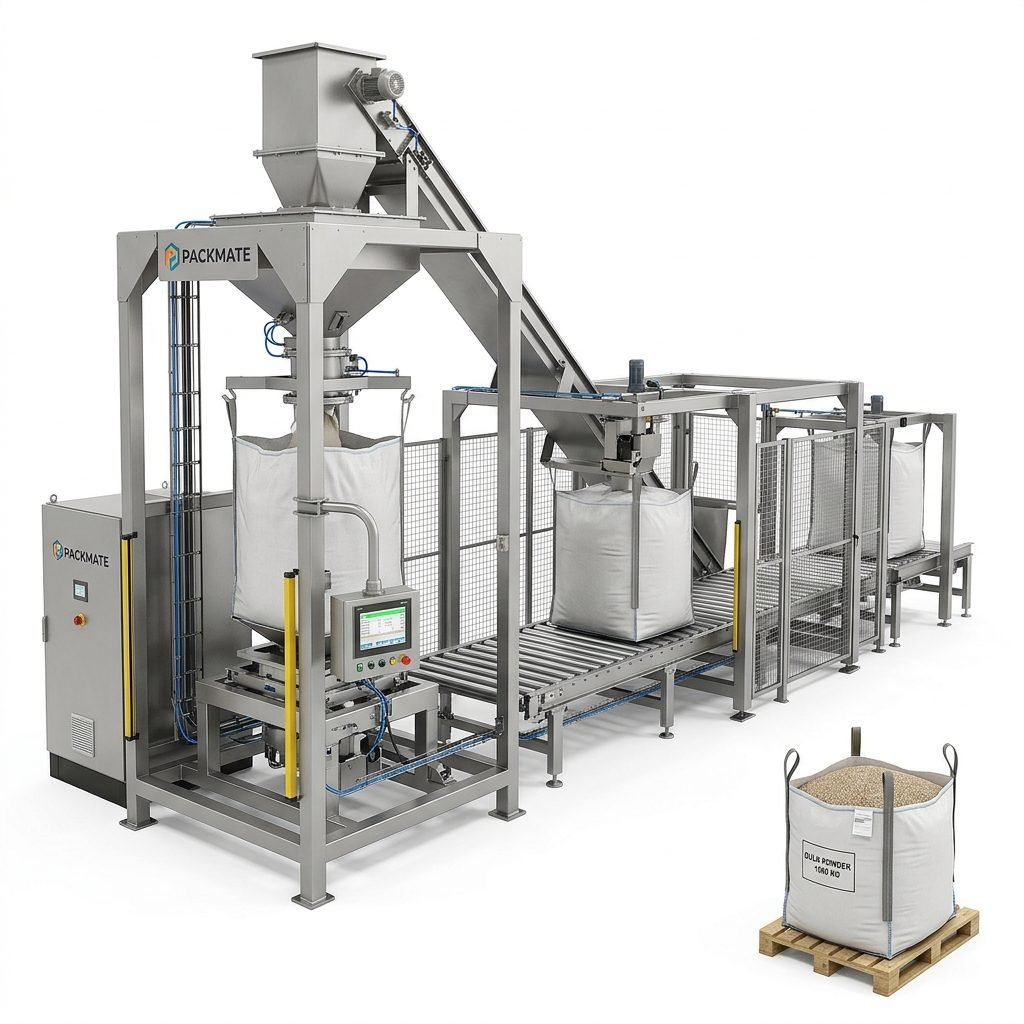
Designed for bulk packaging, these lines fill and seal larger bags, often ranging from 1kg to 25kg or more. Common in the food industry for rice, flour, or pet food, and in industrial sectors for chemicals or fertilizers. They typically include heavy-duty bag form-fill-seal (FFS) machines, checkweighers, and palletizers.
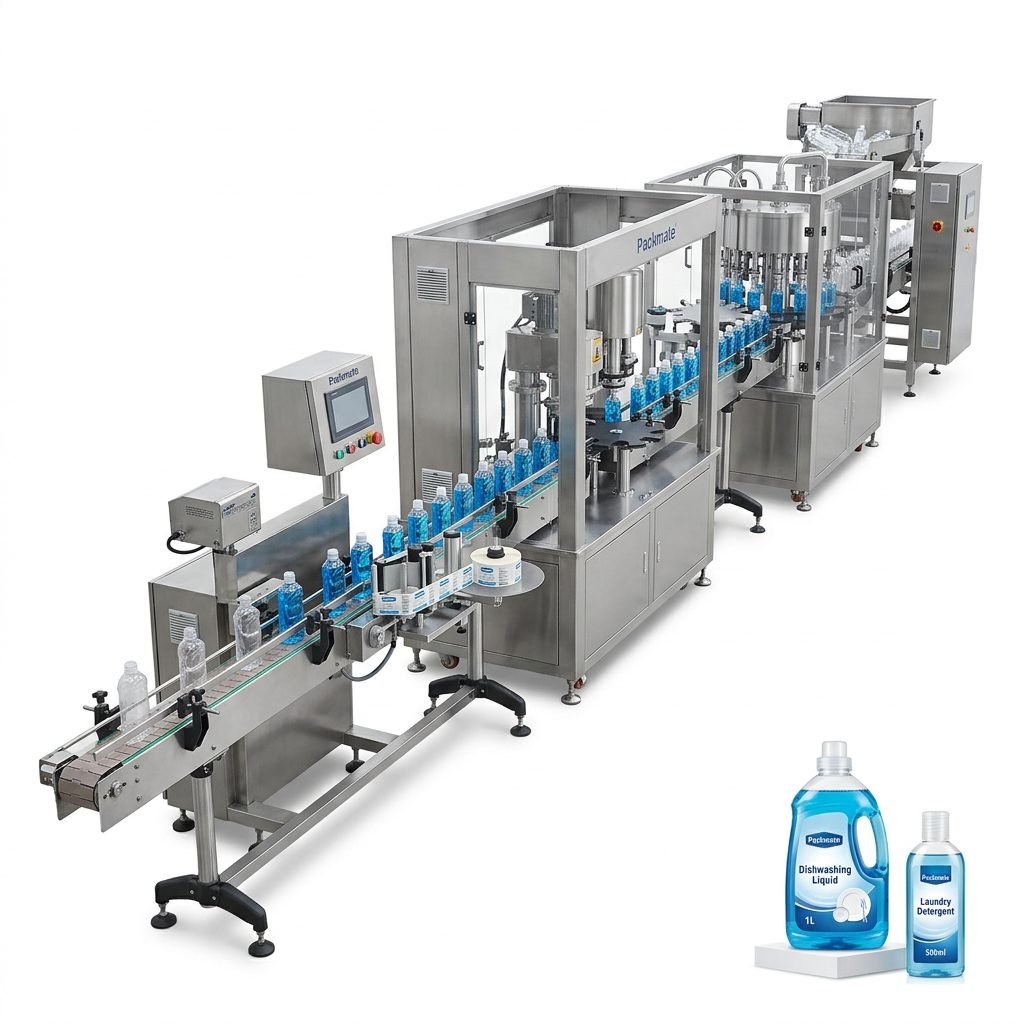
4. Liquid Filling Lines
Specialized systems for bottling or pouching liquids, creams, and pastes. Key components include bottle unscramblers, rinsers, precise liquid fillers (piston, gravity, or volumetric), cappers, sealers, and labelers. Hygiene and prevention of cross-contamination are paramount in their design.
Pro Tip: The choice of line type is a strategic decision. Factors like product characteristics, market demand, shelf-life requirements, and brand presentation all play a crucial role. Reviewing real-world application cases from a trusted supplier can provide invaluable insight for planning.
How Complete Packaging Line Solutions Work
Investing in individual machines is one thing, but implementing a complete packaging line solution is a holistic approach that ensures all components work in perfect harmony. A turnkey solution provider like Packmate manages the entire project from concept to commissioning.
Phase 1: Consultation & Custom Design
The process begins with a deep understanding of the client’s needs. Engineers analyze the product, target output, available factory space, and budget. Based on this, they design a custom line layout, selecting and sometimes customizing the optimal machines for each step. This phase is collaborative, ensuring the final design aligns perfectly with operational goals.
Phase 2: Precision Manufacturing & Integration
Once the design is finalized, manufacturing begins in a controlled facility. For instance, at Packmate’s 20,000㎡ modern factory, over 50 machine models are produced using advanced equipment. Crucially, the core machines (like the form-fill-seal unit) and auxiliary equipment (like checkweighers and coders) are built and pre-tested to work together seamlessly. Electrical control systems are integrated to allow centralized operation and monitoring.
Phase 3: Factory Acceptance Testing (FAT)
Before shipment, the entire line is assembled and run at the manufacturer’s site for a Factory Acceptance Test. The client is often invited to witness this test. The line processes a sample of the actual product (or a simulation) to verify speed, accuracy, fill weight, seal integrity, and overall performance against the agreed specifications.
Phase 4: Installation, Training & Ongoing Support
Expert technicians supervise the installation at the client’s plant, calibrate the machinery, and conduct comprehensive training for the operational and maintenance staff. A true partner provides robust after-sales service, including readily available spare parts, remote troubleshooting, and periodic maintenance checks to ensure long-term reliability and uptime.
Conclusion & Key Takeaways
A packaging line is the engineered heartbeat of product finishing. From simple sachets to complex multi-lane stick packs, the right line dramatically boosts productivity, ensures quality, and protects brand integrity. The move towards complete, turnkey solutions offered by experienced providers represents a strategic investment. It transfers the complexity of integration and optimization from the manufacturer to the specialist, resulting in a faster ROI, fewer operational headaches, and a system built for the future. By partnering with a firm that has a proven track record, like the team behind Packmate Packaging Line, businesses can secure a competitive edge through packaging excellence.
Frequently Asked Questions (FAQs)
1. What is the main difference between a packaging machine and a packaging line?
A packaging machine is a single unit performing one specific task (e.g., filling or sealing). A packaging line is a complete system linking multiple machines (which may include conveyors, feeders, and robots) to perform the entire packaging process from start to finish automatically.
2. How long does it take to get a complete packaging line installed and operational?
The timeline varies greatly based on complexity and customization. A standard line might take 3-6 months from order to commissioning, including design, manufacturing, FAT, and installation. Highly custom solutions can take longer. A detailed project plan is always provided upfront by the solution provider.
3. Can one packaging line handle different products or package sizes?
Yes, modern lines are designed with flexibility in mind. Quick-change parts and programmable logic controllers (PLCs) allow for relatively fast changeovers between similar product formats and sizes. However, the degree of flexibility should be a key discussion point during the design phase.
4. What are the most important factors when choosing a packaging line supplier?
Key factors include: Industry Experience (especially with your product type), Technical Expertise & Customization Ability, Quality of Manufacturing and components used, Comprehensive Service & Support network, and a transparent review of their certifications and company profile.
5. How can I estimate the potential Return on Investment (ROI) for a new packaging line?
ROI is calculated by comparing the capital cost against savings and gains. Key metrics include: increased production output (revenue), reduced labor costs, lower material waste (from improved accuracy), decreased downtime, and improved product quality (reducing returns). A reputable supplier should help you model this based on your current and projected data.