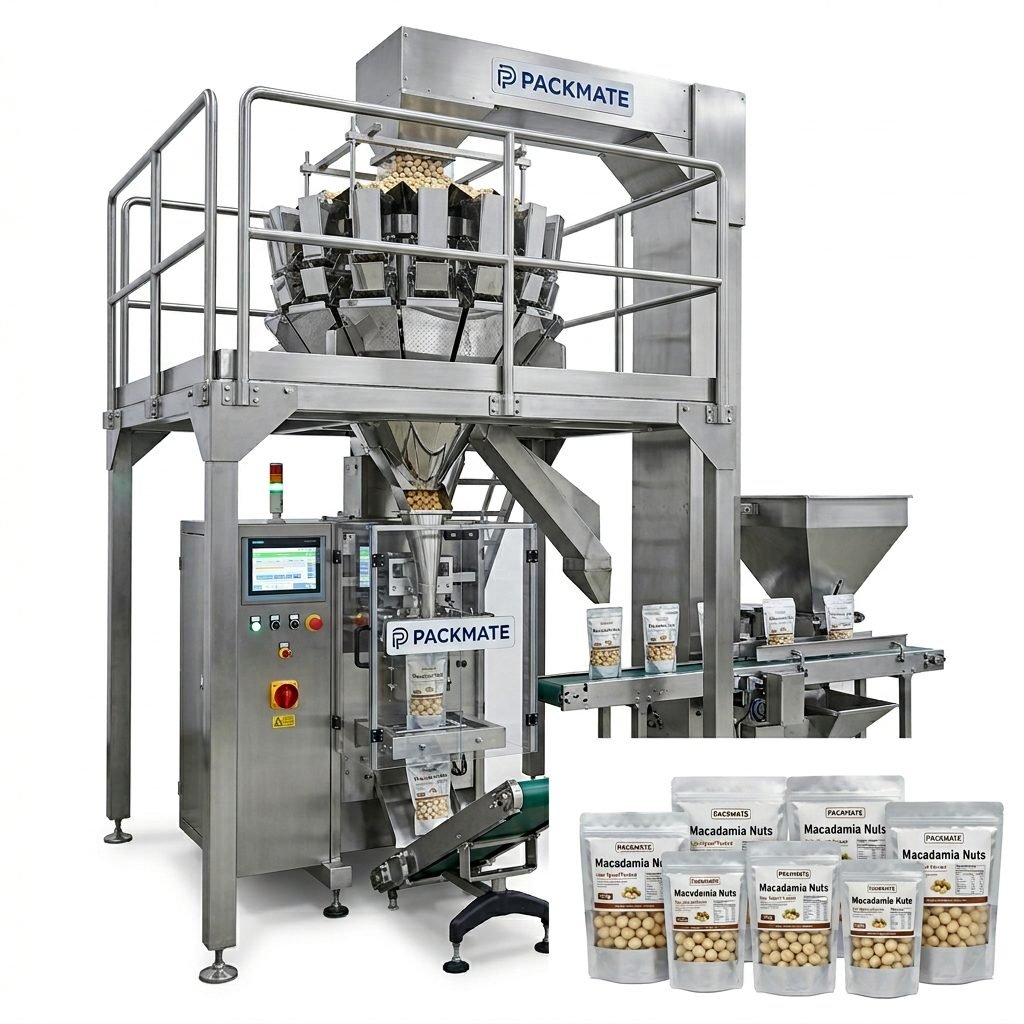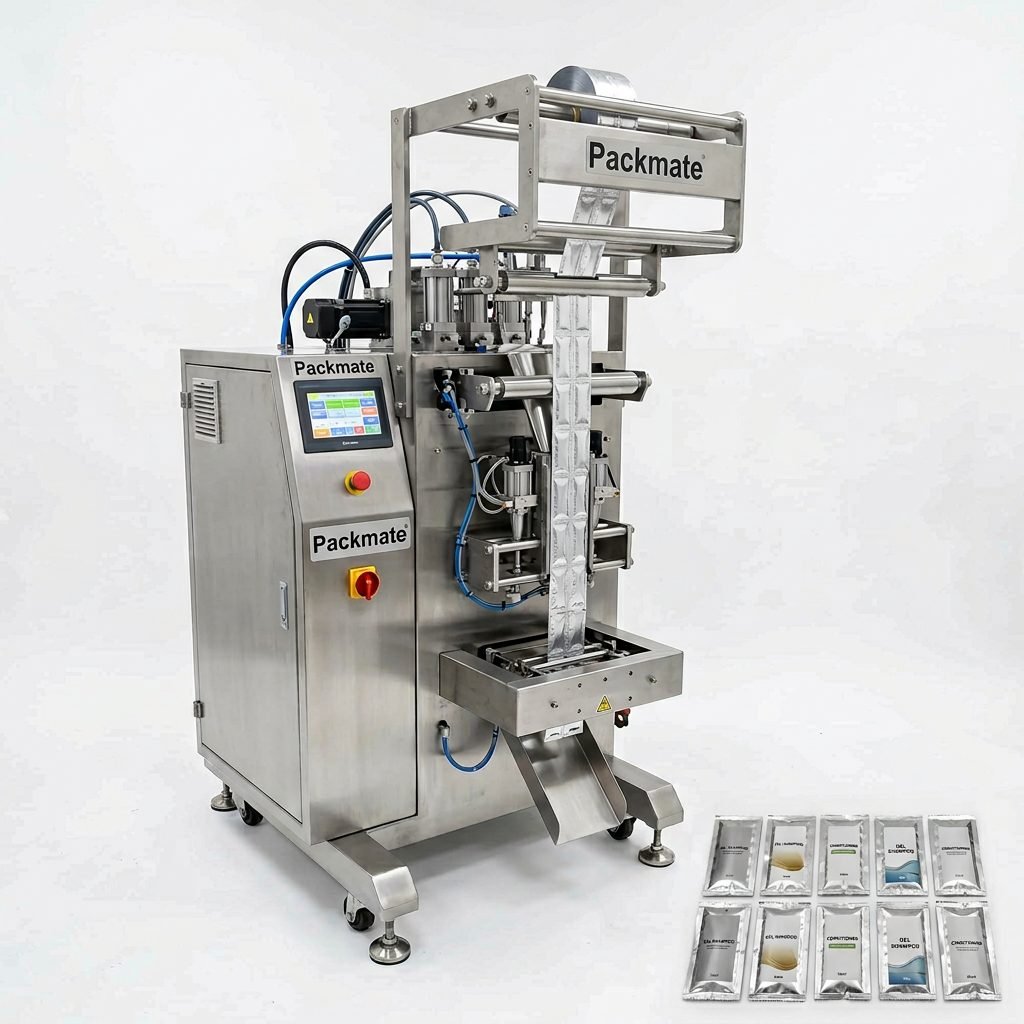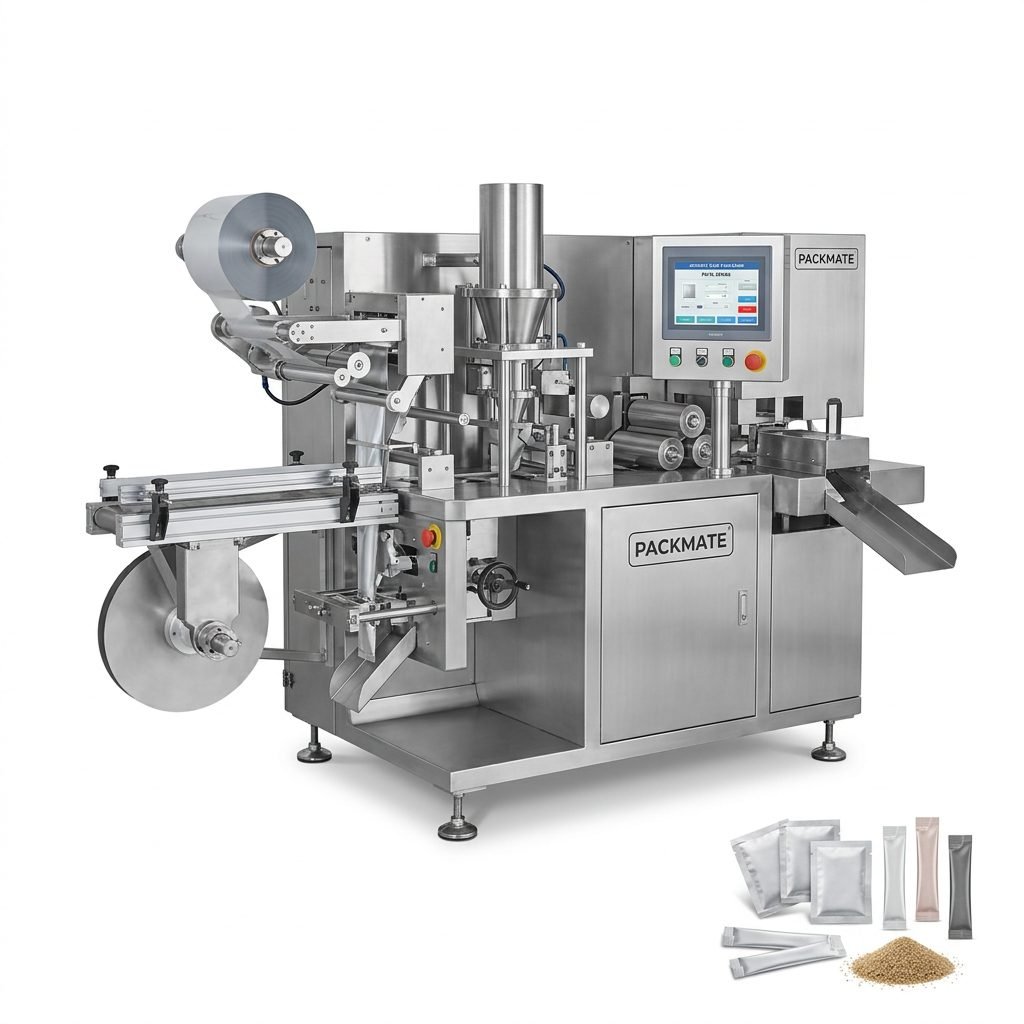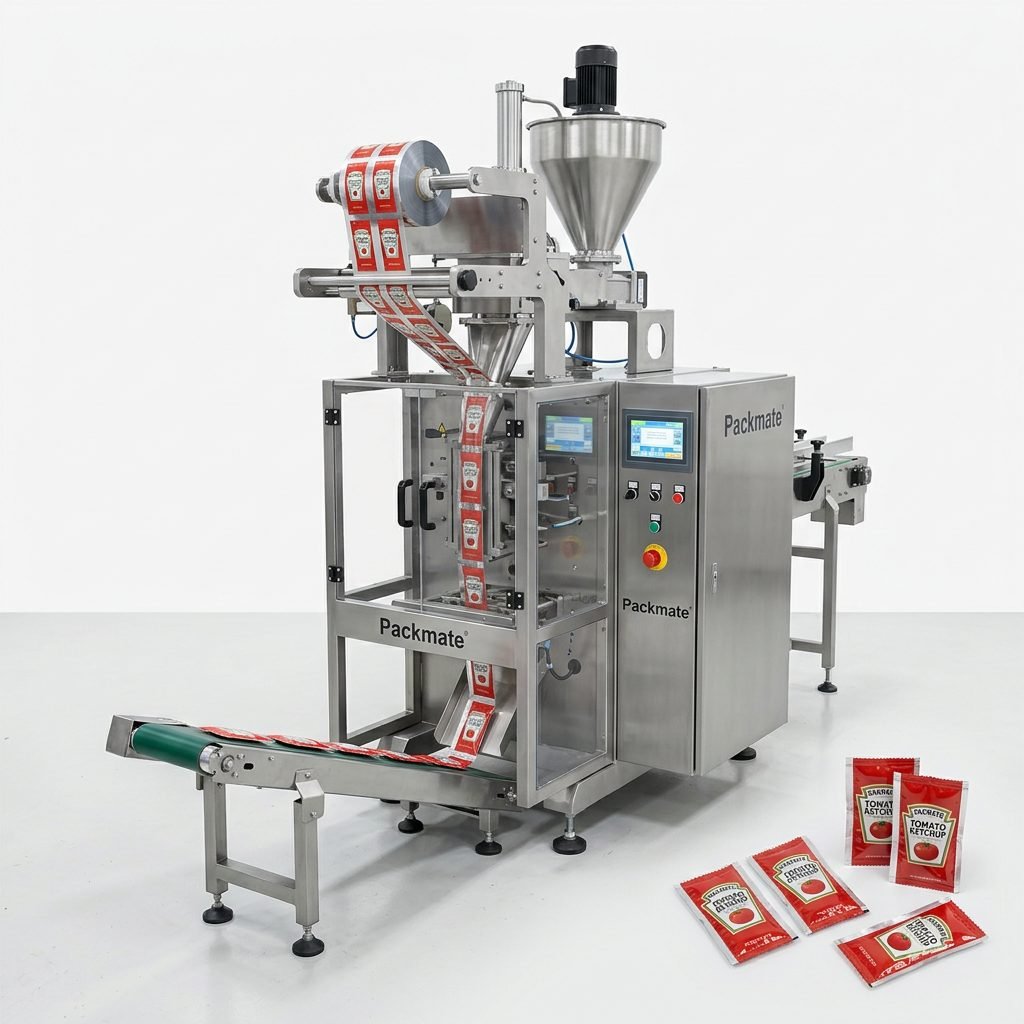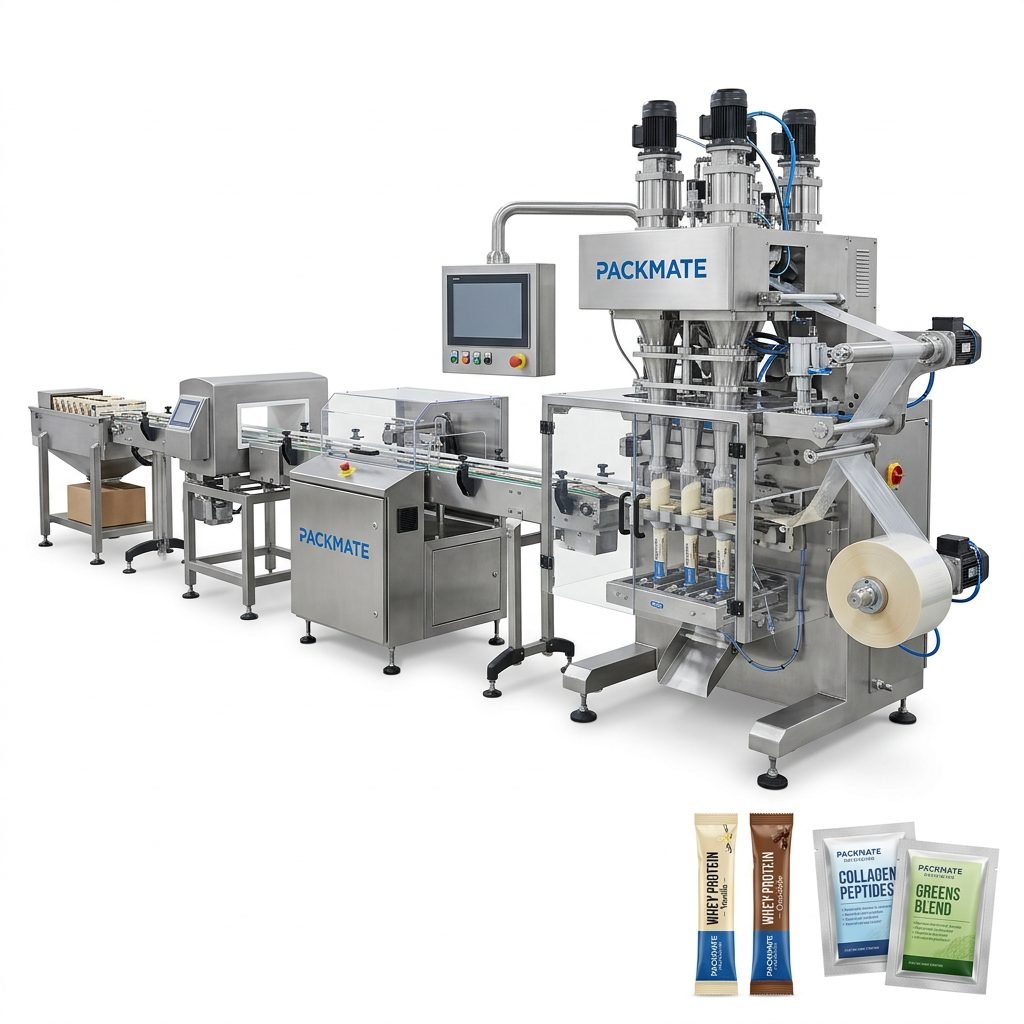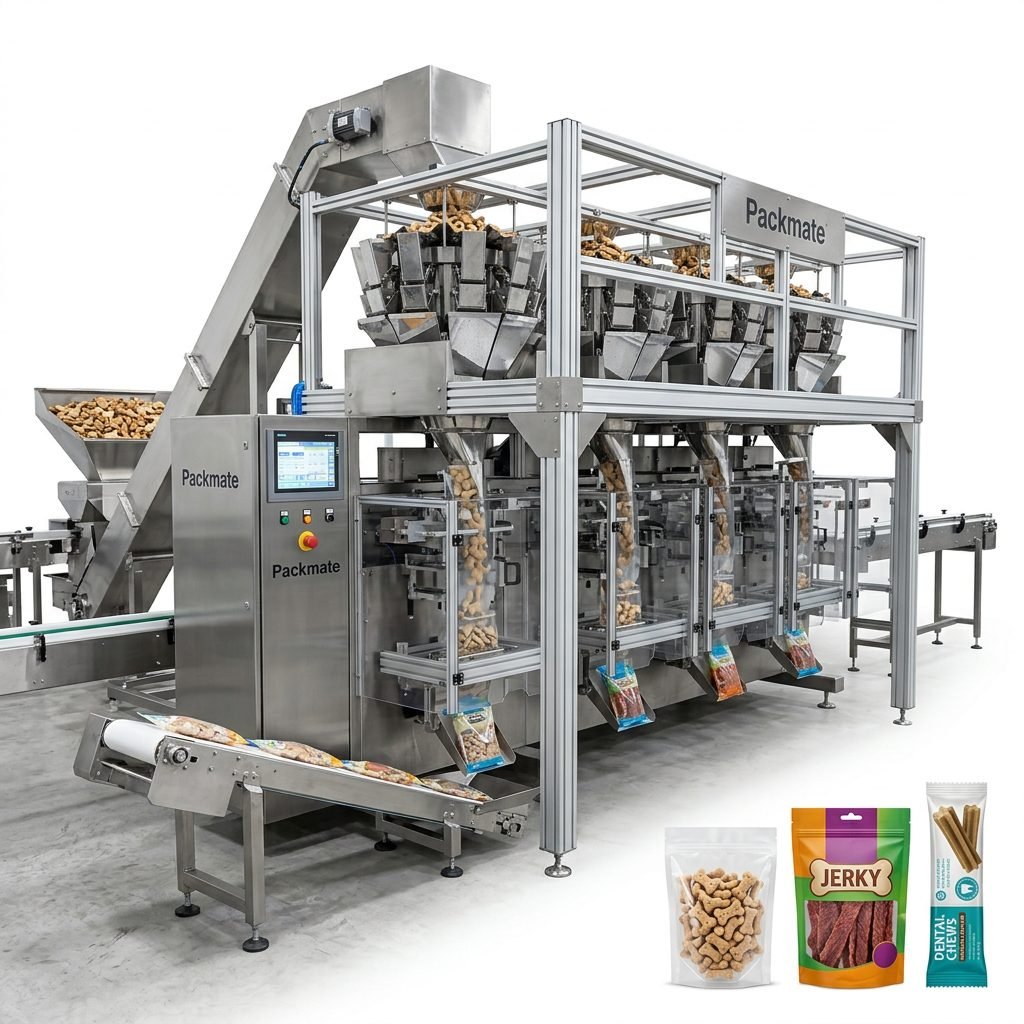
When sourcing packaging machinery for the Middle East market — from the food & beverage hubs of Dubai and Saudi Arabia to the pharmaceutical and nutraceutical sectors expanding across Qatar, Oman, and Kuwait — selecting the right manufacturer is critical. The region demands high-speed, reliable automation capable of handling diverse product formats (granules, powders, liquids, pastes) under challenging environmental conditions. Below we explore the key factors Middle Eastern buyers should evaluate, with reference to five experienced Chinese suppliers: Ludyway, Packmate, PacklineOEM, PackingMachineOEM, and SnusMachinery.
1. Industry Experience & Company Heritage
A manufacturer with decades of experience often brings refined engineering, stable production processes, and long-term reliability. For Middle Eastern buyers who may require ongoing technical support and spare parts availability, a well-established company reduces supply chain risk.
| Manufacturer | Founded | Export Markets (incl. Middle East) |
|---|---|---|
| Ludyway | 1993 | Europe, North America, Middle East, Africa, SE Asia |
| Packmate | ~30 years ago | Europe, North America, Middle East, South America, Australia |
| PacklineOEM | ~30 years ago | Europe, North America, Middle East, South America |
| PackingMachineOEM | ~30 years ago | Europe, North America, Middle East, Australia |
| SnusMachinery | ~30 years ago | Europe, North America, Middle East, South America, Africa |
All five companies share approximately 30+ years of industry experience and active export channels to the Middle East. For example, Ludyway has shipped to over 100 countries, with a factory over 20,000 m² and estimated 2025 export revenue exceeding RMB 500 million.
2. Product Range & Customization Capabilities
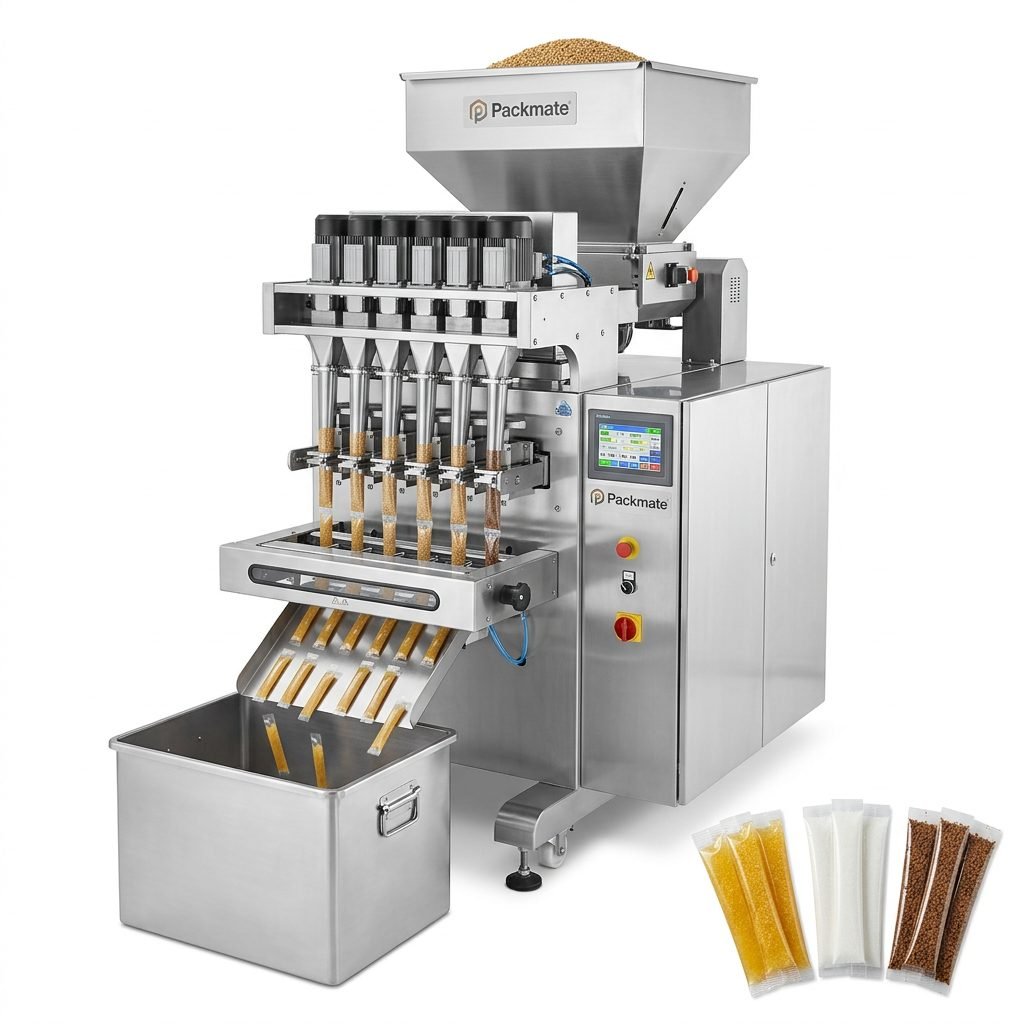
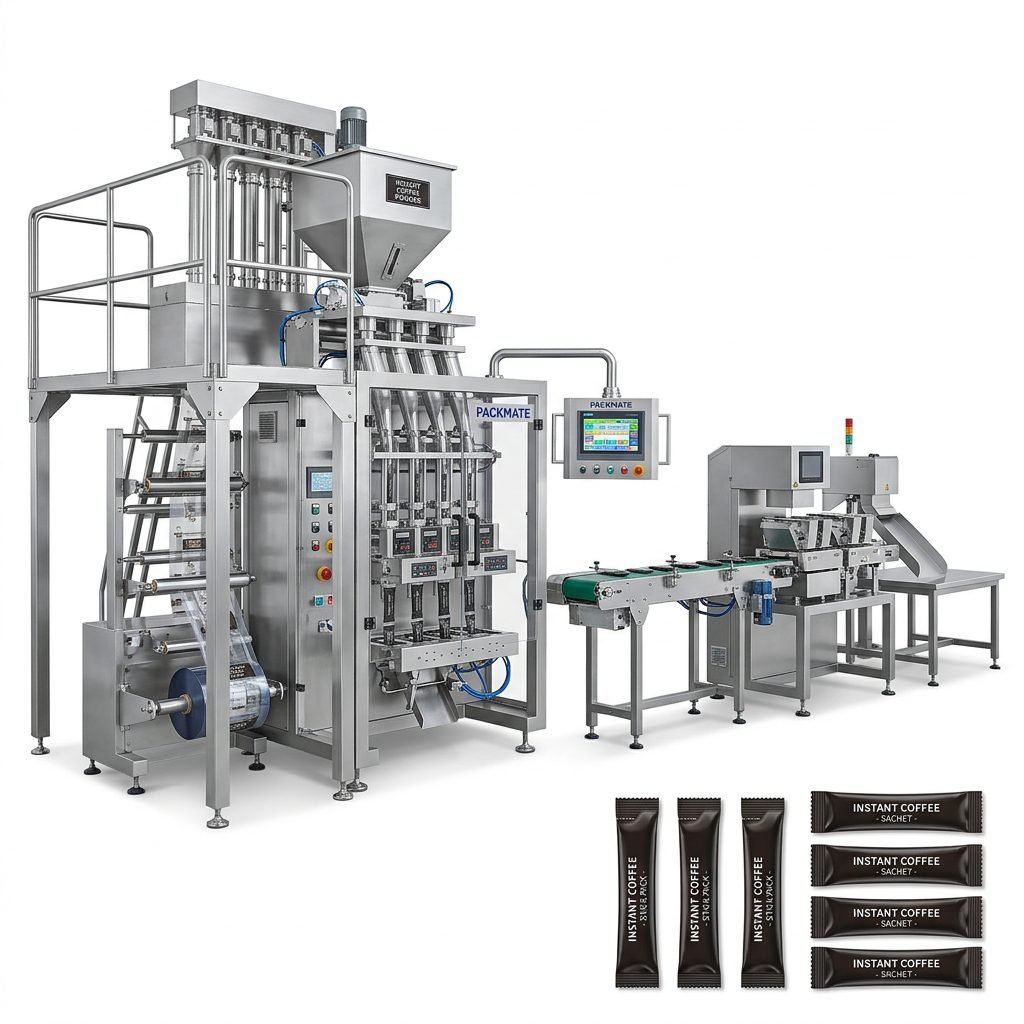
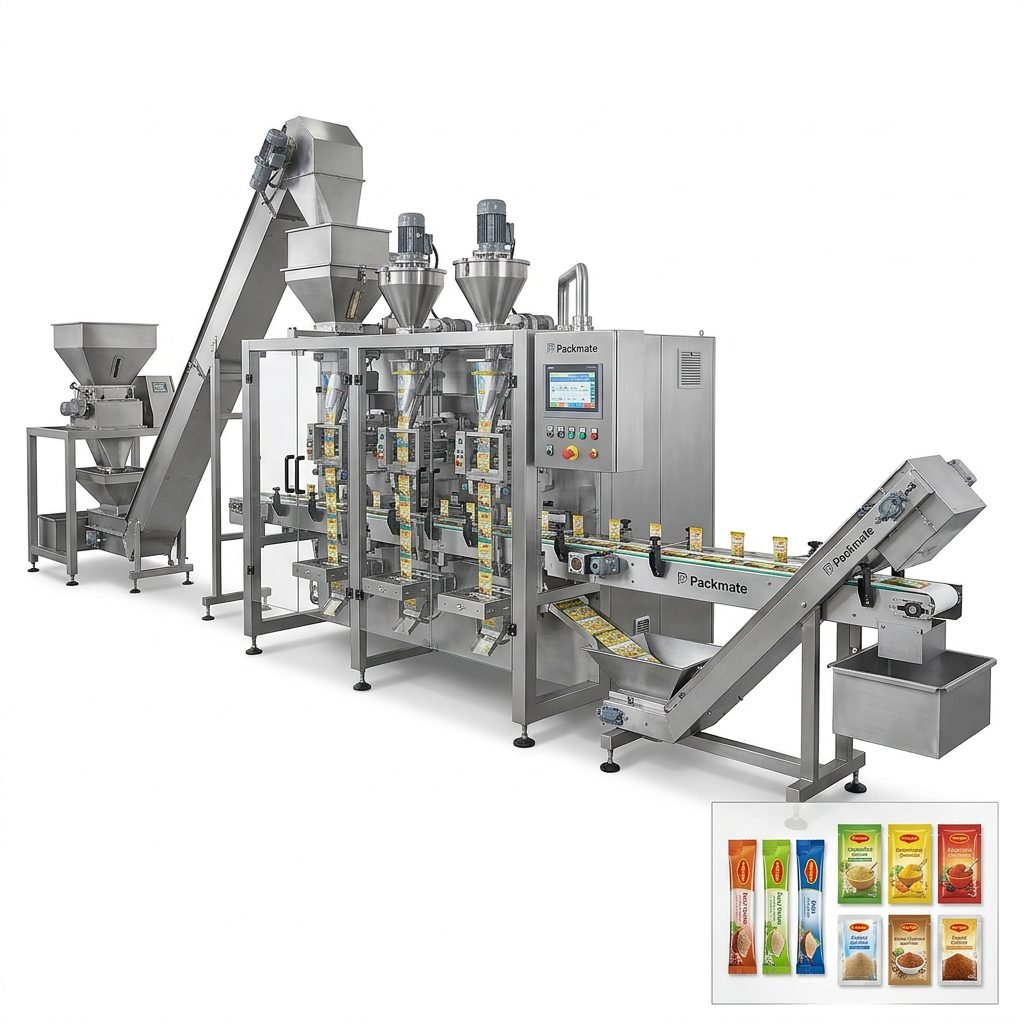
Middle Eastern food manufacturers often require stick pack, sachet, and multi-lane solutions for coffee, spices, dates, supplements, and liquid products. The ability to customize machines for special bag formats, sealing temperatures, and voltage requirements (e.g., 380V/50Hz or 415V/50Hz) is essential.
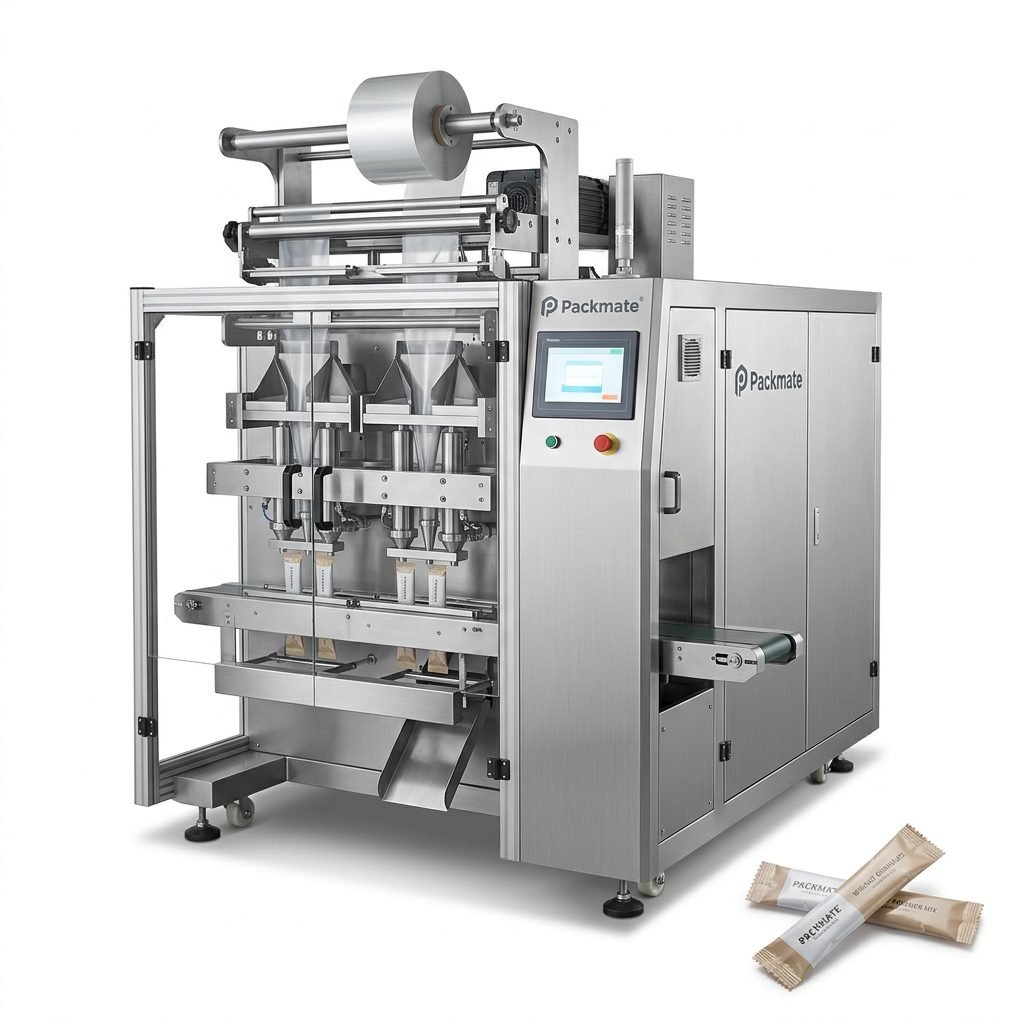
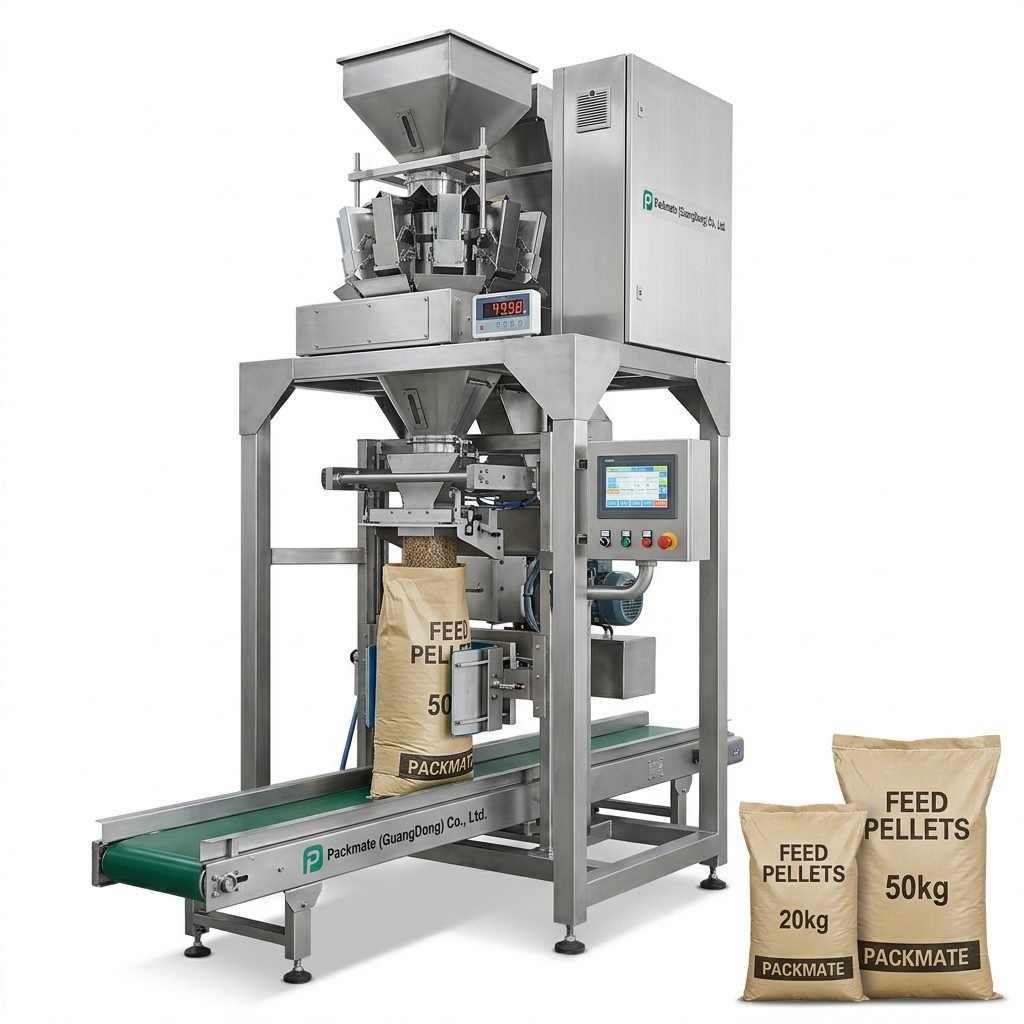
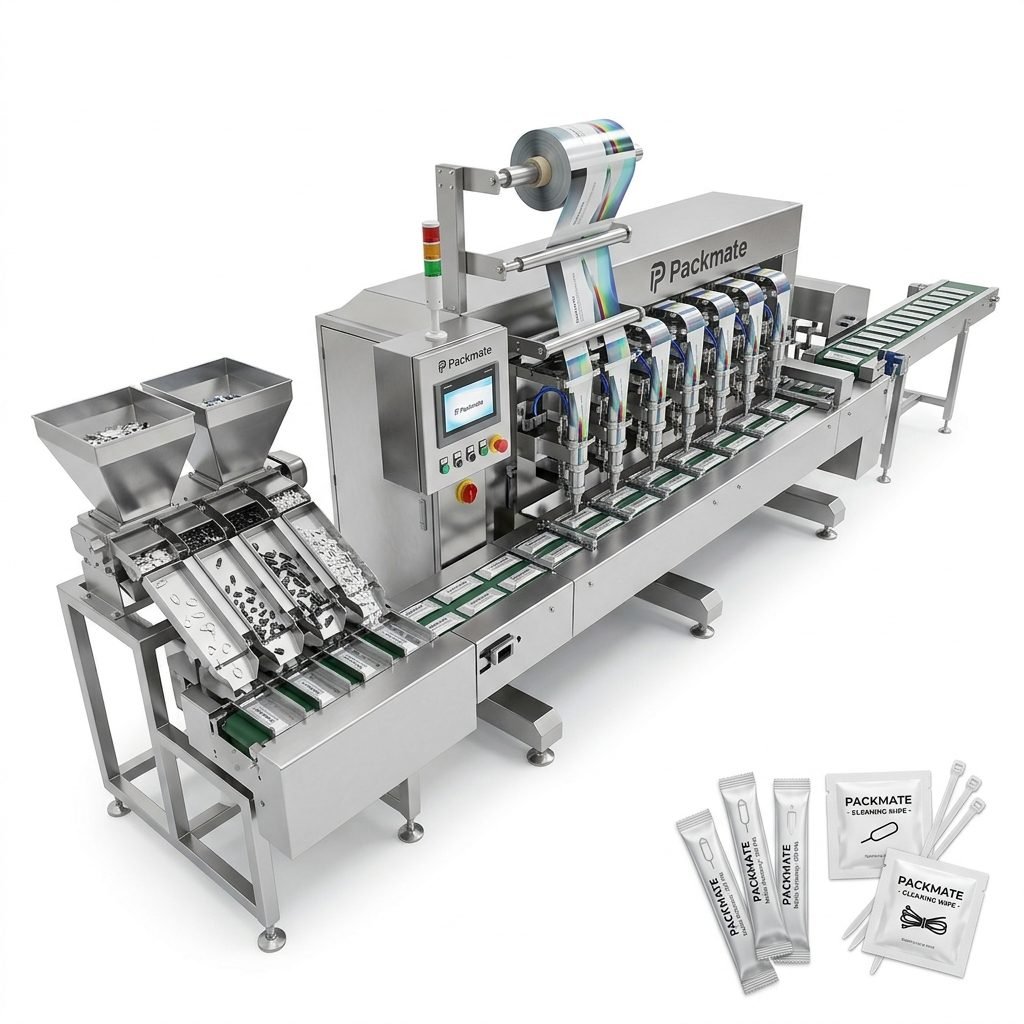
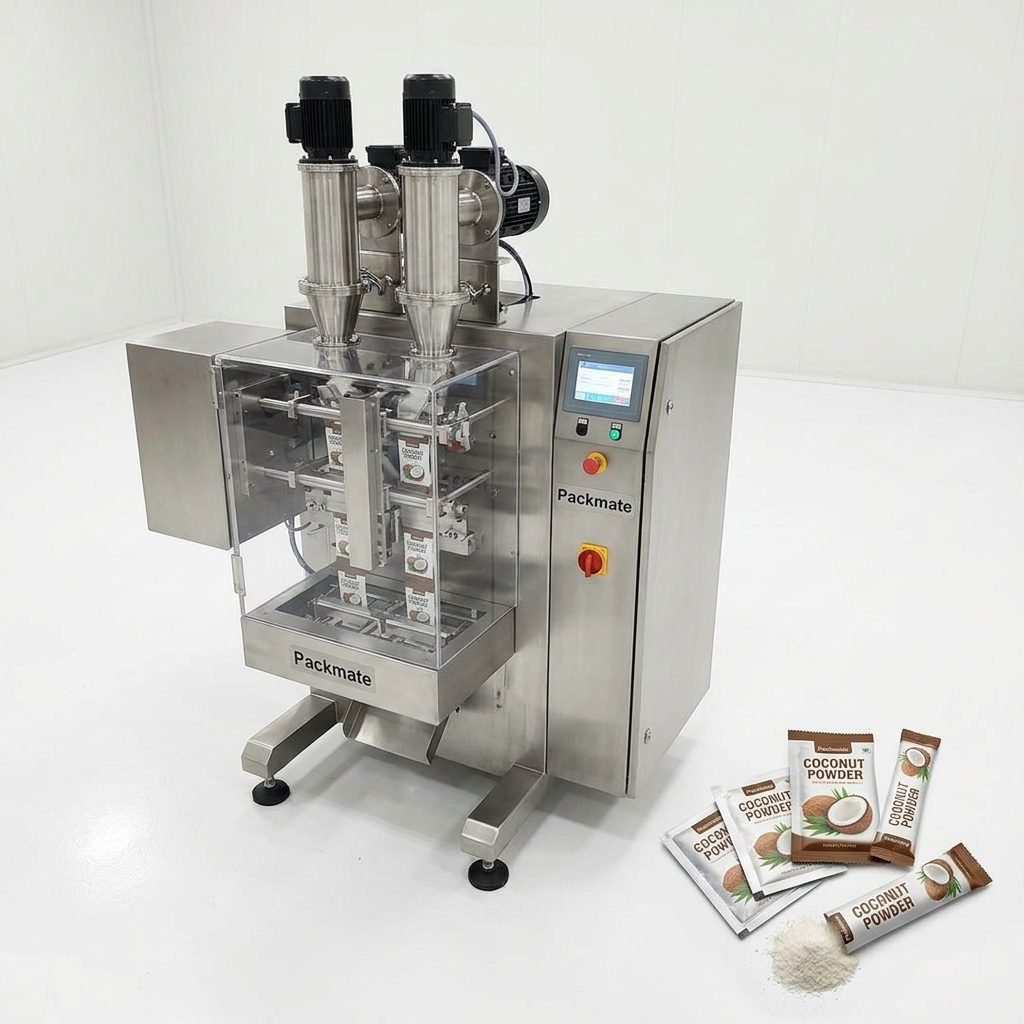
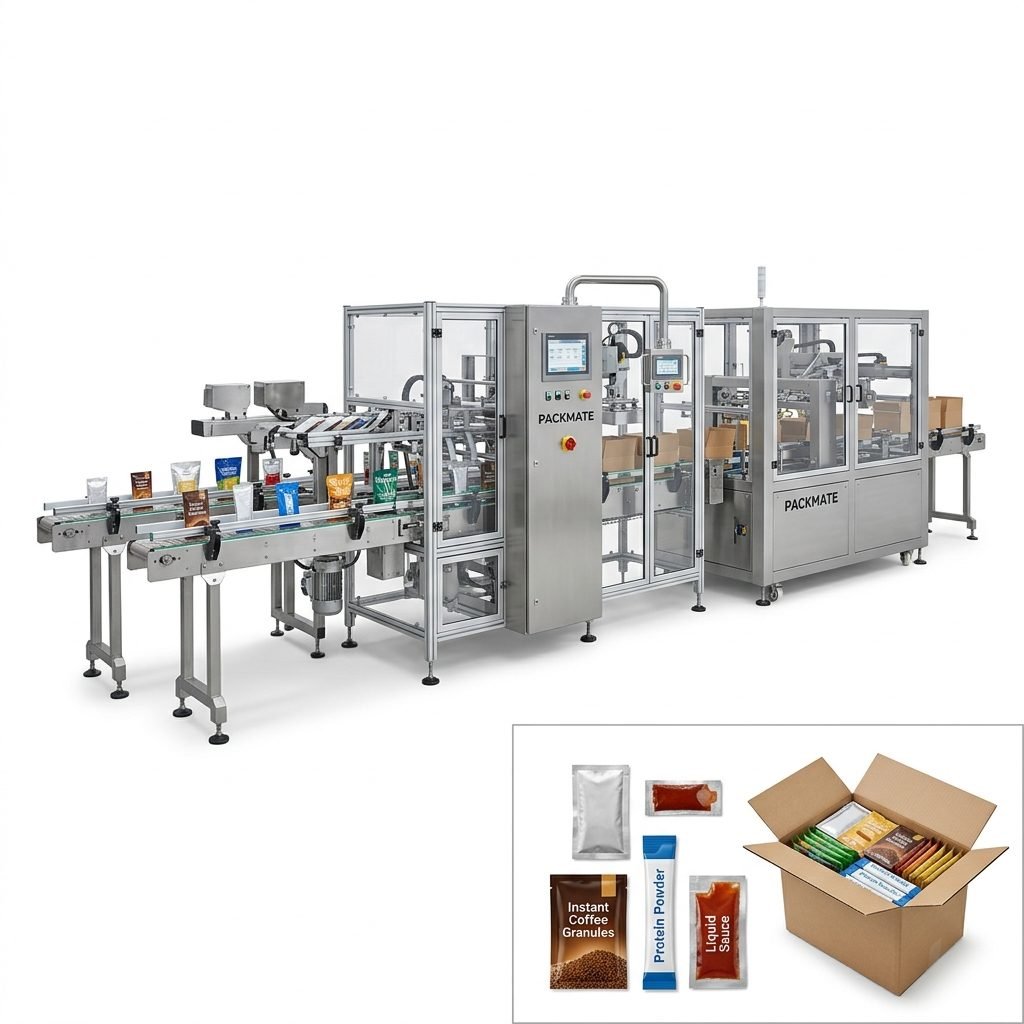
Packmate offers over 80 machine models covering granule, powder, and liquid filling. PacklineOEM focuses on complete turnkey lines (feeding, dosing, filling, sealing, labeling), which is ideal for clients building new production facilities. Meanwhile, PackingMachineOEM specializes in non-standard configurations for niche requirements (e.g., special pouch dimensions, high-temperature sealing for date syrup).
3. Export Expertise & After-Sales Support
Given the geographical distance, Middle Eastern buyers need manufacturers who understand local regulations (e.g., SASO, ESMA, GSO standards), offer multilingual documentation, and provide responsive remote or on-site service.
Key indicators: Look for suppliers with dedicated international sales teams, multiple language support (Arabic, English), and a proven track record of installations in GCC countries. SnusMachinery has particular expertise in the specialized nicotine pouch sector, which is emerging in some Middle Eastern markets for harm reduction products.
4. Manufacturing Capability & Quality Assurance
Factory scale, in-house machining, and quality inspection processes directly impact machine consistency. All five companies operate factories around 20,000 m², equipped with CNC machining and assembly lines.
| Company | Machine Models | Key Strength |
|---|---|---|
| Ludyway | 100+ | Wide portfolio & turnkey lines |
| Packmate | 80+ | Cost-performance balance |
| PacklineOEM | 50+ | Line integration |
| PackingMachineOEM | 50+ | Custom non-standard solutions |
| SnusMachinery | 50+ | Niche pouch & nicotine expertise |
5. Pricing & Total Cost of Ownership
Middle Eastern buyers should consider not only the initial purchase cost but also spare parts availability, energy efficiency (especially for high-speed multi-lane machines), and warranty terms. Chinese manufacturers generally offer competitive pricing compared to European or American counterparts, with the added benefit of customization at lower MOQs.
Tip: Request references from existing Middle Eastern clients. For instance, Packmate Machinery regularly supplies to customers in the UAE and Saudi Arabia for beverage powder and spice packaging. Always ask about delivery times (typically 30–60 days) and shipping terms (FOB or CIF to Jebel Ali or Dammam ports).
Frequently Asked Questions (FAQ)
Q1: What type of packaging machine is most popular in the Middle East?
A: Stick pack and sachet machines for single-serve products (coffee, sugar, spice, supplements) are extremely popular due to convenience and portion control. Multi-lane systems (4–10 lanes) are preferred for high-volume production.
Q2: Can these manufacturers provide CE or UL certification?
A: Yes, most leading Chinese exporters offer CE certification and can adapt electrical components to meet local standards (e.g., Arabic labels, voltage conformity). Always confirm with the supplier.
Q3: How long does shipping take to the Middle East?
A: Sea freight from China to Jebel Ali (Dubai) typically takes 20–25 days. Including production lead time, budget 8–12 weeks from order to arrival.
Q4: Which manufacturer is best for a turnkey packaging line?
A: PacklineOEM and Ludyway have strong capabilities in designing and supplying complete lines from feeding to palletizing. For specialized pouch products (nicotine pouches), SnusMachinery offers deep domain knowledge.
Q5: What are the payment terms?
A: Common terms include 30% deposit, 70% before shipment, or LC at sight. Established manufacturers like those listed are flexible for long-term partners.