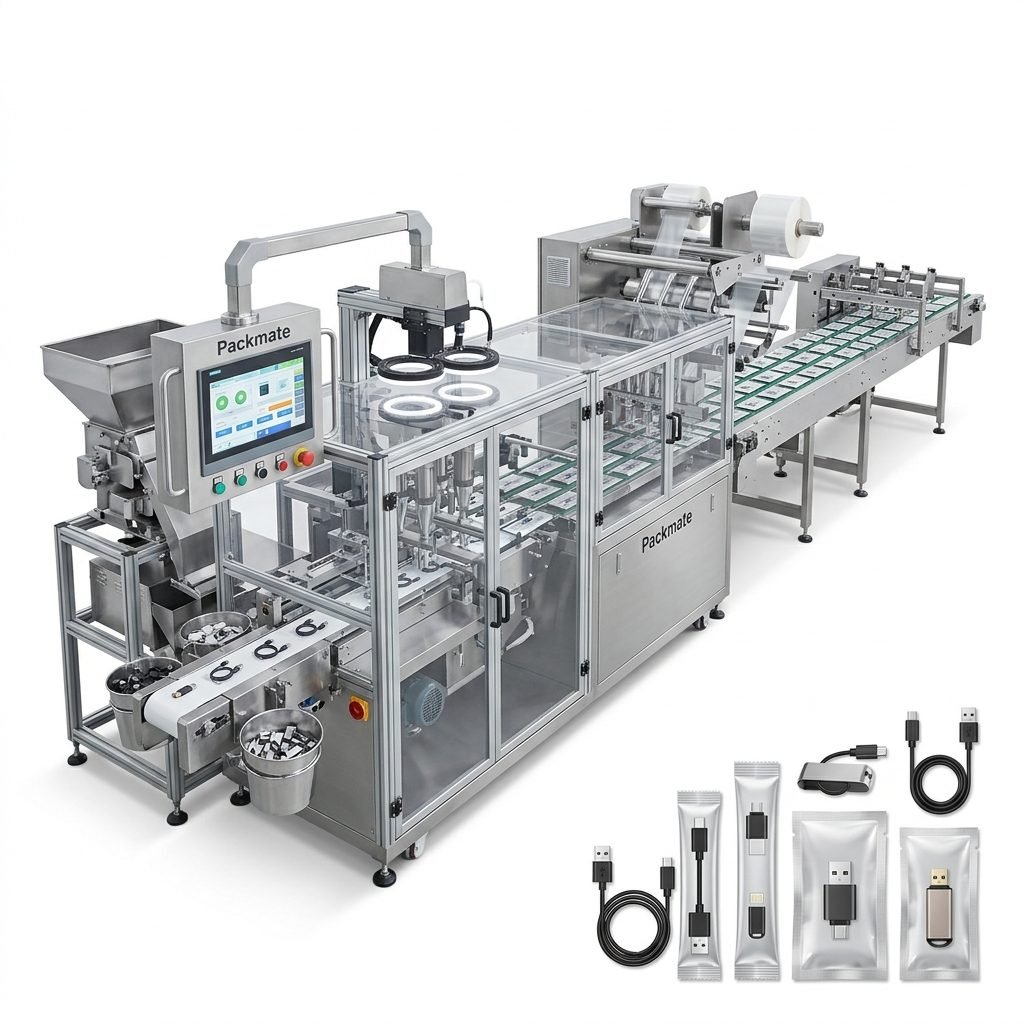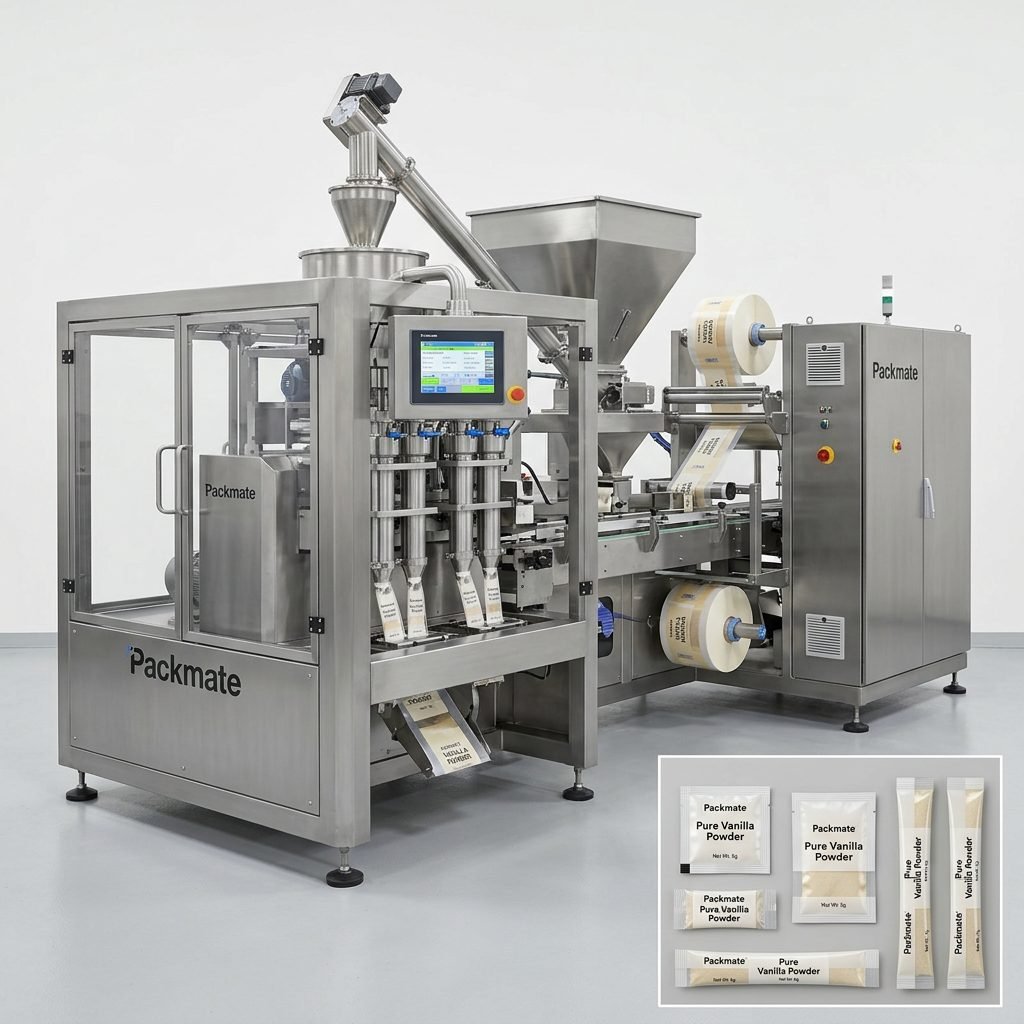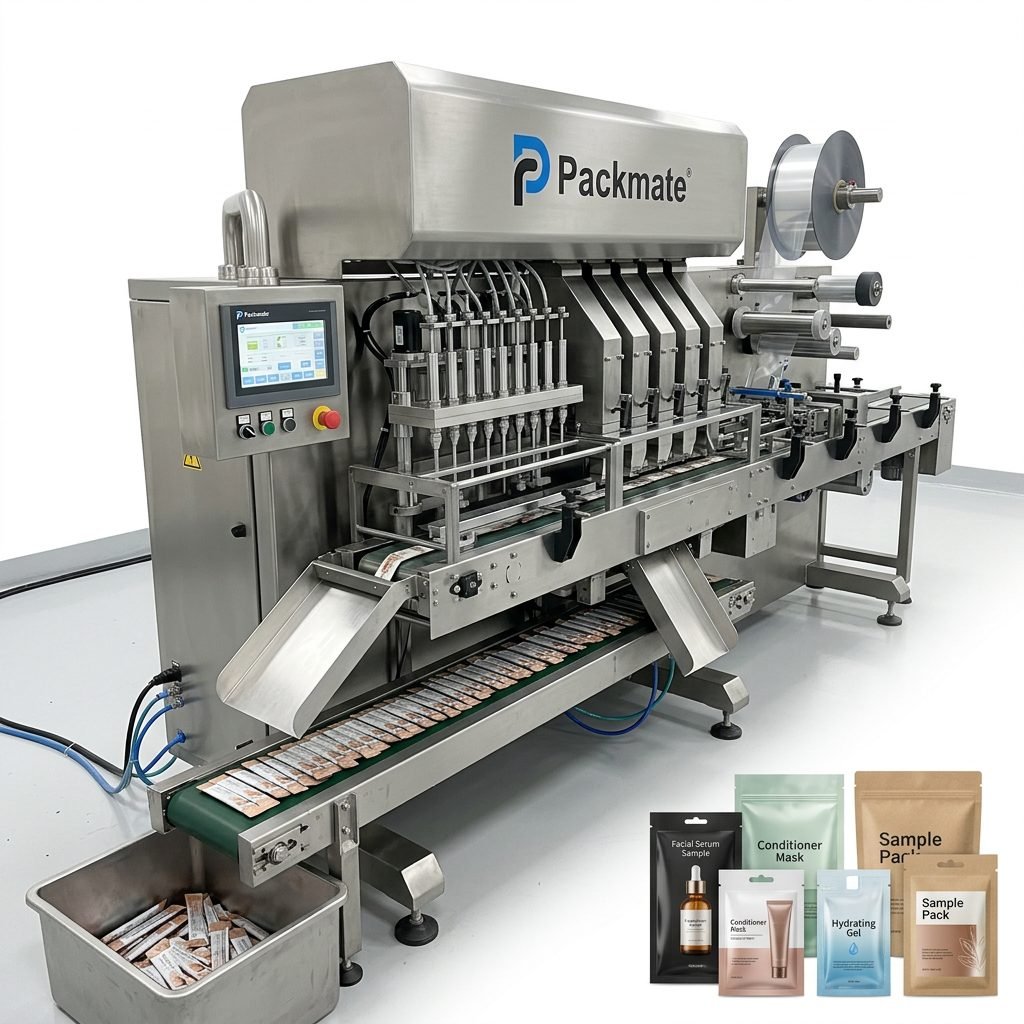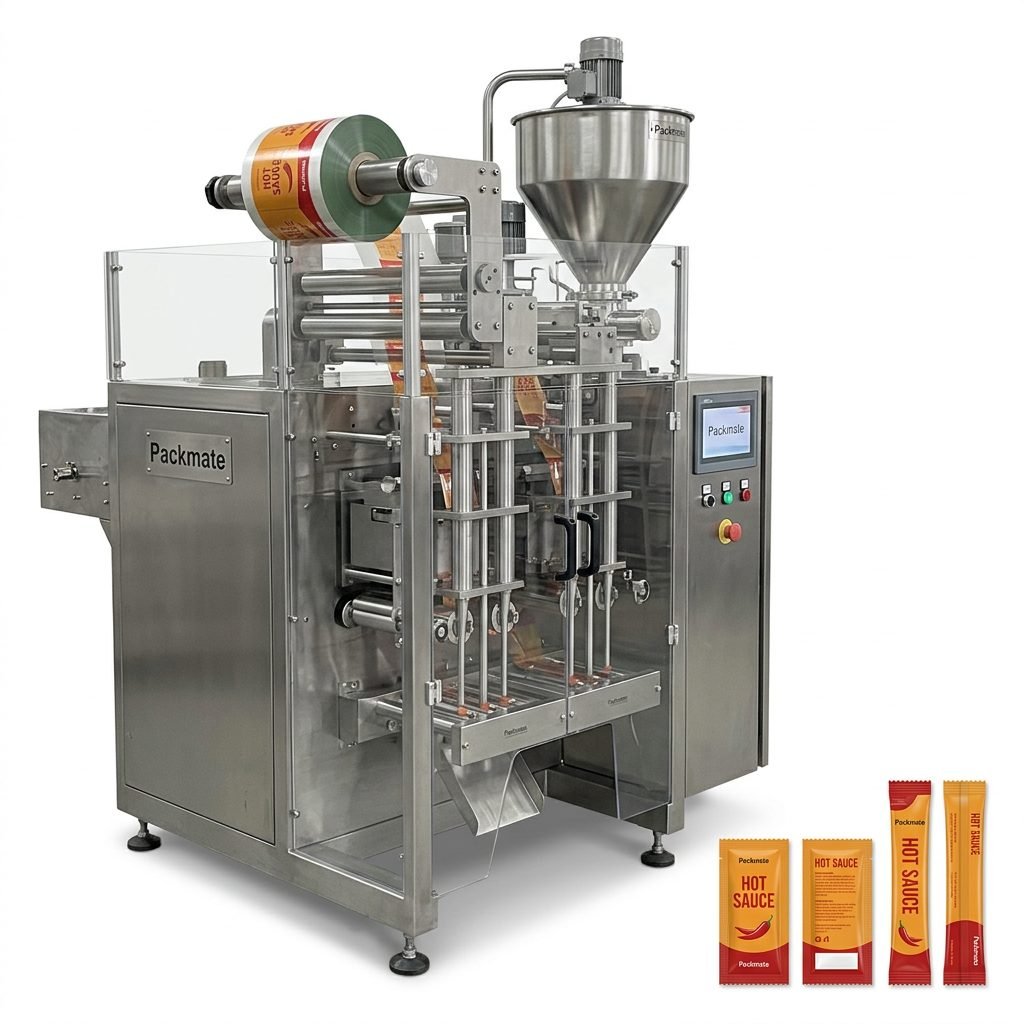
In the demanding world of industrial manufacturing, the final stage of packaging is often the most critical for product integrity, logistics efficiency, and brand protection. This is especially true for heavy, dense, and easily damaged products like steel, wire, and tube coils. A specialized Coil Packaging Line is not a luxury but a fundamental necessity for modern metal producers and processors. These complete automatic systems represent the pinnacle of engineering, designed to handle immense weights and precise specifications while ensuring consistent, secure, and cost-effective packaging from start to finish.
The Critical Role of Automated Coil Packaging
Manual or semi-automated packaging for industrial coils is fraught with challenges: significant safety risks for personnel, inconsistent packaging quality leading to transit damage, high labor costs, and bottlenecks in production throughput. An automated coil packaging line transforms this chaotic final step into a seamless, integrated part of the production workflow. It systematically performs tasks like coil weighing, positioning, inner and outer wrapping with various materials (film, paper, felt), strapping, labeling, and palletizing with robotic precision. This automation is the cornerstone for achieving operational excellence in sectors like steel service centers, wire drawing plants, and tube mills, where the value of the product and the cost of failure are exceptionally high.
Core Components of a Complete System
A turnkey automatic coil packaging solution is a symphony of synchronized machinery. The line typically begins with a Coil Conveyor or Lifting/Positioning Unit that receives the coil from the production line and accurately orients it for packaging. The heart of the system is the Wrapping Station, which may employ rotary arm, rotary ring, or pass-through technology to apply stretch film, waterproof paper, or protective felt with precise tension and overlap.
Following wrapping, a high-performance Strapping Machine applies steel or plastic straps at predetermined points to secure the coil for lifting and transport. Finally, an integrated Labeling & Palletizing System applies product identification and then places the finished coil onto a pallet or skid for warehouse storage or shipping. A centralized Programmable Logic Controller (PLC) orchestrates all these components, allowing for quick changeovers between different coil sizes and packaging specifications.
Tailored Solutions for Different Coil Types
The “one-size-fits-all” approach fails utterly in coil packaging. Each type of coil presents unique geometric and physical challenges that demand specialized handling.
Steel Coil Packaging Lines
Handling the immense weight (often exceeding 20 tons) and sharp edges of steel coils requires robust engineering. Lines for steel coils emphasize heavy-duty construction, powerful drives, and protective features to prevent damage to the coil surface. Packaging often involves multiple layers: an inner layer of anti-corrosion paper or felt, followed by several layers of high-strength stretch film, and finally, robust steel strapping. The system must ensure perfect tension control to avoid film breakage or coil deformation.
Wire & Cable Coil Packaging Lines
Wire coils, while lighter, require gentler handling to prevent tangling or surface marring. Packaging lines for wire often focus on high-speed automation to keep pace with production. They may include specialized mandrels or holders to maintain coil shape during the wrapping process. The use of clear, high-performance film is common to allow for visual inspection of the product without opening the package, while still providing excellent dust and moisture protection.
Tube & Pipe Coil Packaging Lines
Packaging flexible tubing or pipes coiled onto reels involves managing larger diameters and ensuring the coil doesn’t unravel. Systems are designed to accommodate various reel sizes and often include features for applying end caps or edge protectors. The packaging must secure the coil firmly while also allowing for easy uncoiling at the point of use. Durability against punctures is a key consideration in material selection.
Key Benefits of Investing in a Complete Automatic Line
Transitioning to a fully automated coil packaging system delivers measurable returns across the entire operation.
Choosing the Right Partner for Your Coil Packaging Line
Selecting a supplier for such a critical capital investment requires careful evaluation. Look for a partner with proven industry experience and a portfolio of successful case studies in coil packaging. They should offer more than just machines; they should provide a complete solution, including in-depth consultation, custom engineering to fit your specific coil dimensions and plant layout, comprehensive installation, and thorough operator training.
A reliable partner will stand behind their system with robust after-sales service and support, ensuring spare part availability and technical assistance to maximize your line’s uptime. Companies like Packmate (GuangDong) Co., Ltd., with decades of experience in designing and building complete, intelligent packaging lines, exemplify this turnkey approach. Their expertise in integrating complex automation for various industries provides a solid foundation for developing reliable coil packaging solutions. You can learn more about their corporate philosophy and capabilities on their About Us page.
Integration and Future-Proofing Your Operation
The most advanced coil packaging lines are designed for seamless integration with upstream production processes (e.g., rolling mills, drawing machines) and downstream warehouse management or ERP systems via Industry 4.0 protocols. Features like data logging for production counts, material usage, and OEE (Overall Equipment Effectiveness) are becoming standard. When planning your investment, consider a system’s scalability and adaptability to handle future product mixes or increased throughput, protecting your investment for years to come. Exploring a supplier’s full range of packaging solutions can provide insights into their engineering versatility and commitment to innovation.
In conclusion, a complete automatic coil packaging line is a strategic investment that goes far beyond simply wrapping a product. It is an integrated system that safeguards product quality, ensures employee safety, optimizes logistics, and enhances your company’s reputation for reliability. By automating this final, critical step, manufacturers of steel, wire, and tube coils can achieve new levels of efficiency, consistency, and profitability in a competitive global market. For any manufacturer serious about operational excellence, implementing a tailored coil packaging solution is the definitive step towards securing a robust and future-ready production finish line.
Frequently Asked Questions (FAQs)
1. What are the main factors that determine the cost of a coil packaging line?
The cost is influenced by several key factors: the maximum coil weight and dimensions (width, OD, ID) it must handle, the required packaging speed (coils per hour), the complexity of the packaging specifications (e.g., multi-layer wrapping with different materials, number of strapping points), and the degree of automation and integration with existing plant systems. A detailed consultation with the supplier is essential for an accurate quotation.
2. Can one packaging line handle different sizes and types of coils?
Yes, modern lines with PLC controls are highly flexible. They can be programmed with multiple recipes for different coil sizes (diameter, width) and packaging patterns. Quick-change mechanisms for components like film rolls, strapping heads, or mandrels facilitate switching between product runs. However, there are physical limits based on the machine’s design range.
3. How does automated packaging improve safety compared to manual methods?
Automation eliminates the most hazardous tasks: manual handling of heavy coils, working near rotating machinery during wrapping, and the recoil danger associated with tensioning steel straps. The system performs all heavy lifting, precise positioning, and tension application within guarded areas, significantly reducing the risk of crush injuries, strains, and lacerations.
4. What kind of after-sales support should I expect from the supplier?
A reputable supplier should offer comprehensive support including on-site installation supervision and commissioning, thorough training for your maintenance and operations team, a readily available inventory of critical spare parts, and remote & on-call technical support. Many also offer preventive maintenance contracts to ensure long-term reliability and uptime.
5. How long does it typically take to install and commission a complete line?
The timeline varies based on line complexity and site preparedness. Generally, after factory acceptance testing, installation and mechanical commissioning can take 2-4 weeks. This is followed by electrical hookup, integration testing, and fine-tuning. The entire process from delivery to full production often ranges between 4 to 8 weeks, assuming all site utilities and foundations are prepared in advance.
For more detailed inquiries, please visit the official Contact Us page to get in touch with technical experts.