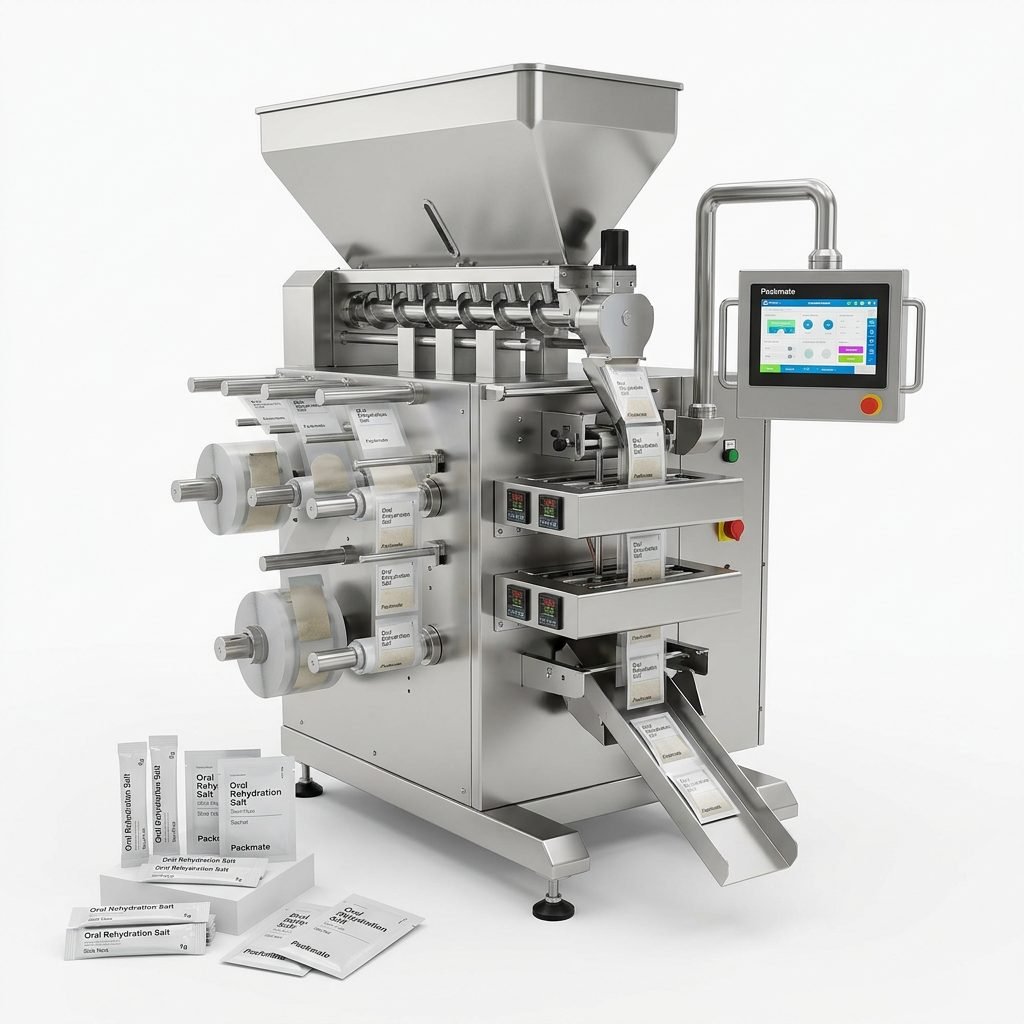
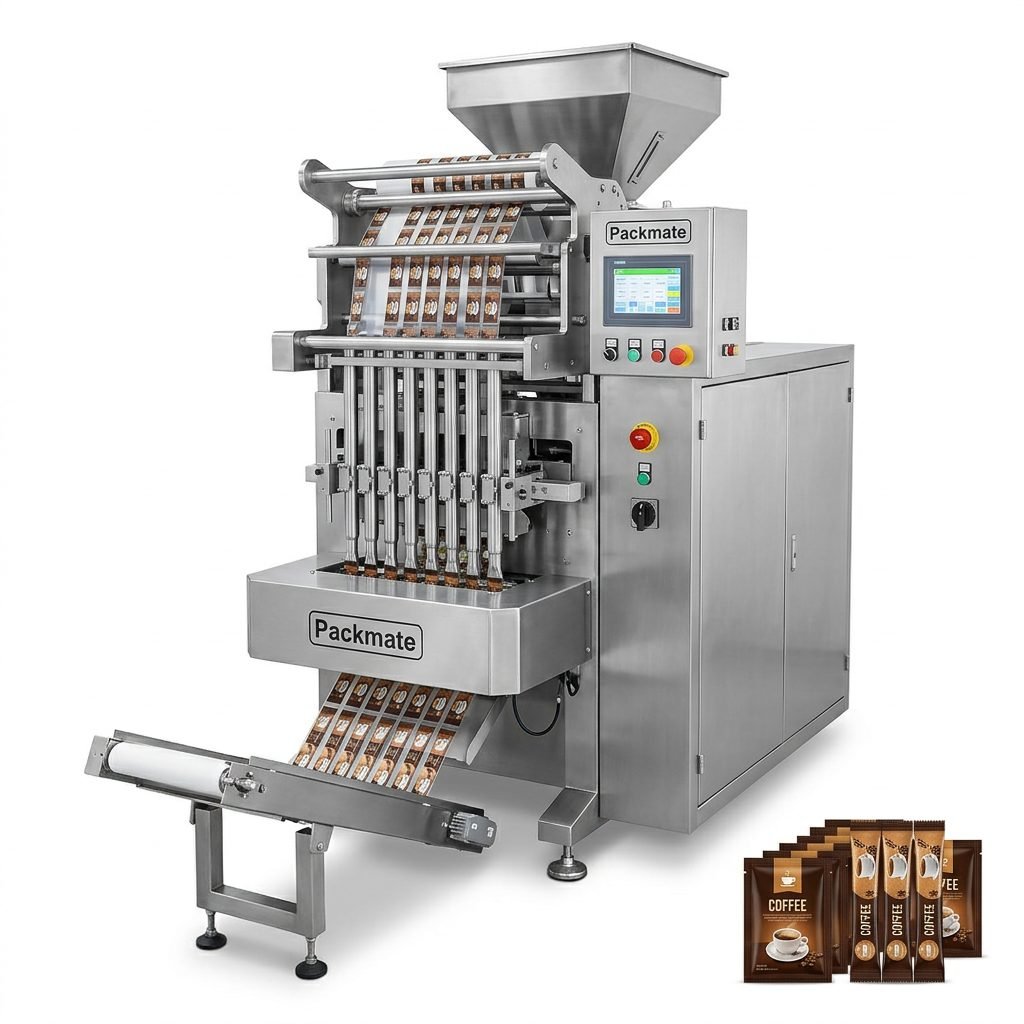
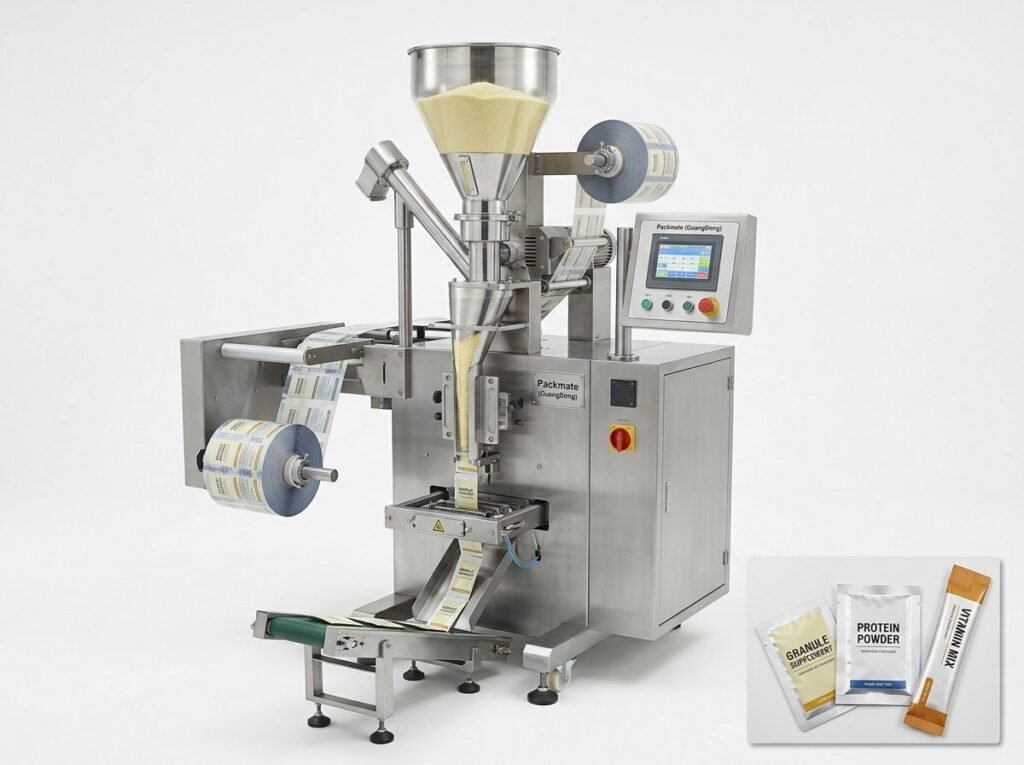
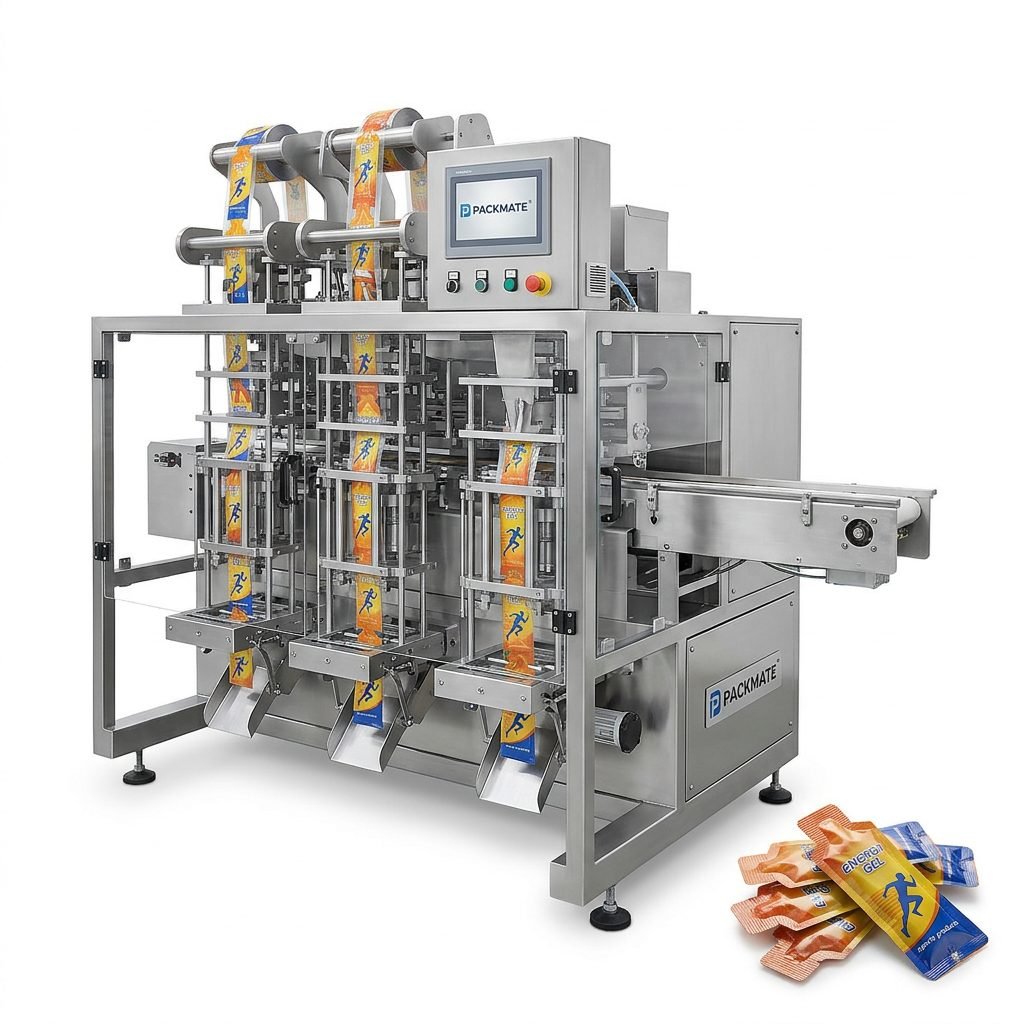
In the dynamic world of manufacturing, precision, efficiency, and hygiene are non-negotiable, especially when it comes to packaging food, pharmaceuticals, and health products. The right weighing and filling machine is not just a piece of equipment; it’s the cornerstone of a reliable, compliant, and profitable production line. These solutions ensure accurate dosing, maintain product integrity, and safeguard consumer safety, making them indispensable for brands that value quality and trust.
The Critical Role of Precision in Modern Packaging
For industries where every milligram counts, the margin for error is virtually zero. In the pharmaceutical sector, inaccurate dosing can compromise therapeutic efficacy or patient safety, leading to severe regulatory and health consequences. Similarly, in the food and health supplement industries, consistent fill weight is directly tied to product value, brand reputation, and regulatory compliance. Modern weighing and filling solutions are engineered to deliver this precision consistently, batch after batch, adapting to products ranging from fine powders and granules to viscous liquids and pastes.
Key Industries Served:
- Food & Beverage: Spices, instant coffee, sugar, protein powders, tea leaves.
- Pharmaceuticals: Powdered medications, granules, herbal supplements in sachets or stick packs.
- Health & Nutrition: Vitamins, probiotics, meal replacements, powdered superfoods.
- Chemical & Agri-products: Fertilizers, seeds, detergents in precise, pre-measured doses.
Tailored Solutions for Diverse Product Forms
A one-size-fits-all approach does not work in precision packaging. The physical characteristics of the product dictate the technology required.
For Powders and Granules
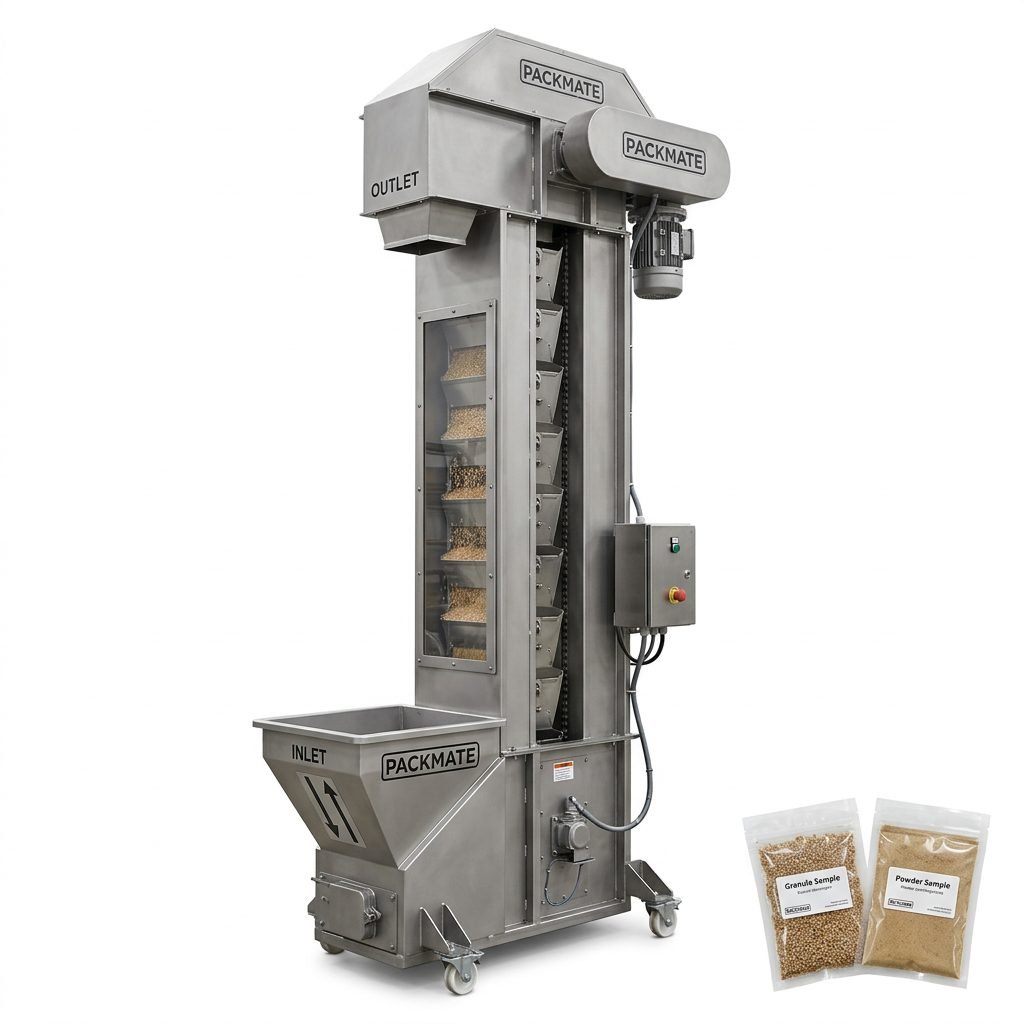
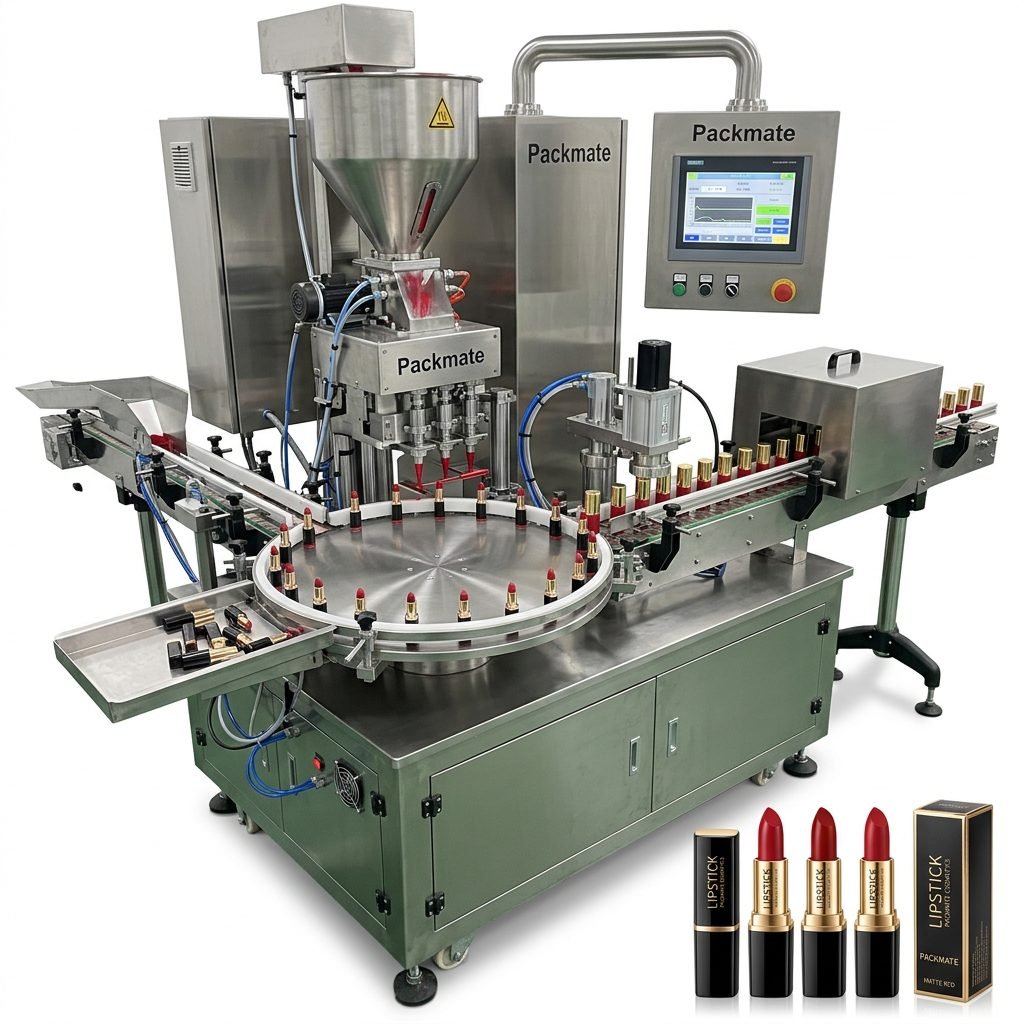
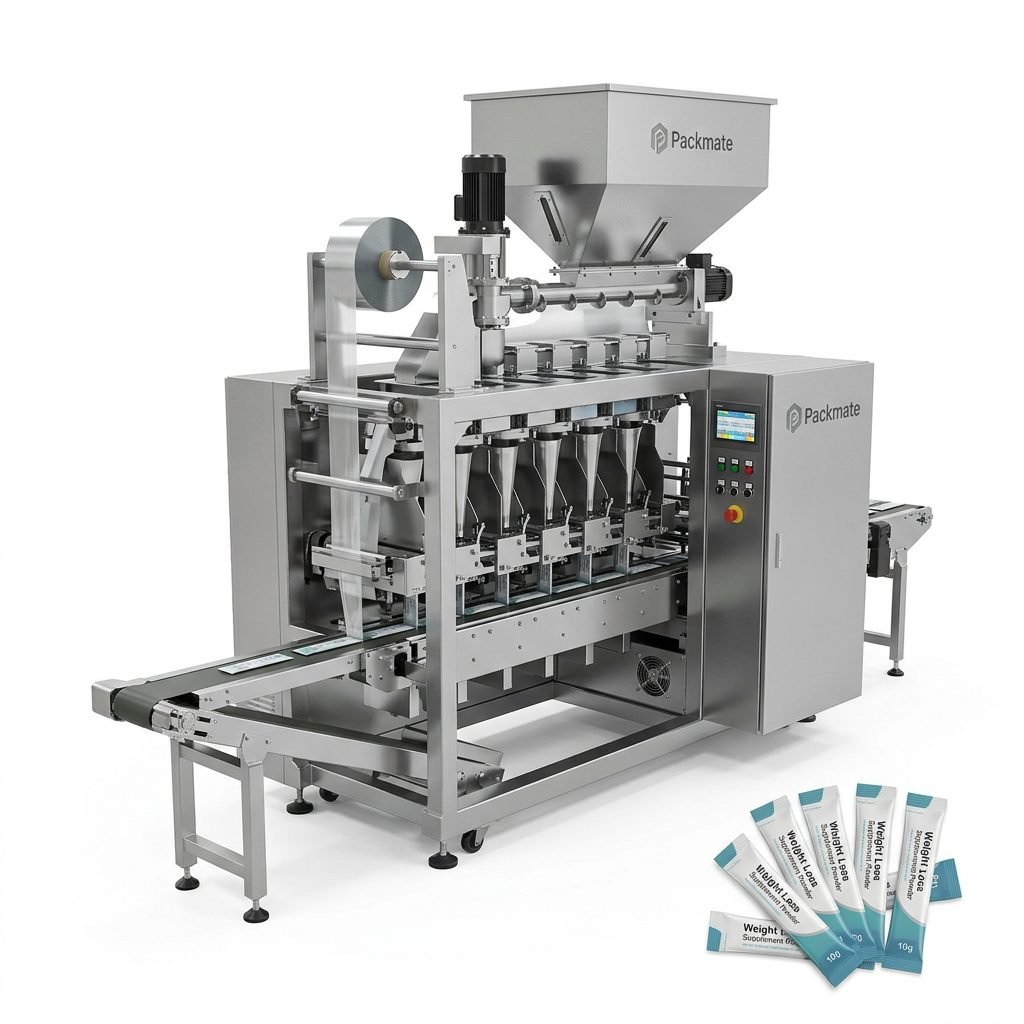
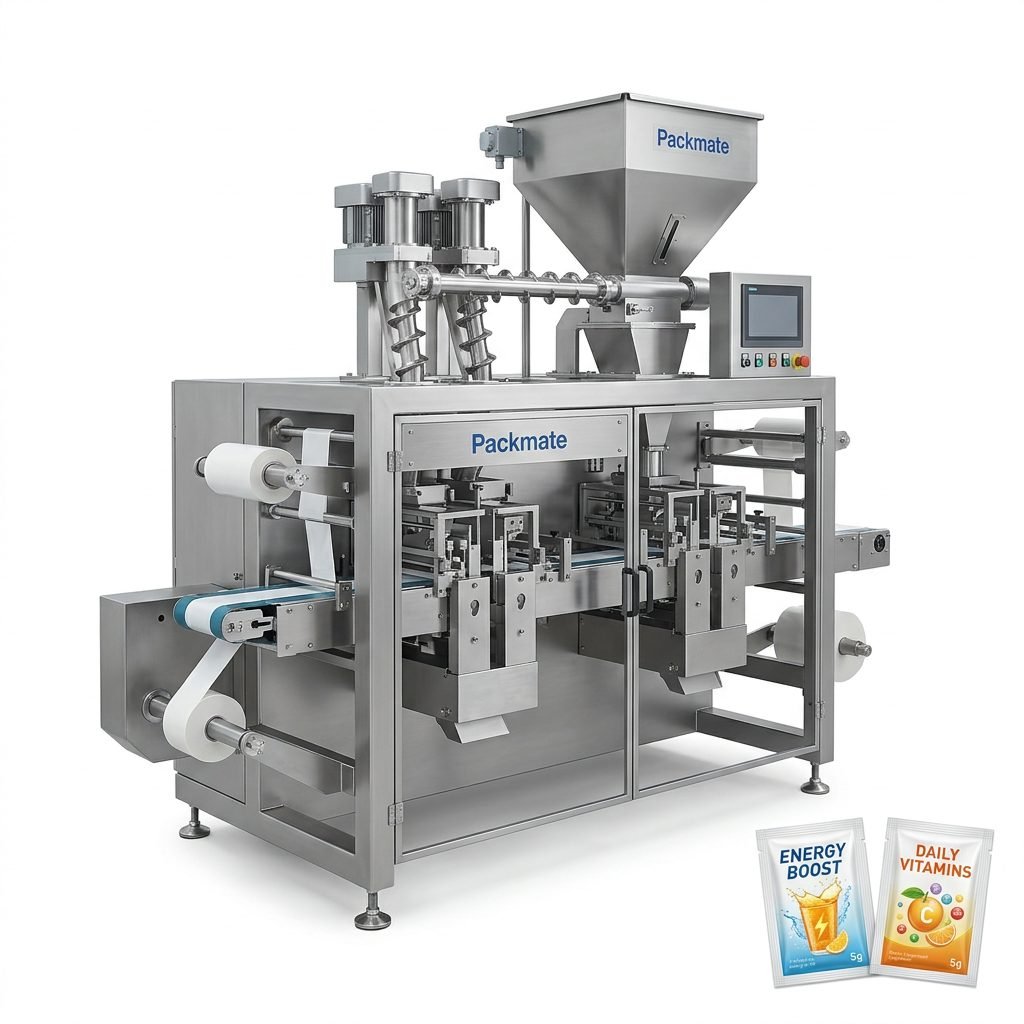
These free-flowing materials require auger filler or cup filler systems. Advanced auger fillers use a rotating screw within a tube to dispense product. They excel with fine, cohesive powders that might otherwise bridge or clump. Modern systems feature touch-screen PLC controls for recipe management, automatic tare functions, and self-diagnostic capabilities to minimize downtime.
For Liquids and Pastes
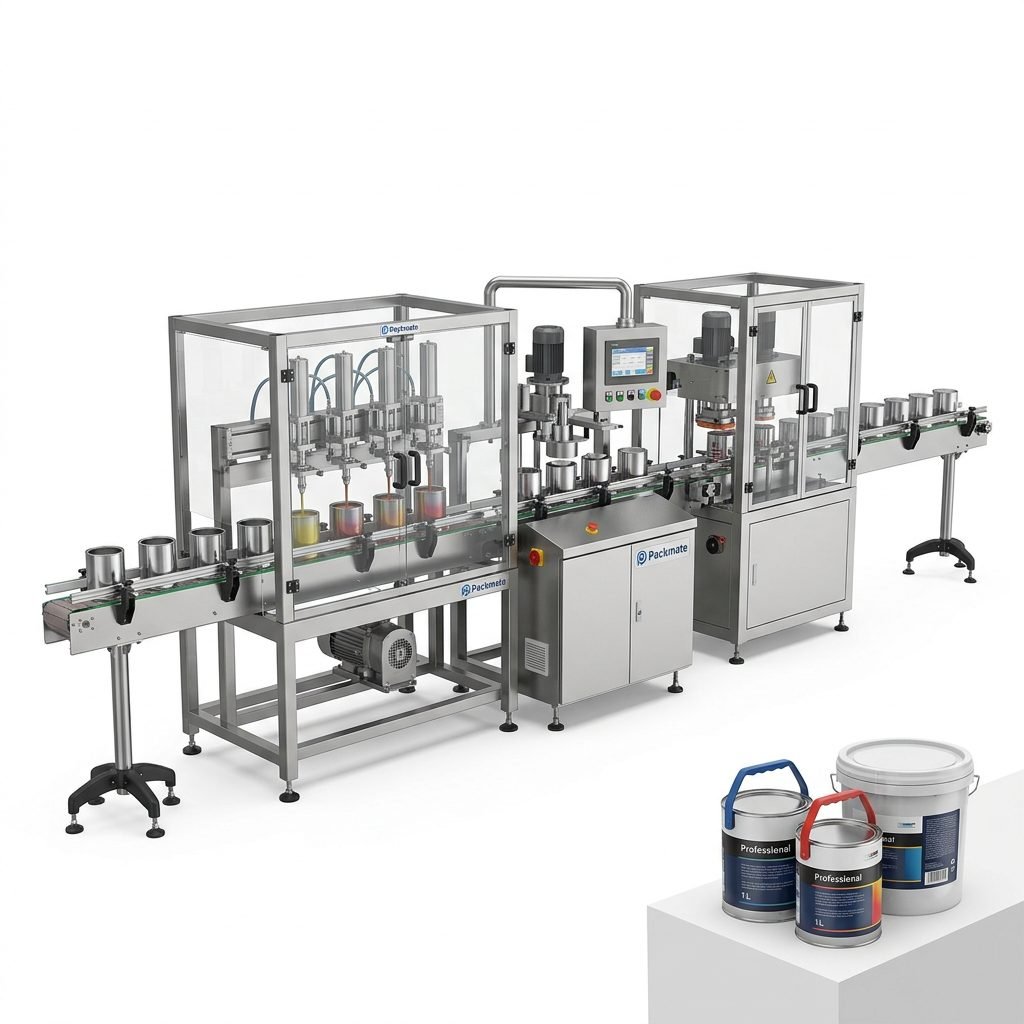
Liquid filling demands accuracy and cleanliness. Piston fillers and peristaltic pumps are the go-to solutions. Piston fillers draw a precise volume of product into a cylinder and then discharge it into the package, ideal for sauces, oils, and lotions. For sterile or sensitive products like eye drops or pharmaceutical syrups, peristaltic pumps ensure the product only contacts the tubing, preventing contamination and simplifying cleaning (CIP/SIP processes).
For Large-Volume and Bulk Packaging
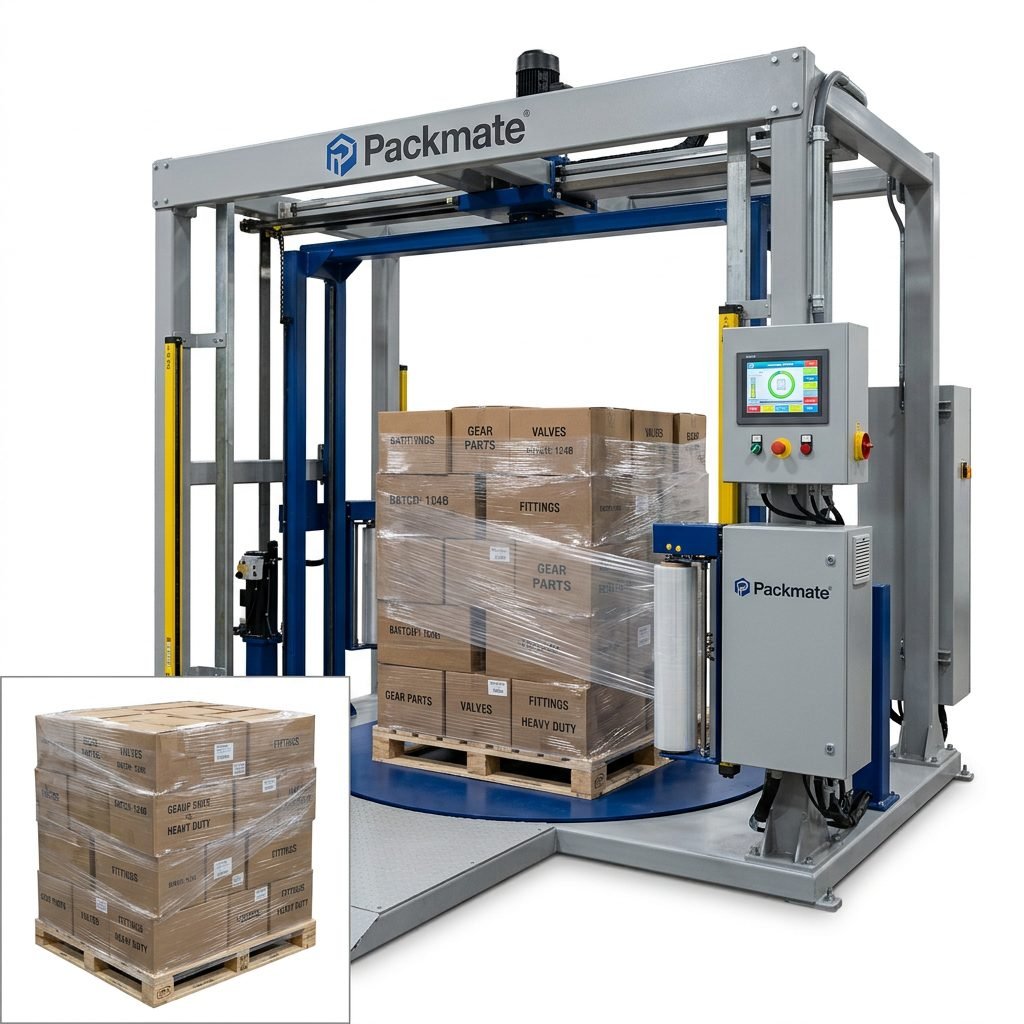
When packaging products like rice, pet food, or fertilizer into large bags (5kg to 25kg), gross/net weighing systems come into play. These robust machines use a high-speed bulk fill followed by a precise dribble feed to hit the target weight accurately. They are often integrated with bag placers, conveyor systems, and checkweighers to form a complete, automated packaging line solution.
Integration: The Heart of a Turnkey Packaging Line
A weighing and filling machine rarely operates in isolation. Its true potential is unlocked when seamlessly integrated into a complete line. This includes upstream equipment like bag makers or form-fill-seal (FFS) machines and downstream units like sealers, coders, and checkweighers.
For instance, a multi-lane stick pack line for instant coffee would integrate a multi-head weigher feeding product into several vertical FFS machines simultaneously. This synchronized operation, controlled by a central system, maximizes output and efficiency. Leading providers like Packmate specialize in designing these intelligent, turnkey systems, ensuring all components communicate flawlessly for optimal performance.
🔍 Advantages of an Integrated Line:
- Maximized Efficiency: Eliminates manual transfer bottlenecks, enabling continuous production.
- Enhanced Accuracy: Integrated checkweighers provide real-time feedback to the filler for automatic correction.
- Data Traceability: Centralized control systems log production data (weights, speeds, errors) for quality assurance and OEE analysis.
- Reduced Labor & Contamination: Full automation minimizes human handling, lowering costs and improving hygiene.
Meeting Stringent Industry Regulations
Compliance is a major driver in equipment selection. Pharmaceutical and food-grade machines must be constructed with materials that meet FDA, EU, or other regional standards. Surfaces are often 316L stainless steel, with polished, crevice-free finishes to prevent bacterial harborage. Design must facilitate easy and complete cleaning, with features like quick-release parts and clean-in-place (CIP) systems.
Furthermore, software must support audit trails and recipe management with secure, password-protected access. Choosing a supplier with a proven track record and relevant certifications is crucial for passing rigorous facility audits. Reviewing a supplier’s project case studies in your specific industry can provide valuable assurance.
Innovation and Future Trends
The future of weighing and filling is intelligent and connected. Industry 4.0 principles are being integrated, with machines featuring IoT sensors that monitor performance, predict maintenance needs, and communicate with factory management systems. Artificial intelligence is beginning to play a role in optimizing fill parameters in real-time based on product flow characteristics, further reducing giveaway and improving accuracy.
Sustainability is another key trend. Machines are being designed to handle recyclable or compostable packaging materials and to minimize product waste through unparalleled precision. The goal is to create smarter, greener, and more adaptable packaging solutions.
Choosing the Right Partner
Selecting a weighing and filling solution is a significant investment. Beyond the machine specs, the partnership with the supplier is vital. Look for a provider with deep application expertise, robust after-sales service and support, and the ability to offer a comprehensive, tested line—not just isolated machines. A partner who understands your entire process from raw material to palletized goods will deliver a solution that drives long-term value and growth for your operation.
Frequently Asked Questions (FAQs)
1. What is the main difference between an auger filler and a piston filler?
Auger fillers are primarily for dry products like powders and granules, using a rotating screw to meter volume. Piston fillers are for liquids, creams, and pastes, using a cylinder to draw and discharge a precise volume. The choice depends entirely on your product’s viscosity and flow characteristics.
2. How accurate are modern weighing and filling machines?
Accuracy varies by product and technology. High-precision auger or weigh-fill systems can achieve accuracies within ±0.5% to ±1% of the target weight for many products, often much better. For critical pharmaceutical applications, even tighter tolerances are possible with specialized equipment.
3. Can one machine handle different package sizes?
Yes, most modern machines are designed with quick-changeover features. Adjusting an auger filler for a new weight might involve changing the auger, tooling, and reprogramming the recipe via the PLC. Modular designs significantly reduce changeover time from hours to minutes.
4. What are the key hygiene considerations for food/pharma filling?
Key factors include: construction with food-grade stainless steel (e.g., 304 or 316L), smooth and polished surfaces without crevices, design for easy disassembly and cleaning, and compatibility with clean-in-place (CIP) or steam-in-place (SIP) procedures. The machine should meet relevant standards like FDA CFR 21, EHEDG, or GMP.
5. Is full automation necessary for a small to medium-sized business?
Not always. The level of automation should match your production volume, labor costs, and growth plans. A semi-automatic machine where an operator places empty containers can be a perfect, cost-effective starting point. The key is to choose a scalable solution from a partner who can support you as you grow, potentially upgrading to a fully automated line later.