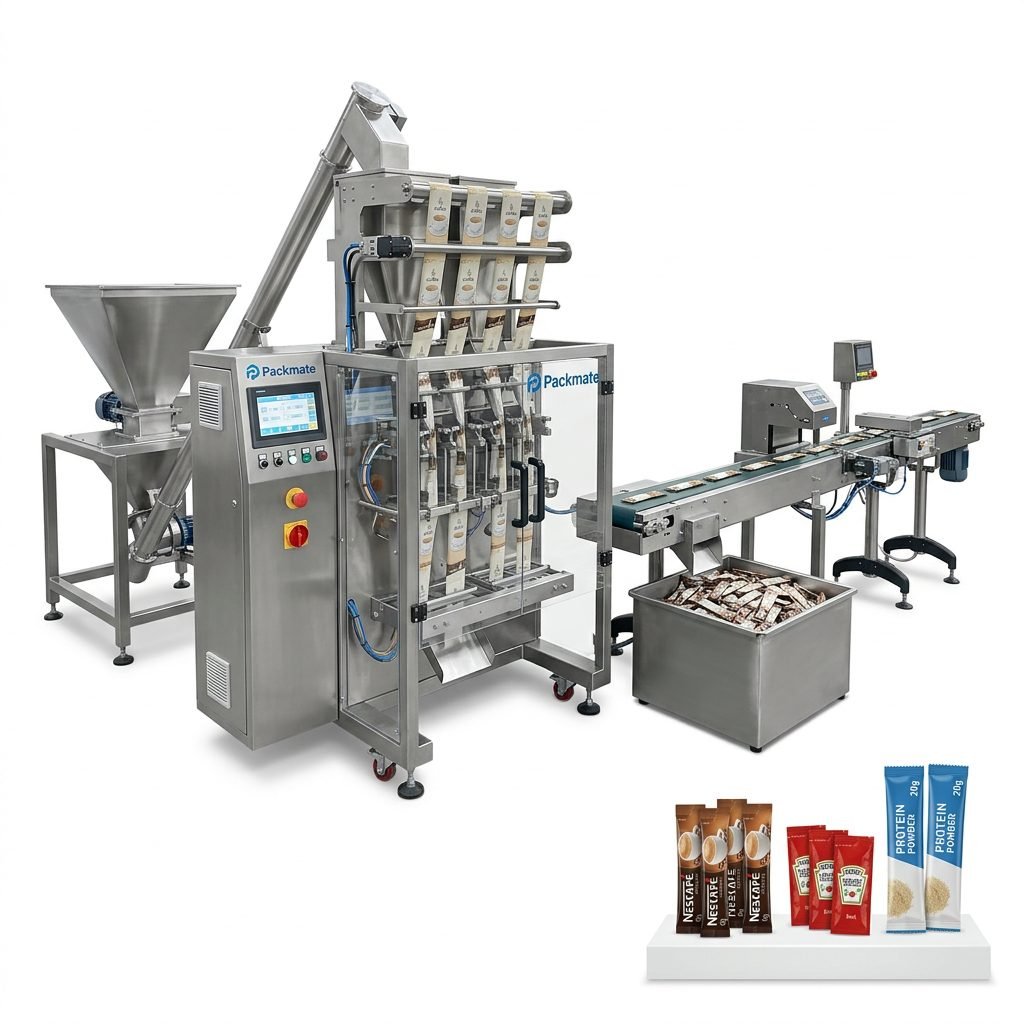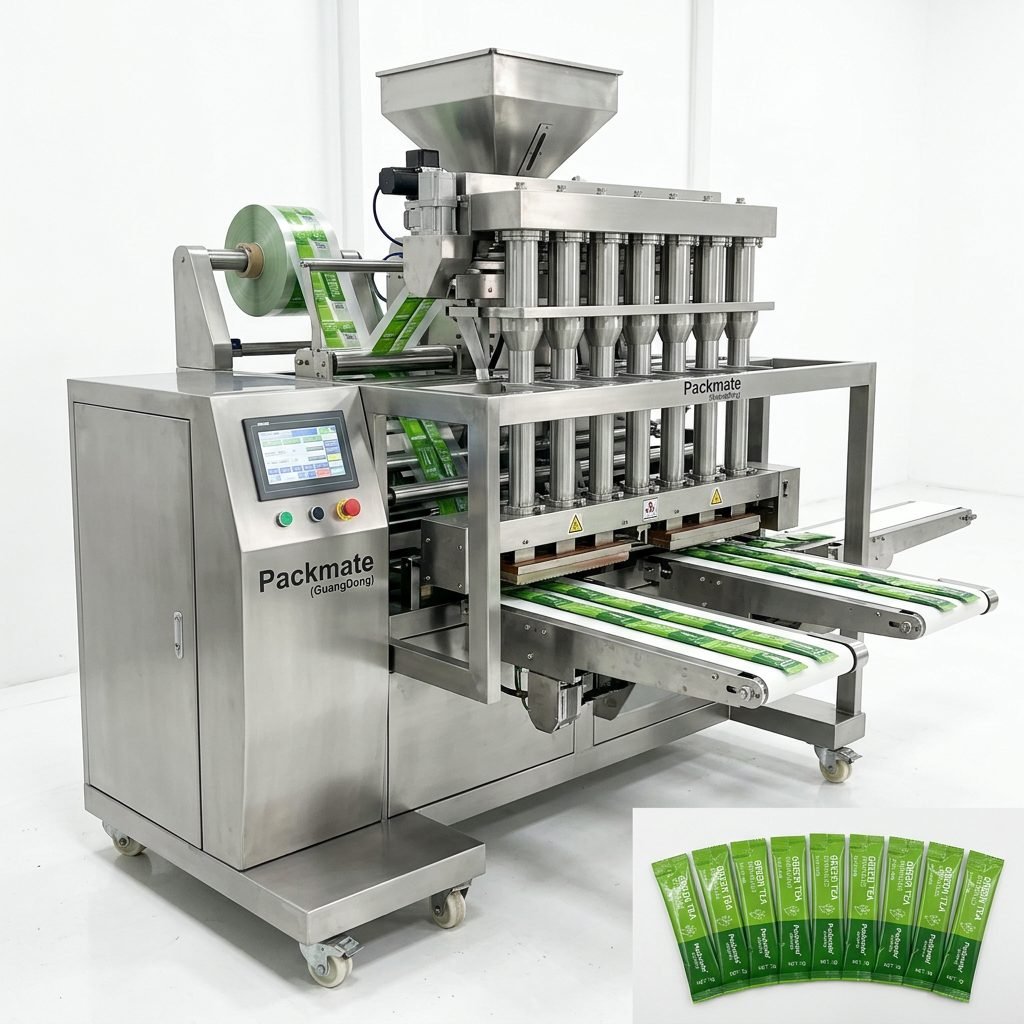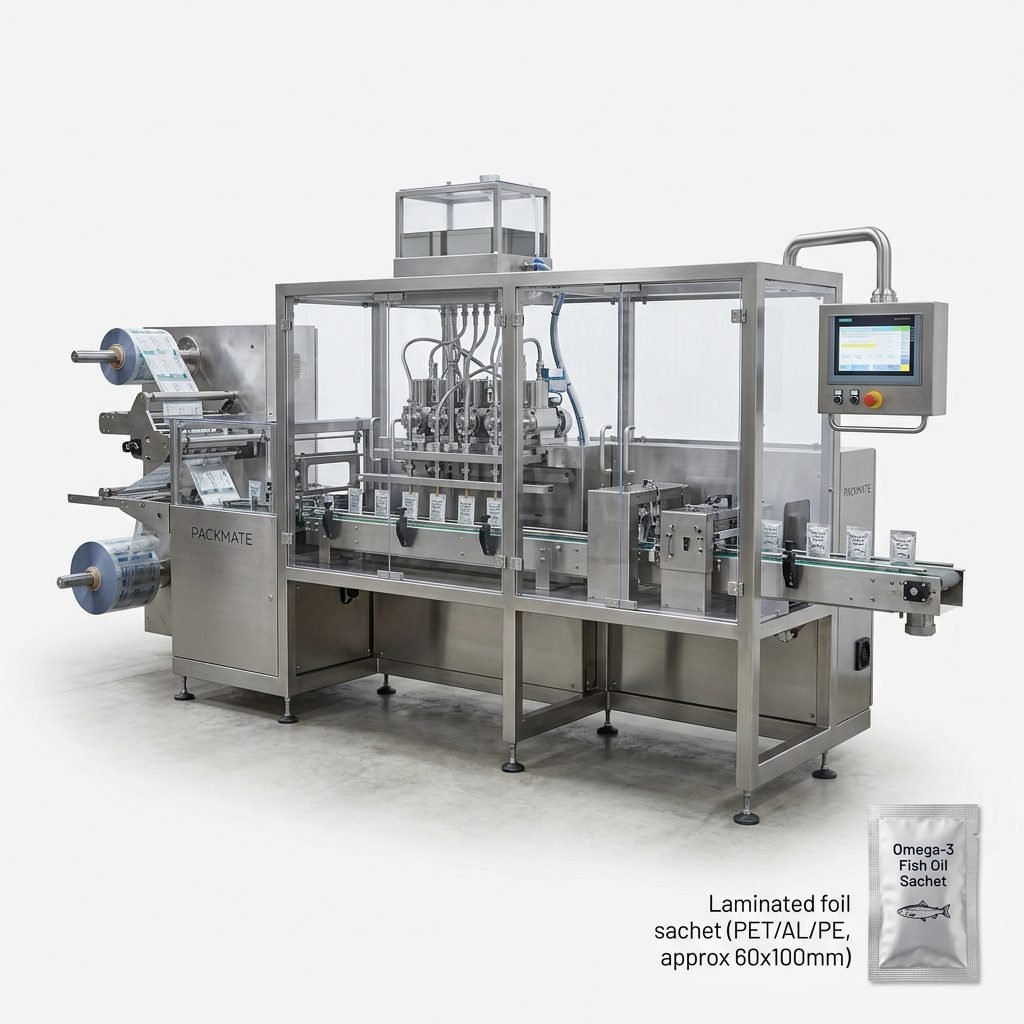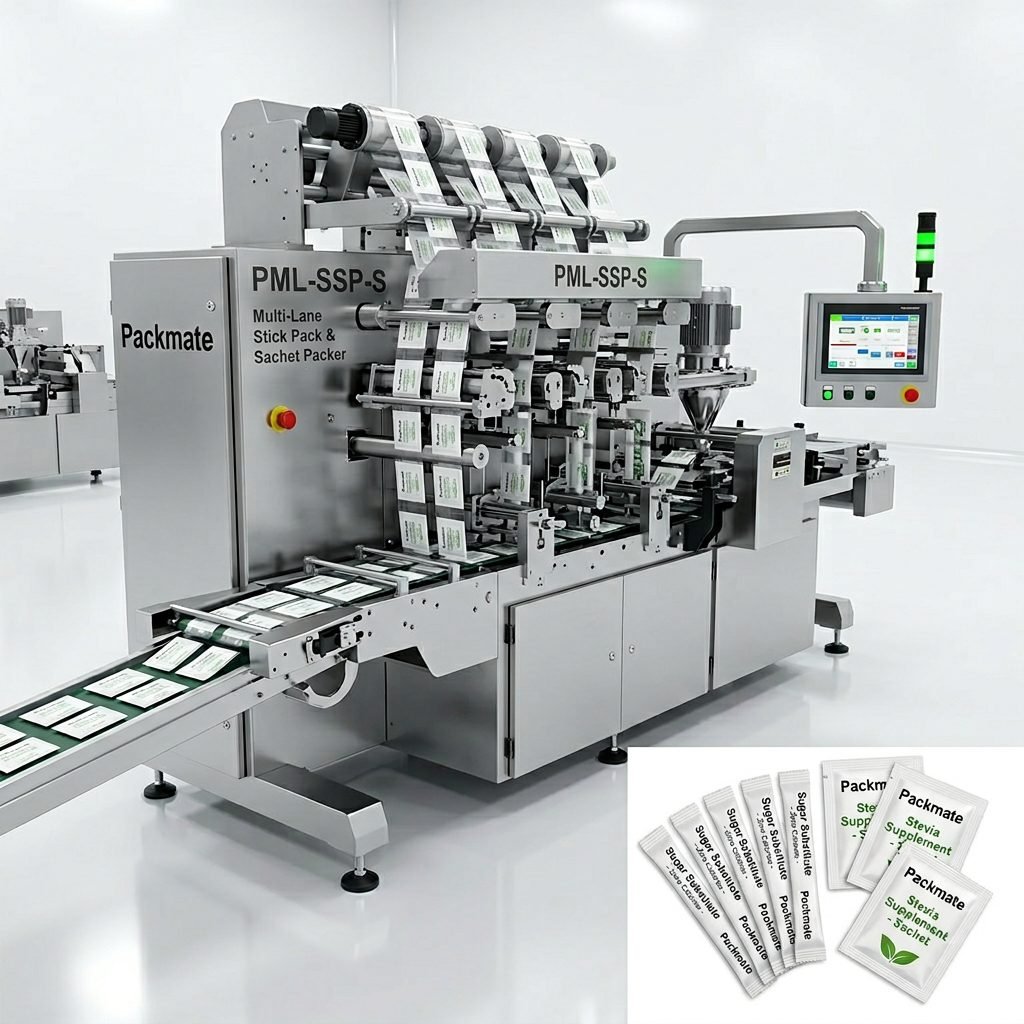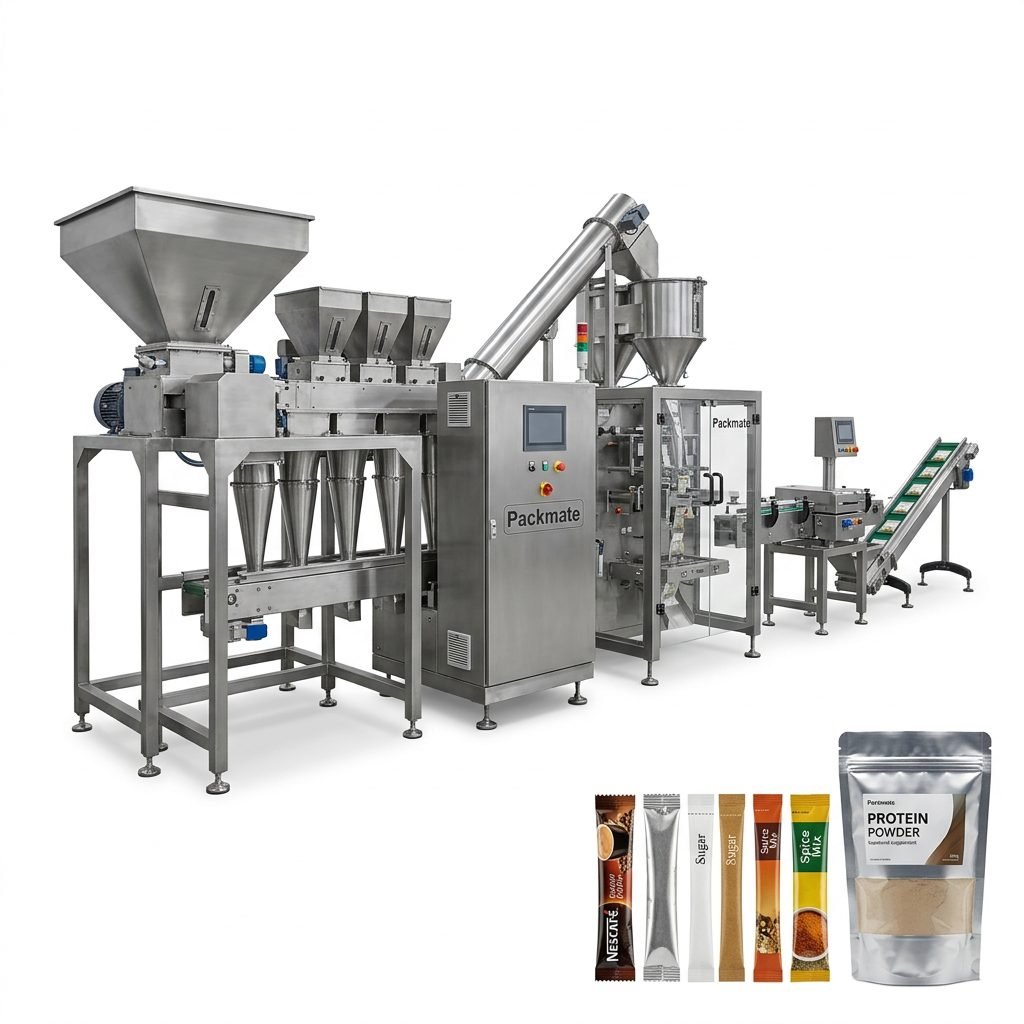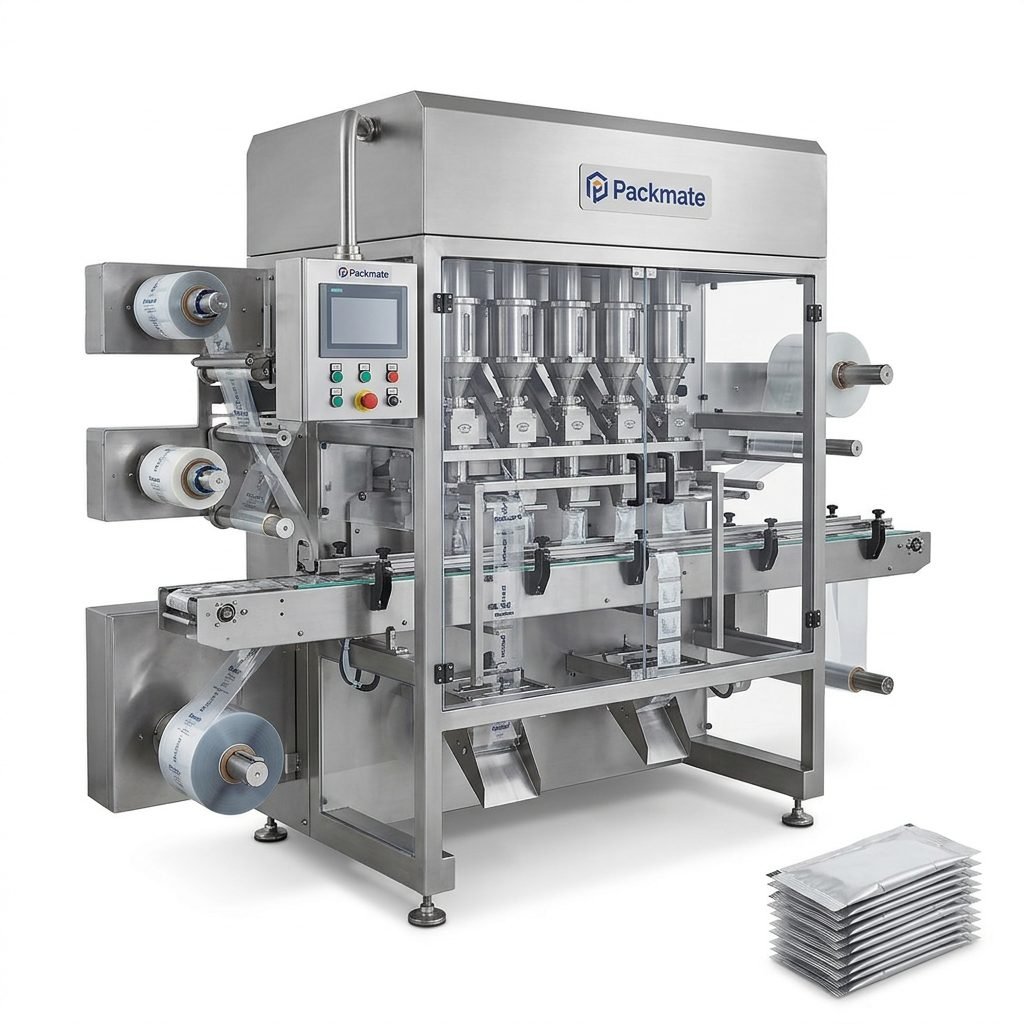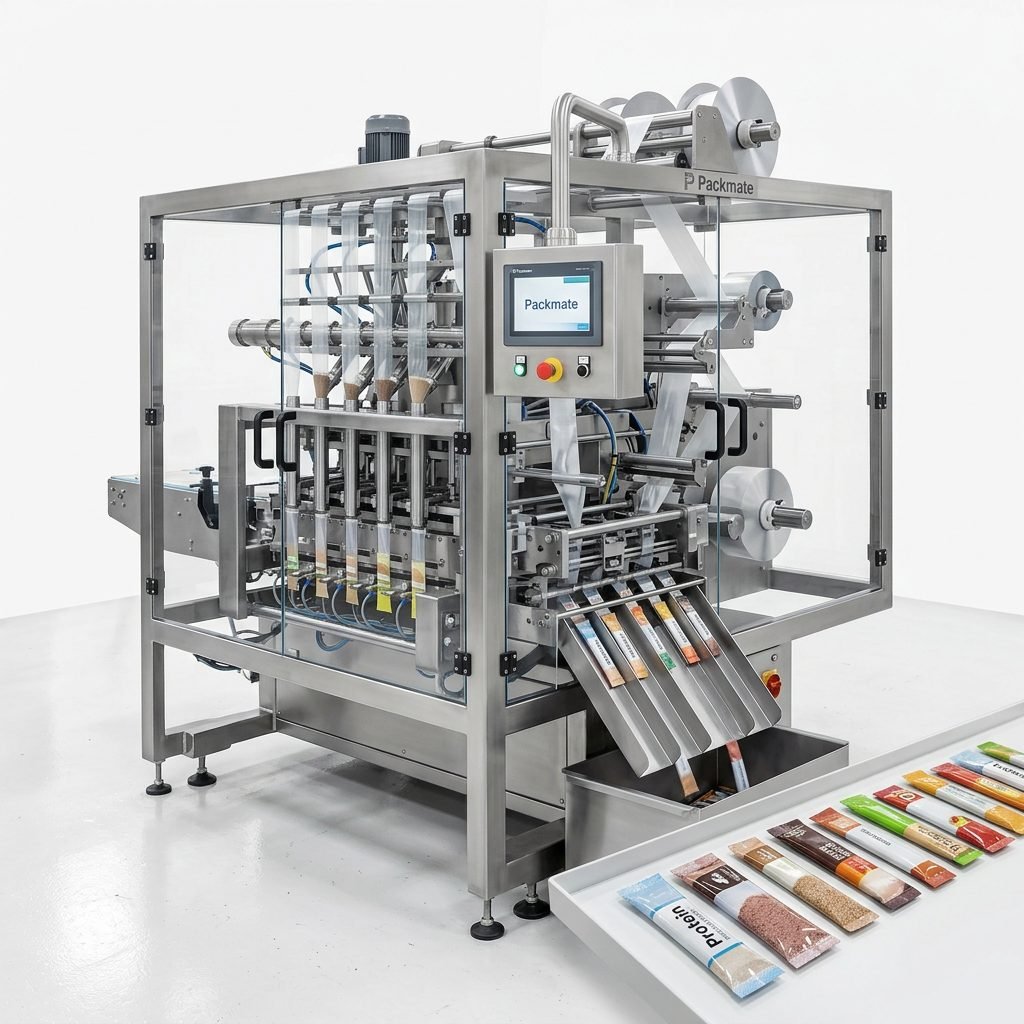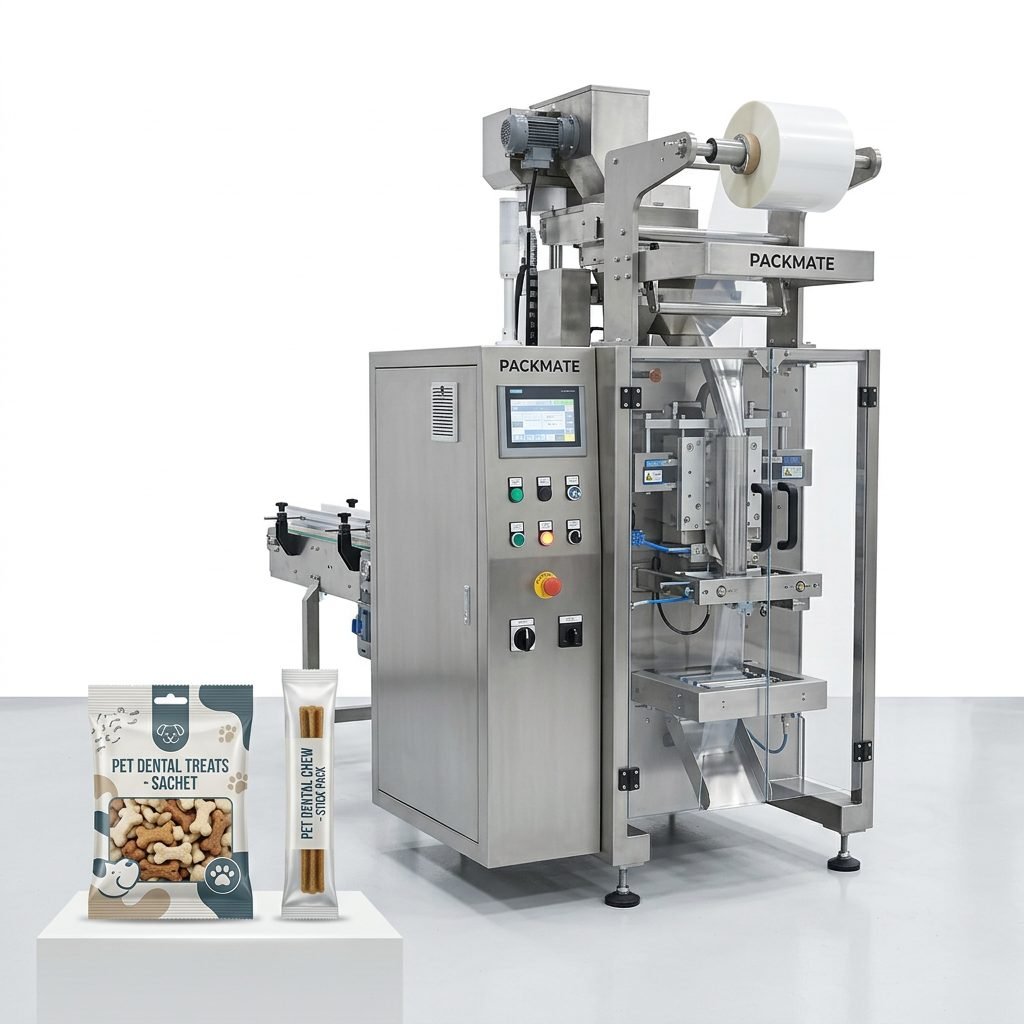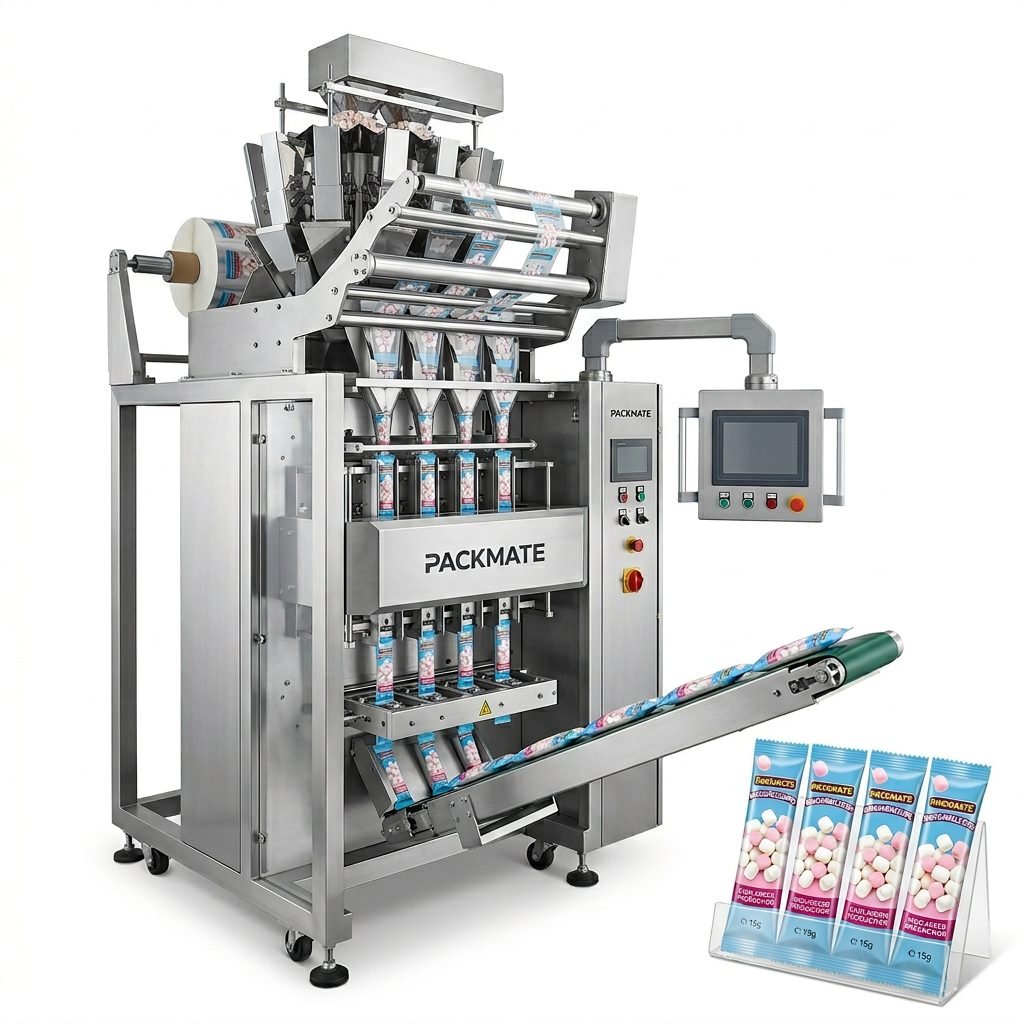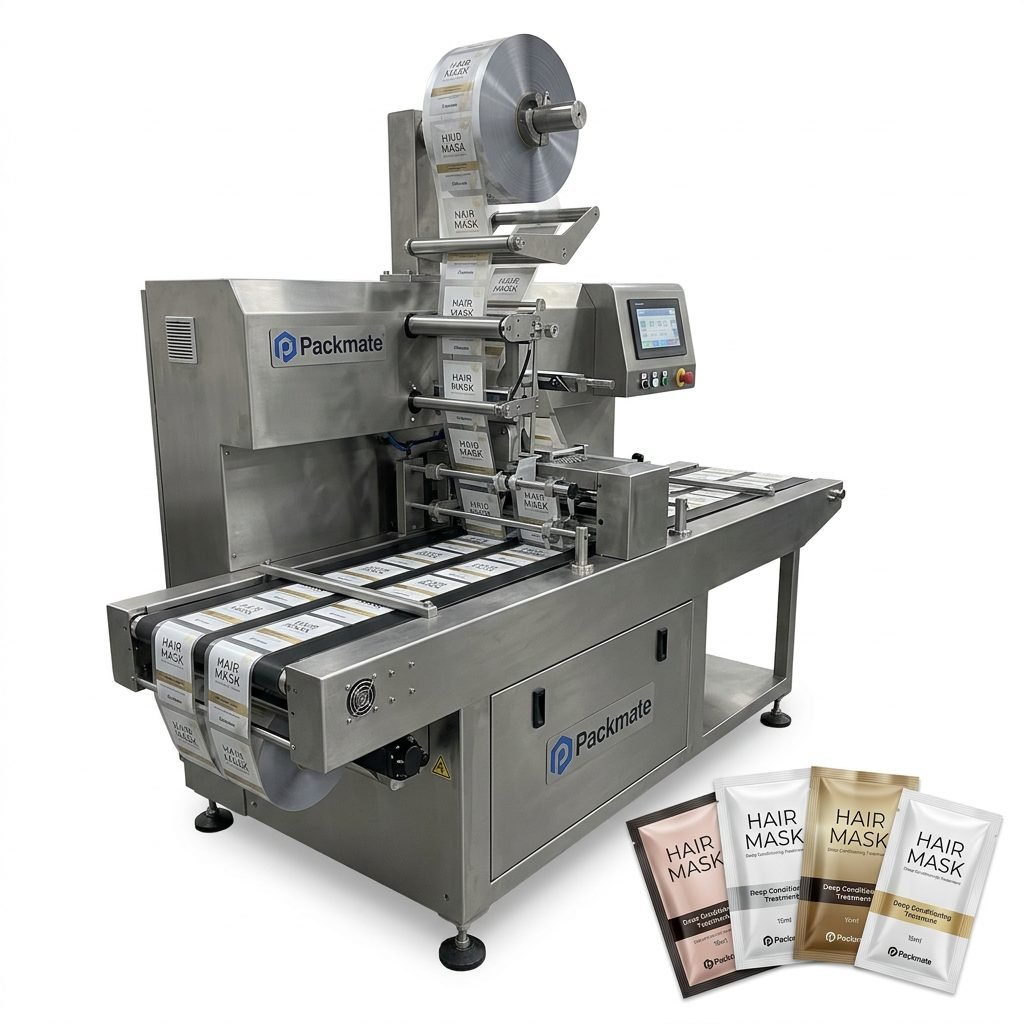
In the high-stakes industries of food and pharmaceuticals, packaging is the final, critical barrier between a product and the consumer. It is not merely a container but a vital component of product safety, integrity, and brand trust. A hygienic packaging line is the engineered system that ensures this barrier remains uncompromised from production to point-of-use. Designing such a line requires a meticulous, holistic approach that integrates engineering precision, material science, and stringent hygiene protocols to create a safe, efficient, and reliable production environment.
The Pillars of Hygienic Design Philosophy
At its core, hygienic design aims to eliminate or control contamination risks inherent in the production process. This philosophy rests on several foundational pillars that guide every decision, from the initial layout to the selection of a single bolt.
1. Preventing Contamination Accumulation
The primary rule is to design out features where contaminants—be they microbial, particulate, or chemical—can collect. This means:
Eliminating dead zones and pockets: All surfaces, especially in product contact zones, should be smooth, continuous, and self-draining. Horizontal surfaces, ledges, and recessed areas where material can stagnate are design flaws in a hygienic context.
Using correct jointing techniques: Permanent welds, polished to a mirror finish, are vastly superior to threaded connections, gaskets, or fasteners that can harbor bacteria. Where fasteners are necessary, they should be of a hygienic design, mounted externally, or seamlessly capped.
2. Ensuring Cleanability
A line must be designed not just to be clean, but to stay clean through effective and efficient cleaning. This involves:
Selecting materials like 316L stainless steel for its corrosion resistance and smoothness. Designing for full accessibility, allowing cleaning tools and personnel to reach all surfaces without disassembly. Incorporating Clean-in-Place (CIP) and Sterilize-in-Place (SIP) systems where possible, which use circulating fluids to clean and sanitize internal surfaces automatically.
3. Creating Effective Zoning and Airflow Control
Contamination control extends beyond the machine itself to the entire production room. A key strategy is establishing hygienic zones with controlled air pressure cascades.
For aseptic filling operations, this typically means maintaining the highest air purity and positive pressure in the immediate filling zone (ISO 5/Class 100), with pressure gradually decreasing in surrounding preparation or packaging areas. This airflow “cascade” prevents unclean air from flowing into the critical zone. Effective zoning also dictates personnel and material flow, separating “clean” and “dirty” paths to prevent cross-contamination.
Material and Component Selection: The Building Blocks of Safety
The choice of materials is non-negotiable. Product contact surfaces demand austenitic stainless steels (AISI 304 or, preferably, 316L for chloride environments). Non-product contact frames and supports should also use corrosion-resistant materials or be properly coated. Seals and gaskets must be FDA-compliant, non-porous, and resistant to cleaning chemicals and steam.
Components like pumps, valves, and sensors must be of hygienic or aseptic design. For example, diaphragm valves are preferred over ball valves for their cleanability. All electrical enclosures should be IP-rated (e.g., IP65 or higher) to withstand washdowns and prevent ingress of moisture and contaminants.
Layout and Integration for Operational Excellence
The physical arrangement of the line profoundly impacts both hygiene and efficiency. A well-designed layout minimizes product transfer points, reduces manual handling, and optimizes the flow of materials and personnel.
Modular design is a powerful concept, allowing for easier maintenance, cleaning, and future scalability. Integrating intelligent automation solutions from a trusted partner like Packmate can dramatically reduce human intervention—a significant contamination vector—while boosting throughput and consistency. Automated guided vehicles (AGVs) or conveyor systems can be designed with hygienic principles in mind, using materials and shapes that are easy to clean.
Validation and Compliance: Proving the Design Works
A design is only a theory until it is validated. For pharmaceutical lines, this is a rigorous, documented process following Good Manufacturing Practice (GMP) and often requiring adherence to standards like ASME BPE (Bioprocessing Equipment). Key activities include:
Installation Qualification (IQ): Verifying the line is installed correctly according to design specifications.
Operational Qualification (OQ): Demonstrating the line operates as intended across its defined ranges.
Performance Qualification (PQ): Proving the line consistently produces a product meeting all predefined quality attributes under routine conditions.
For food production, while the framework may differ, the principle of validating cleaning protocols (Cleanability Studies) and demonstrating microbial control is equally critical. Leveraging a provider with a proven track record and relevant certifications can streamline this complex process.
The Role of a Trusted Partner in Line Design
Designing and implementing a turnkey hygienic packaging line is a monumental undertaking. It requires deep expertise in mechanical engineering, fluid dynamics, microbiology, and regulatory affairs. This is where partnering with an experienced specialist becomes invaluable.
A company like Packmate (GuangDong) Co., Ltd., with over 30 years of experience, brings more than just machines to the table. They bring a holistic understanding of the entire production ecosystem. From the initial concept and customized solution design to factory acceptance testing and after-sales support services, a true partner ensures the line is not only built to spec but is optimized for safety, efficiency, and longevity. Their portfolio of successful global case studies serves as a testament to their capability in delivering reliable solutions for sensitive products.
Conclusion
Hygienic packaging line design is a sophisticated discipline that sits at the intersection of engineering and microbiology. It demands a proactive, prevention-oriented mindset where every curve, material, and workflow is scrutinized for its potential to harbor risk. By adhering to the core principles of preventing accumulation, ensuring cleanability, and controlling the environment—and by validating these measures rigorously—manufacturers can build a formidable defense against contamination. In an era where consumer safety and regulatory scrutiny have never been higher, investing in a properly designed hygienic packaging line is not an operational cost; it is a fundamental pillar of brand integrity and sustainable business success.
Frequently Asked Questions (FAQs)
What is the most critical factor in hygienic packaging line design?
While all factors are important, preventing the accumulation of contaminants is paramount. A design that eliminates dead legs, pockets, and hard-to-clean features at the outset is more effective than trying to clean a poorly designed system. This foundational principle guides all other decisions on materials, components, and layout.
How does hygienic design differ for food versus pharmaceutical applications?
The core principles are identical: prevent contamination and ensure cleanability. The key difference lies in the regulatory framework and validation rigor. Pharmaceutical lines must comply with strict GMP guidelines and undergo exhaustive qualification (IQ/OQ/PQ), often for sterile products. Food lines follow standards like those from the FDA or EHEDG, with a strong focus on allergen control and cleaning validation, but the process may be less formally documented than in pharma.
Can an existing packaging line be upgraded to meet hygienic standards?
It is possible, but often challenging and costly. Retrofitting may involve replacing components (e.g., standard valves with hygienic ones), modifying surfaces, improving enclosures, and re-routing utilities. A comprehensive audit by a specialist is essential to determine if an upgrade is feasible and cost-effective compared to investing in a new, purpose-built line designed with hygiene as a core principle from the start.
What are the benefits of a Clean-in-Place (CIP) system?
CIP systems automate the cleaning and sanitizing of a line’s internal surfaces without disassembly. Benefits include enhanced consistency and repeatability of cleaning, significant reduction in manual labor and associated human error, less production downtime, improved worker safety (reduced exposure to chemicals and high-temperature water), and comprehensive documentation for quality assurance and regulatory compliance.
Why is partner selection so important for a turnkey hygienic line project?
A hygienic packaging line is a complex, integrated system. The chosen partner must have proven expertise not just in machine building, but in hygienic engineering, material science, automation, and regulatory compliance. A strong partner acts as a single point of accountability, ensuring all components work together seamlessly, the line is validated correctly, and long-term support is available—ultimately de-risking the project and safeguarding your investment and product quality.