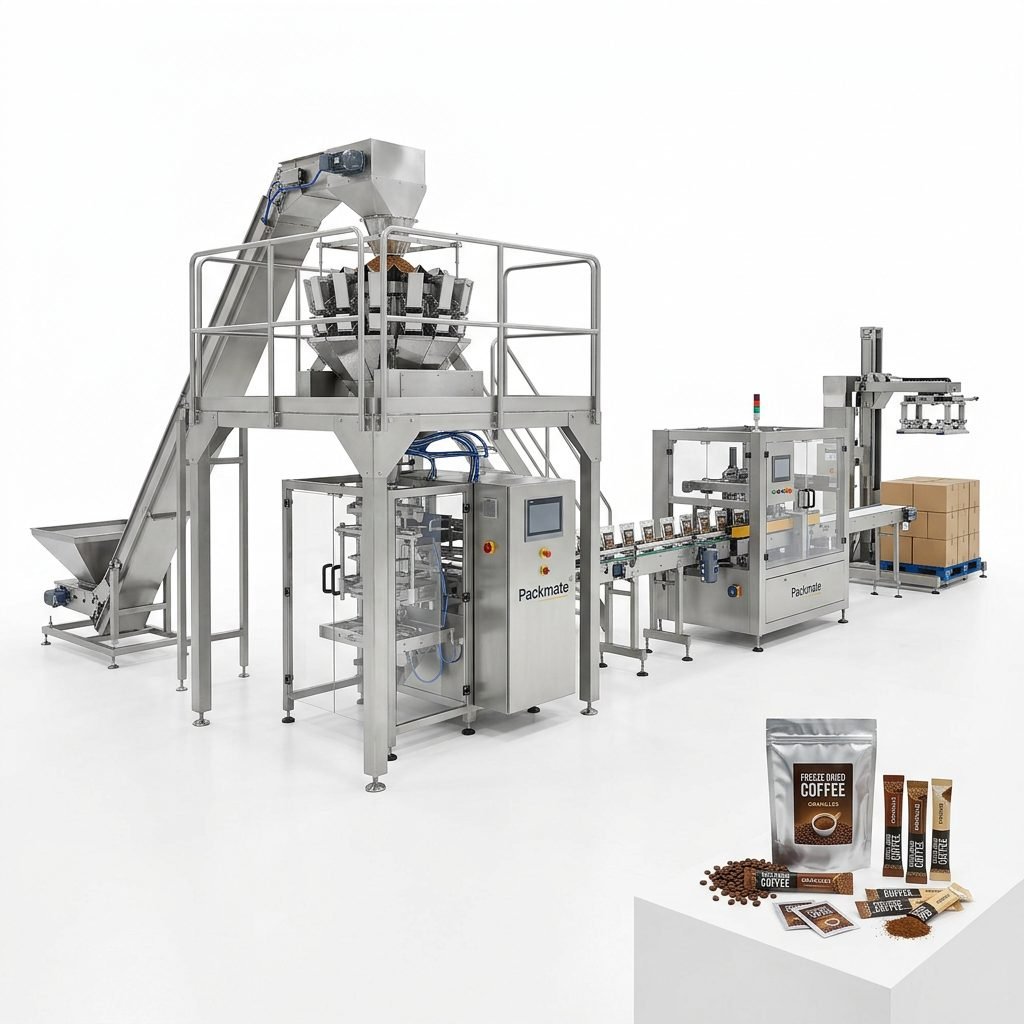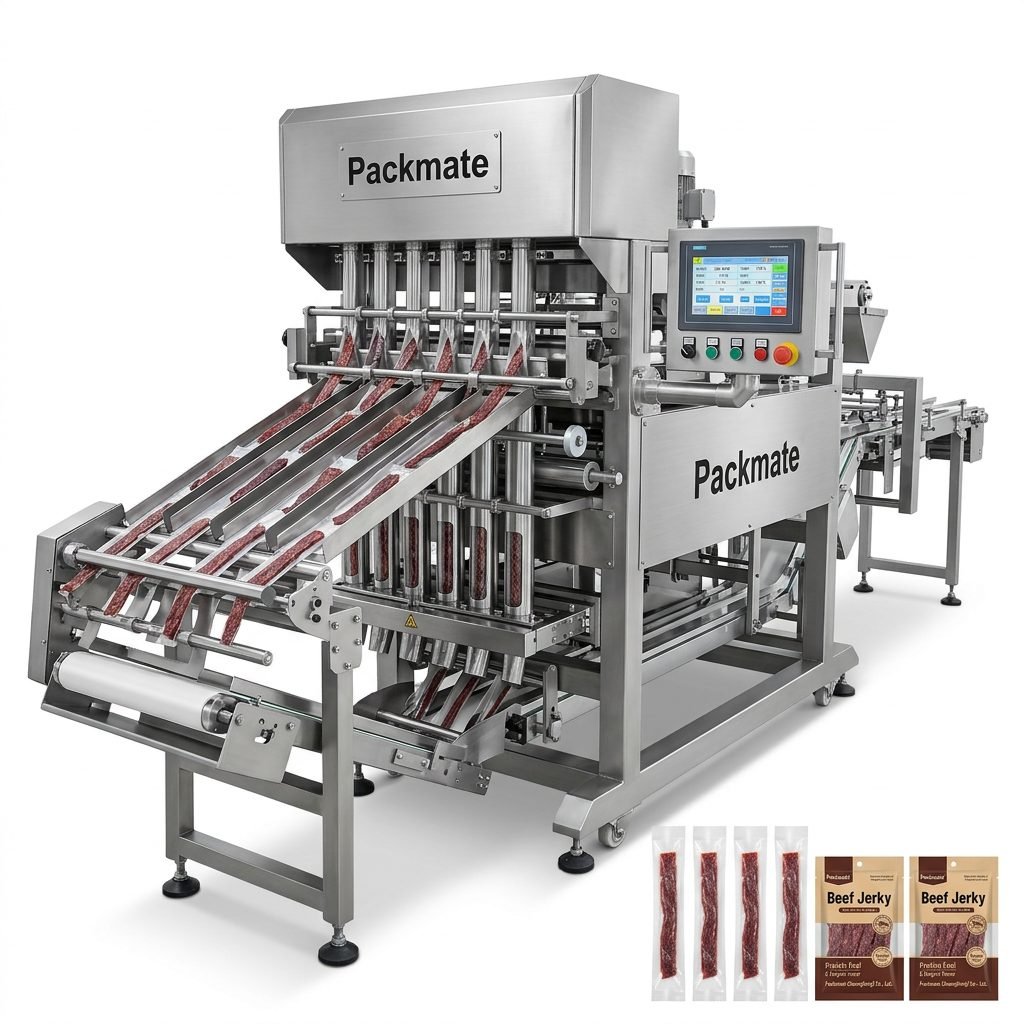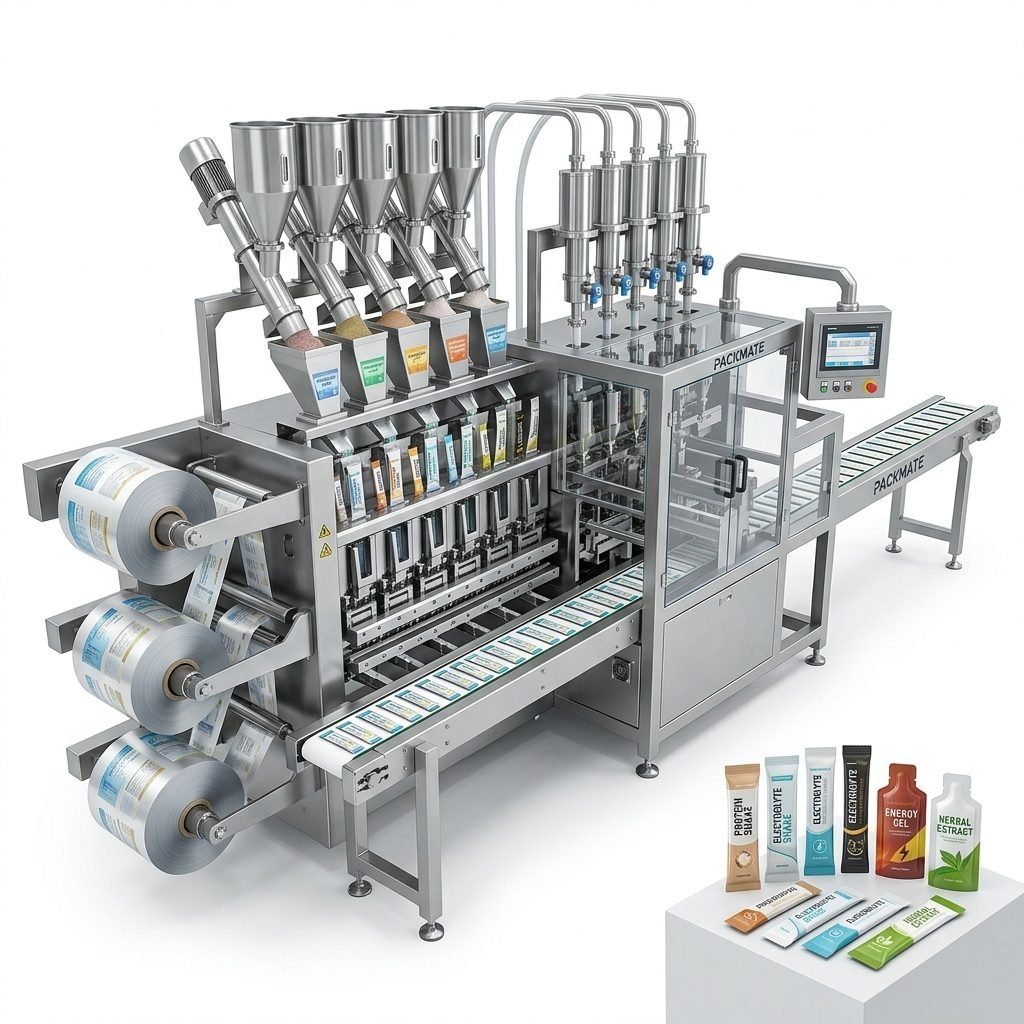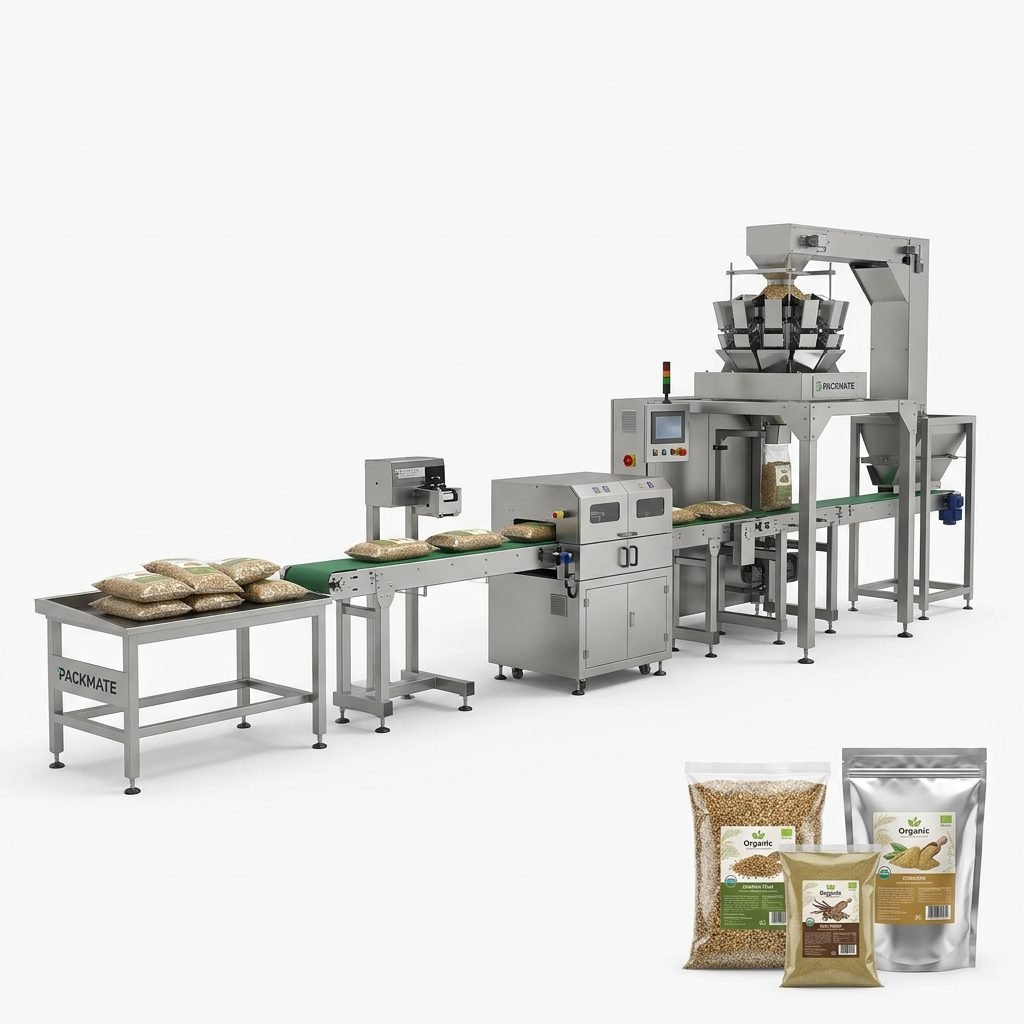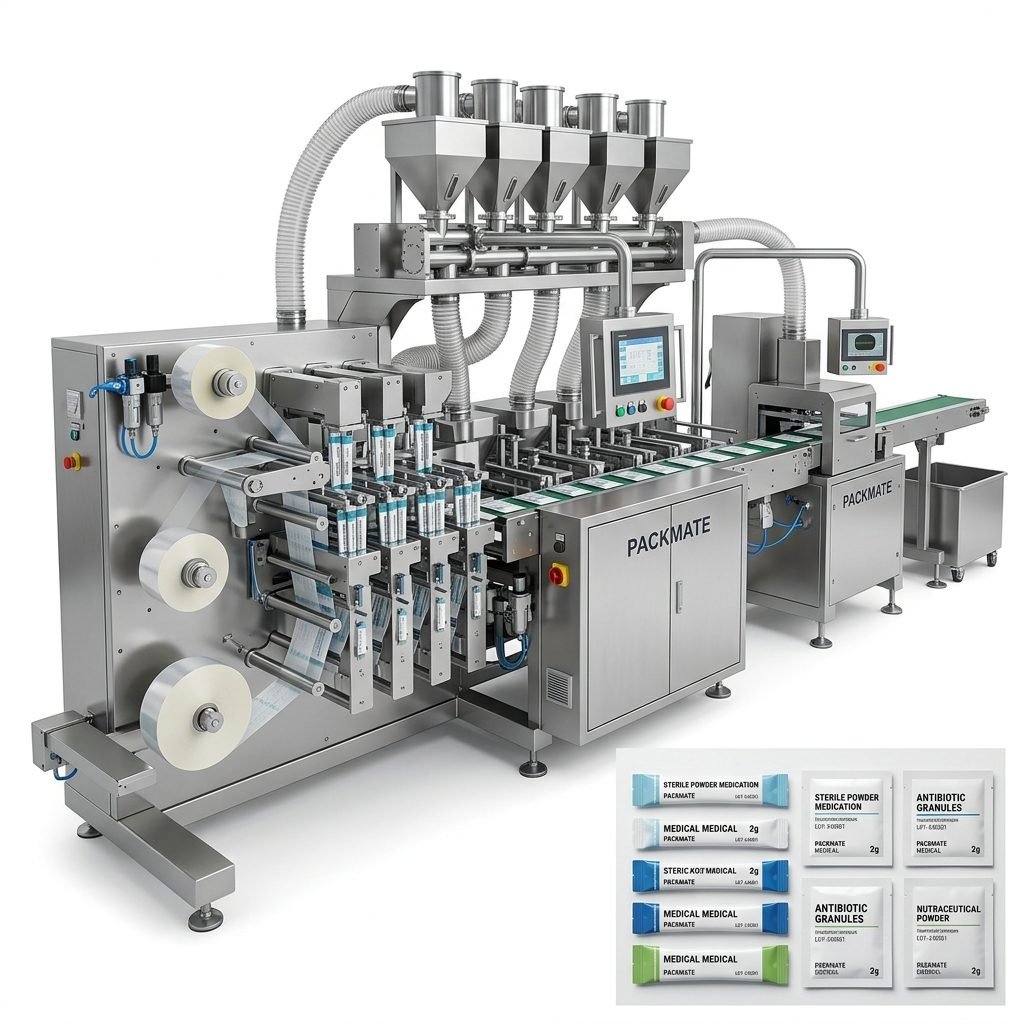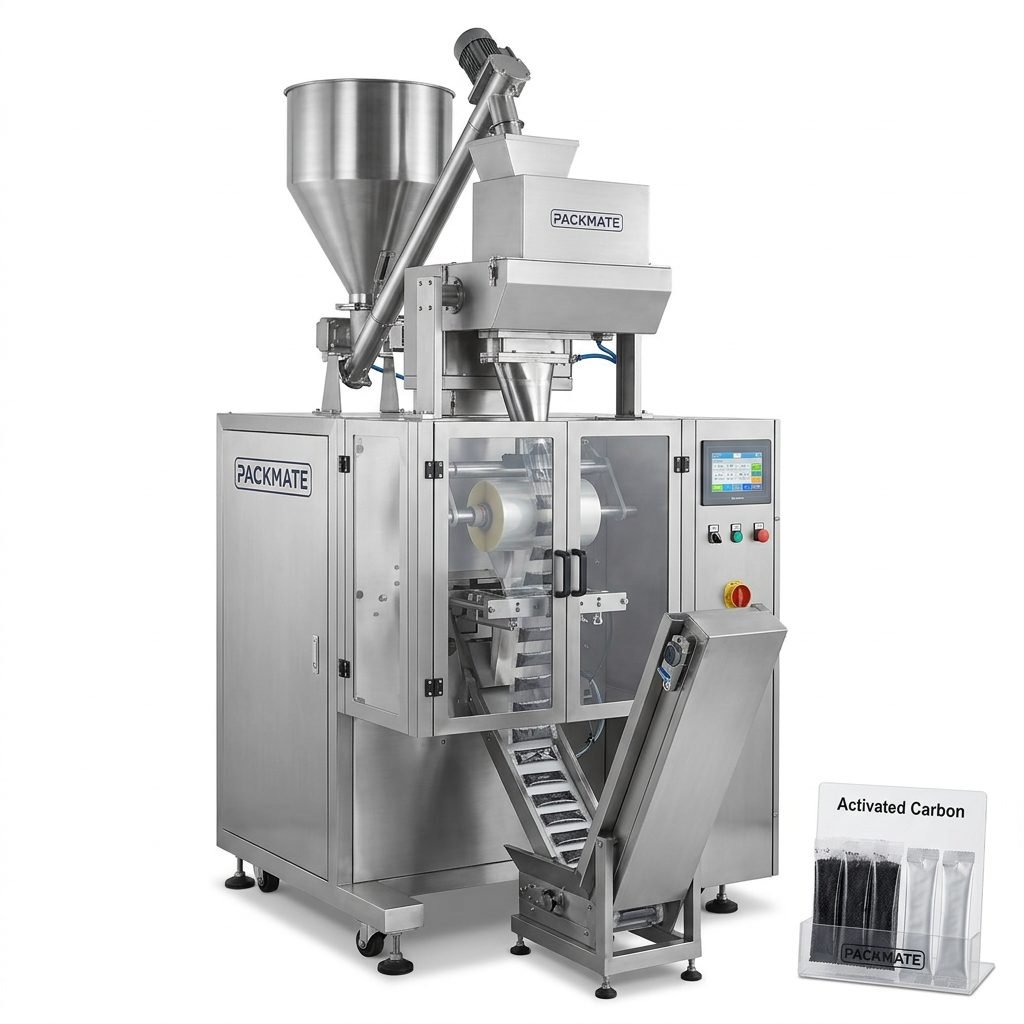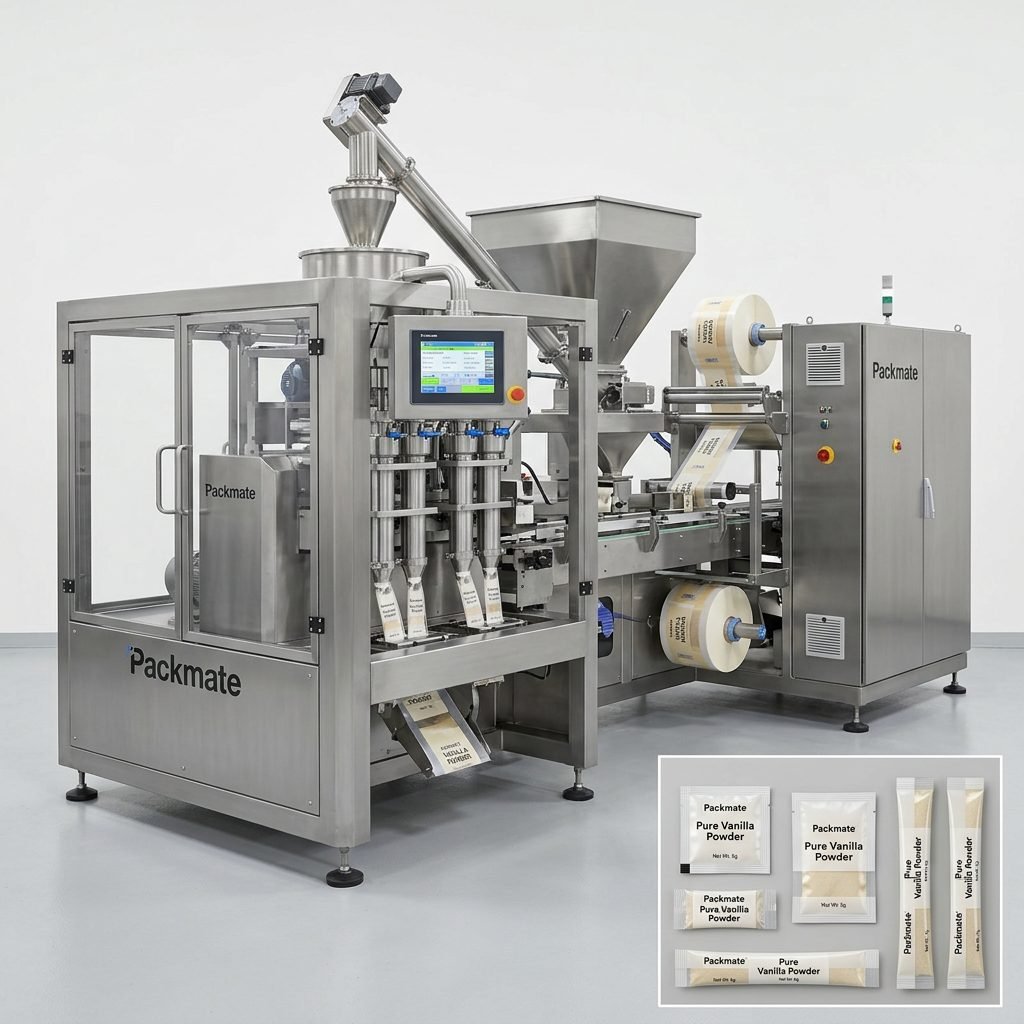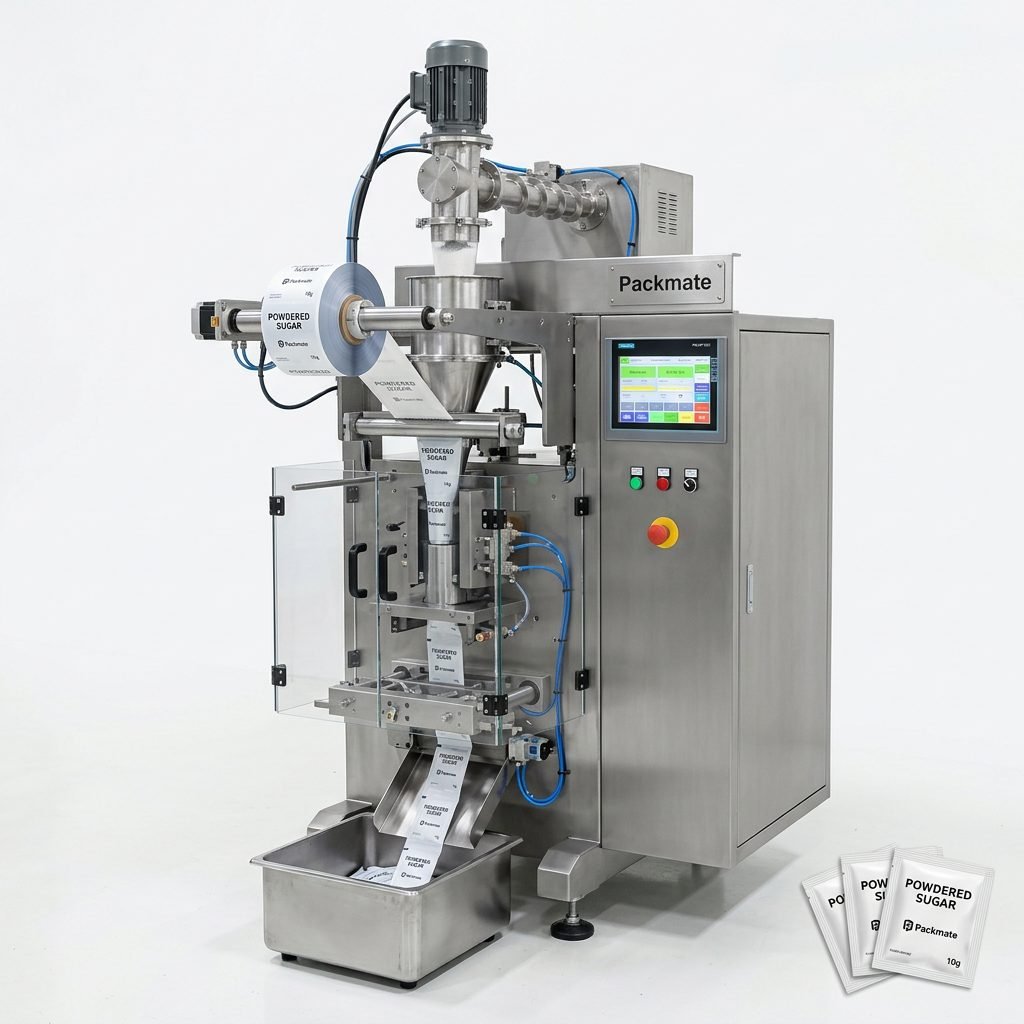
In the competitive world of fresh produce, efficiency, hygiene, and presentation are paramount. For businesses handling carrots and similar root vegetables, a dedicated carrot packaging line is no longer a luxury but a necessity for scaling operations and maintaining market competitiveness. These automated systems transform the post-harvest process, ensuring that crisp, clean carrots reach consumers in perfect condition. An integrated line typically encompasses four critical stages: automatic washing, precision sorting, accurate weighing, and efficient bagging, each handled by specialized machinery working in seamless harmony.
The Core Advantage: A Seamless, Integrated Workflow
The true power of a modern packaging line lies in its integration. Moving from a series of disconnected, manual steps to a continuous, automated flow eliminates bottlenecks, reduces labor costs, and minimizes product handling, which directly translates to less damage and waste. This cohesive system ensures consistent output quality and allows for precise tracking and control over the entire packaging process.
Stage 1: Automatic Washing – The Foundation of Freshness
The journey begins with thorough cleaning. Automatic carrot washers are designed to remove soil, debris, and surface impurities without damaging the delicate skin of the vegetable. These machines often employ a combination of techniques:
- Brush Rollers: Gentle yet effective brushes scrub the carrots as they are conveyed through a water bath.
- High-Pressure Spray: Targeted jets of water dislodge stubborn dirt from crevices.
- Water Filtration & Recirculation: Advanced systems filter and recycle water, promoting sustainability and reducing operational costs.
A clean carrot is not only more appealing but also has a longer shelf life, as removing field heat and soil slows down decay. This first stage is critical for meeting food safety standards and consumer expectations for ready-to-eat produce.
Stage 2: Precision Sorting – Ensuring Uniform Quality
After washing, carrots move to the sorting stage, where they are graded based on specific criteria. Modern sorting machines utilize sophisticated technology to achieve remarkable accuracy and speed.
Key Sorting Parameters:
- Size & Diameter: Mechanical rollers or optical sensors separate carrots into different size grades for uniform packaging.
- Color & Defect Detection: Advanced camera systems identify and eject carrots with blemishes, discoloration, or foreign material.
- Shape & Length: Ensures consistency for specific retail formats, such as baby carrots or standard bunches.
This automated sorting guarantees that only carrots meeting the highest quality standards proceed, allowing producers to maximize value by creating premium product tiers and minimizing giveaway in pre-weighed bags.
Stage 3: Accurate Weighing – Maximizing Profitability
Precision is key in the weighing stage. Multi-head weighers or in-motion checkweighers are commonly used in carrot packaging lines. These high-speed scales measure the exact weight of product portions before they are bagged.
The benefit is twofold: it ensures compliance with strict net content regulations, avoiding costly underweight penalties, and it prevents product giveaway, where overweight packages erode profit margins. The data from these weighers can also be fed back to the upstream process for real-time adjustments, creating a closed-loop system of control. For a deeper look at how such precision engineering is applied across various products, explore our comprehensive packaging solutions.
Stage 4: Efficient Bagging & Packaging – The Final Presentation
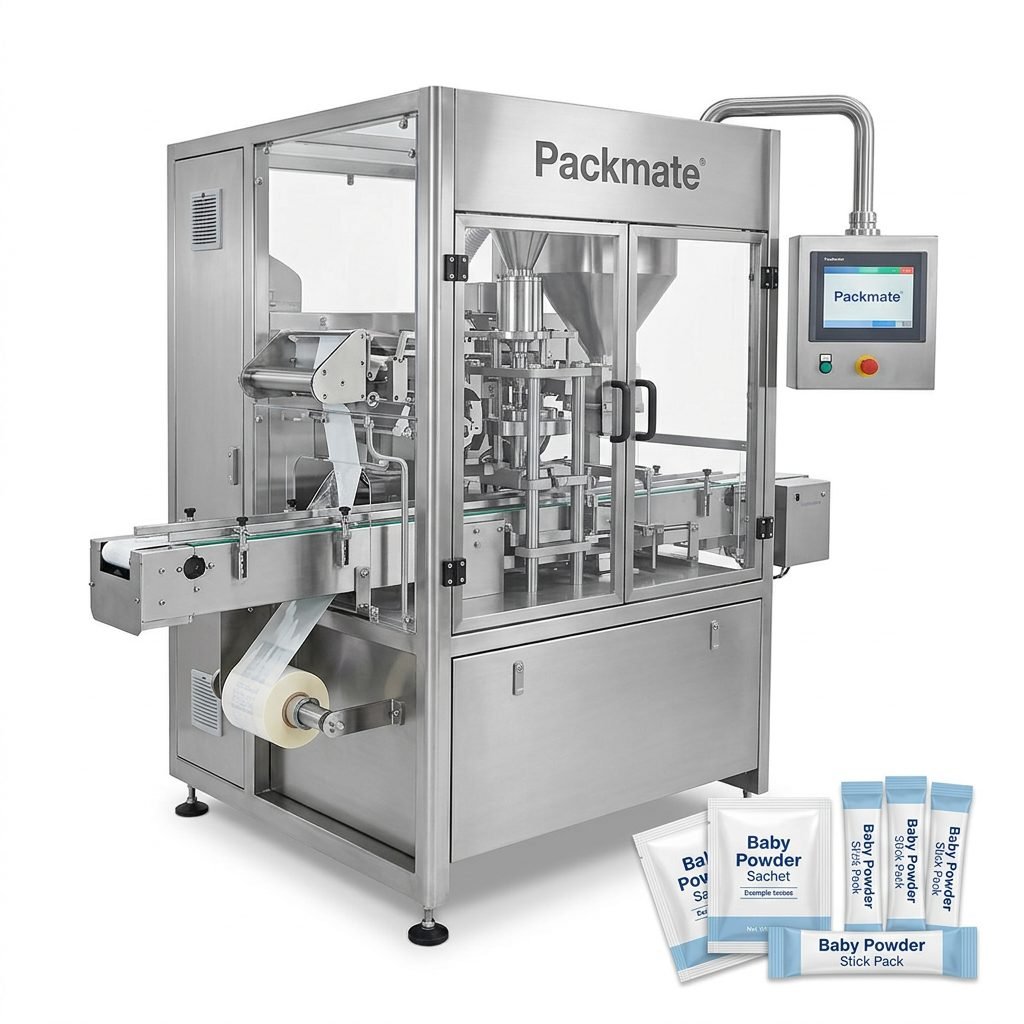
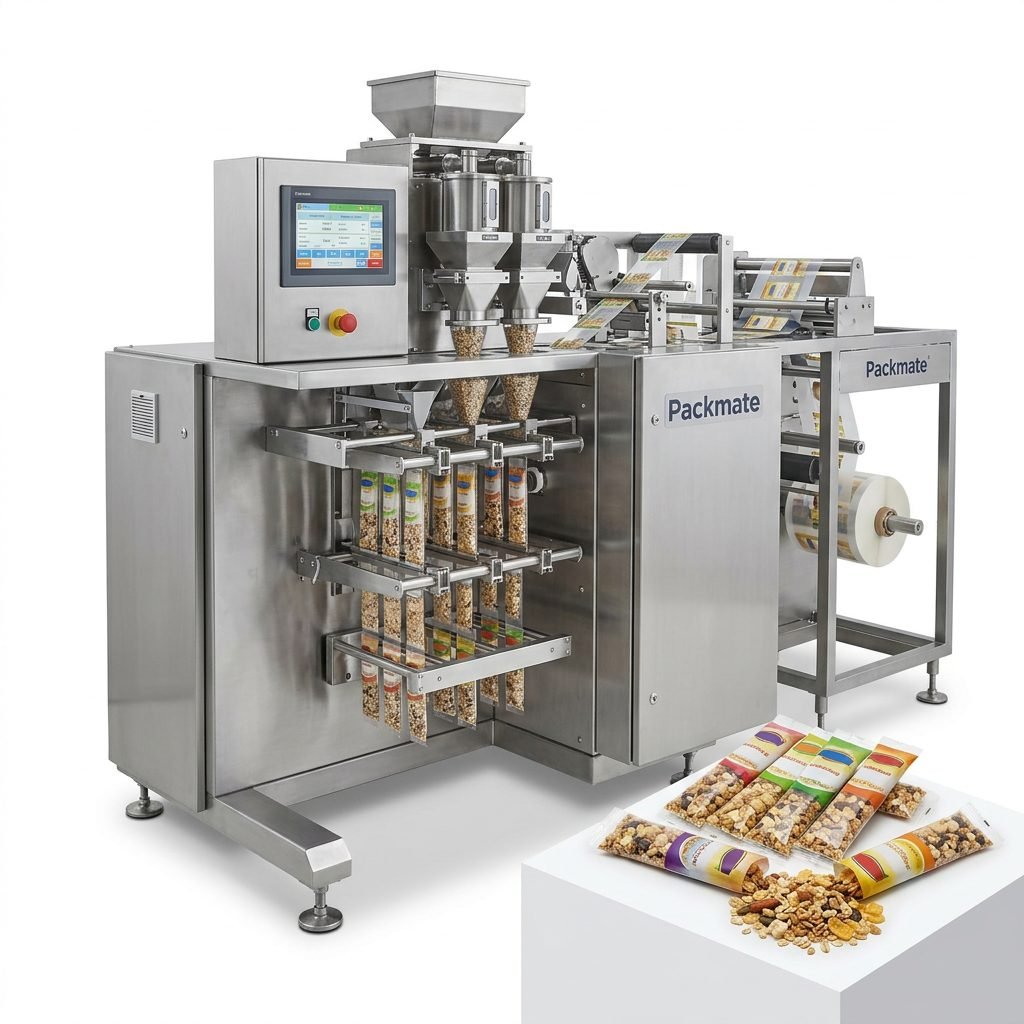
The final stage involves placing the sorted and weighed carrots into their retail packaging. Automatic bagging machines are versatile and can handle various formats:
- Pre-made Bags: Machines open, fill, and seal pre-printed polyethylene or mesh bags.
- Form-Fill-Seal (FFS): Creates bags from a roll of film, fills them, and seals them in one operation, offering great flexibility for different bag sizes and designs.
- Bunching & Tying: For traditional carrot bunches, automates the grouping and banding process.
This stage often includes options for gas flushing (Modified Atmosphere Packaging – MAP) to significantly extend shelf life by slowing respiration. The sealed bags are then automatically counted and boxed for shipping. The reliability of this final step is crucial, and it’s built on decades of engineering expertise, much like the story behind Packmate’s development.
Why Invest in a Turnkey Carrot Packaging Line?
For a growing fresh produce business, the decision to automate is strategic. Partnering with an experienced provider like Packmate for a turnkey solution offers distinct advantages. A single-source supplier ensures all machine components—from the vigorous washer to the high-speed bagger—are designed to work together flawlessly. This eliminates compatibility issues and provides a single point of accountability for service, training, and spare parts. It transforms a complex capital project into a streamlined process focused on your ROI. You can see practical implementations of such integrated systems in our detailed project case studies.
Driving the Future of Fresh Produce
The adoption of automated carrot packaging lines represents a significant leap forward for the agriculture and food processing sectors. By ensuring hygiene, enhancing efficiency, reducing waste, and improving product presentation, this technology directly supports business growth and sustainability goals. It empowers producers to meet the rising global demand for fresh, convenient, and high-quality vegetables. As consumer preferences evolve and retail standards rise, the intelligence and flexibility built into these lines, backed by the technical prowess of dedicated engineering teams, will continue to be a critical differentiator in the marketplace.
Frequently Asked Questions (FAQs)
1. What is the typical output capacity of a standard carrot packaging line?
Capacity varies greatly based on the machine configuration and carrot size. A standard integrated line can typically handle from 1,000 to 5,000 kilograms per hour. Specific throughput is determined during the planning phase based on your raw product input and desired final package format.
2. Can the same line handle other root vegetables like potatoes or onions?
Yes, in many cases. The core principles of washing, sorting, weighing, and bagging are similar. However, adjustments may be needed for brush stiffness, sorting sensor settings, and hopper designs to accommodate different sizes, shapes, and skin sensitivities. A qualified supplier can design a flexible line or specify change parts.
3. How does automated sorting improve my profitability?
Automated sorting maximizes yield and product value. By precisely grading carrots by size and quality, you can create premium product categories (e.g., “perfect” for fresh retail, “utility” for processing), minimize “giveaway” in pre-weighed bags by ensuring exact weights, and reduce labor costs associated with manual inspection.
4. What are the key maintenance requirements for such a line?
Regular maintenance is essential for longevity. Key tasks include daily cleaning and sanitation, lubricating moving parts as specified, inspecting and replacing wear items like brushes and seals, and calibrating scales and sensors periodically. A good supplier will provide a comprehensive maintenance schedule and training.
5. What level of customization is possible for a turnkey line?
High levels of customization are standard. Lines can be tailored for your factory layout, specific carrot varieties, desired bag types (mesh, PE, MAP), labeling requirements, and integration with existing equipment like chillers or box conveyors. The goal is to design a solution that fits your unique operational workflow. For more specific queries, our FAQs page offers further insights.