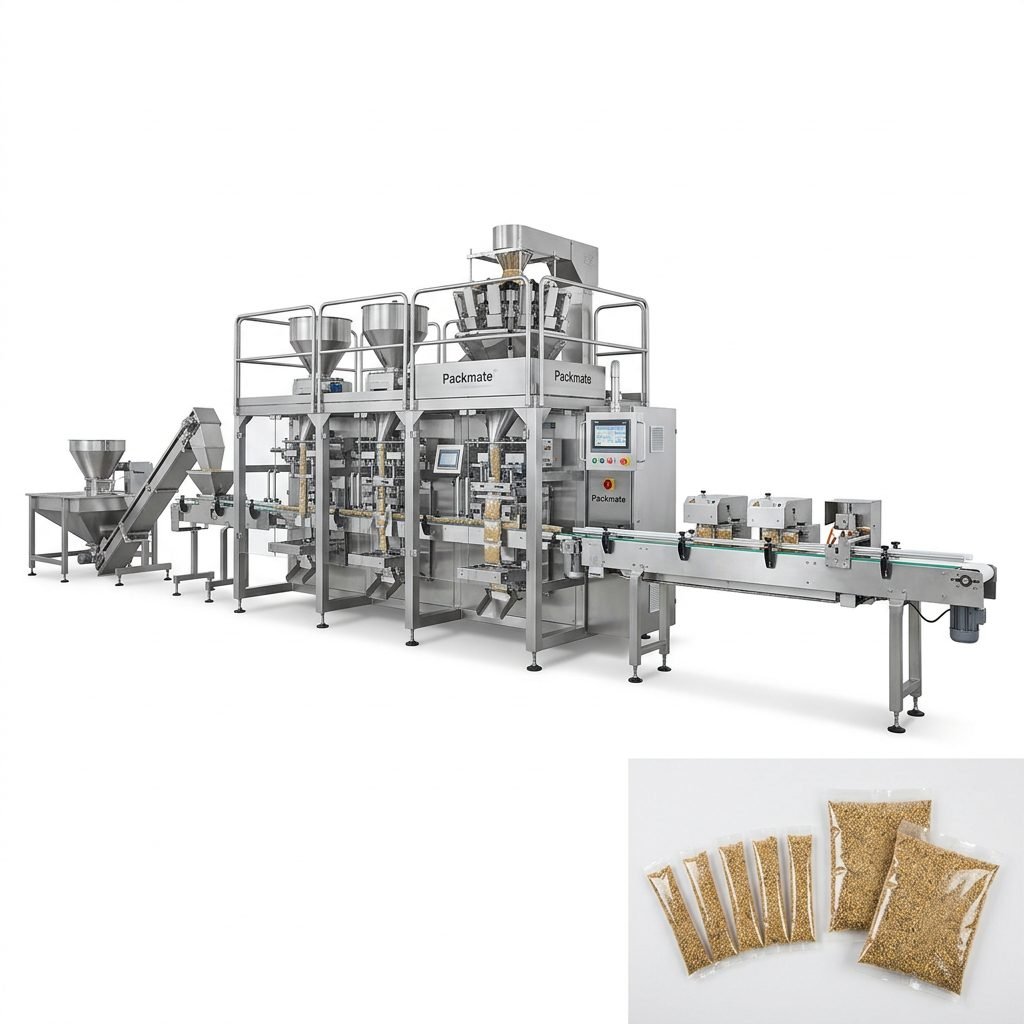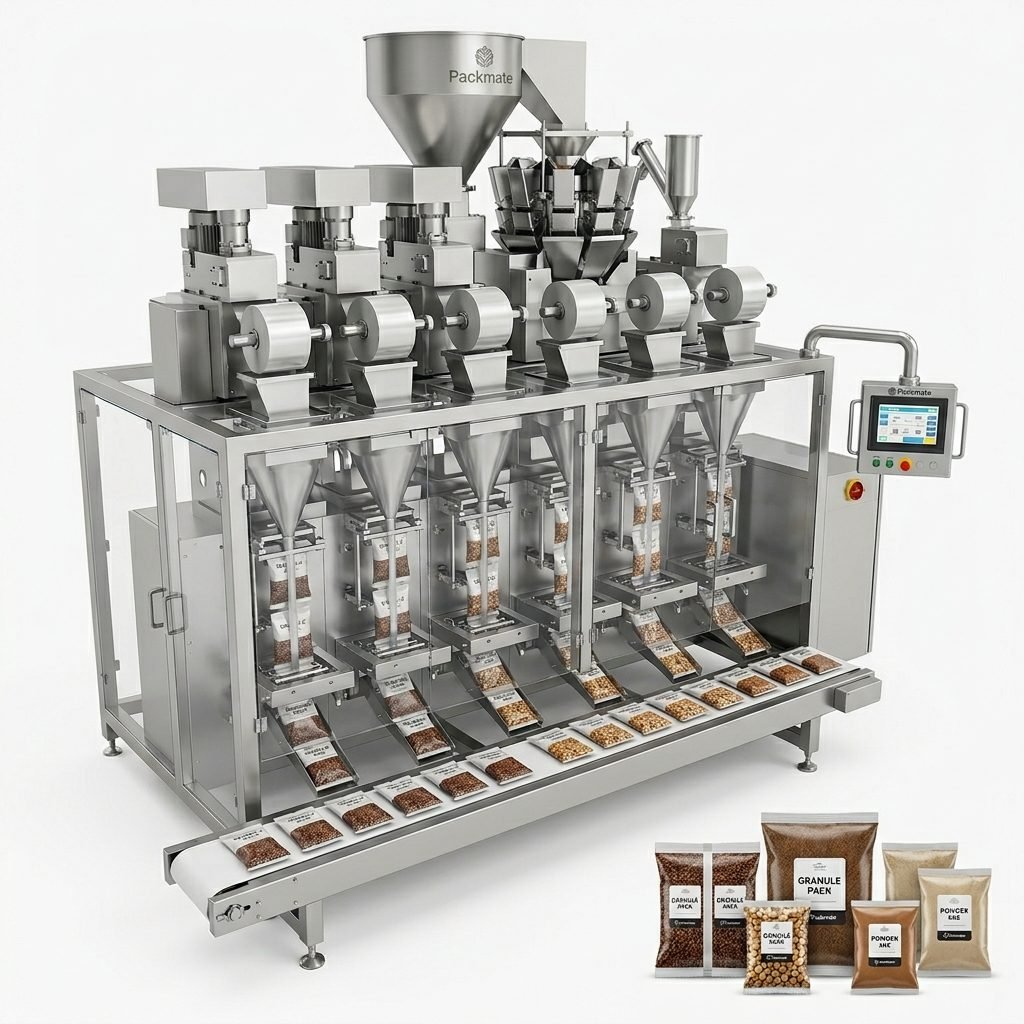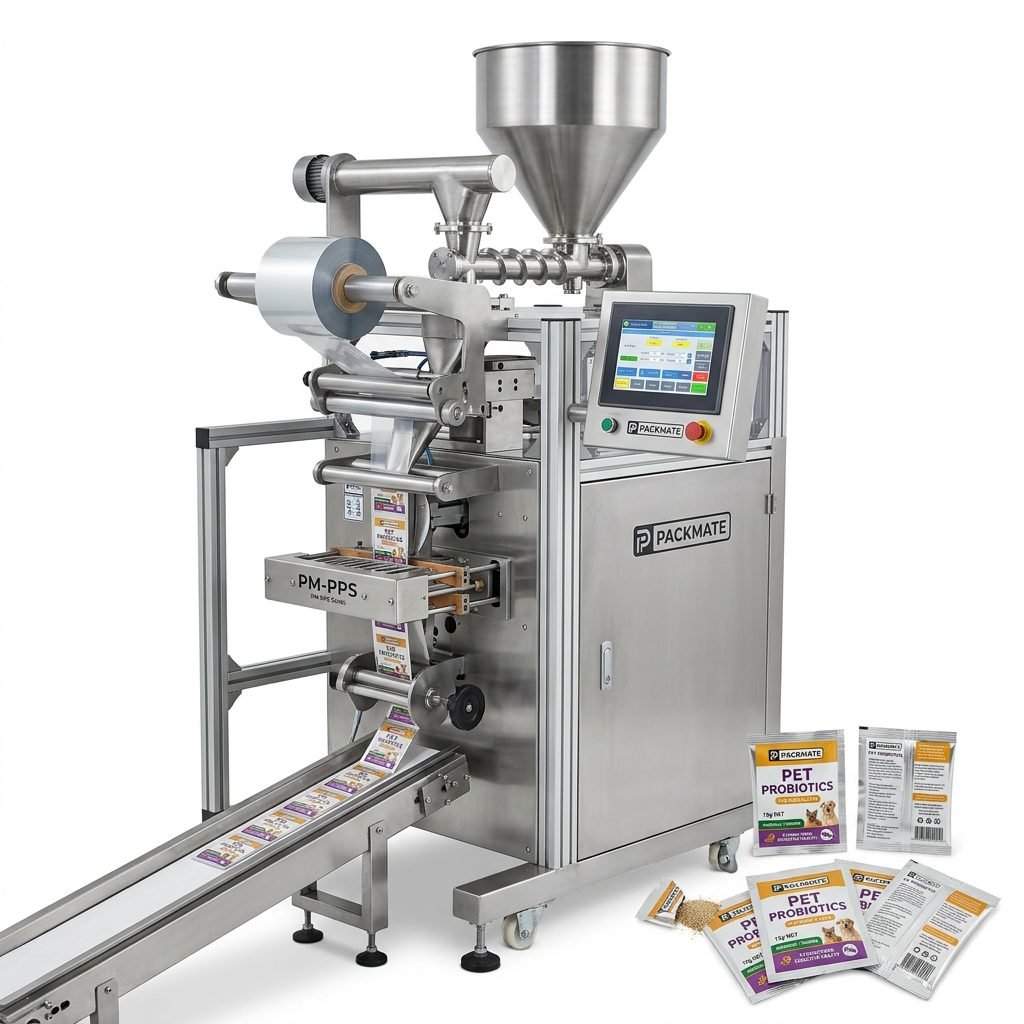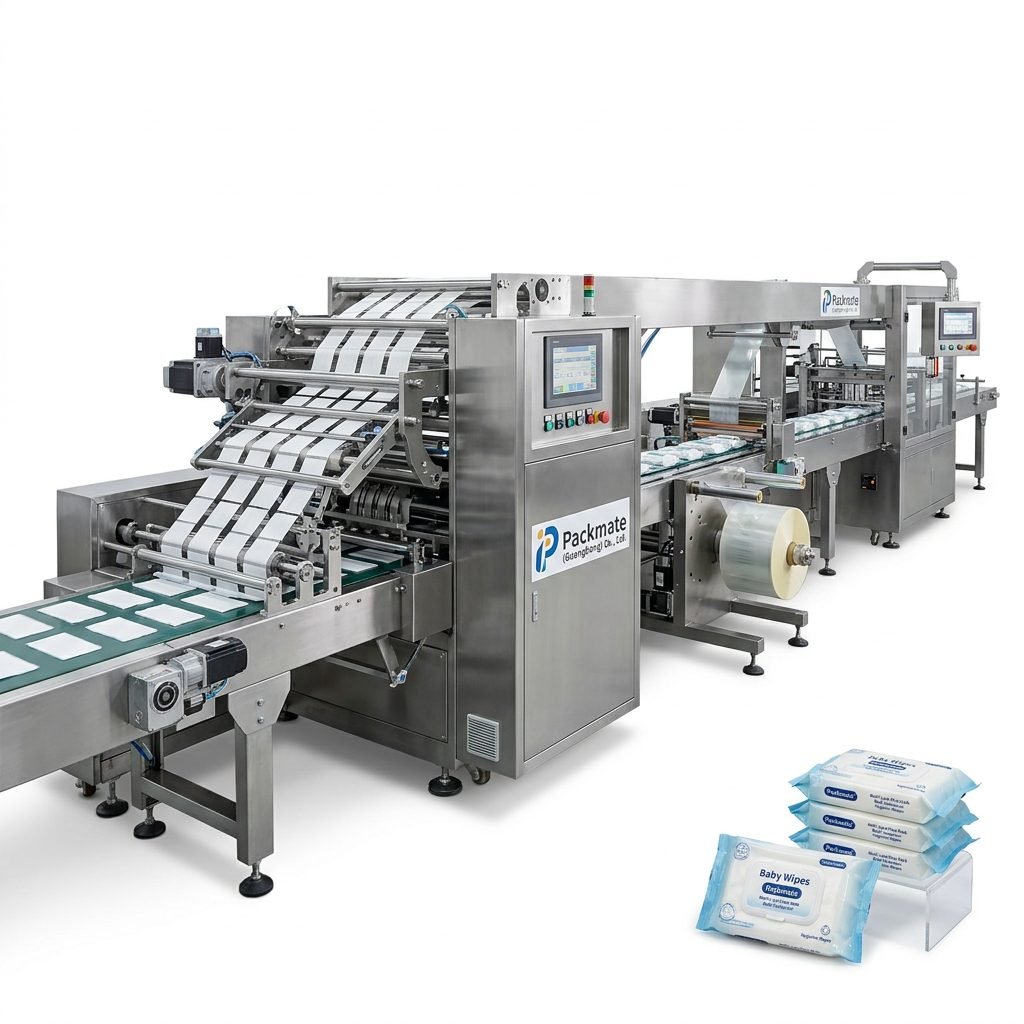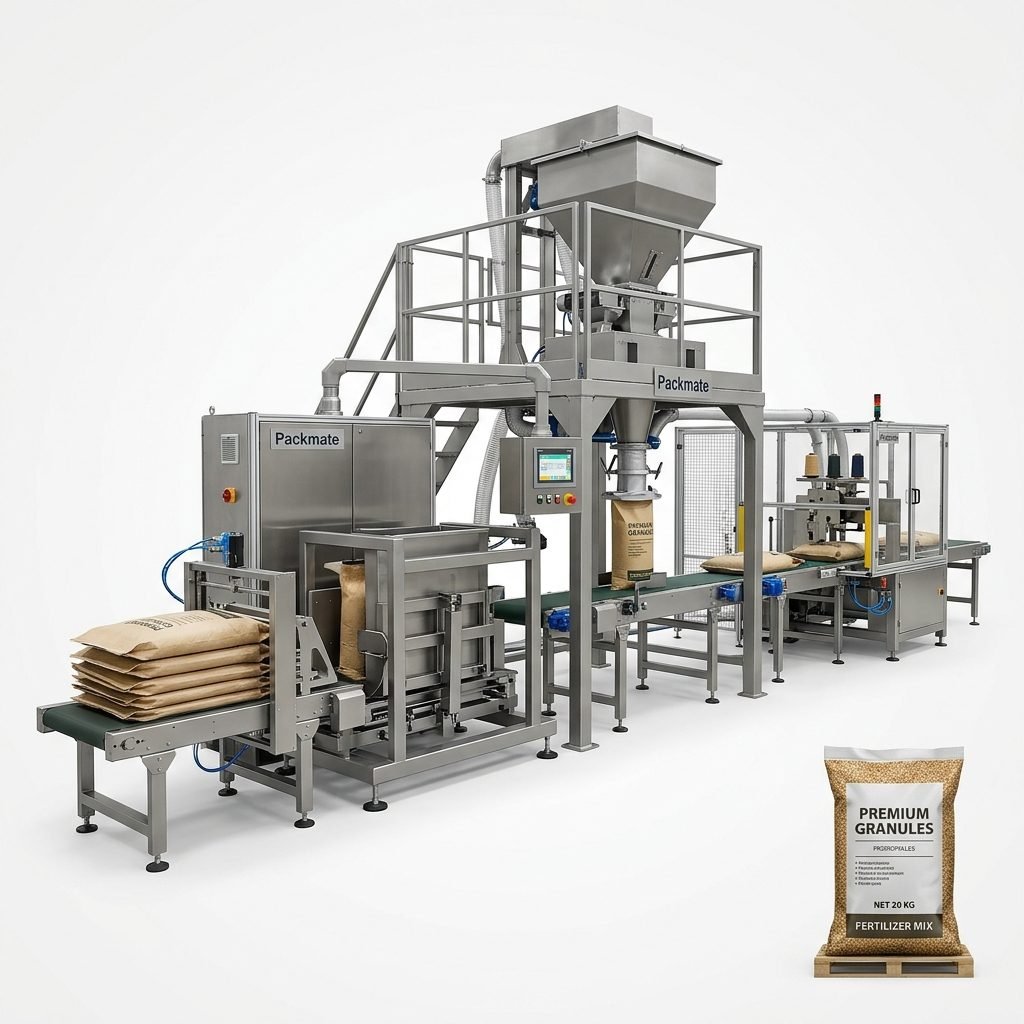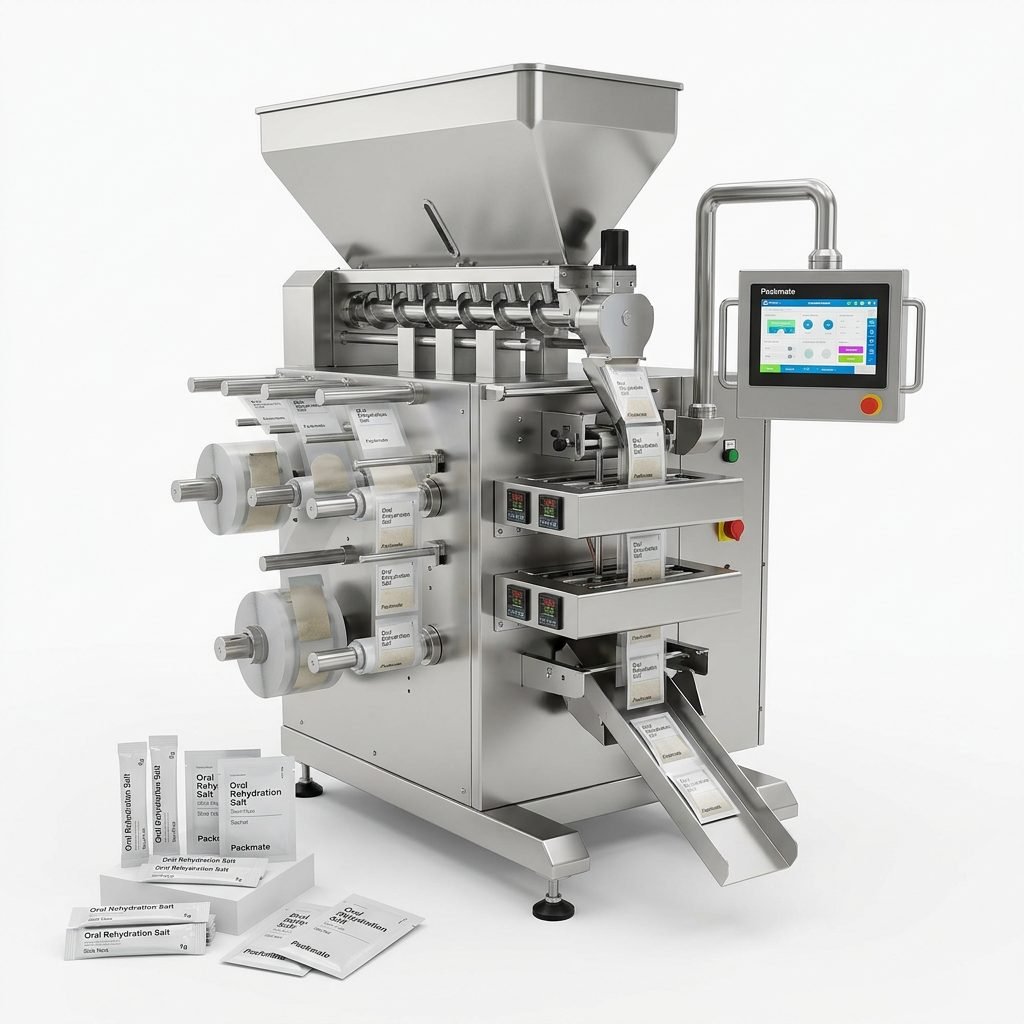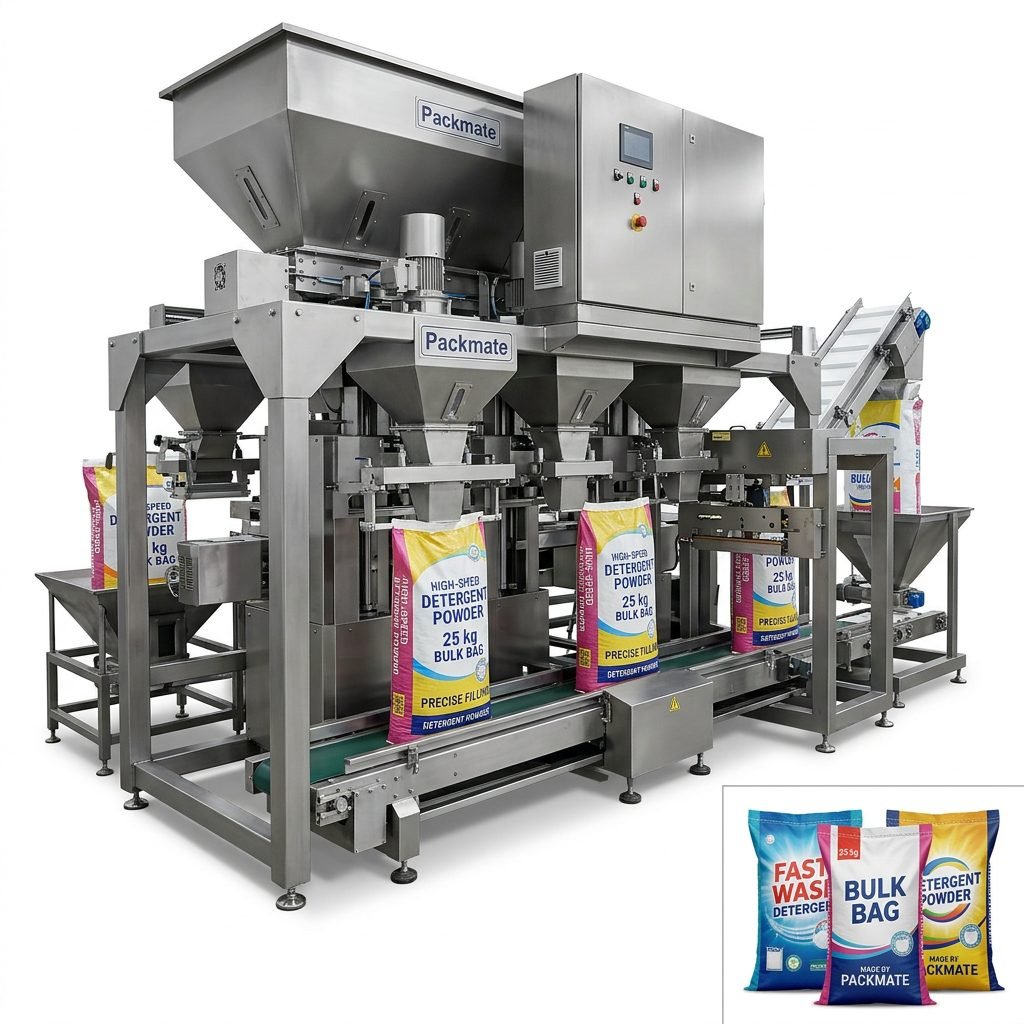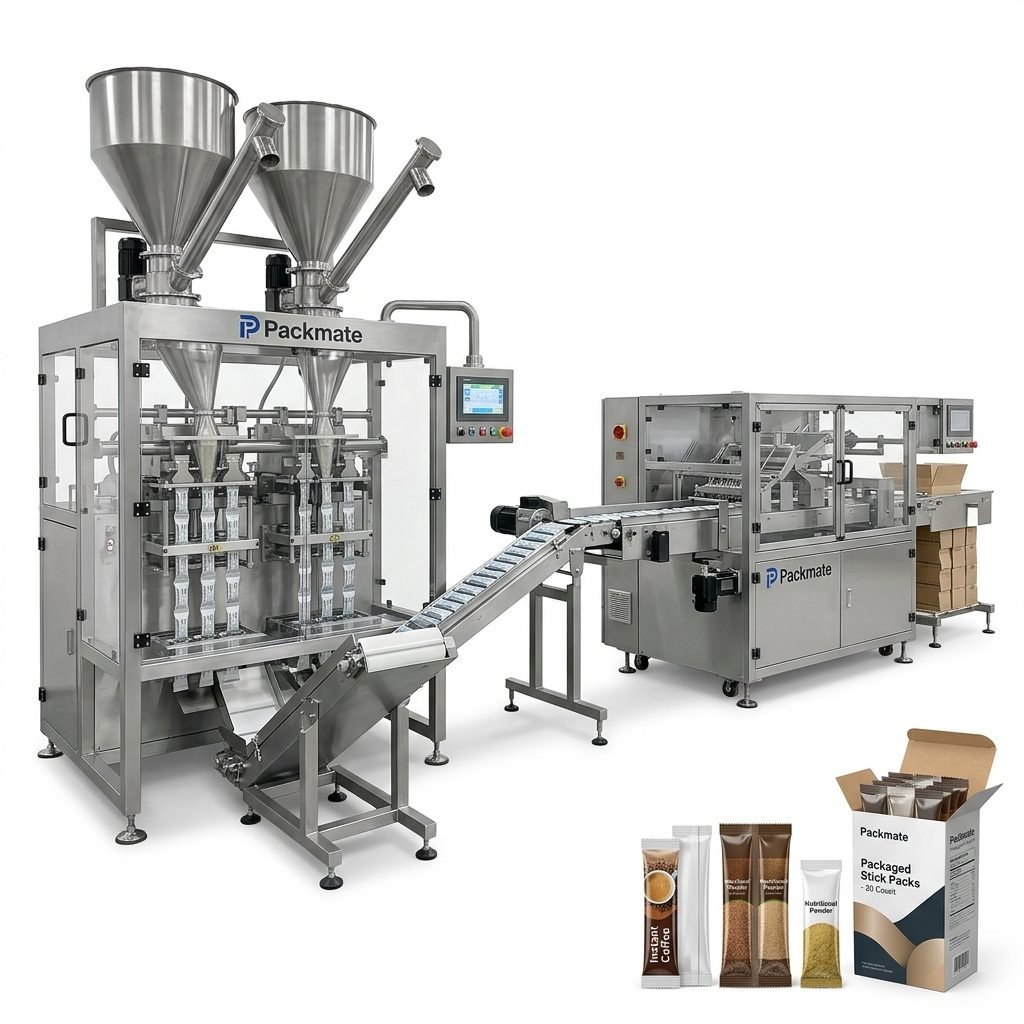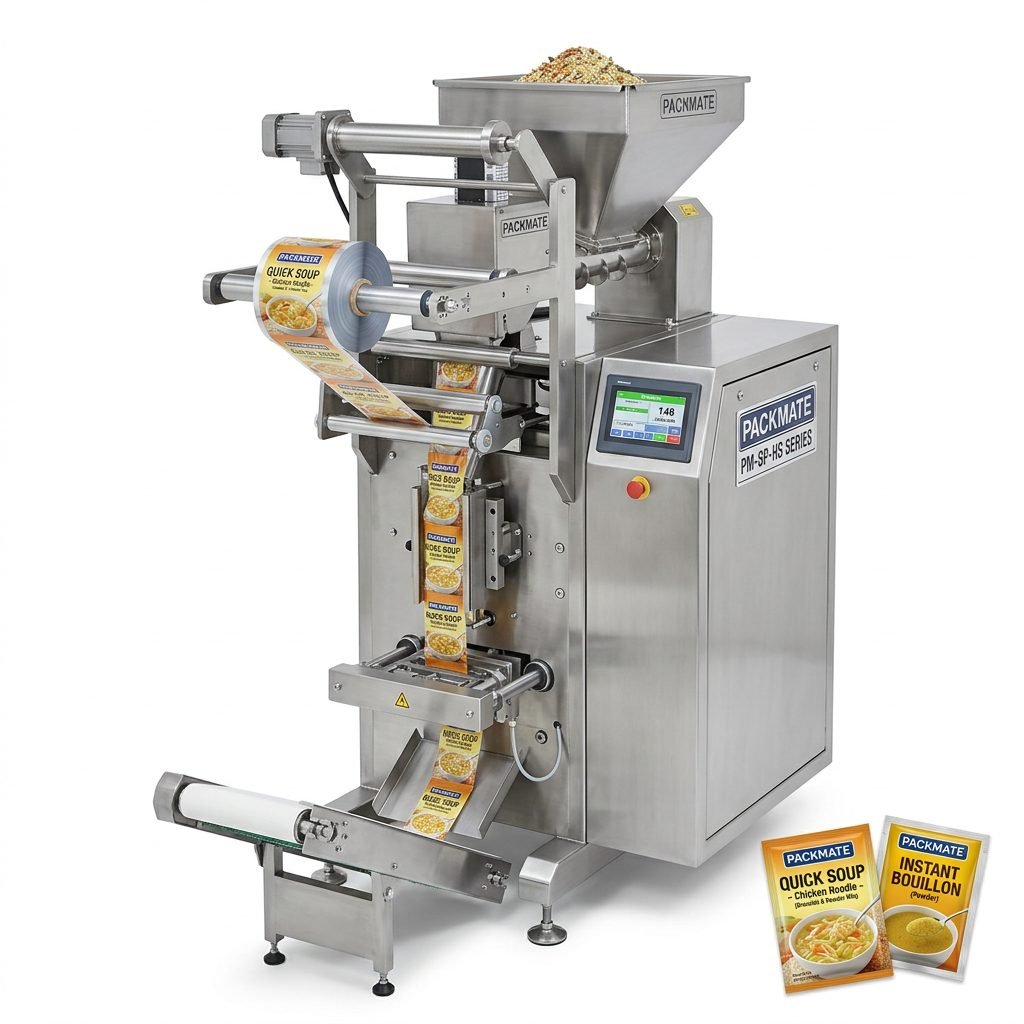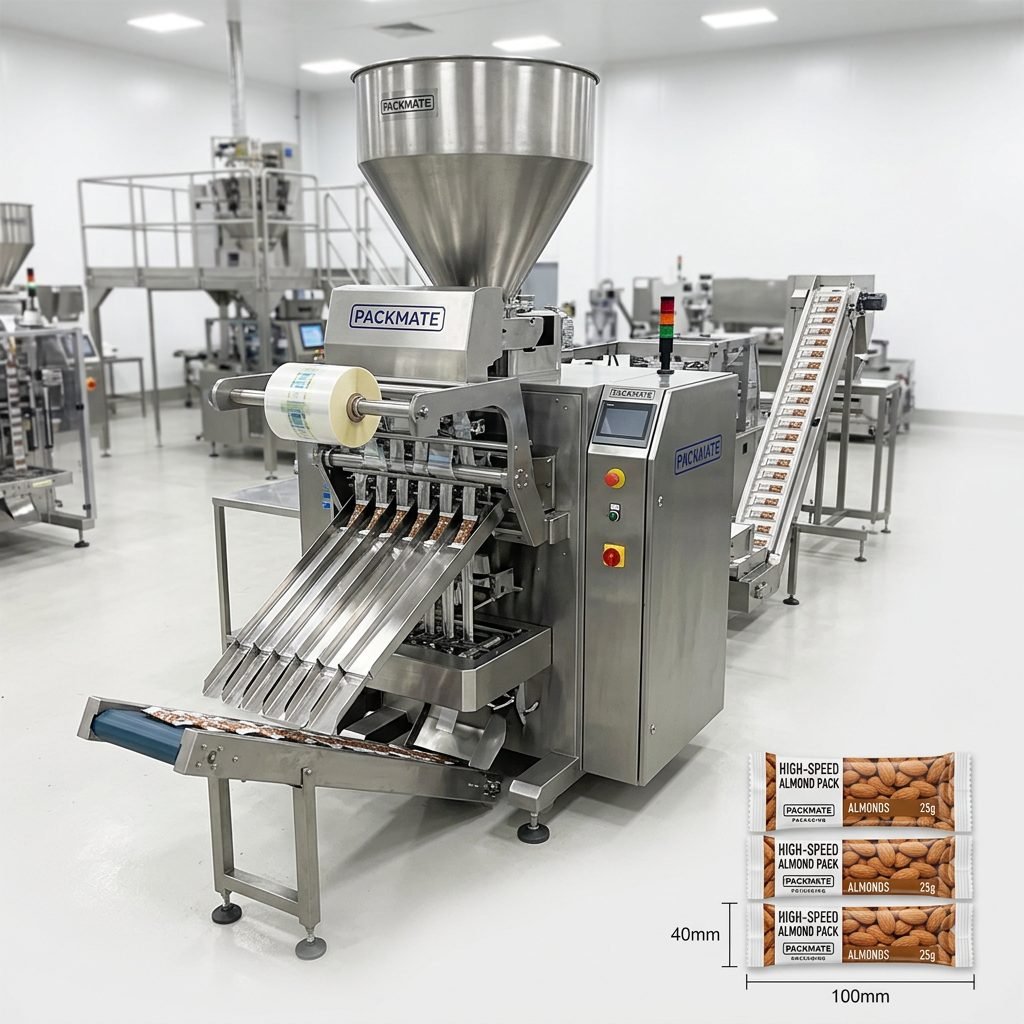
Selecting the right packaging line manufacturer is a critical strategic decision for businesses in the food, pharmaceutical, and health product sectors. The efficiency, reliability, and compliance of your packaging operations directly impact product quality, shelf life, safety, and ultimately, your brand reputation. This guide explores the key considerations for choosing a top-tier manufacturer and highlights the capabilities of industry leaders like Packmate Packaging Line.
Understanding the Unique Needs of Each Industry
Packaging is not a one-size-fits-all process. Each sector has distinct requirements driven by regulation, product characteristics, and consumer expectations.
Food Industry Packaging
Food packaging must ensure freshness, prevent contamination, and often provide a high-speed, cost-effective solution for high-volume production. Lines must handle diverse product forms—from powders and granules to liquids and pastes—while maintaining hygiene standards. Key features include inert gas flushing for extended shelf life, precision filling to minimize giveaway, and robust sealing to prevent leaks.
Pharmaceutical Packaging
This is arguably the most stringent sector. Packaging lines must guarantee absolute accuracy in dosing, complete sterility where required, and tamper-evidence. Traceability is non-negotiable, with serialization becoming a global mandate. Every component, from the primary sachet or stick pack to the secondary carton, must meet Good Manufacturing Practice (GMP) standards.
Health & Nutraceutical Products
Bridging the food and pharma worlds, health product packaging demands a blend of consumer appeal and functional integrity. Products like protein powders, vitamin supplements, and herbal extracts require packaging that protects against moisture and oxygen to preserve potency. The lines must offer flexibility for frequent product changeovers and smaller batch sizes, alongside attractive packaging that stands out on retail shelves.
Key Criteria for Selecting a Packaging Line Manufacturer
Beyond industry-specific knowledge, evaluating a manufacturer requires a holistic look at their capabilities and partnership approach.
1. Technical Expertise and Innovation
A top manufacturer invests continuously in R&D. Look for a portfolio that includes multi-lane stick pack machines, high-speed sachet machines, and large-volume bagging solutions. Innovation isn’t just about speed; it’s about smart integration, data collection for predictive maintenance, and energy efficiency.
2. Compliance and Certification
Certifications are a manufacturer’s credibility passport. For pharmaceutical and food lines, relevant ISO standards (like ISO 9001 for quality management and ISO 22000 for food safety) are essential. Machinery should be designed to comply with regional regulations such as the FDA in the US or the EMA in Europe.
3. Turnkey Solution Capability
The best partners don’t just sell machines; they deliver complete systems. This includes feasibility studies, factory layout planning, machine design and fabrication, installation, commissioning, and comprehensive staff training. A true turnkey provider, as detailed on their Solutions page, manages the entire project from concept to consistent production.
Why Turnkey Matters:
It eliminates interface issues between different equipment suppliers, ensures single-point accountability, reduces your project management overhead, and typically results in a faster, smoother ramp-up to full production capacity.
4. Global Support and Service Network
Packaging lines are long-term investments. A global manufacturer must offer reliable after-sales support, with readily available spare parts and technicians who can provide remote diagnostics or on-site service. Review their service commitments to understand their support structure.
Spotlight on a Leading Manufacturer: Packmate (GuangDong) Co., Ltd.
Exemplifying these criteria is Packmate (GuangDong) Co., Ltd., a specialist with over three decades of experience. Operating from a modern 20,000㎡ facility in the heart of China’s manufacturing hub, they have evolved from a specialist workshop to a provider of intelligent, integrated packaging lines.
Their journey, which you can explore in their detailed Company Profile, is a testament to focused innovation. Starting with sachet machines, they expanded into multi-lane stick pack technology—a high-demand solution for single-serve portions in all three target industries. Their machinery portfolio, showcased in their product catalog, is designed for reliability and ease of operation.
Core Strengths and Differentiators
- Deep Application Knowledge: Their teams understand the nuances of packaging viscous liquids, hygroscopic powders, and abrasive granules.
- Custom Engineering: They pride themselves on adapting standard platforms to meet unique client requirements, rather than offering rigid, off-the-shelf solutions.
- Quality-First Manufacturing: With over 100 sets of advanced production equipment, they maintain control over precision machining and assembly, ensuring build quality.
- Proven Global Track Record: Their machines serve clients worldwide, demonstrating adaptability to different market standards and operational environments.
Implementing Your New Packaging Line: A Strategic Process
Successful implementation is a collaborative process between you and your chosen manufacturer.
Phase 1: Consultation and Feasibility
This initial stage involves sharing your product specs, target output, and facility constraints. A reputable manufacturer will conduct tests with your actual product to determine the optimal packaging material and machine parameters.
Phase 2: Design and Project Planning
Based on the feasibility study, a detailed line layout and project timeline are created. This phase includes selecting all ancillary equipment (like checkweighers and metal detectors) and planning utilities (power, air, dust extraction).
Phase 3: Factory Acceptance Test (FAT)
Before shipment, you should be invited to witness the line running under controlled conditions at the manufacturer’s facility. This is a crucial step to verify performance against agreed specifications, as seen in many project case studies.
Phase 4: Installation, Commissioning, and Training
Expert technicians install and fine-tune the line in your factory. Comprehensive training for your operators and maintenance staff is conducted to ensure self-sufficiency and optimal line performance from day one.
The Future of Packaging Lines
The trend is moving decisively towards Industry 4.0 integration. Future-proof lines will feature IoT sensors for real-time monitoring of OEE (Overall Equipment Effectiveness), AI-driven adjustment for minimal waste, and seamless integration with Enterprise Resource Planning (ERP) systems for full supply chain visibility. Choosing a manufacturer with a forward-looking R&D focus is an investment in longevity.
Frequently Asked Questions (FAQs)
1. What is the typical lead time for a complete turnkey packaging line?
Lead times vary significantly based on complexity and customization. A standard line might take 3-6 months from order to delivery, while a highly customized system for a novel product form could require 8-12 months. The detailed planning phase provides a firm timeline.
2. How do you ensure the packaging line will comply with regulations in my country?
Reputable manufacturers design to international standards (e.g., CE marking for Europe) and use certified components. They will work with you to understand your local regulatory framework and ensure documentation and machine design meet those specific requirements.
3. What kind of after-sales support and warranty can we expect?
A standard offer includes a 12-18 month warranty on parts and manufacturing defects. Comprehensive support packages include remote technical assistance, on-site service contracts, and guaranteed spare parts availability. Always clarify the scope of support before purchase.
4. Can you handle the packaging of our new product, which is very sticky/abrasive/hygroscopic?
This is where application expertise is vital. Top manufacturers have test labs to run trials with your actual product. They can recommend special coatings, hopper designs, auger systems, or vibration techniques to handle challenging products reliably.
5. What are the key factors affecting the total cost of ownership (TCO) of a packaging line?
Look beyond the initial purchase price. TCO is influenced by energy consumption, changeover time and material waste, maintenance costs and frequency, expected machine lifespan, and upgradeability. A slightly higher initial investment in a robust, efficient line often yields a lower TCO.