In today’s competitive manufacturing landscape, automation is no longer a luxury but a necessity, especially for industries with stringent quality and safety requirements like food, pharmaceuticals, and health products. Automating your packaging line is a transformative step that can dramatically enhance efficiency, ensure consistency, and improve your bottom line. This guide provides a comprehensive roadmap for businesses looking to embark on this journey, from initial planning to full-scale implementation.
Understanding the Need for Automation
The drive towards automation is fueled by several critical factors. Consumer demand for safety and traceability is at an all-time high. Manual packaging processes are prone to human error, which can lead to product contamination, incorrect dosages, or labeling mistakes—risks that are unacceptable in these sensitive sectors. Furthermore, labor costs are rising, and skilled operators can be difficult to retain. An automated line provides a reliable, consistent workforce that operates 24/7, significantly boosting output and ensuring every package meets the exact same high standard.
Key Driver: For pharmaceutical companies, automation is often mandated by regulations like Good Manufacturing Practice (GMP), which require stringent process control and documentation. Automated systems provide the data integrity and audit trails essential for compliance.
Step 1: Assessing Your Current Process and Defining Goals
Before investing in any equipment, a thorough assessment is crucial. Map out your existing packaging workflow from product filling to palletizing. Identify bottlenecks, quality control pain points, and stages with high labor intensity. Simultaneously, define clear, measurable goals for automation. Are you aiming to increase output by 30%, reduce product giveaway by 2%, achieve zero labeling errors, or simply free up staff for higher-value tasks? Clear objectives will guide every subsequent decision. For inspiration on setting realistic goals, reviewing successful project cases from industry leaders can be invaluable.
Step 2: Choosing the Right Packaging Machinery
The heart of any automated line is the machinery. Selection depends entirely on your product format and requirements.
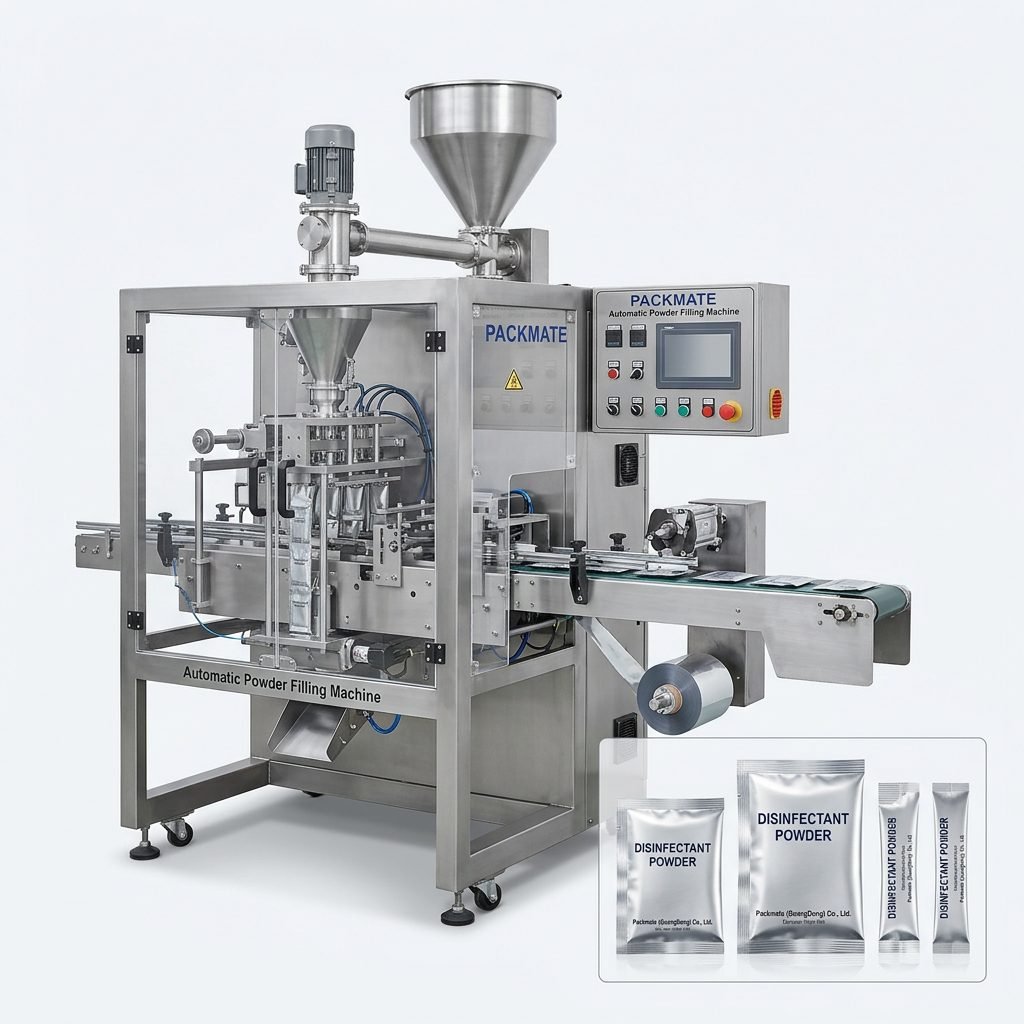
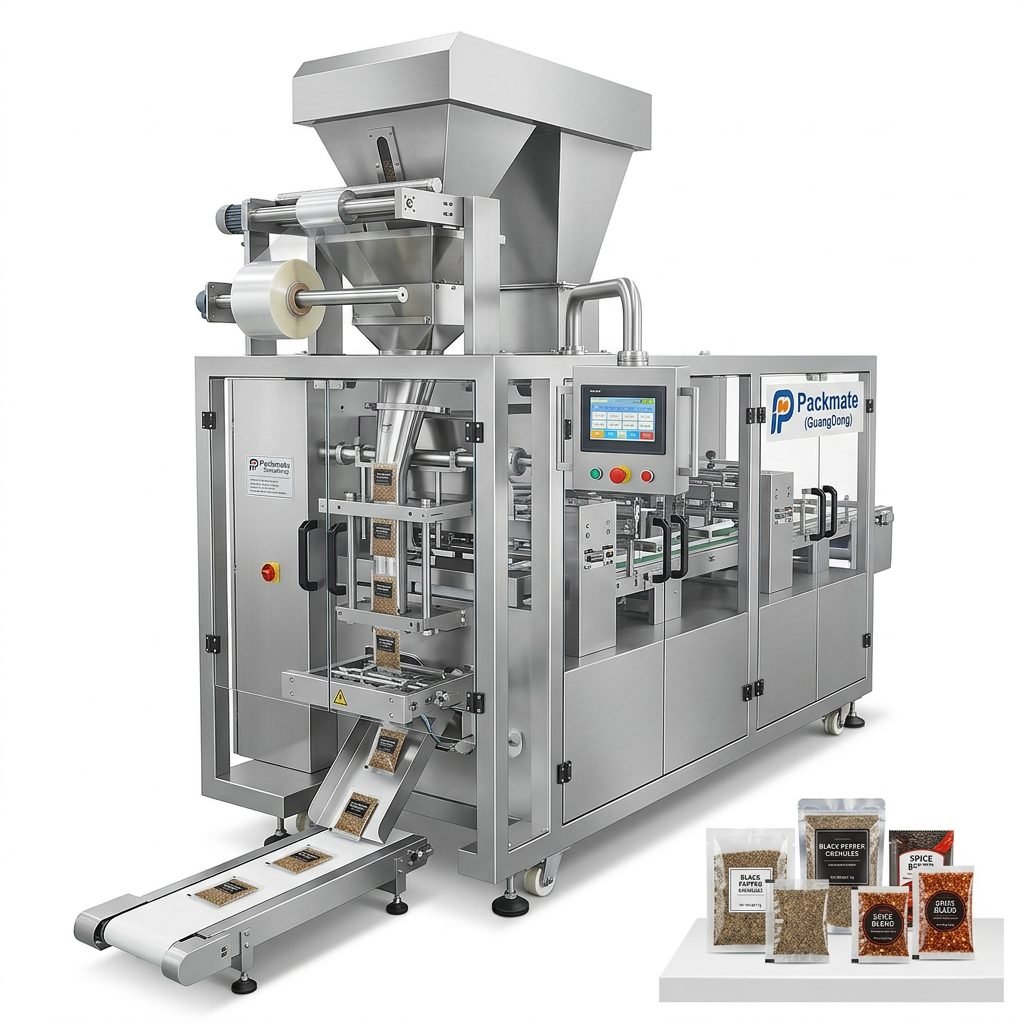
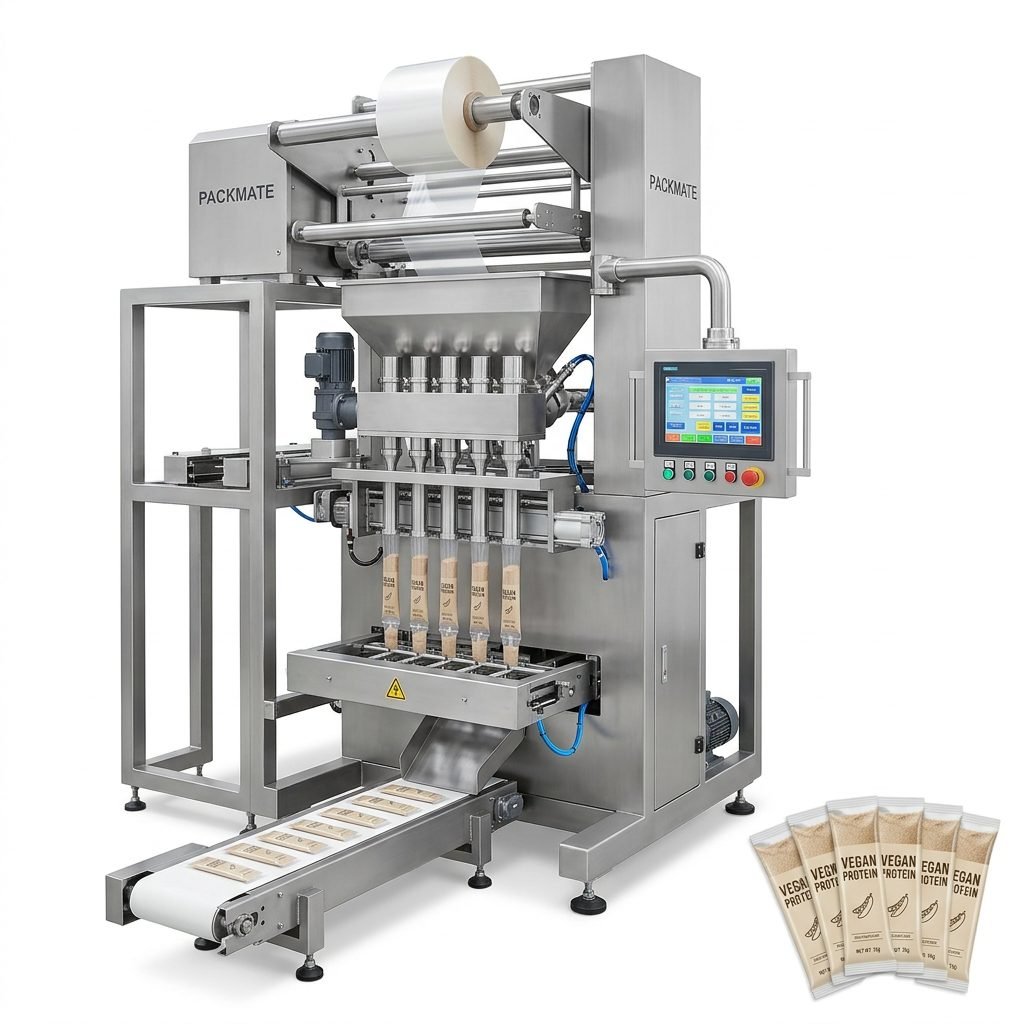
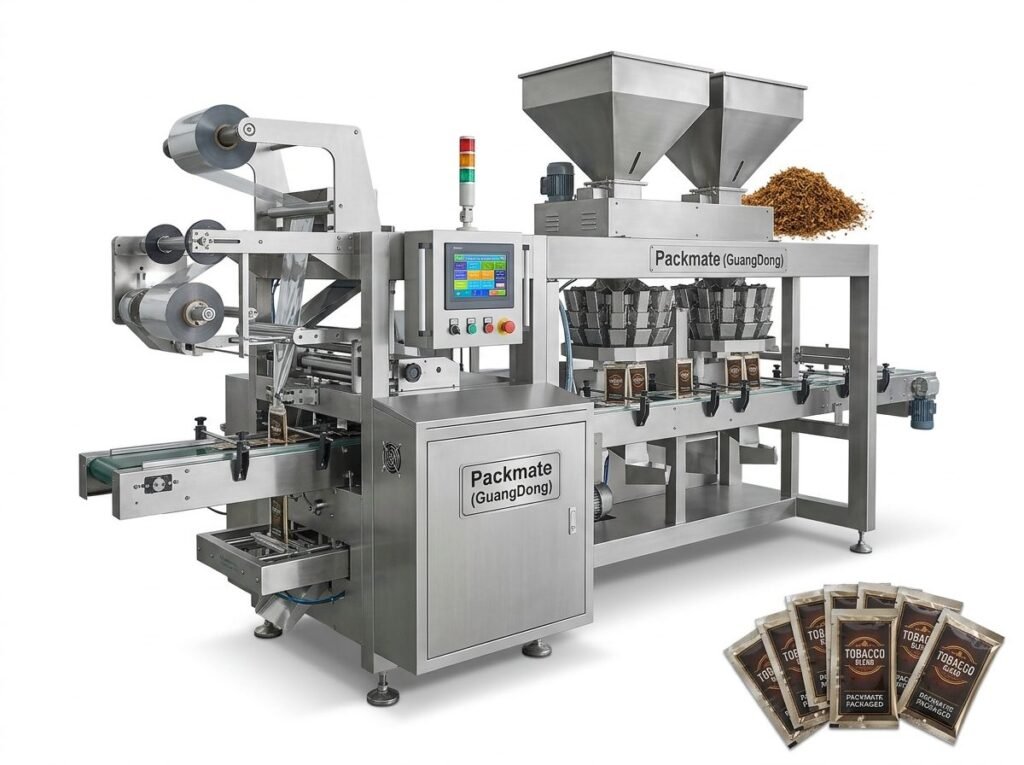
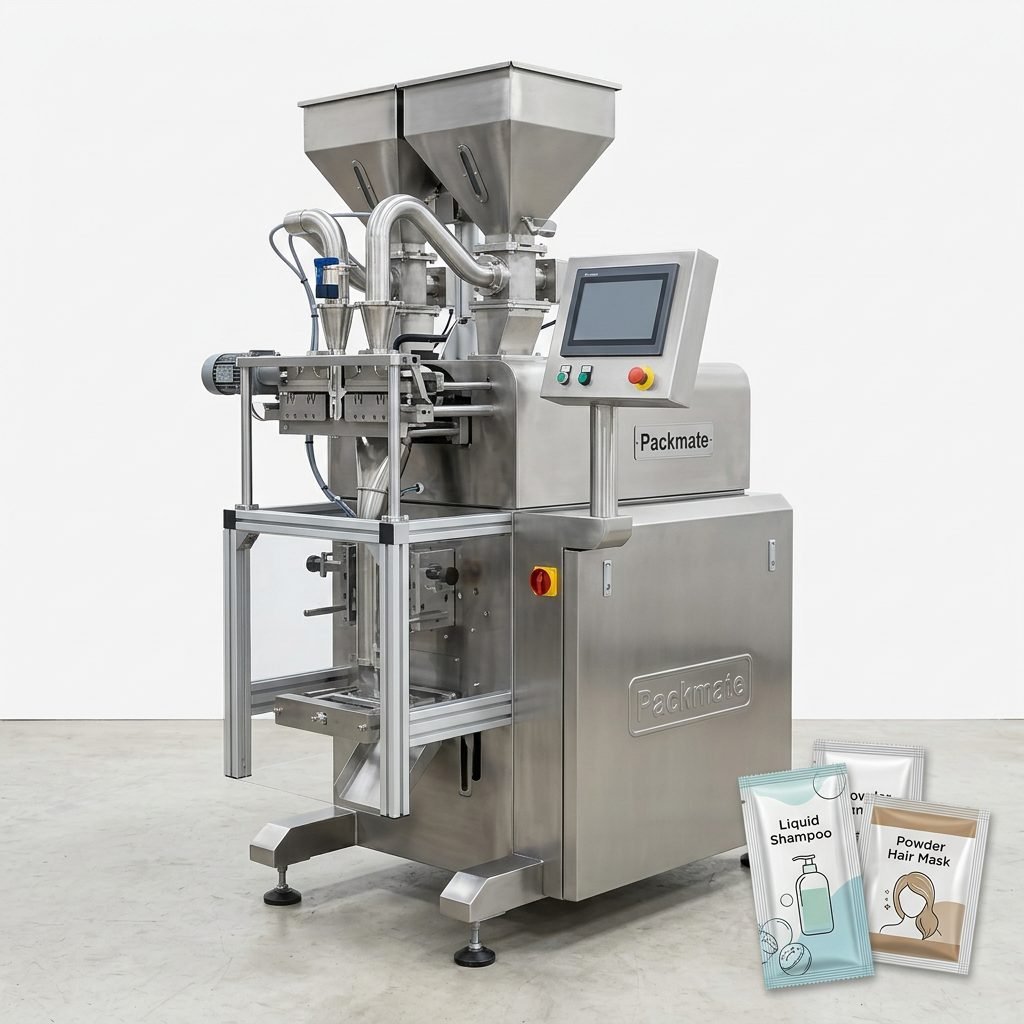
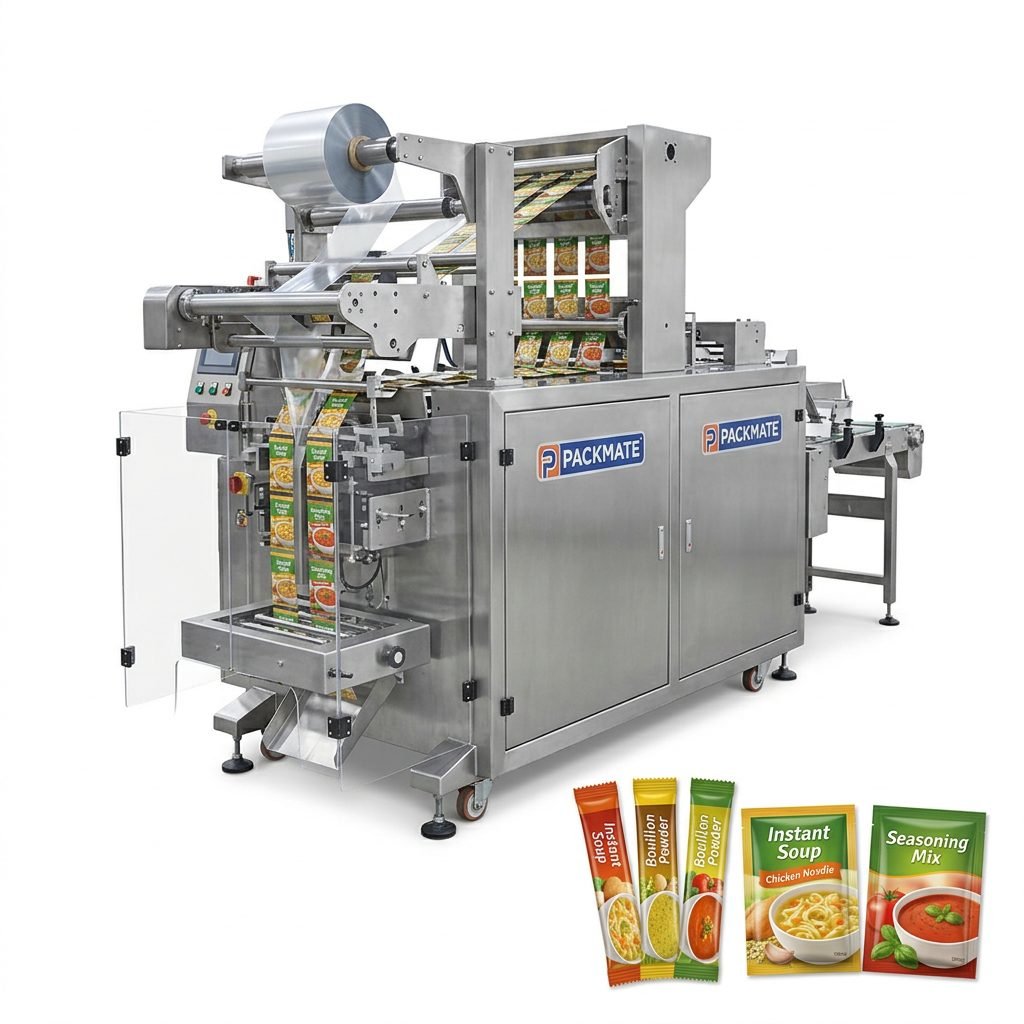
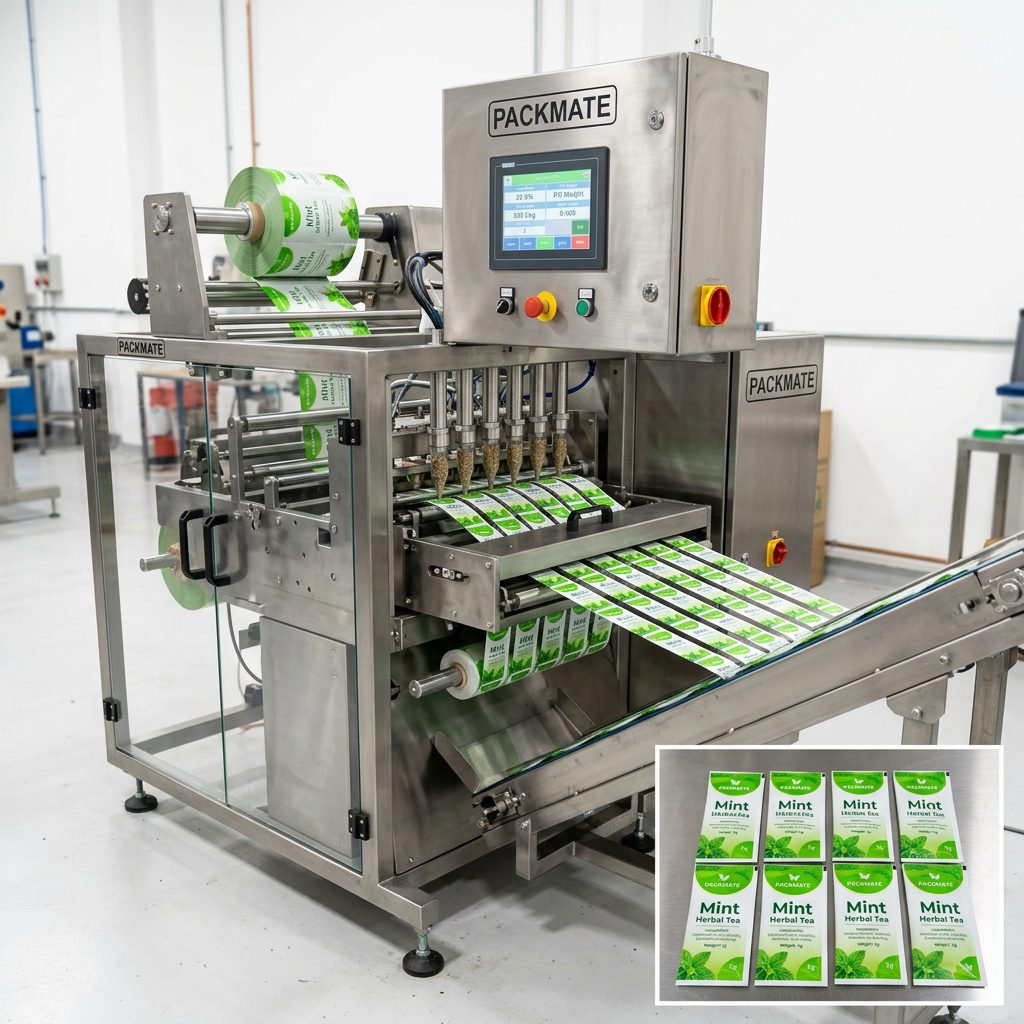
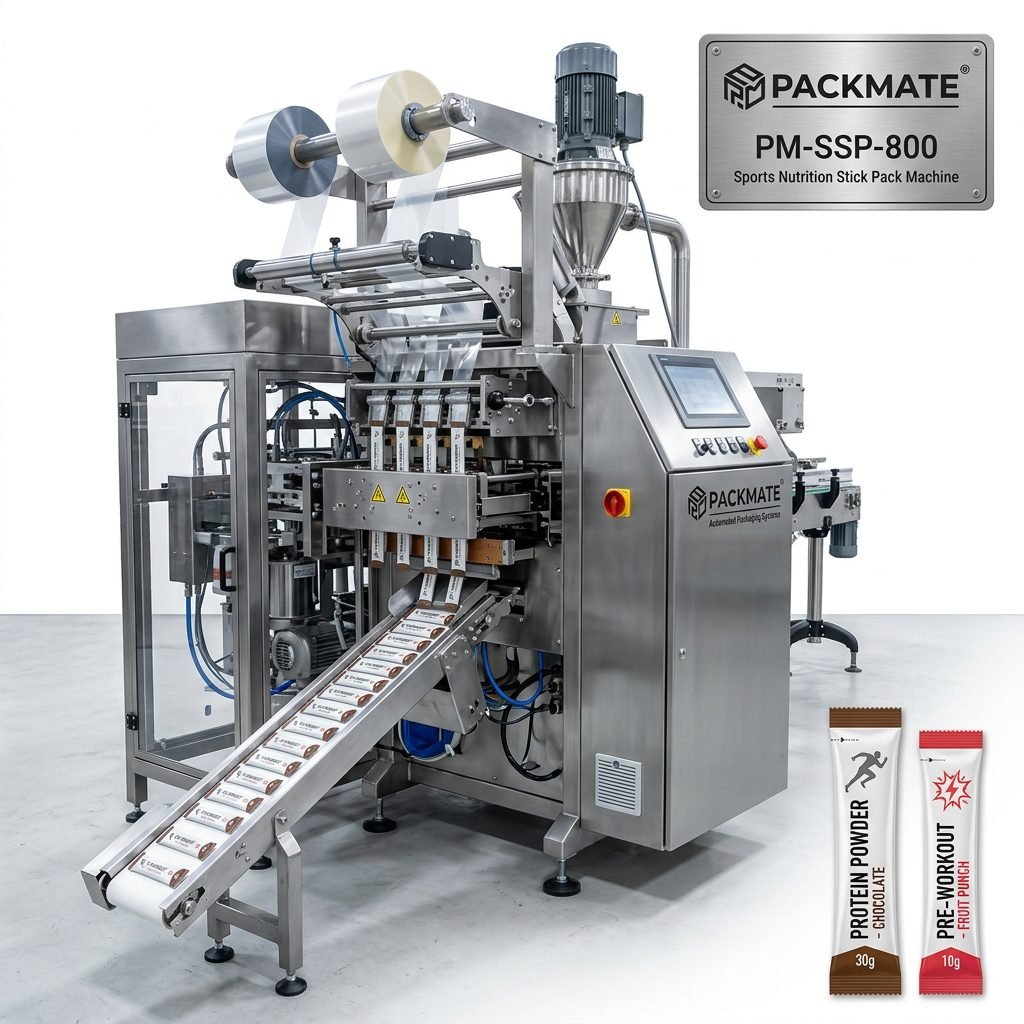
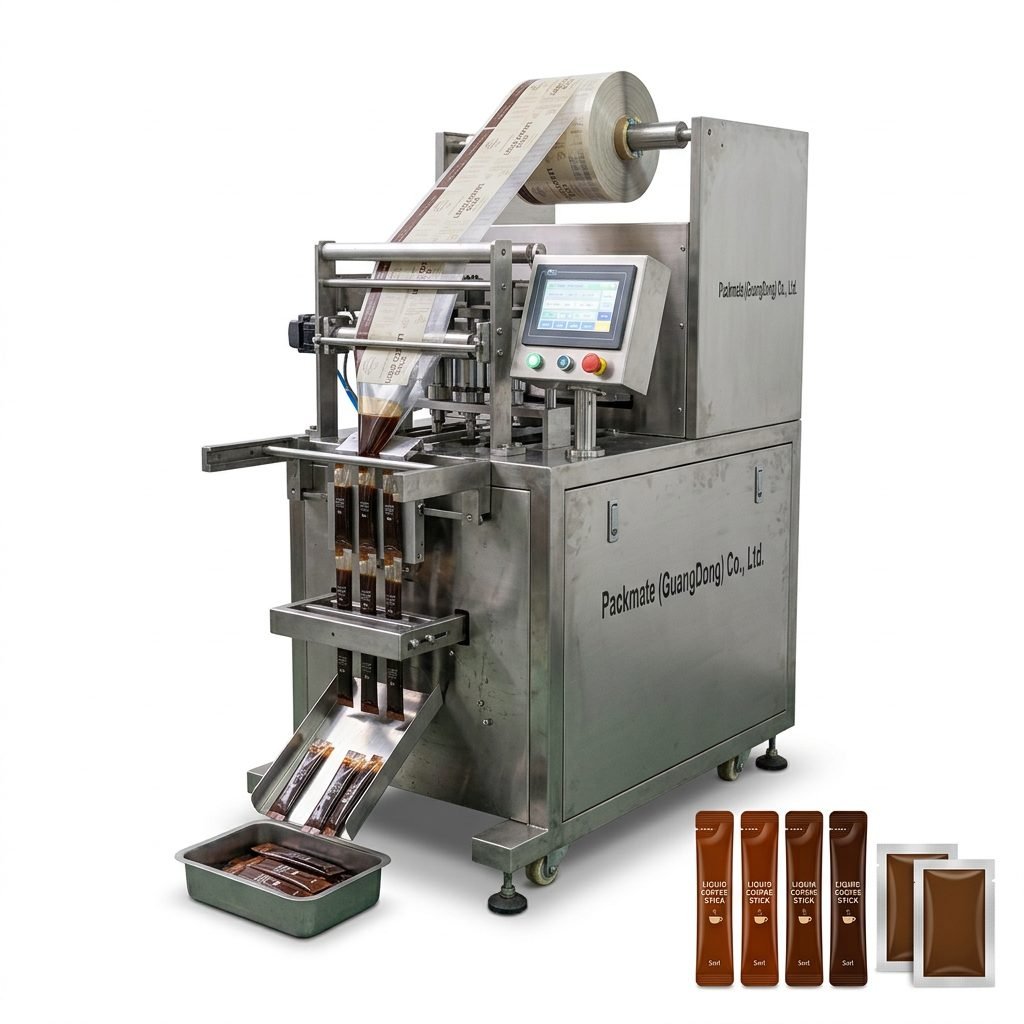
- Form-Fill-Seal (FFS) Machines: Ideal for creating packages from a roll of film, filling them, and sealing them in one continuous operation. Perfect for granules, powders, and liquids in sachets or stick packs.
- Cartoning Machines: Automate the erection, loading, and closing of cartons. Essential for pharmaceuticals and over-the-counter health products.
- Labeling & Coding Systems: Ensure accurate, legible batch codes, expiry dates, and barcodes for traceability.
- Checkweighers & Vision Inspection Systems: The guardians of quality. They reject under/overweight packages or those with defective seals or missing labels.
Partnering with an experienced provider like Packmate ensures you get a tailored solution that integrates these machines seamlessly.
Step 3: Integration and Control Systems
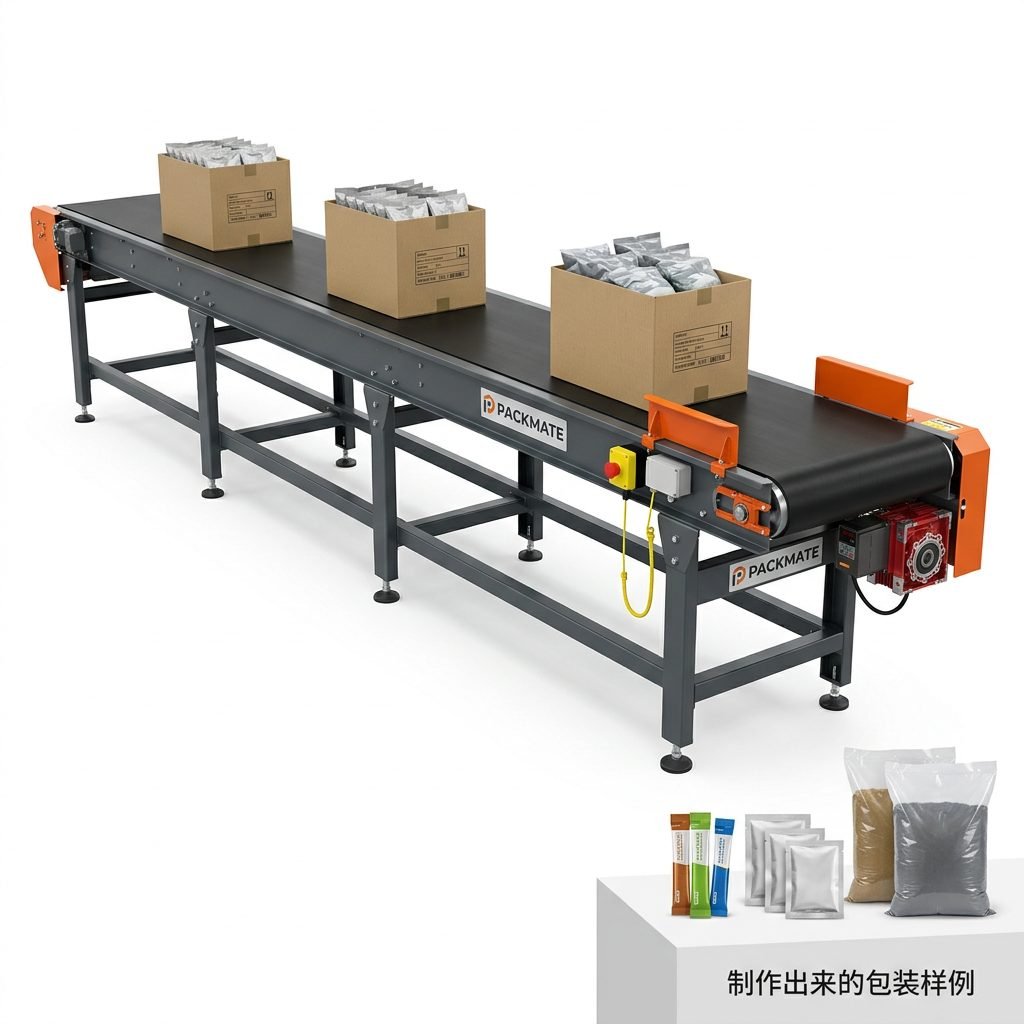
Individual machines are powerful, but their true potential is unlocked through integration. A central Programmable Logic Controller (PLC) or a Manufacturing Execution System (MES) acts as the line’s brain, synchronizing conveyors, robots, and machines. This creates a smooth, continuous flow of product from one station to the next. Modern systems offer intuitive Human-Machine Interface (HMI) touchscreens, allowing for quick changeovers between product runs and real-time monitoring of output, efficiency (OEE), and downtime.
Pro Tip: The Importance of Flexibility
Markets evolve quickly. Your automated line should be designed for flexibility to handle different package sizes, shapes, or even new product types with minimal retooling and downtime. This future-proofs your investment.
Step 4: Implementation and Workforce Training
A successful rollout requires careful planning. This often involves factory acceptance testing (FAT) at the supplier’s site and site acceptance testing (SAT) at your facility. Crucially, automation does not eliminate the human element; it transforms it. Operators need training to oversee, troubleshoot, and maintain the new system. Their role shifts from manual labor to skilled supervision and data analysis. A comprehensive service and support plan from your supplier is essential for a smooth transition and long-term reliability.
Industry-Specific Considerations
While the core principles of automation are universal, each industry has unique nuances.
Food Industry Automation
Hygiene is paramount. Machines must be constructed with food-grade stainless steel, designed for easy cleaning (CIP/SIP), and capable of handling a wide range of consistencies—from viscous sauces to free-flowing grains. Speed is often a critical factor to meet high-volume demands.
Pharmaceutical & Health Products Automation
Precision and compliance are non-negotiable. Systems must ensure 100% dosage accuracy and provide complete traceability for every batch. The environment often requires cleanroom-compatible equipment. Serialization—printing unique identifiers on each saleable unit—is becoming a global regulatory requirement to combat counterfeiting.
Exploring a provider’s company profile and history can reveal their depth of experience in navigating these complex, regulated environments.
Measuring ROI and Long-Term Benefits
The investment in automation pays dividends beyond sheer speed. Calculate ROI by considering:
- Labor Savings: Reduced direct labor costs and associated overhead.
- Material Savings: Precise filling reduces product giveaway.
- Quality Cost Reduction: Fewer rejects, returns, and compliance risks.
- Increased Capacity: Ability to take on more business without expanding floor space.
The long-term benefits—enhanced brand reputation, improved employee safety, and superior scalability—are equally powerful.
Frequently Asked Questions (FAQs)
1. How long does it take to implement an automated packaging line?
The timeline varies significantly based on complexity, ranging from a few months for a standard line to over a year for a fully customized, validated pharmaceutical system. It involves design, manufacturing, testing, installation, and commissioning phases.
2. Is automation feasible for small and medium-sized enterprises (SMEs)?
Absolutely. Automation is scalable. SMEs can start by automating a single, high-impact bottleneck (like filling or labeling) with a semi-automatic or modular system, rather than investing in a full turnkey line immediately. This provides a quick ROI and paves the way for further expansion.
3. What is the biggest challenge in automating a packaging line?
Often, the greatest challenge is successful integration—ensuring different machines from various suppliers communicate and work together flawlessly. This is why choosing a single supplier with turnkey solution capabilities can drastically reduce risk and project complexity.
4. How do I maintain an automated packaging line?
Preventive maintenance is key. This follows a schedule of daily cleaning, weekly checks, and periodic part replacements as recommended by the manufacturer. Proper training for your maintenance staff and access to reliable technical support and spare parts are critical for minimizing unplanned downtime.
5. Can automated lines handle flexible and sustainable packaging materials?
Yes, modern machines are increasingly designed to handle newer, thinner, and more sustainable films and materials. Discuss your specific packaging material goals with your equipment supplier during the design phase to ensure compatibility and optimal performance.