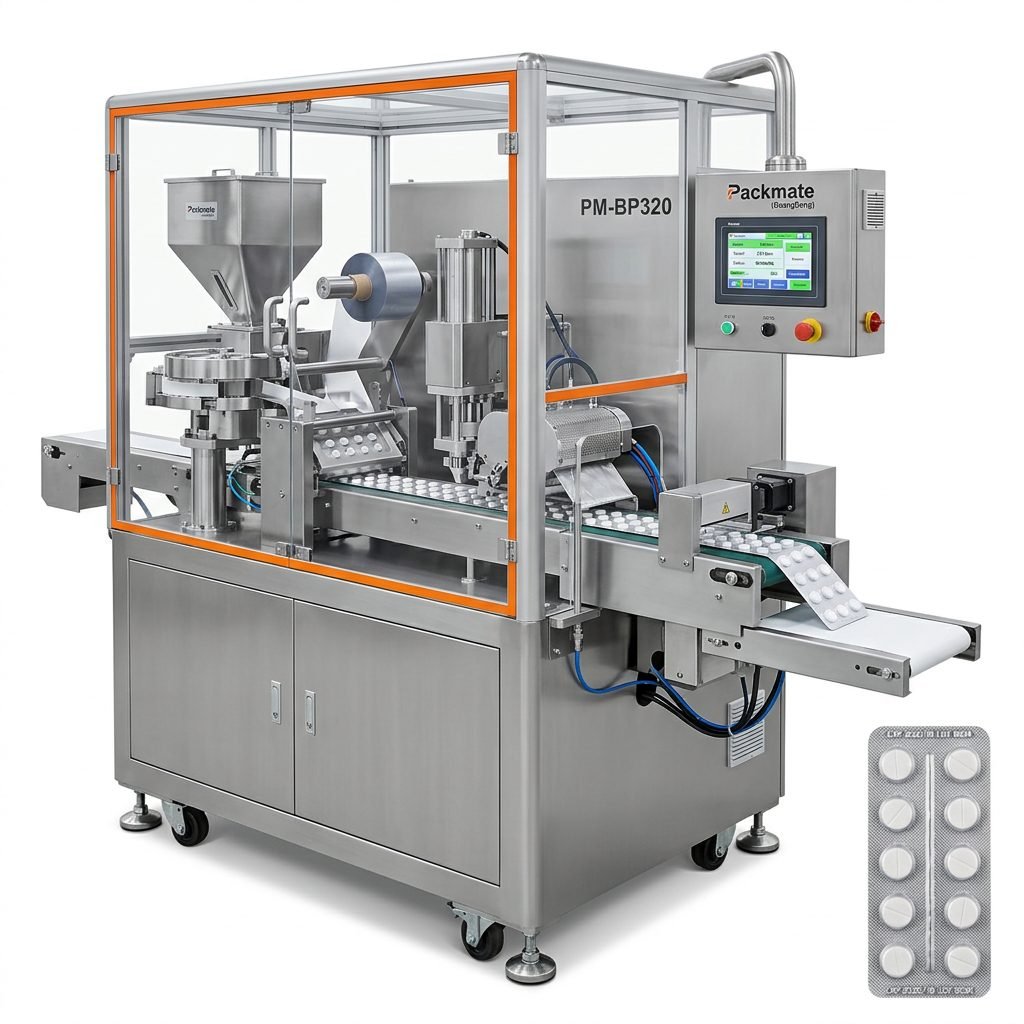
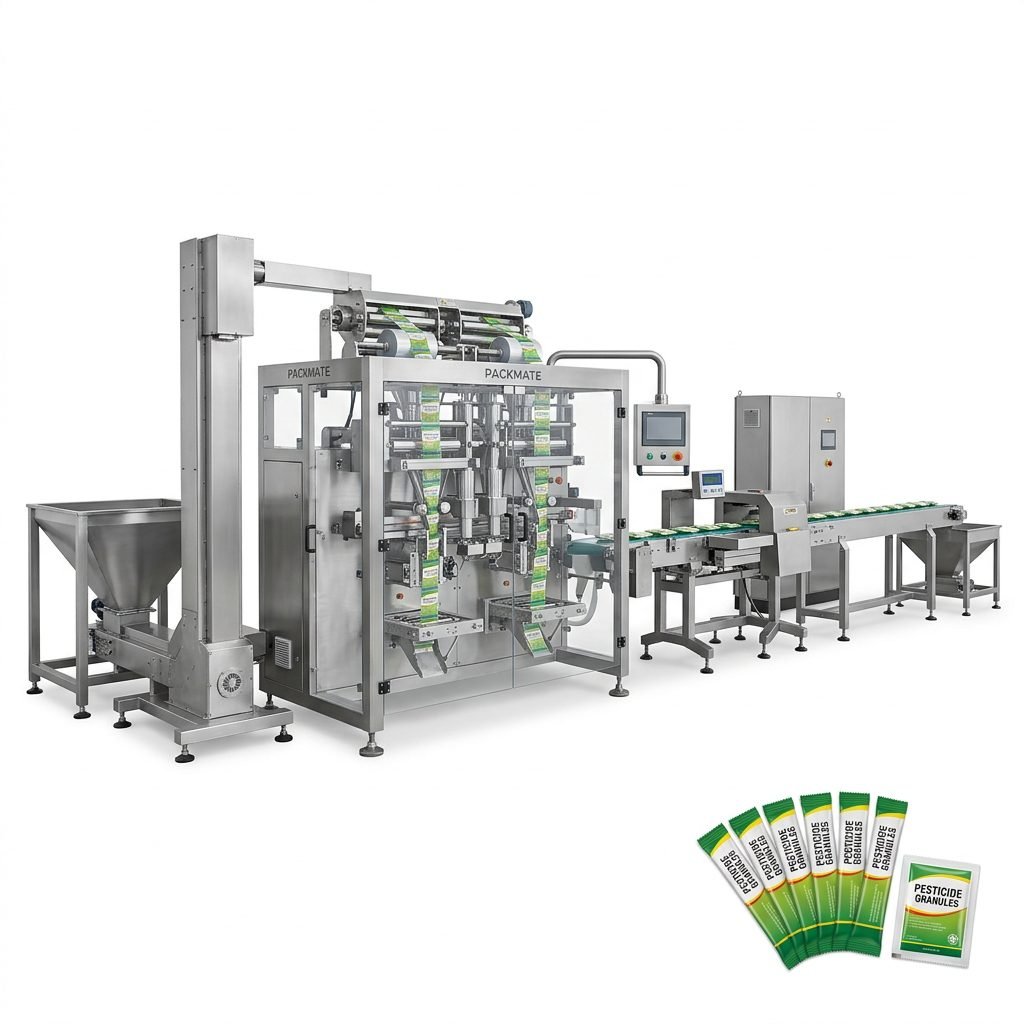
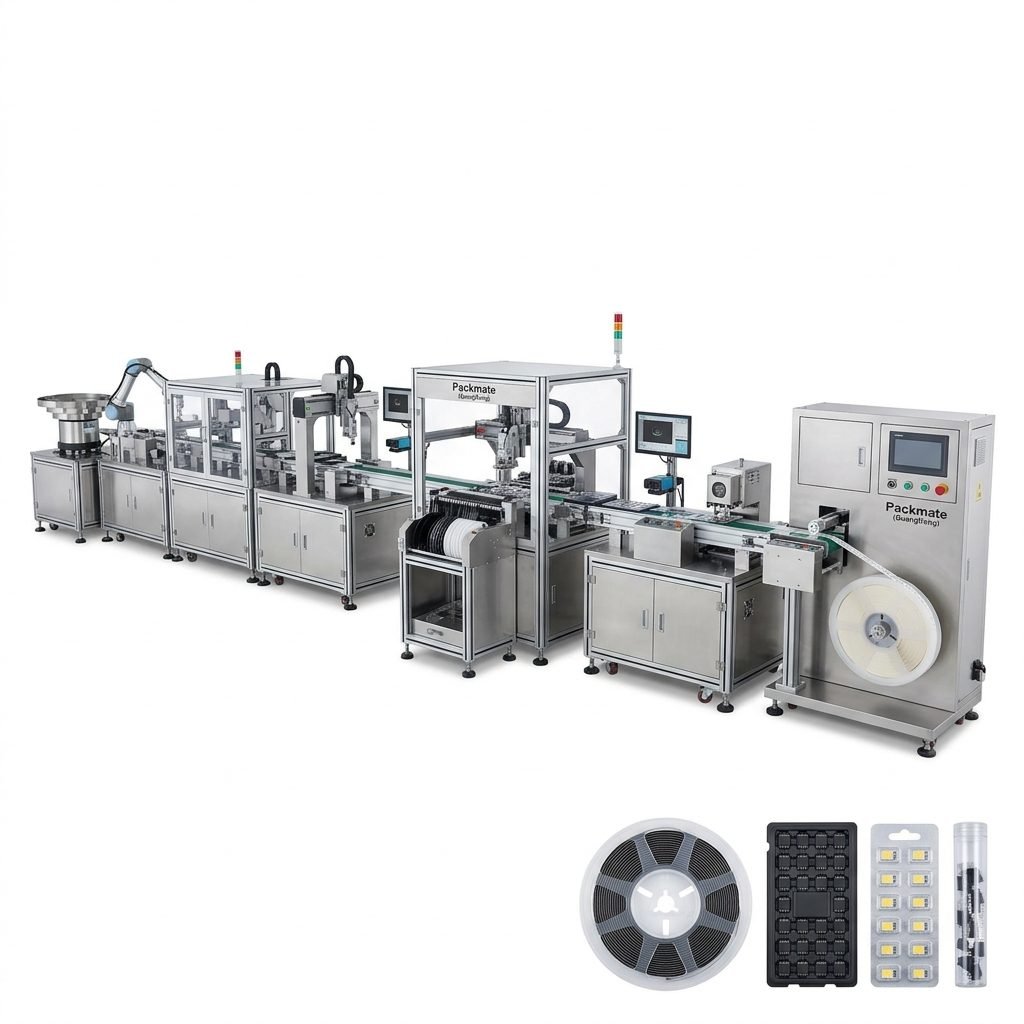
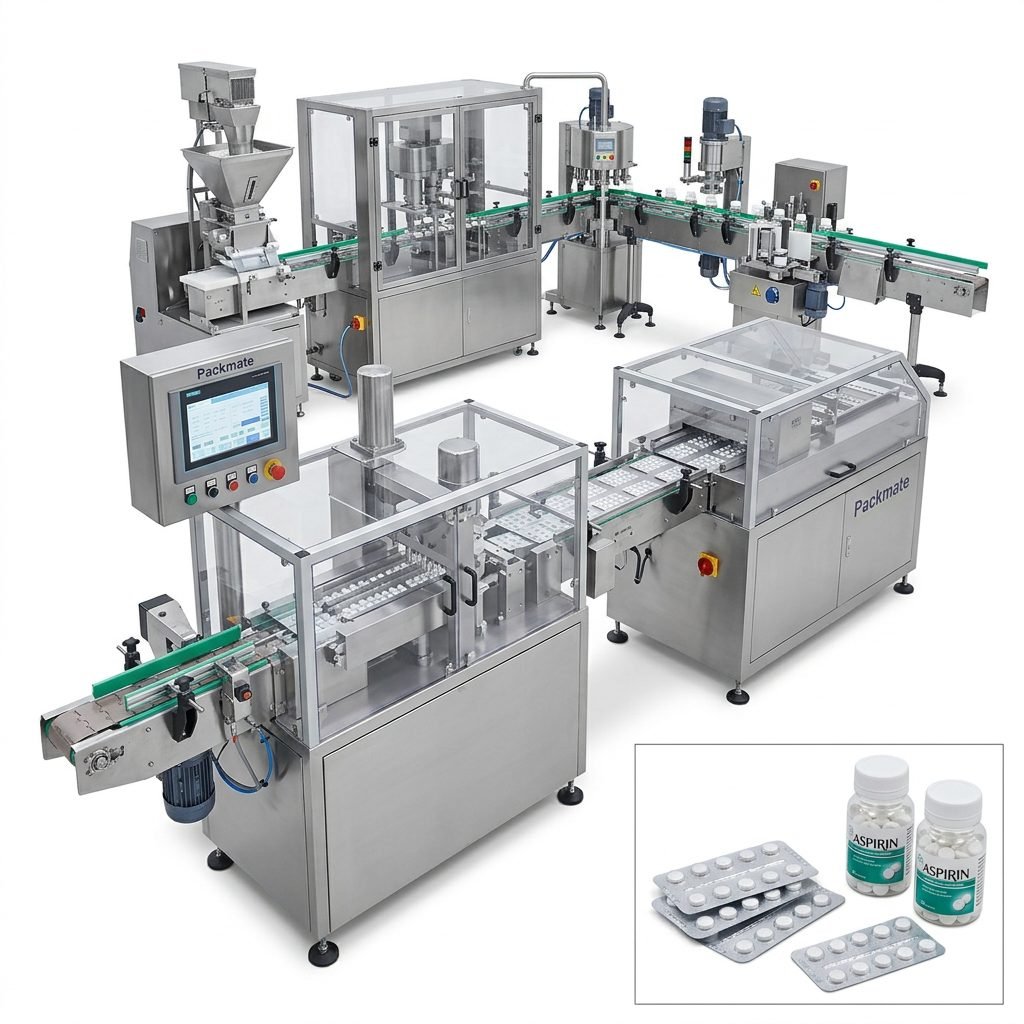
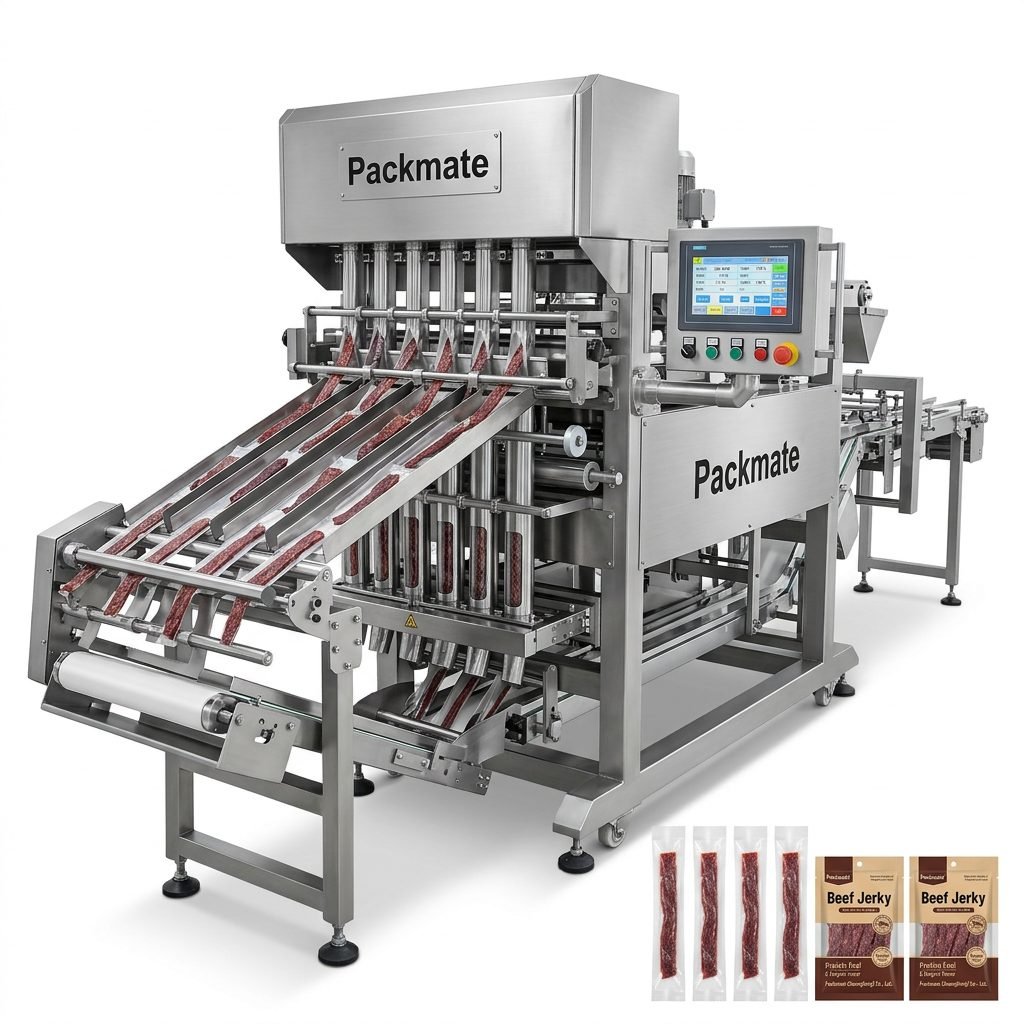
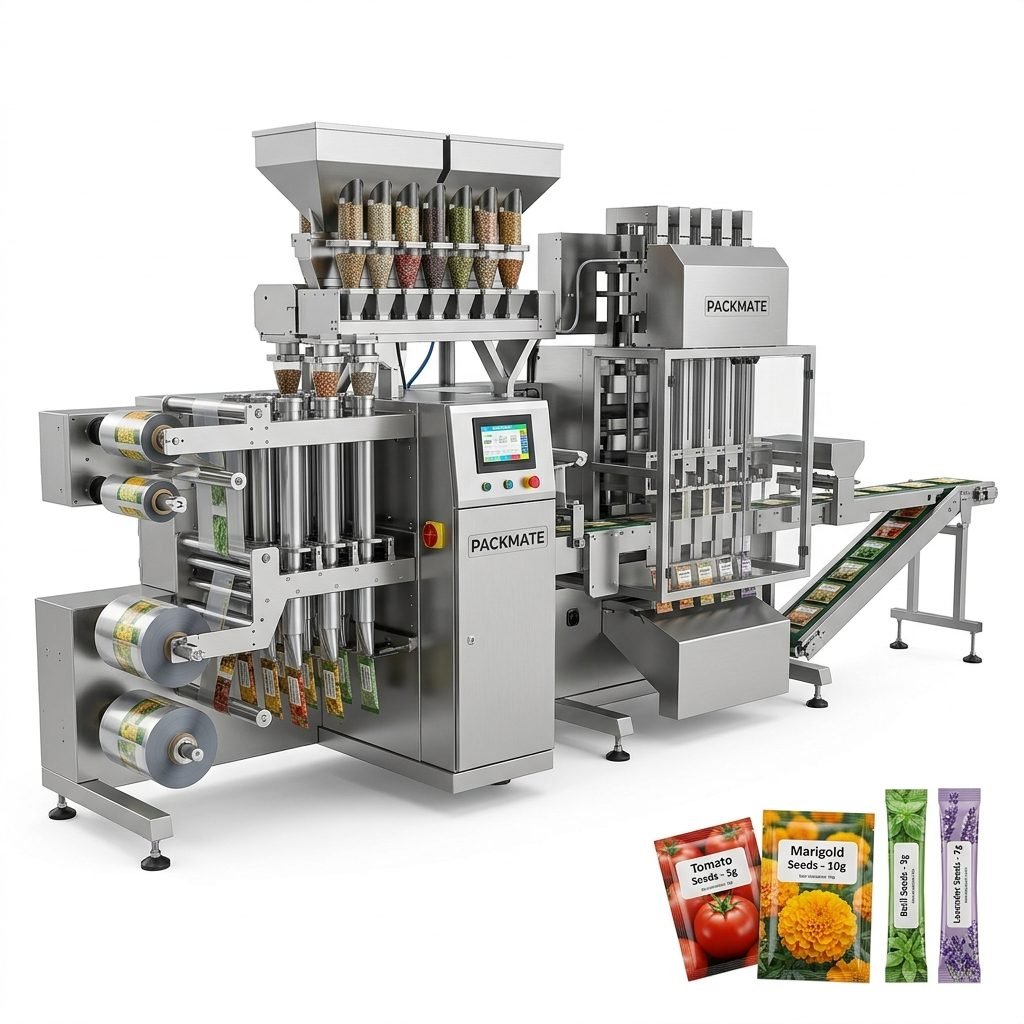
In today’s competitive market, ensuring product integrity, safety, and appeal from production to the end-user is paramount. For industries where purity and precision are non-negotiable—such as food, pharmaceuticals, and health products—this challenge is magnified. A disjointed or inefficient packaging process can lead to contamination risks, product waste, regulatory non-compliance, and ultimately, a loss of consumer trust. This is where the strategic implementation of a complete packaging line solution becomes not just an operational upgrade, but a critical business imperative.
The Critical Need for Specialized Packaging Solutions
Packaging is far more than a final step; it is an integral component of product quality and brand promise. Each sector has unique, stringent demands:
Food Industry
Requirements extend beyond basic containment to include robust barrier properties against moisture and oxygen, precise filling for portion control, and high-speed operations to meet volume demands while maintaining absolute hygiene standards.
Pharmaceutical & Health Products
Packaging must guarantee sterility, provide tamper-evidence, ensure accurate dosing, and often incorporate complex features like child-resistant closures. Traceability and strict compliance with regulations like cGMP are mandatory.
A generic, piecemeal approach to packaging machinery often results in bottlenecks, compatibility issues, and vulnerability at the points where different machines interface. A holistic, engineered solution eliminates these gaps, creating a seamless, reliable, and optimized workflow.
Core Components of a Complete Packaging Line
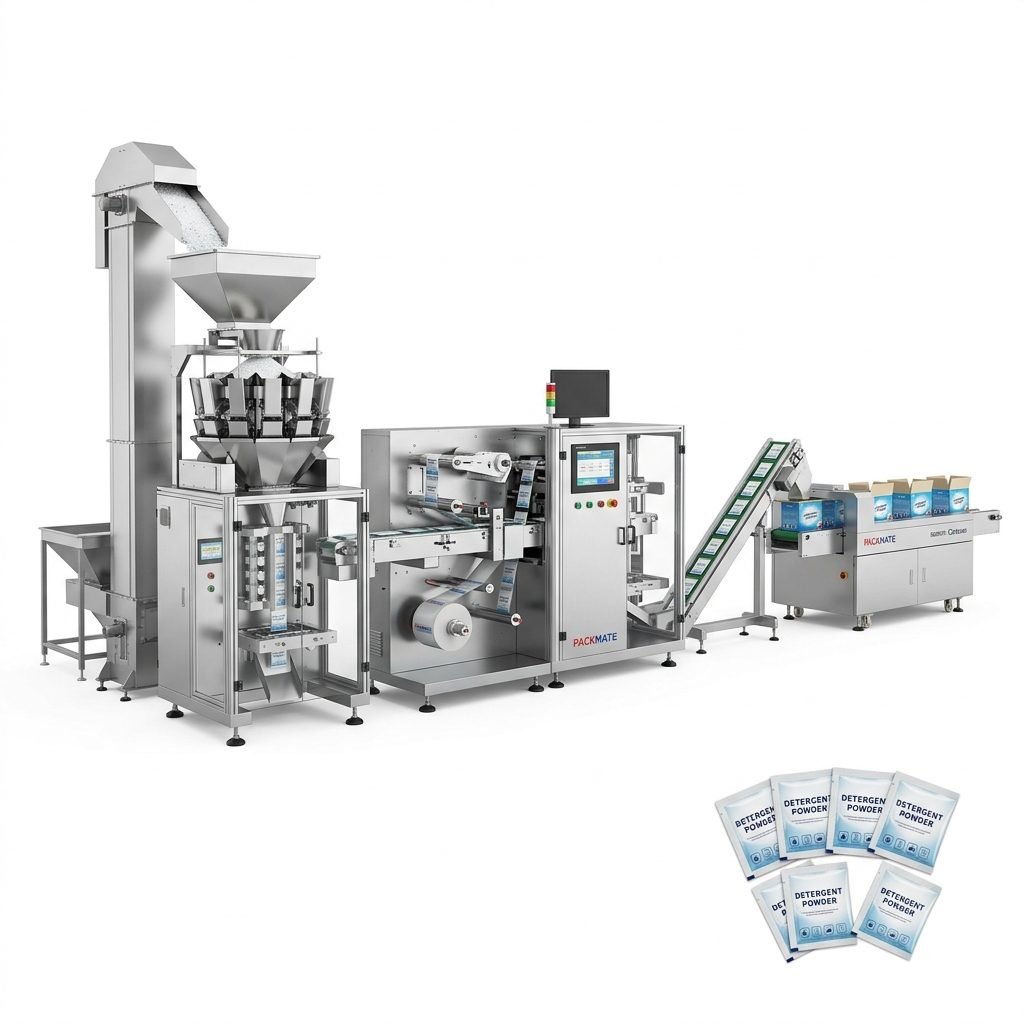
A truly integrated line is a symphony of coordinated technologies. Key stages typically include:
1. Product Handling & Feeding
This initial stage ensures a consistent and controlled supply of product—whether granules, powders, liquids, or tablets—to the packaging machines. Advanced systems prevent bridging, segregation, or degradation of sensitive materials.
2. Forming, Filling, and Sealing (FFS)
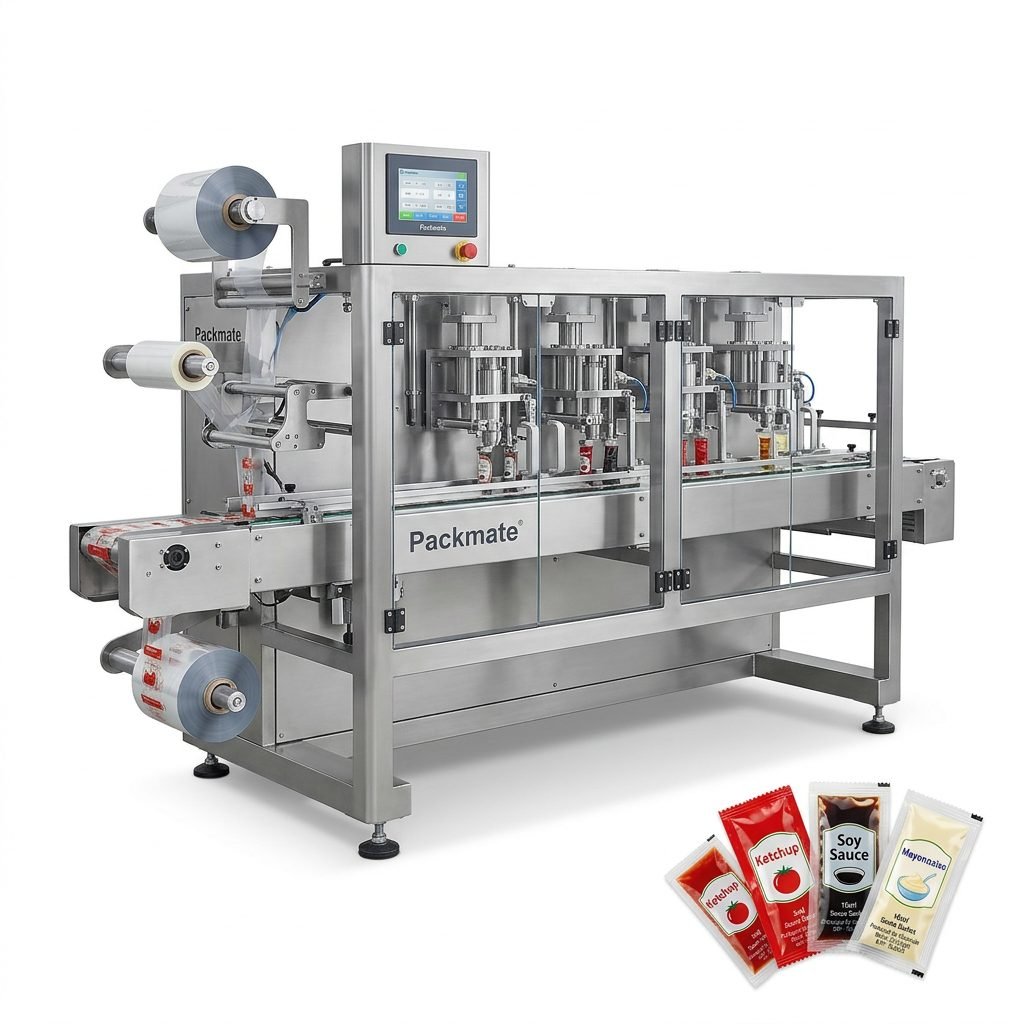
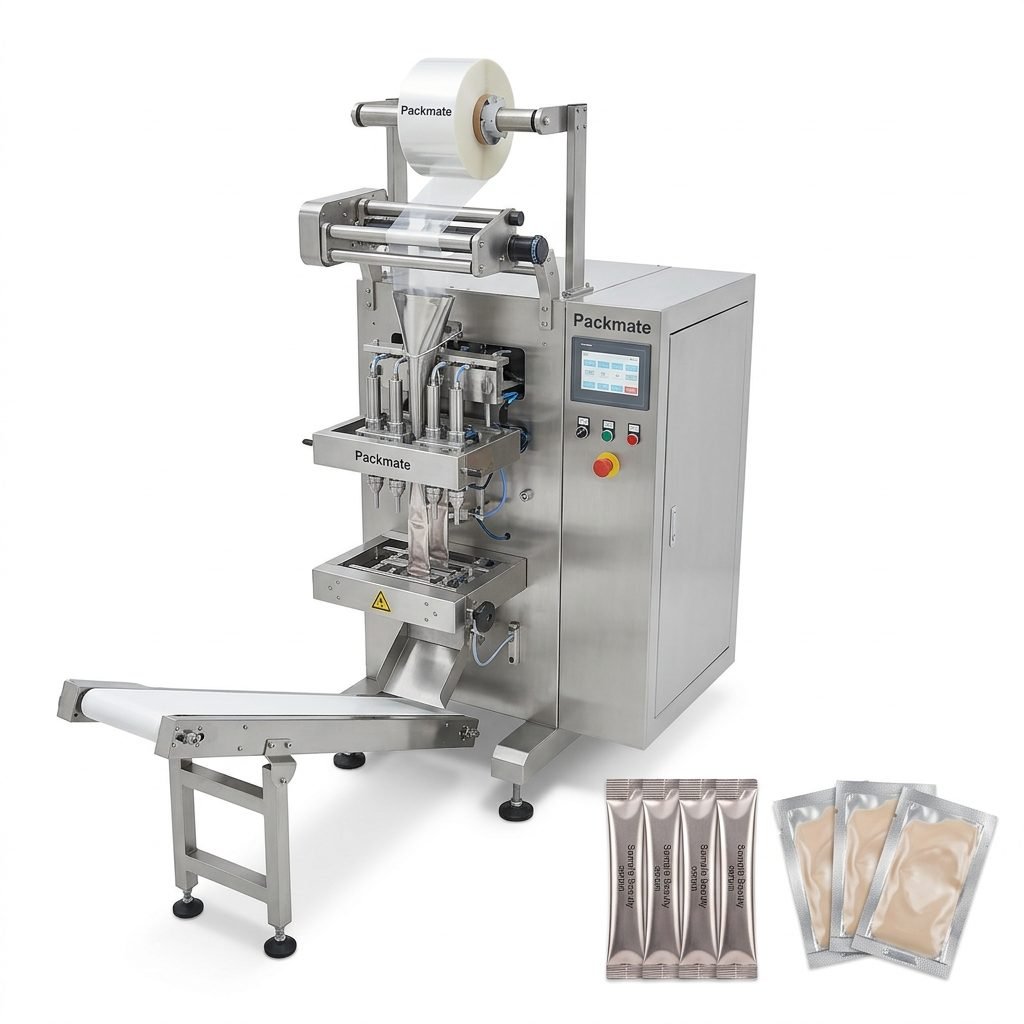
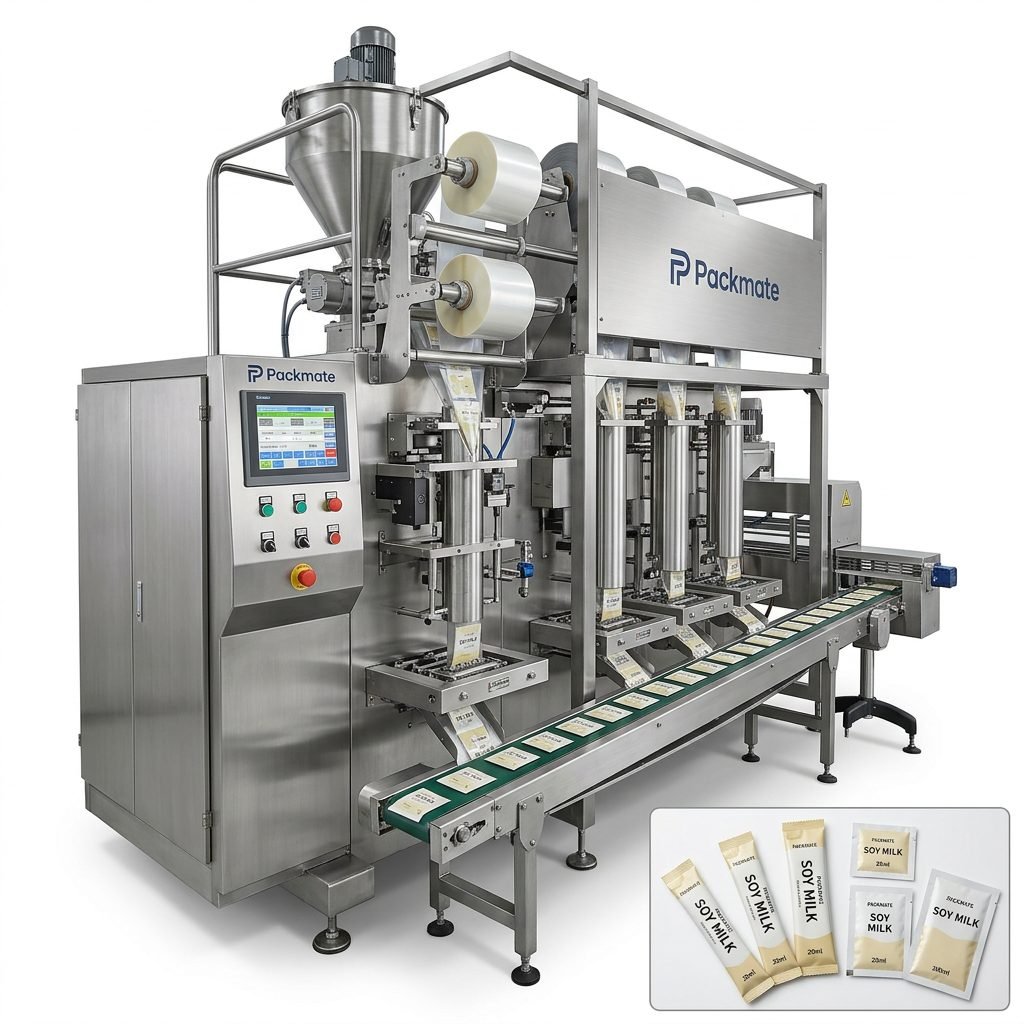
The heart of the operation. Machines form packaging from roll stock (like film or laminate), precisely meter and fill the product, and hermetically seal the packs. Technologies range from high-speed vertical form-fill-seal (VFFS) for pouches and bags to specialized horizontal FFS for stick packs and sachets.
3. Secondary Packaging
Here, primary packs are collated, cartoned, and bundled. This stage adds branding, provides greater protection for shipping, and prepares products for retail display. Automation here drastically improves efficiency and reduces manual handling.
4. Quality Control & Inspection
Integrated checkweighers, metal detectors, vision systems, and leak detectors act as the line’s quality guardians, automatically rejecting any pack that fails to meet precise weight, integrity, or purity standards.
5. End-of-Line & Palletizing
The final stage involves case packing, sealing, labeling, and arranging cases onto pallets for stable and efficient storage or shipment, completing the journey from raw material to shippable goods.
Benefits of an Integrated Turnkey Approach
Partnering with a single provider for a complete line, like Packmate Packaging Line, offers transformative advantages over sourcing machines separately:
- Enhanced Efficiency & Productivity: Perfectly synchronized machines minimize downtime, increase output speed, and optimize material usage.
- Uncompromised Product Safety: A closed, automated system reduces human contact, lowering contamination risks and ensuring consistent hygiene.
- Scalability & Flexibility: Modern lines are designed for quick changeovers, allowing producers to efficiently run multiple product types or package sizes on a single line.
- Reduced Total Cost of Ownership (TCO): While the initial investment may be significant, the long-term savings from reduced waste, lower labor costs, and minimal maintenance from compatible equipment are substantial.
- Single-Point Accountability: One supplier means one point of contact for service, support, spare parts, and training, simplifying operations and troubleshooting.
Why Partner with Packmate for Your Packaging Line?
With over 30 years of specialized experience, Packmate (GuangDong) Co., Ltd. has evolved from a visionary workshop into a leader in intelligent packaging solutions. Our expertise is built on a deep understanding of the granular needs of the food, pharmaceutical, and health sectors.
Our 20,000㎡ state-of-the-art facility is the engine of our innovation, housing advanced production and testing equipment. We don’t just sell machines; we engineer complete packaging line solutions tailored to your specific product, output goals, and regulatory environment. From multi-lane stick pack machines for high-volume powder supplements to precision liquid sachet lines for pharmaceuticals, our portfolio of over 50 machine models is designed for reliability and performance.
Our Commitment in Action
Every project begins with a collaborative consultation. Our engineers work closely with your team to analyze your process, identify key challenges, and design a line that integrates seamlessly into your operation. We oversee installation, commission the line, and provide comprehensive training for your staff. This end-to-end partnership ensures you gain not just equipment, but a strategic asset for growth. You can see tangible examples of this partnership in our diverse portfolio of successful project cases.
The journey from a concept in 1993 to a company serving a global clientele is rooted in a founding mission: to transform innovative ideas into practical, efficient, and reliable packaging solutions. This commitment to quality, innovation, and collaboration remains the cornerstone of every line we deliver.
Frequently Asked Questions (FAQs)
1. What is the main advantage of a complete line over buying individual machines?
The primary advantage is seamless integration and single-source responsibility. A complete line from one supplier ensures all components are designed to work together optimally, reducing compatibility issues, downtime, and having multiple service contacts. It streamlines operation, maintenance, and support.
2. How does Packmate ensure its lines meet strict pharmaceutical (cGMP) or food safety (HACCP) standards?
Our lines are engineered with compliance in mind. We use materials and designs that facilitate cleaning and prevent contamination (e.g., stainless-steel contact parts, smooth surfaces). We can integrate necessary validation documentation support and incorporate critical quality control modules like checkweighers and metal detectors to meet regulatory requirements.
3. Can an automated packaging line handle different product types or package sizes?
Yes, a key benefit of modern lines is flexibility. Many of our solutions are designed for quick changeovers. By switching out parts like forming tubes, filling nozzles, or software recipes, the same line can often run multiple related products or different pack sizes with minimal downtime.
4. What kind of support can we expect after the line is installed?
Packmate provides comprehensive after-sales support, including detailed operational training for your team, a supply of critical spare parts, access to technical documentation, and remote or on-site service support. We view our relationship as a long-term partnership. For more details, visit our service page.
5. How do we start the process of getting a custom packaging line solution?
The process starts with a conversation. Contact our engineering team to discuss your product, production goals, budget, and challenges. We will then conduct a detailed analysis and propose a tailored solution, often starting with a virtual simulation or a test run with your actual product at our facility.