In the fast-paced world of manufacturing and logistics, efficiency is not just a goal—it’s a necessity. For businesses that rely on carton packaging, the process of forming, erecting, and sealing boxes can be a significant bottleneck. Manual case erection is slow, labor-intensive, and prone to inconsistencies, which can lead to production delays, increased costs, and potential product damage. This is where Automatic Case Erector solutions step in, revolutionizing the packaging line by offering a seamless, high-speed, and reliable method for carton forming.
The Core Technology Behind Automatic Case Erectors
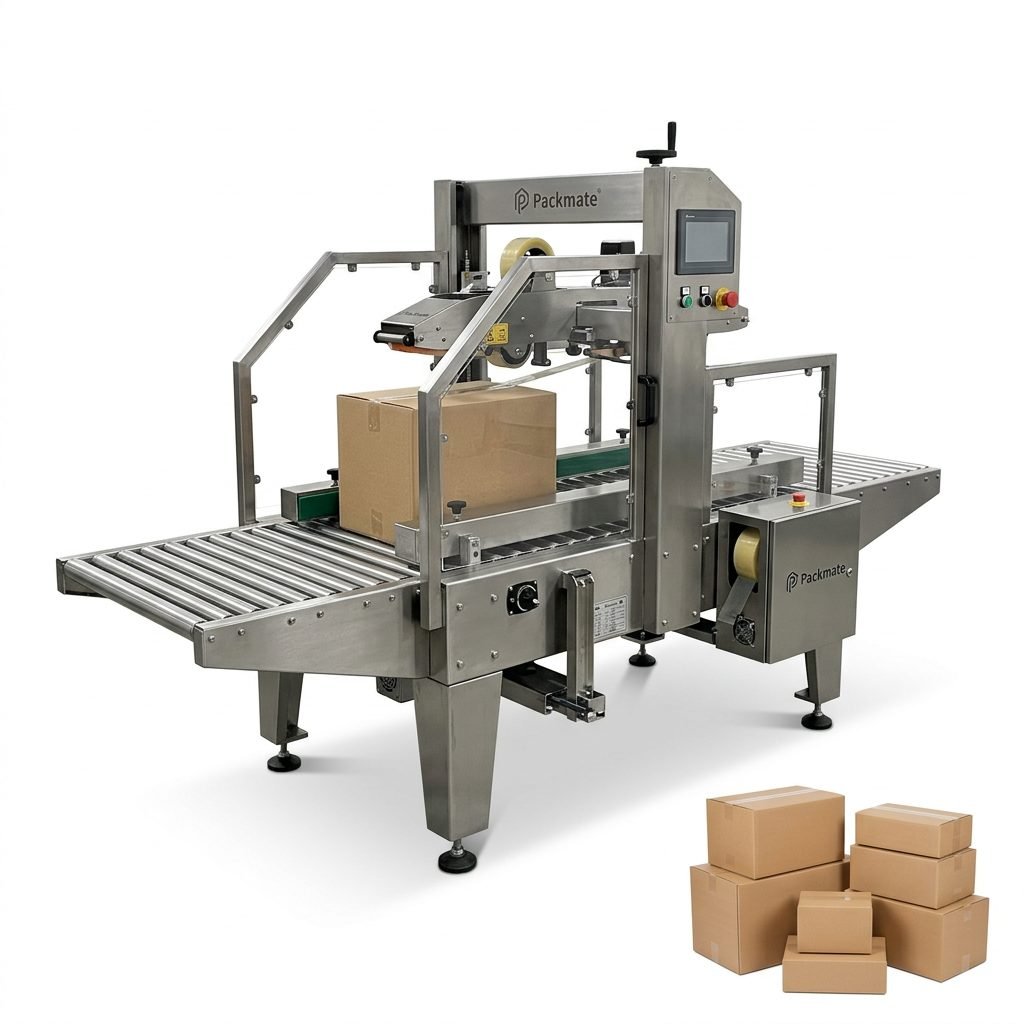
An automatic case erector is a sophisticated machine designed to take flat, die-cut corrugated cardboard blanks and transform them into perfectly formed, bottom-sealed boxes ready for product loading. The process is fully automated, eliminating the need for manual folding and taping. The machine typically uses a combination of mechanical arms, suction cups, and folding plates to pick up the blank, open it into shape, and then apply hot melt glue or pressure-sensitive tape to secure the bottom flaps. Advanced models are equipped with sensors and programmable logic controllers (PLCs) to ensure precision, adjust for different box sizes on the fly, and integrate seamlessly with upstream and downstream equipment like cartoners and case sealers.
Key Advantages of Automation
The shift from manual to automatic case forming delivers transformative benefits:
- Unmatched Speed & Throughput: Machines can erect hundreds, even thousands, of boxes per hour, dramatically outpacing manual labor and keeping pace with high-speed filling lines.
- Consistent, High-Quality Output: Every box is formed identically, ensuring a perfect fit for automated loading systems and a professional, secure final package. This reduces product movement and damage during shipping.
- Significant Labor & Cost Savings: Automating this repetitive task reduces reliance on manual labor, lowers associated costs, and allows workers to be redeployed to more value-added tasks.
- Enhanced Safety: Removes workers from repetitive strain injuries associated with constant bending, folding, and lifting.
- Reduced Material Waste: Precise forming and gluing minimize errors and rejected boxes, leading to more efficient use of corrugated board.
Applications Across Diverse Industries
The versatility of automatic case erectors makes them indispensable in numerous sectors. In the food and beverage industry, they handle everything from cereal boxes to beverage multipacks, ensuring hygienic and efficient packaging. Pharmaceutical companies rely on them for the secure and precise casing of medicine bottles and blister packs. E-commerce fulfillment centers utilize these machines to erect the vast array of box sizes needed for daily shipments, a critical component for operations detailed in many logistics case studies. Furthermore, manufacturers of consumer goods, automotive parts, and electronics all benefit from the speed and reliability these systems provide.
Choosing the Right Solution for Your Line
Selecting an automatic case erector requires careful consideration of your specific operational needs. Key factors include:
- Box Size Range: The minimum and maximum dimensions (Length, Width, Depth) the machine can accommodate.
- Machine Speed (Cases Per Hour): Must align with the output of your filling and sealing equipment.
- Blank Feeding System: Options include magazine feeders for continuous operation or hopper feeders for easier loading of different box sizes.
- Sealing Method: Hot melt glue offers a strong, clean bond ideal for automated lines, while tape is a versatile and cost-effective option.
- Footprint & Integration: The machine must fit within your existing floor space and communicate effectively with conveyors and robots.
Partnering with an experienced provider like Packmate (GuangDong) Co., Ltd. is crucial. With over 30 years in designing intelligent packaging solutions, they can assess your requirements and recommend a system that optimizes your entire workflow, not just a single step.
The Future: Smart Erection and Integrated Lines
The evolution of automatic case erectors is moving towards greater intelligence and connectivity. The next generation of machines features IoT (Internet of Things) capabilities for real-time monitoring of performance metrics, predictive maintenance alerts, and remote troubleshooting. Vision systems are being integrated to inspect each blank for defects before forming, ensuring only perfect boxes proceed down the line. Furthermore, the trend is towards fully integrated, turnkey packaging lines where the erector, product loader, and case sealer operate as a single, synchronized unit controlled from a central HMI (Human-Machine Interface), maximizing overall equipment effectiveness (OEE).
📈 Operational Impact & ROI
Investing in an automatic case erector is a strategic decision with a clear and compelling return on investment (ROI). While the initial capital outlay is a consideration, the long-term savings are substantial. Companies typically see a rapid payback period through:
- Elimination of several manual labor positions.
- A dramatic reduction in product damage claims due to poorly formed boxes.
- Increased line throughput, allowing for greater production capacity without expanding shifts or floor space.
- Lower utility costs compared to running multiple semi-automatic stations.
The consistent output also enhances brand reputation by delivering products in pristine, professional packaging every time. For a comprehensive look at support and maintenance, explore our dedicated service offerings.
In conclusion, automatic case erector solutions are the cornerstone of a modern, efficient, and competitive packaging operation. They transform a slow, variable, and costly manual process into a streamlined, high-speed, and reliable automated function. By ensuring a steady supply of perfectly formed boxes, they empower businesses to meet escalating consumer demands, control costs, and protect their products throughout the supply chain. As technology advances, these machines will become even more intelligent and integral to the smart factories of the future.
Frequently Asked Questions (FAQs)
1. How quickly can an automatic case erector switch between different box sizes?
Changeover time varies by model. Basic machines may require manual adjustment of guides and folders, taking 5-15 minutes. Advanced “quick-change” or “tool-less” models use servo motors and digital controls to change settings automatically via a saved recipe, allowing for changeover in under a minute, which is ideal for high-mix, low-volume production.
2. What types of corrugated board can these machines handle?
Most standard automatic case erectors are designed for common flute profiles (B-flute, C-flute, E-flute) and board weights used in shipping cases. It’s essential to provide your machine supplier with samples of your blanks. Specialized models are available for very thick, double-wall board or for unique coatings and treatments.
3. Can an automatic erector handle irregularly shaped or die-cut boxes?
Standard machines are optimized for regular slotted cartons (RSCs). While they can run many common die-cut styles, highly irregular shapes with complex folds may require a custom-engineered solution. Consultation with the machine manufacturer is necessary to ensure compatibility.
4. How reliable are these machines, and what does maintenance involve?
Modern automatic case erectors from reputable manufacturers like Packmate are built for high reliability in industrial environments. Routine maintenance is typically straightforward, involving cleaning, lubrication of moving parts, and inspection of wear items like suction cups and glue nozzles. Predictive maintenance features in newer models help schedule service before a failure occurs.
5. Is it difficult to integrate an automatic case erector into an existing packaging line?
Integration is a standard process for experienced suppliers. Key considerations are conveyor height and speed matching, electrical communication (e.g., PLC signals to start/stop), and physical layout. A professional site audit and line review by the supplier’s engineers will ensure a smooth integration with your current cartoners, sealers, and conveyors.