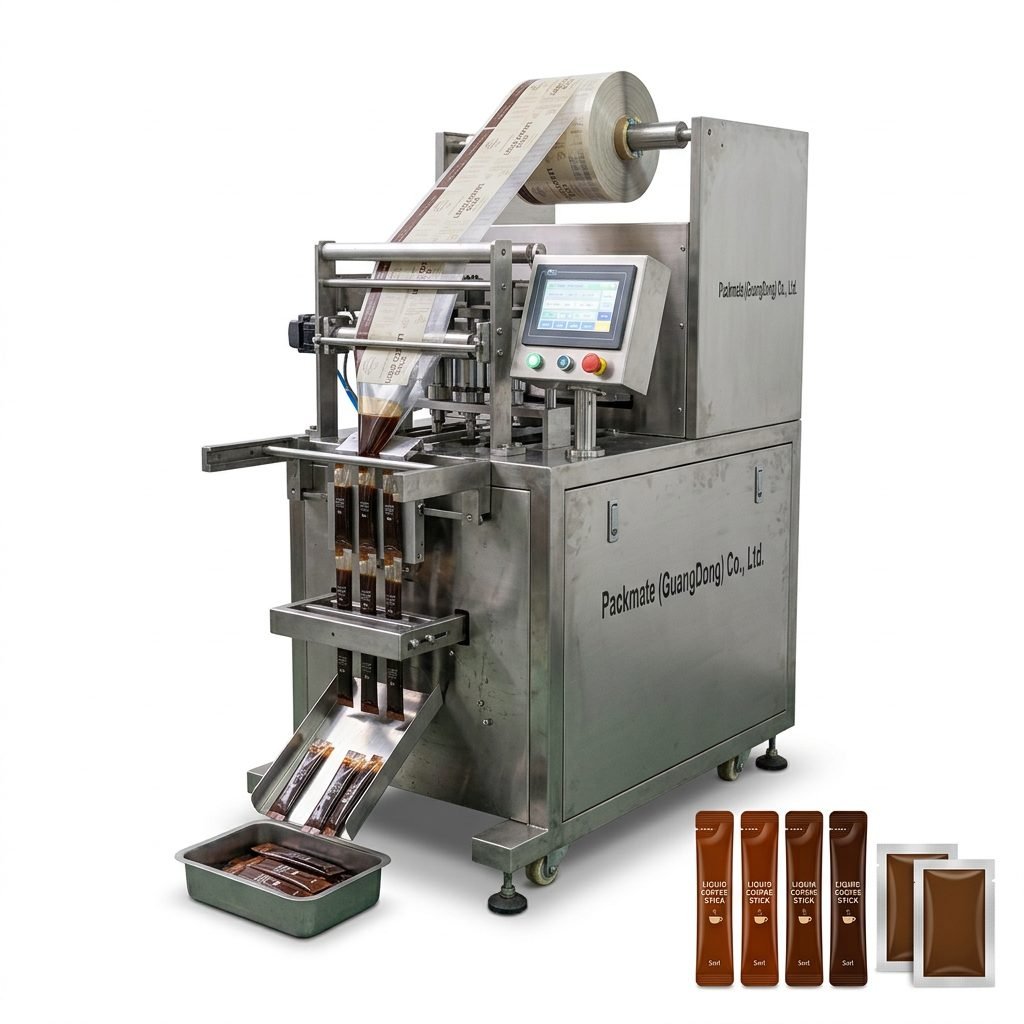
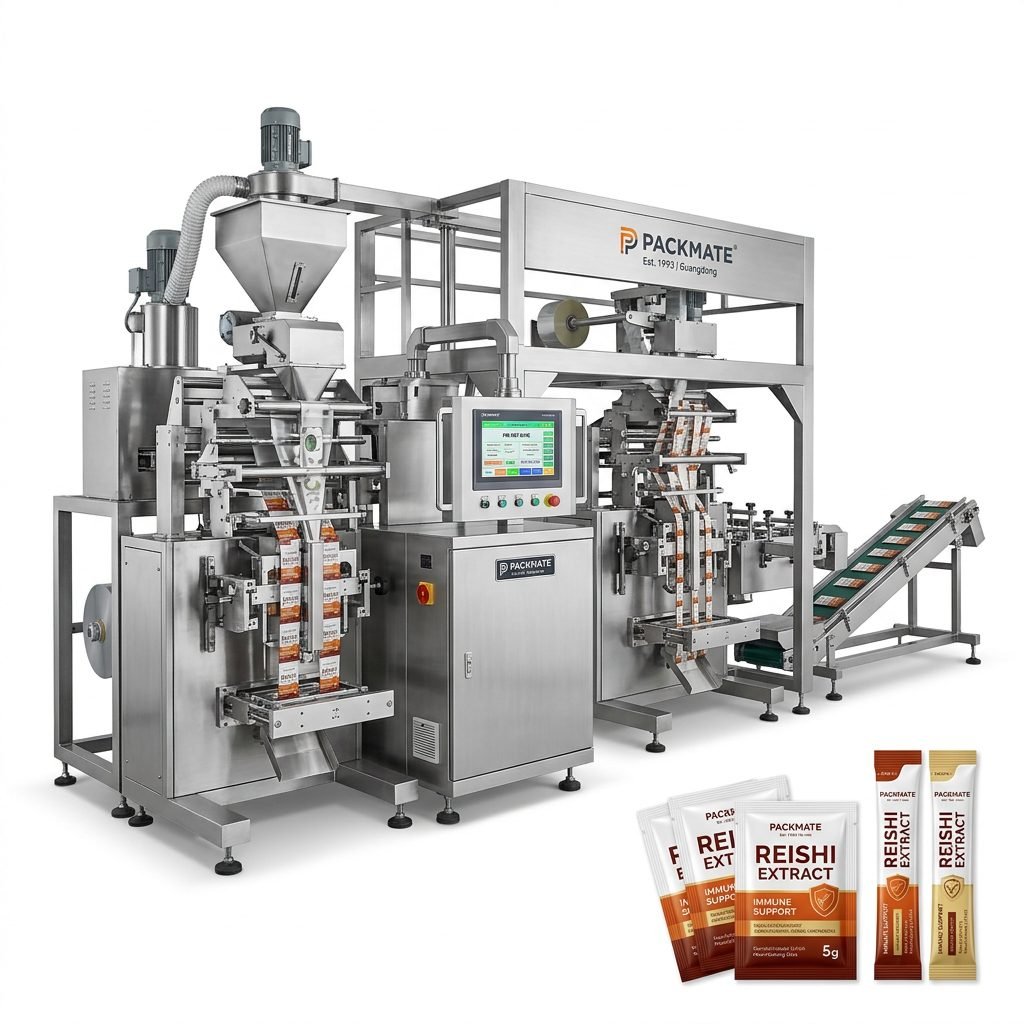
The landscape of modern manufacturing is undergoing a profound transformation, driven by the relentless pursuit of efficiency, precision, and safety. Nowhere is this more critical than in the food, pharmaceutical, and health packaging sectors, where consumer safety and product integrity are paramount. Implementing robust industrial production line automation solutions is no longer a luxury but a fundamental necessity for businesses aiming to thrive in a competitive global market. These systems integrate advanced robotics, intelligent control software, and sophisticated material handling to create seamless, high-speed, and error-free packaging processes.
The Imperative for Automation in Sensitive Industries
For industries dealing with consumables and health-critical products, manual packaging processes present significant risks. Human intervention can introduce contaminants, cause dosage inaccuracies, or lead to packaging inconsistencies that compromise shelf life and safety. Automation eliminates these variables, ensuring a sterile, controlled environment where every action is precise, repeatable, and traceable. This is especially crucial in pharmaceuticals, where regulatory compliance with standards like cGMP is non-negotiable. Automated lines provide the data integrity and audit trails required for stringent quality assurance protocols.
Key Benefits of Automated Packaging Lines
Transitioning to an automated production line delivers a multitude of operational and strategic advantages:
- Enhanced Productivity & Speed: Automated systems operate 24/7 at consistent high speeds, dramatically increasing output and reducing time-to-market.
- Uncompromising Quality & Consistency: Every package is identical in weight, fill, seal integrity, and appearance, upholding brand reputation and consumer trust.
- Reduced Operational Costs: While the initial investment is significant, automation lowers long-term costs by minimizing labor, reducing material waste, and decreasing product giveaway.
- Improved Safety & Hygiene: Limiting human contact with the product is essential in food and pharma. Automated systems maintain hygienic zones and handle hazardous materials safely.
- Scalability & Flexibility: Modern lines can be quickly reconfigured for different package sizes, formats, or products, allowing manufacturers to respond agilely to market demands.
Tailored Solutions for Food, Pharma, and Health Packaging
A one-size-fits-all approach does not work in automation. Each sector has unique requirements that demand specialized solutions. Leading providers like Packmate (GuangDong) Co., Ltd. design systems with these specific challenges in mind.
Food Industry Automation
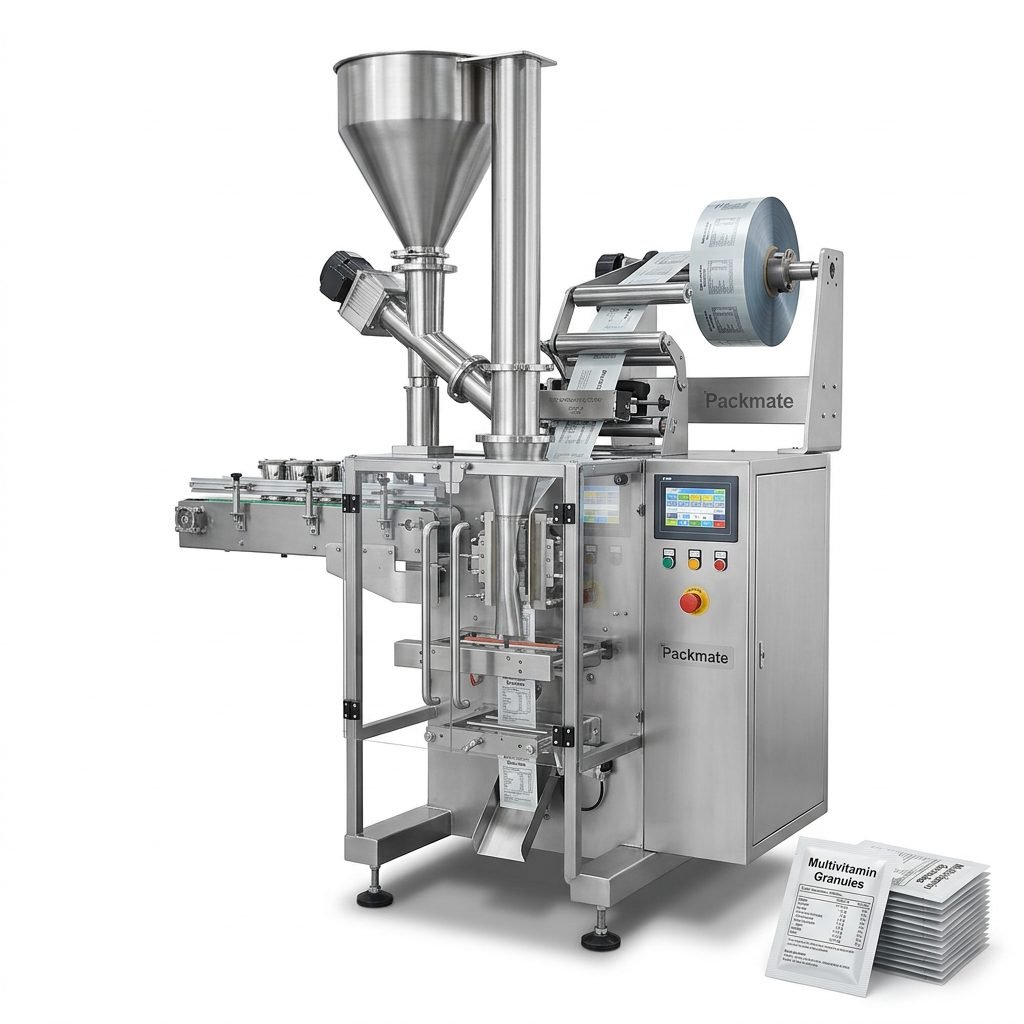
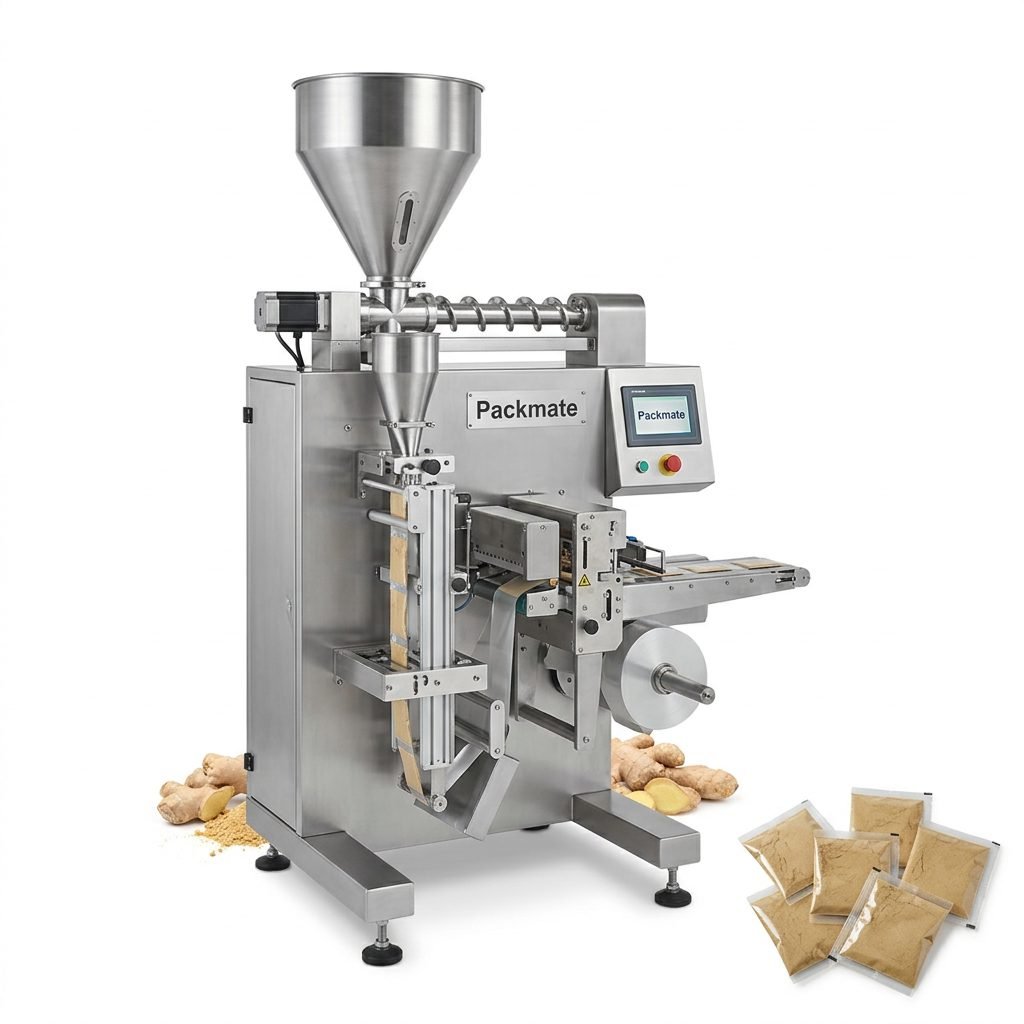
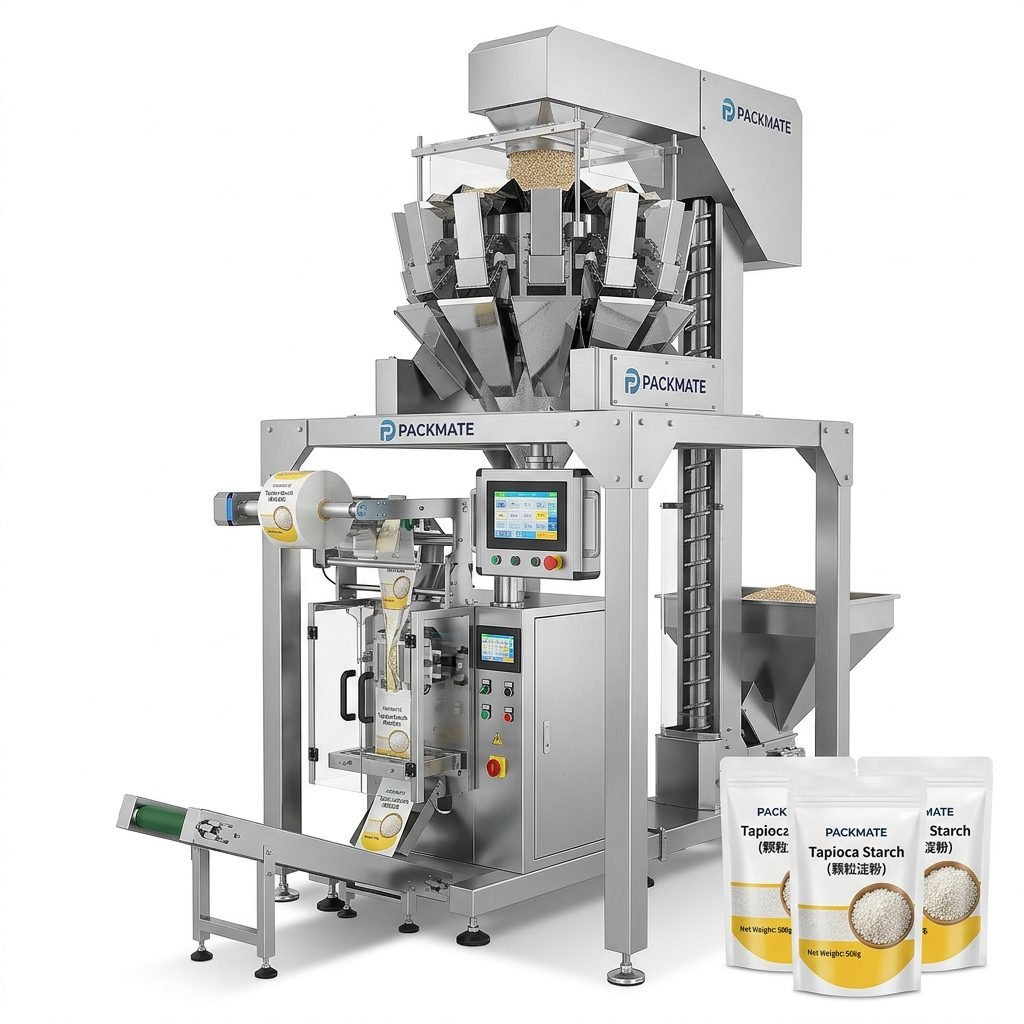
Food packaging requires speed, adaptability, and strict hygiene controls. Automation solutions for this sector often include high-speed vertical form-fill-seal (VFFS) machines for snacks and grains, robotic pick-and-place systems for delicate items like baked goods, and advanced weighing technology to ensure accurate portion control. The focus is on preserving freshness, preventing contamination, and meeting high-volume retail demands.
Pharmaceutical & Health Product Automation
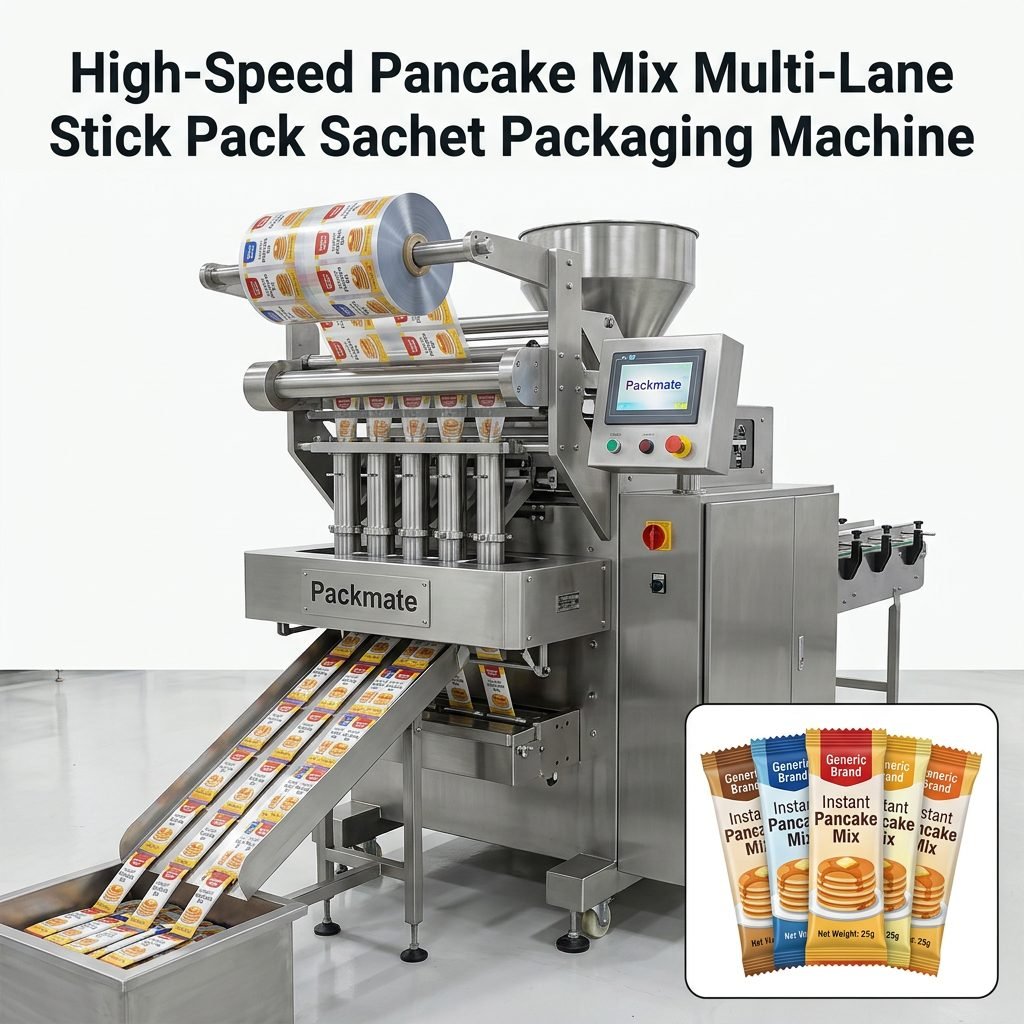
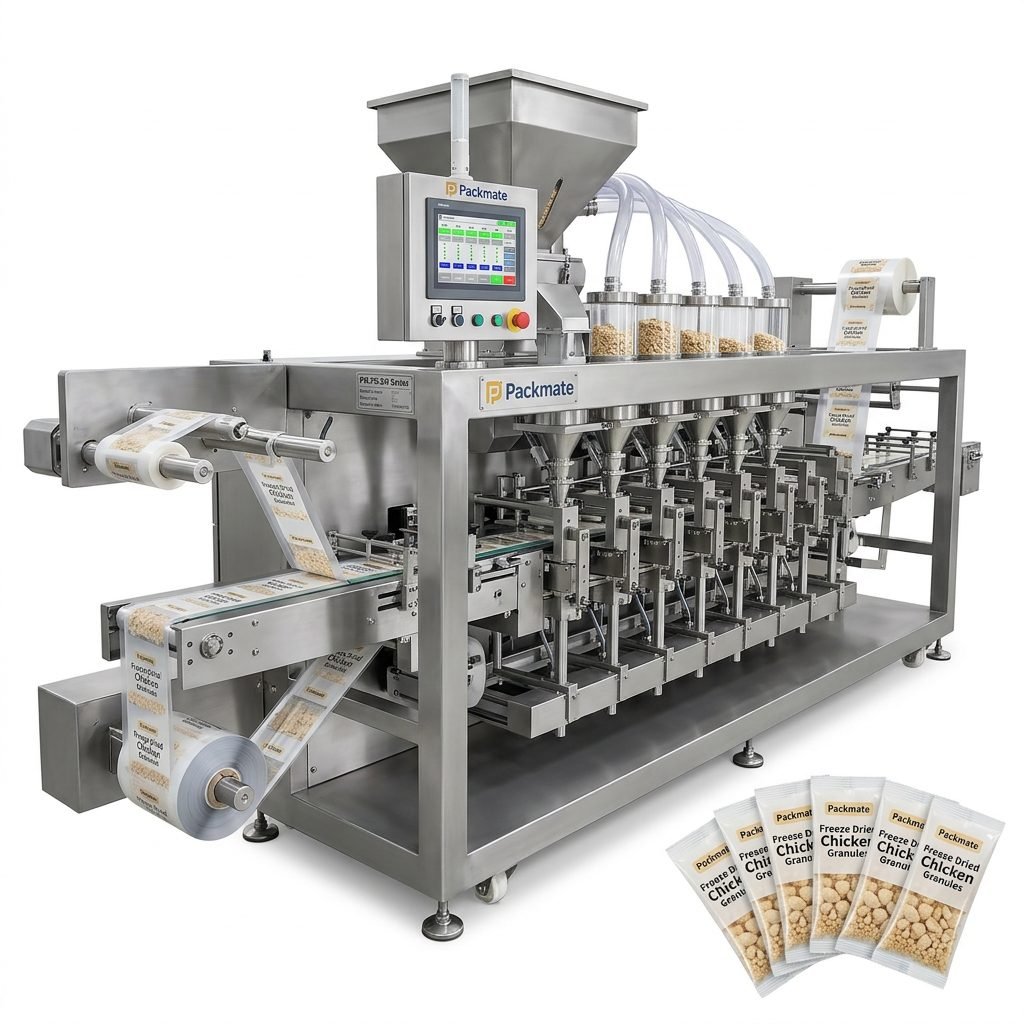
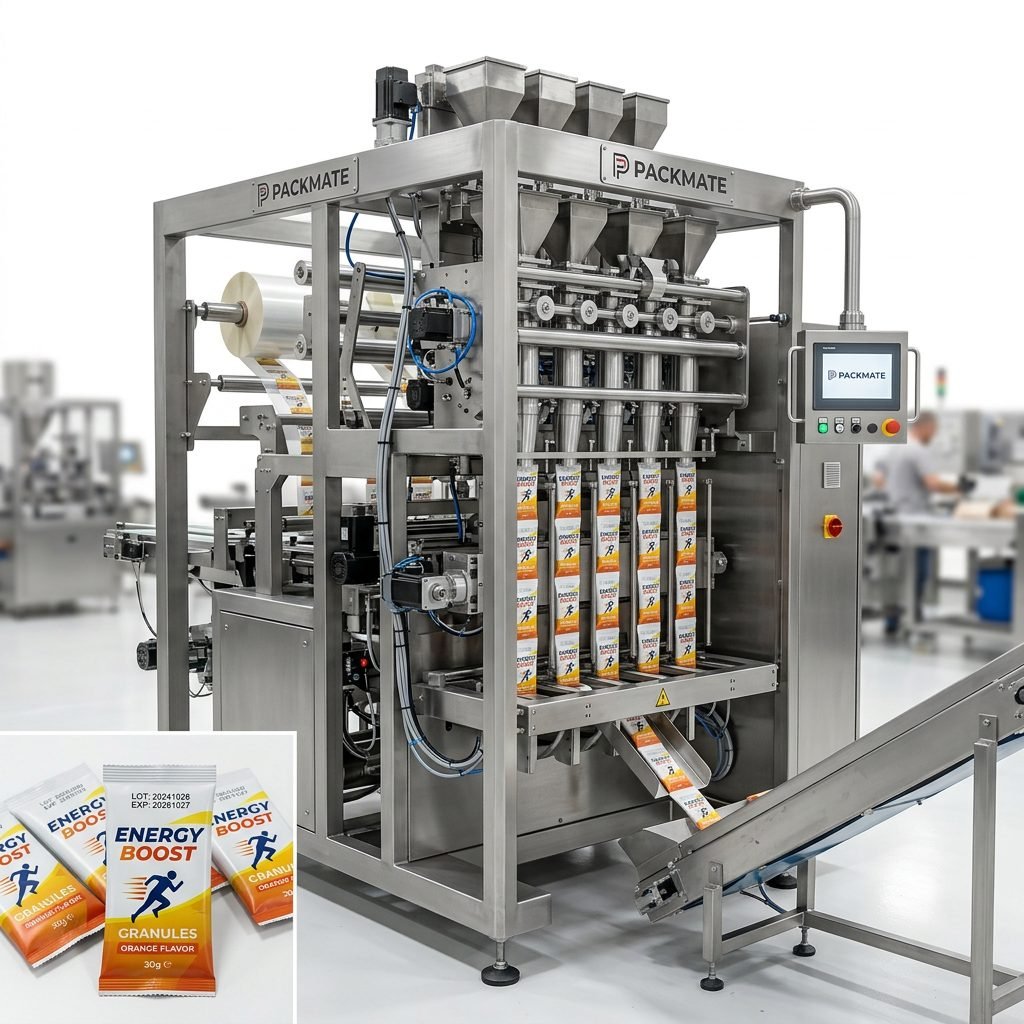
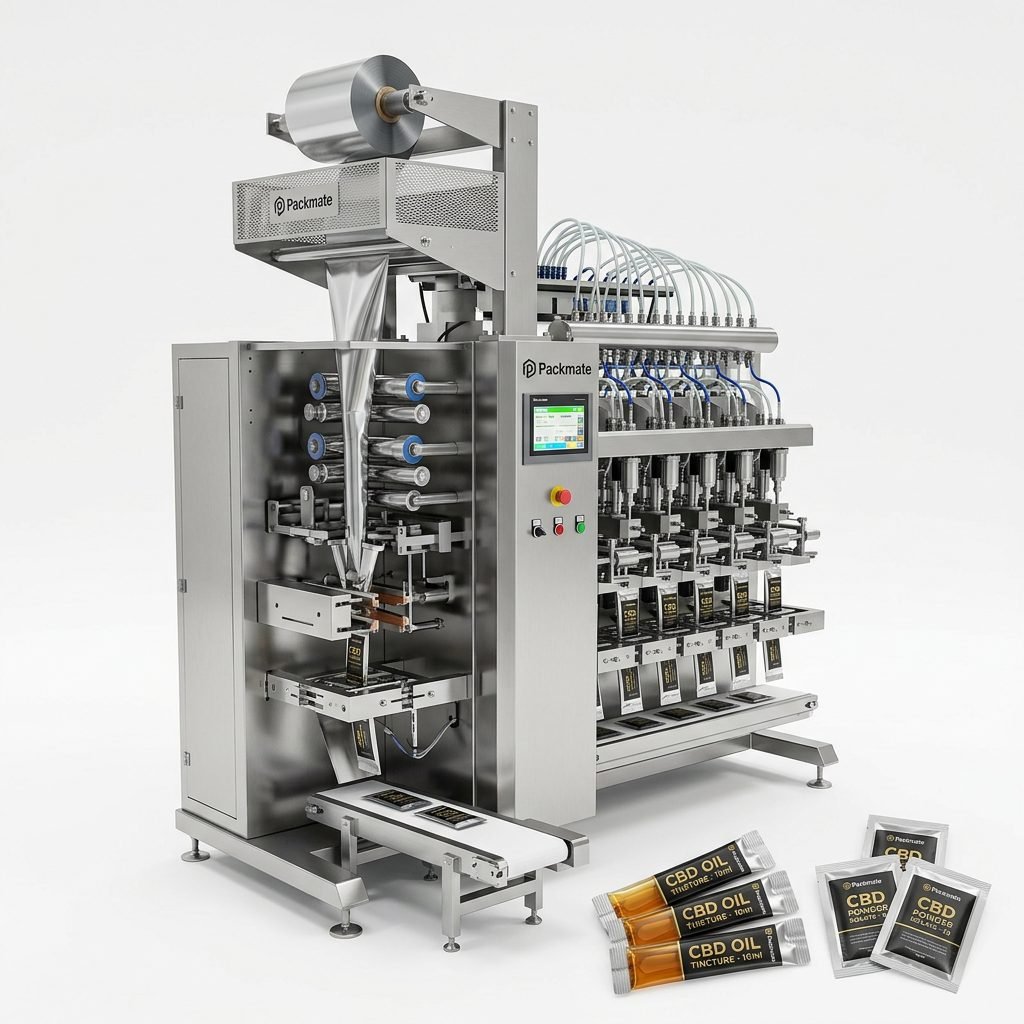
This is the pinnacle of precision and compliance. Solutions involve isolator or barrier technology for sterile filling, vision inspection systems to check for tablet defects or label accuracy, and serialization equipment to track and trace every unit for anti-counterfeiting. For health supplements in powder or liquid form, automated stick pack and sachet machines provide precise, single-dose packaging that is convenient for consumers and highly efficient to produce. You can explore specific applications in our detailed packaging solutions portfolio.
Core Components of a Turnkey Automated Line
A complete, turnkey automation solution is an ecosystem of integrated machinery. Key components include:
- Primary Packaging Machines: Form-Fill-Seal machines for creating bags, sachets, or stick packs from roll stock.
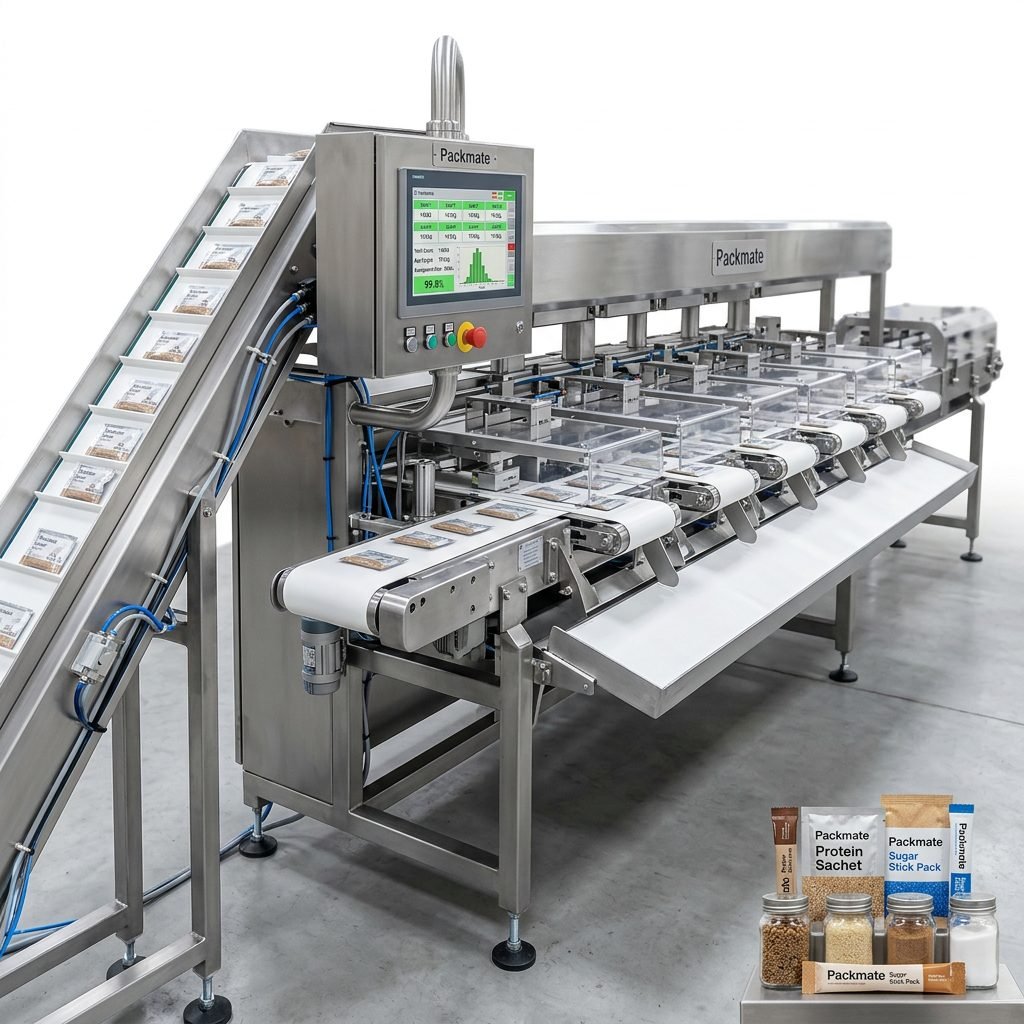
- Product Handling & Feeding: Conveyors, elevators, and vibratory feeders that gently and accurately transport product to the packaging machine.
- Robotic Systems: For case packing, palletizing, or intricate pick-and-place tasks, increasing flexibility.
- Control & Monitoring Hub: The PLC (Programmable Logic Controller) and SCADA (Supervisory Control and Data Acquisition) system that acts as the brain of the operation, coordinating all components and collecting vital performance data.
- Quality Assurance Checkpoints: Integrated checkweighers, metal detectors, X-ray inspectors, and vision systems that automatically reject non-conforming products.
Successful implementation relies on partnering with an expert who can engineer these components to work in perfect harmony. Reviewing real-world project case studies can provide valuable insight into this integration process.
The Implementation Journey: From Vision to Reality
Deploying an automated packaging line is a significant project that requires careful planning. The process typically involves several key phases:
- Needs Analysis & Design: Engineers work closely with the client to understand product specs, desired output, and facility constraints to create a custom line layout.
- Manufacturing & Factory Acceptance Testing (FAT): The system is built and rigorously tested at the supplier’s facility to ensure it meets all performance criteria before shipment.
- Installation & Site Acceptance Testing (SAT): Expert technicians install and commission the line on-site, training the client’s operators and maintenance staff.
- Ongoing Support & Optimization: A reliable partner provides continuous technical support, spare parts, and service to ensure long-term uptime and performance. Learn more about our commitment to this in our comprehensive service offerings.
Choosing a partner with proven experience, like a company with over 22 years in the industry and a 20,000㎡ modern facility, mitigates risk and ensures a smooth transition from a manual or semi-automated process to a fully integrated, intelligent packaging line.
Future Trends: The Smart, Connected Packaging Line
The future of production line automation lies in connectivity and intelligence. The integration of Industrial Internet of Things (IIoT) sensors and cloud-based analytics is creating “smart factories.” These systems enable predictive maintenance, where machines alert technicians to potential failures before they cause downtime. Real-time production data dashboards allow managers to optimize efficiency remotely. Furthermore, advancements in AI and machine vision are leading to self-correcting systems that can adapt to minor variations in material or environment without human intervention.
For businesses in the food, pharmaceutical, and health sectors, investing in these advanced automation solutions is an investment in resilience, quality, and future growth. It builds a foundation capable of meeting evolving consumer expectations and stringent regulatory landscapes. To discuss how a tailored automation strategy can transform your packaging operations, we invite you to initiate a conversation with our engineering team.
Frequently Asked Questions (FAQs)
1. What is the typical ROI period for an automated packaging line?
The return on investment varies based on line complexity, volume, and labor costs saved. For high-speed, high-volume applications, many companies see a full ROI within 1 to 3 years through increased output, reduced waste, and lower labor expenses.
2. Can automated lines handle frequent product changeovers?
Yes. Modern automated lines are designed for flexibility. Features like quick-change parts, recipe storage in the PLC, and servo-driven adjustments allow for much faster changeovers compared to manual lines, making short production runs economically viable.
3. How do automated systems ensure product quality and safety?
They integrate multiple quality checks: checkweighers ensure correct fill weight, vision systems inspect labels and seals, metal detectors/X-rays find physical contaminants, and the controlled environment minimizes human-borne contamination. All data is logged for complete traceability.
4. What kind of maintenance do automated packaging lines require?
They require scheduled preventive maintenance (PM) as outlined by the manufacturer, including lubrication, calibration, and wear-part inspection. A good supplier provides detailed PM schedules and training. IIoT-enabled systems can predict maintenance needs, preventing unplanned downtime.
5. Are automated solutions scalable for a growing business?
Absolutely. A well-designed system can be modular. You can start with a core automated line and later add modules for secondary packaging, palletizing, or increased speed. Planning for future scalability during the initial design phase is crucial.