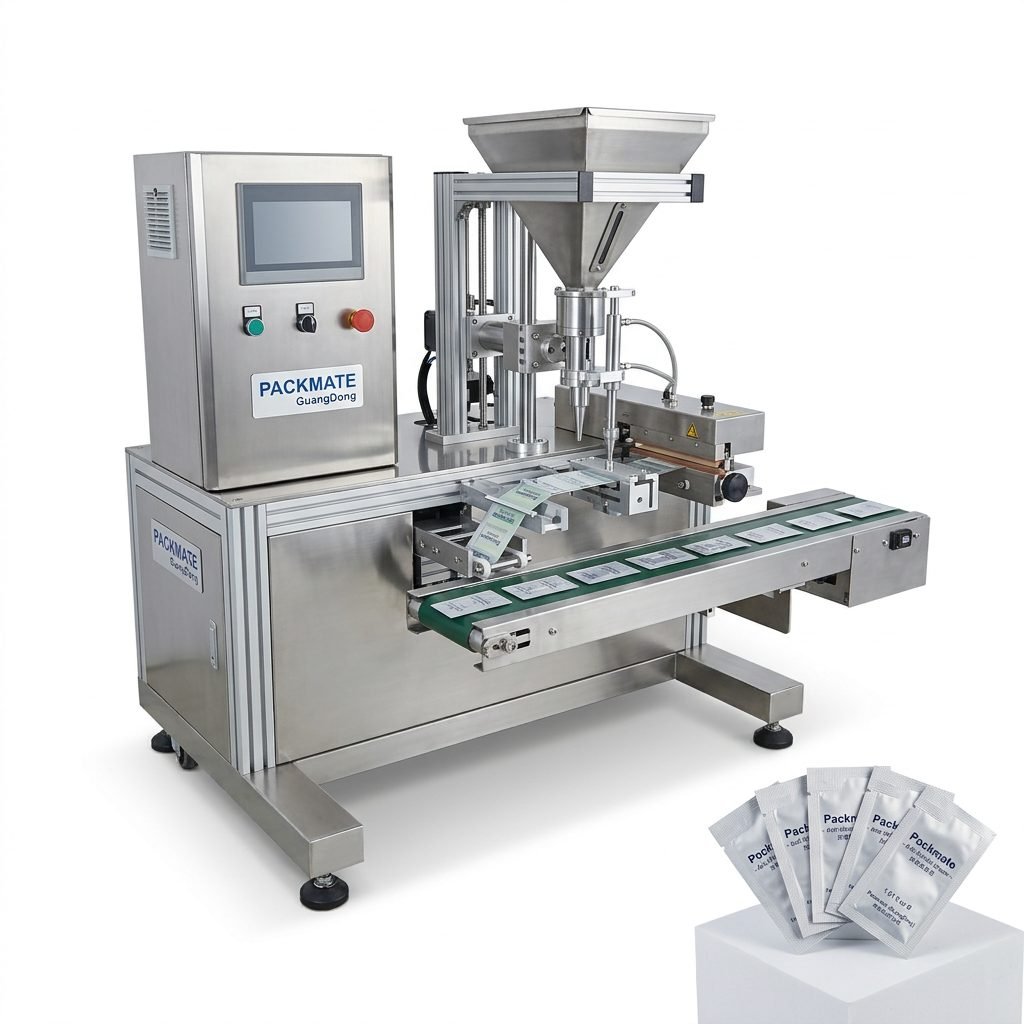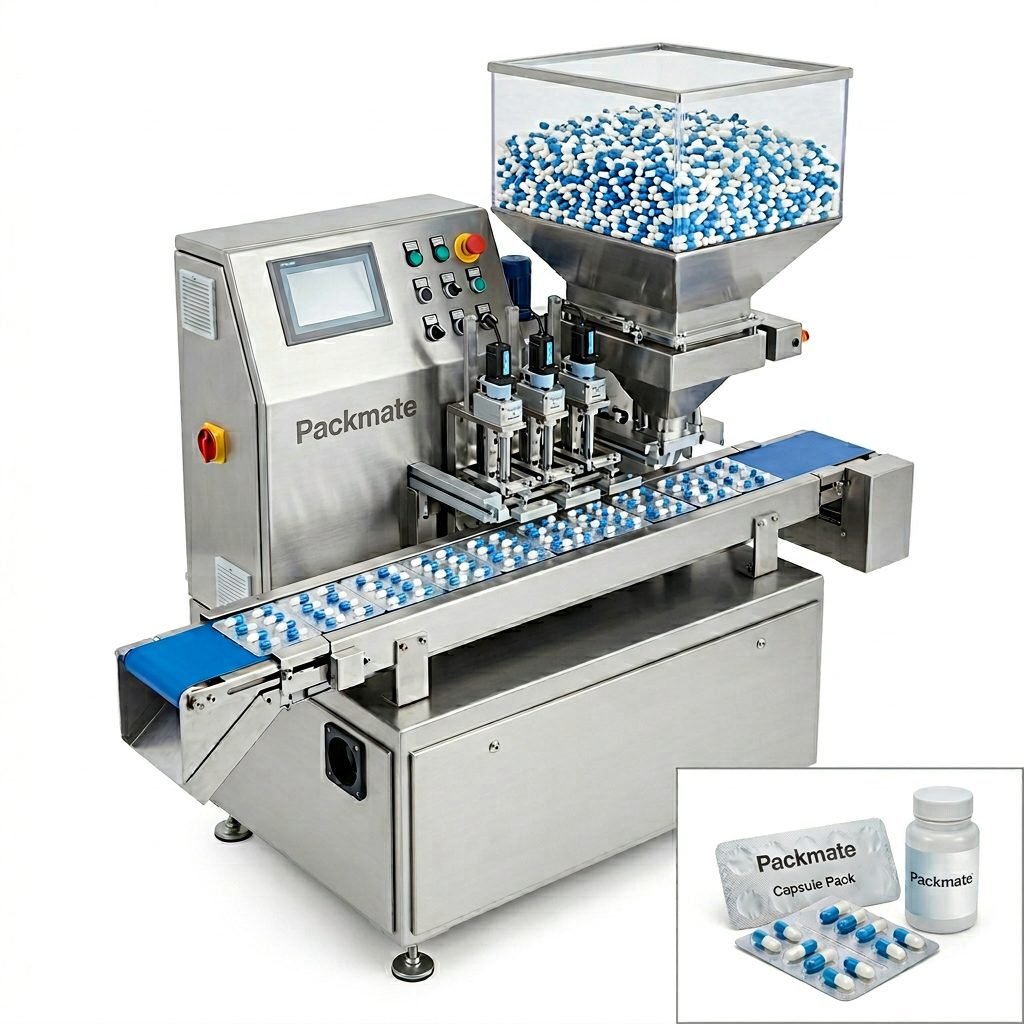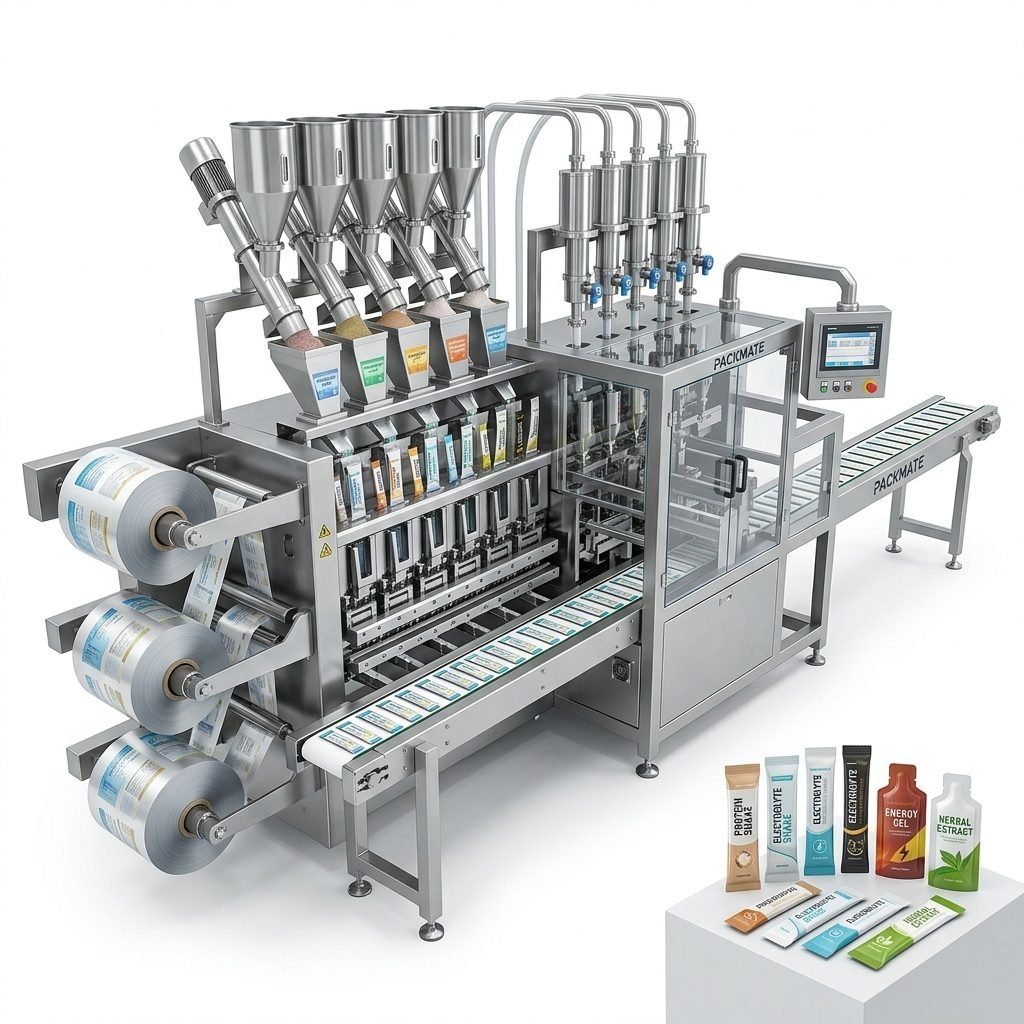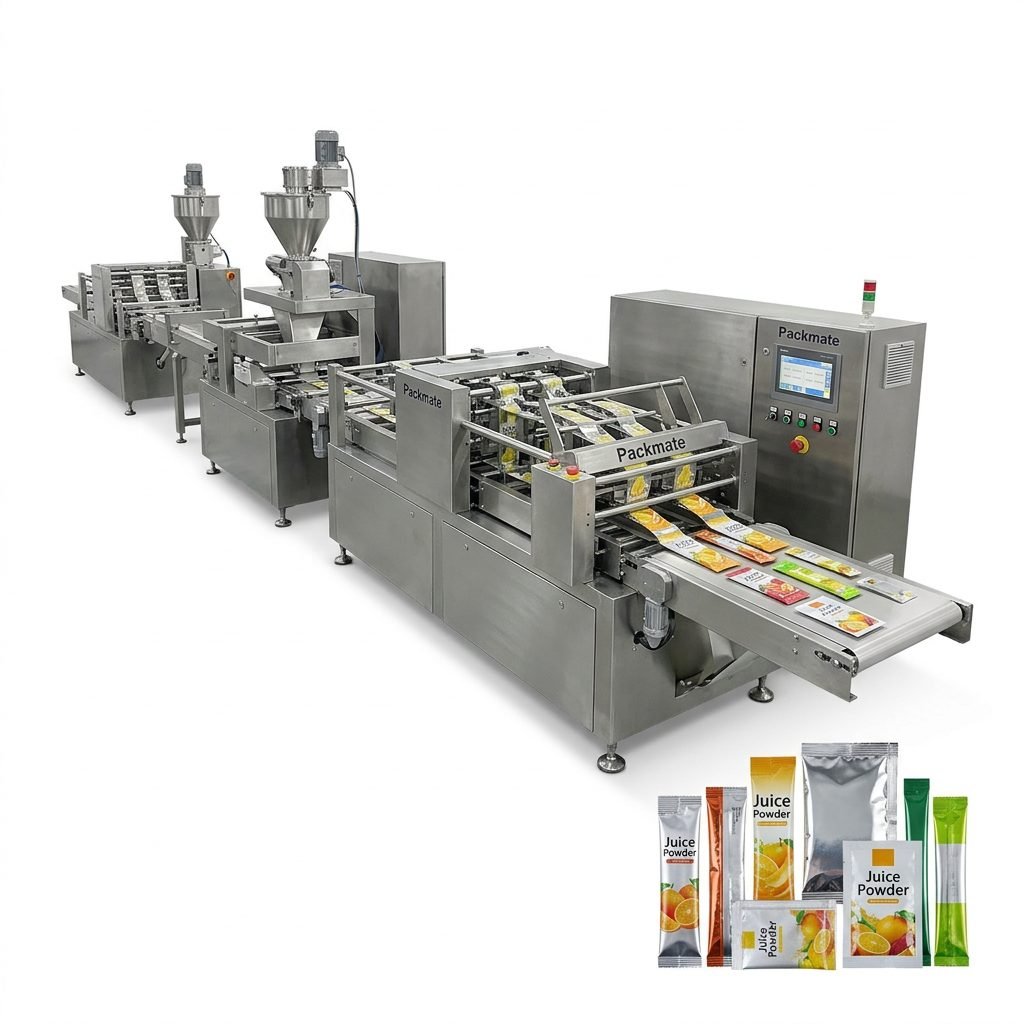
Choosing the right automatic sachet filling machine is a critical decision that directly impacts your production efficiency, product quality, and overall profitability. Whether you are packaging food seasonings, pharmaceutical powders, cosmetic liquids, or agricultural chemicals, the equipment you select must align perfectly with your specific needs. This comprehensive guide will walk you through the key factors to consider, ensuring you make an informed investment for your packaging line.
Understanding Your Product and Production Requirements
The first and most crucial step is to conduct a thorough analysis of your product and operational goals. This foundational understanding will guide every subsequent decision.
Product Characteristics
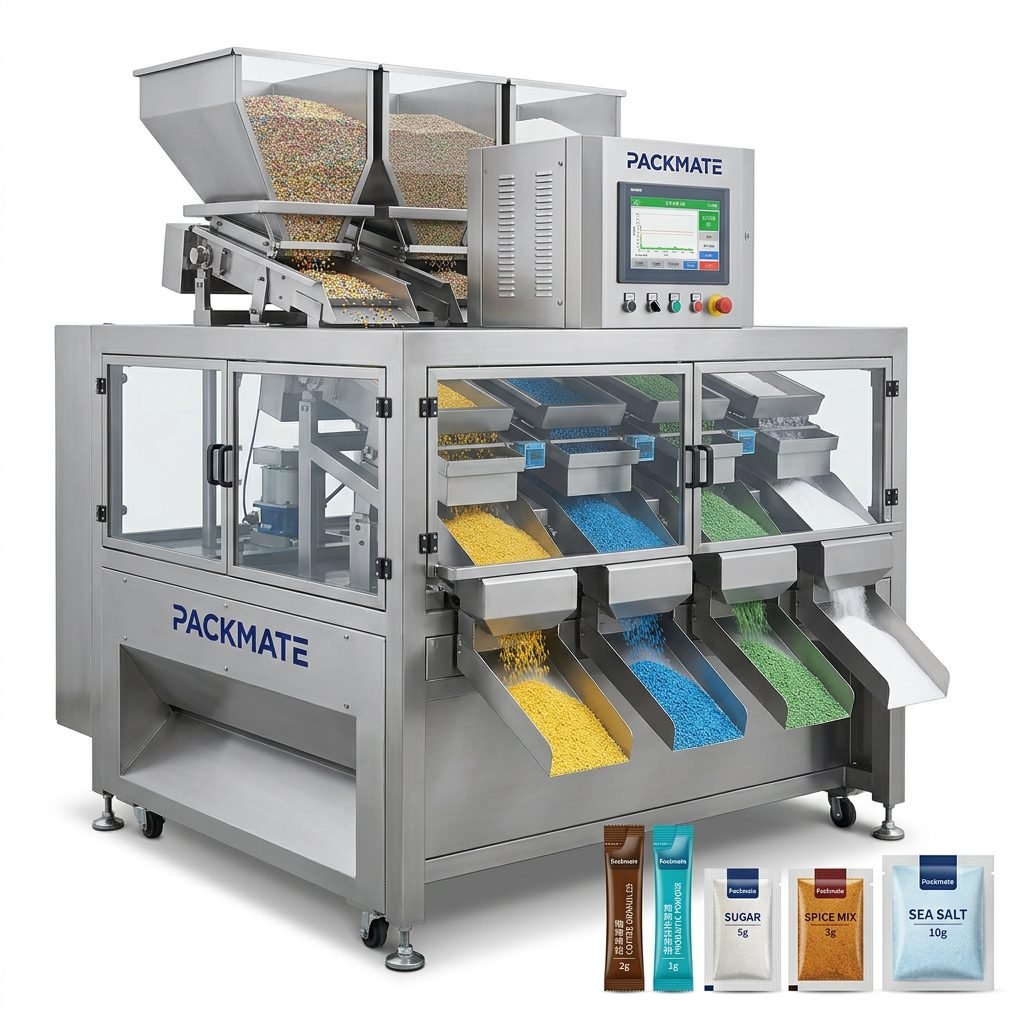
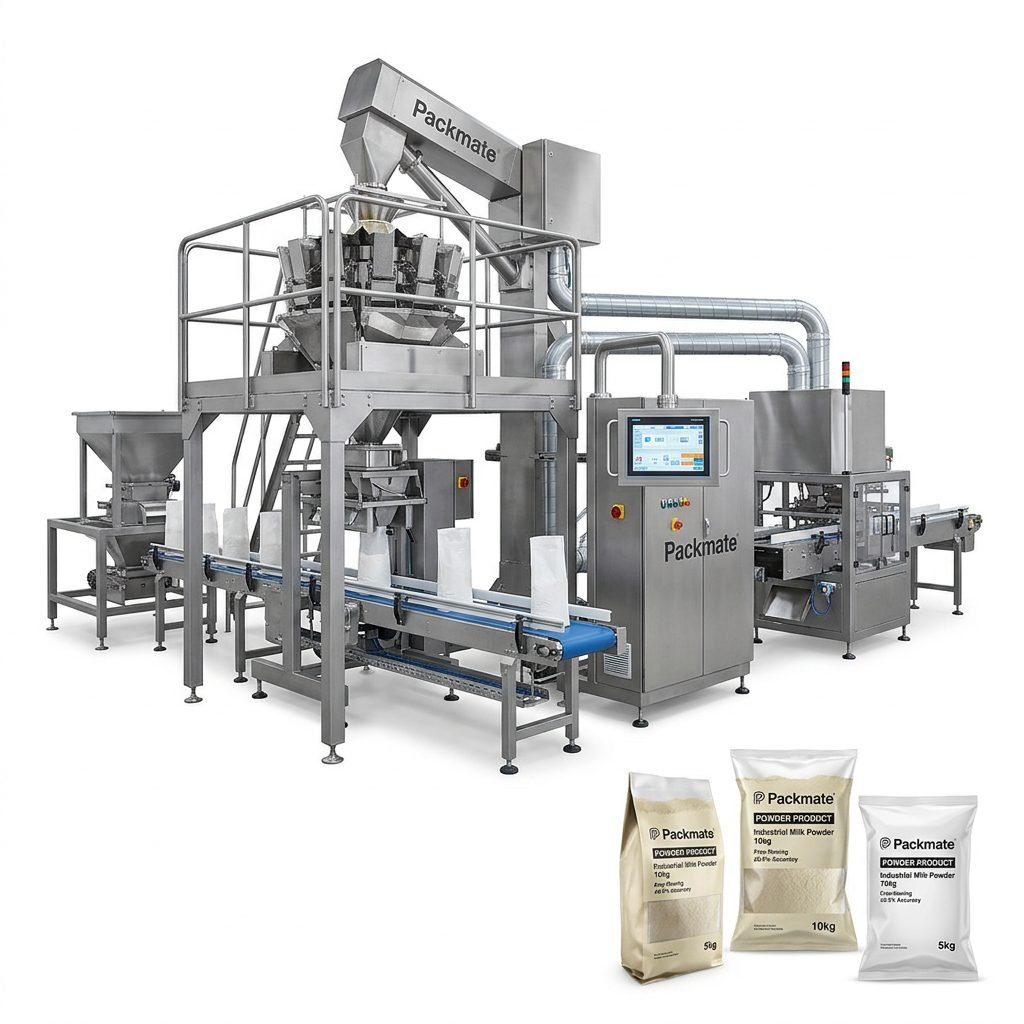
What are you packaging? The physical properties of your product dictate the machine’s filling technology. Granular products like sugar or seeds often work well with volumetric cup fillers or auger systems. Fine powders, such as milk powder or spices, require auger fillers with anti-bridging features to ensure accuracy. For liquids and pastes (e.g., sauces, shampoos), piston pumps or peristaltic pumps are the standard. Also, consider product abrasiveness, viscosity, and whether it’s hygroscopic or requires nitrogen flushing for preservation.
Output Speed and Volume
Define your required production capacity. Are you a startup needing a few hundred sachets per hour, or an established brand requiring several thousand? Machines range from single-lane models to high-speed, multi-lane systems. Be realistic about your current needs and future growth projections to avoid under or over-investing. For businesses looking to scale, exploring our complete packaging solutions can provide a clearer roadmap.
Packaging Material and Sachet Style
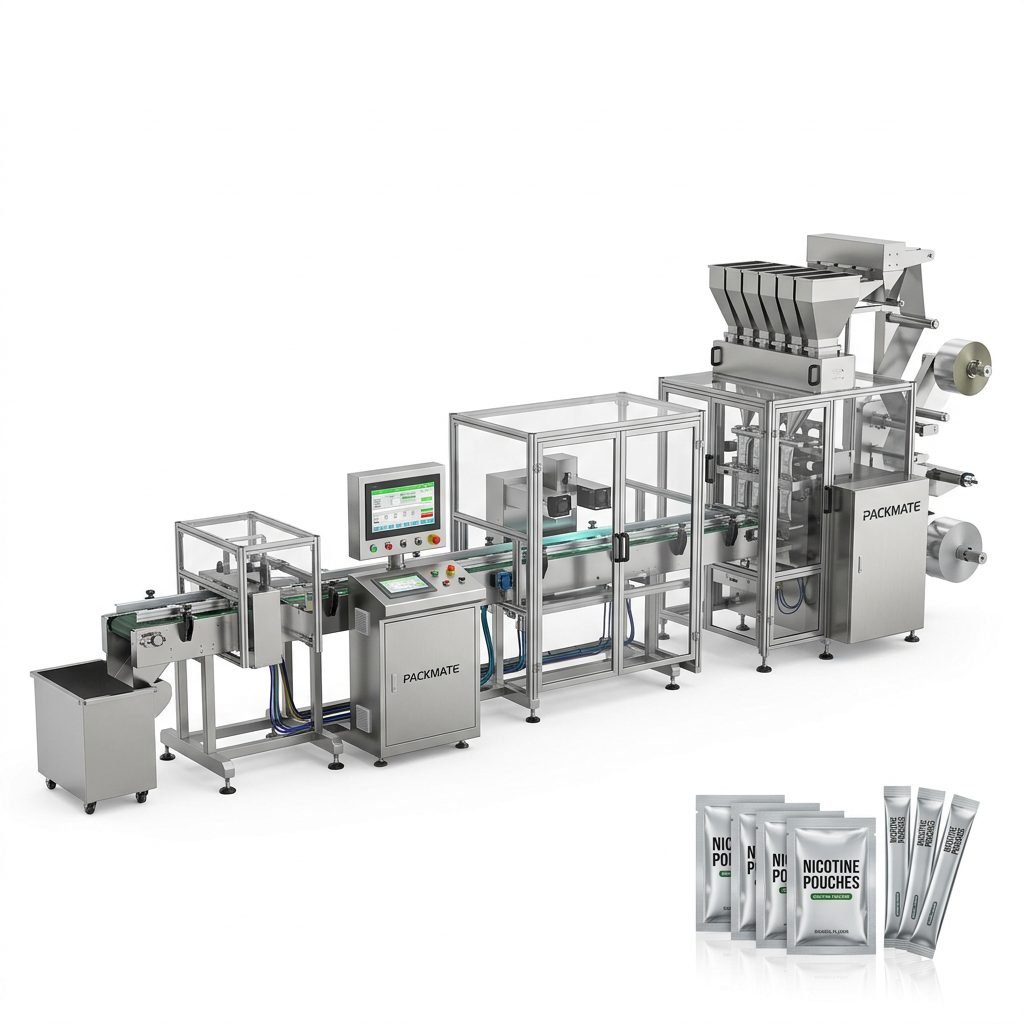
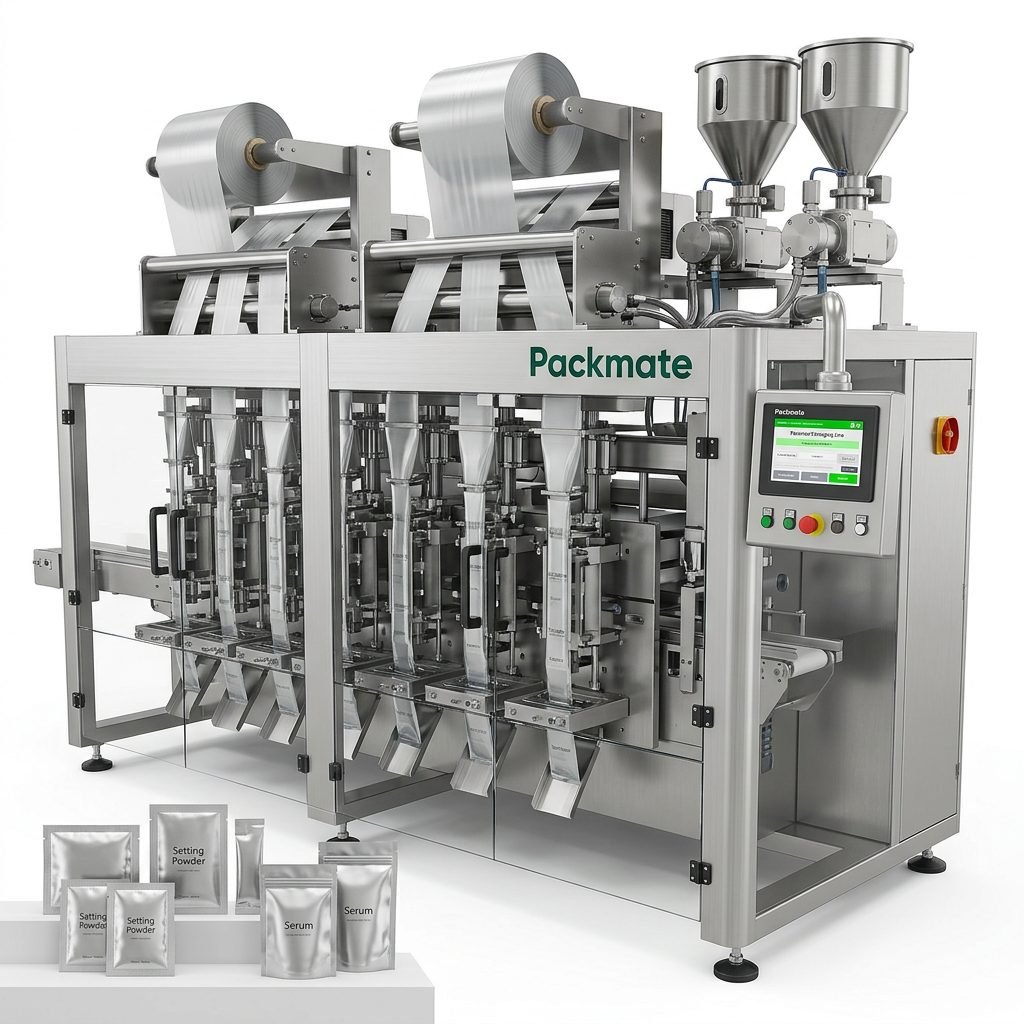
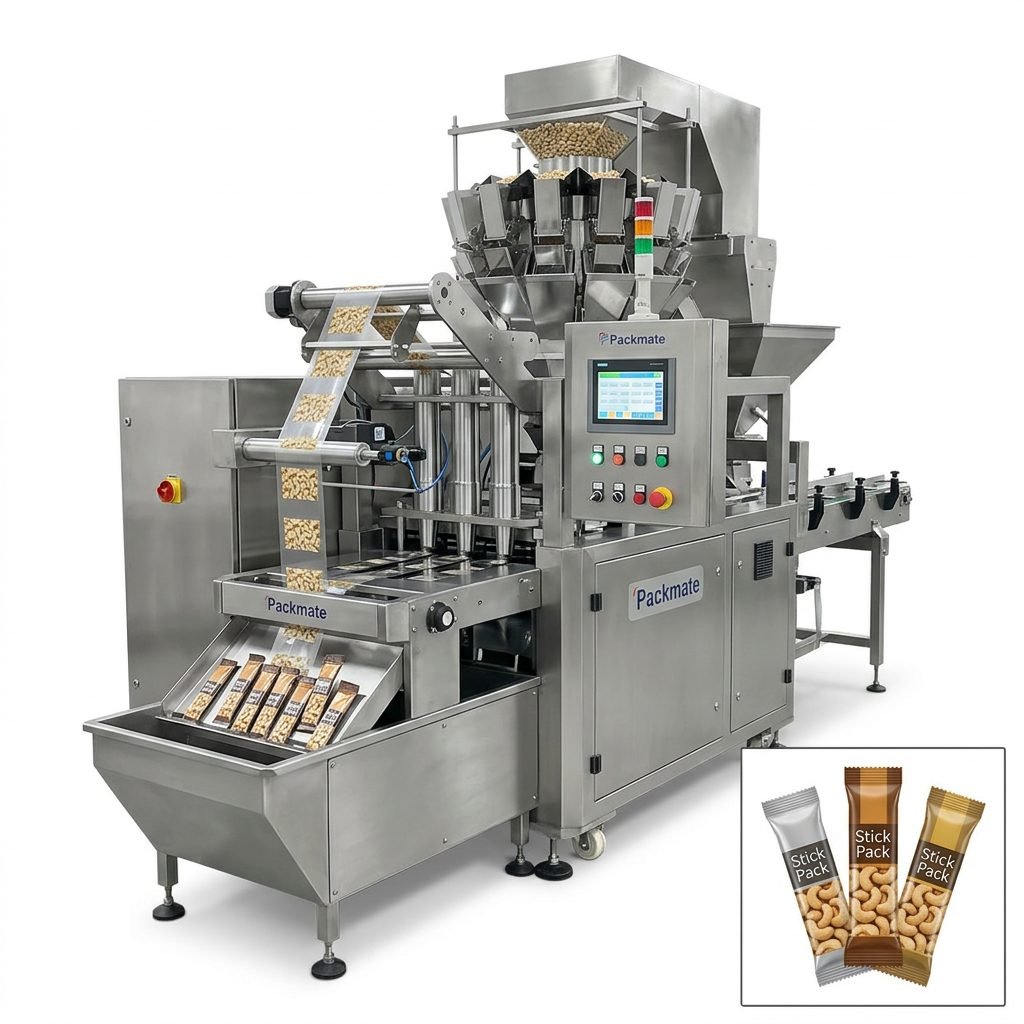
The machine must be compatible with your chosen film. Common materials include laminates of PET/PE, PET/AL/PE, or paper/AL/PE for better barrier properties. Determine the sachet style: a standard three-side seal pouch, a four-side seal pouch, or a more complex stick pack? The machine’s forming and sealing mechanisms must be designed for your specific film type and pouch design.
Key Technical Features of Automatic Sachet Machines
Once your requirements are clear, evaluate these core technical aspects of the equipment.
1. Filling System Accuracy and Flexibility
The heart of the machine is its filling system. Look for systems that offer high precision (±1% or better) to minimize product giveaway and ensure compliance, especially in the pharmaceutical industry. Some advanced machines offer quick-change parts for different product types, significantly reducing downtime during product switchovers.
2. Drive System and Control Panel
A servo-driven machine offers superior control, accuracy, and energy efficiency compared to traditional mechanical drives. The Human-Machine Interface (HMI) should be user-friendly, often a touchscreen PLC, allowing for easy parameter setting, recipe storage, and troubleshooting. This is a hallmark of modern, intelligent packaging lines from providers like Packmate.
3. Sealing Quality and Integrity
Consistent, strong seals are non-negotiable for product safety and shelf life. Machines should have precise temperature control for the sealing jaws and, for certain materials, the option for cold sealing. Check the sealing pressure and alignment mechanisms. Poor seals lead to leaks, contamination, and customer complaints.
4. Changeover Ease and Downtime
In today’s market, flexibility is key. How long does it take to change the pouch size or product? Machines with tool-less changeovers or dedicated quick-change kits can reduce changeover time from hours to minutes, maximizing your Overall Equipment Effectiveness (OEE). This feature is critical for contract packagers or companies with a diverse product portfolio.
5. Hygiene and Construction
For food, pharmaceutical, or cosmetic applications, hygiene is paramount. Look for machines with stainless steel (304 or 316 grade) contact parts, smooth surfaces without crevices, and designs that allow for easy cleaning and maintenance. The overall build quality reflects the machine’s durability and longevity.
Beyond the Machine: The Importance of Supplier Support
Your relationship with the equipment manufacturer is as important as the machine itself. A reliable partner ensures long-term success.
Technical Expertise and Customization
Can the supplier understand your unique challenge and offer a tailored solution? A provider with deep application knowledge, like the team behind Packmate’s company profile, can design modifications to handle unusual products or integrate the sachet machine seamlessly into a larger production line.
After-Sales Service and Training
Ensure the supplier offers comprehensive installation, commissioning, and operator training. Check the availability of spare parts and the responsiveness of their technical support team. A global service network is a significant advantage for international operations. Reviewing a supplier’s project case studies can reveal their commitment to post-sale support.
Regulatory Compliance and Certifications
For regulated industries, the machine may need to comply with specific standards (e.g., cGMP for pharmaceuticals, FDA regulations for food contact). Verify that the manufacturer can provide the necessary documentation and that their quality management system is robust.
Making the Final Decision and Implementation
With all information gathered, create a shortlist of 2-3 potential suppliers. Request detailed quotations that include all costs: machine, spare parts kit, shipping, installation, and training.
✔ Always request a product test. Send your actual product and packaging material to the supplier for a live machine test. This is the only way to verify filling accuracy, sealing quality, and operational speed.
✔ Visit the factory if possible. Inspecting the manufacturing facility, like Packmate’s 20,000㎡ modern plant, gives you insight into their production capabilities, quality control, and company scale.
✔ Plan for integration. Consider how the new sachet machine will fit into your existing factory layout, connect to upstream feeders (like bulk supply systems) and downstream equipment (like cartoners), and comply with your facility’s utilities (power, air supply).
Investing in an automatic sachet filling machine is a strategic move towards greater automation and efficiency. By methodically evaluating your product needs, machine features, and supplier capabilities, you can select equipment that becomes a reliable asset for years to come, driving consistency, reducing waste, and helping your brand grow. For ongoing support and to explore specific models, don’t hesitate to contact a packaging specialist.
Frequently Asked Questions (FAQs)
1. What is the typical accuracy range of a modern automatic sachet filler?
High-quality automatic sachet fillers typically offer a filling accuracy of ±1% or better. For granular products, volumetric fillers can achieve this, while auger fillers are used for powders and pastes. Liquid piston fillers are known for exceptionally high precision, often within ±0.5%. Accuracy depends on product characteristics, machine calibration, and maintenance.
2. How long does it take to perform a size changeover on a sachet machine?
Changeover time varies greatly by machine design. Basic models may require 1-2 hours using tools. Advanced machines with tool-less or quick-change systems can reduce this to 15-30 minutes. Factors include the complexity of the change (film width, pouch length, filling head) and operator skill.
3. Can one machine handle both powders and liquids?
Generally, no. The filling technology for powders (auger) and liquids (piston pump) is fundamentally different. Some machines are designed as “platforms” where the core forming and sealing unit is the same, but the filling module can be swapped out. However, a complete change from a powder to a liquid system usually involves significant reconfiguration and is not a simple switch.
4. What are the most important maintenance routines for a sachet packaging machine?
Daily: Cleaning of product contact parts, inspection of seals and filters. Weekly: Lubrication of moving parts as per manual, checking for wear on forming parts and sealing jaws. Monthly: Calibration of the filling system, thorough inspection of drives and sensors. Always follow the manufacturer’s specific maintenance schedule to ensure optimal performance and longevity.
5. How do I choose between a single-lane and a multi-lane sachet machine?
The choice depends on your required output. A single-lane machine is suitable for lower volumes (e.g., under 100 bags per minute), pilot projects, or products with very high value. Multi-lane machines (2, 4, 8, or more lanes) run multiple sachets simultaneously, dramatically increasing output for high-volume production of items like sugar, instant coffee, or shampoo samples.