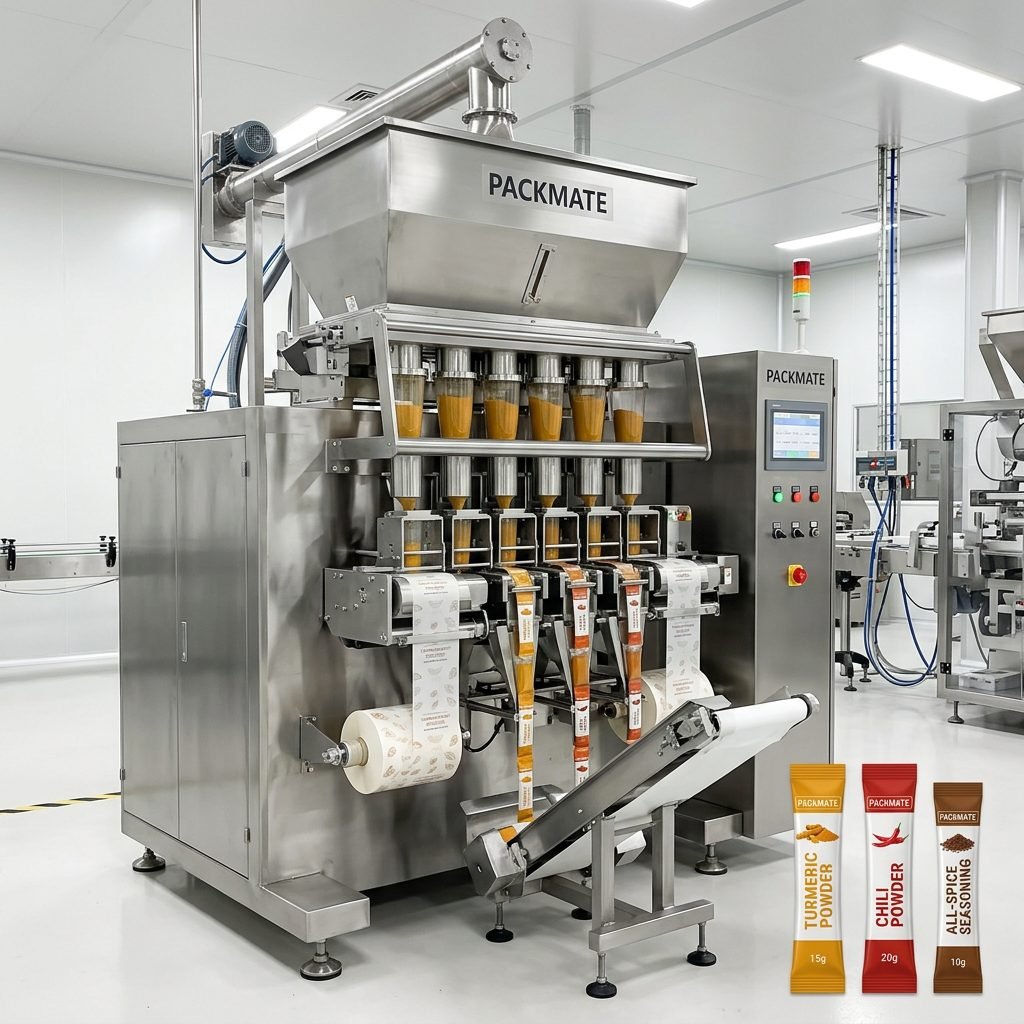
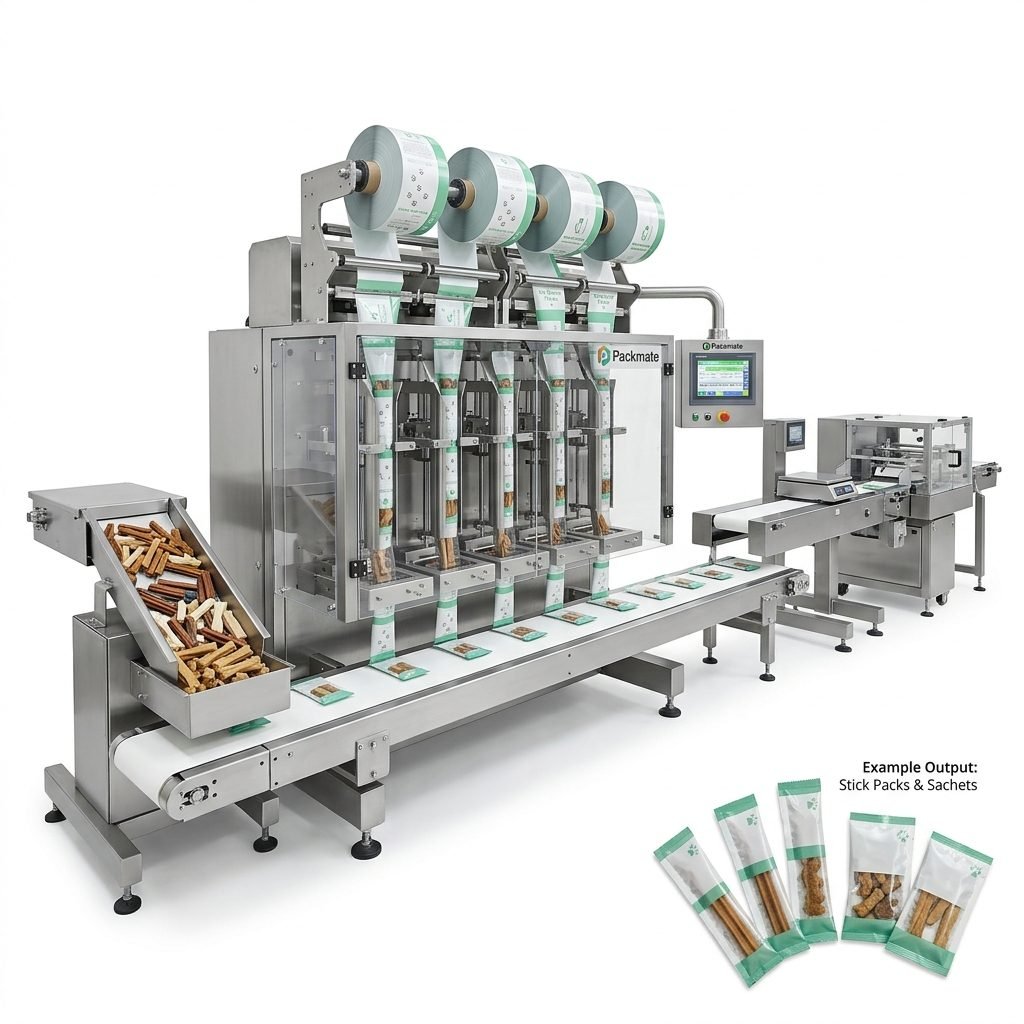
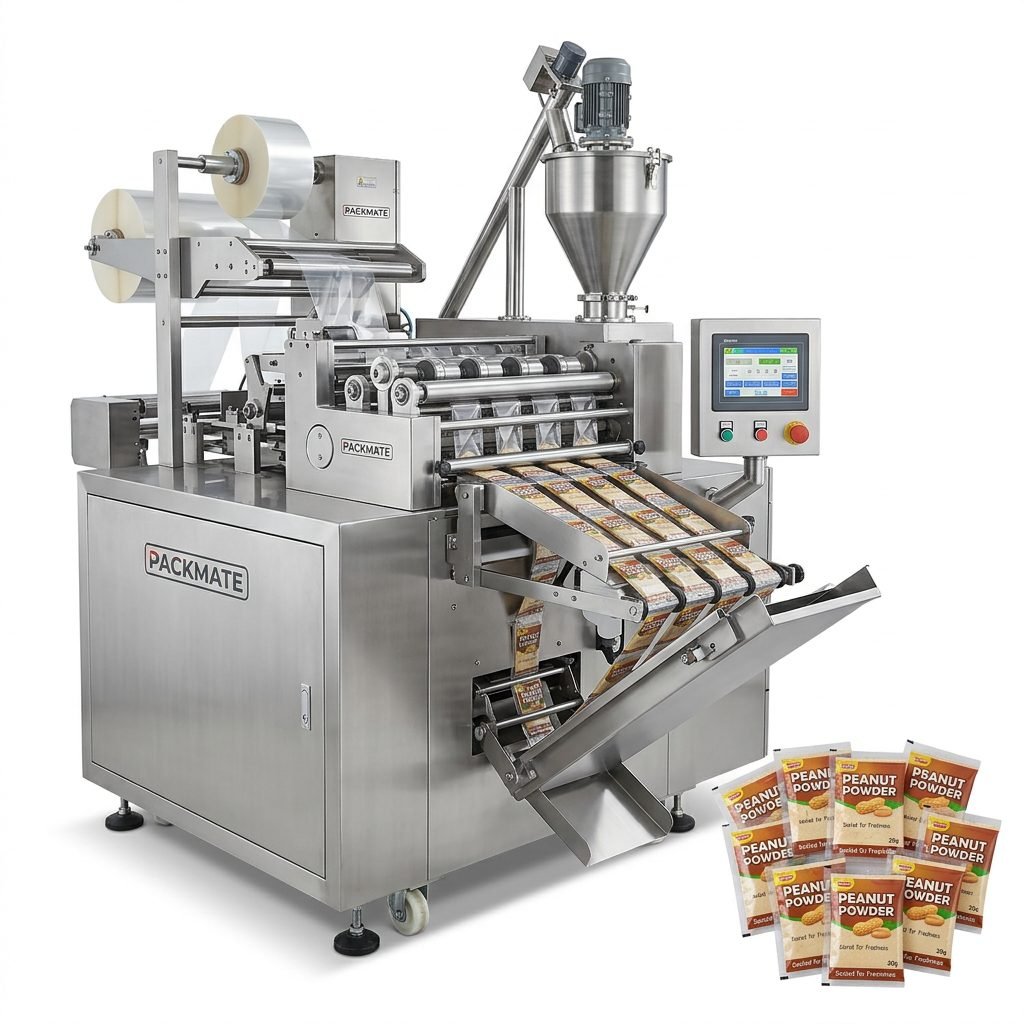
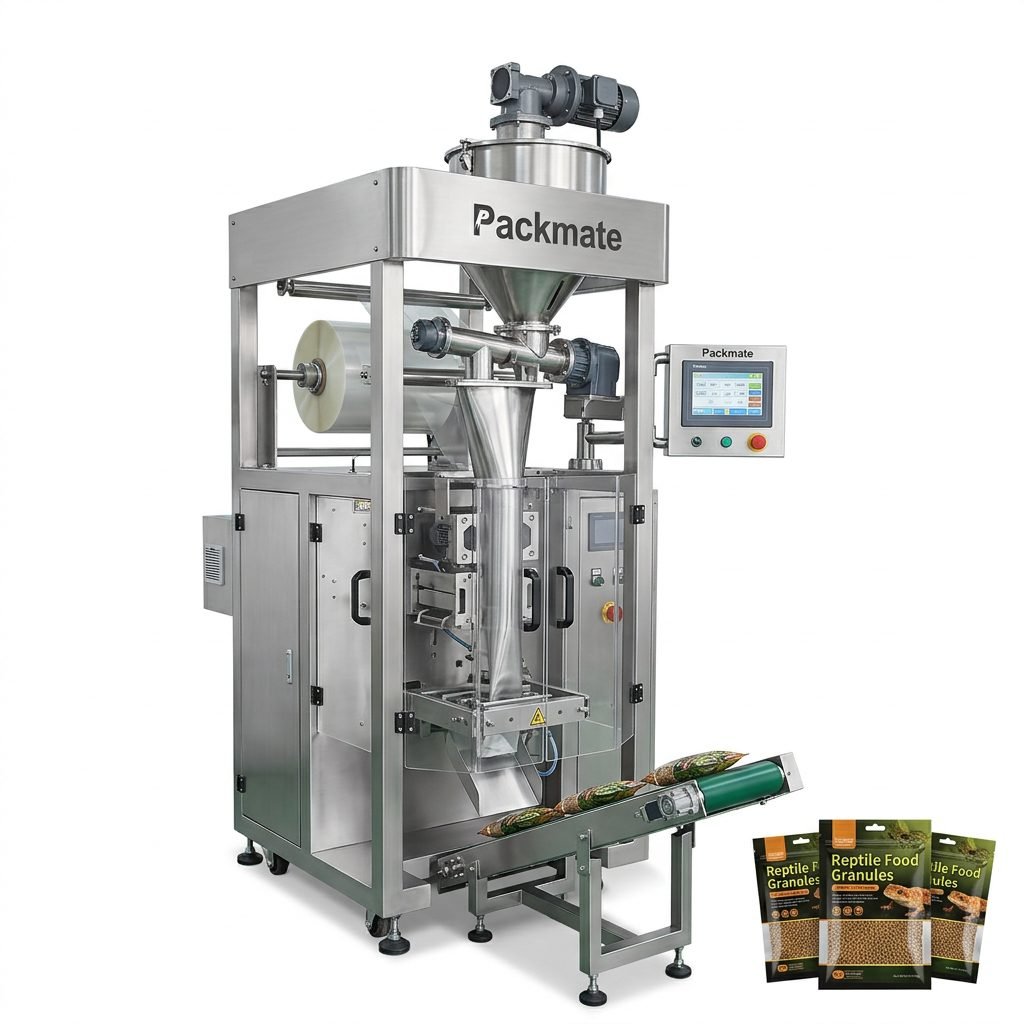
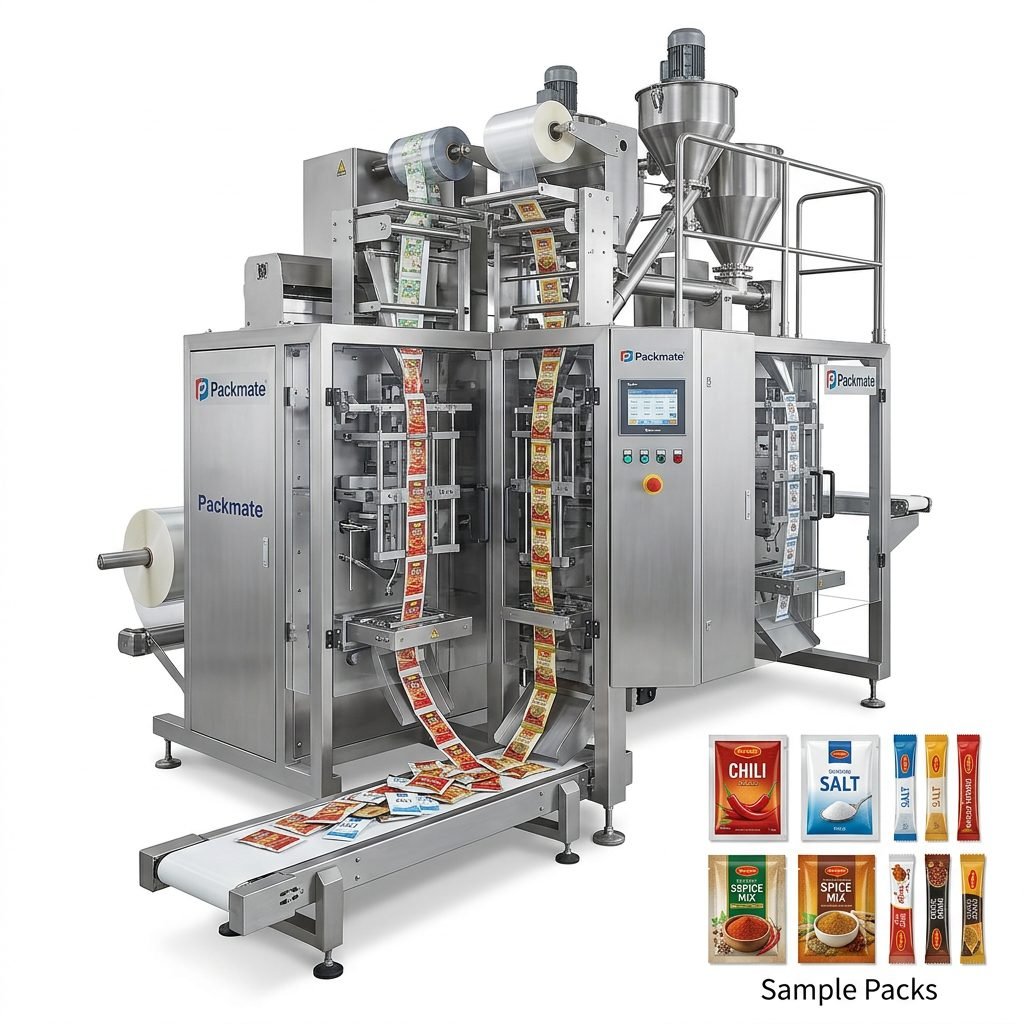
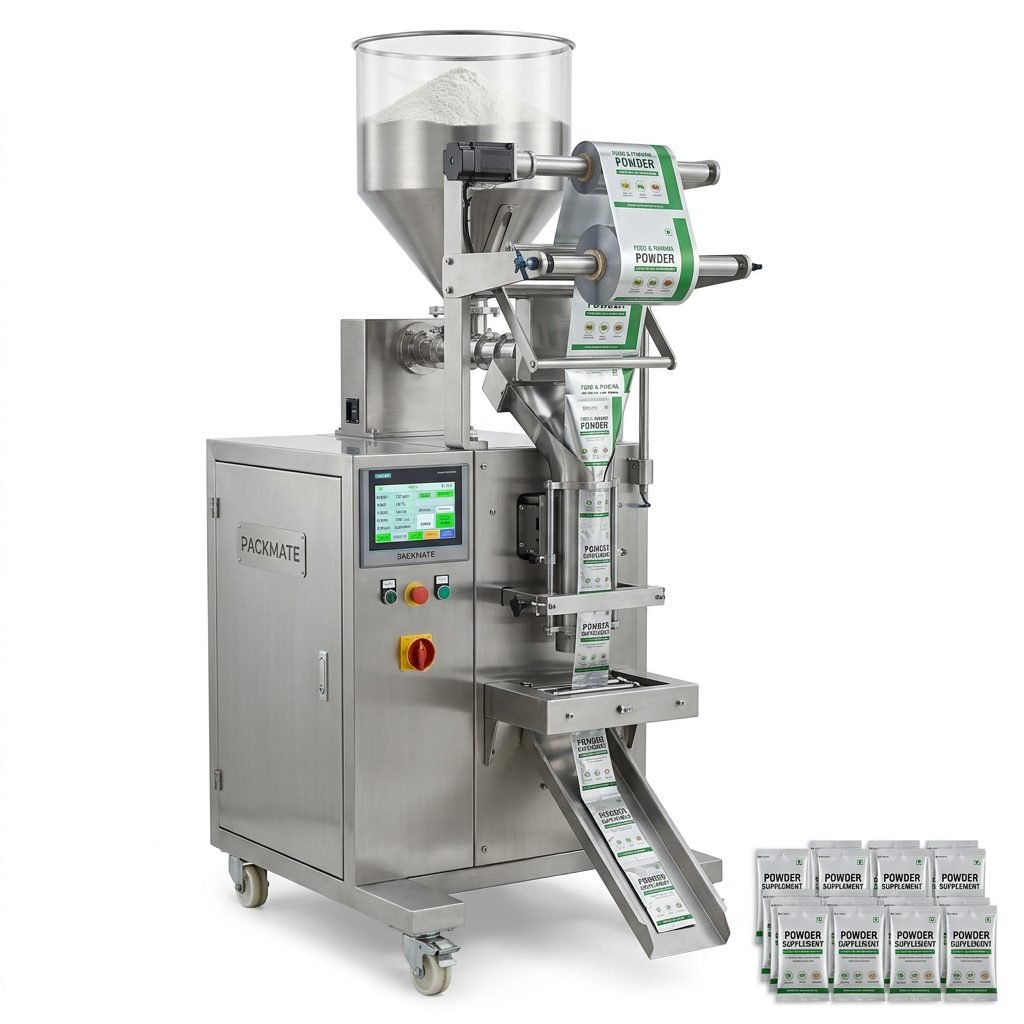
In today’s competitive manufacturing landscape, the efficiency and quality of your packaging line are not just operational metrics—they are critical determinants of profitability and market reputation. A coil packaging line, often the final touchpoint before a product reaches the consumer, presents a significant opportunity for optimization. Upgrading this line is a strategic investment that can yield substantial returns in throughput, automation, and product integrity. This guide provides a comprehensive roadmap for planning and executing a successful coil packaging line upgrade.
Understanding the Need for an Upgrade
Before diving into solutions, it’s crucial to diagnose the pain points. Common signs that your coil packaging line needs an upgrade include:
- Consistent bottlenecks slowing down overall production speed.
- High rates of product waste due to misfeeds, misalignment, or sealing issues.
- Excessive downtime for manual adjustments, changeovers, or maintenance.
- Inability to handle new packaging materials or product sizes demanded by the market.
- Reliance on significant manual labor for tasks like loading, inspection, or palletizing.
Addressing these issues is not merely about fixing machines; it’s about transforming your packaging process into a robust, future-proof operation. For a deeper look at how tailored solutions can address these challenges, explore our dedicated packaging solutions.
Key Upgrade Objectives
A well-planned upgrade should target three core areas:
1. Efficiency: Maximize output per hour and minimize non-value-added time.
2. Automation: Reduce human intervention to lower labor costs and error rates.
3. Product Quality: Ensure every packaged coil meets the highest standards of presentation and protection.
Strategic Planning for Your Upgrade
A successful upgrade begins long before equipment arrives on the factory floor. Strategic planning involves a thorough audit of your current process, clear goal setting, and vendor selection.
1. Conduct a Comprehensive Line Audit
Map every step of your current packaging process. Measure cycle times, identify failure points, and document material usage. This data forms the baseline against which upgrade success will be measured.
2. Define Clear Technical Specifications
Based on your audit, define what you need. Specifications should include:
- Required line speed (coils per minute).
- Compatible coil dimensions and weight ranges.
- Types of packaging materials (e.g., stretch film, shrink film, cardboard sleeves).
- Level of automation (semi-automatic vs. fully automatic).
- Integration requirements with upstream and downstream equipment.
3. Selecting the Right Technology Partner
Choosing a supplier is perhaps the most critical decision. Look for a partner with proven experience in coil packaging, a strong portfolio of successful case studies, and the capability to provide a complete, integrated solution. A partner like Packmate, with over 30 years in designing intelligent packaging lines, can offer invaluable expertise from concept to commissioning.
Core Components of a Modern Coil Packaging Line
An upgrade typically focuses on integrating advanced modules. Here are the key components to consider:
Automated Coil Handling & Feeding Systems
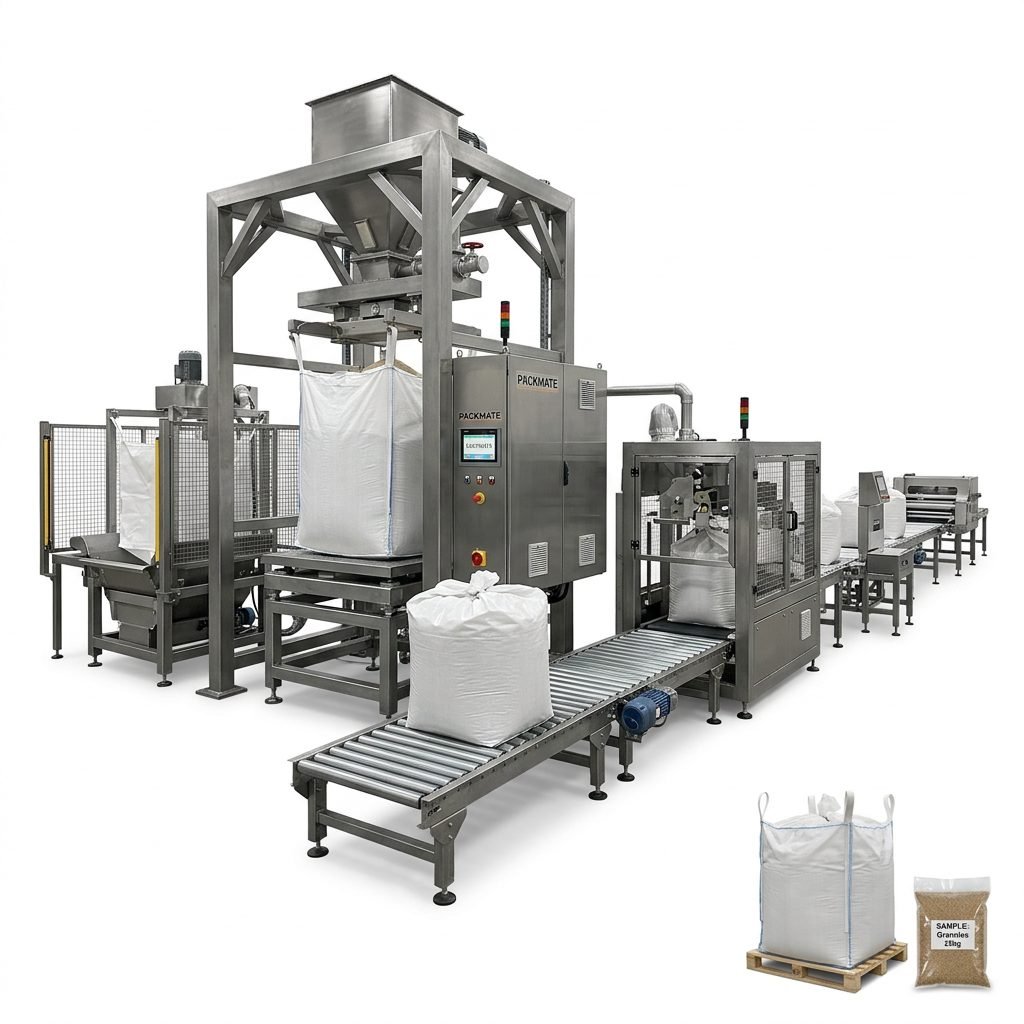
Replace manual loading with robotic arms or conveyor-based systems that gently and precisely position coils onto the packaging mandrel. This eliminates a major bottleneck and reduces physical strain on workers.
High-Speed Wrapping & Sealing Stations
Modern wrappers use servo-driven technology for consistent, high-tension application of film. Look for features like automatic film threading, tear-tape application, and quick-change film rolls to minimize downtime.
Intelligent Vision Inspection Systems
Integrate cameras and sensors to perform 100% inline inspection. These systems can detect film defects, print registration errors, or incorrect labeling, automatically rejecting sub-standard packages and providing real-time quality data.
Integrated Data Collection & Line Control
The brain of the modern line is a centralized PLC (Programmable Logic Controller) or SCADA (Supervisory Control and Data Acquisition) system. This allows for monitoring of OEE (Overall Equipment Effectiveness), tracking production counts, and diagnosing faults instantly from a central HMI (Human-Machine Interface).
Pro Tip: The Importance of Changeover
When evaluating equipment, prioritize quick-changeover capabilities. Systems with tool-less adjustments or automated size-change sequences can reduce changeover time from hours to minutes, making your line vastly more flexible for short production runs.
Maximizing Return on Investment (ROI)
An upgrade is a capital expenditure that must justify itself. Calculate your potential ROI by considering:
- Labor Savings: Reduced operators per line.
- Material Savings: Precise film control reduces waste.
- Increased Output: Higher line speed and uptime.
- Quality Savings: Reduced customer returns and claims.
- Energy Efficiency: Newer machines often consume less power.
A detailed ROI analysis, often supported by your equipment supplier, will clarify the financial benefits. For ongoing support to ensure your investment performs optimally, consider the comprehensive after-sales services available.
Implementation and Best Practices
A smooth rollout is key to minimizing disruption.
Phased Implementation
For complex lines, consider a phased approach. Upgrade one module at a time, ensuring it integrates seamlessly with the existing line before moving to the next. This reduces risk and allows operators to train gradually.
Comprehensive Operator Training
Invest in thorough training for your maintenance and operations teams. Understanding the new technology is essential for achieving its full potential and performing basic troubleshooting.
Preventive Maintenance Schedule
Work with your supplier to establish a proactive maintenance plan. Regular checks on seals, bearings, sensors, and drives prevent unexpected failures and extend the equipment’s lifespan.
Ultimately, upgrading your coil packaging line is a transformative project. It moves packaging from a cost center to a strategic asset that enhances product value, safeguards your brand, and drives operational excellence. By focusing on clear goals, choosing the right technology partner, and planning for seamless integration, you can build a packaging operation that is not only efficient today but also adaptable for the challenges of tomorrow. To start a conversation about your specific upgrade needs, feel free to contact our engineering team.
Frequently Asked Questions (FAQs)
1. How long does a typical coil packaging line upgrade project take?
The timeline varies significantly based on scope. A simple module replacement might take a few weeks, while a complete line overhaul with new foundations and utilities can take 3 to 6 months from order to full production. Detailed planning with your supplier will provide an accurate schedule.
2. Can we upgrade our existing line, or do we need a completely new one?
In many cases, a retrofit or modular upgrade is possible and cost-effective. This involves replacing specific outdated components (like the wrapper or feeder) while keeping robust existing infrastructure. A professional audit will determine the best approach.
3. What is the most common challenge after an upgrade?
The most common challenge is change management with the operational staff. Ensuring thorough training and involving key operators in the planning process can greatly ease the transition to new, more automated processes.
4. How do we ensure the new line meets our quality standards?
Define your quality parameters (e.g., film tension, seal integrity, label placement) clearly in the purchase specification. Require a Factory Acceptance Test (FAT) at the supplier’s facility and a Site Acceptance Test (SAT) at your plant to verify performance before final sign-off.
5. What kind of maintenance support should we expect?
Reputable suppliers offer comprehensive support, including detailed manuals, on-site training, remote diagnostic capabilities, and readily available spare parts. Clarify the terms of warranty, response times for service calls, and the availability of long-term service contracts.