In today’s competitive manufacturing landscape, achieving peak efficiency, maintaining stringent hygiene standards, and ensuring product integrity are non-negotiable, especially in the food, pharmaceutical, and health product sectors. The cornerstone of meeting these demands lies in deploying a sophisticated, integrated packaging production line. These solutions are far more than just a collection of machines; they are meticulously engineered systems designed to automate, optimize, and secure the final critical phase of your production process. For businesses seeking to scale, comply with rigorous regulations, and protect their brand reputation, investing in the right packaging line is a strategic imperative.
The Critical Role of Specialized Packaging Lines
Packaging serves as the final guardian of product quality and the first point of physical contact with the consumer. A generic, one-size-fits-all approach is fraught with risk. Specialized packaging lines are tailored to address the unique physical properties and regulatory requirements of different products.
Why Industry-Specific Design Matters:
Food Products: Lines must prioritize speed, portion control, and freshness preservation (e.g., nitrogen flushing for snacks). Hygiene is paramount to prevent contamination.
Pharmaceuticals: Absolute accuracy in dosing, tamper-evidence, and compliance with Good Manufacturing Practice (GMP) are essential. Traceability and serialization are often integrated.
Health & Nutraceuticals: These lines blend requirements from both food and pharma, focusing on accurate filling of powders/granules, maintaining nutrient stability, and using high-barrier materials.
Core Components of a Modern Packaging Line
A complete, turnkey packaging solution is a symphony of interconnected machines, each performing a specific function with precision. Understanding these components is key to specifying the right system for your needs.
1. Feeding & Conveying Systems
This is the starting point, where bulk product is reliably and consistently introduced to the line. Systems vary from vibratory feeders and screw conveyors for powders to bucket elevators for granules. Gentle handling is crucial to prevent product degradation.
2. Primary Packaging Machines
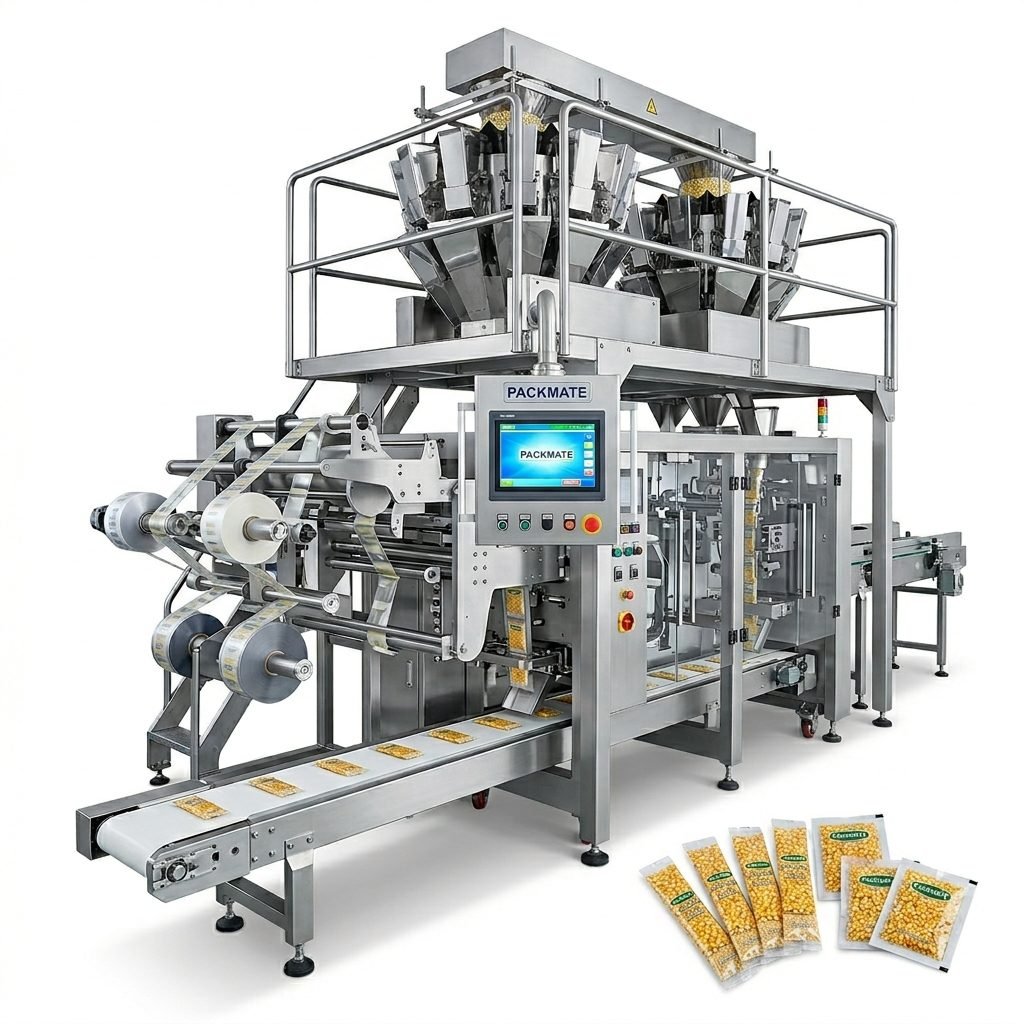
This is the heart of the line, where the product is measured and sealed into its immediate container. The technology here defines the line’s core capability.
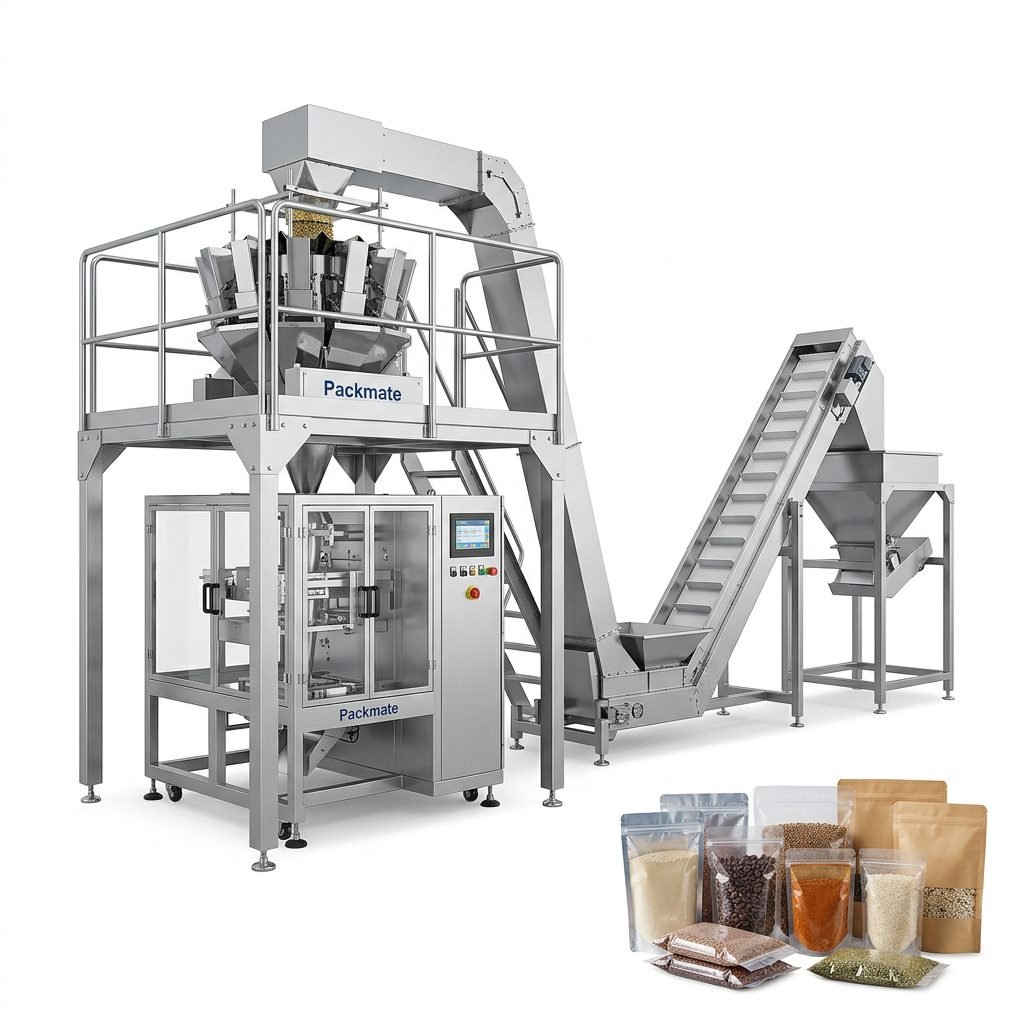
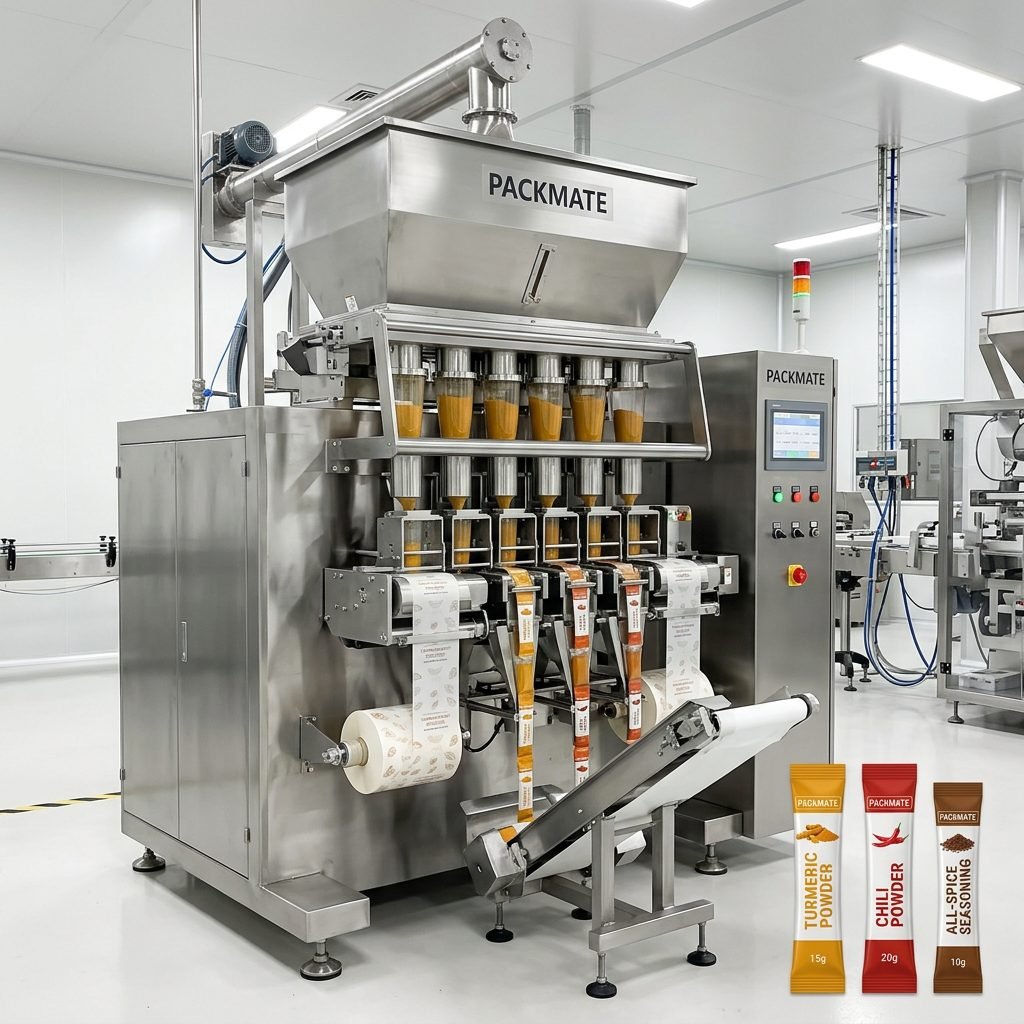
- ▶ Vertical Form-Fill-Seal (VFFS) Machines: The industry workhorse for creating bags from a roll of film, filling them, and sealing them in one continuous motion. Ideal for a vast range of products.
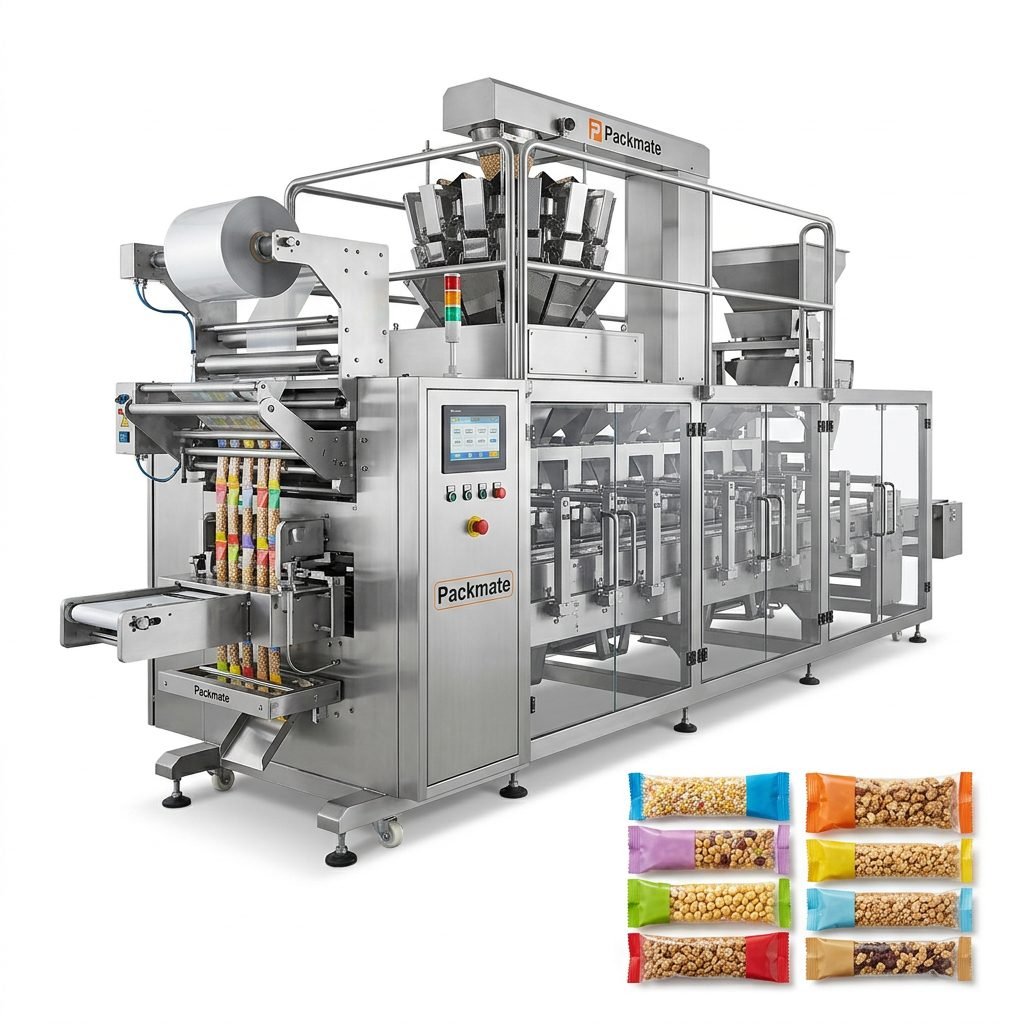
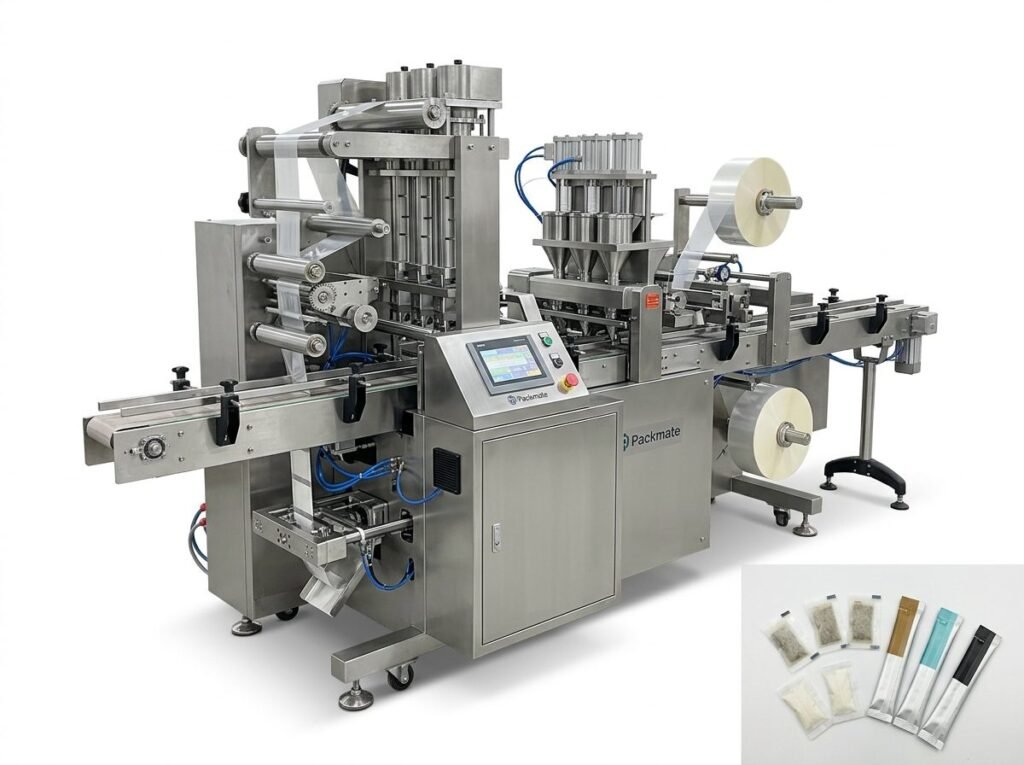
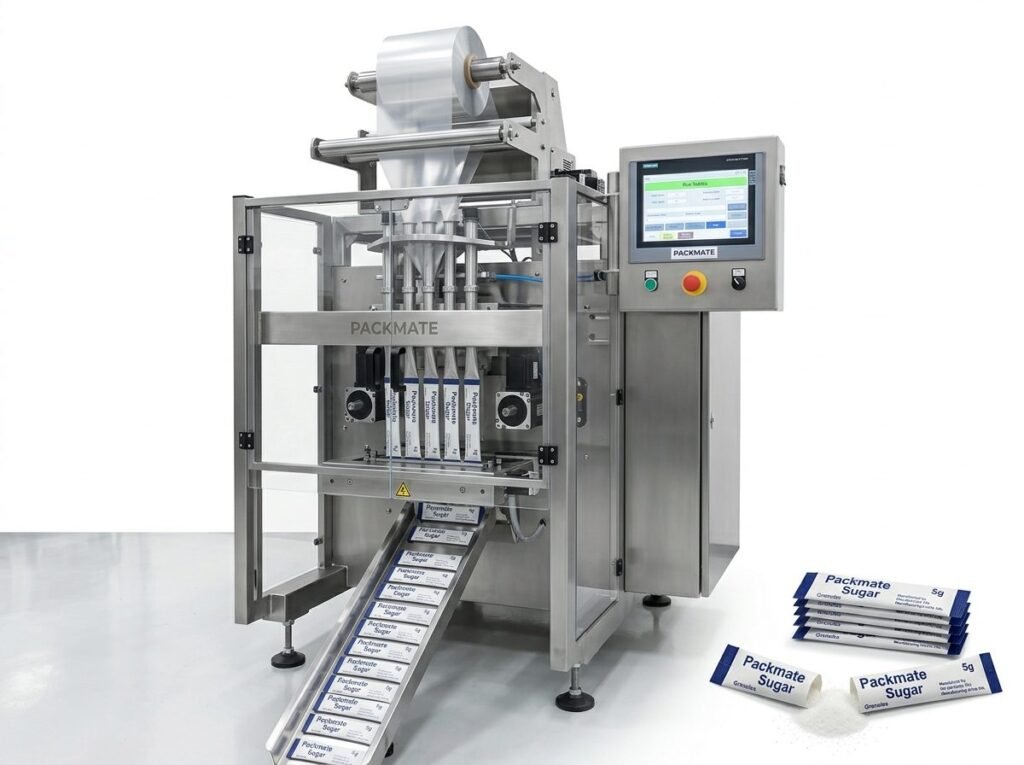
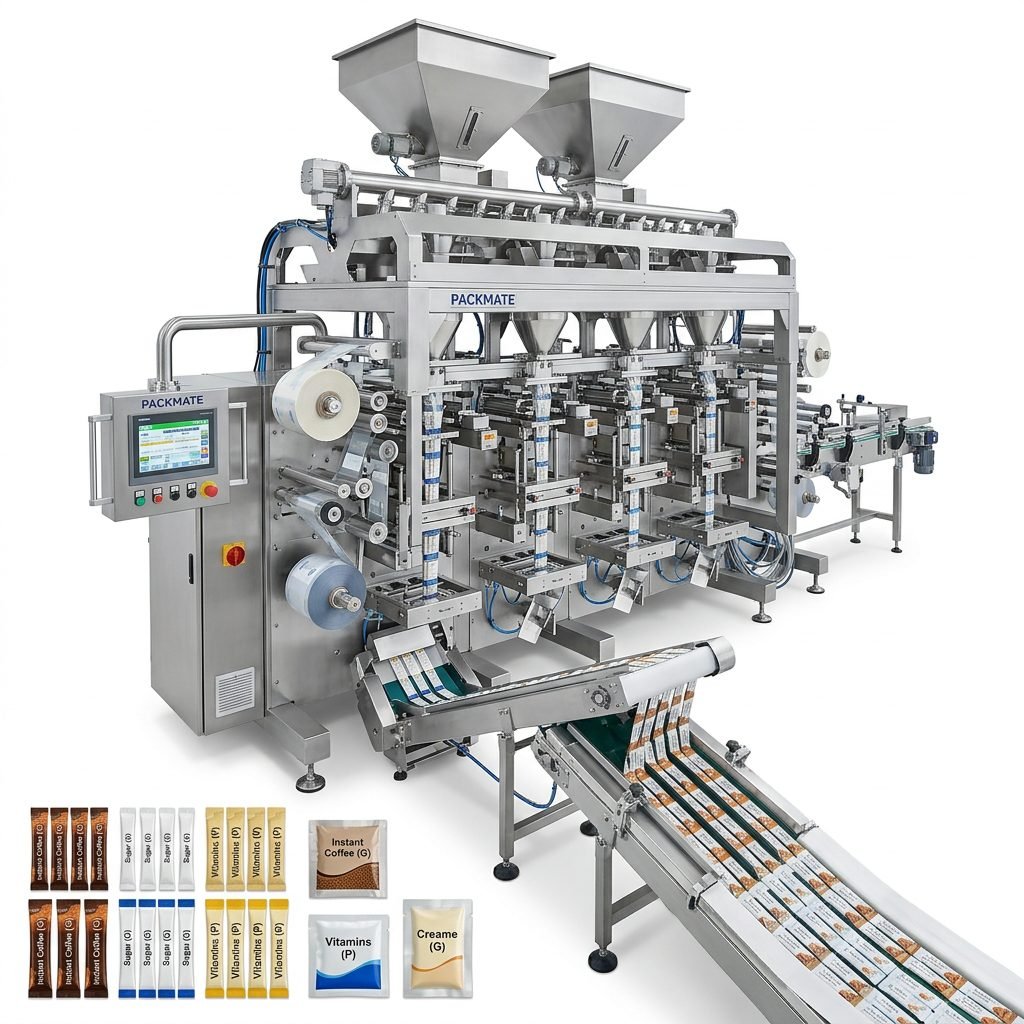
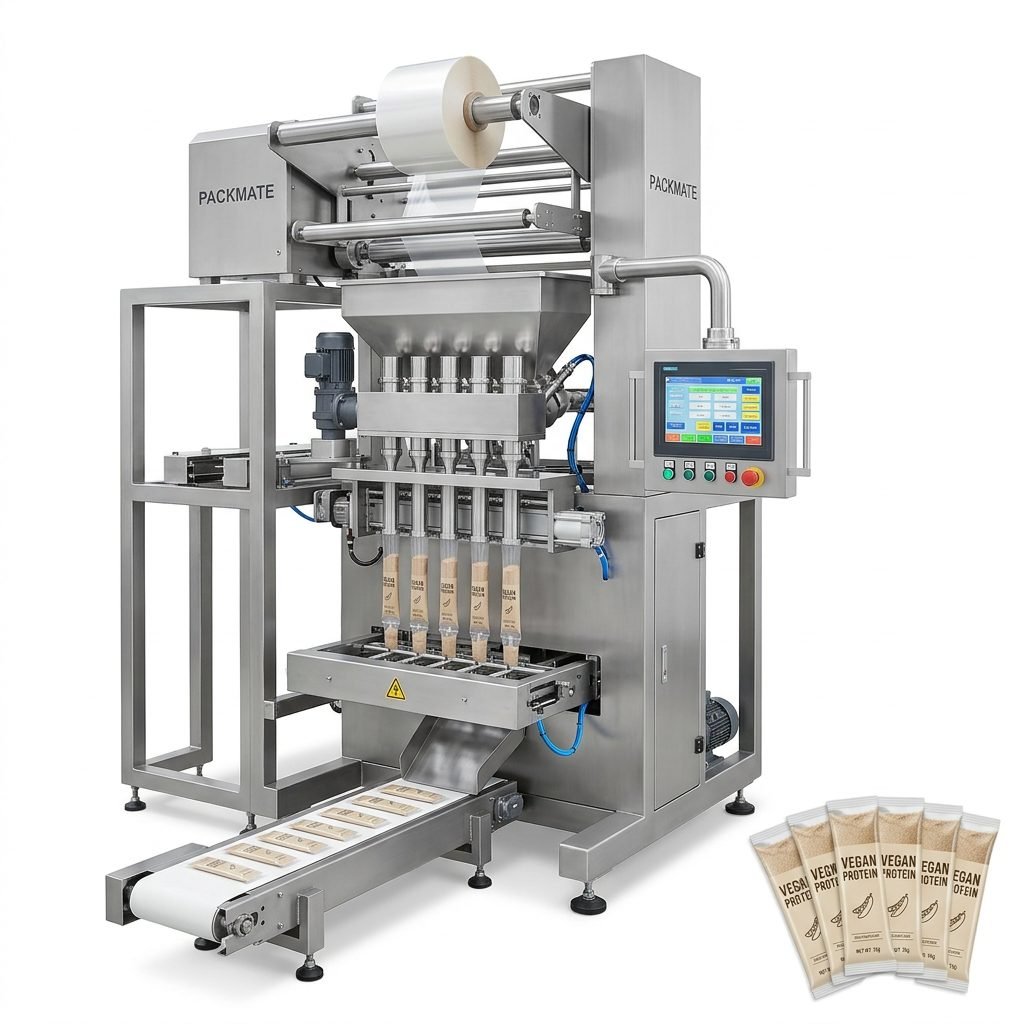
- ▶ Stick Pack Machines: Specialized for single-serve, elongated sachets, popular for supplements, instant beverages, and condiments. Multi-lane stick pack solutions dramatically increase output.
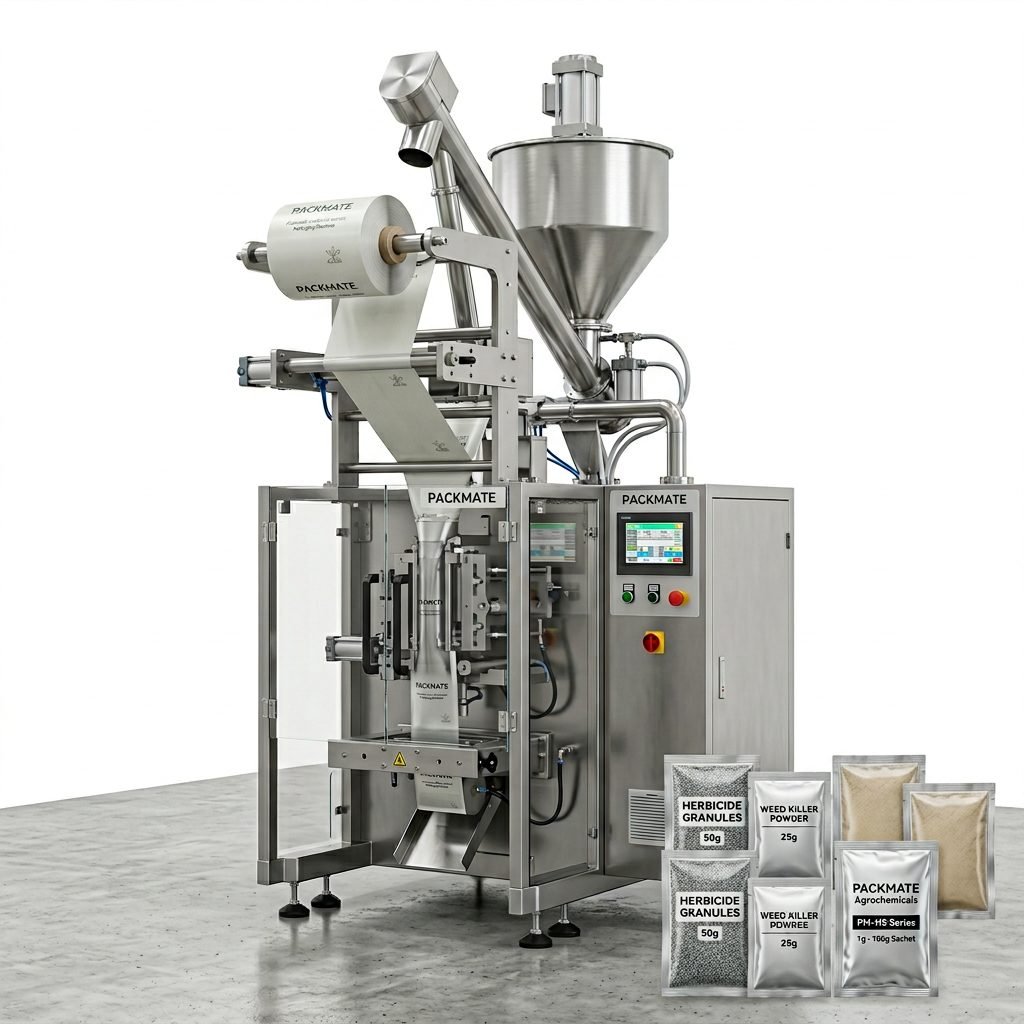
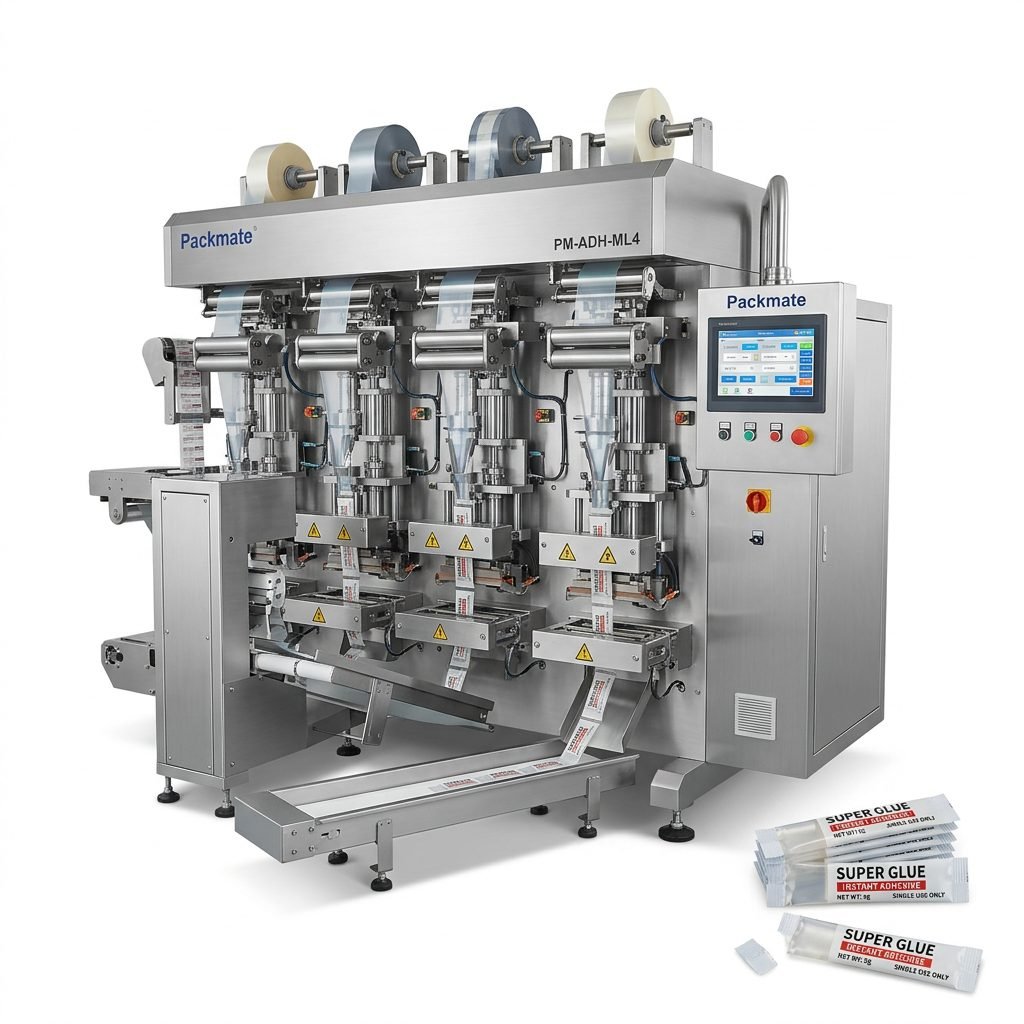
- ▶ Sachet Packaging Machines: Versatile machines for creating small, flat pouches, perfect for samples, ketchup, or shampoo. They offer excellent material efficiency.
- ▶ Liquid & Piston Fillers: Designed for accurate volumetric filling of liquids, creams, and pastes into bottles, tubes, or pouches with minimal waste.
3. Secondary & Tertiary Packaging
Once primary packaging is complete, the line often continues to group and prepare products for shipping.
- Cartoning Machines: Automatically erect cartons, insert primary packs (like sachets or bottles), and close them.
- Case Packers & Palletizers: Handle the final steps of placing cartons into shipping cases and stacking cases onto pallets, reducing manual labor and injury risk.
4. The Control & Integration Hub
Modern lines are governed by sophisticated Programmable Logic Controllers (PLCs) and Human-Machine Interfaces (HMIs). This central nervous system monitors speed, detects jams, tracks production counts, and ensures all machines work in perfect harmony. Integration with Manufacturing Execution Systems (MES) provides invaluable data for optimization and traceability.
Key Considerations for Selecting Your Solution
Choosing the right partner and system requires a thorough analysis of your current and future needs. Here are the critical factors to evaluate.
Selection Checklist:
Product Characteristics: Form (powder, granule, liquid), abrasiveness, hygroscopicity, and required fill accuracy.
Output Speed (UPH): Required units per hour, considering peak demand and future growth.
Packaging Materials: Type of film (laminate, monolayer), paper, or pre-made containers. The line must be compatible.
Footprint & Layout: Available factory space and the optimal workflow to minimize material handling.
Regulatory Compliance: Certifications needed (e.g., GMP, FDA, CE) for your target markets.
Supplier Expertise & Support: The provider’s experience in your industry, quality of after-sales service, and availability of spare parts.
Partnering with an Experienced Provider: The Packmate Advantage
The complexity of implementing a successful packaging line underscores the importance of choosing a partner, not just a vendor. With over 22 years of dedicated development, Packmate (GuangDong) Co., Ltd. has established itself as a leader in intelligent packaging solutions. Operating from a modern 20,000㎡ facility, our strength lies in translating deep industry knowledge into reliable, turnkey systems.
Our journey, from a specialized workshop to a company serving a global clientele, is built on a foundation of solving real-world packaging challenges. We understand that a packaging line is a long-term investment. Therefore, we focus on engineering for durability, ease of maintenance, and operational efficiency. From initial concept and design to installation, training, and ongoing technical support, our team of over 125 professionals ensures a seamless project lifecycle. You can explore specific applications and successes in our detailed project case studies.
Future Trends in Packaging Automation
The evolution of packaging technology is driven by sustainability, digitalization, and flexibility.
- Sustainability-Driven Design: Machines that can handle recyclable or compostable mono-materials, reduce film waste, and optimize energy consumption.
- Industry 4.0 Integration: Lines equipped with IoT sensors for predictive maintenance, real-time OEE tracking, and seamless data exchange with factory networks.
- Adaptability & Quick Changeover: Rising demand for shorter production runs requires machines that can switch between package sizes and formats with minimal downtime and tooling.
- Enhanced Inspection Systems: Advanced vision systems and checkweighers becoming standard for 100% quality control, ensuring no defective pack leaves the facility.
Conclusion
Implementing a robust, automated packaging production line is a transformative step for any food, pharmaceutical, or health product manufacturer. It is an investment that pays dividends in increased output, reduced waste, enhanced product safety, and strengthened brand consistency. By carefully assessing your product needs, output goals, and regulatory landscape, and by partnering with an experienced provider like Packmate, you can secure a packaging solution that not only meets today’s challenges but is also poised to adapt to the opportunities of tomorrow.
Frequently Asked Questions (FAQs)
1. What is the typical lead time for a complete turnkey packaging line?
Lead time varies significantly based on the line’s complexity, customization level, and current production schedule. A standard system might take 3-6 months from order to delivery, while highly customized solutions can take longer. A detailed project timeline is always provided during the quotation and planning phase.
2. How do you ensure the packaging line meets our specific hygiene standards (e.g., for pharmaceuticals)?
We design lines with hygiene as a core principle. This includes using stainless steel (grade 304 or 316) for product contact parts, designing for easy cleaning and access (CIP/SIP where applicable), and ensuring seamless, crevice-free surfaces. We can design to comply with GMP, FDA, and other relevant standards, which are validated during factory acceptance testing.
3. Can your machines handle the new sustainable/recyclable packaging materials?
Yes, we actively develop and adapt our sealing technologies, film handling systems, and machine parameters to work effectively with a growing range of sustainable materials, including mono-layer plastics and paper-based laminates. We recommend testing with your specific material during the evaluation phase to ensure optimal performance.
4. What kind of training and after-sales support do you provide?
We provide comprehensive training for your operators and maintenance technicians at installation. This covers operation, routine maintenance, troubleshooting, and safety. Our after-sales support includes a warranty period, readily available spare parts, and access to remote technical support. On-site service visits are also available globally. More details can be found on our dedicated support page.
5. We have limited floor space. Can a high-speed line be designed for a compact layout?
Absolutely. Space optimization is a key part of our design process. We utilize modular machine designs, vertical integration where possible, and custom conveyor layouts to maximize output per square meter. A detailed factory layout plan is created during the project engineering phase to ensure a perfect fit.