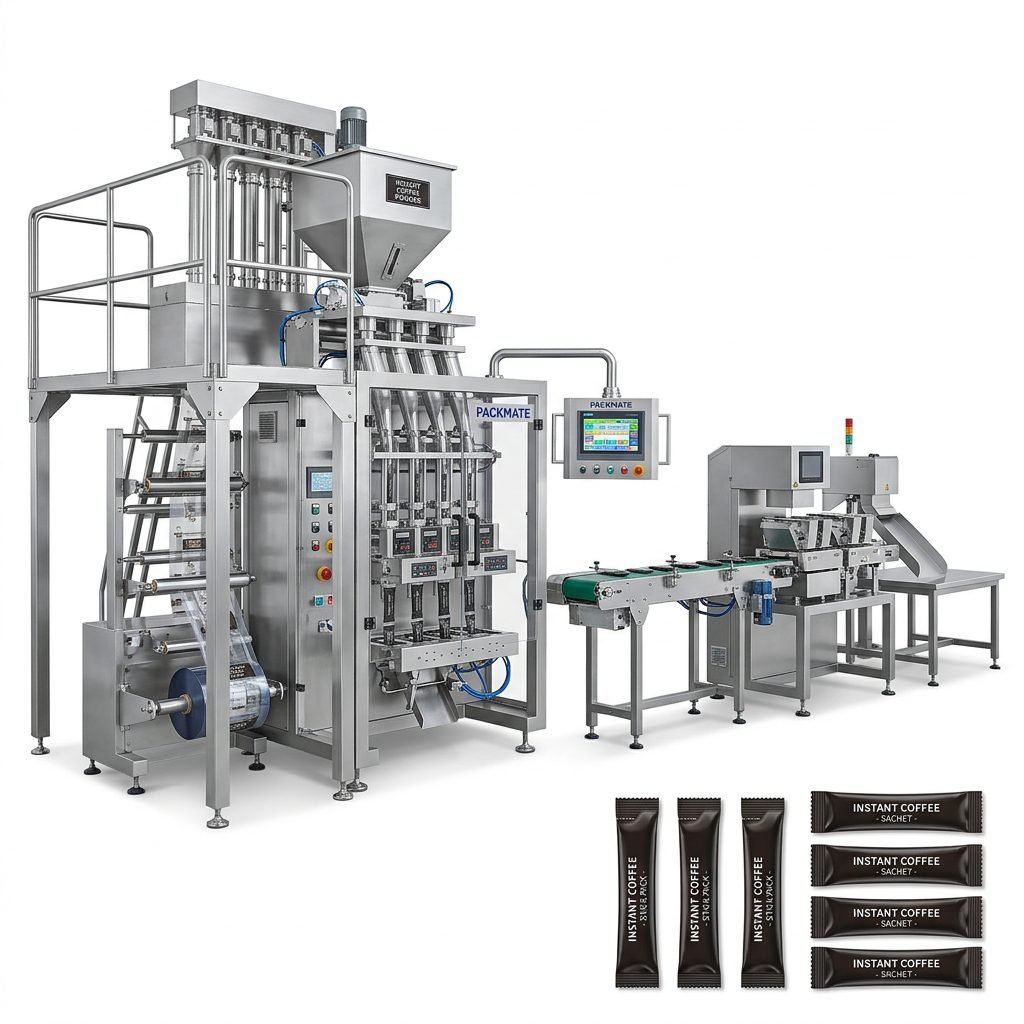
In the competitive world of automated bakery production, efficiency and cost management are the cornerstones of profitability. For businesses handling high volumes of bread and similar baked goods, the packaging stage presents a critical opportunity for optimization. A specialized Bread Dual Splice Packaging Line is not just another piece of equipment; it’s a strategic investment designed to streamline operations from the cooling rack to the shipping pallet. By integrating two packaging lanes into a single, synchronized system, bakeries can dramatically boost output while simultaneously reducing labor and operational expenses. This article explores how leveraging promotions for these advanced lines can transform your production floor.
The Core Challenge in Modern Bakery Packaging
Traditional single-lane packaging systems often create bottlenecks. As bread exits the cooling conveyor, it must wait to be bagged, sealed, and coded. This limits overall line speed to the capacity of a single machine. Furthermore, reliance on manual loading or monitoring of these lanes increases labor costs and the potential for inconsistency. Downtime for maintenance or reel changes on a single machine can bring the entire packaging operation to a halt, leading to wasted product and missed deadlines. The solution lies in redundancy and parallel processing—principles at the heart of the dual splice design.
Key Advantage: Uninterrupted Flow
A dual splice system utilizes two parallel packaging machines fed by a single intelligent collator. The magic lies in the “splice” mechanism. When the film reel on one machine is nearly exhausted, the system automatically splices the tail end to the lead of a fresh reel on the second machine without stopping production. This ensures a continuous, high-speed packaging flow, maximizing the throughput of the entire bakery line.
How Dual Splice Technology Boosts Efficiency
Implementing a Bread Dual Splice Packaging Line delivers measurable efficiency gains across several key performance indicators (KPIs).
1. Dramatically Increased Output Speed
By operating two lanes simultaneously, the system effectively doubles the packaging capacity compared to a single lane. Speeds can often exceed 120 bags per minute per lane, allowing bakeries to keep pace with high-speed ovens and proofers. This eliminates the packaging stage as a bottleneck, enabling you to fulfill larger orders and reduce lead times.
2. Optimized Labor Utilization
The automated nature of these lines significantly reduces the need for manual intervention. One operator can typically oversee the entire dual-lane system, monitoring performance via a centralized touchscreen HMI. Labor is reallocated from repetitive loading tasks to more valuable quality control and supervision roles, improving job satisfaction and operational oversight.
3. Enhanced Overall Equipment Effectiveness (OEE)
OEE measures the percentage of manufacturing time that is truly productive. Dual splice technology directly improves all three OEE factors: Availability (less downtime for reel changes), Performance (faster, consistent speeds), and Quality (reduced risk of film breaks or mis-feeds causing jams). A higher OEE translates directly to higher profitability.
Substantial Pathways to Cost Reduction
Beyond raw speed, the financial benefits of a dual splice system are compelling. Promotions on these lines make the return on investment (ROI) even more attractive.
Cost Savings Breakdown:
- Labor Cost Savings: Reducing direct labor on the packaging line lowers ongoing payroll and associated costs.
- Material Waste Reduction: Precise film splicing and tension control minimize film waste during reel changes. Consistent sealing also reduces product waste from poorly packaged bread.
- Energy Efficiency: Modern dual splice lines from leaders like Packmate are designed with efficient servo motors and smart power management, lowering per-unit energy consumption.
- Lower Maintenance Costs: Robust construction and accessible design simplify routine maintenance. The reduced mechanical stress from automated, smooth operation also extends component life.
Capitalizing on Promotional Offers
Seasonal promotions or project-based offers from packaging solution providers can include valuable benefits such as extended warranty, free installation supervision, discounted spare parts kits, or bundled training. These promotions effectively lower the total cost of ownership and accelerate the payback period. It’s advisable to consult directly with providers to understand current promotional opportunities that align with your bakery’s expansion or upgrade plans.
Integration and Support: The Packmate Advantage
Choosing the right partner is as crucial as choosing the right technology. With over 22+ years of company development, Packmate (GuangDong) Co., Ltd. brings deep expertise in delivering turnkey solutions. Our 20,000㎡ modern manufacturing facility is the backbone for producing reliable, high-performance dual splice lines.
Our process begins with a thorough analysis of your specific bakery layout, product mix, and output goals. We don’t just sell a machine; we engineer a solution. The integration includes seamless connectivity with your existing cooling conveyors, slicers, and downstream handling systems. Furthermore, our global service network ensures that support is always available, maximizing your line’s uptime. You can see real-world applications in our detailed project case studies.
Why Automated Bakeries Trust Packmate:
✓ Turnkey Project Delivery: From design to installation and training, we manage the entire project.
✓ Proven Reliability: Machines are built for 24/7 operation in demanding food production environments.
✓ Future-Proof Design: Our lines are scalable and adaptable to accommodate new products or packaging formats.
Conclusion
For automated bakeries aiming to scale production and solidify their market position, investing in a Bread Dual Splice Packaging Line is a decisive step forward. Current promotions make this advanced technology more accessible than ever, offering a faster path to a stronger bottom line. The combined benefits of doubled packaging throughput, significant labor savings, and reduced material waste create a compelling ROI. By partnering with an experienced provider like Packmate, bakeries gain not just equipment, but a long-term solution for efficient, cost-effective, and reliable packaging.
Frequently Asked Questions (FAQs)
1. What is the main difference between a standard packaging line and a dual splice line?
A standard line typically uses a single packaging machine. A dual splice line integrates two machines operating in parallel with an automatic film splicing system. This allows one lane to continue production seamlessly while the other changes film reels, eliminating stoppages and dramatically increasing overall line efficiency and output.
2. How much can a bakery realistically save on labor costs with this system?
Savings vary by operation, but it’s common to reduce direct packaging labor by 50% or more. One operator can often manage the dual-lane system, freeing staff for other tasks. This translates to substantial annual savings on wages, benefits, and training for multiple shift operations.
3. Is the dual splice system suitable for different types of bread?
Yes, a well-engineered dual splice line is highly versatile. It can be configured to handle various loaf sizes, rolls, buns, and even specialty baked goods. The collating and feeding system is adjustable to accommodate different product dimensions and weights.
4. How complex is the maintenance for a dual splice system?
While technologically advanced, these systems are designed for maintainability. Routine maintenance primarily involves cleaning, lubrication, and inspection of seals and cutters. The centralized control system often includes diagnostic alerts to guide maintenance. Comprehensive training and clear manuals are provided by suppliers like Packmate to empower your team.
5. Can this line integrate with our existing bakery equipment?
Absolutely. A key part of the service from a full-solution provider is integration engineering. The dual splice line can be designed to interface with your current cooling conveyors, metal detectors, checkweighers, and case packers, creating a cohesive and automated production chain from oven to dispatch.